










window.uetq = window.uetq || []; window.uetq.push(‘event’, ‘submit_lead_form’,{ event_label:‘SUBMIT MESSAGE’ }); window.lintrk('track', { conversion_id: 10271009 }); window.lintrk('track', { conversion_id: 10271017 });

Stock Packaging

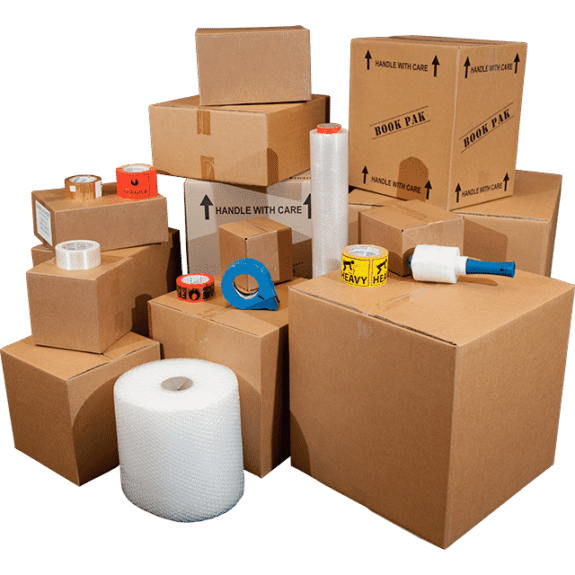
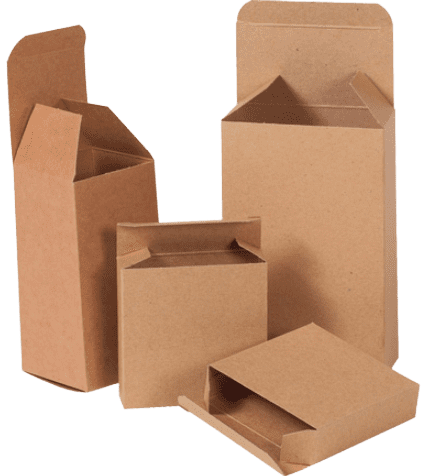
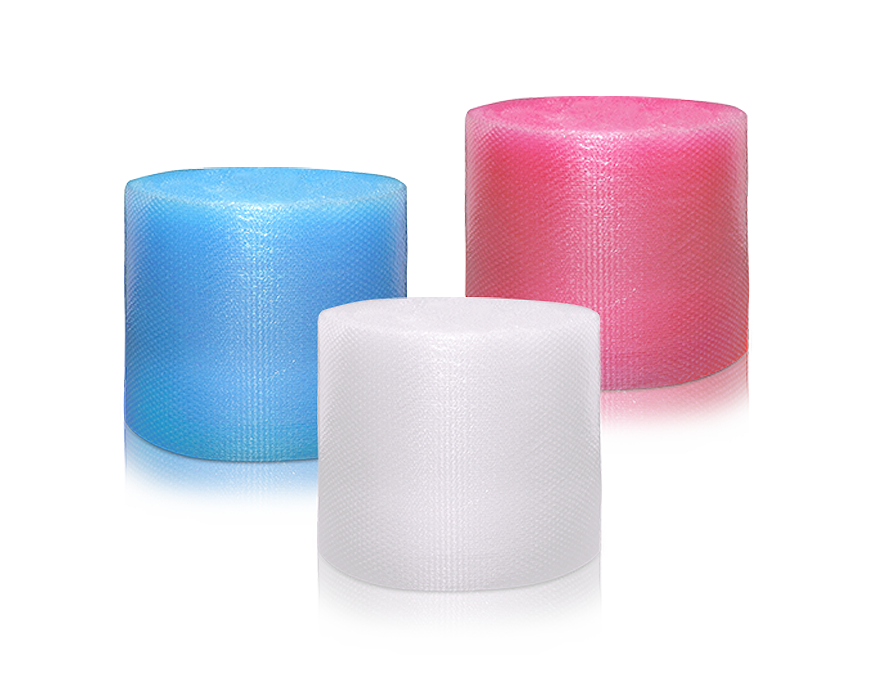
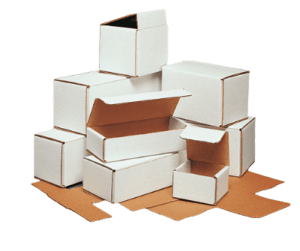
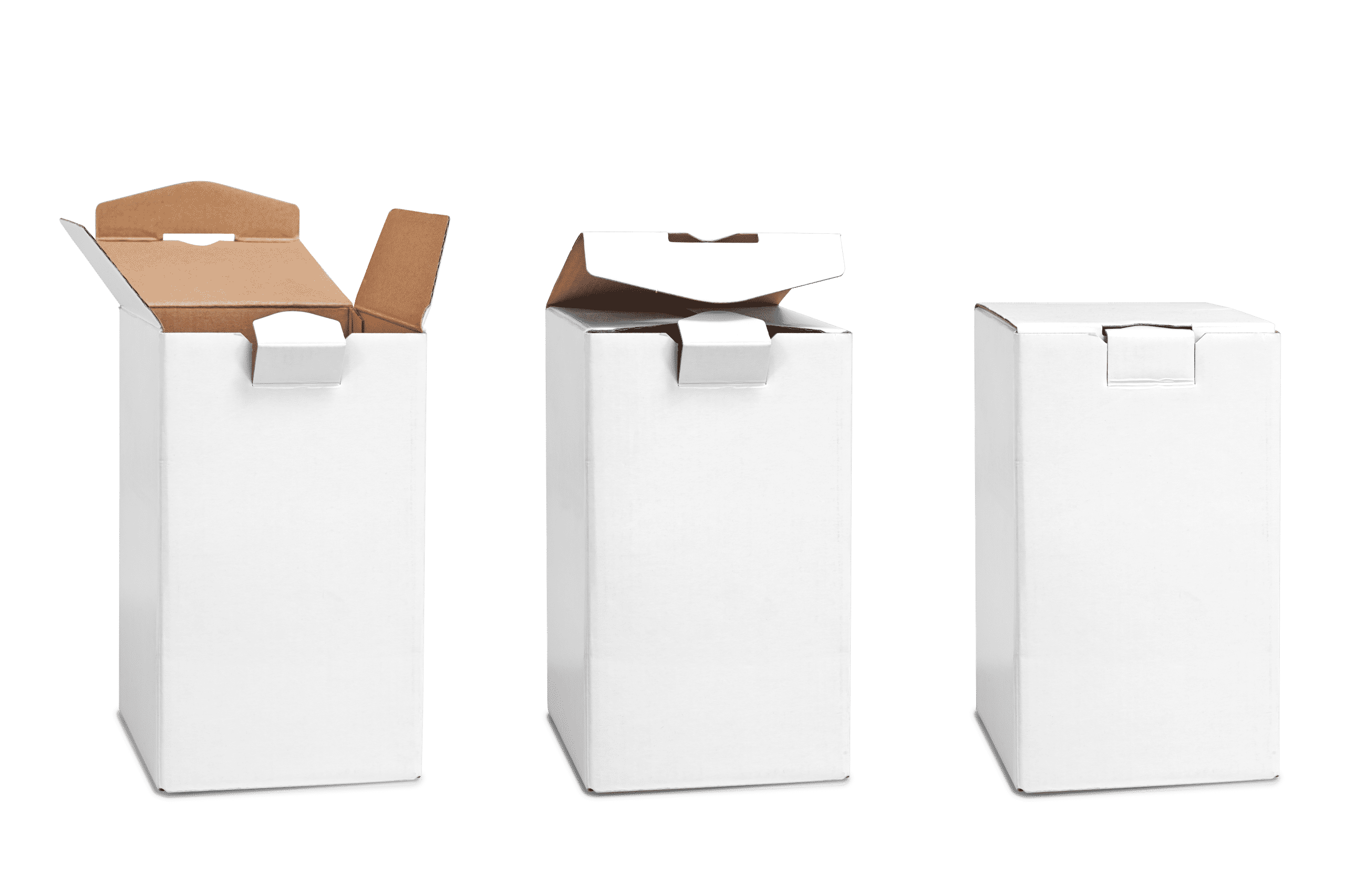
We supply businesses with a wide selection of essential packaging, shipping, and warehouse supplies. Get any standard packaging product by dimension or style from boxes, tubes, tapes, labels, and more. If you are unsure on what type of packaging you will need, then contact us for an expert consultation.


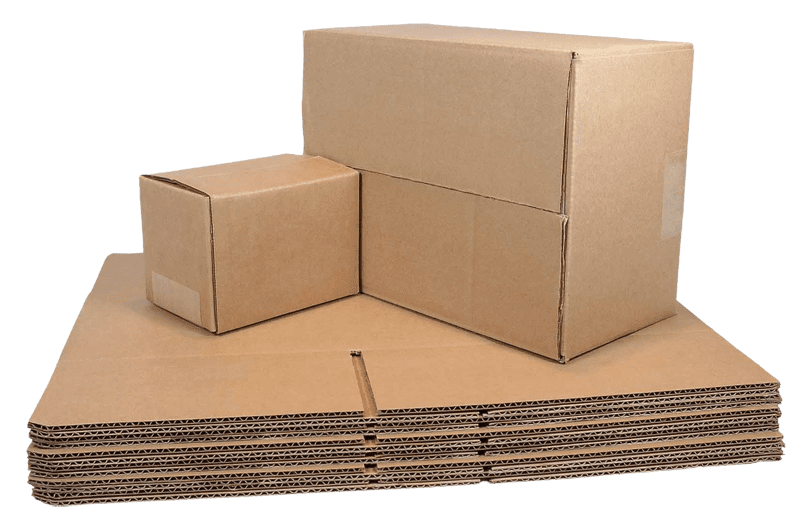
Stock packaging refers to pre-made, ready-to-ship packaging solutions like corrugated boxes, mailers, and protective materials that are designed to meet a wide range of standard needs across shipping, retail, and storage. Unlike custom packaging, stock options offer quick availability and reliable protection without the need for extensive design or production time, making them ideal for businesses needing efficient, high-quality solutions with fast lead times.

At Brown Packaging, we focus on providing durable, performance-driven stock packaging that supports our clients’ operational needs. Our stock products are sourced to ensure consistent quality and cost-effectiveness, offering a practical solution to keep operations running smoothly and on schedule. With an emphasis on reliability, we help our clients quickly access packaging solutions that meet their specific needs while maintaining quality across every order.

stock packaging products

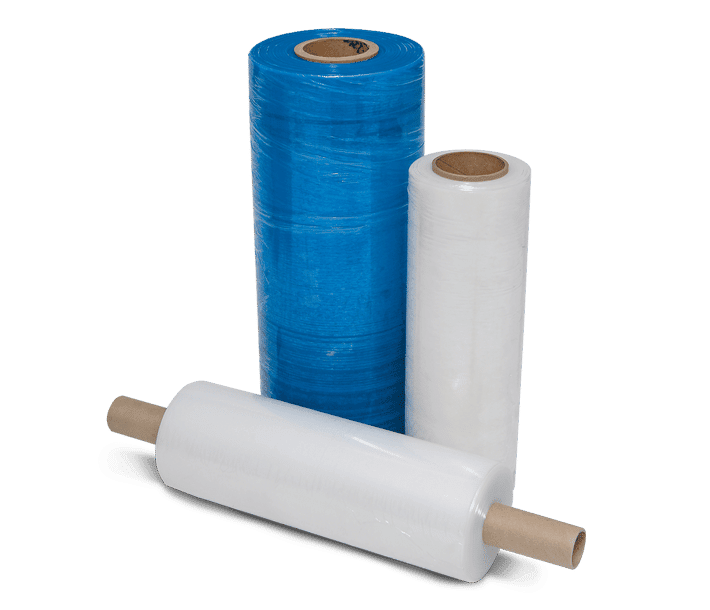
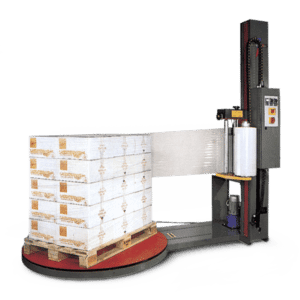
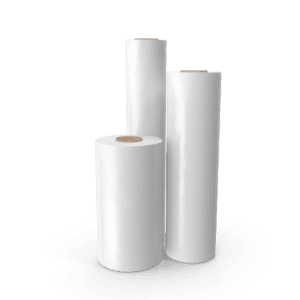
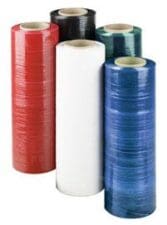
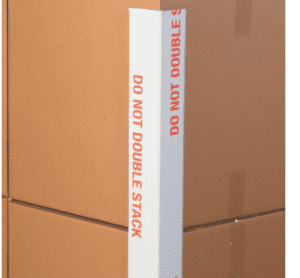
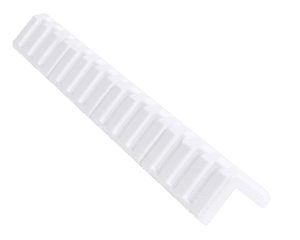
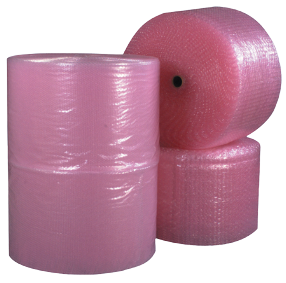
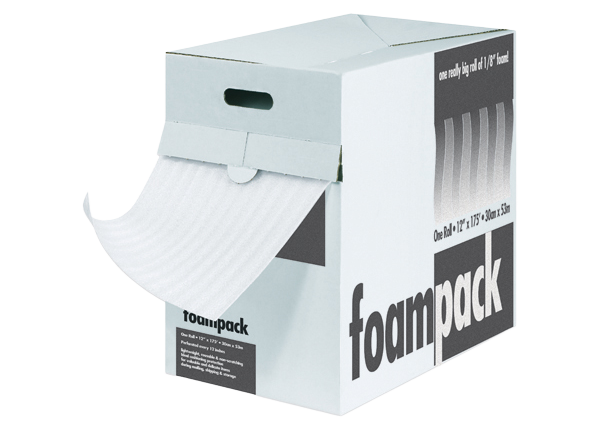
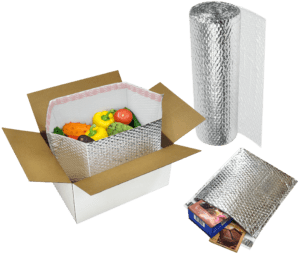
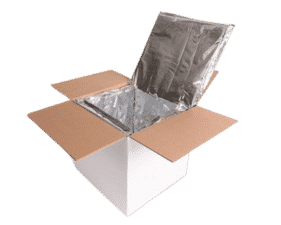
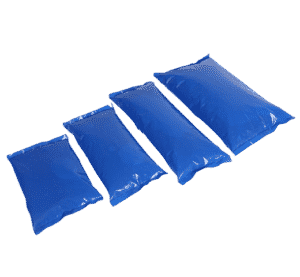
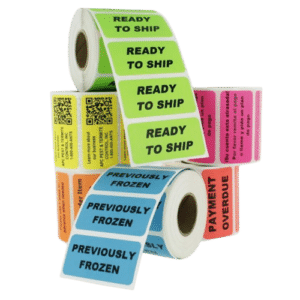
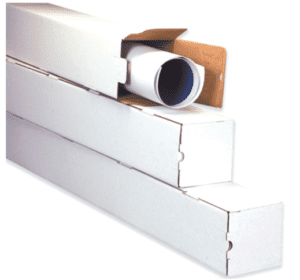
Our stock packaging products, from corrugated boxes to stretch film, offer a wide selection, including essentials like tape, edge protectors, labels, and more, with quick turnaround times to meet your packaging needs efficiently.

Edit Content
Edit Content
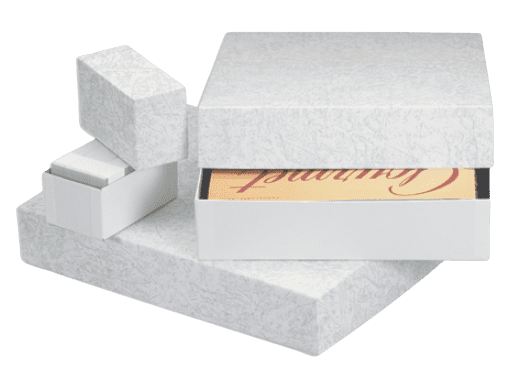
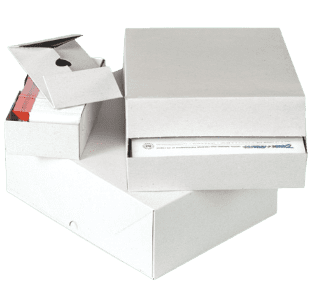
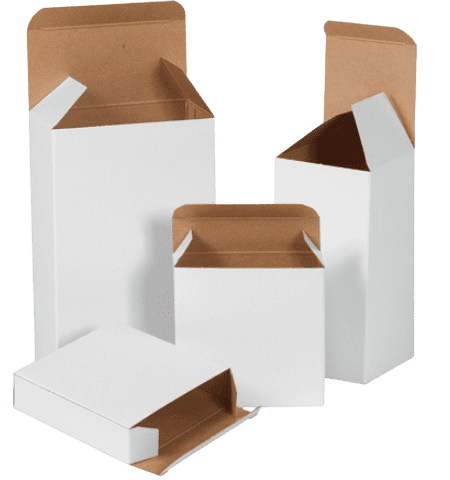
Folding Cartons
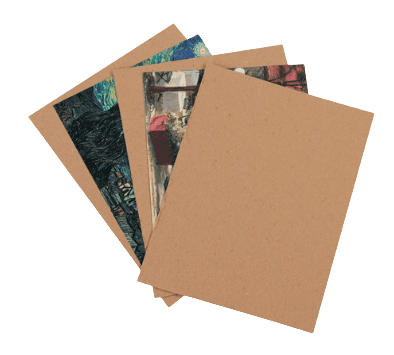
Pads
Apparel Boxes
Jewelry Boxes
Setup Cartons
Stationary Cartons
Edit Content
Cast Film
Blown Film
Conventional Film
Engineered Film
Pre-Stretched Film
Hand Film
Machine Film
Edit Content
Light Duty
Medium Duty
Heavy Duty
Foam
Strapping
Frame Protectors
Edit Content
Edit Content
Box Liner
Metalized Pouch
Foam Cooler
Ice Pack
Gel Pack
Edit Content
Edit Content
Edit Content
Folding Cartons
Pads
Apparel Boxes
Jewelry Boxes
Setup Cartons
Stationary Cartons
Edit Content
Cast Film
Blown Film
Conventional Film
Engineered Film
Pre-Stretched Film
Hand Film
Machine Film
Edit Content
Click on the Edit Content button to edit/add the content.
Edit Content
Edit Content
Box Liner
Metalized Pouch
Foam Cooler
Ice Pack
Gel Pack
Edit Content

If you need any assistance with your packaging or have a question, then contact us directly at request@brownpackaging.com  or  (714)300-0650. Learn more about custom packaging by reading our blog posts on new and trending topics.

custom printed lay flat pouch
Pouch
brownpackaging
3-Side Sealed Pouches Explained: Applications and Features

3-side sealed pouches are a type of flat pouches, which consists 3 sides sealed and 1 side open for filling. These pouches are inexpensive to produce and are used to packaging a wide range of products. 3-sided pouches are considered to be flexible packaging as they can easily yield to materials, when filled or closed, and can be readily changed in shape. 3-Side Sealed Pouch Applications 3-side sealed pouches are used to package small and lightweight products such as solids, powders, and liquids. Often, they are used by the food, nutrition, household supplies, beverage and personal care/beauty industry for single-serve applications. However, they have been used to package many other items. Here are few common applications: Spices Snacks Frozen food Coffee Nutritional supplements Face cleaning products Wipes Pet Treats Beef Jerky Seafood Household supplies Horticulture Tobacco 3-Side Sealed Pouch Features These lay flat pouches are highly versatile and customizable. They can be manufactured to your desired size and shape in addition to applying custom graphics with a variety of print options, and finishes. These pouches can made with features to make it more accessible, durable, sustainable, cost effective and supportive of your product. Finishes and Aesthetics Matte Gloss Kraft Tactile Paper Feel Durability Features High barrier (oxygen, aroma and moisture) UV resistant Puncture and tear resistant Material options Materials Polyethylene (PE) Polyethylene Terephthalate (PET) Polypropylene (PP) Oriented Polypropylene (OPP) Cast Polypropylene (CPP) Aluminum (ALU) Metalized Polyethylene Terephthalate (MetPET) And many more Filling and Sealing Processes Filled and heat sealed by hand or by machine Gas flushing Vacuum sealing Cold filling Printing Options Digital Flexographic Gravure User Interaction Features Press to close zipper Velcro zipper Tear notch Product window (clouded or clear) Euro slot 3-Side Sealed Pouch Benefits There are many reasons for a company to want to package their products in a 3-side sealed pouch such as: Economical flexible packaging option Highly customizable and versatile Product protection Extends shelf life of perishable items Ideal for FFS machine, high-speed runs Storage and transportation friendly Can be made easily accessible for consumers Where Can You Purchase 3-Side Sealed Pouches? There are many pouch packaging suppliers to purchase from, however not all of them are a one size fits all, as some providers can only offer you limited assistance, customization and options. However, at Brown Packaging we can work with you one on one from concept to completion, helping you get the best possible 3-side sealed pouch. Contact Brown Packaging today to get started. (714)300-0650 request@brownpackaging.com Most Recent Posts: Categories: Corrugated Ecommerce ESD Design Display Flexible Packaging Foam Folding Carton Packaging Plastic Packaging Pouch Printing Protection Retail Rigid Box Thermoform Sustainability Subscribe To Our Newsletter By submitting your information, you agree to our terms and conditions and privacy policy. Custom Pouches Facebook Twitter LinkedIn Pinterest Relevant Posts

Read More »
Packaging Your Products in California: What a Buyer Should Know
Packaging
brownpackaging
Packaging Your Products in California

Packaging is an essential aspect of product marketing, and it can play a significant role in attracting and retaining customers. Effective packaging can make a product stand out on the shelves and convey important information about the product’s features and benefits. However, packaging is not just about aesthetics and information; it also has legal and safety implications. In California, packaging regulations are among the strictest in the country. The state has implemented laws and regulations aimed at reducing waste, encouraging recycling, and protecting the environment. Packaging regulations in California are intended to minimize waste, promote recyclability, and regulate the toxicity of packaging materials. As a buyer in California, it is important to be aware of packaging regulations and requirements. By doing so, you can ensure that the products you sell meet legal and safety requirements and are packaged in a way that is environmentally friendly. This can help you appeal to customers who are increasingly environmentally conscious and prefer products that are sustainable and eco-friendly. Additionally, working with a packaging supplier that is knowledgeable about California packaging regulations and offers sustainable packaging options can help ensure that your products are packaged in a way that meets legal requirements while still meeting your business needs. By choosing a supplier with experience, reputation, customization options, sustainability, and cost-effectiveness, you can be confident that your products are packaged appropriately and will appeal to your customers. Overview of California Packaging Regulations California, a state renowned for its stringent environmental laws, including packaging regulations, is committed to reducing waste, encouraging recycling, and safeguarding the environment. The Department of Toxics Control (DTSC) and Prop 65 – Warning are essential components of California’s efforts to achieve these goals. The California Packaging Regulations (CPR) and the California Green Chemistry Initiative (CGCI) are the two primary packaging regulations in California. The CPR necessitates that businesses selling or distributing products in California adhere to specific packaging requirements to decrease waste and boost recycling rates. Businesses must reduce the amount of packaging used, employ lightweight materials, minimize the size of packaging, and eliminate extraneous packaging. Moreover, the CPR requires businesses to employ materials that are easily recyclable in California, such as paper, cardboard, and specific plastic types. Additionally, the regulation governs the toxicity of packaging materials and necessitates that businesses employ materials that are safe for human health and the environment. Furthermore, businesses must label their packaging materials as recyclable or not to enable informed recycling decisions by consumers, encourage them to recycle more, and promote sustainability. The CGCI, a set of regulations aimed at reducing the use of toxic chemicals in consumer products, including packaging, is another critical aspect of California’s packaging regulations. Businesses must evaluate the toxicity of chemicals used in their products, seek safer alternatives that are less harmful to human health and the environment, and disclose the presence of certain chemicals in their products, as well as provide information about safer alternatives. Ultimately, the DTSC and Prop 65 – Warning are integral to California’s packaging regulations, which seek to promote sustainable packaging, reduce waste, and protect the environment. By following these regulations, businesses can decrease their environmental footprint and appeal to consumers seeking eco-friendly products. Packaging Requirements The California Packaging Regulations (CPR) require businesses to meet specific packaging requirements to minimize waste, promote recycling, and regulate the toxicity of packaging materials. Here are the key requirements: Source Reduction: The CPR requires businesses to minimize the amount of packaging used to package their products. This can be achieved by using lightweight materials, reducing the size of packaging, and eliminating unnecessary packaging. By reducing the amount of packaging, businesses can minimize waste and save money on materials and transportation costs. Recyclability: The CPR requires businesses to use materials that are easily recyclable in California. This includes materials such as paper, cardboard, and certain types of plastic. Businesses must also ensure that the materials they use are accepted by local recycling programs in California. Toxicity: The CPR regulates the toxicity of packaging materials and requires businesses to use materials that are safe for human health and the environment. This includes avoiding the use of toxic chemicals such as lead, cadmium, mercury, and hexavalent chromium in packaging materials. Businesses must also ensure that the materials they use do not pose a risk to human health or the environment when disposed of. Labeling: The CPR requires businesses to label their packaging materials to indicate whether they are recyclable or not. This labeling requirement helps consumers make informed decisions about recycling and encourages them to recycle more. Businesses must also ensure that their labels are accurate and clear, and that they comply with federal and state labeling requirements. Meeting packaging requirements in California can be a challenge, but it is necessary to ensure that businesses are operating in compliance with the law and are minimizing their environmental impact. By following these requirements, businesses can create packaging that is both sustainable and cost-effective. The Department of Toxics Control (DTSC) The Department of Toxics Control (DTSC) is a California state agency tasked with regulating hazardous waste, toxic substances, and pollution prevention. Its main objective is to safeguard public health and the environment by ensuring that hazardous waste is handled and disposed of safely, and that toxic substances are used and managed responsibly. DTSC enforces a variety of laws and regulations aimed at protecting the environment and public health. These include the Hazardous Waste Control Law, which regulates the generation, transportation, treatment, storage, and disposal of hazardous waste; the Hazardous Substances Account Act, which requires businesses that use or generate hazardous substances to contribute to a fund that is used to respond to releases of hazardous substances; and the Electronic Waste Recycling Act, which establishes a program for the recycling of certain electronic devices. DTSC is also responsible for issuing permits for hazardous waste facilities, which must meet strict requirements to ensure that they operate safely and do not pose a threat to public health or the environment. Additionally, the agency oversees the cleanup of

Read More »
Corrugated tuck end boxes printed
Design
brownpackaging
Simplicity Sells: How Minimalist Packaging is Revolutionizing Product Design

Minimalist packaging is a design trend that has taken the packaging industry by storm in recent years. The concept of minimalism is centered around the idea of “less is more,” and it has become a popular approach in many aspects of design, including packaging. Minimalist packaging is all about using simple, understated design elements to create a distinct visual identity that stands out on the shelves. The Appeal of Minimalist Packaging Minimalist packaging is characterized by its simplicity and understated design. It is a design approach that involves removing all unnecessary elements, such as excessive text or graphics, to create a clean and visually appealing packaging. This design trend has become increasingly popular in recent years, as more and more brands recognize its appeal. In this section, we will discuss the different aspects of minimalist packaging that make it so appealing to consumers and brands alike. Clarity and Simplicity Minimalist packaging is appealing because it is clear and simple. It is easy to understand, and consumers do not have to spend time trying to decipher the meaning of complex designs or graphics. With minimal packaging, the product is the star of the show, and the packaging does not overshadow or detract from it. This approach makes it easier for consumers to identify the product they want, and they are more likely to remember the brand because it is easy to recognize. Aesthetic Appeal Minimalist packaging is also visually appealing. The use of clean lines and simple colors creates a sleek and modern look that is visually striking. Minimalist designs have an elegance and sophistication that appeals to today’s consumers, who are looking for products that are both functional and aesthetically pleasing. The simplicity of the design can also create a feeling of luxury and exclusivity that consumers find attractive. Brand Differentiation Minimalist packaging is a powerful tool for brand differentiation. With so many products competing for consumer attention, it is essential for brands to stand out. By using minimal packaging, brands can create a distinct visual identity that sets them apart from their competitors. This is especially important in industries such as cosmetics, where products are often similar, and packaging plays a critical role in differentiating brands from one another. Environmental Responsibility Another aspect of the appeal of minimalist packaging is its environmental responsibility. Minimalist packaging uses fewer materials, and the materials used are often recyclable or biodegradable. This approach to packaging design is more sustainable, and it appeals to today’s environmentally conscious consumers. Brands that embrace minimalist packaging are positioning themselves as responsible and eco-friendly, which can be a significant selling point in today’s market. How Brands are Using Minimalism to Stand out Minimalist packaging is a powerful tool for brands looking to stand out on shelves. By simplifying their packaging design, brands can create a distinct visual identity that is memorable and eye-catching. In this section, we will discuss how brands are using minimalism to differentiate themselves from their competitors. Bold Typography One way that brands are using minimalism to stand out is through bold typography. By using simple, bold typefaces, brands can create a clear and memorable message that is easy to read and identify. Bold typography can also add a sense of personality to the brand, making it more relatable and appealing to consumers. Negative Space Another design element that is commonly used in minimalist packaging is negative space. By leaving large areas of blank space around the product, brands can create a sense of sophistication and elegance. Negative space also allows the product to stand out on the shelves, drawing the consumer’s eye and making it easier to identify. Minimal Graphics Brands are also using minimal graphics to make their products stand out. Rather than using complex designs, they are using simple, minimalist graphics that emphasize the product’s key features. This approach allows the product to speak for itself, while the packaging design adds a touch of elegance and sophistication. Color Palette Minimalist packaging often uses a limited color palette to create a simple, cohesive look. Brands are using this approach to create a strong visual identity that is easily recognizable. By using a limited number of colors, brands can make their packaging stand out on the shelves, making it easier for consumers to identify their products. Summary: Minimalist Packaging In conclusion, the trend towards minimalist packaging is a response to the changing preferences of today’s consumers. In a world where we are bombarded with an overwhelming amount of information and visual stimuli, minimalism offers a refreshing and straightforward approach to packaging design. It is a design philosophy that prioritizes clarity, simplicity, and functionality, and it is resonating with today’s consumers who are looking for products that are easy to use, understand, and identify. Minimalist packaging offers many benefits to brands, including the ability to differentiate themselves from their competitors, create a distinct visual identity, and appeal to environmentally conscious consumers. By using bold typography, negative space, minimal graphics, a limited color palette, and sustainable materials, brands can create packaging that is both visually appealing and responsible. As the trend towards minimalist packaging continues to grow, we can expect to see more brands embracing this design philosophy. By adopting a minimalist approach to packaging design, brands can create a competitive advantage in a crowded marketplace, appeal to consumers’ changing preferences, and demonstrate their commitment to sustainability. With its clean lines, understated design, and emphasis on functionality, minimalist packaging is poised to become the dominant design trend for years to come. If you are interested in custom packaging and/or minimalistic packaging design, then contact Brown Packaging today to get started. (714)300-0650 request@brownpackaging.com Most Recent Posts: Categories: Corrugated Ecommerce ESD Design Display Flexible Packaging Foam Folding Carton Packaging Plastic Packaging Pouch Printing Protection Retail Rigid Box Thermoform Sustainability Subscribe To Our Newsletter By submitting your information, you agree to our terms and conditions and privacy policy. Custom Packaging Facebook Twitter LinkedIn Pinterest Relevant Posts

Read More »