




window.uetq = window.uetq || []; window.uetq.push(‘event’, ‘submit_lead_form’,{ event_label:‘SUBMIT MESSAGE’ }); window.lintrk('track', { conversion_id: 10271009 }); window.lintrk('track', { conversion_id: 10271017 });

Stock Packaging

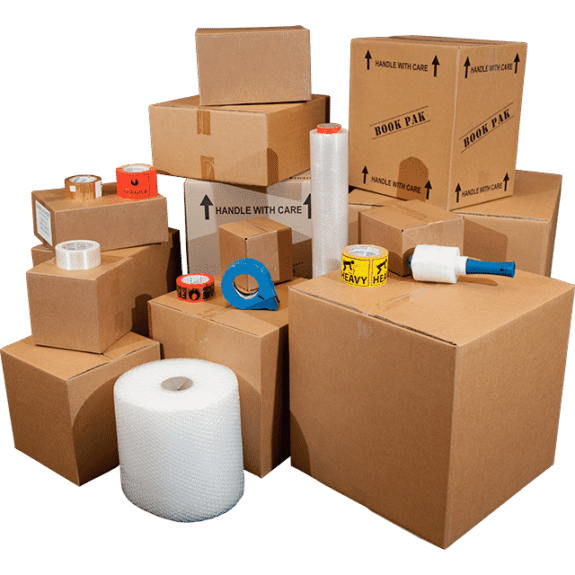
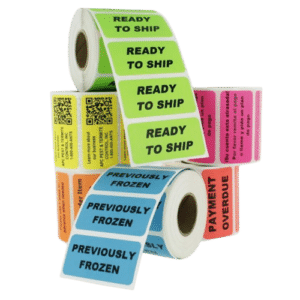
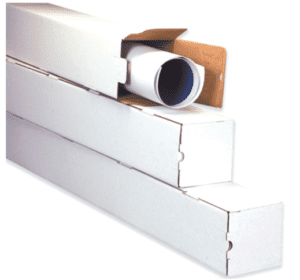
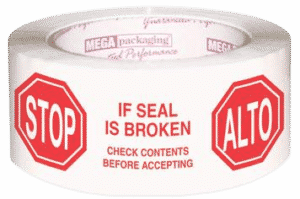
We supply businesses with a wide selection of essential packaging, shipping, and warehouse supplies. Get any standard packaging product by dimension or style from boxes, tubes, tapes, labels, and more. If you are unsure on what type of packaging you will need, then contact us for an expert consultation.


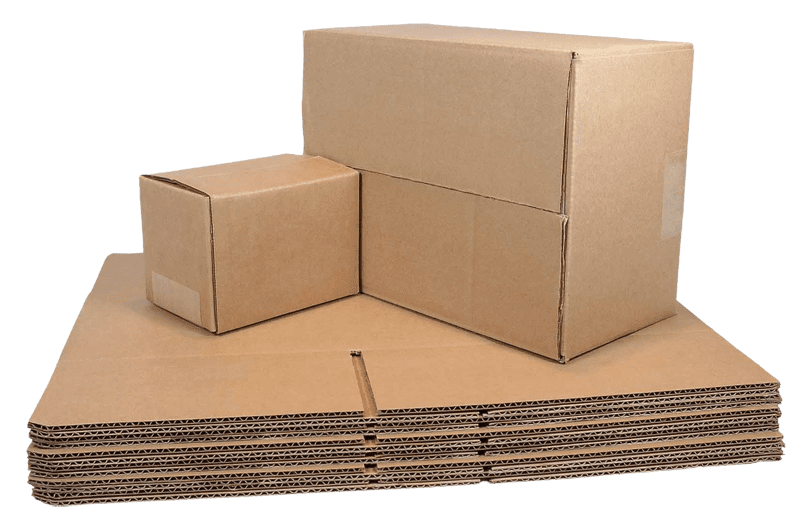
Stock packaging refers to pre-made, ready-to-ship packaging solutions like corrugated boxes, mailers, and protective materials that are designed to meet a wide range of standard needs across shipping, retail, and storage. Unlike custom packaging, stock options offer quick availability and reliable protection without the need for extensive design or production time, making them ideal for businesses needing efficient, high-quality solutions with fast lead times.

At Brown Packaging, we focus on providing durable, performance-driven stock packaging that supports our clients’ operational needs. Our stock products are sourced to ensure consistent quality and cost-effectiveness, offering a practical solution to keep operations running smoothly and on schedule. With an emphasis on reliability, we help our clients quickly access packaging solutions that meet their specific needs while maintaining quality across every order.

stock packaging products

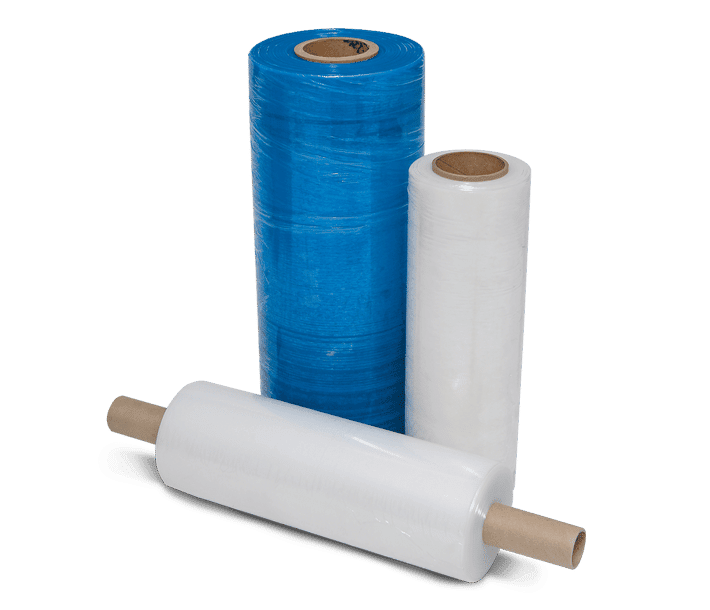
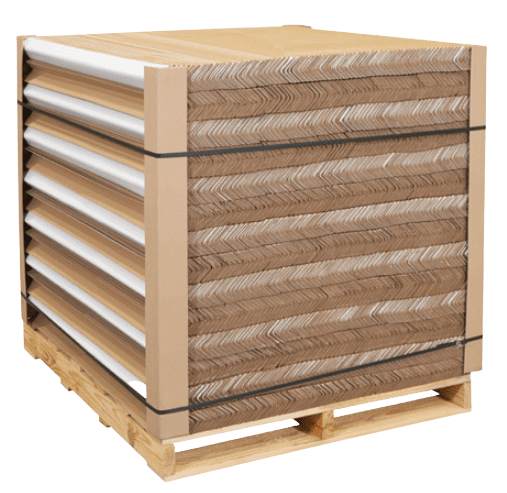
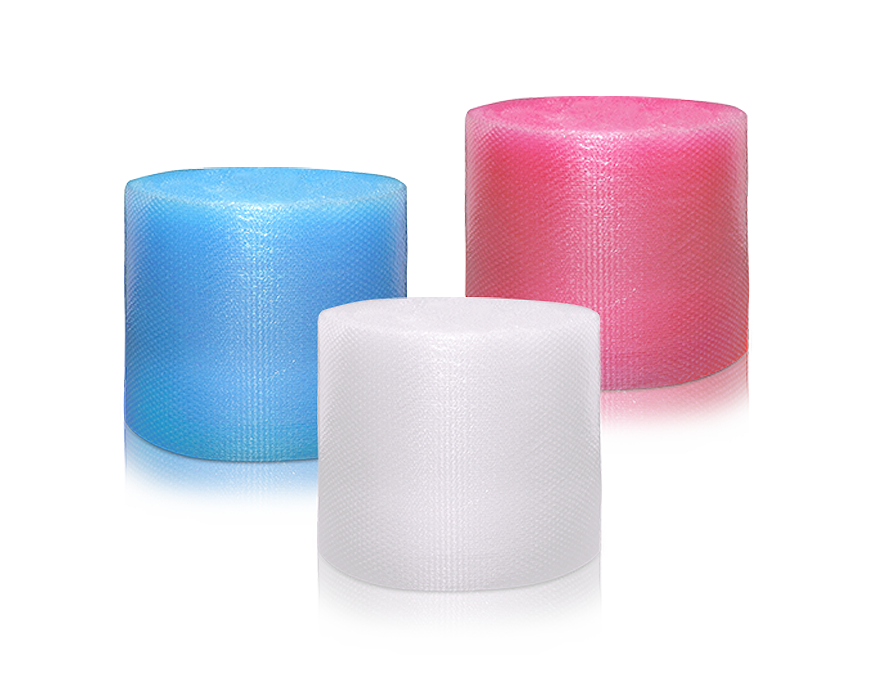
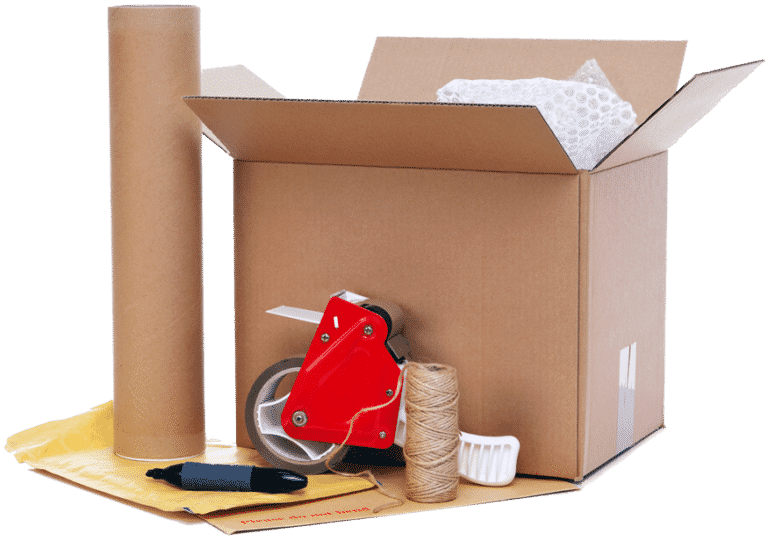
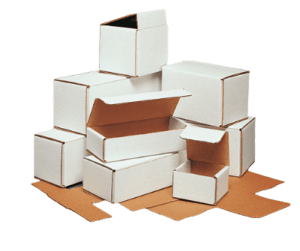
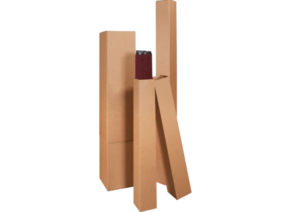
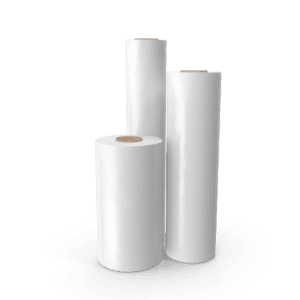
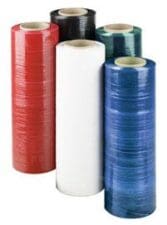
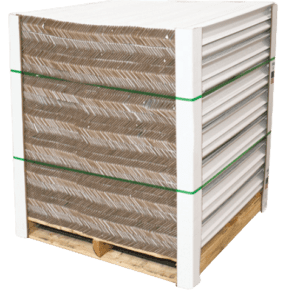
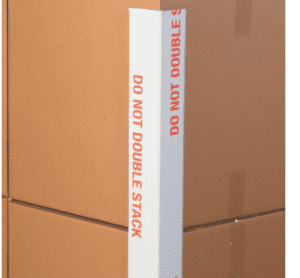
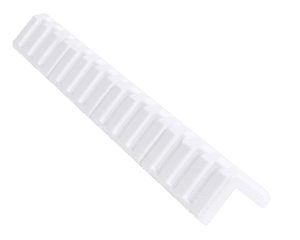
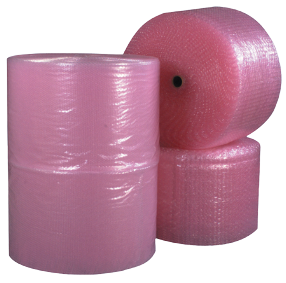
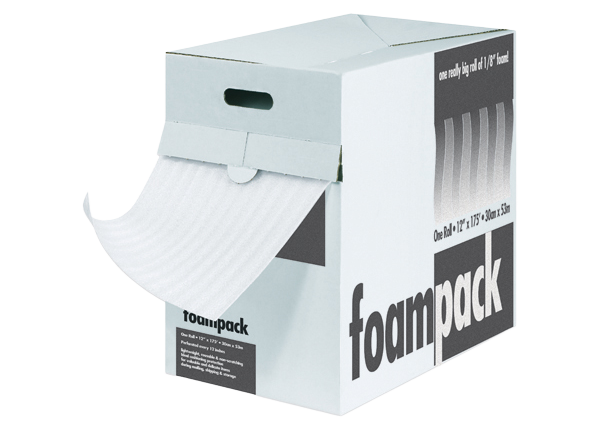
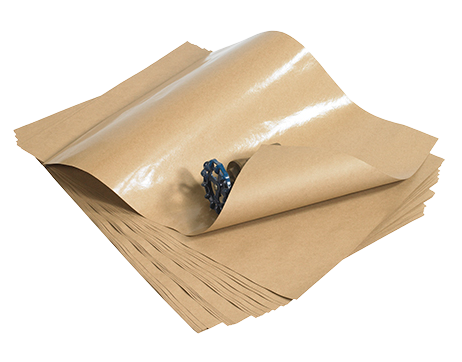
Our stock packaging products, from corrugated boxes to stretch film, offer a wide selection, including essentials like tape, edge protectors, labels, and more, with quick turnaround times to meet your packaging needs efficiently.

Edit Content
Edit Content
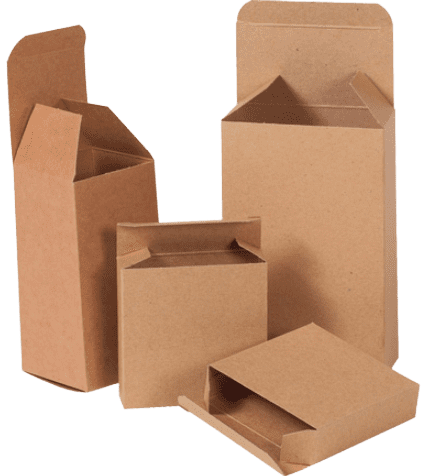
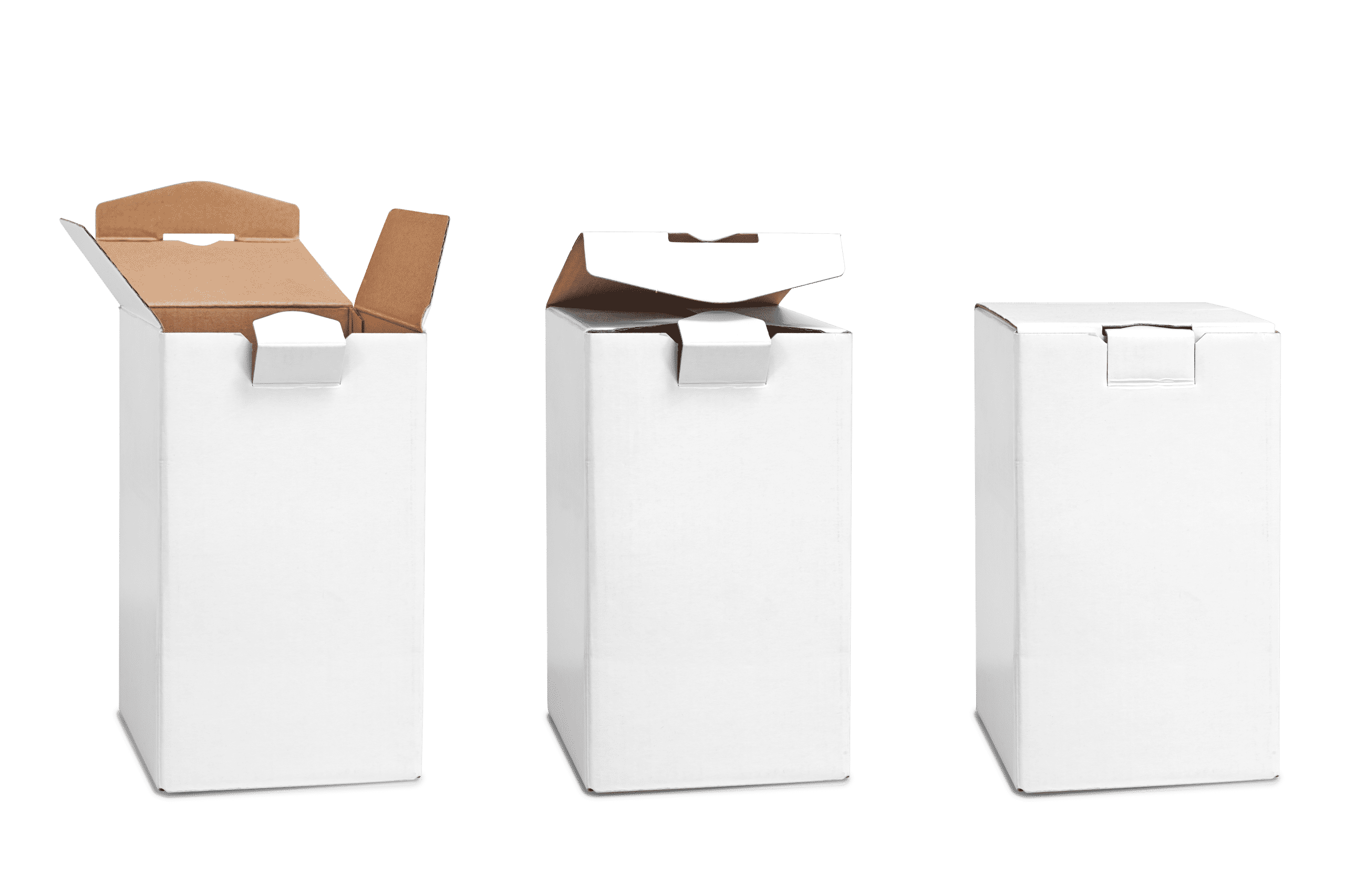
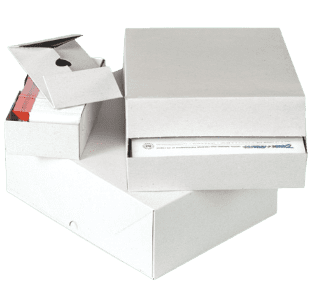
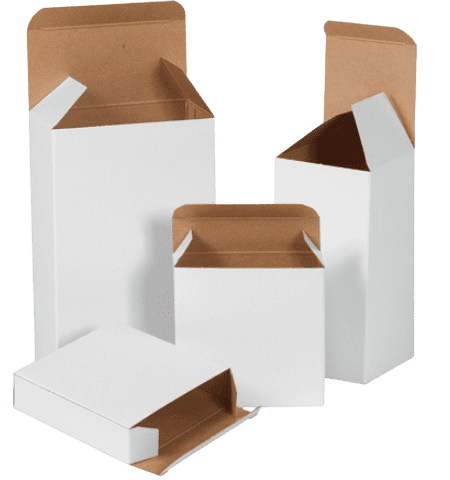
Folding Cartons
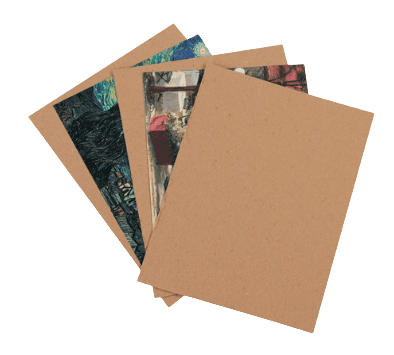
Pads
Apparel Boxes
Jewelry Boxes
Setup Cartons
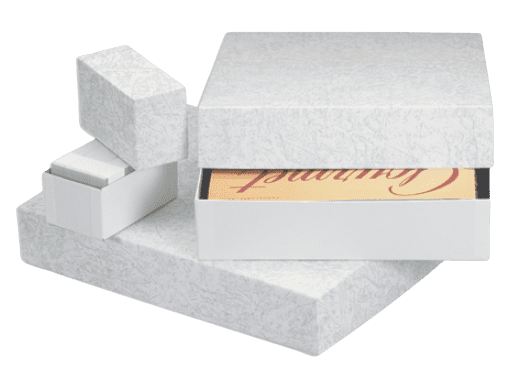
Stationary Cartons
Edit Content
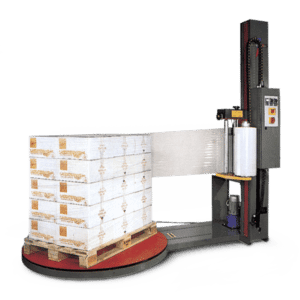
Cast Film
Blown Film
Conventional Film
Engineered Film
Pre-Stretched Film
Hand Film
Machine Film
Edit Content
Light Duty
Medium Duty
Heavy Duty
Foam
Strapping
Frame Protectors
Edit Content
Edit Content
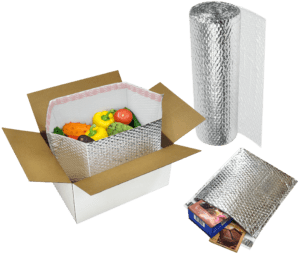
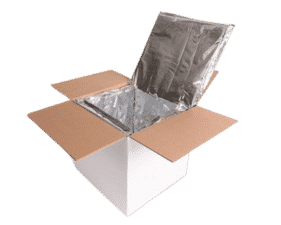
Box Liner
Metalized Pouch
Foam Cooler
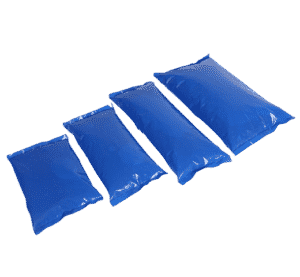
Ice Pack
Gel Pack
Edit Content
Edit Content
Edit Content
Folding Cartons
Pads
Apparel Boxes
Jewelry Boxes
Setup Cartons
Stationary Cartons
Edit Content
Cast Film
Blown Film
Conventional Film
Engineered Film
Pre-Stretched Film
Hand Film
Machine Film
Edit Content
Click on the Edit Content button to edit/add the content.
Edit Content
Edit Content
Box Liner
Metalized Pouch
Foam Cooler
Ice Pack
Gel Pack
Edit Content

If you need any assistance with your packaging or have a question, then contact us directly at request@brownpackaging.com  or  (714)300-0650. Learn more about custom packaging by reading our blog posts on new and trending topics.

The Science Behind Corrugated Boxes: How They Protect Your Products
Corrugated
brownpackaging
The Science Behind Corrugated Boxes: How They Protect Your Products

Corrugated boxes are one of the most popular packaging materials used by businesses worldwide to ship and store their products. They are made of corrugated paperboard, which consists of three layers: an inside liner, an outside liner, and a fluting medium. This type of paperboard provides excellent protection to products during shipping and storage, and in this blog post, we will explore the science behind corrugated boxes and how they keep products safe. The Fluting Medium: The Key to Corrugated Boxes’ Strength The fluting medium is the most important component of corrugated boxes as it provides the box with its strength and rigidity. It is made of a series of arches that are pressed between the two liners, creating a series of columns that can support heavy weights without collapsing. These channels allow air to circulates, reducing the amount of pressure on the boxes and helping to prevent them from collapsing. Flutes are the main component of a corrugated that creates the cushioning properties. The Quality of the Liners Affects the Strength of Corrugated Boxes The liners in corrugated boxes also play a critical role in the strength and protection of the box. They are typically made of Kraft paper, which is a high-strength paper made from wood pulp. The quality of the liners affects the strength and durability of the box. Higher-quality liners are more resistant to crushing and tearing, making them ideal for shipping heavy or fragile products. The thickness of the liners also affects the strength of the box. Thicker liners provide additional protection to the products inside the box and are more durable during shipping and storage. Cushioning: Protecting Products from Impact and Vibration During shipping and handling, products are subjected to various external forces, such as impact and vibration, which can damage or even destroy them. Corrugated boxes are designed to protect products from these forces through cushioning. The fluting medium in corrugated boxes acts as a shock absorber, absorbing and reducing the energy of any external forces. When a box is subjected to impact or vibration, the fluting medium compresses, absorbing the energy of the impact, and reducing the force that is transmitted to the products inside the box. In addition to the fluting medium, corrugated boxes can also be lined with various cushioning materials, such as foam or bubble wrap. These materials provide an additional layer of protection and help to prevent damage to fragile products. Compression Strength: Protecting Products from Crushing Corrugated boxes also protect products from crushing or deformation during shipping and handling. Heavy products or boxes stacked on top of each other can cause a box to crush or deform, damaging the products inside. The fluting medium in corrugated boxes provides excellent compression strength, allowing the box to withstand heavy weights without collapsing or deforming. The arches in the fluting medium create a series of columns that can support heavy weights without collapsing, making corrugated boxes ideal for shipping heavy products. Stacking Strength: Protecting Products During Storage Corrugated boxes also have excellent stacking strength, which means they can be stacked on top of each other without collapsing or deforming. This is important for businesses that need to store large quantities of products in a small space. The fluting medium in corrugated boxes also provides them with their stacking strength. The arches in the fluting medium create a series of channels that allow air to circulate between the boxes, reducing the amount of pressure on the boxes and helping to prevent them from collapsing. In addition to the fluting medium, the design of the box can also affect its stacking strength. Boxes with interlocking flaps or reinforced corners are more resistant to collapsing, making them ideal for stacking. Moisture Resistance: Protecting Products from Water Damage Moisture can cause significant damage to many products, especially those that are sensitive to water, such as electronics, food, and pharmaceuticals. Corrugated boxes can be treated with moisture-resistant coatings to protect the products inside from moisture damage. There are different types of moisture-resistant coatings that can be applied to corrugated boxes. Some coatings are applied to the surface of the box, creating a barrier that prevents moisture from penetrating the box. Other coatings are applied to the fluting medium, creating a moisture-resistant layer throughout the box. Customization: Tailoring Corrugated Boxes to Specific Needs Corrugated boxes are highly customizable, which means they can be designed to fit the specific needs of the products being shipped. Customization allows businesses to create packaging that is tailored to the unique requirements of their products. Customization options include custom sizes, shapes, and printing options. Some products may require a box with a particular shape or size to fit securely inside. Custom printing can also be used to create branding and marketing materials, adding value to the packaging beyond its protective capabilities. The Advantages and Disadvantages of Corrugated Boxes Corrugated boxes have many advantages, which make them a popular packaging material for businesses worldwide. They are customizable, affordable, lightweight, and provide excellent protection to products during shipping and storage. However, they also have some disadvantages. They are not entirely water-resistant, and exposure to moisture can cause the box to weaken and lose its strength. Additionally, corrugated boxes are not as durable as other packaging materials, such as plastic or metal, and may not be suitable for certain products. The Sustainability of Corrugated Boxes Beyond their functionality, corrugated boxes also carry significant environmental benefits, adding another dimension to their popularity. They are typically made from a high percentage of recycled content, including old corrugated containers and other forms of waste paper. This makes them a more sustainable choice compared to other types of packaging materials that rely heavily on non-renewable resources. Moreover, corrugated boxes are recyclable themselves, contributing to the closed-loop recycling process. After they’ve served their primary purpose, they can be recovered, reprocessed, and transformed into new boxes or other paper products, reducing the amount of waste sent to landfills. The corrugated industry is also continuously innovating to improve the energy

Read More »
Food Labeling Regulations: A Guide for Packaging Buyers
Packaging
brownpackaging
Food Labeling Regulations: A Guide for Packaging Buyers

As a packaging buyer, it is important to understand the regulations and requirements surrounding food labels to ensure that the packaging you purchase complies with all relevant laws and regulations. In this article, we will discuss what a packaging buyer should know about food labels before they buy their packaging. Understand Food Labeling Regulations Understanding food labeling regulations is crucial for packaging buyers to ensure that the packaging they purchase complies with all relevant laws and regulations. Food labeling regulations are designed to protect consumers by providing them with accurate and complete information about the products they purchase. The following are some key aspects of food labeling regulations that packaging buyers should be aware of: Mandatory Labeling Information The regulations require specific mandatory information to be included on food labels, such as the name of the product, list of ingredients, nutrition information, and allergen warnings. The label should also include the name and address of the manufacturer or distributor, along with the product’s country of origin. Serving Size Food labeling regulations require that the serving size be clearly indicated on the packaging. The serving size is important because it affects the number of calories and nutrients per serving. This information is crucial for consumers who want to monitor their intake of calories, sugar, fat, and other nutrients. Nutrition Information Food labeling regulations require that the nutrition information be provided on the label. This information includes the total amount of fat, protein, carbohydrates, vitamins, and minerals present in the product. The nutrition information should be presented per serving. Allergen Warnings Food labeling regulations require that allergen warnings be included on the label. If the product contains any of the eight major food allergens, including milk, eggs, peanuts, tree nuts, soy, wheat, fish, or shellfish, these must be clearly identified on the label. Claims and Descriptors Food labeling regulations also regulate the use of claims and descriptors on packaging. Claims such as “low-fat” or “high-fiber” must meet specific criteria, and any descriptors such as “natural” or “organic” must comply with strict labeling guidelines. Consider Label Space When designing or selecting packaging, it is essential to consider the amount of space available for labeling. Food labels can be quite detailed, and it is crucial to ensure that there is enough space on the packaging to include all necessary information. Here are some key considerations for packaging buyers when it comes to label space: Regulatory Requirements Buyers need to ensure that their packaging complies with regulatory requirements for labeling. These regulations specify the minimum required font size, layout, and location of certain label elements. Packaging buyers should work with their suppliers to ensure that the design of their packaging allows for all regulatory requirements to be met without compromising other essential elements of the packaging design. Branding and Design Buyers need to consider the branding and design of their packaging when planning for label space. Branding is essential for creating a strong brand identity and increasing consumer recognition of the product. It is essential to ensure that branding elements such as logos and graphics are given enough space on the packaging and are not obscured by label information. Product Information Food labels provide consumers with essential information about the product, such as ingredients, nutritional information, and allergen warnings. Packaging buyers need to ensure that there is enough space on the packaging to include all this information in a clear and legible format. It is essential to prioritize the information that needs to be displayed on the packaging and ensure that there is enough space for all required information. Design Flexibility Packaging buyers should also consider the flexibility of their packaging design when it comes to label space. The product may require additional labeling in the future due to changes in regulatory requirements or other factors. It is essential to ensure that the packaging design allows for flexibility and can accommodate any additional labeling requirements. Ensure Compliance with Allergen Regulations One of the most critical aspects of food labeling regulations is compliance with allergen regulations. As a packaging buyer, it is crucial to ensure that any packaging used for food products complies with regulations regarding allergen warnings. Here are some key considerations for packaging buyers when it comes to allergen regulations: Know the Regulations Food labeling regulations require that any product that contains one of the eight major food allergens, including milk, eggs, peanuts, tree nuts, soy, wheat, fish, or shellfish, must clearly identify the allergen on the label. Packaging buyers must know and understand these regulations and ensure that any packaging used for food products complies with them. Use of Fonts and Colors Regulations specify that allergen warnings must be easily visible and identifiable. Packaging buyers should work with their suppliers to ensure that the allergen warning is clear and easy to read. This may involve using specific fonts or colors for allergen warnings to make them stand out from other information on the label. Prevent Cross-Contamination In addition to labeling requirements, packaging buyers need to consider the risk of cross-contamination when selecting packaging for allergen-containing products. It is essential to ensure that any packaging used for these products does not pose a risk of cross-contamination with allergens. For example, if a packaging facility produces a variety of products, including those that contain allergens, the packaging buyer should ensure that all products are packaged in separate areas to prevent cross-contamination. Packaging buyers should also consider the materials used in packaging and ensure that they do not contain any allergens that could migrate into the food. Ensure Accurate Labeling Allergen labeling must be accurate, and any changes to the product formulation or ingredients must be reflected in the labeling. Packaging buyers should work closely with their suppliers to ensure that any changes to the product are reflected in the packaging labeling. Keep Up-to-Date with Changes in Regulations As a packaging buyer, it is crucial to keep up-to-date with any changes in food labeling regulations that may impact the products you are packaging. Food labeling

Read More »
Innovations in Corrugated Box Design for Fragile Products
Corrugated
brownpackaging
Innovations in Corrugated Box Design for Fragile Products

In the world of packaging and delivery, corrugated boxes have long been the workhorse of choice. Known for their durability, flexibility, and affordability, these boxes protect and secure a wide variety of items during transport. However, with the increased demand for shipping fragile products, innovations in corrugated box design have become an absolute necessity. This blog aims to delve into the most recent advances and creative solutions that aim to provide more reliable and safer packaging for fragile items. Why Corrugated Boxes? Before we dive into the innovations, it’s important to understand why corrugated boxes have become so popular. Corrugated boxes offer significant advantages over other types of packaging: Strength: The wavy, ruffled design, or ‘fluting,’ sandwiched between two liners provide corrugated boxes with impressive strength-to-weight ratio. Cost-effective: They are inexpensive to produce, which makes them a cost-effective solution for businesses of all sizes. Sustainable: Corrugated boxes are often made from recycled materials, making them an environmentally friendly choice. Innovations in Corrugated Box Design As technology and manufacturing processes have evolved, so too have the designs of corrugated boxes. The following are some of the most significant innovations in the design of these boxes for the packaging of fragile products: Customizable Inserts Corrugated boxes with customizable inserts have provided an ingenious solution to the problem of shipping products with unusual shapes or sizes. These inserts can be tailored to fit the specific product, providing superior protection compared to generic packaging solutions. The inserts not only keep the product firmly in place but also provide an extra layer of cushioning against impacts. Thermal Insulation For products sensitive to temperature changes, like certain foods or medical supplies, corrugated box manufacturers have innovated several thermal insulations. This involves lining the corrugated boxes with insulating material to maintain the desired temperature inside the box for extended periods. Advanced Protective Coatings New protective coatings, such as moisture barriers and anti-static coatings, have been developed to enhance the protective qualities of corrugated boxes. These innovative treatments make the boxes more resistant to moisture, dust, and electrostatic discharge, further safeguarding the contents within. Smart Corrugated Boxes In the digital era, smart corrugated boxes represent one of the most groundbreaking innovations. These boxes come equipped with sensors and tracking devices that can provide real-time information about the condition of the product, including location, temperature, humidity, and even if the box has been dropped or tilted excessively. Future Trends in Corrugated Box Design The world of corrugated box design is continually evolving. As e-commerce continues to grow, the demand for more secure and innovative packaging solutions is likely to increase. Future trends could include the development of even more sophisticated smart boxes, the use of more sustainable materials, and further customization options to cater to a wider range of products. If you are interested in protecting your fragile products with custom corrugated boxes, then partner with Brown Packaging today to get started. (714)300-0650 request@brownpackaging.com Most Recent Posts: Categories: Corrugated Ecommerce ESD Design Display Flexible Packaging Foam Folding Carton Packaging Plastic Packaging Pouch Printing Protection Retail Rigid Box Thermoform Sustainability Subscribe To Our Newsletter By submitting your information, you agree to our terms and conditions and privacy policy. Custom Corrugated Boxes Facebook Twitter LinkedIn Pinterest Relevant Posts

Read More »