


window.uetq = window.uetq || []; window.uetq.push(‘event’, ‘submit_lead_form’,{ event_label:‘SUBMIT MESSAGE’ }); window.lintrk('track', { conversion_id: 10271009 }); window.lintrk('track', { conversion_id: 10271017 });

Stock Packaging

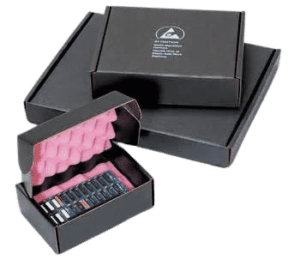
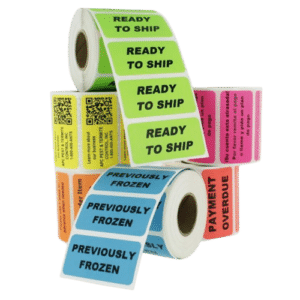
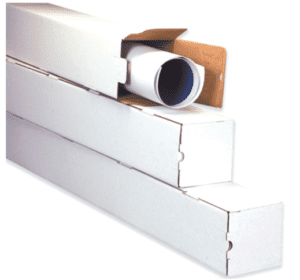
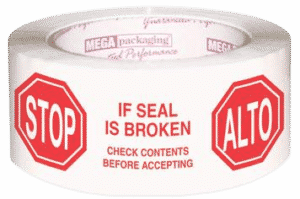
We supply businesses with a wide selection of essential packaging, shipping, and warehouse supplies. Get any standard packaging product by dimension or style from boxes, tubes, tapes, labels, and more. If you are unsure on what type of packaging you will need, then contact us for an expert consultation.


Stock packaging refers to pre-made, ready-to-ship packaging solutions like corrugated boxes, mailers, and protective materials that are designed to meet a wide range of standard needs across shipping, retail, and storage. Unlike custom packaging, stock options offer quick availability and reliable protection without the need for extensive design or production time, making them ideal for businesses needing efficient, high-quality solutions with fast lead times.

At Brown Packaging, we focus on providing durable, performance-driven stock packaging that supports our clients’ operational needs. Our stock products are sourced to ensure consistent quality and cost-effectiveness, offering a practical solution to keep operations running smoothly and on schedule. With an emphasis on reliability, we help our clients quickly access packaging solutions that meet their specific needs while maintaining quality across every order.

stock packaging products

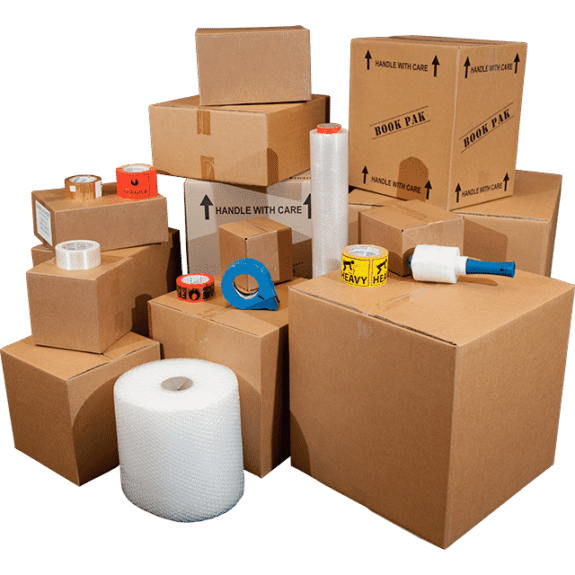
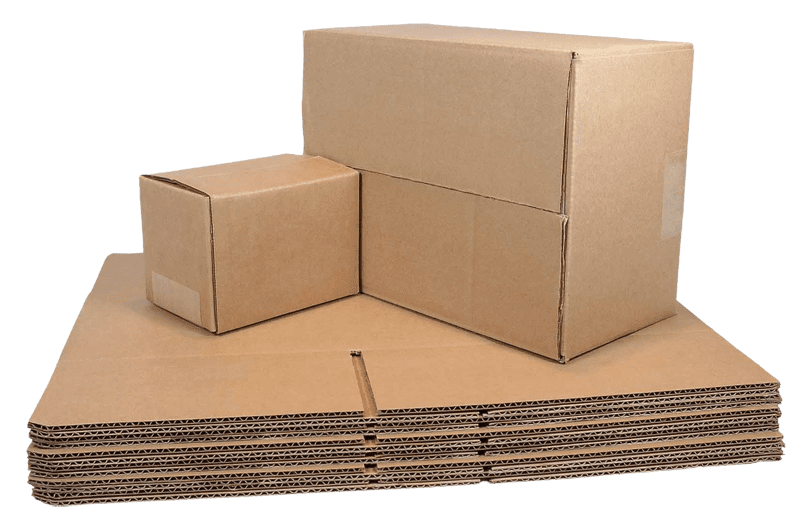
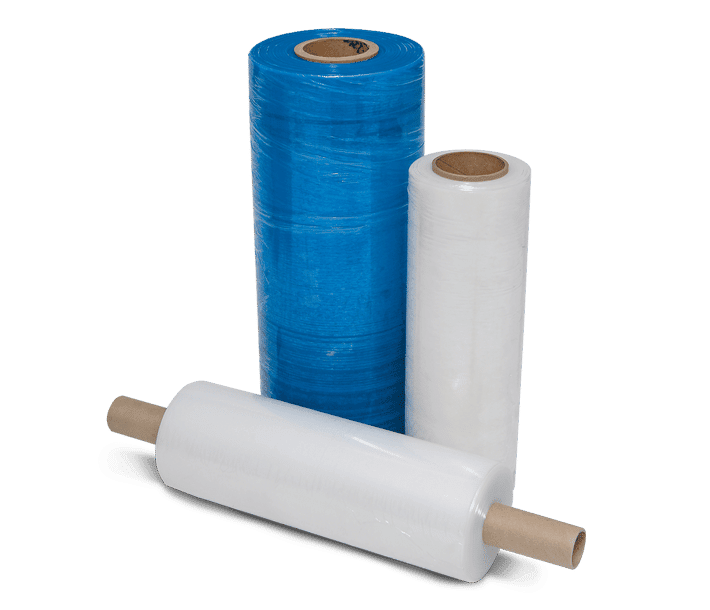
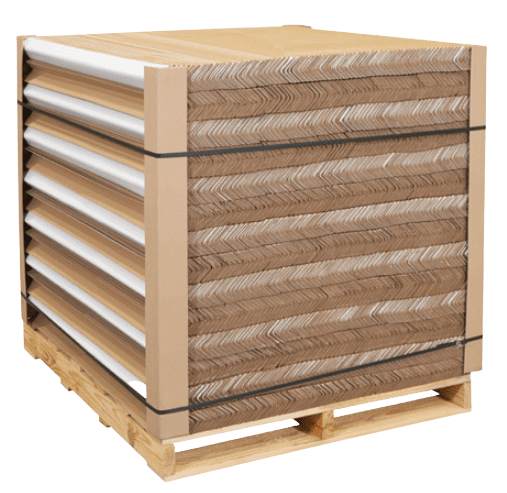
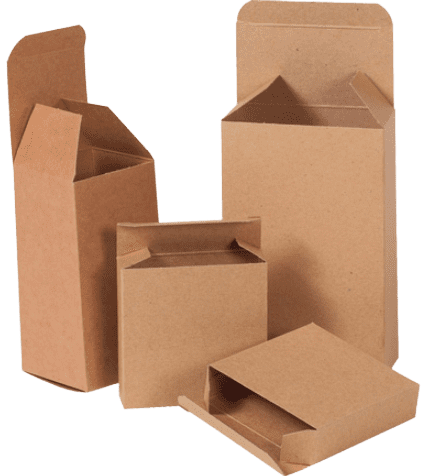
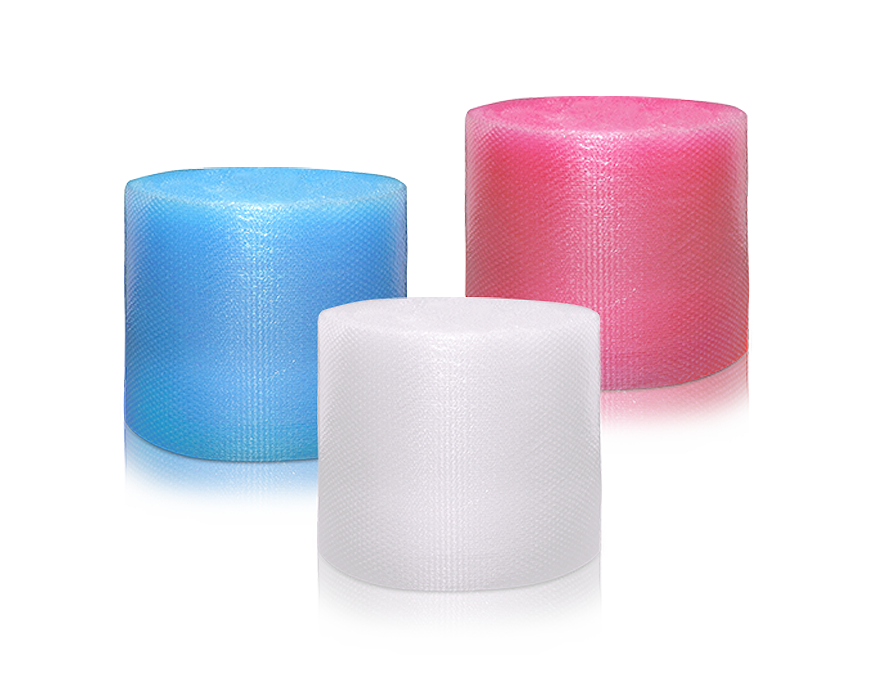
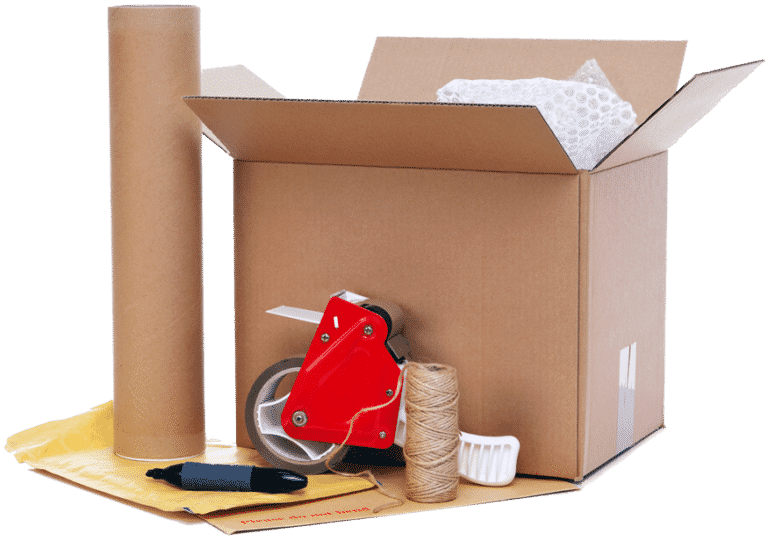
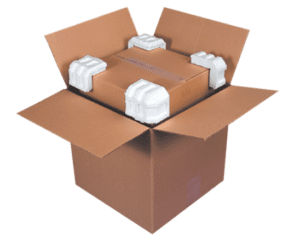
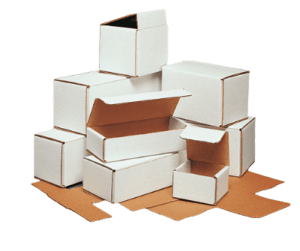
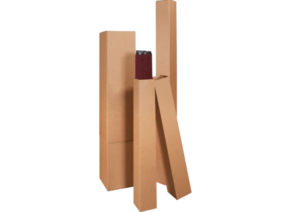
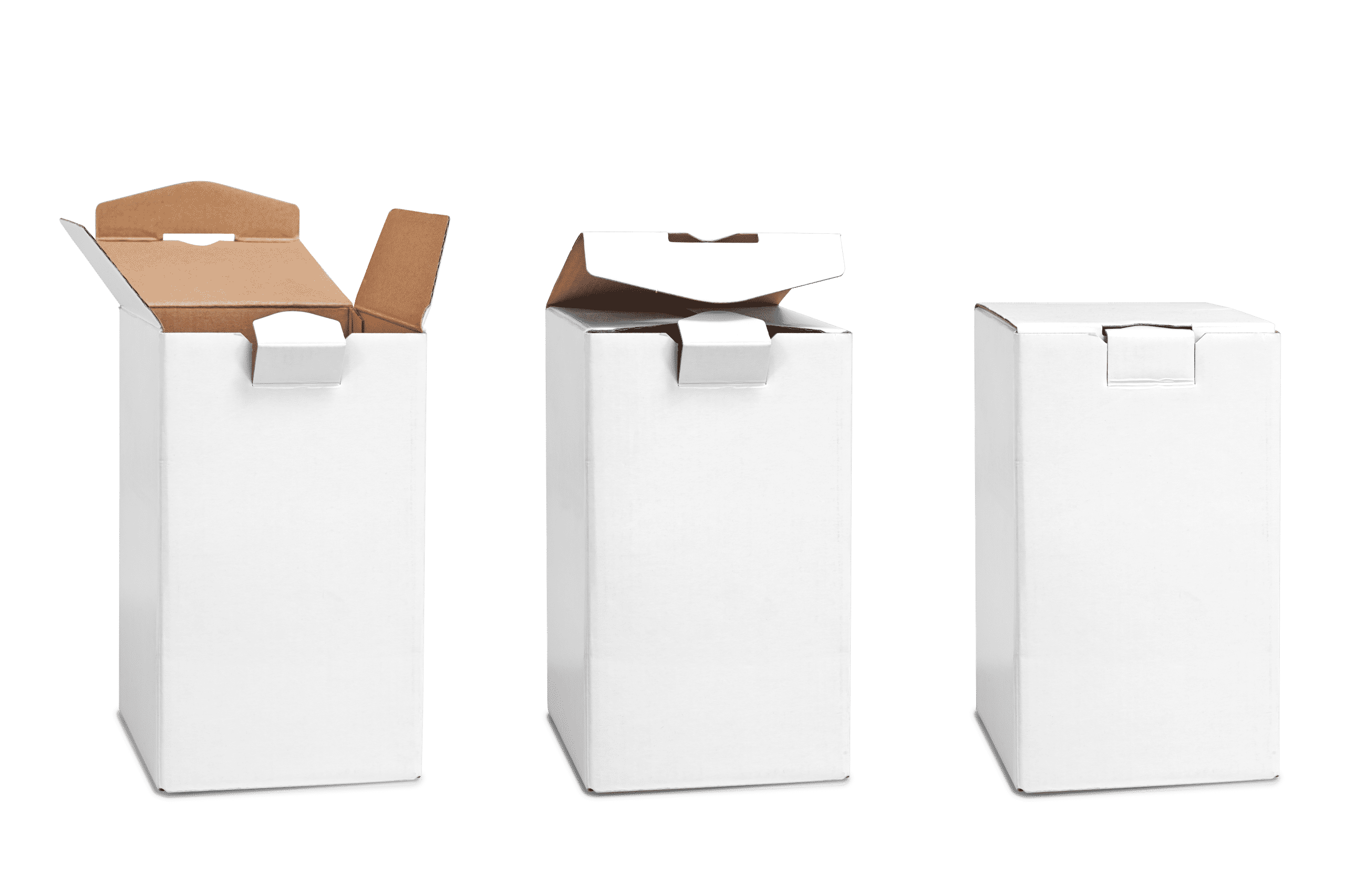
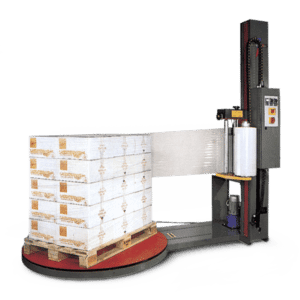
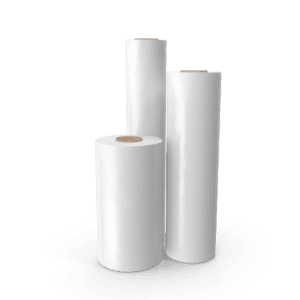
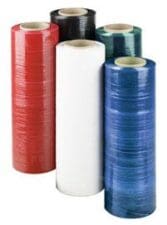
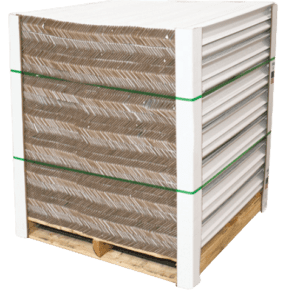
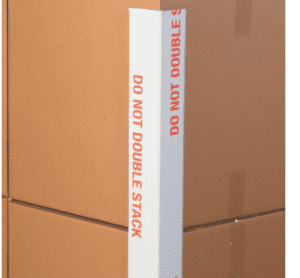
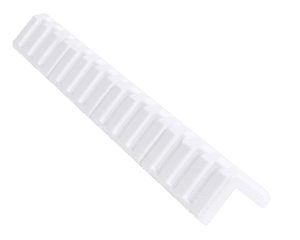
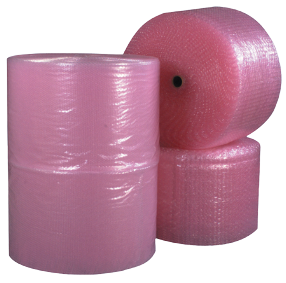
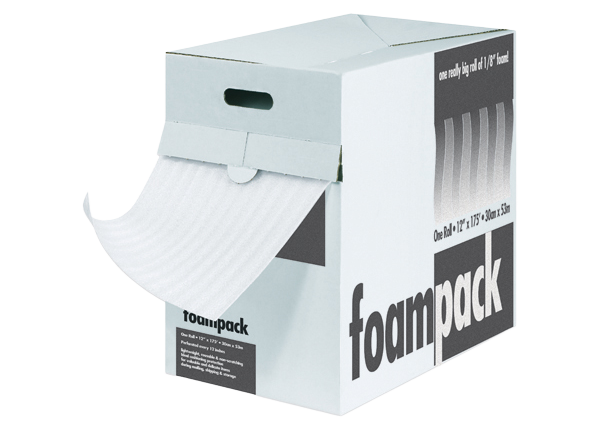
Our stock packaging products, from corrugated boxes to stretch film, offer a wide selection, including essentials like tape, edge protectors, labels, and more, with quick turnaround times to meet your packaging needs efficiently.

Edit Content
Edit Content
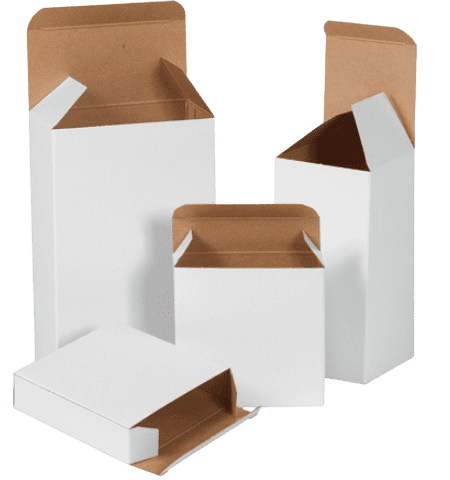
Folding Cartons
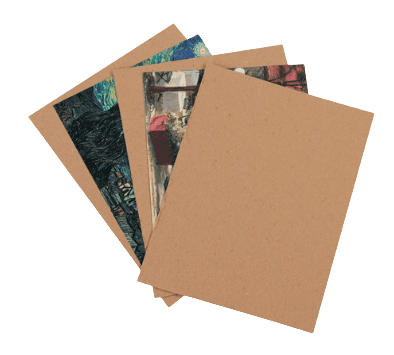
Pads
Apparel Boxes
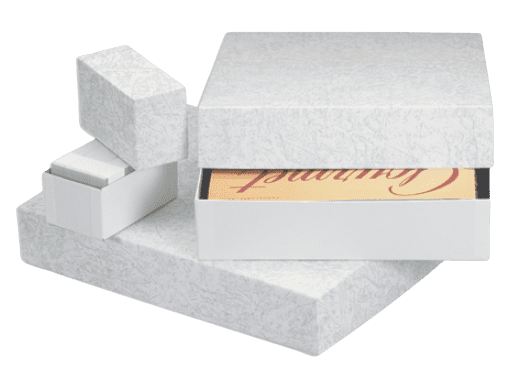
Jewelry Boxes
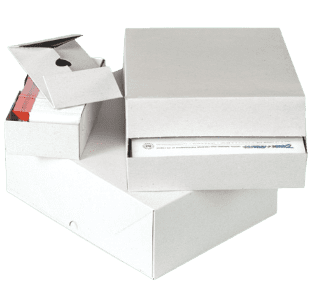
Setup Cartons
Stationary Cartons
Edit Content
Cast Film
Blown Film
Conventional Film
Engineered Film
Pre-Stretched Film
Hand Film
Machine Film
Edit Content
Light Duty
Medium Duty
Heavy Duty
Foam
Strapping
Frame Protectors
Edit Content
Edit Content
Box Liner
Metalized Pouch
Foam Cooler
Ice Pack
Gel Pack
Edit Content
Edit Content
Edit Content
Folding Cartons
Pads
Apparel Boxes
Jewelry Boxes
Setup Cartons
Stationary Cartons
Edit Content
Cast Film
Blown Film
Conventional Film
Engineered Film
Pre-Stretched Film
Hand Film
Machine Film
Edit Content
Click on the Edit Content button to edit/add the content.
Edit Content
Edit Content
Box Liner
Metalized Pouch
Foam Cooler
Ice Pack
Gel Pack
Edit Content

If you need any assistance with your packaging or have a question, then contact us directly at request@brownpackaging.com  or  (714)300-0650. Learn more about custom packaging by reading our blog posts on new and trending topics.

3 Things You Should Consider When Selecting the Right Pouch Style:
Flexible Packaging
brownpackaging
3 Things You Should Consider When Selecting the Right Pouch Style

A pouch is a flexible packaging product which is made up of layers of plastic film, metalized, barrier film and other materials. Typically they are used to package small, lightweight products. Pouches are ideal solutions for a variety of markets with solid, liquid and powder products. They are highly customizable, environmentally friendly, cost efficient, consumer friendly, and can extend the shelf life of products. Choosing the right pouches for your packaging needs can be complicated due to the many options available and the various feature combinations you can create for your final packaging solution. There is 3 main things you need to consider when making this decision; style, material, and feature functionality. It is important to learn about all options in order to choose the right one for your packaging needs. Styles Stand up: Stand up pouches are designed to stand up from the bottom for display, storage and usage. They are made up of one to three layers of high quality materials that keep the product fresh and secure. The first layer is designed to seal, second is to protect and third is for customization. There are three main styles of a stand up pouch, those being; K-Style Bottom Gusset, W-Fold Bottom Gusset and Doyen Style Gusset. A gusset bag is a bag that has been designed with extra space and support structure typically on the side or bottom of the bag. These bags are ideal for packaging applications that require more filling volume or weight capacity. These pouches come in many materials, features, and finishes which makes them ideal for a wide variety of products. They are resealable which makes them ideal for perishables because it will keep them fresh longer, overall extending shelf life. Ideal for: Food and Beverages Pet food and Treats Cosmetics Home supplies and Gardening Electronics Outdoor supplies Lay Flat: A lay flat pouch is designed to lay flat for display, storage and usage. These pouches are usually smaller and for single use. They are sized to fit tightly around the product in order to reduce packaging waste. Similar to stand up pouches, they also have one to three layers dependent on product needs. Lay flat pouches are typically sealed on all sides, whereas stand up pouches are only sealed on three sides. It is commonly best used for samples and to fit inside a box or tray. Ideal for: Sachet: Sample packaging Static Shielding Bags: Electronics Roll Stock Roll stock also known as a film for horizontal or vertical wrapper, is printed laminated film on a roll, which is used to form, fill, and seal a product. Roll stock seals around a product using a Form Fill Sealing Machine (FFS Machine). This packaging is for single use items. It is mainly used to package candy bars, snacks, chips and other consumer goods. Ideal for: Single serve snacks Single serve samples Material In addition to regular pouch materials, there are a few different material types for special applications. The main ones being; Vacuum Bags, Mil-Spec and Static Control. Vacuum bags are used for food products in which the air needs to be sucked out in order to keep the product fresh. This is commonly used for meat products. Mil-Spec is meant for military grade products, they must meet a certain standard in order to be considered mil-spec. If you are needing mil-spec packaging that is something we offer. Static control bags are designed to keep technology products safe. If you are packaging any electronics, this is the type of material you will need to use. If you aren’t needing any of these special materials, then you would just use the standard one to three layer materials dependent on your product needs. There are three main film laminations used for these pouches. High Barrier: Create long shelf-life, comes in foil and clear. Blocks gases, moisture and chemicals. Bi-Oriented Polypropylene: Superior strength and durability Metalized: Best for customizing your packaging. Features/Functionality Features for Stand up: Multi-Sku Gusseted/Block or Flat Bottom Puncture & Tear Resistant Clouded & Transparent windows Hanger Holes Spout Pouches Cold Chain Solutions Fully customizable for design, size and finish Features for Lay Flat: Samples Multi-Sku Clouded & Transparent Windows High Vapor Barriers Puncture & Tear Resistant Hanger Holes Fully customizable for design, size and finish Features for Roll stock: Samples Multi-Sku Width and Impression Length Adjustment Clouded & Transparent Semi or Full Automation Fully customizable for design, size and finish If you are interested in custom pouches or roll stock for your products, then partner with Brown Packaging today to get started. (714)300-0650 request@brownpackaging.com Most Recent Posts: Categories: Corrugated Ecommerce ESD Design Display Flexible Packaging Foam Folding Carton Packaging Plastic Packaging Pouch Printing Protection Retail Rigid Box Thermoform Sustainability Subscribe To Our Newsletter By submitting your information, you agree to our terms and conditions and privacy policy. Custom Pouches Facebook Twitter LinkedIn Pinterest Relevant Posts

Read More »
How Edge Protectors are Enhancing Sustainability in the Packaging Industry
Corrugated
brownpackaging
How Edge Protectors are Enhancing Sustainability in the Packaging Industry

In recent years, sustainability has become a key focus in various industries, including packaging. As companies strive to minimize their environmental footprint, innovative solutions are being developed to promote sustainable practices. One such solution is the use of edge protectors in the packaging industry. Edge protectors not only provide structural support and protection for packaged goods, but they also contribute significantly to enhancing sustainability. This blog explores the various ways in which edge protectors are enhancing sustainability in the packaging industry. Understanding Edge Protectors Before delving into their sustainable benefits, let’s understand what edge protectors are. Edge protectors, also known as corner protectors, are typically made from materials like cardboard, paperboard, or plastic. They are designed to reinforce and protect the edges and corners of packaging, preventing damage during transit and handling. Edge protectors are available in various sizes and configurations to suit different packaging needs. Reducing Material Waste One of the significant advantages of using edge protectors is their ability to reduce material waste in the packaging industry. By reinforcing the edges and corners of packages, they minimize the risk of damage during transportation. This reduces the need for excessive cushioning materials, such as foam or bubble wrap, which are often used to protect vulnerable areas. Edge protectors act as a first line of defense, enabling packaging to withstand external pressures and reducing the overall material waste. Enhancing Product Protection Another way edge protectors contribute to sustainability is by enhancing product protection. When packaged goods are damaged during transit, they often end up as waste, resulting in financial losses for businesses and environmental impact. By providing additional structural support, edge protectors minimize the likelihood of product damage. This not only reduces the waste generated but also extends the lifespan of the packaged goods, leading to a more sustainable approach. Facilitating Reusability and Recyclability Edge protectors are often made from recyclable materials such as cardboard or paperboard. This makes them highly suitable for reuse and recycling. Unlike some other packaging materials, edge protectors can be easily separated from the primary packaging and recycled separately. This promotes a circular economy, where materials are reused and recycled rather than disposed of after a single use. By incorporating recyclable edge protectors, companies can minimize their environmental impact and contribute to sustainable packaging practices. Optimizing Packaging Efficiency Efficiency plays a crucial role in sustainable packaging practices. Edge protectors can help optimize packaging efficiency by allowing for better stacking and utilization of space. By reinforcing the edges and corners, packages can be stacked more securely, reducing the risk of collapse and maximizing the use of available storage and transportation space. This, in turn, leads to fewer trips required for transportation, reduced fuel consumption, and lower carbon emissions. By improving packaging efficiency, edge protectors contribute to overall sustainability efforts. Supporting Lightweight Packaging With the rising focus on reducing carbon emissions and transportation costs, lightweight packaging has gained prominence. Edge protectors enable the use of lighter packaging materials by providing structural integrity to the package. By reinforcing the edges and corners, edge protectors allow companies to use thinner materials without compromising the protection of the packaged goods. This helps reduce the overall weight of the packaging, leading to lower transportation costs and reduced energy consumption during transportation. Summary: Edge Protectors and Sustainability Edge protectors play a vital role in enhancing sustainability within the packaging industry. They not only reduce material waste but also enhance product protection, facilitate reusability and recyclability, optimize packaging efficiency, and support lightweight packaging. As companies increasingly adopt sustainable practices, incorporating edge protectors into their packaging solutions becomes an essential step towards reducing environmental impact. By embracing edge protectors, businesses can contribute to a greener future and promote a more sustainable packaging industry overall. If you are interested in edge protectors and/or sustainable solutions, then partner with Brown Packaging today to get started. (714)300-0650 request@brownpackaging.com Most Recent Posts: Categories: Corrugated Ecommerce ESD Design Display Flexible Packaging Foam Folding Carton Packaging Plastic Packaging Pouch Printing Protection Retail Rigid Box Thermoform Sustainability Subscribe To Our Newsletter By submitting your information, you agree to our terms and conditions and privacy policy. Edge Protectors Facebook Twitter LinkedIn Pinterest Relevant Posts

Read More »
Innovations in Packaging Design: The Latest Developments in the Industry
Design
brownpackaging
Innovations in Packaging Design: The Latest Developments in the Industry

The world of packaging design has undergone a remarkable transformation in recent years, with new and innovative designs emerging to meet the ever-changing needs of consumers and businesses. Packaging is no longer just a means of protection for products, but a crucial component of a brand’s identity and marketing strategy. With the rise of e-commerce and a growing focus on sustainability, packaging design has become increasingly sophisticated and technology-driven, offering consumers a more engaging and interactive experience. Overview: Innovations in Packaging Design In this blog, we will explore the latest advancements in packaging design and how they are revolutionizing the packaging industry. Unique Shapes Interactive Packaging Innovative Printing Techniques Sustainability Smart Packaging Modular Packaging Unique Shapes Unique shapes in packaging design refer to packaging that is not limited to the traditional rectangular or cylindrical shapes. Instead, these designs feature unconventional shapes that are often more eye-catching and memorable for consumers. Unique shapes can be used to convey the brand identity of a product, its purpose, or even its personality. One of the most popular forms of unique shape packaging is custom molding. This allows manufacturers to create packaging in any shape they desire, limited only by their imagination and the capabilities of the manufacturing process. Custom molding is often used to create packaging that is a perfect fit for the product it contains, reducing waste and improving product protection. Another example of unique shape packaging is shaped bottles, such as a shaped soda bottle or a unique shaped liquor bottle. These bottles are often designed to stand out on store shelves and draw the consumer’s attention, while also communicating the brand’s image and values. Unique shape packaging can also be used to create interactive packaging. For example, a package in the shape of a puzzle can be used to engage consumers in a fun, interactive experience. Similarly, packages in the shape of a game board or a book can also create a memorable and enjoyable experience for the consumer. Interactive Packaging Interactive packaging refers to packaging that engages the consumer beyond simply holding and protecting the product. It is designed to create a memorable and enjoyable experience that enhances the consumer’s relationship with the brand. Interactive packaging often employs unique shapes, but it can also include elements such as pop-ups, movable parts, or augmented reality. One example of interactive packaging is the use of pop-up elements. This can include 3D designs that pop up when the package is opened, adding an element of surprise and delight for the consumer. Pop-up elements can also be used to create a sense of excitement and anticipation, such as in the case of a mystery toy inside a box. Another form of interactive packaging is the use of movable parts. This can include packages that have moving gears or levers, allowing the consumer to interact with the package in a fun and playful way. This type of packaging can also be used to provide information or instructions, such as a flip-open package that reveals instructions on how to use a product. Augmented reality is another innovative approach to interactive packaging. This technology allows the consumer to use their smartphone to access additional information, such as product demonstrations or virtual tours. Augmented reality can also be used to bring the packaging to life, creating an immersive experience for the consumer. Innovative Printing Techniques Innovative printing techniques refer to new and advanced methods of printing on packaging that enhance its appearance and functionality. From high-quality images and graphics to intricate patterns and textures, printing techniques have come a long way in recent years, offering brands new and exciting ways to communicate their message and convey their brand identity. One of the most significant advancements in printing technology is digital printing. Digital printing allows for the production of high-quality, full-color images and graphics with a quick turnaround time, making it ideal for short runs or custom packaging. Digital printing also enables brands to print variable data, such as a product’s expiration date or individualized marketing messages, making each package unique and personalized. Another innovative printing technique is the use of raised printing, also known as embossing or debossing. This technique creates a raised or recessed image or text on the packaging, adding a tactile element that can make a strong impact on the consumer. Raised printing can also be combined with other printing techniques, such as foil stamping or spot UV, to create an even more striking and memorable package. Metallized printing is another innovative printing technique that creates a metallic shine on the packaging, adding a premium and sophisticated look. This technique is often used for luxury or high-end products, and it can be combined with other printing techniques, such as embossing or foil stamping, to create an even more eye-catching package. Sustainability Sustainability has become an increasingly important consideration in packaging design, as consumers, businesses, and governments seek to reduce waste and minimize the environmental impact of packaging. Packaging designers are responding to this trend by creating packaging that is environmentally friendly, reducing waste, and promoting recycling. One approach to sustainable packaging design is to use renewable and biodegradable materials, such as paper, plant-based plastics, and bioplastics. These materials are made from renewable resources and are biodegradable, reducing the environmental impact of packaging waste. For example, plant-based plastics can be made from crops like corn or sugarcane and can biodegrade in a matter of months, rather than years like traditional petroleum-based plastics. Another approach to sustainable packaging design is to reduce packaging waste through the use of minimalist designs. This involves using the minimum amount of packaging necessary to protect the product, without any excess or unnecessary materials. This can be achieved through the use of smaller packages, multi-use packaging, or even packages that can be used again after the product has been consumed. Recyclability is also a critical aspect of sustainable packaging design. Packaging designers are incorporating materials and designs that are recyclable and encourage consumers to recycle the packaging. For example, the

Read More »