










Stock Packaging
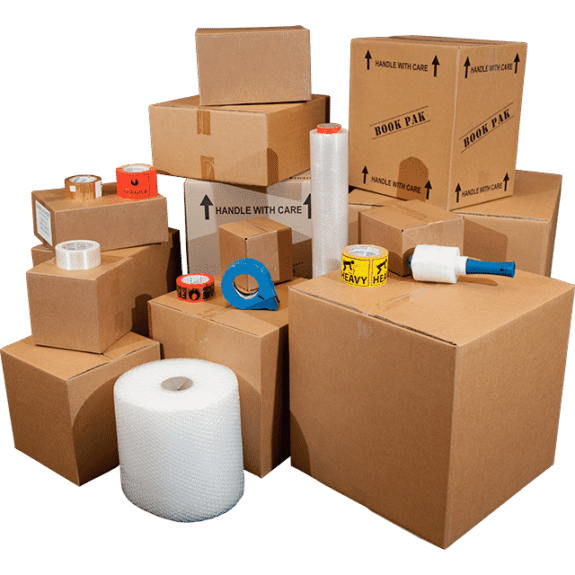
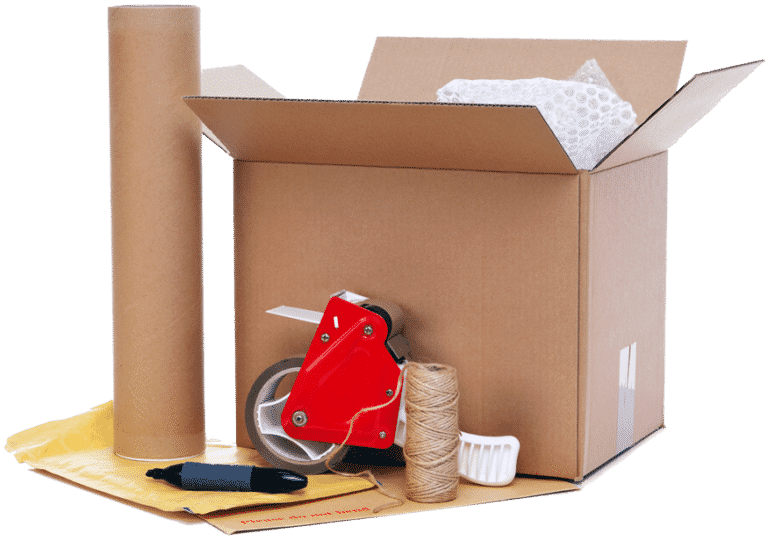
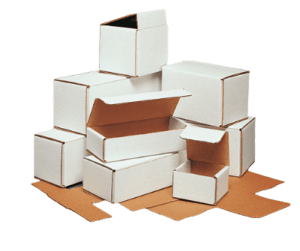
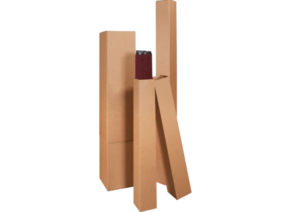
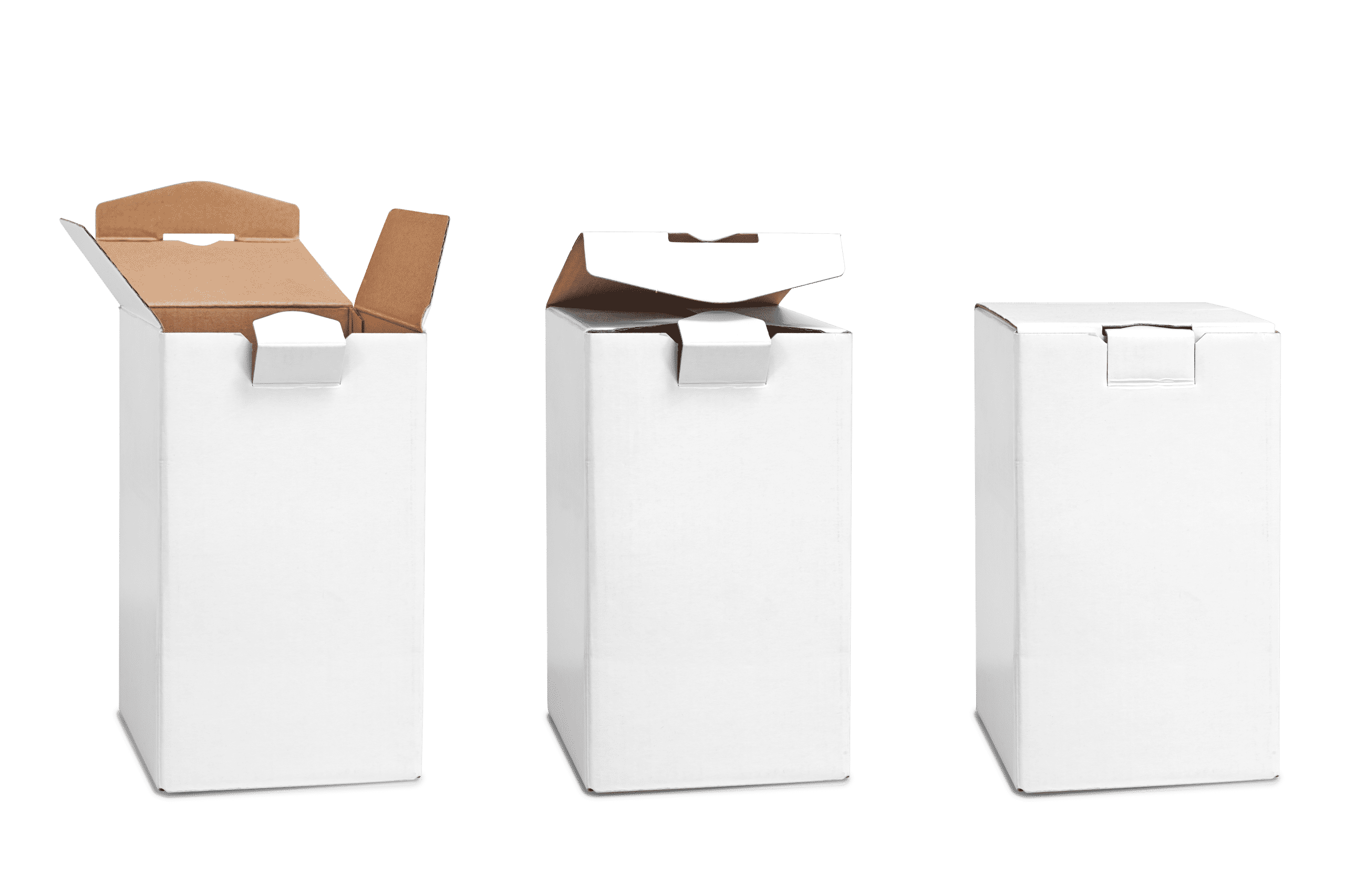
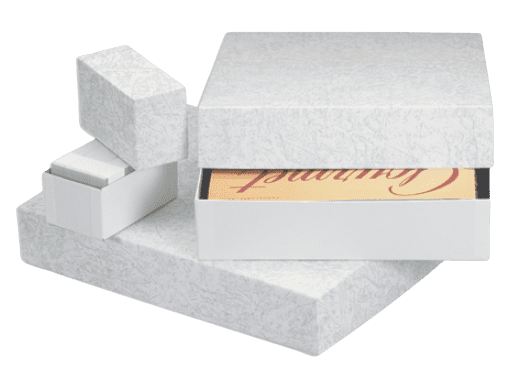
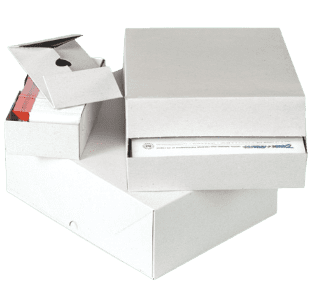
We supply businesses with a wide selection of essential packaging, shipping, and warehouse supplies. Get any standard packaging product by dimension or style from boxes, tubes, tapes, labels, and more. If you are unsure on what type of packaging you will need, then contact us for an expert consultation.


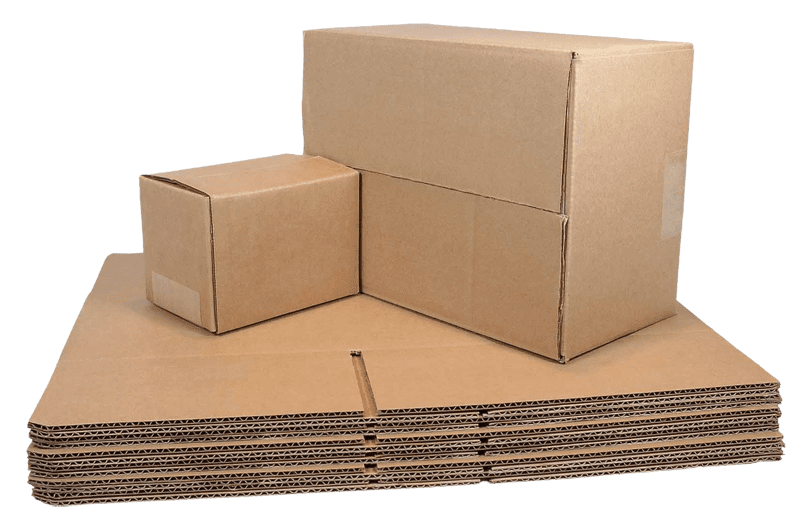
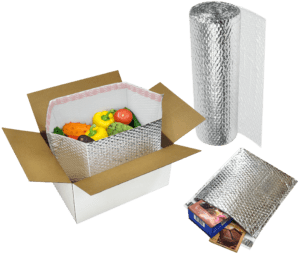
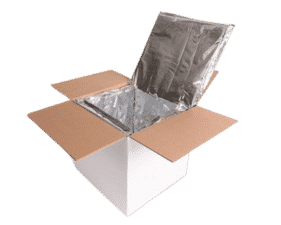
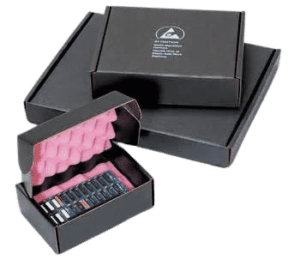
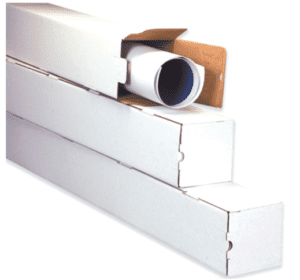
Stock packaging refers to pre-made, ready-to-ship packaging solutions like corrugated boxes, mailers, and protective materials that are designed to meet a wide range of standard needs across shipping, retail, and storage. Unlike custom packaging, stock options offer quick availability and reliable protection without the need for extensive design or production time, making them ideal for businesses needing efficient, high-quality solutions with fast lead times.
At Brown Packaging, we focus on providing durable, performance-driven stock packaging that supports our clients’ operational needs. Our stock products are sourced to ensure consistent quality and cost-effectiveness, offering a practical solution to keep operations running smoothly and on schedule. With an emphasis on reliability, we help our clients quickly access packaging solutions that meet their specific needs while maintaining quality across every order.
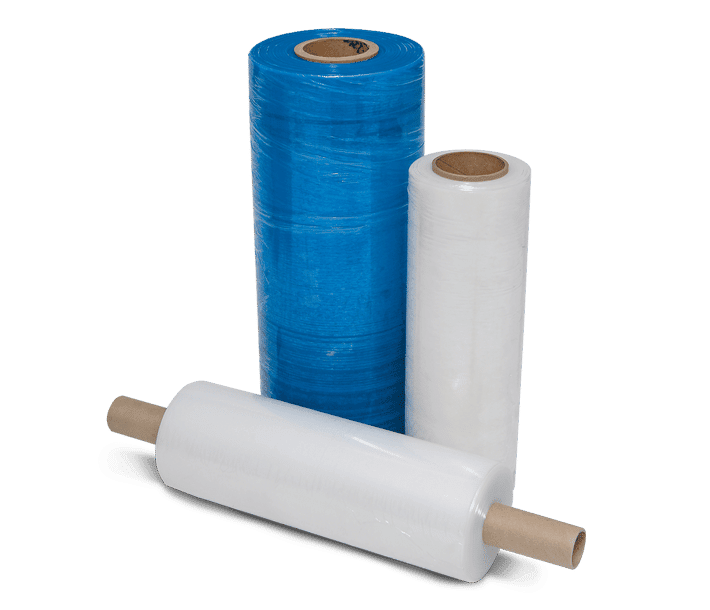
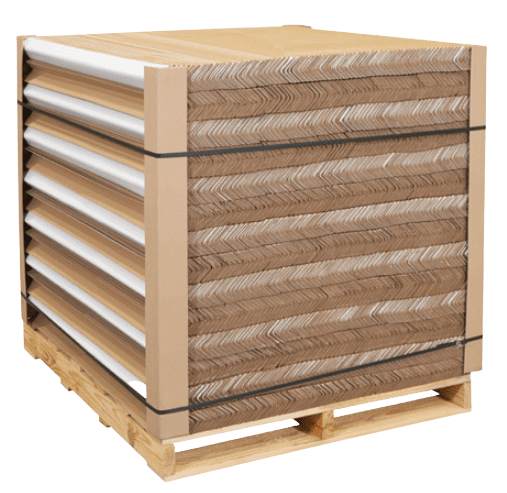
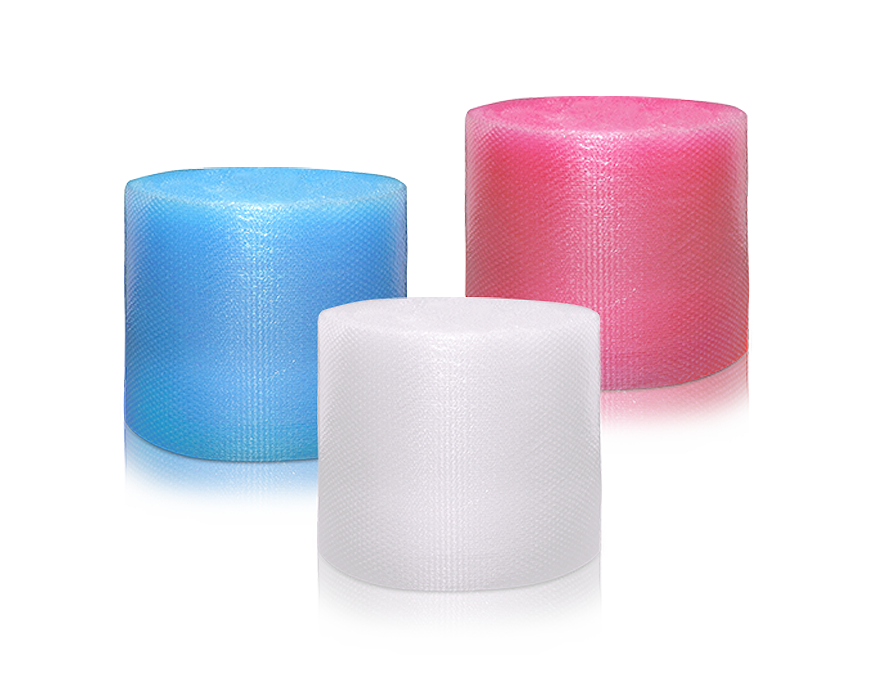
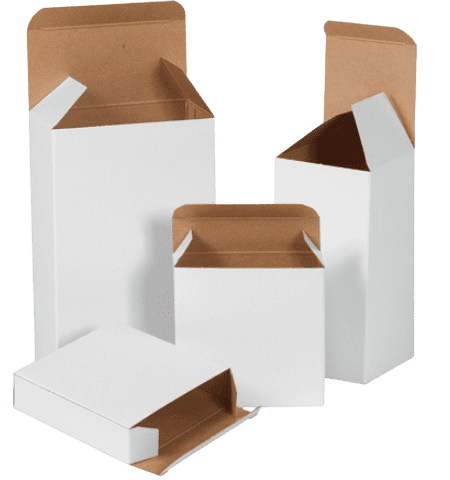
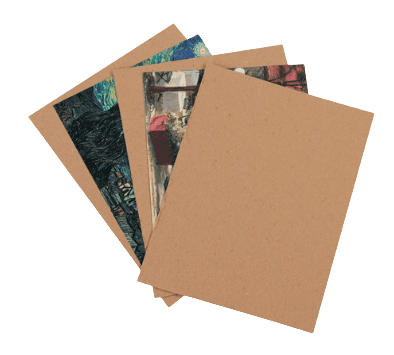
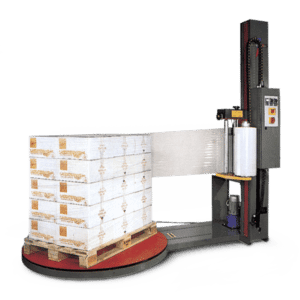
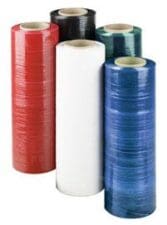
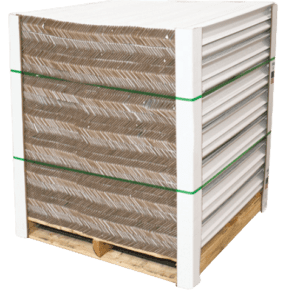
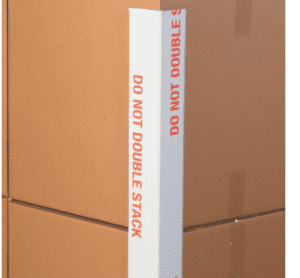
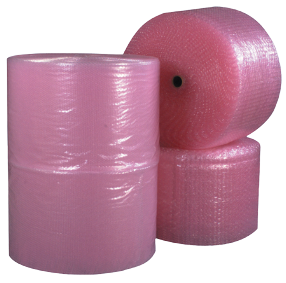
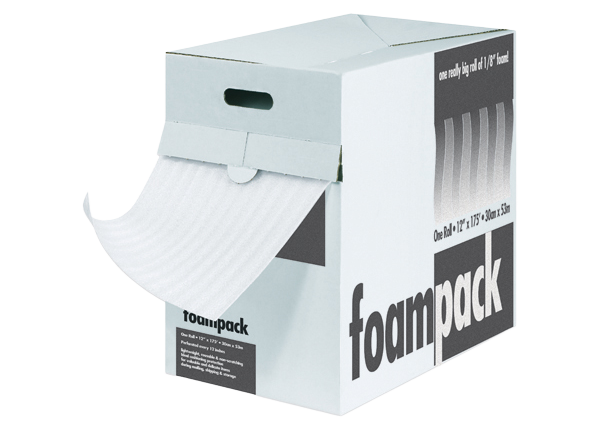
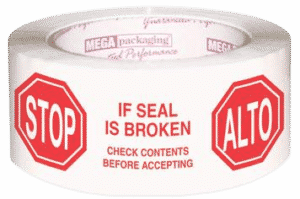
Our stock packaging products, from corrugated boxes to stretch film, offer a wide selection, including essentials like tape, edge protectors, labels, and more, with quick turnaround times to meet your packaging needs efficiently.


If you need any assistance with your packaging or have a question, then contact us directly at request@brownpackaging.com or (714)300-0650. Learn more about custom packaging by reading our blog posts on new and trending topics.

Understanding consumer psychology is paramount to creating effective point of purchase (POP) displays. These strategically placed displays can significantly influence a customer’s decision to make an impromptu purchase. This article will delve into the fascinating realm of consumer psychology and explore how it drives the efficacy of point of purchase displays. The Impulse Buying Phenomenon Impulse buying is a spontaneous, unplanned decision to buy a product made just before checking out. These decisions are driven by emotional triggers rather than logical reasoning, making them a ripe opportunity for retailers. Well-executed POP displays are instrumental in triggering these emotional responses and encouraging impulse buying. Psychological Principles Behind Effective POP Displays The Scarcity Principle Scarcity triggers a sense of urgency and fear of missing out (FOMO) among customers. POP displays that showcase limited-edition products or time-bound offers can effectively exploit this principle, encouraging customers to purchase immediately. The Principle of Reciprocity Humans are naturally inclined to return a favor. Offering free samples or demonstrations at POP displays can make customers feel a sense of indebtedness, making them more likely to purchase the product. The Power of Visual Appeal Aesthetically pleasing and visually stimulating POP displays can significantly influence purchase decisions. Bright colors, creative designs, and unique product arrangements can catch a customer’s eye and evoke a positive emotional response, increasing the likelihood of an impulse buy. The Rule of Three The human brain finds comfort in patterns and particularly favors the number three. Organizing your POP display with product groupings of three, or incorporating the rule of three in your messaging, can make the display more appealing and effective. Harnessing Psychology for Enhanced POP Displays Understanding the psychology behind consumer behavior enables retailers to create more effective POP displays. Here are some strategies that you can adopt: Target Emotions: Design your POP displays to evoke positive emotions. This can be achieved through visual elements, strategic product placement, and persuasive messaging. Use Social Proof: Incorporating customer testimonials or ratings in your POP displays can boost their credibility, encouraging more purchases. Leverage Novelty: The human brain is naturally attracted to new things. Regularly updating your POP displays with new products or designs keeps customers engaged and boosts the chances of impulse buying. Conclusion: The Science of Selling In conclusion, the psychology of point of purchase displays is an intricate science that intertwines consumer behavior, marketing strategies, and retail design. By understanding the psychological principles that influence customers’ buying decisions, retailers can design more effective POP displays and significantly boost their sales. If you’re interested in pop displays, then partner with Brown Packaging today to get started. (714)300-0650 request@brownpackaging.com Most Recent Posts: Categories: Corrugated Ecommerce ESD Design Display Flexible Packaging Foam Folding Carton Packaging Plastic Packaging Pouch Printing Protection Retail Rigid Box Thermoform Sustainability Subscribe To Our Newsletter By submitting your information, you agree to our terms and conditions and privacy policy. POP Displays Facebook Twitter LinkedIn Pinterest Relevant Posts

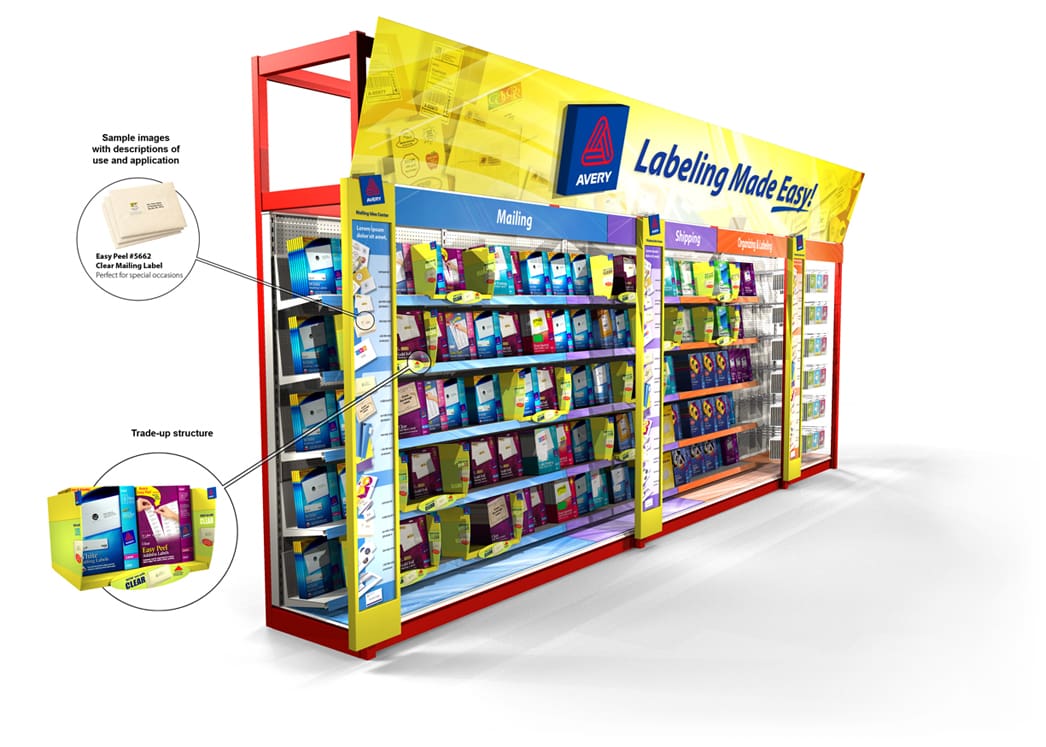
In the bustling world of retail, where competition is fierce and every inch of shelf space matters, staying ahead requires innovation. You’ve cultivated an exceptional business, a skilled team, and a compelling product lineup. However, you’ve noticed that certain competitors seem to be outselling you. Naturally, you’re intrigued and want to explore avenues that can give you a competitive edge. This is where Point of Purchase (POP) displays come into play. Demystifying Point of Purchase Displays Picture yourself navigating the aisles of your local supermarket. Amidst the array of neatly organized products on the shelves, your attention is irresistibly drawn to a strategically positioned display that showcases a selection of items. This strategic arrangement is what’s known as a Point of Purchase (POP) display – a dynamic solution that has the potential to transform your products from ordinary to attention-grabbing. Unveiling the Influence of POP Displays The essence of a POP display is simple yet remarkably effective. It’s a custom-made display set apart from its usual shelf location, demanding attention in the store. Unlike typical shelf arrangements, POP displays are often situated at the heart of aisles or at aisle ends, ensuring maximum visibility. This placement empowers your products with heightened prominence and branding opportunities, allowing them to shine amidst the retail landscape. The Artistry of Presentation A standard POP display takes physical form with one to four sides, frequently crafted from corrugated cardboard – as depicted in the accompanying image. Imagine the ingenuity employed for canned beverages, where soda or alcohol cases are stacked in creative patterns to create an enticing shape. Each structure houses a curated selection of products, adorned with a strategic interplay of design elements such as color palettes, typography, pricing details, logos, visuals, and product imagery. This symphony of visuals ensures your products seize attention in the bustling retail environment. Captivating Attention, Driving Sales The allure of POP displays lies in their ability to capture attention and drive sales. Recall your recent visit to a retail giant like Walmart. Those thoughtfully positioned displays that commanded your gaze were POP displays. It’s likely you’ve even succumbed to their appeal and made a purchase based on their captivating presentation. By breaking away from conventional shelf placements, POP displays adeptly capture shopper interest, translating to higher conversions and amplified sales for the featured products. Versatility in Application The realm of POP displays isn’t confined; it spans diverse retail settings. In expansive retail spaces like Walmart, you’ll encounter four-sided POP displays gracing main aisles – known as “action alleys.” These displays, strategically positioned every 10-20 feet, proudly exhibit an array of products encompassing, video games, books, beverages, and packaged foods. Smaller, one or two-sided POP displays mark the end of each aisle, seamlessly connecting to the larger shopping thoroughfares. From Retail Titans to Local Treasures While major retailers prominently showcase these displays, smaller establishments also reap rewards. Gas stations, country stores, auto parts shops, and neighborhood boutiques effectively utilize one or two-sided POP displays to allure customers and heighten product visibility. These displays function as compelling marketing tools, effectively conveying your product’s value proposition and encouraging impulse purchases. Elevate Your Retail Strategy with POP Displays In the relentless world of retail competition, innovation is your formidable ally. Enhance your sales prowess by harnessing the potential of POP displays. Their strategic placement, captivating designs, and enhanced visibility can convert casual browsers into enthusiastic purchasers. Whether you’re an industry titan akin to Walmart or a local gem nestled in a community, integrating POP displays can serve as your enigmatic ingredient for retail triumph. If you are interested in point of purchase displays, then partner with Brown Packaging today to get started. (714)300-0650 request@brownpackaging.com Most Recent Posts: Categories: Corrugated Ecommerce ESD Design Display Flexible Packaging Foam Folding Carton Packaging Plastic Packaging Pouch Printing Protection Retail Rigid Box Thermoform Sustainability Subscribe To Our Newsletter By submitting your information, you agree to our terms and conditions and privacy policy. POP Displays Facebook Twitter LinkedIn Pinterest Relevant Posts

In the ever-evolving landscape of retail marketing, the art of product presentation plays a pivotal role in captivating consumers and driving sales. Two popular options that consistently grab attention are pallet displays and floor displays. While both serve the purpose of showcasing products in a retail environment, they possess distinct characteristics that cater to different strategies and objectives. In this comprehensive guide, we’ll unravel the differences between pallet displays and floor displays, helping you make informed decisions that align with your brand’s goals and consumer engagement tactics. Pallet Displays: The Power of Bulk Presentation Pallet displays, as the name suggests, involve arranging products on a pallet, often with the assistance of corrugated cardboard structures. These displays are designed to be placed directly on the floor of a retail space on a pallet, instantly drawing attention to a curated selection of products. Pallet displays offer several advantages that make them a preferred choice for many brands: Mass Exposure: Pallet displays allow brands to showcase a significant quantity of products in a single unit, making them ideal for promotions, new launches, or seasonal offerings. Ease of Stocking: Retailers can swiftly replenish products by replacing the entire pallet, ensuring a consistent display even during busy shopping periods. Strategic Placement: Placed at high-traffic areas within the store, pallet displays capitalize on consumer foot traffic, increasing the likelihood of impulse purchases. Visual Impact: With ample space for eye-catching branding and graphics, pallet displays create a compelling visual presence that resonates with consumers. Floor Displays: Elevating In-Store Engagement Floor displays encompass a broader category of displays that are positioned directly on the retail floor but aren’t limited to pallets. These displays can take various forms, such as standalone structures, shelving units, or modular arrangements. The versatility of floor displays offers unique benefits: Customization: Floor displays can be tailored to fit specific product dimensions, enabling a tailored presentation that showcases products at their best. Interaction: Some floor displays feature shelves, hooks, or compartments that encourage tactile interaction, allowing customers to explore products hands-on. Flexibility: Floor displays can be strategically placed throughout the store, guiding customers along specific pathways and encouraging exploration. Targeted Segmentation: Different types of floor displays can be used to cater to various customer segments or product categories within the same store. Pallet Display vs. Floor Display: Making the Right Choice When deciding between pallet displays and floor displays, consider the following factors: Product Type: The nature of your products will influence the type of display that best suits them. Pallet displays are excellent for bulkier items, while floor displays allow for a wider range of product shapes and sizes. Goals: Identify your goals—whether it’s to promote a new product, clear excess inventory, or create a branded experience. Your objectives will help determine the most suitable display type. Store Layout: Assess the layout of the retail space. Pallet displays may be more suitable for larger open areas, while floor displays can be strategically positioned to guide customer flow. Branding: Consider the amount of branding and messaging you want to incorporate into the display. Pallet displays offer more surface area for graphics, while floor displays can focus on showcasing the product itself. In Conclusion: Balancing Form and Function Pallet displays and floor displays each offer unique advantages that can significantly impact your brand’s in-store presence. The decision ultimately hinges on your products, branding strategy, and store layout. By understanding the differences between these two display types and aligning them with your objectives, you can create captivating in-store experiences that resonate with consumers, drive sales, and enhance your brand’s overall retail presence. If you are interested in pop displays, then partner with Brown Packaging today to get started. (714)300-0650 request@brownpackaging.com Most Recent Posts: Categories: Corrugated Ecommerce ESD Design Display Flexible Packaging Foam Folding Carton Packaging Plastic Packaging Pouch Printing Protection Retail Rigid Box Thermoform Sustainability Subscribe To Our Newsletter By submitting your information, you agree to our terms and conditions and privacy policy. POP Displays Facebook Twitter LinkedIn Pinterest Relevant Posts