




window.uetq = window.uetq || []; window.uetq.push(‘event’, ‘submit_lead_form’,{ event_label:‘SUBMIT MESSAGE’ }); window.lintrk('track', { conversion_id: 10271009 }); window.lintrk('track', { conversion_id: 10271017 });

Stock Packaging

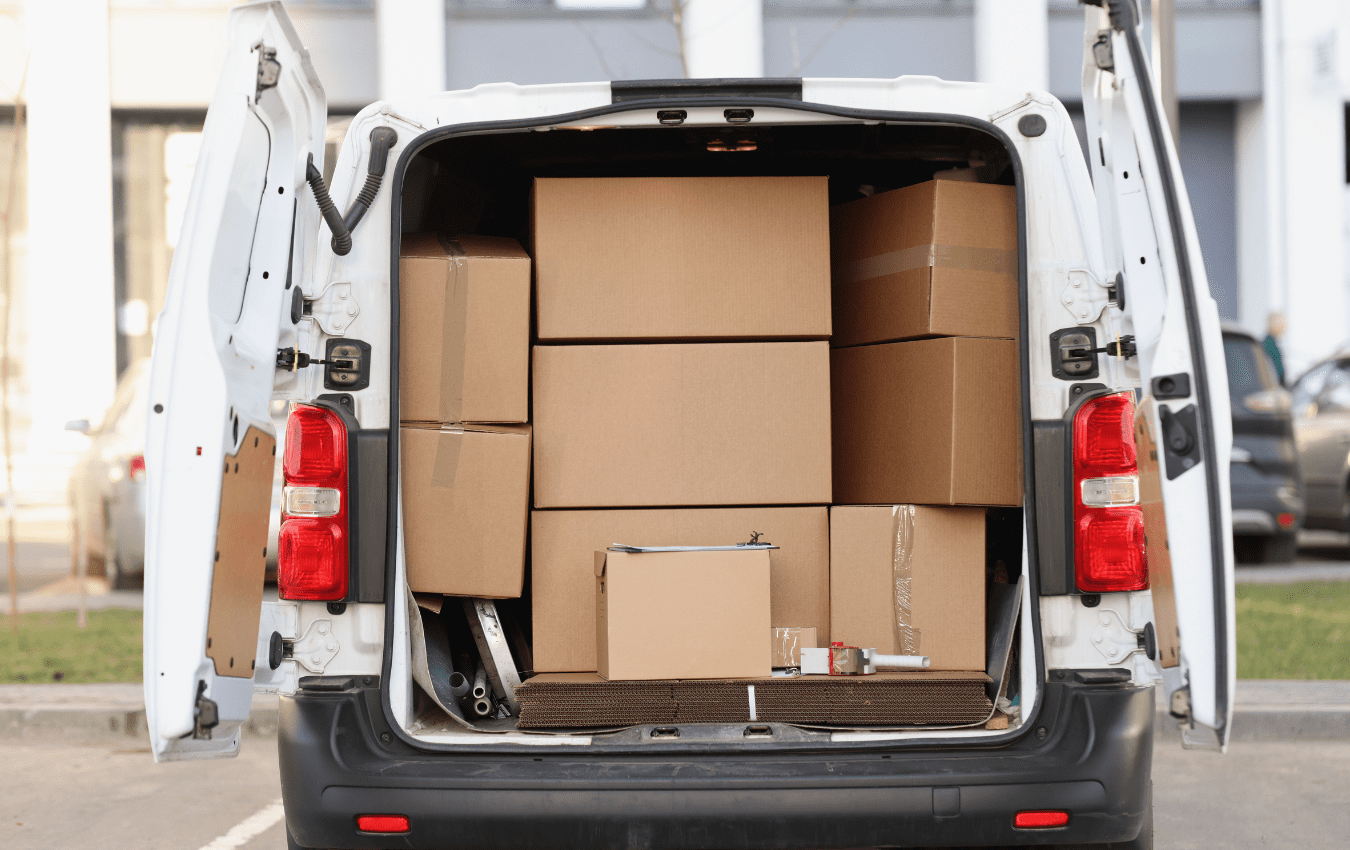
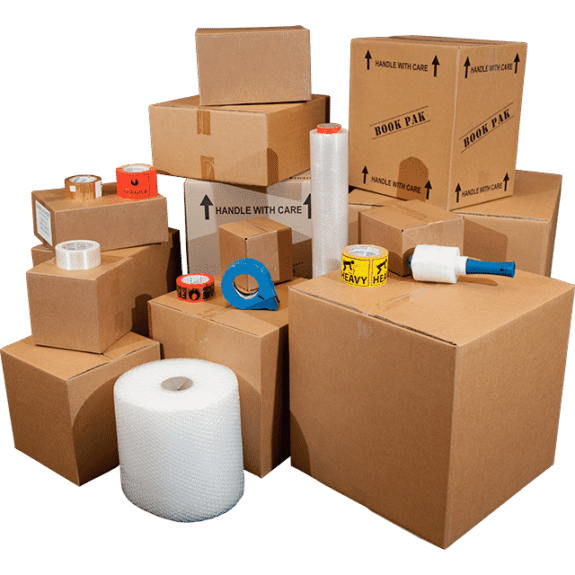
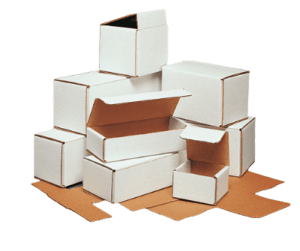
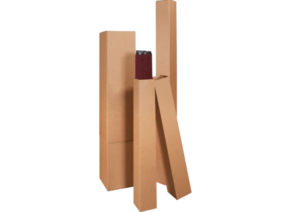
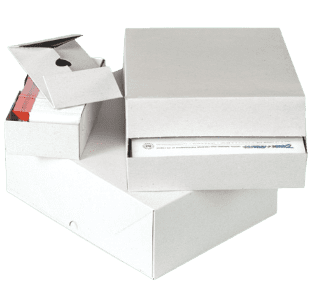
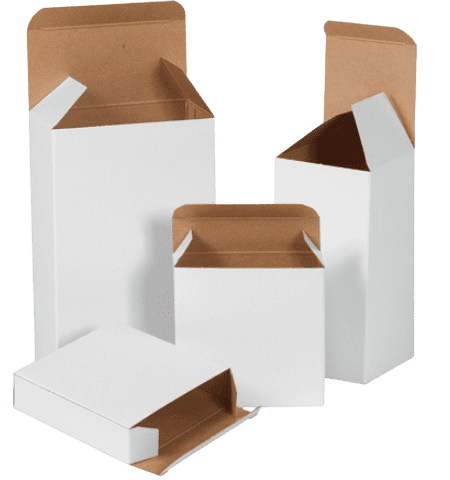
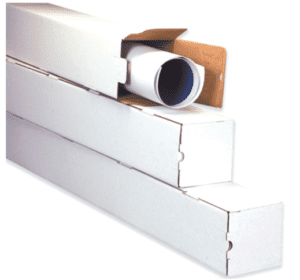
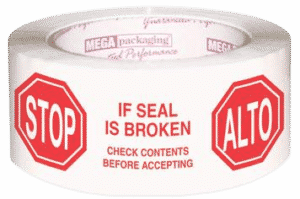
We supply businesses with a wide selection of essential packaging, shipping, and warehouse supplies. Get any standard packaging product by dimension or style from boxes, tubes, tapes, labels, and more. If you are unsure on what type of packaging you will need, then contact us for an expert consultation.


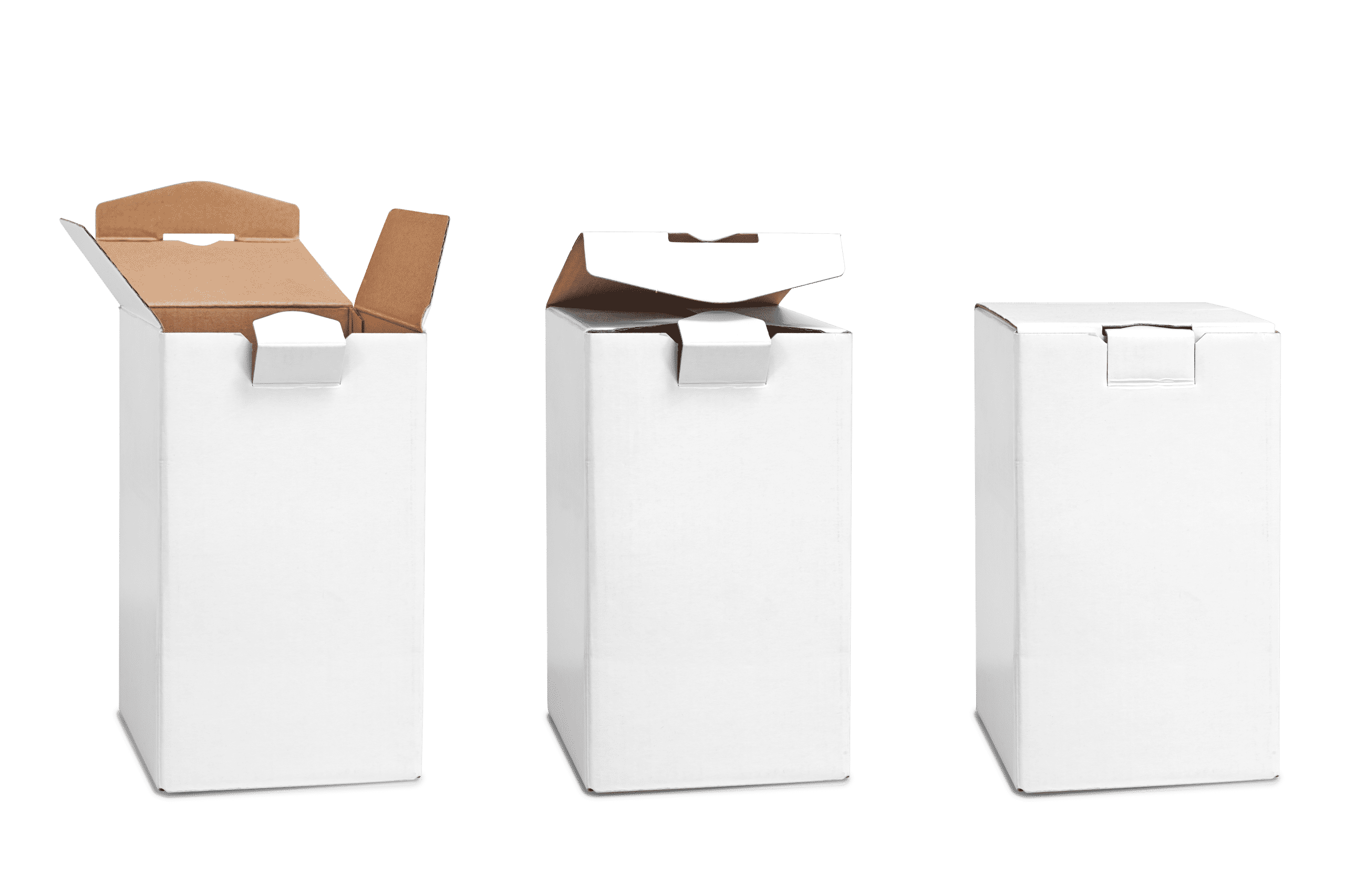
Stock packaging refers to pre-made, ready-to-ship packaging solutions like corrugated boxes, mailers, and protective materials that are designed to meet a wide range of standard needs across shipping, retail, and storage. Unlike custom packaging, stock options offer quick availability and reliable protection without the need for extensive design or production time, making them ideal for businesses needing efficient, high-quality solutions with fast lead times.

At Brown Packaging, we focus on providing durable, performance-driven stock packaging that supports our clients’ operational needs. Our stock products are sourced to ensure consistent quality and cost-effectiveness, offering a practical solution to keep operations running smoothly and on schedule. With an emphasis on reliability, we help our clients quickly access packaging solutions that meet their specific needs while maintaining quality across every order.

stock packaging products

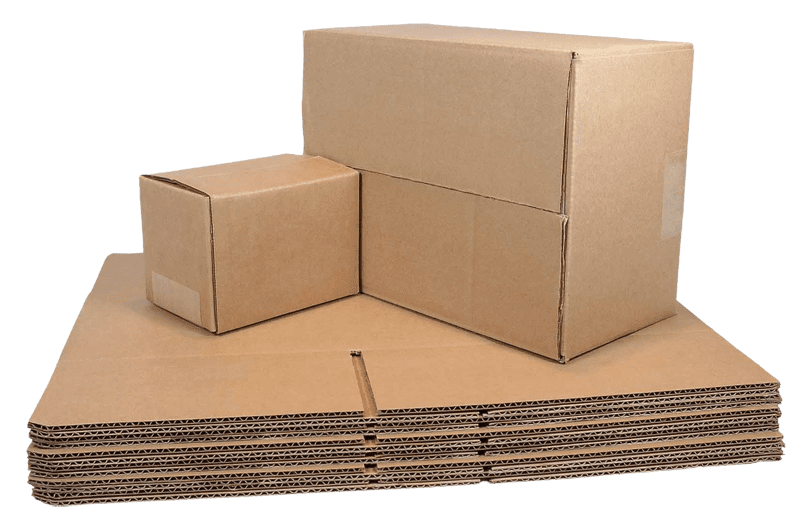
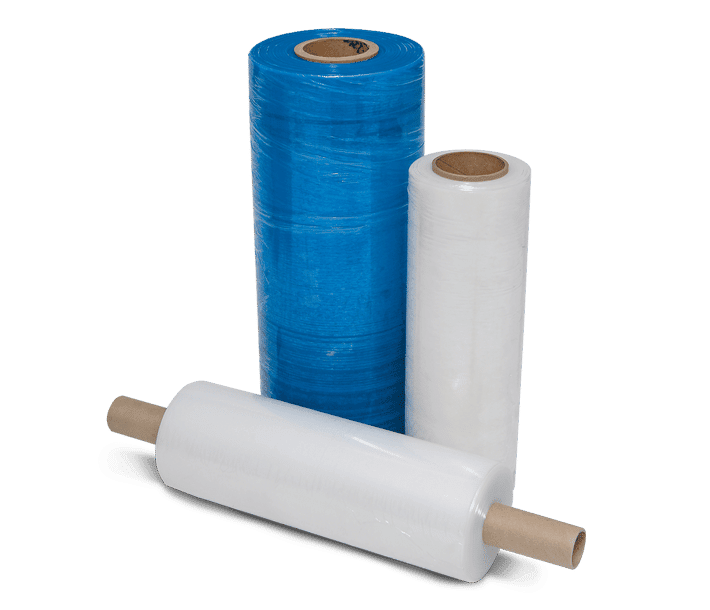
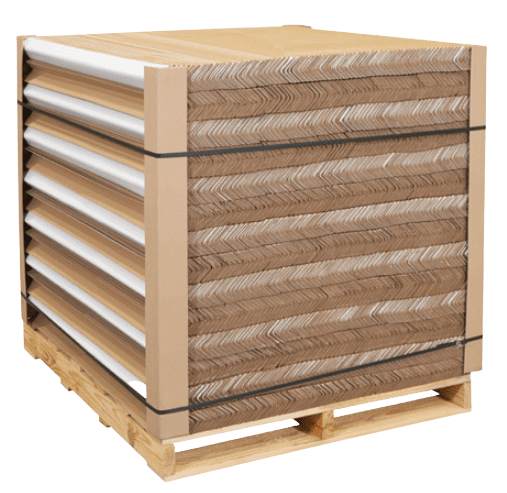
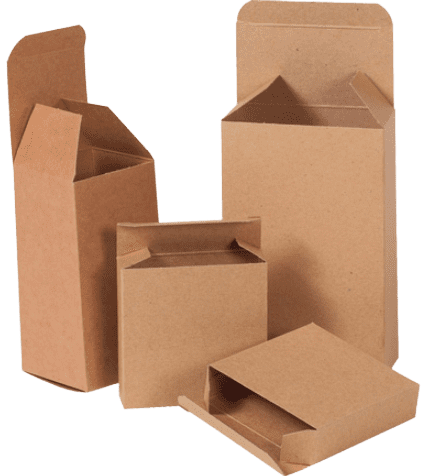
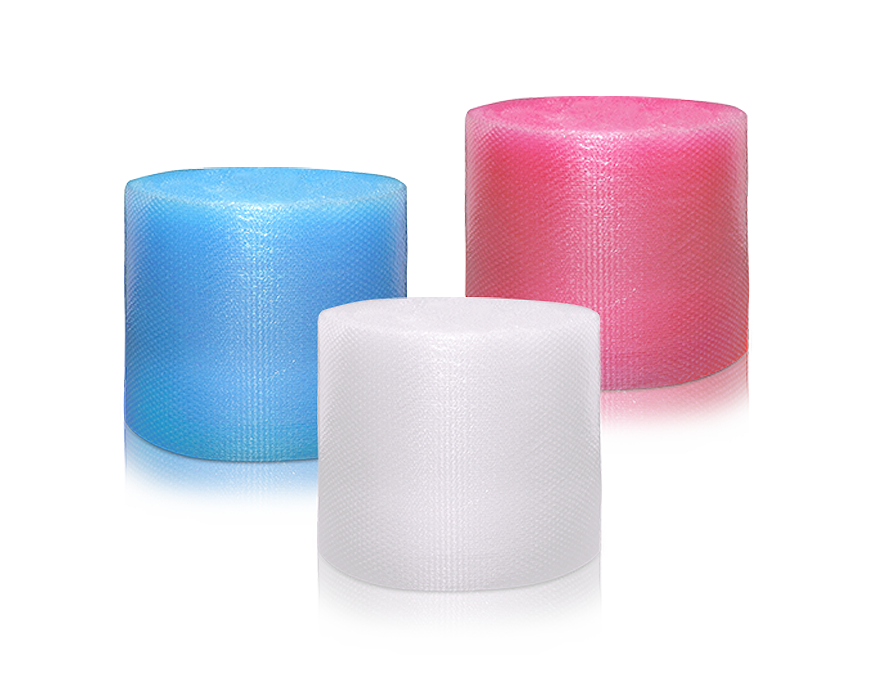
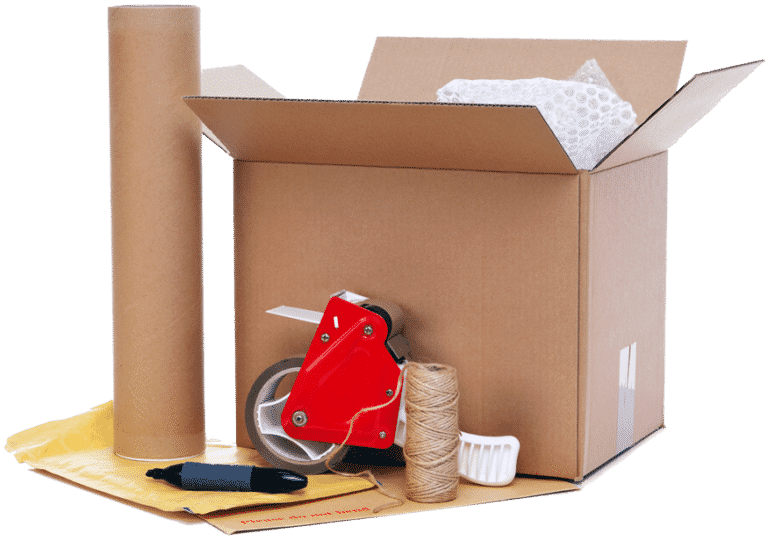
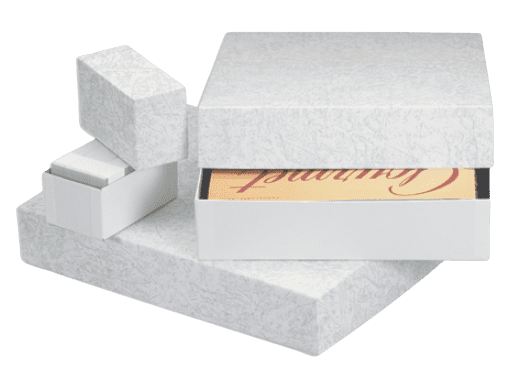
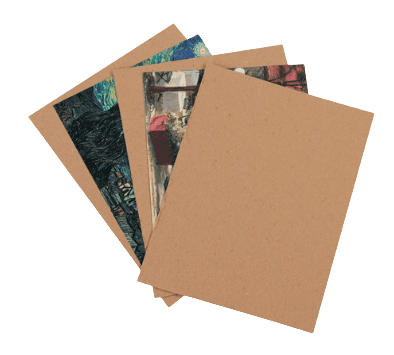
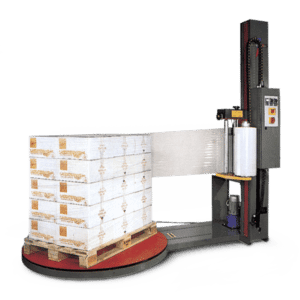
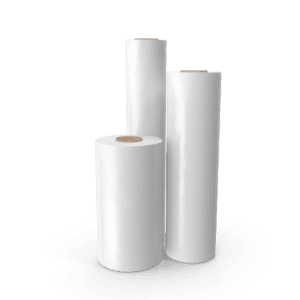
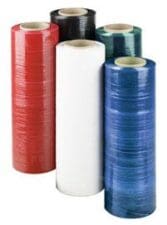
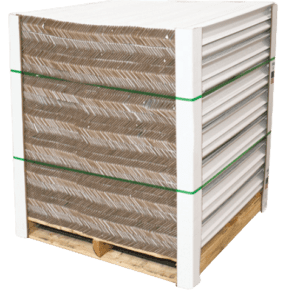
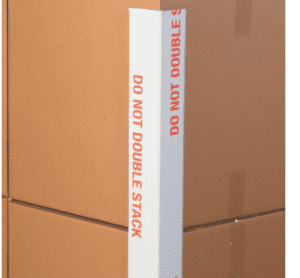
Our stock packaging products, from corrugated boxes to stretch film, offer a wide selection, including essentials like tape, edge protectors, labels, and more, with quick turnaround times to meet your packaging needs efficiently.

Edit Content
Edit Content
Folding Cartons
Pads
Apparel Boxes
Jewelry Boxes
Setup Cartons
Stationary Cartons
Edit Content
Cast Film
Blown Film
Conventional Film
Engineered Film
Pre-Stretched Film
Hand Film
Machine Film
Edit Content
Light Duty
Medium Duty
Heavy Duty
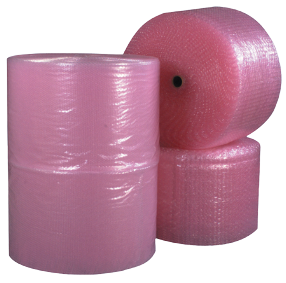
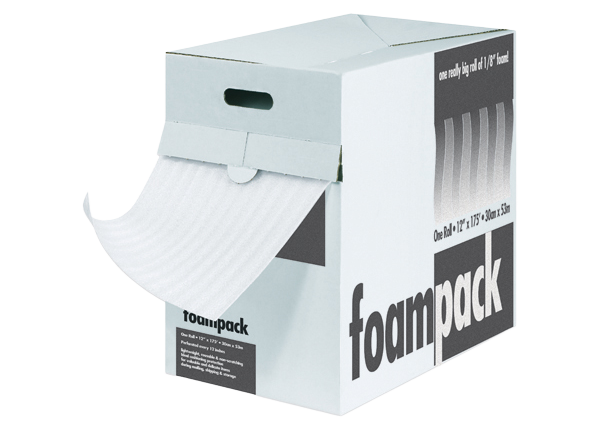
Foam
Strapping
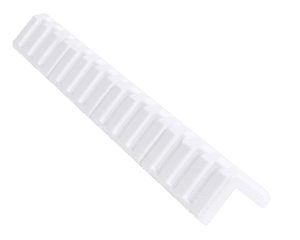
Frame Protectors
Edit Content
Edit Content
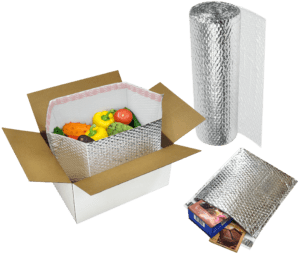
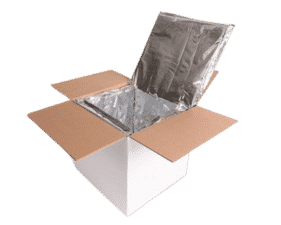
Box Liner
Metalized Pouch
Foam Cooler
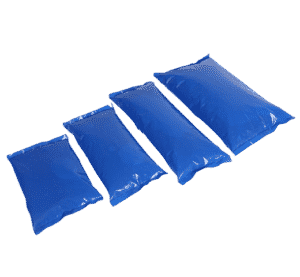
Ice Pack
Gel Pack
Edit Content
Edit Content
Edit Content
Folding Cartons
Pads
Apparel Boxes
Jewelry Boxes
Setup Cartons
Stationary Cartons
Edit Content
Cast Film
Blown Film
Conventional Film
Engineered Film
Pre-Stretched Film
Hand Film
Machine Film
Edit Content
Click on the Edit Content button to edit/add the content.
Edit Content
Edit Content
Box Liner
Metalized Pouch
Foam Cooler
Ice Pack
Gel Pack
Edit Content

If you need any assistance with your packaging or have a question, then contact us directly at request@brownpackaging.com  or  (714)300-0650. Learn more about custom packaging by reading our blog posts on new and trending topics.

Optimizing Custom Packaging for International Supply Chains
Packaging
brownpackaging
Optimizing Custom Packaging for International Shipping and Logistics

As international commerce continues to grow, optimizing custom packaging for international supply chains has become an essential aspect of any global business. In an increasingly connected world, businesses must ensure their goods are delivered to customers efficiently, safely, and in the most cost-effective manner. Here’s a detailed look into the importance of custom packaging and how to optimize it for international shipping and logistics. Understanding Custom Packaging Before delving into the intricacies of optimization, it’s essential to understand what custom packaging entails. Custom packaging is an all-encompassing term used to describe the bespoke packing materials designed specifically for a company’s product. This can include anything from branded boxes and tape to customized inserts and padding. The goal of custom packaging is two-fold. First, it ensures the product arrives at its destination safely and in optimal condition. Second, it serves as an extension of the company’s brand, providing a unique unboxing experience that aligns with the brand’s values and aesthetics. The Importance of Optimizing Custom Packaging for International Shipping Optimizing custom packaging for international shipping has several benefits, including: Cost Efficiency: Properly optimized packaging can save your company significantly in shipping costs. By minimizing the weight and dimensions of your packages, you can reduce the shipping charges, which often depend on these factors. Reduced Damage Rates: Custom packaging that is optimized for international shipping can significantly reduce product damage during transit. This leads to fewer returns, refunds, or replacements and enhances your brand’s reputation. Improved Customer Satisfaction: A well-packaged product enhances the unboxing experience, leading to increased customer satisfaction. This can enhance customer loyalty and lead to repeat purchases. Strategies for Optimizing Custom Packaging for International Shipping and Logistics Evaluate Your Current Packaging The first step towards optimizing your custom packaging is to evaluate your existing packaging. Consider aspects like size, weight, and the level of protection it offers your products. If your packaging is excessively large or heavy, it could be adding unnecessary costs to your shipping charges. Choose the Right Packaging Material The choice of material plays a vital role in optimizing custom packaging. Consider materials that are lightweight, sturdy, and environmentally friendly. Depending on the nature of your products, materials like corrugated cardboard, Kraft paper, or biodegradable plastic can be good options. Minimize Packaging Size and Weight One of the primary ways to reduce shipping costs is to minimize the size and weight of your packaging. This does not mean compromising on the safety of your products. Instead, you should design your packaging in a way that it snugly fits your product, offering adequate protection without wasting space or material. Use Protective Inserts Protective inserts like bubble wrap, foam inserts, or inflatable air pillows can provide additional protection for your products, reducing the risk of damage during transit. These can be customized to fit your products perfectly, providing an optimal balance between protection and space utilization. Standardize Your Packaging Standardizing your packaging sizes can simplify your logistics and potentially lower costs. By having a few standard box sizes, you can streamline your packing process and reduce the need for custom-sized boxes for each product. Consider Your Branding While optimization is primarily about reducing costs and protecting products, branding is equally important. Your packaging is often the first physical interaction a customer has with your brand, so it should reflect your company’s identity. Use colors, logos, and designs that align with your brand aesthetic. Work with Packaging Experts Working with packaging experts can help you optimize your custom packaging effectively. These professionals can provide insights into the latest trends and technologies in packaging, as well as provide practical solutions tailored to your specific product and business needs. Understand International Shipping Regulations When shipping internationally, it’s essential to understand the various regulations and requirements set by different countries. Some countries have specific restrictions on packaging materials, while others have stringent labeling requirements. Working with a knowledgeable logistics partner can help ensure your packaging is compliant with all international regulations. Leveraging Technology for Packaging Optimization In the modern era, technology plays a significant role in optimizing custom packaging. Here are a few ways you can leverage technology: Packaging Design Software Packaging design software allows businesses to create custom designs for their packaging materials. With these tools, you can visualize how your package will look and make adjustments to optimize size, shape, and branding. Automated Packaging Systems Automated packaging systems can help optimize your packing process by reducing manual labor and increasing efficiency. These systems can assemble boxes, fill them with products and packing material, and then seal and label them, all in a streamlined, automated process. Packaging Testing Advanced packaging testing methods can assess the durability and efficiency of your packaging. These tests can simulate various environmental conditions and stresses that your packages might encounter during shipping, helping you to optimize your packaging for real-world conditions. IoT and Smart Packaging The Internet of Things (IoT) and smart packaging technologies can provide valuable insights into your shipping process. For instance, you can use sensors to track the conditions your packages experience during transit, helping you to make data-driven decisions to optimize your packaging. If you are interested in optimizing your customizing packaging for international shipping and logistics, then partner with Brown Packaging today to get started. Computer-Aided Packaging Engineering (CAPE) Computer-Aided Packaging Engineering (CAPE) stands as a pivotal technology in modern packaging optimization. Leveraging specialized software, CAPE allows businesses to virtually model, simulate, and evaluate packaging designs and logistics strategies. Its predictive modeling capabilities enable the identification of potential weaknesses and inefficiencies in packaging designs before physical production, saving resources. CAPE facilitates material optimization, load arrangement within shipping containers, and assessment of environmental impact, helping to create sustainable and cost-effective packaging solutions. By integrating with IoT, real-time data on shipping conditions can enhance packaging design based on actual experiences. Collaborative design and compliance with international regulations are also streamlined through CAPE, offering businesses a competitive edge in the evolving global market. If you are interested in optimizing your custom packaging for

Read More »
custom pouch printed
Flexible Packaging
brownpackaging
Innovative Materials Shaping the Future of Flexible Packaging

Flexible packaging is in the throes of a revolution, with several innovative materials surfacing that promise to change the landscape of the industry. Traditionally, flexible packaging has relied on materials such as plastic and paper. However, environmental considerations, as well as advancements in materials science, are ushering in a new era of flexible packaging options. Let’s delve into the cutting-edge materials that are steering the future of flexible packaging. Biodegradable and Compostable Films Consumer awareness and regulatory pressures are pushing the packaging industry towards environmentally friendly alternatives. One such innovative material is biodegradable and compostable films, made from bio-based polymers such as Polyactic Acid (PLA) and Polycaprolactone (PCL). These materials, derived from renewable sources like cornstarch, sugarcane, or potatoes, degrade naturally over time, significantly reducing their environmental footprint. The challenge lies in their production cost and durability, which scientists are tirelessly working to improve. Edible Packaging Materials The concept of edible packaging has piqued the interest of consumers and industry experts alike. It offers a zero-waste solution to packaging, where the packaging material itself can be consumed or composted. Innovations include films made from seaweed, proteins, lipids, and polysaccharides. One standout example is Notpla, a London-based start-up, which developed an edible packaging material from seaweed extract. These materials are safe for consumption and significantly lower the volume of waste generated. Nanotechnology in Packaging Nanotechnology is making substantial inroads into the packaging industry, thanks to its potential to improve material properties. Nanocomposites, made by incorporating nanoparticles into traditional polymers, can improve the barrier properties, strength, and heat resistance of packaging materials. Additionally, nano sensors embedded in the packaging material can detect food spoilage and alert consumers, adding an extra layer of safety to food packaging. However, regulations governing the use of nanomaterials in packaging are still under development, which can affect their widespread adoption. Smart Packaging Materials Smart packaging materials can interact with the product or the environment to extend the product’s shelf life, enhance safety, and improve consumer convenience. These materials include oxygen scavengers, moisture absorbers, and temperature indicators. Intelligent films that change color when exposed to microbial contamination or when the product is past its ‘use by’ date are already being used in food packaging. The field of smart packaging materials is rapidly expanding, driven by advancements in sensor technology and data analytics. Recycled and Recyclable Materials The use of recycled and recyclable materials in flexible packaging is gaining momentum. Recyclable mono-materials, which are made from a single type of polymer, are easier to recycle compared to multi-layered materials. These mono-materials can maintain the same performance characteristics as traditional packaging materials while reducing the environmental impact. Initiatives like the Circular Economy for Flexible Packaging (CEFLEX) are working towards advancing the circular economy model for flexible packaging, emphasizing the use of recycled and recyclable materials. Final Thoughts: Flexible Packaging Innovations The flexible packaging industry is poised for a significant transformation. Driven by environmental concerns, technological advancements, and consumer demand, these innovative materials are rapidly reshaping the industry. However, many of these materials are still in their developmental stages or facing regulatory hurdles. The challenge lies in finding a balance between performance, cost, sustainability, and consumer acceptance. Despite these hurdles, the future of flexible packaging looks brighter and more sustainable than ever before. (714)300-0650 request@brownpackaging.com Most Recent Posts: Categories: Corrugated Ecommerce ESD Design Display Flexible Packaging Foam Folding Carton Packaging Plastic Packaging Pouch Printing Protection Retail Rigid Box Thermoform Sustainability Subscribe To Our Newsletter By submitting your information, you agree to our terms and conditions and privacy policy. Custom Packaging Facebook Twitter LinkedIn Pinterest Relevant Posts

Read More »
Designing Custom Packaging for Different Generations: Catering to Diverse Demographics
Packaging
brownpackaging
Designing Custom Packaging for Different Generations: Catering to Diverse Demographics

In the ever-evolving world of marketing and branding, it’s crucial to design your products and their packaging with a clear understanding of your target audience. Understanding different generations and their unique preferences can significantly influence your packaging design process. This article aims to provide an in-depth guide on how to tailor your custom packaging design to diverse demographics, primarily focusing on Baby Boomers, Generation X, Millennials, and Generation Z. Baby Boomers (Born 1946-1964) Baby Boomers are a generation known for their hard work and brand loyalty. When designing packaging for them, it’s important to prioritize legibility, simplicity, and clarity. Clarity and Legibility With age, vision tends to decline. Use larger fonts and high contrast colors in your packaging design to enhance readability. Additionally, ensuring clarity in the information on the package, such as instructions, warnings, and benefits, can make a significant difference. Brand Loyalty Baby Boomers value brands they can trust. Highlight your brand’s heritage and reliability on the package design. Also, consider using traditional packaging materials like glass, paper, and metal, which this generation perceives as high-quality and reliable. Generation X (Born 1965-1980) Generation X, often overlooked, is a significant demographic to consider. They appreciate convenience, quality, and value for money. Convenience Gen X is a busy generation, juggling between work, family, and their social lives. They appreciate packaging that is easy to open, reseal, and store. Consider innovative packaging designs that enhance user convenience. Quality Gen X tends to be more skeptical about marketing claims, valuing quality over hype. Reflect this in your packaging through a clean, professional design. Use high-quality materials and clearly communicate the benefits of the product. Millennials (Born 1981-1996) Millennials have transformed the way businesses approach marketing and packaging designs. They value authenticity, sustainability, and digital interaction. Authenticity Millennials prefer brands that are authentic and transparent. Reflect this in your packaging by using minimal designs and highlighting the product’s ‘realness.’ Show what’s inside the package, use simple language, and avoid exaggerated claims. Sustainability More than any other generation before, Millennials are environmentally conscious. They prefer brands that share the same values. Incorporating sustainable materials and designs into your packaging, and clearly communicating this on the package, can strongly appeal to this demographic. Digital Interaction Millennials are digital natives. QR codes, AR markers, or other digital interactive elements on your packaging can engage this generation and enhance their unboxing experience. Generation Z (Born 1997-2012) Gen Z, the digital-first generation, values individuality, social issues, and internet culture. Individuality Gen Z loves to express their individuality. Consider packaging designs that are customizable or have multiple variants. Limited editions and exclusive packages can also resonate well with this demographic. Social Issues Gen Z is socially conscious and appreciates brands that stand for a cause. Highlight any charitable causes or social missions your brand is associated with on your packaging. Internet Culture Memes, emojis, and internet lingo are part of Gen Z’s daily communication. Incorporating elements of internet culture into your packaging can make your brand relatable and attractive to this demographic. Summary: Packaging For Different Generations Remember, the key to successful packaging design is understanding your target audience. Custom packaging designs tailored to the unique preferences of different generations can help your brand stand out, enhance user experience, and ultimately drive more sales. It’s important, however, to stay authentic and true to your brand identity while catering to these diverse demographics. If you are interested in custom packaging solutions targeting different generations or a specific generation, then partner with Brown Packaging today to get started. (714)300-0650 request@brownpackaging.com Most Recent Posts: Categories: Corrugated Ecommerce ESD Design Display Flexible Packaging Foam Folding Carton Packaging Plastic Packaging Pouch Printing Protection Retail Rigid Box Thermoform Sustainability Subscribe To Our Newsletter By submitting your information, you agree to our terms and conditions and privacy policy. Custom Packaging Facebook Twitter LinkedIn Pinterest Relevant Posts

Read More »