



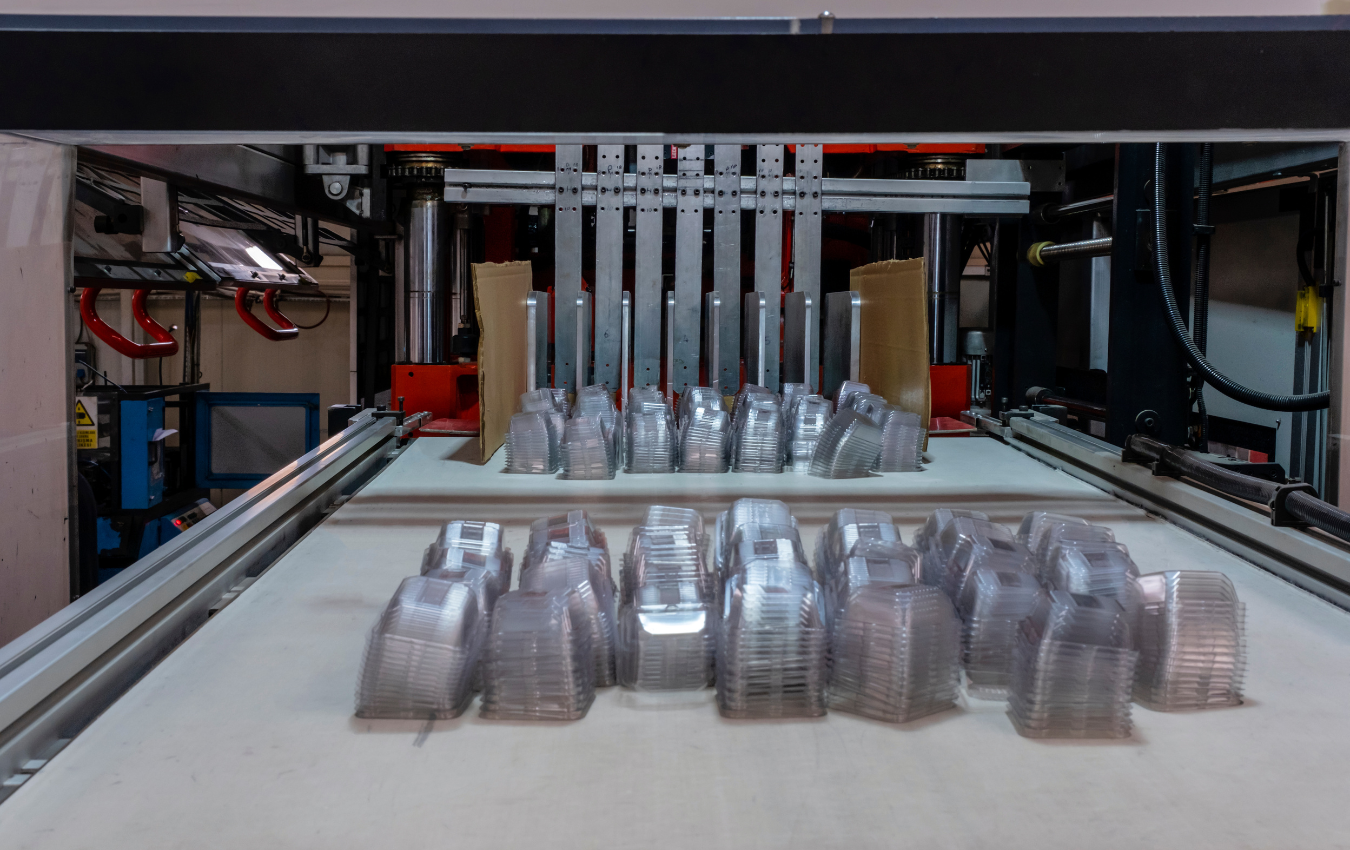
Stock Packaging
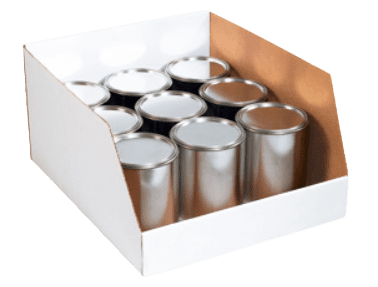
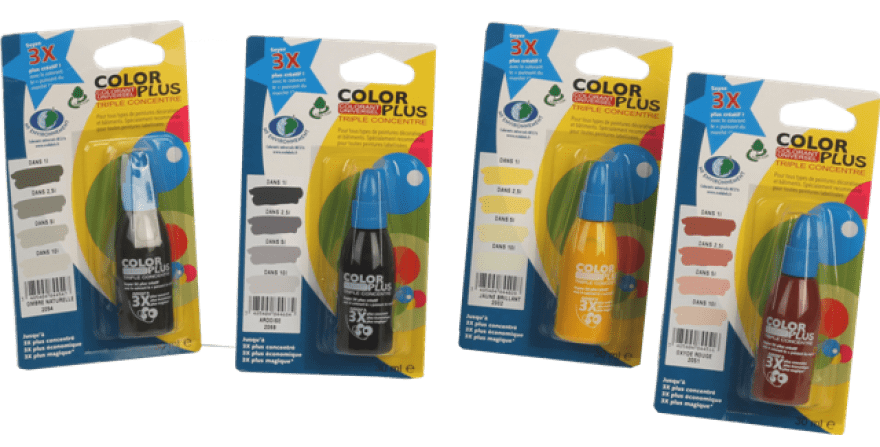
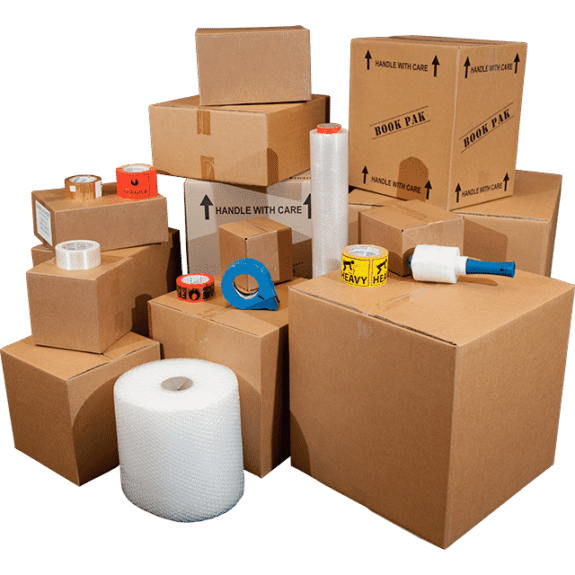
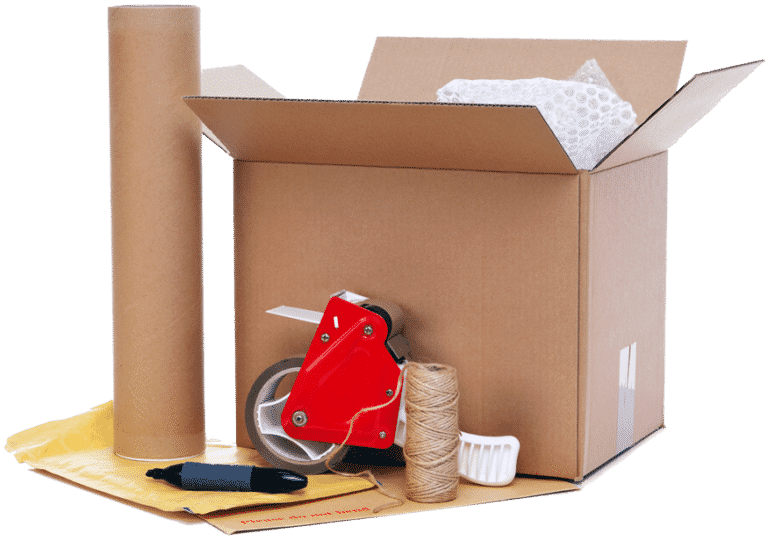
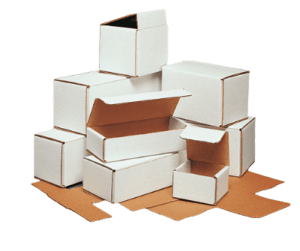
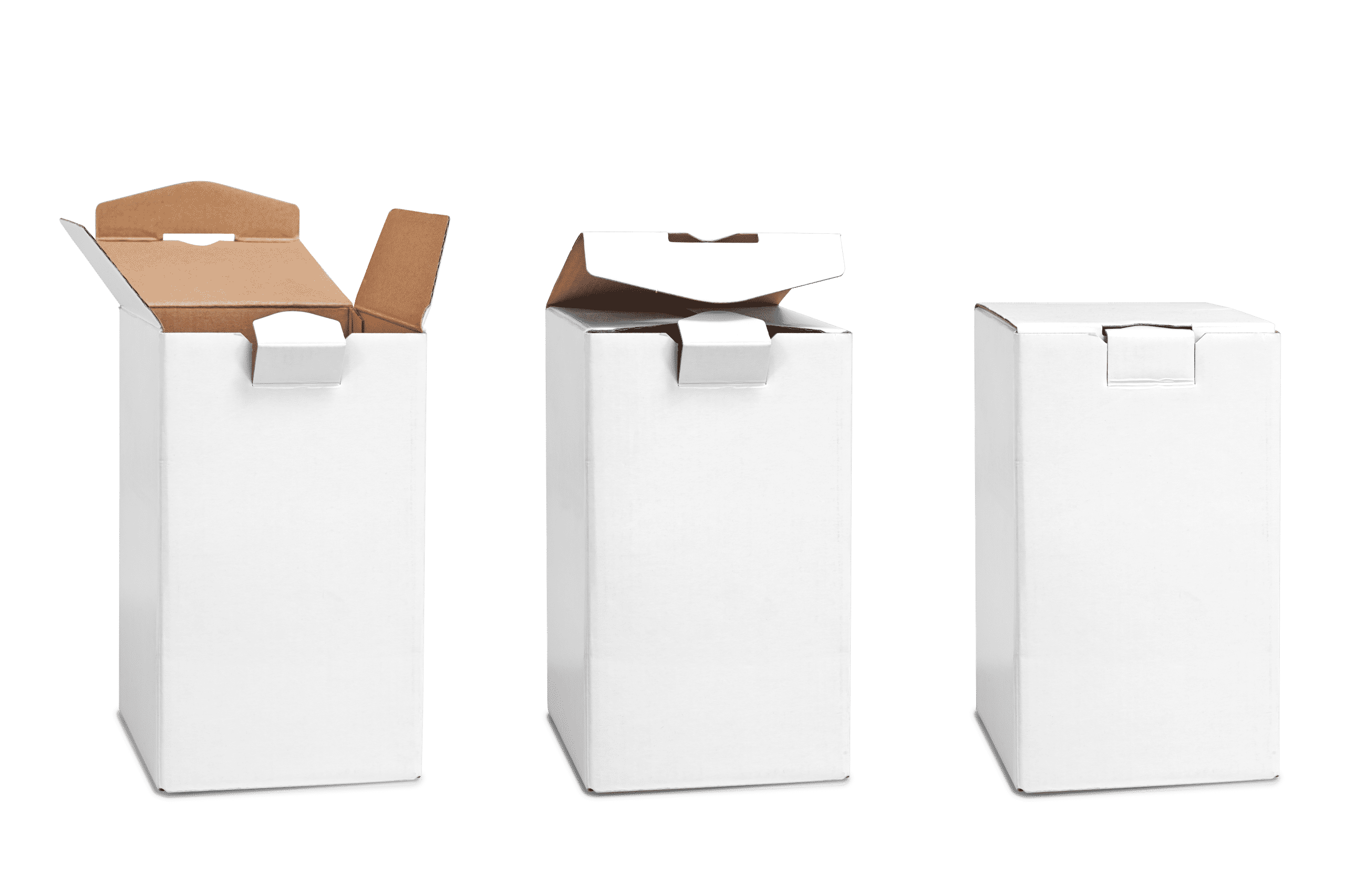
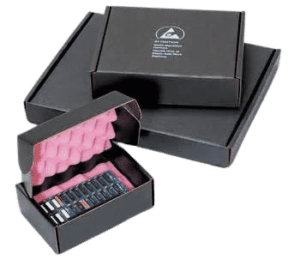
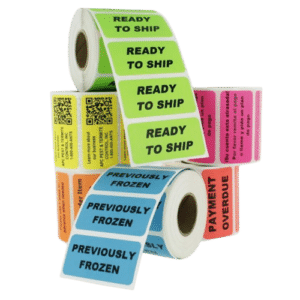
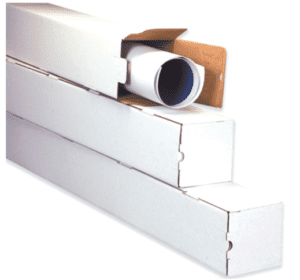
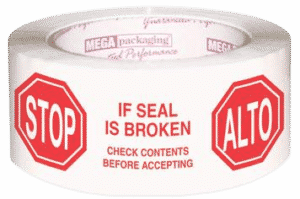
We supply businesses with a wide selection of essential packaging, shipping, and warehouse supplies. Get any standard packaging product by dimension or style from boxes, tubes, tapes, labels, and more. If you are unsure on what type of packaging you will need, then contact us for an expert consultation.


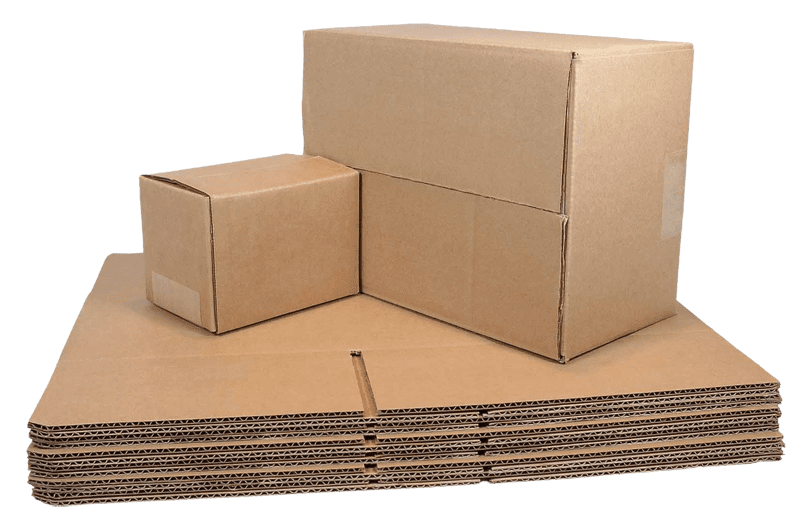
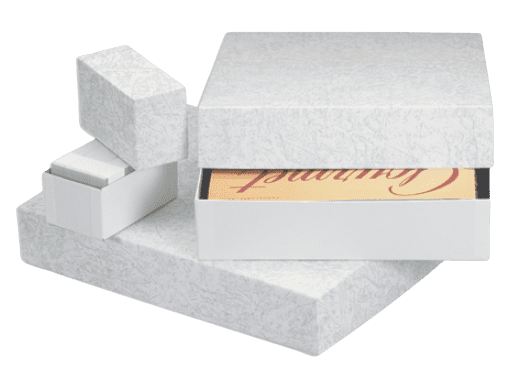
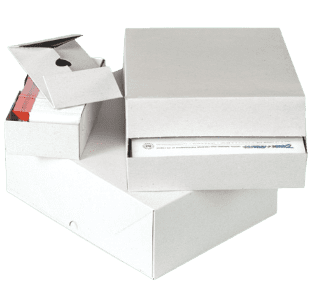
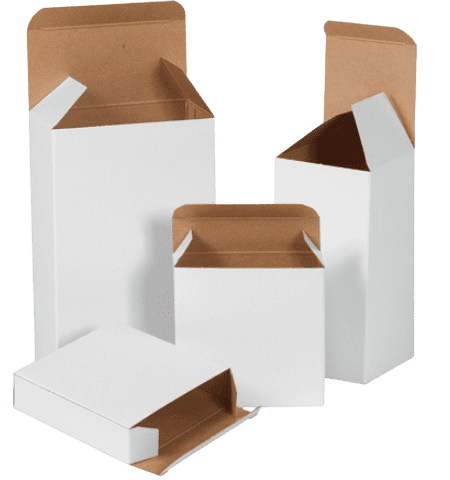
Stock packaging refers to pre-made, ready-to-ship packaging solutions like corrugated boxes, mailers, and protective materials that are designed to meet a wide range of standard needs across shipping, retail, and storage. Unlike custom packaging, stock options offer quick availability and reliable protection without the need for extensive design or production time, making them ideal for businesses needing efficient, high-quality solutions with fast lead times.
At Brown Packaging, we focus on providing durable, performance-driven stock packaging that supports our clients’ operational needs. Our stock products are sourced to ensure consistent quality and cost-effectiveness, offering a practical solution to keep operations running smoothly and on schedule. With an emphasis on reliability, we help our clients quickly access packaging solutions that meet their specific needs while maintaining quality across every order.
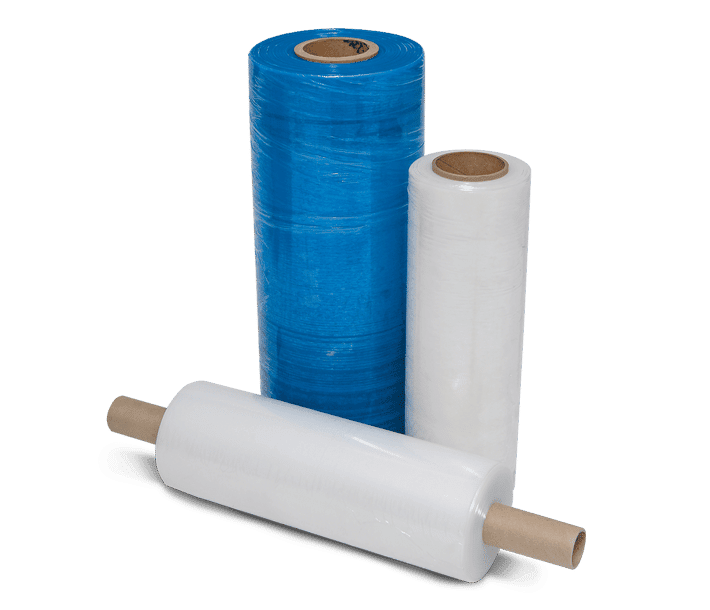
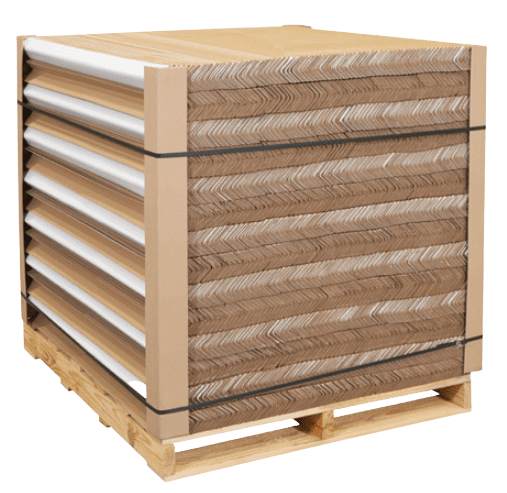
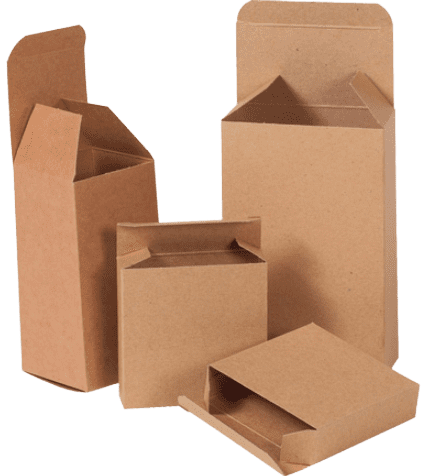
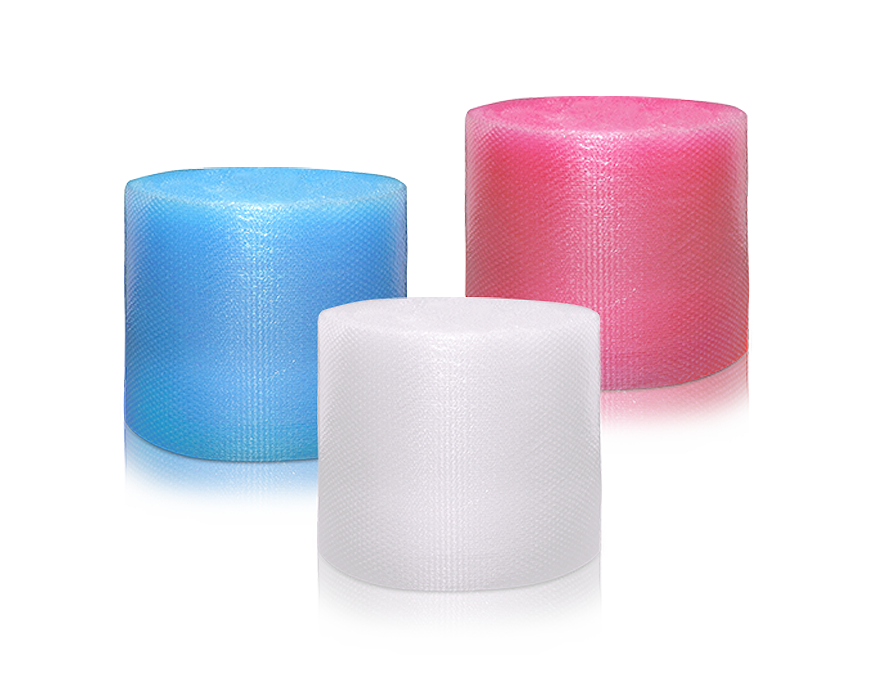
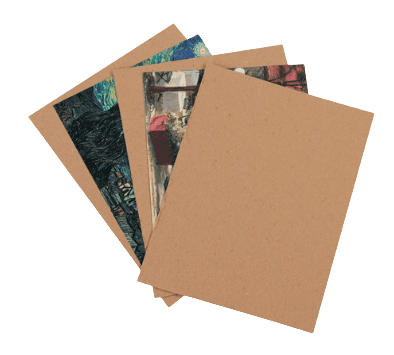
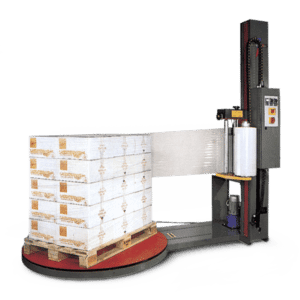
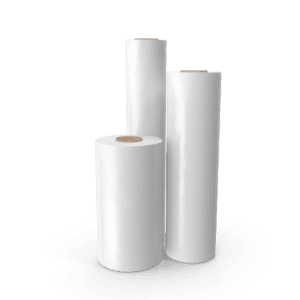
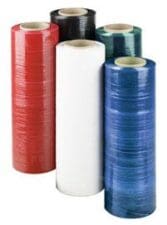
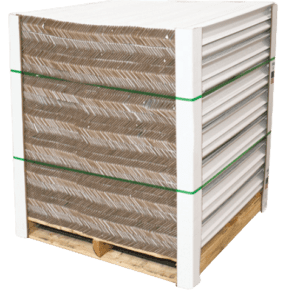
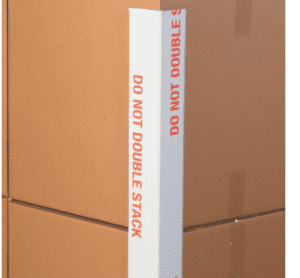
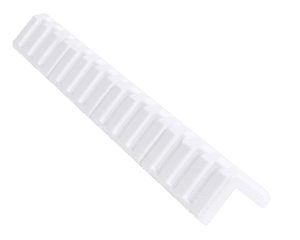
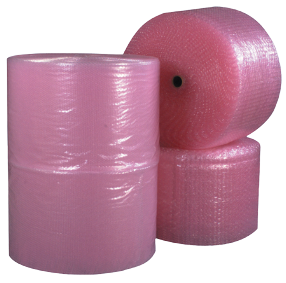
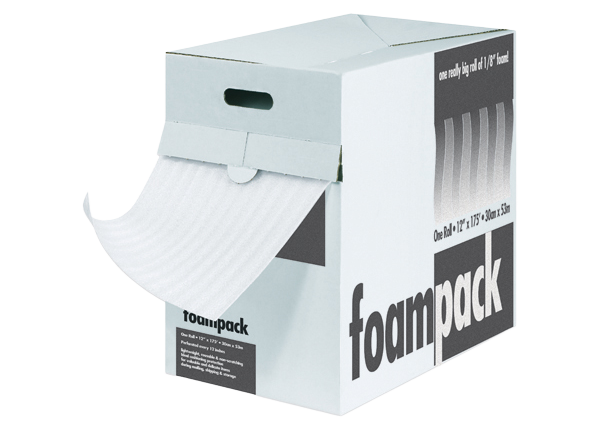
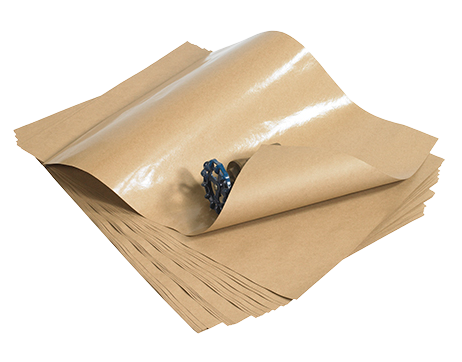
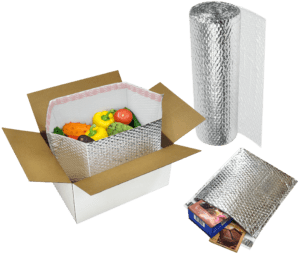
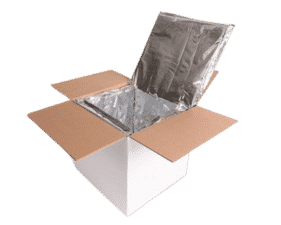
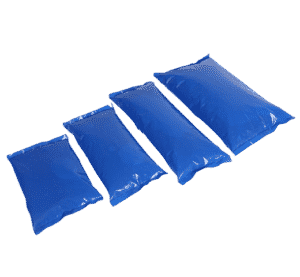
Our stock packaging products, from corrugated boxes to stretch film, offer a wide selection, including essentials like tape, edge protectors, labels, and more, with quick turnaround times to meet your packaging needs efficiently.


If you need any assistance with your packaging or have a question, then contact us directly at request@brownpackaging.com or (714)300-0650. Learn more about custom packaging by reading our blog posts on new and trending topics.

Efficient and effective packaging is a cornerstone of successful ecommerce operations. It’s not just about protecting your products; it’s also about minimizing costs, reducing environmental impact, and providing an excellent customer experience. In this blog post, we’ll look into key strategies to optimize your ecommerce packaging for shipping, ensuring your products arrive safely and your business thrives. Right-Sizing is Key Select packaging that fits your products snugly, without excess space. This minimizes the need for fillers and reduces the risk of items moving around during transit. Use packaging solutions that come in various sizes to match your diverse product range. Quality is Non-Negotiable Invest in high-quality packaging materials that provide adequate protection. Fragile items require extra padding, while sturdy items might need less cushioning. Bubble wrap, air pillows, and foam and corrugated inserts can be tailored to different product needs. Consider Dimensional Weight Pricing Shipping carriers often charge based on the dimensional weight (size) of a package rather than just its actual weight. Opt for packaging that keeps your dimensional weight as low as possible without compromising product safety. Choose Environmentally Friendly Options Sustainability is crucial. Opt for recyclable, biodegradable, or reusable packaging materials. Not only does this appeal to environmentally conscious consumers, but it also reduces waste and shipping costs in the long run. Automate Packaging Processes Automated packaging systems can accurately measure, cut, and assemble packaging materials to fit each order. This reduces human error and speeds up the packing process, leading to more consistent results. Standardize Packaging Across Products Standardizing your packaging as much as possible simplifies the packing process. When your team knows exactly how to pack each type of product, it minimizes confusion and ensures uniform quality. Avoid Overly Complex Designs While branding is important, overly complex packaging designs can lead to errors in packing and increase production costs. Find a balance between branding and practicality. Implement Barcoding and Labeling Ensure every package has a clear and scannable barcode label. This not only aids in tracking but also reduces the chances of misdelivery. Test, Test, Test Regularly test your packaging’s durability by simulating shipping conditions. This helps you identify weaknesses and make necessary improvements. Leverage Technology for Data Insights Use data analytics to identify patterns in product damage during shipping. This can help you refine your packaging strategy and make data-driven decisions. Provide Unboxing Instructions Include instructions for opening the package safely. This can prevent accidental damage caused by customers struggling to open the package. Collaborate with Shipping Partners Engage with your shipping partners to understand their packaging guidelines and requirements. Following these guidelines can lead to smoother operations and potentially reduced shipping costs. Opt for Flat-Folding Options Whenever possible, choose packaging solutions that can be flat-folded. This saves storage space, reduces shipping costs, and allows for easier packing. Customer Feedback Loop Encourage customers to provide feedback on the packaging. Their insights can reveal pain points and guide improvements. Continuous Improvement Mindset Ecommerce packaging is not a static endeavor. Regularly assess and improve your packaging strategy based on customer feedback, industry trends, and technological advancements. By optimizing your ecommerce packaging for shipping, you’re not only ensuring the safe delivery of your products but also enhancing your brand’s reputation and operational efficiency. Keep the customer experience at the forefront of your efforts, and let your packaging become a testament to your commitment to quality and care. If you are interested in ecommerce packaging and want to optimize your packaging for shipping success, then partner with Brown Packaging today to get started. (714)300-0650 request@brownpackaging.com Most Recent Posts: Categories: Corrugated Ecommerce ESD Design Display Flexible Packaging Foam Folding Carton Packaging Plastic Packaging Pouch Printing Protection Retail Rigid Box Thermoform Sustainability Subscribe To Our Newsletter By submitting your information, you agree to our terms and conditions and privacy policy. Ecommerce Packaging Facebook Twitter LinkedIn Pinterest Relevant Posts

In the ever-evolving world of commerce, packaging serves as a pivotal bridge between businesses and their customers. As shopping habits shift and technology continues to shape the way we buy, the choice between e-commerce and retail packaging has become a crucial decision for brands seeking to provide a seamless and delightful customer experience. This blog delves into the nuances of e-commerce and retail packaging, highlighting their differences, challenges, and the strategies brands can employ to create packaging solutions that resonate with their audience. Defining E-commerce and Retail Packaging E-commerce Packaging: E-commerce packaging refers to the protective materials used to encase products during shipping to customers who order online. It includes elements such as corrugated boxes, bubble mailers, and protective cushioning to ensure products arrive intact. Retail Packaging: Retail packaging, on the other hand, encompasses the design and materials used to package products intended for in-store displays. It focuses on enhancing the visual appeal of products on shelves, capturing attention, and driving in-store sales. Different Stages, Different Needs E-commerce Packaging: Protection is Paramount: E-commerce packaging must withstand the rigors of shipping, handling, and potential impacts. Products need to arrive in pristine condition, requiring sturdy and well-padded materials. Unboxing Experience: Brands have a unique opportunity to create a memorable unboxing experience for online customers. Custom packaging, personal notes, and creative designs contribute to customer satisfaction. Sustainability Matters: The rise of eco-conscious consumers has led to a demand for sustainable e-commerce packaging solutions. Brands are exploring recyclable, compostable, and reusable materials to align with environmental values. Retail Packaging: Visual Impact: Retail packaging is designed to catch the eye of in-store shoppers. Packaging colors, shapes, and graphics play a crucial role in drawing attention and encouraging impulse purchases. In-store Display: Retail packaging needs to fit seamlessly within in-store displays, emphasizing aesthetics and brand consistency. Shelving, hanging, and stacking considerations influence design. Personal Touch: The tactile experience of physically handling products in-store creates an opportunity for brands to connect with customers on a personal level. Packaging materials and finishes contribute to this experience. Challenges and Solutions E-commerce Packaging Challenges: Dimensional Accuracy: Online orders come in various shapes and sizes, making it challenging to find the perfect-fit packaging. Brands are adopting customizable packaging solutions to reduce excess space and shipping costs. Brand Identity: Replicating the brand’s identity in e-commerce packaging can be challenging due to size constraints. However, brands are finding innovative ways to include logos, colors, and designs. Sustainability Dilemma: Balancing the need for protective e-commerce packaging with sustainable materials is a challenge. Brands are exploring lightweight yet sturdy materials and optimizing package sizes. Retail Packaging Challenges: Standout Competition: In-store shelves are filled with products competing for attention. Retail packaging must be unique and engaging to stand out amidst the visual clutter. Limited Shelf Space: Shelf space is limited, which requires brands to design packaging that is compact yet impactful. Clever designs that maximize visibility are essential. Seasonal Changes: Retailers often require packaging that can adapt to seasonal changes in promotions and displays. Flexible packaging solutions that can be easily updated or replaced are crucial. Strategies for Success E-commerce Packaging Strategies: Right-Sized Packaging: Utilizing packaging that matches the product’s dimensions reduces waste and shipping costs. Unboxing Delight: Thoughtful unboxing experiences create a positive impression and encourage social media sharing. Eco-friendly Approach: Brands can adopt sustainable materials and communicate their commitment to eco-conscious customers. Retail Packaging Strategies: Captivating Design: Engaging designs that align with brand identity and resonate with target consumers enhance shelf presence. Space Optimization: Efficient packaging that maximizes shelf space while showcasing product features is essential. Easy Inventory Management: Brands can explore packaging solutions that simplify restocking and replenishment processes. A Symbiotic Relationship E-commerce and retail packaging are not mutually exclusive; they complement each other to provide a comprehensive brand experience. Brands that seamlessly transition between online and in-store shopping by maintaining consistent visual elements and aligning their packaging strategies can create a cohesive and memorable journey for customers. In a rapidly evolving retail landscape, understanding the distinct requirements of e-commerce and retail packaging is essential for brands to thrive. By embracing the challenges, implementing effective strategies, and prioritizing the customer experience, brands can navigate the packaging landscape to deliver value, delight, and satisfaction at every touchpoint. If you are interested in ecommerce and/or retail packaging, then partner with Brown Packaging today. (714)300-0650 request@brownpackaging.com Most Recent Posts: Categories: Corrugated Ecommerce ESD Design Display Flexible Packaging Foam Folding Carton Packaging Plastic Packaging Pouch Printing Protection Retail Rigid Box Thermoform Sustainability Subscribe To Our Newsletter By submitting your information, you agree to our terms and conditions and privacy policy. Ecommerce Packaging Facebook Twitter LinkedIn Pinterest Relevant Posts

When it comes to packaging fragile or valuable items, ensuring their safe transportation is crucial. One effective way to protect these items during shipping or storage is by using edge protectors. Edge protectors are versatile packaging materials designed to safeguard the edges of products and prevent damage caused by impact, compression, or rough handling. While standard edge protectors are readily available, customizing them to suit your specific packaging needs can provide added protection and peace of mind. In this step-by-step guide, we will walk you through the process of customizing edge protectors for your unique requirements. Step 1: Assess Your Packaging Requirements Before customizing edge protectors, it’s essential to assess your packaging requirements thoroughly. Consider the size, shape, and fragility of the items you are packaging. Identify potential vulnerabilities, such as sharp corners or delicate surfaces that require extra protection. Additionally, determine the transportation or storage conditions your packages will be subjected to. By understanding your specific needs, you can tailor your edge protectors accordingly. Step 2: Select the Appropriate Edge Protector Material Edge protectors are available in various materials, each offering distinct benefits. Common materials include cardboard, foam, plastic, and composite materials. Cardboard edge protectors are ideal for light to medium-duty applications, while foam edge protectors offer excellent cushioning and shock absorption. Plastic edge protectors are durable and water-resistant, making them suitable for heavy-duty applications. Composite edge protectors combine multiple materials for enhanced protection. Choose the material that best aligns with your requirements. Step 3: Measure and Cut Once you’ve determined the material, it’s time to measure and cut the edge protectors to the desired length. Measure the dimensions of your item’s edges and add a few extra inches for overlap. This overlap will ensure complete edge coverage and optimal protection. Use a ruler or measuring tape to achieve accurate measurements. Then, using a sharp utility knife or scissors, carefully cut the edge protectors along the measured lines, unless they are custom made to the exact size. Step 4: Shape the Edge Protectors Depending on your packaging needs, you may need to shape the edge protectors to fit specific corners or edges. For example, if your item has rounded edges, you can create a curved shape in the foam edge protectors to provide a snug fit. Use a utility knife or scissors to make precise cuts and adjustments, ensuring a tailored fit for maximum protection. Step 5: Add Reinforcements (Optional) For particularly fragile or heavy items, you may consider reinforcing the edge protectors for added strength. Reinforcements can be achieved by layering multiple edge protectors together or by attaching additional support materials, such as adhesive foam pads or corner guards. Reinforcing the edge protectors will help distribute the impact and protect your items from potential damage. Step 6: Secure the Edge Protectors After customizing the edge protectors to fit your specific packaging needs, it’s time to secure them in place. Depending on the material and design of the edge protectors, there are several options for attachment. Adhesive backing, double-sided tape, or straps can be used to secure the edge protectors to the edges or corners of your item. Ensure that the edge protectors are firmly and evenly attached, leaving no gaps or loose ends. Step 7: Test for Adequate Protection Before finalizing your customized edge protectors, perform a thorough testing process to ensure they provide adequate protection. Mimic the transportation or storage conditions your packages will undergo, subjecting them to simulated impacts or rough handling. Inspect the packaged item for any signs of vulnerability or damage. If needed, make further adjustments to the edge protectors to enhance their protective capabilities. Step 8: Regularly Evaluate and Improve Packaging needs and requirements may evolve over time, so it’s crucial to regularly evaluate and improve your customized edge protectors. Stay updated with industry advancements and new packaging technologies that can enhance protection. Solicit feedback from your shipping or warehousing team and customers to identify areas for improvement. By continuously evaluating and refining your customized edge protectors, you can ensure the highest level of protection for your valuable items. If interested in custom edge protectors, then partner with Brown Packaging today. (714)300-0650 request@brownpackaging.com Most Recent Posts: Categories: Corrugated Ecommerce ESD Design Display Flexible Packaging Foam Folding Carton Packaging Plastic Packaging Pouch Printing Protection Retail Rigid Box Thermoform Sustainability Subscribe To Our Newsletter By submitting your information, you agree to our terms and conditions and privacy policy. Edge Protectors Facebook Twitter LinkedIn Pinterest Relevant Posts