



Stock Packaging
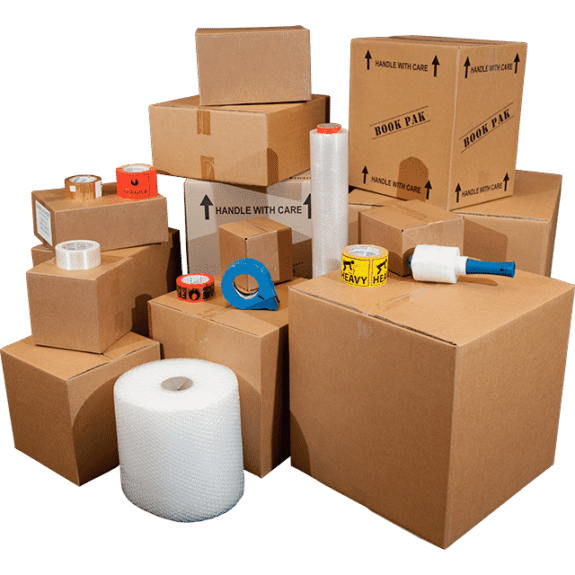
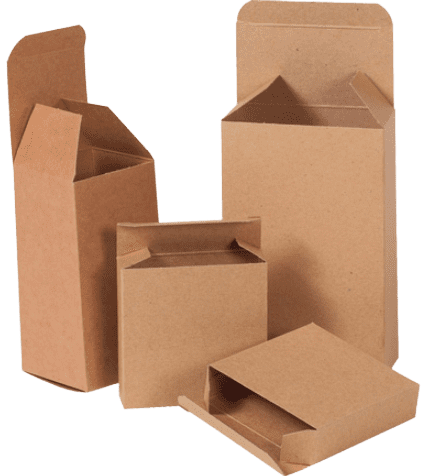
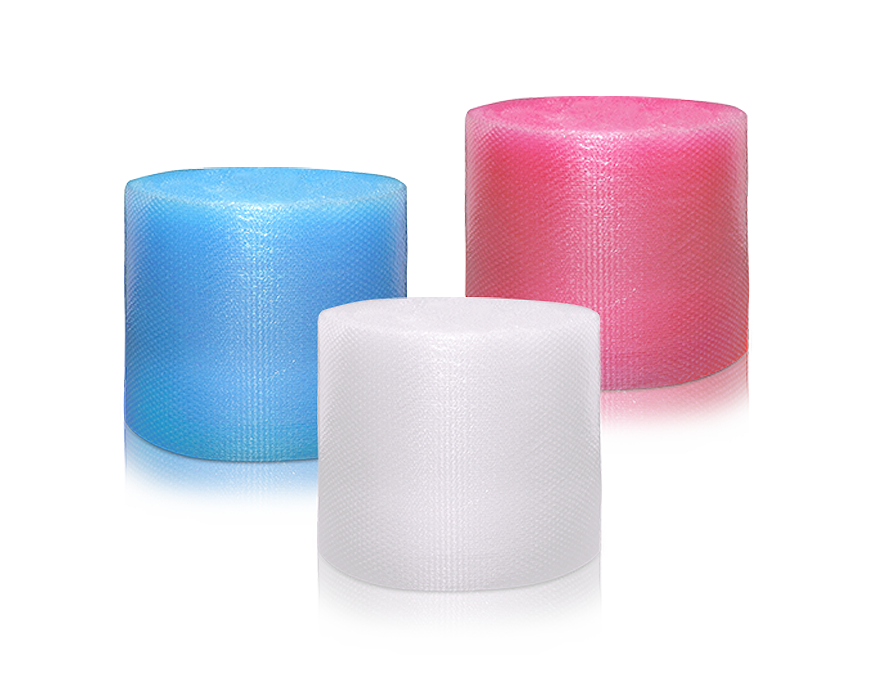
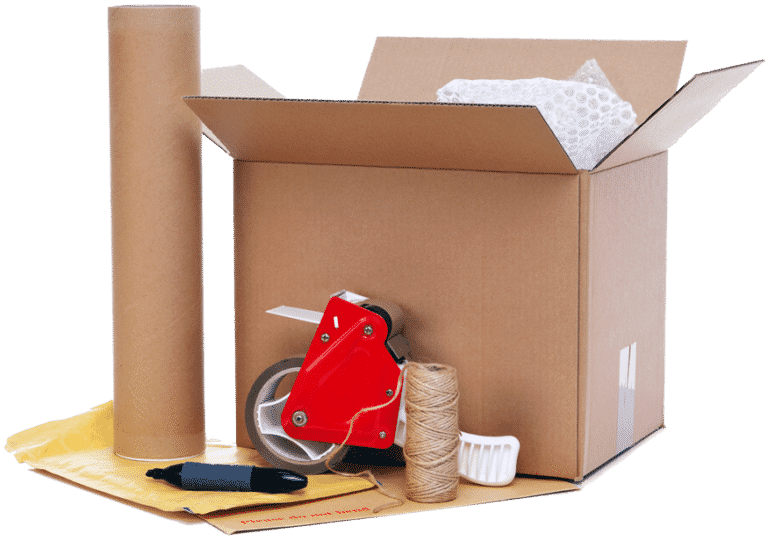
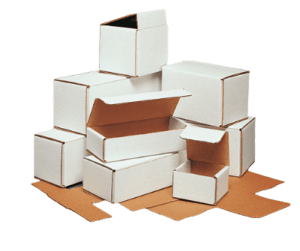
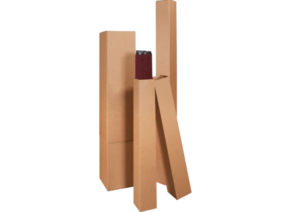
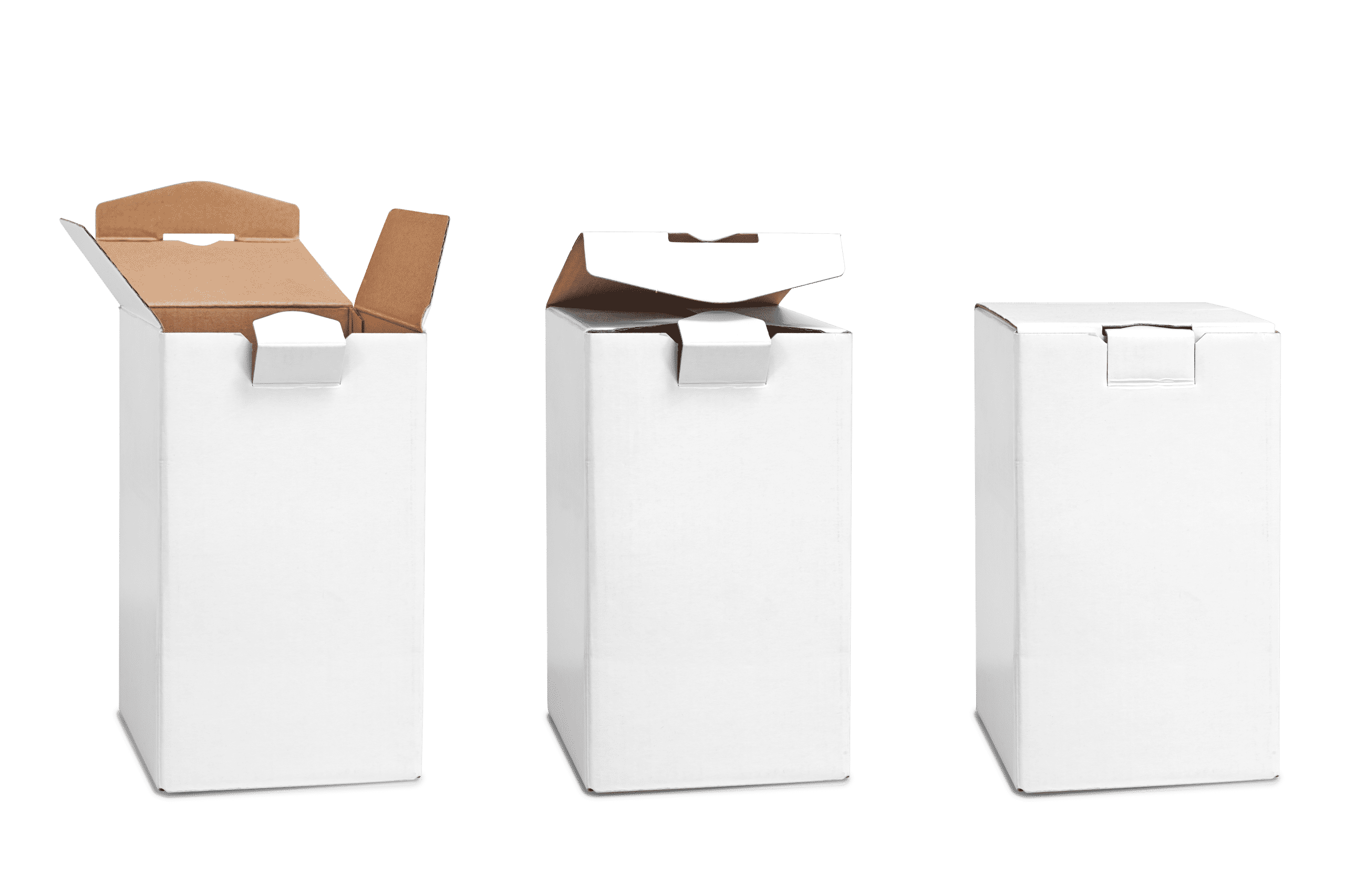
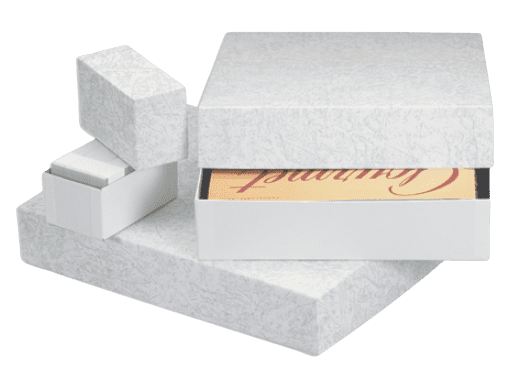
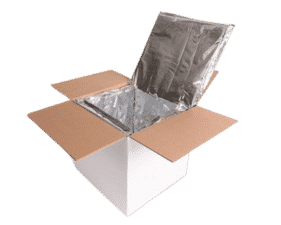
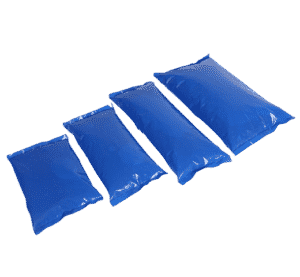
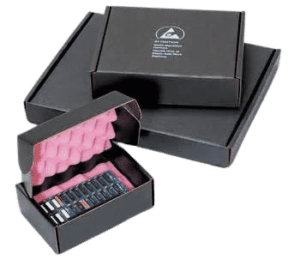
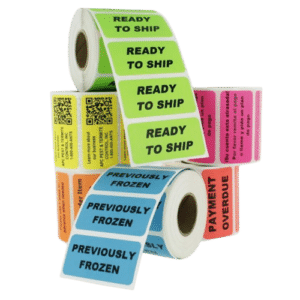
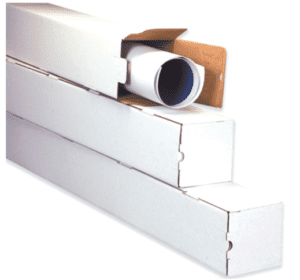
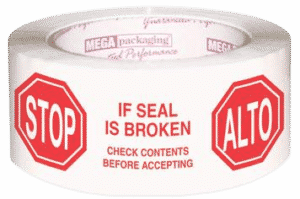
We supply businesses with a wide selection of essential packaging, shipping, and warehouse supplies. Get any standard packaging product by dimension or style from boxes, tubes, tapes, labels, and more. If you are unsure on what type of packaging you will need, then contact us for an expert consultation.


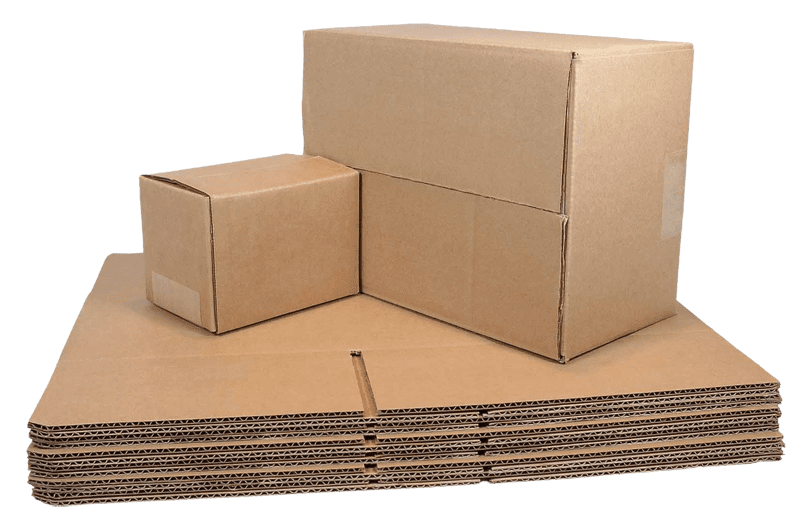
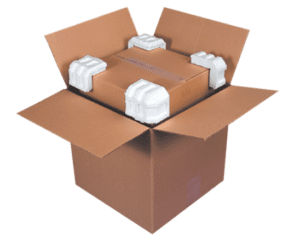
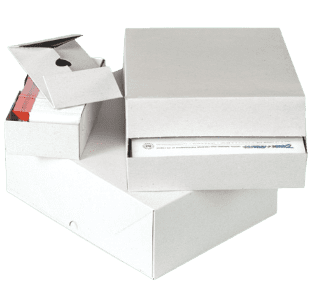
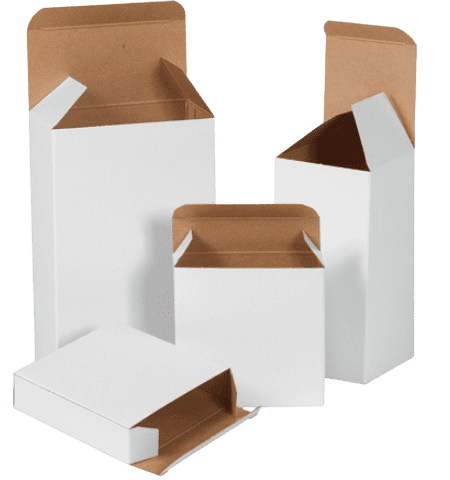
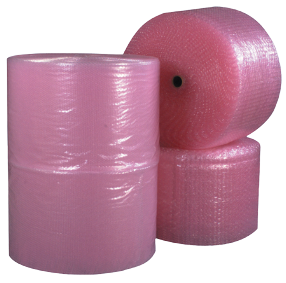
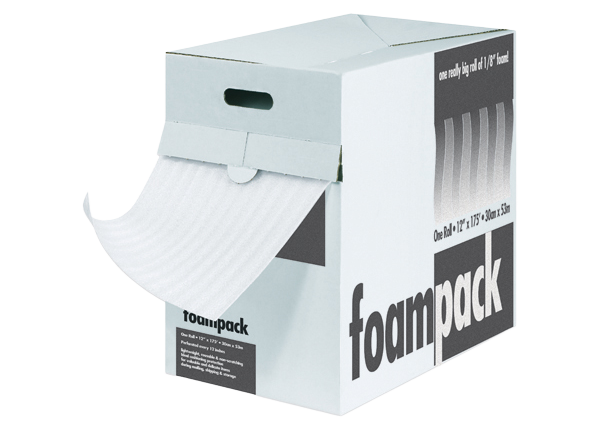
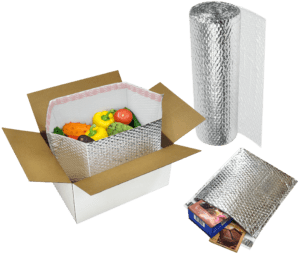
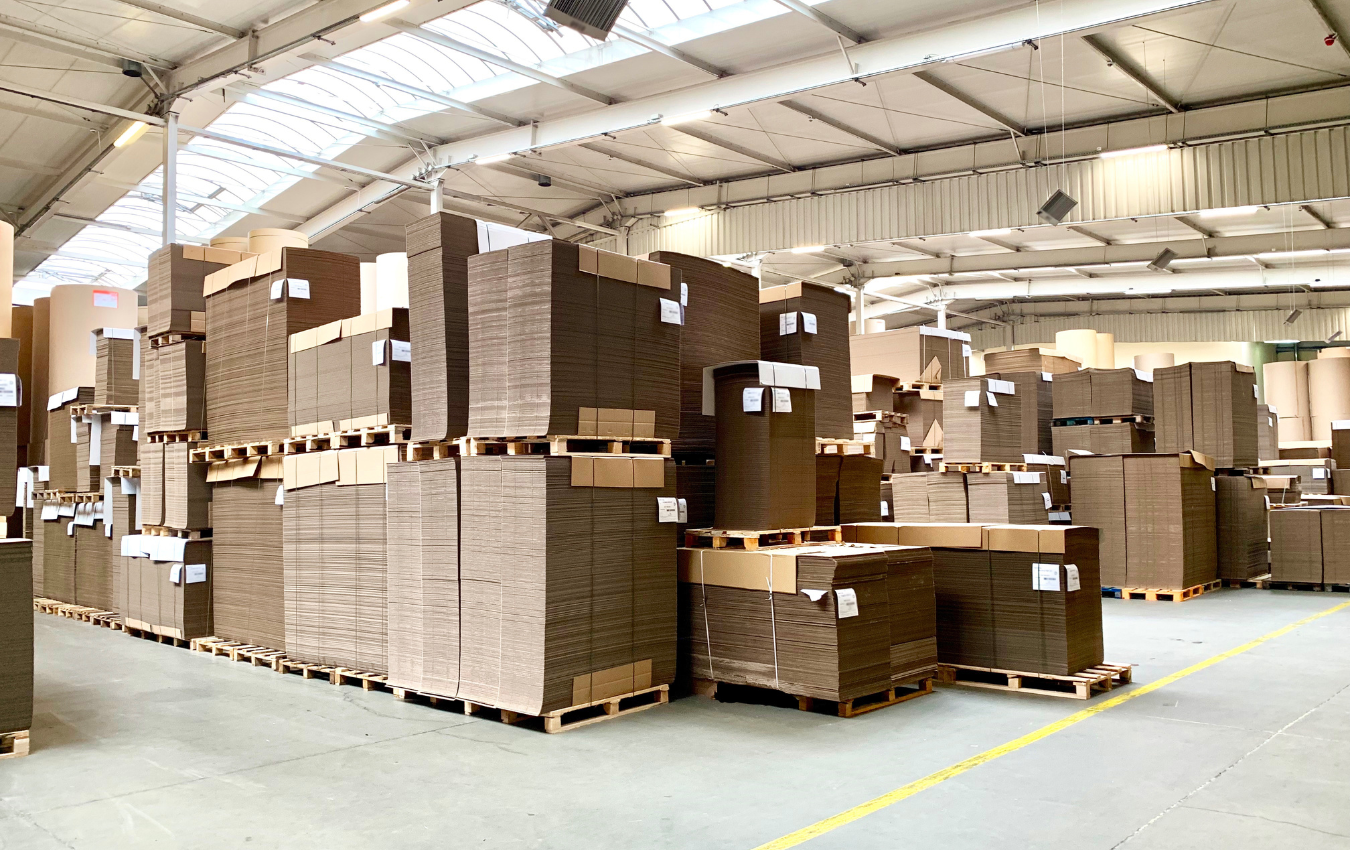
Stock packaging refers to pre-made, ready-to-ship packaging solutions like corrugated boxes, mailers, and protective materials that are designed to meet a wide range of standard needs across shipping, retail, and storage. Unlike custom packaging, stock options offer quick availability and reliable protection without the need for extensive design or production time, making them ideal for businesses needing efficient, high-quality solutions with fast lead times.
At Brown Packaging, we focus on providing durable, performance-driven stock packaging that supports our clients’ operational needs. Our stock products are sourced to ensure consistent quality and cost-effectiveness, offering a practical solution to keep operations running smoothly and on schedule. With an emphasis on reliability, we help our clients quickly access packaging solutions that meet their specific needs while maintaining quality across every order.
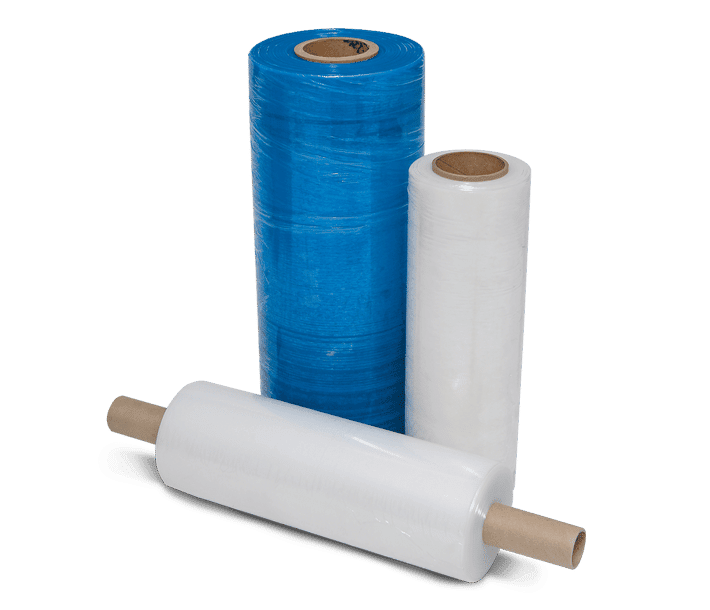
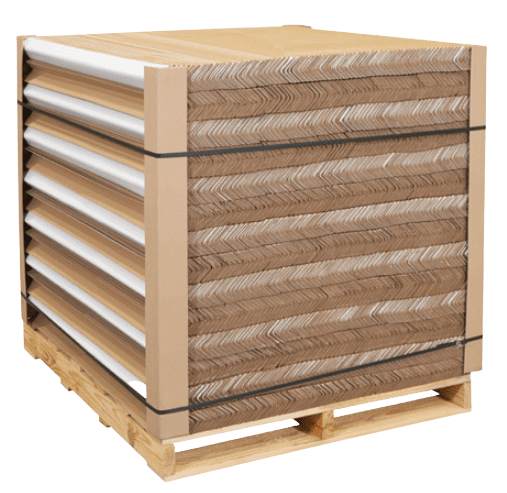
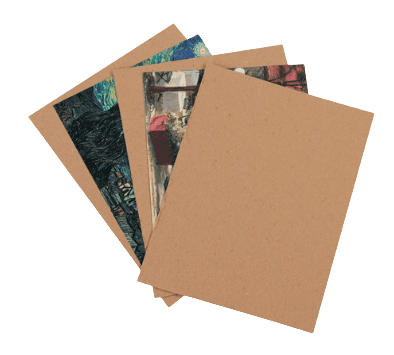
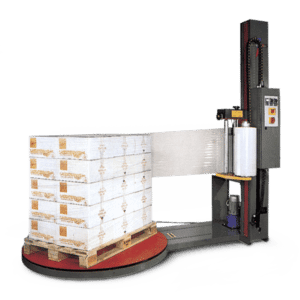
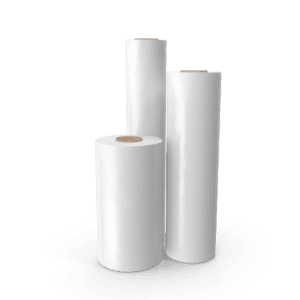
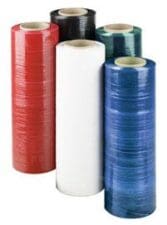
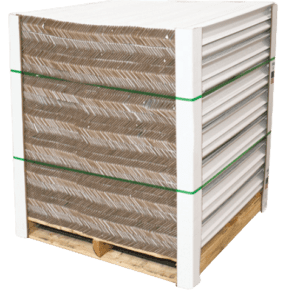
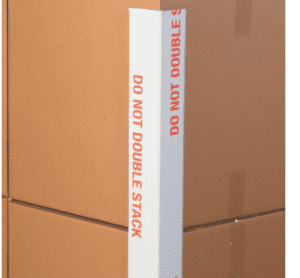
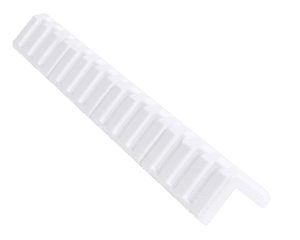
Our stock packaging products, from corrugated boxes to stretch film, offer a wide selection, including essentials like tape, edge protectors, labels, and more, with quick turnaround times to meet your packaging needs efficiently.


If you need any assistance with your packaging or have a question, then contact us directly at request@brownpackaging.com or (714)300-0650. Learn more about custom packaging by reading our blog posts on new and trending topics.

Packaging design is a crucial aspect of any product’s marketing strategy. It serves as a visual ambassador for your brand and plays a pivotal role in attracting and engaging your target audience. In this blog post, we will explore how marketing teams can build an effective packaging design tailored to their audience. Understand Your Audience The first step in designing packaging that resonates with your audience is to thoroughly understand who your audience is. This involves: Conducting market research: Gather data on your target demographic, including their preferences, buying behaviors, and lifestyle. Creating buyer personas: Develop detailed profiles of your ideal customers, considering factors like age, gender, income, interests, and values. Analyzing competitors: Study how your competitors are packaging similar products and identify gaps or opportunities to stand out. Define Your Brand Identity Before delving into design, ensure your team has a strong grasp of your brand identity. Your packaging should consistently reflect your brand’s values, mission, and personality. This includes: Brand messaging: Define the key messages you want to convey through your packaging. Is your brand known for sustainability, luxury, or affordability? Color palette and typography: Establish a consistent color scheme and font style that align with your brand’s personality. These elements should be recognizable and evoke specific emotions. Logo placement: Decide where your logo will be prominently featured on the packaging. This ensures brand recognition and reinforces your identity. Focus on Functionality Effective packaging design isn’t just about aesthetics; it also needs to be practical and functional. Consider the following aspects: Product protection: Ensure your packaging provides adequate protection for the product. Fragile items may require cushioning, while food products may need tamper-evident seals. Ease of use: Make it easy for customers to open, access, and use the product. User-friendly packaging can enhance the overall customer experience. Storage and shelf space: Design packaging that is stackable and doesn’t take up excessive shelf space, as this can impact retailers’ willingness to stock your product. Incorporate Storytelling Packaging is an opportunity to tell a story and connect with your audience on a deeper level. You can achieve this through: Visual storytelling: Use imagery and graphics to convey your brand’s story, values, and product benefits. Visual elements should be consistent with your brand’s narrative. Content writing: Craft compelling and concise copy that engages consumers. Highlight key features, benefits, and unique selling points. QR codes and augmented reality: Incorporate technology to provide customers with an interactive experience, such as access to additional information or videos related to your product. Sustainability Matters Today’s consumers are increasingly eco-conscious, and sustainable packaging design can be a significant selling point. Consider the following: Eco-friendly materials: Explore sustainable packaging materials such as recycled paper, biodegradable plastics, or reusable containers. Reduce waste: Minimize excess packaging and opt for minimalist designs that reduce material consumption. Communicate your efforts: Highlight your commitment to sustainability on the packaging to resonate with environmentally conscious consumers. Test and Iterate Once your packaging design is ready, don’t rush into production. Conduct testing and gather feedback from focus groups or surveys. Use this feedback to make necessary improvements and refinements. Iteration is key to ensuring your packaging design is as effective as possible. Collaborate with Design Professionals While marketing teams have valuable insights into their brands and audiences, it can be beneficial to collaborate with design professionals, especially for complex or specialized projects. Graphic designers, packaging engineers, and UX designers can provide expertise that complements your team’s efforts. If you are interested in packaging solutions, then partner with Brown Packaging today to get started. (714)300-0650 request@brownpackaging.com Most Recent Posts: Categories: Corrugated Ecommerce ESD Design Display Flexible Packaging Foam Folding Carton Packaging Plastic Packaging Pouch Printing Protection Retail Rigid Box Thermoform Sustainability Subscribe To Our Newsletter By submitting your information, you agree to our terms and conditions and privacy policy. Custom Packaging Facebook Twitter LinkedIn Pinterest Relevant Posts

Packaging is an essential aspect of the modern supply chain, serving as a protective shield for products, preserving their quality, and enhancing their marketability. Among the plethora of packaging materials available today, Expanded Polystyrene (EPS) foam has been a versatile and effective choice. In this comprehensive guide, we will delve into the world of EPS foam in packaging, exploring its properties, applications, benefits, environmental considerations, and more. Understanding EPS Foam What is EPS Foam? EPS foam, also commonly referred to as Styrofoam, is a lightweight and rigid plastic material derived from polystyrene. Its manufacturing process involves the expansion of polystyrene resin beads using heat and steam, resulting with exceptional cushioning and insulation properties. Key Properties of EPS Foam EPS foam possesses several key properties that make it an ideal material for packaging purposes: Lightweight: It is exceptionally light, reducing transportation costs. Insulation: Offers excellent thermal resistance and moisture protection. Cushioning: Provides superior shock absorption, safeguarding products during transit. Buoyancy: EPS foam is buoyant, making it suitable for applications requiring flotation. Moldability: It can be molded into various shapes and sizes to fit a wide range of products. Recyclability: While recyclable, EPS foam recycling often requires specific facilities and processes. Applications of EPS Foam in Packaging Protective Packaging EPS foam is widely used to safeguard fragile and sensitive items during shipping. It serves as an effective cushion against impacts, vibrations, and temperature variations. Common applications include electronics, glassware, and equipment. Insulated Packaging Thanks to its exceptional insulation capabilities, EPS foam is employed for packaging temperature-sensitive goods such as food, pharmaceuticals, and chemicals. It helps maintain the desired temperature, minimizing spoilage and product damage. Void Fill and Dunnage EPS foam can be converted into loose-fill packaging or custom shapes to fill empty spaces within packages, preventing products from shifting and sustaining damage during transit. Industrial Packaging In industries such as automotive and manufacturing, EPS foam is used for bulk packaging of components and materials. It provides protection against mechanical damage and corrosion. Benefits of EPS Foam Packaging Superior Protection EPS foam’s ability to absorb shocks and vibrations ensures that products arrive intact at their destination, reducing returns and customer complaints. Lightweight The lightweight nature of EPS foam contributes to lower shipping costs and reduced fuel consumption, thereby decreasing carbon emissions. Thermal Insulation For products requiring temperature control, EPS foam acts as an efficient insulator, helping maintain product quality and safety. Customization EPS foam’s moldability allows for the creation of precisely tailored packaging solutions, minimizing waste and material usage. Cost-Effective EPS foam remains a cost-effective choice compared to many alternative packaging materials with similar protective properties. Environmental Considerations Recycling While EPS foam is recyclable, the availability of collection and recycling facilities varies by region. It is crucial for businesses and consumers to follow local recycling guidelines and utilize available facilities. Sustainable Alternatives Ongoing efforts within the industry focus on finding sustainable alternatives to EPS foam, such as biodegradable foams and other eco-friendly packaging materials. EPS Foam in a Circular Economy Extended Life EPS foam can have an extended life beyond packaging through recycling or repurposing in various applications, including construction and arts and crafts. Closed-Loop Recycling Some companies are investing in closed-loop recycling systems, which collect and reuse EPS foam packaging, contributing to a more sustainable and circular economy. If you are interested EPS foam packaging solutions, then partner with Brown Packaging today to get started. (714)300-0650 request@brownpackaging.com Most Recent Posts: Categories: Corrugated Ecommerce ESD Design Display Flexible Packaging Foam Folding Carton Packaging Plastic Packaging Pouch Printing Protection Retail Rigid Box Thermoform Sustainability Subscribe To Our Newsletter By submitting your information, you agree to our terms and conditions and privacy policy. Expanded Polystyrene Foam Facebook Twitter LinkedIn Pinterest Relevant Posts

In the world of logistics and supply chain management, the cost of shipping plays a pivotal role in determining a company’s profitability. While factors like distance, weight, and shipping method undoubtedly influence shipping costs, one often overlooked aspect is packaging lead times. Packaging lead times refer to the amount of time it takes for a product to be prepared, packaged, and ready for shipment. In this blog, we will delve into the intricate relationship between packaging lead times and shipping costs, and how businesses can optimize this crucial element of their operations. Understanding Packaging Lead Times Before we delve into the impact of packaging lead times on shipping costs, it’s essential to understand what packaging lead times entail: Product Preparation: This involves getting the product ready for shipment. It includes quality checks, labeling, and any necessary assembly or disassembly. Packaging: Once the product is prepared, it needs to be securely and appropriately packaged to ensure it arrives at its destination intact. Packaging materials, like boxes, bubble wrap, and pallets, need to be sourced and utilized. Documentation: Preparing the required shipping documents, including customs paperwork and shipping labels, is a crucial part of packaging lead times. Storage: If products are not shipped immediately, they must be stored safely and efficiently, incurring storage costs. How Packaging Lead Times Impact Shipping Costs Inventory Holding Costs: The longer products sit in storage due to extended packaging lead times, the higher the inventory holding costs become. This includes warehousing fees, insurance, and depreciation of the stored goods. These costs can add up significantly over time. Shipping Mode Selection: Companies often choose shipping modes based on the urgency of delivery. Air freight, which is faster but more expensive, may be chosen when packaging lead times are short. Conversely, when lead times are extended, less expensive options like sea freight may be preferred. Rush Orders: In some cases, rushed packaging to meet tight delivery deadlines can result in higher labor and material costs, potentially impacting overall shipping costs. Space Utilization: Efficient packaging lead times allow for better space utilization in containers or trucks. Products that are poorly packaged or not properly consolidated may require more space and lead to additional transportation costs. Consolidation Opportunities: Longer packaging lead times provide opportunities to consolidate shipments. Combining several smaller shipments into one larger shipment can be more cost-effective, as it reduces the cost per unit transported. Customs and Compliance: Adequate packaging lead times enable companies to complete all necessary customs and compliance documentation accurately. Rushed processes may lead to errors and fines, increasing overall shipping costs. Optimizing Packaging Lead Times Forecasting: Accurate demand forecasting is crucial for planning packaging lead times effectively. Companies should use historical data, market trends, and customer orders to predict packaging requirements. Efficient Packaging Processes: Streamline and optimize your packaging processes to reduce lead times without compromising on quality. Automation and lean principles can be valuable in achieving this. Communication: Collaborate closely with suppliers and logistics partners to align packaging lead times with transportation schedules. Clear communication can help avoid unnecessary delays. Inventory Management: Do not run out of supplies by keeping enough with demand and maintaining a safety stock. Contingency Planning: Develop contingency plans for unexpected delays or spikes in demand. These plans can help maintain customer satisfaction while mitigating additional shipping costs. Conclusion Packaging lead times are a critical factor in determining shipping costs. An efficient packaging process not only reduces the time products spend in storage but also enables better transportation planning. By understanding and optimizing packaging lead times, businesses can not only reduce their shipping costs but also enhance their overall supply chain efficiency and customer satisfaction. In today’s highly competitive market, these factors can make a significant difference in a company’s success. If you are interested in packaging products, then partner with Brown Packaging today to get started. (714)300-0650 request@brownpackaging.com Most Recent Posts: Categories: Corrugated Ecommerce ESD Design Display Flexible Packaging Foam Folding Carton Packaging Plastic Packaging Pouch Printing Protection Retail Rigid Box Thermoform Sustainability Subscribe To Our Newsletter By submitting your information, you agree to our terms and conditions and privacy policy. Custom Packaging Facebook Twitter LinkedIn Pinterest Relevant Posts