





Stock Packaging
We supply businesses with a wide selection of essential packaging, shipping, and warehouse supplies. Get any standard packaging product by dimension or style from boxes, tubes, tapes, labels, and more. If you are unsure on what type of packaging you will need, then contact us for an expert consultation.


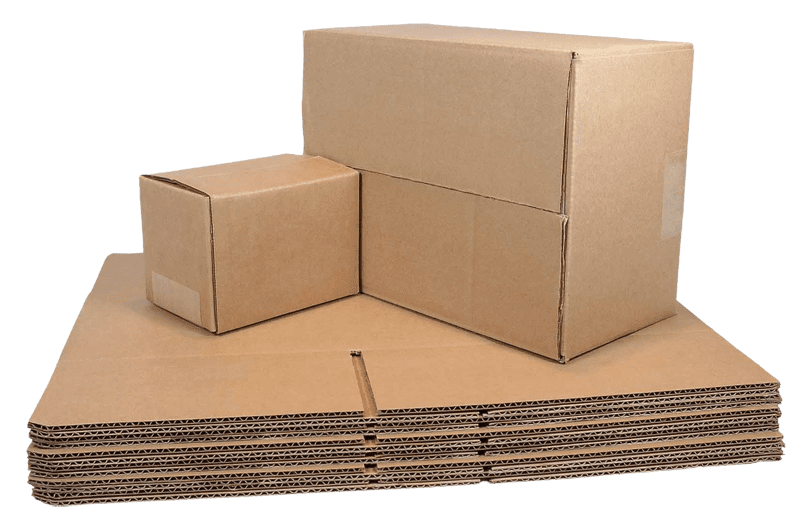
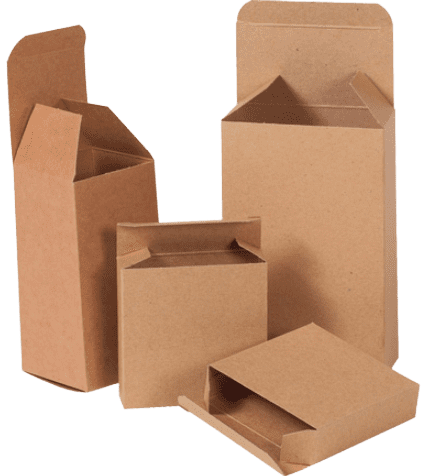
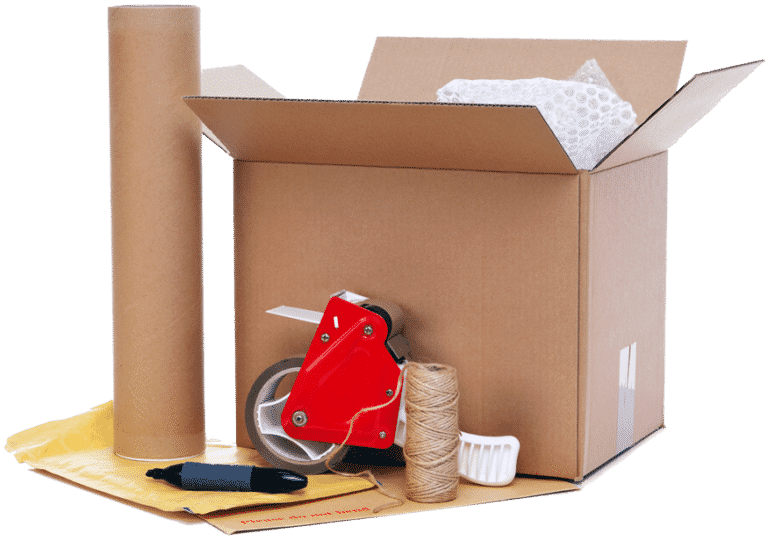
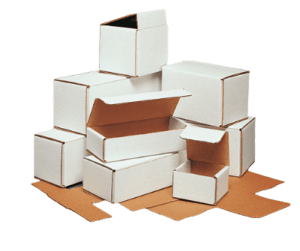
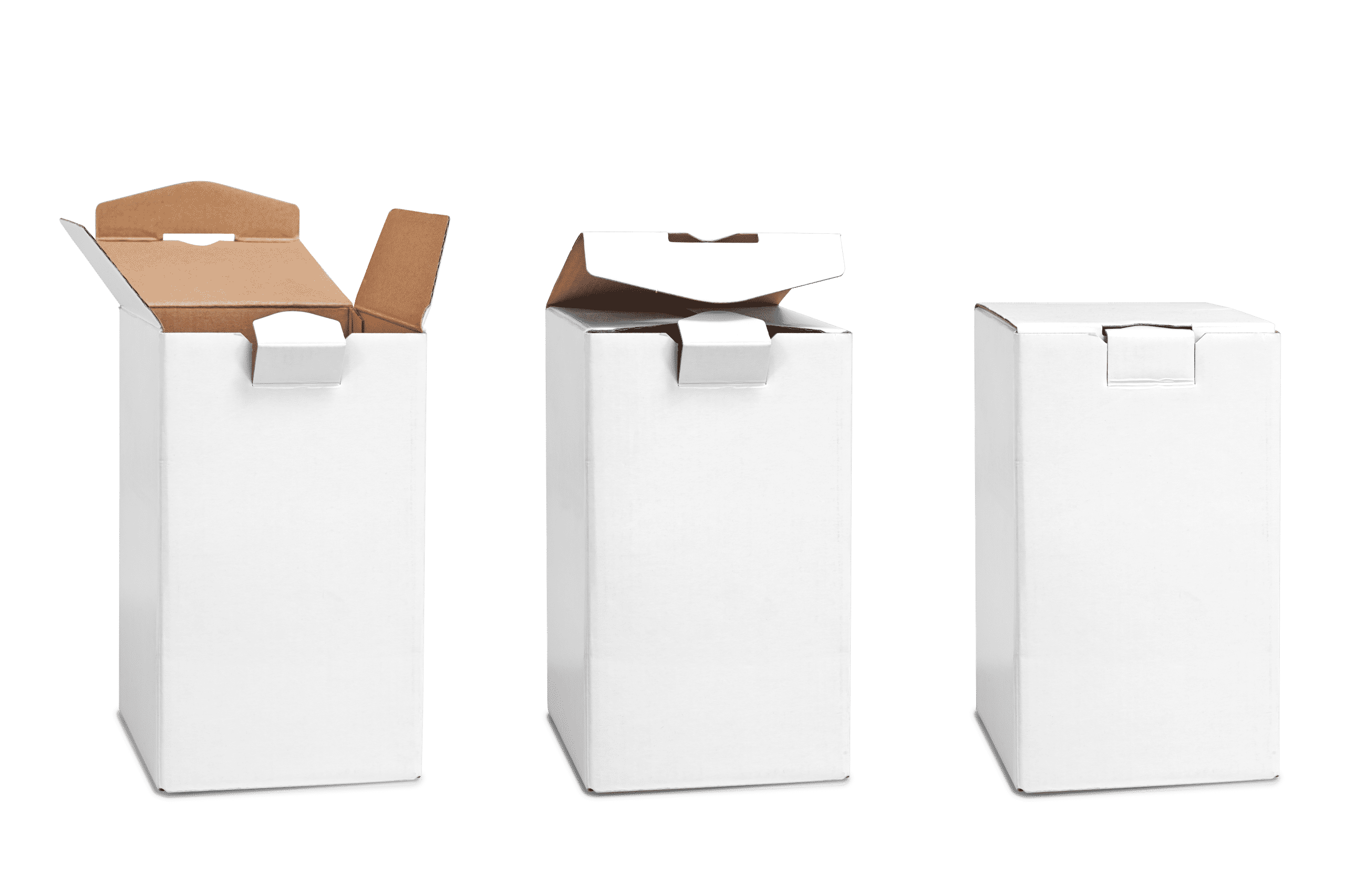
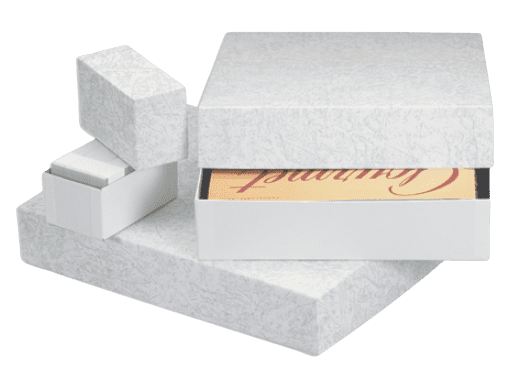
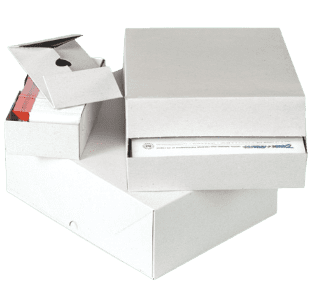
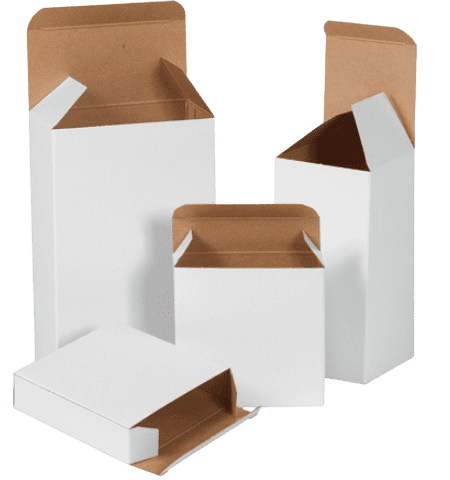
Stock packaging refers to pre-made, ready-to-ship packaging solutions like corrugated boxes, mailers, and protective materials that are designed to meet a wide range of standard needs across shipping, retail, and storage. Unlike custom packaging, stock options offer quick availability and reliable protection without the need for extensive design or production time, making them ideal for businesses needing efficient, high-quality solutions with fast lead times.
At Brown Packaging, we focus on providing durable, performance-driven stock packaging that supports our clients’ operational needs. Our stock products are sourced to ensure consistent quality and cost-effectiveness, offering a practical solution to keep operations running smoothly and on schedule. With an emphasis on reliability, we help our clients quickly access packaging solutions that meet their specific needs while maintaining quality across every order.
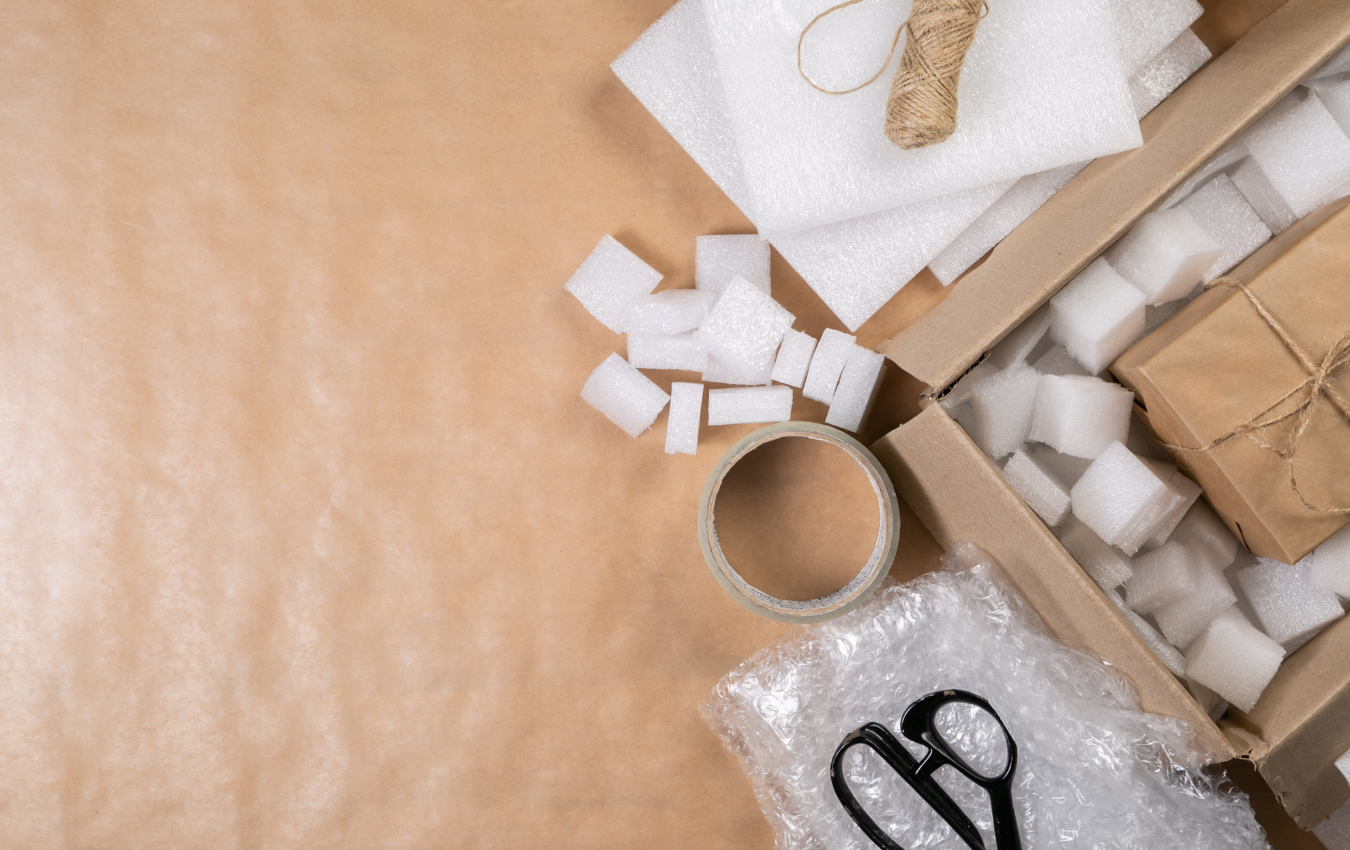
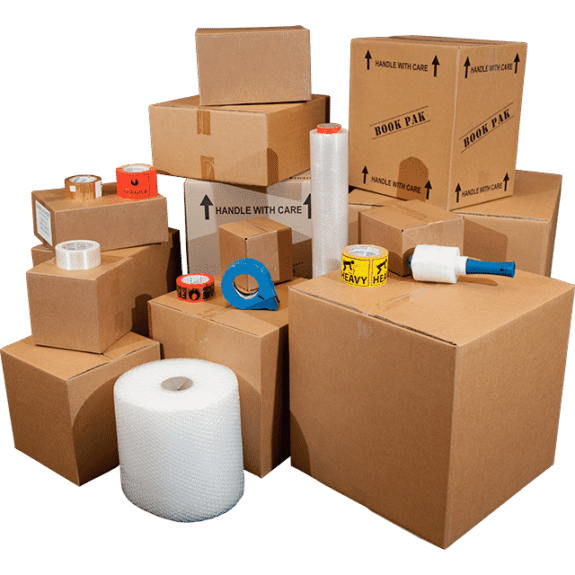
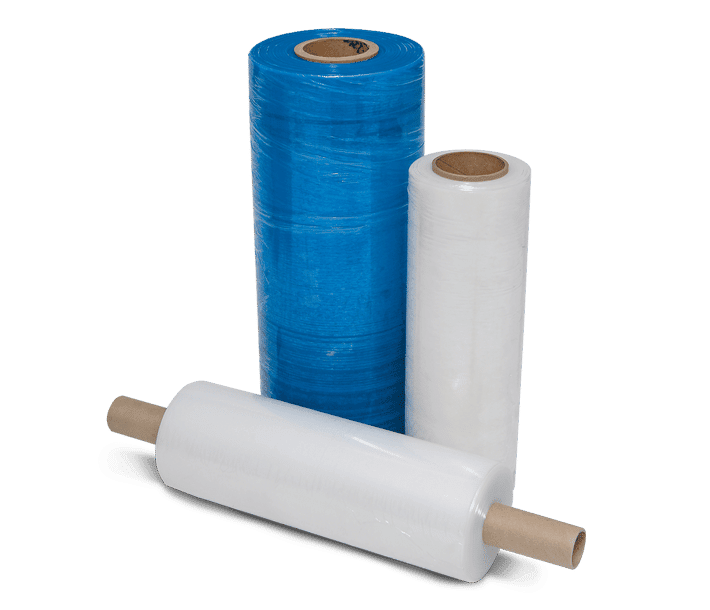
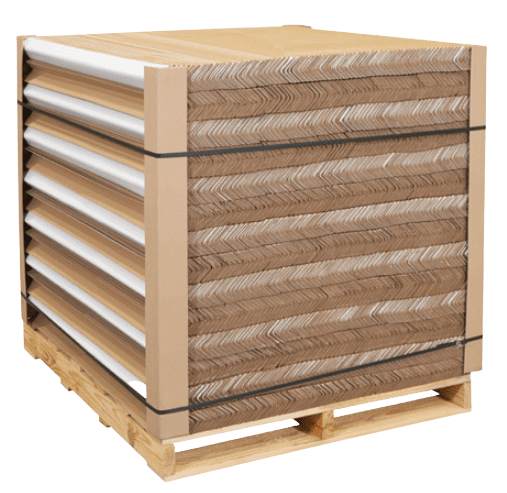
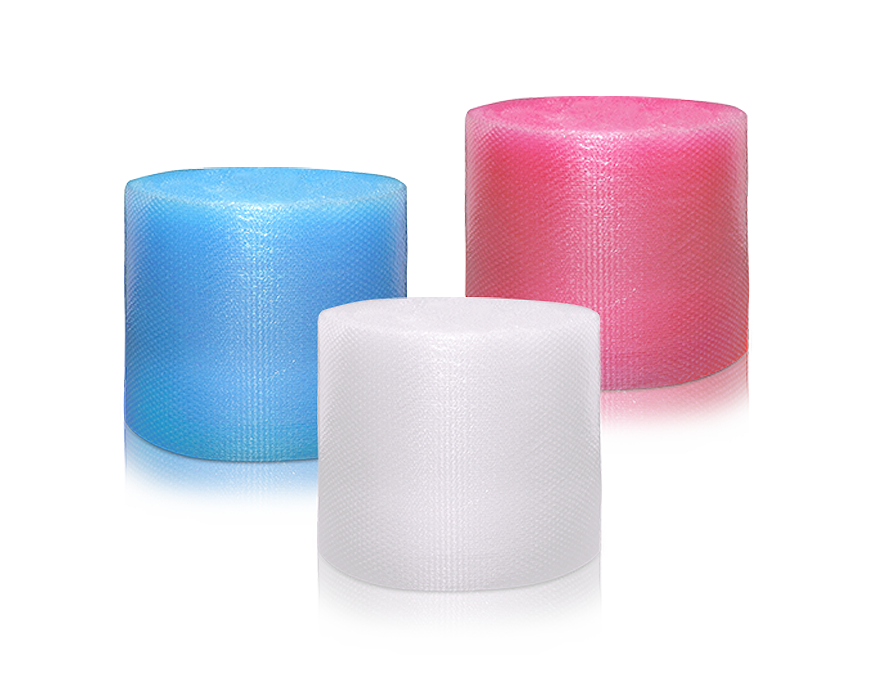
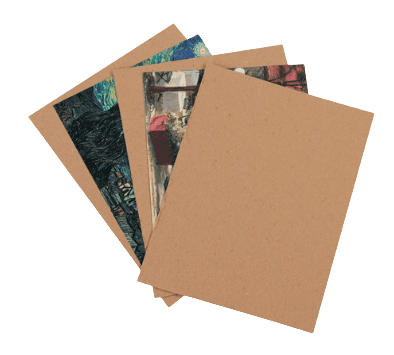
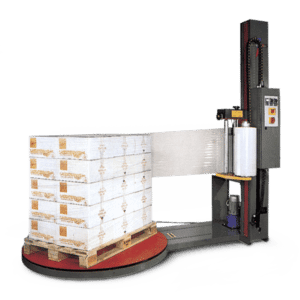
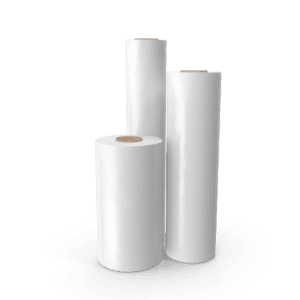
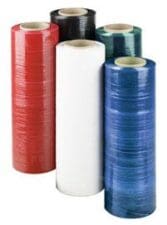
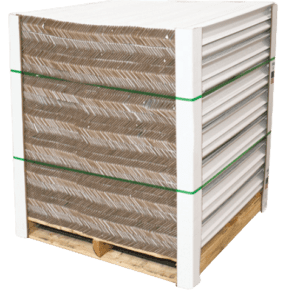
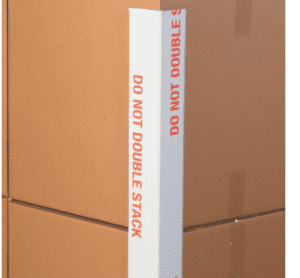
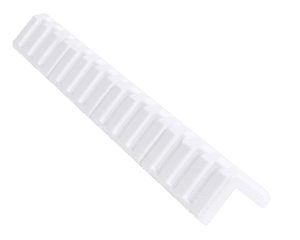
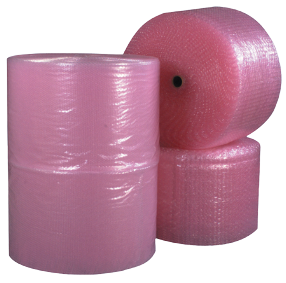
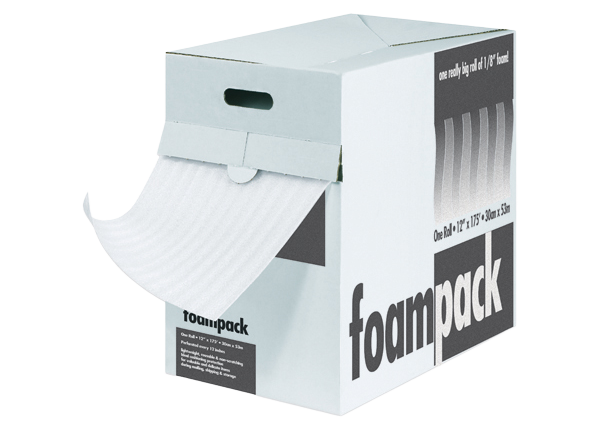
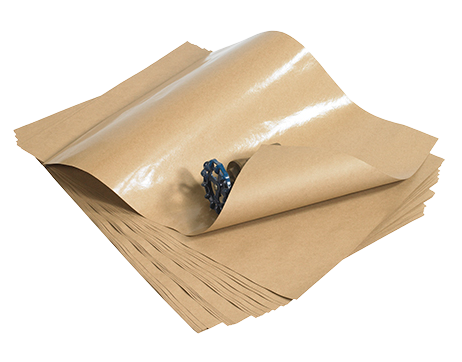
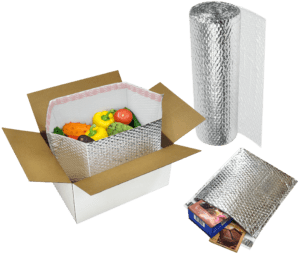
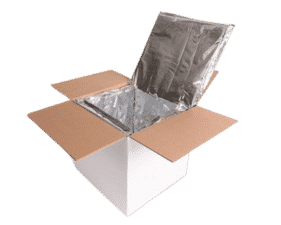
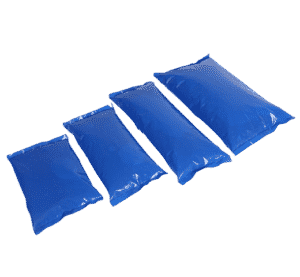
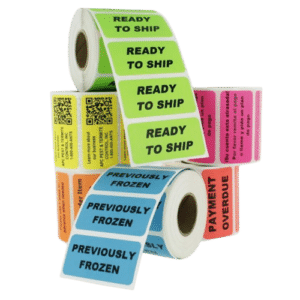
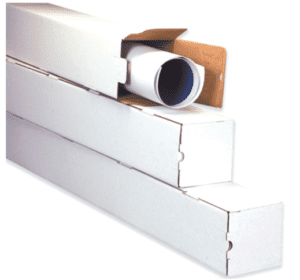
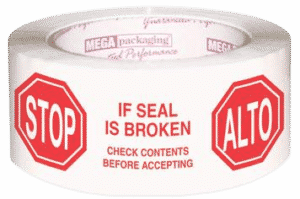
Our stock packaging products, from corrugated boxes to stretch film, offer a wide selection, including essentials like tape, edge protectors, labels, and more, with quick turnaround times to meet your packaging needs efficiently.


If you need any assistance with your packaging or have a question, then contact us directly at request@brownpackaging.com or (714)300-0650. Learn more about custom packaging by reading our blog posts on new and trending topics.

Packaging is a critical component of our daily lives, serving a dual purpose of protecting products and conveying vital information to consumers. In the wake of growing environmental concerns, the selection of packaging materials has become a focal point. In this blog, we will delve into the intricate interplay between price, sustainability, and quality in packaging. Price Price typically takes center stage for businesses when they contemplate packaging materials. It wields a direct impact on the financial bottom line and is a key determinant of profitability. Let’s dissect the pricing considerations for various packaging materials: Flexible Plastic: Flexible plastic packaging is often the most economical choice. Its production cost is low, and its lightweight nature reduces transportation expenses. It is important to recognize that generic non-flexible plastic packaging can be more expensive depending on the application. Bulk purchasing of flexible plastic packaging materials is budget-friendly. Nevertheless, a holistic cost analysis should factor in long-term expenses, including disposal and potential harm to a brand’s reputation due to environmental concerns. Corrugated: Corrugated packaging materials are generally cost-effective but may sometimes surpass flexible plastic packaging in terms of pricing. Customization or printing on corrugated packaging can incrementally raise costs. Opting for recycled corrugated materials not only contributes to cost efficiency but also promotes sustainability. Chipboard and Paperboard: Chipboard and paperboard packaging materials tend to offer an economical solution. Their competitive pricing, coupled with their adaptability and versatility, make them suitable for a wide spectrum of products. Utilizing recycled chipboard and paperboard further enhances their cost-effectiveness and sustainability. Flexible Plastic Corrugated Chipboard/Paperboard Sustainability As global environmental consciousness continues to rise, sustainability has emerged as a pivotal factor in packaging decisions. Sustainable packaging aims to minimize its ecological impact across its entire lifecycle. Here’s how different materials stack up in terms of sustainability: Plastic: Traditional plastic packaging is often criticized for being non-biodegradable and for exacerbating plastic pollution. However, innovations such as biodegradable plastics and recycled PET offer more sustainable alternatives. Corrugated: Corrugated packaging is generally regarded as a more sustainable option, especially when sourced from responsibly managed forests or containing recycled content. Its biodegradability and ease of recycling bolster its eco-friendly credentials. Chipboard and Paperboard: Chipboard and paperboard packaging materials inherently possess sustainability attributes, often originating from renewable sources like wood pulp. Their recyclability and biodegradability make them environmentally responsible choices. Quality Packaging quality plays a pivotal role in safeguarding products, preserving their integrity, and enhancing the overall customer experience. Here’s how different materials perform concerning quality: Plastic: Plastic packaging excels in protecting products from moisture and is highly resistant to breakage. However, it may not be suitable for products requiring breathability or specific temperature conditions. Corrugated: Corrugated packaging offers versatility and can be tailored to accommodate various product types. It is particularly well-suited for dry goods and provides robust protection when designed effectively. Chipboard and Paperboard: Chipboard and paperboard packaging are renowned for their adaptability and quality, making them suitable for a diverse range of products. They excel in maintaining product integrity and are an excellent choice for items sensitive to light or air. If you are looking for custom packaging solutions tailored to your needs, then partner with Brown Packaging today to get started. (714)300-0650 request@brownpackaging.com Most Recent Posts: Categories: Corrugated Ecommerce ESD Design Display Flexible Packaging Foam Folding Carton Packaging Plastic Packaging Pouch Printing Protection Retail Rigid Box Thermoform Sustainability Subscribe To Our Newsletter By submitting your information, you agree to our terms and conditions and privacy policy. Custom Packaging Facebook Twitter LinkedIn Pinterest Relevant Posts

Shipping goods can be a stressful experience, especially when you’re worried about their safety during transit. Corrugated boxes, due to their durable and versatile nature, are a preferred choice for many shippers. Here, we delve into the best practices for packing using corrugated boxes and how to ensure your contents remain protected throughout their journey. Best Practices for Packing: Choosing the Right Box Layering is Key Center the Items Limit Movement Seal Securely Label Clearly Protecting Contents During Transit: Quality is Paramount Corner Protectors Waterproofing Desiccants Avoid Overloading Handle with Care Labels Insure Your Shipments Best Practices for Packing Choosing the Right Box: The first step to secure packing is choosing the right-sized box. You don’t want too much empty space, as this can cause items to shift, but you also don’t want to overstuff the box. Ensure the box is sturdy and without damages. Layering is Key: Start with a layer of padding at the bottom of the box. This could be bubble wrap, packing peanuts, or crumpled newspaper. This acts as a cushion for your products. Center the Items: Place your items in the center of the box, ensuring they’re surrounded by cushioning on all sides. This minimizes the risk of damage from any potential impact during transit. Limit Movement: Use fillers like air pillows, foam, or crumpled paper to fill any voids in the box. This ensures items don’t move about during shipping. Seal Securely: Once everything is packed, seal the box with strong packing tape. Ensure all openings and seams are closed to prevent the ingress of moisture or dust. Label Clearly: Use a waterproof marker to label the contents and provide clear shipping instructions. Fragile items should be marked as such. Protecting Contents During Transit Quality is Paramount: Invest in high-quality corrugated boxes. They come with different wall structures – single, double, or triple wall. For heavier items or long-distance shipping, consider double or triple-wall boxes. Corner Protectors: For items that have sharp or fragile corners, like framed art, use corner protectors. They absorb shocks and reduce the risk of damage. Waterproofing: Consider wrapping items in a plastic wrap or placing them in sealable plastic bags before packing, especially if they’re susceptible to water damage. Desiccants: If shipping items sensitive to moisture, like electronics or certain types of food, add desiccants inside the box. These help absorb any moisture that might find its way inside. Avoid Overloading: Even with strong boxes, there’s a weight limit. Respect it. Overloading can compromise the box’s structural integrity. Handle with Care Labels: Use labels that indicate if a package needs to be handled with care or kept in a certain orientation. This informs handlers about how to treat the package. Insure Your Shipments: For high-value items, consider getting shipment insurance. This provides an added layer of protection in case of any unforeseen damages during transit. If you are interested in corrugated boxes, then partner with Brown Packaging today to get started. (714)300-0650 request@brownpackaging.com Most Recent Posts: Categories: Corrugated Ecommerce ESD Design Display Flexible Packaging Foam Folding Carton Packaging Plastic Packaging Pouch Printing Protection Retail Rigid Box Thermoform Sustainability Subscribe To Our Newsletter By submitting your information, you agree to our terms and conditions and privacy policy. Custom Corrugated Boxes Facebook Twitter LinkedIn Pinterest Relevant Posts

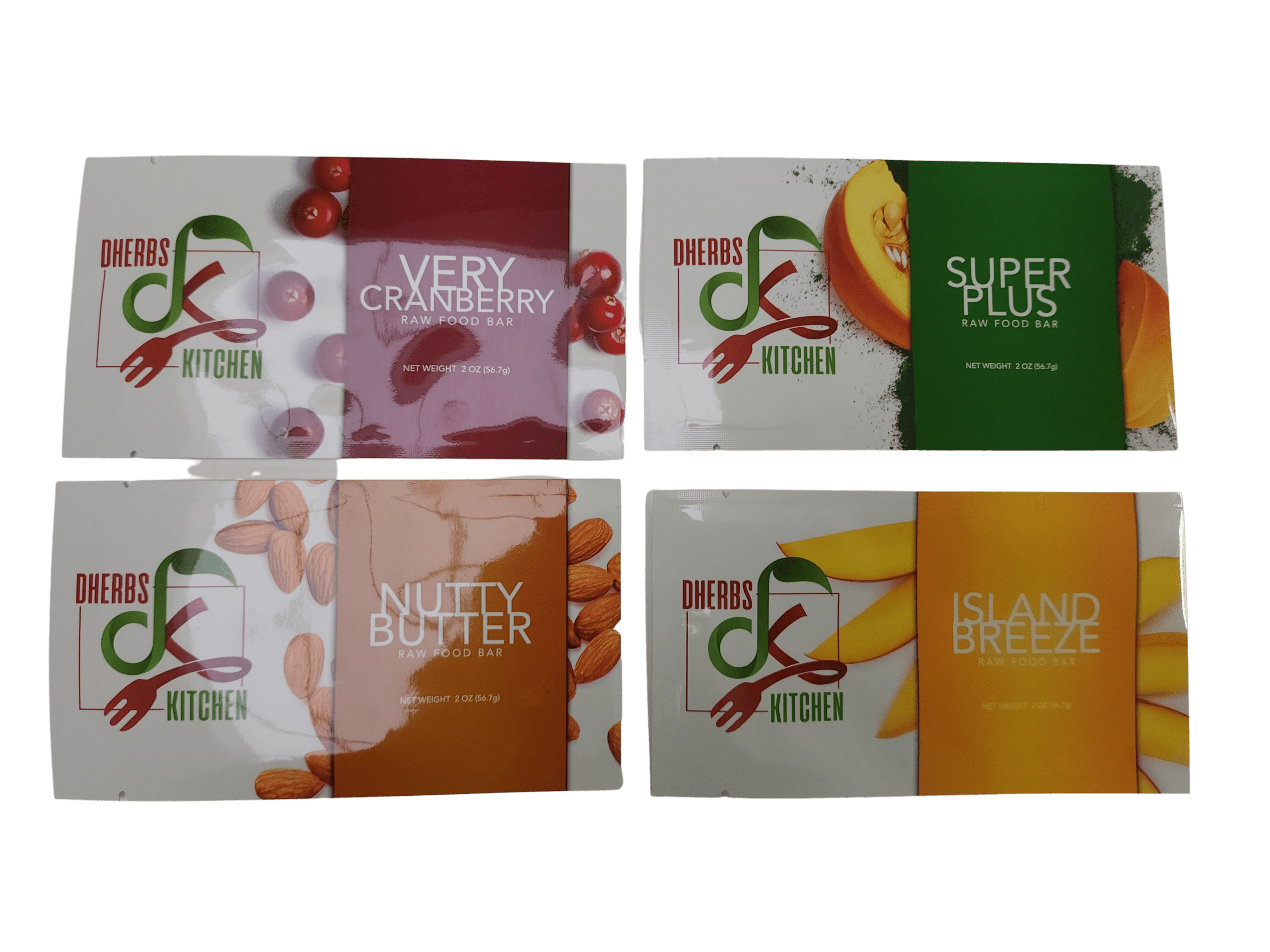
In the world of packaging, roll stock, also referred to as candy wrappers or snack wrappers, is a versatile and essential component. It refers to a continuous sheet of flexible material wound into a roll, used in various packaging applications. Roll stock materials come in a wide range of options, each designed to meet specific packaging requirements. Whether you are a seasoned packaging professional or a newcomer to the field, this buyer’s guide to roll stock will help you navigate the complexities of selecting the right material for your packaging needs. Understand Your Packaging Requirements Before diving into the specifics of roll stock materials, it’s crucial to understand your packaging requirements. Ask yourself the following questions: What type of product are you packaging? What are the dimensions and weight of your product? Is your product sensitive to environmental factors like moisture, oxygen, or light? What is the expected shelf life of your product? Do you require printing or branding on the packaging material? What is your budget for packaging materials? By answering these questions, you’ll gain a clearer picture of your packaging needs and be better equipped to choose the right roll stock material. Types of Roll Stock Materials Roll stock materials come in various types, each offering unique characteristics and benefits. Here are some common roll stock materials: Flexible Films: Polyethylene (PE) Polypropylene (PP) Polyvinyl chloride (PVC) Polyester (PET) Nylon (PA) Flexible films are suitable for a wide range of products, from food to electronics. They offer excellent barrier properties and are customizable for printing. Foil Laminates: Aluminum foil laminated with various substrates Foil laminates provide exceptional barrier properties against moisture, light, and oxygen. They are often used for perishable food items and pharmaceuticals. Paper-Based Roll Stock: Kraft paper Coated paper Paper-based roll stock is eco-friendly and ideal for products where a natural or rustic appearance is desired. Specialty Films: Metallized films Biodegradable films Retort pouch films Specialty films cater to unique packaging needs, such as high gloss, sustainability, and resistance to high-temperature processing. Barrier Properties Consider the barrier properties required for your product. For example, if you are packaging perishable goods, you’ll need materials with excellent moisture and oxygen barrier properties. Foil laminates and certain specialty films are often preferred for such applications. Printing and Branding If branding and aesthetics are crucial for your product, choose roll stock materials that offer excellent printability. Flexible films and paper-based materials are typically easier to print on, allowing for vibrant graphics and branding. Environmental Impact In today’s environmentally conscious world, it’s essential to consider the environmental impact of your packaging materials. Biodegradable films and sustainable materials are excellent choices for eco-friendly packaging. Budget Constraints Budget constraints are a significant factor in the decision-making process. While high-performance materials may offer superior properties, they can also be more expensive. Balance your budget with your packaging requirements to find the most cost-effective solution. Regulatory Compliance Ensure that your chosen roll stock material complies with relevant industry regulations and standards. This is particularly important for packaging in the food and pharmaceutical industries, where strict guidelines are in place. Supplier Selection Choose a reliable and reputable roll stock supplier. Look for a supplier with a proven track record of delivering high-quality materials on time and within budget. If you are interested in packaging your products with roll stock, then partner with Brown Packaging today to get started. (714)300-0650 request@brownpackaging.com Most Recent Posts: Categories: Corrugated Ecommerce ESD Design Display Flexible Packaging Foam Folding Carton Packaging Plastic Packaging Pouch Printing Protection Retail Rigid Box Thermoform Sustainability Subscribe To Our Newsletter By submitting your information, you agree to our terms and conditions and privacy policy. Roll Stock Facebook Twitter LinkedIn Pinterest Relevant Posts