


Stock Packaging
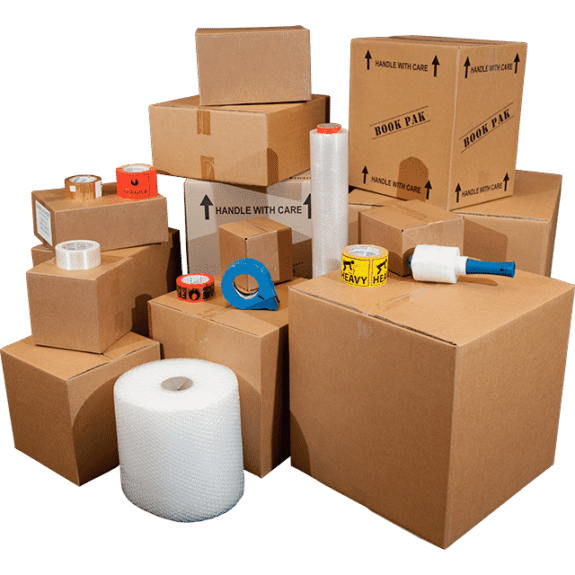
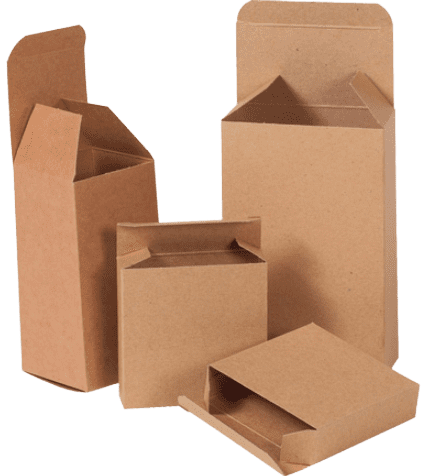
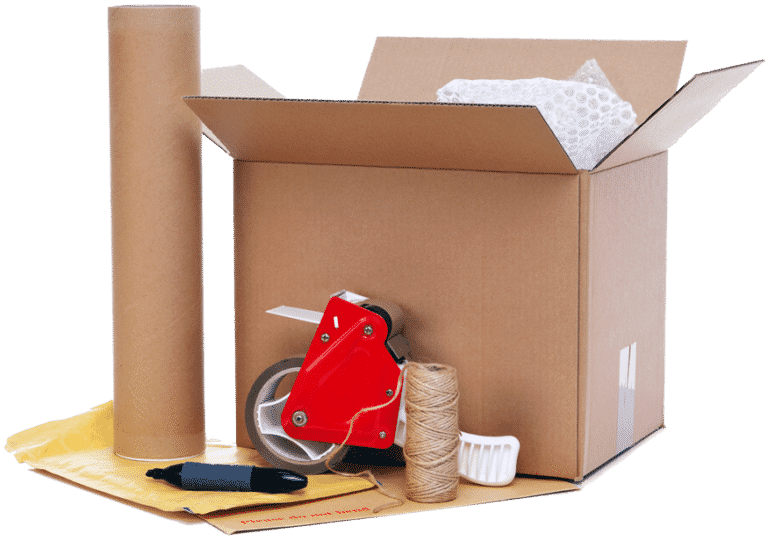
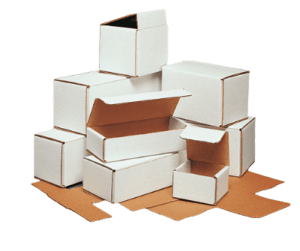
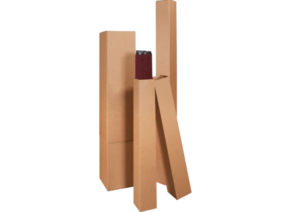
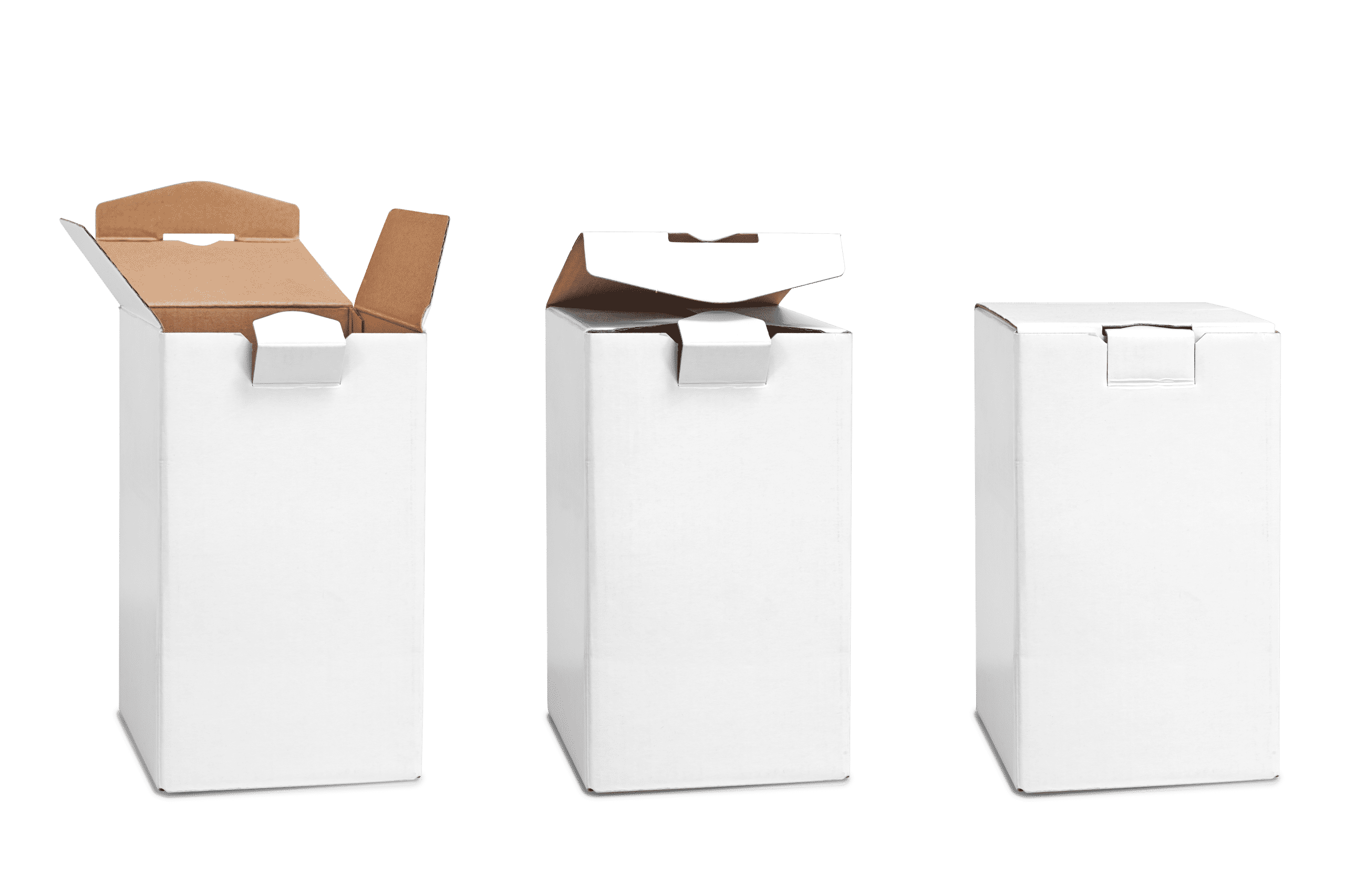
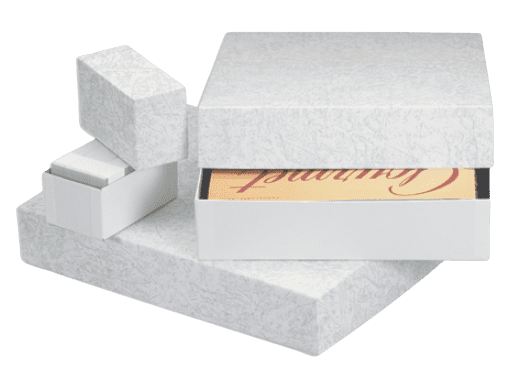
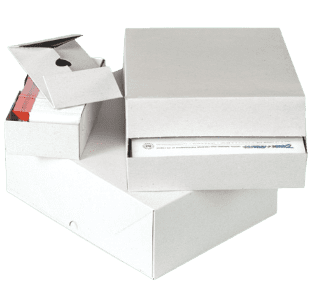
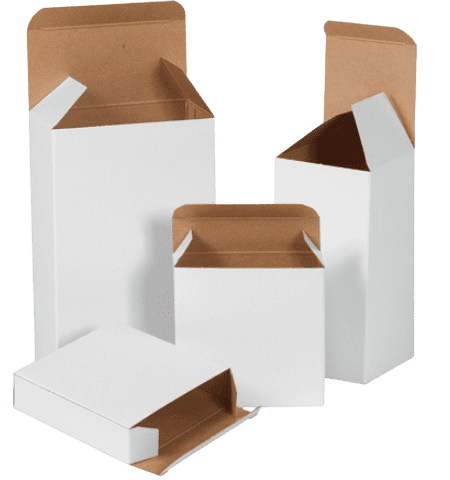
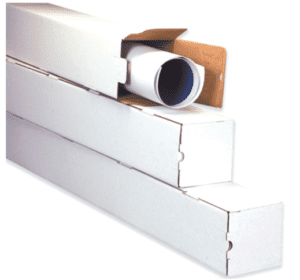
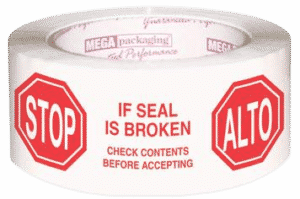
We supply businesses with a wide selection of essential packaging, shipping, and warehouse supplies. Get any standard packaging product by dimension or style from boxes, tubes, tapes, labels, and more. If you are unsure on what type of packaging you will need, then contact us for an expert consultation.


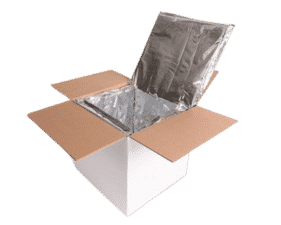
Stock packaging refers to pre-made, ready-to-ship packaging solutions like corrugated boxes, mailers, and protective materials that are designed to meet a wide range of standard needs across shipping, retail, and storage. Unlike custom packaging, stock options offer quick availability and reliable protection without the need for extensive design or production time, making them ideal for businesses needing efficient, high-quality solutions with fast lead times.
At Brown Packaging, we focus on providing durable, performance-driven stock packaging that supports our clients’ operational needs. Our stock products are sourced to ensure consistent quality and cost-effectiveness, offering a practical solution to keep operations running smoothly and on schedule. With an emphasis on reliability, we help our clients quickly access packaging solutions that meet their specific needs while maintaining quality across every order.
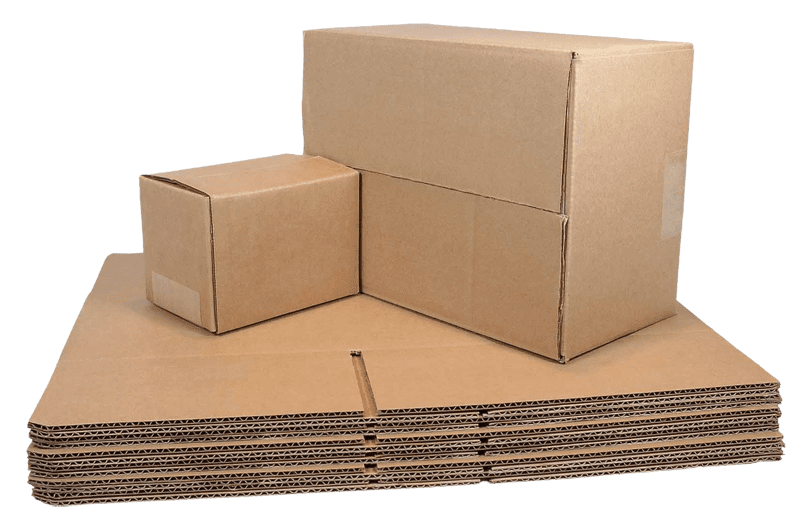
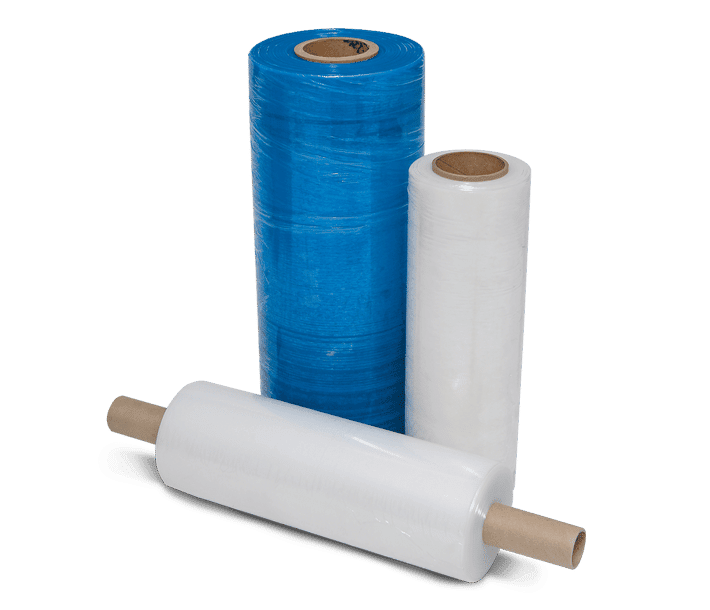
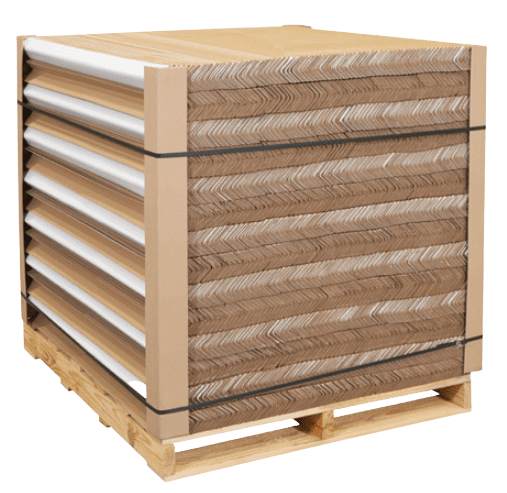
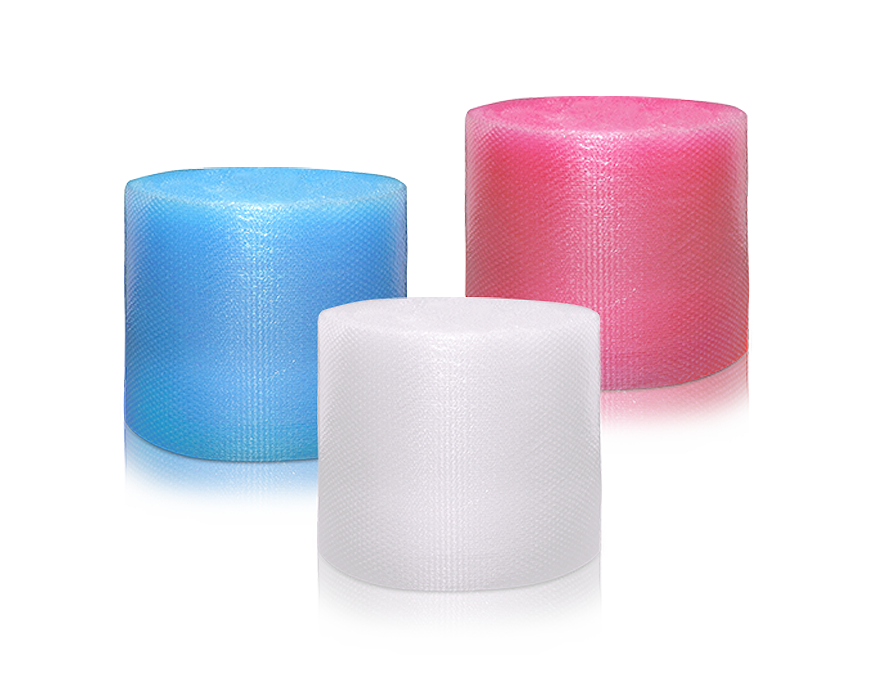
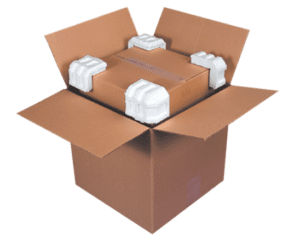
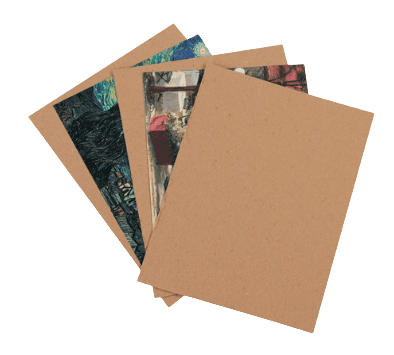
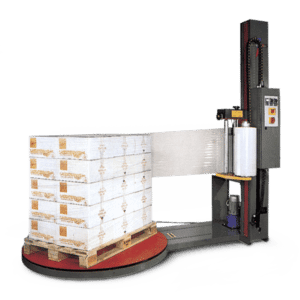
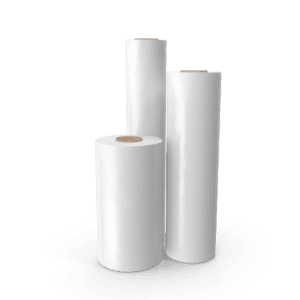
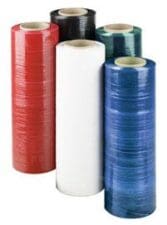
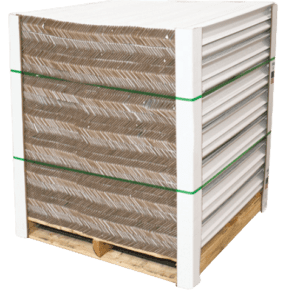
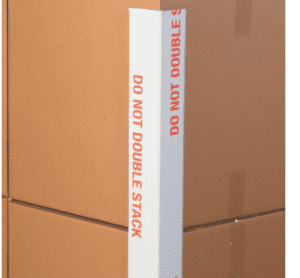
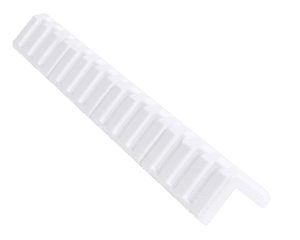
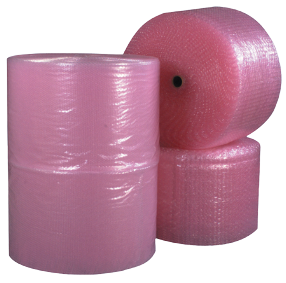
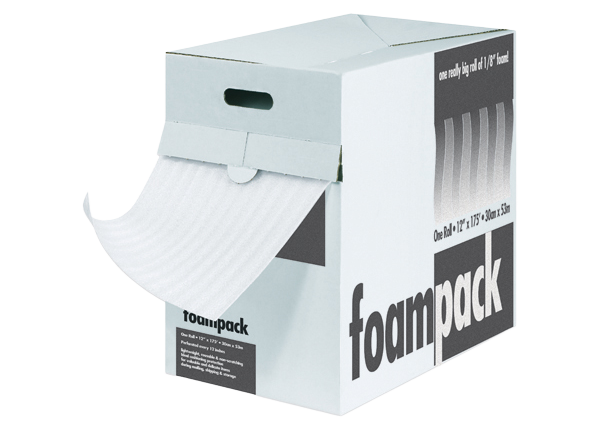
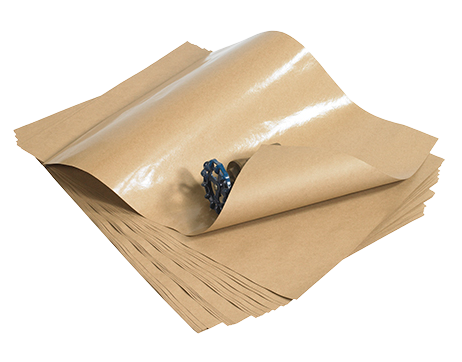
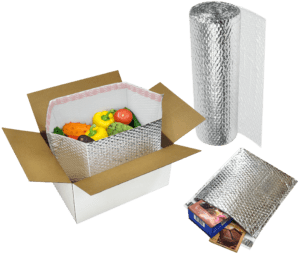
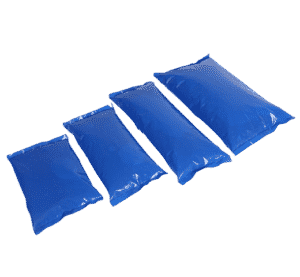
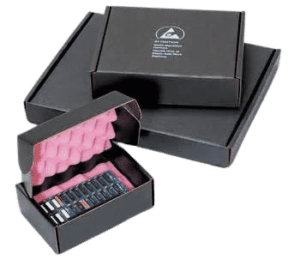
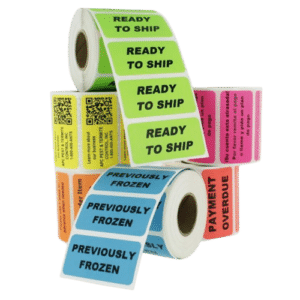
Our stock packaging products, from corrugated boxes to stretch film, offer a wide selection, including essentials like tape, edge protectors, labels, and more, with quick turnaround times to meet your packaging needs efficiently.


If you need any assistance with your packaging or have a question, then contact us directly at request@brownpackaging.com or (714)300-0650. Learn more about custom packaging by reading our blog posts on new and trending topics.

The fascinating world of protective packaging has seen considerable evolution over the decades. These advancements have been driven by the needs of various industries, emerging technologies, sustainability concerns, and consumer demand. In essence, protective packaging’s primary purpose remains to ensure products reach their destinations unscathed. This blog post will delve into the intriguing evolution of protective packaging solutions, tracing the industry’s trajectory from rudimentary beginnings to modern, eco-friendly innovations. The Humble Beginnings Packaging, in its earliest forms, was incredibly basic. The prime objective was to contain and protect goods, often food, during transportation and storage. Examples of early packaging materials include leaves, animal skins, and rudimentary wooden crates and barrels. The ancient Egyptians, for example, used reed and clay pots for packaging wine and grain. The Industrial Revolution: A Turning Point The advent of the Industrial Revolution in the late 18th century marked a significant milestone in the evolution of protective packaging. Mass production and global trade increased exponentially, requiring efficient and durable packaging solutions. During this period, glass containers and tin cans made their debut, offering better product preservation and protection. The 20th Century: The Era of Plastic and Styrofoam The 20th century saw a transformative shift in the packaging world, with the introduction of synthetic materials like plastic and Styrofoam. These materials offered superior protection, were lightweight, and could be molded into virtually any shape, making them ideal for a wide range of products. Bubble wrap, invented in the late 1950s, became a popular packaging material due to its cushioning properties. Polystyrene (Styrofoam) peanuts soon followed, providing a cost-effective solution for filling voids in packaging and preventing product movement. Towards Eco-friendly Solutions Despite their protective qualities, materials like plastic and Styrofoam became a significant source of environmental concern due to their non-biodegradable nature. With increased awareness of environmental issues and consumer demand for sustainable practices, the packaging industry began exploring eco-friendly alternatives. This shift has led to the development of biodegradable packaging materials, such as cornstarch and mushroom packaging. Cornstarch, a renewable resource, is used to create bioplastic, which has similar protective qualities to conventional plastic but decomposes naturally over time. Mushroom packaging, made from mycelium (the root structure of mushrooms), provides a sustainable and compostable alternative to polystyrene. Embracing Technology: Modern Protective Packaging Solutions The 21st century has welcomed the use of technology in creating innovative protective packaging solutions. Cutting-edge options like air pillows and inflatable packaging are grew in popularity. These solutions are not only effective in protecting products but also reduce the volume of packaging materials required, leading to cost and environmental benefits. Technology has also enabled the use of advanced analytics in packaging. Companies can use data to optimize packaging design, improve protection, reduce waste, and enhance customer satisfaction. The Future of Protective Packaging Solutions As we look ahead, the future of protective packaging appears to be driven by two major trends: sustainability and customization. With environmental consciousness at an all-time high, the push for biodegradable, recyclable, and reusable packaging materials will continue to grow. Additionally, with the advent of technologies like 3D printing and AI, we can expect to see an increase in customized protective packaging solutions. This allows for packaging to be tailored to the unique needs of each product, improving protection and customer satisfaction. If you are interested in protective packaging solutions, then partner with Brown Packaging today to get started. (714)300-0650 request@brownpackaging.com Most Recent Posts: Categories: Corrugated Ecommerce ESD Design Display Flexible Packaging Foam Folding Carton Packaging Plastic Packaging Pouch Printing Protection Retail Rigid Box Thermoform Sustainability Subscribe To Our Newsletter By submitting your information, you agree to our terms and conditions and privacy policy. Custom Packaging Facebook Twitter LinkedIn Pinterest Relevant Posts

Transitioning from off-the-shelf packaging to custom solutions is a significant milestone for many businesses. This shift not only aligns packaging more closely with brand identity but also enhances customer engagement and can streamline supply chain operations. This blog post will guide businesses through the strategic approach to moving from generic, off-the-shelf packaging to bespoke, custom-designed packaging solutions. Understanding the Shift to Custom Packaging Custom packaging offers a unique opportunity for branding, providing a tangible connection between the product and the customer. It’s a move from one-size-fits-all solutions to packaging that speaks directly to your brand’s ethos and your customer’s expectations. Assessing Current Packaging Solutions Begin by evaluating your current packaging: Identify Shortcomings: Consider where off-the-shelf options may fall short in terms of size, material, durability, or branding potential. Customer Feedback: Utilize customer feedback to understand how your current packaging is perceived and what improvements are desired. Defining Your Custom Packaging Objectives Clearly outline what you aim to achieve with custom packaging: Brand Alignment: Ensure your packaging reflects your brand’s image, values, and market position. Enhancing Customer Experience: Consider how your packaging can improve the unboxing experience or offer added convenience. Budget Considerations for Custom Packaging Transitioning to custom packaging typically involves a higher upfront investment: Comprehensive Cost Analysis: Factor in design, production, storage, and potential waste costs. Investment vs. ROI: Balance the initial costs against the potential return on investment, including brand enhancement and customer satisfaction. Designing Your Custom Packaging The design phase is crucial in custom packaging: Hire a Professional Designer: Consider engaging a packaging designer or agency with expertise in your industry. Material Choices: Select materials that align with your brand values, product needs, and sustainability goals. Prototyping and Testing Before mass production, develop and test prototypes: Create Prototypes: Build samples of your custom packaging for a hands-on evaluation. Conduct Testing: Test these prototypes for functionality, durability, and customer appeal, refining the design as needed. Choosing a Manufacturing Partner Partnering with the right manufacturer is key: Research and Selection: Look for manufacturers with a track record in custom packaging solutions. Evaluate Capabilities: Ensure they can meet your quality requirements, production timelines, and offer flexibility for order volumes. Implementing a Gradual Rollout A phased approach can help in a smooth transition: Inventory Management: Strategically manage existing packaging stocks to phase them out. Marketing and Communication: Use the rollout as an opportunity to reinforce your brand message and inform customers about the new packaging. Gathering Feedback and Making Adjustments Continuous improvement is essential: Customer Insights: Regularly solicit customer feedback on the new packaging. Adapt Based on Feedback: Be prepared to make adjustments in response to customer insights and market changes. If you are interested in transitioning your packaging from stock to custom, then partner with Brown Packaging today to get started. (714)300-0650 request@brownpackaging.com Most Recent Posts: Categories: Corrugated Ecommerce ESD Design Display Flexible Packaging Foam Folding Carton Packaging Plastic Packaging Pouch Printing Protection Retail Rigid Box Thermoform Sustainability Subscribe To Our Newsletter By submitting your information, you agree to our terms and conditions and privacy policy. Custom Packaging Facebook Twitter LinkedIn Pinterest Relevant Posts

Packaging for toddler toys is a unique segment that requires a thoughtful approach, balancing safety, engagement, and often, an educational aspect. This blog post explores the intricacies of designing packaging for toddler toys, emphasizing the importance of each element to create an optimal product experience for both the child and the parent. Understanding the Target Audience: Toddlers and Their Parents When designing packaging for toddler toys, the primary audience is twofold: the toddlers themselves who are attracted to certain visual elements, and their parents who are concerned with safety and educational value. Understanding the needs and preferences of both is crucial. Safety: The Foremost Priority For toddlers, safety is paramount. This extends to the packaging as well as the toy itself. Choking Hazards: Ensure that the packaging has no small parts or detachable pieces that could pose a choking hazard. Non-Toxic Materials: Use materials that are non-toxic and free from harmful chemicals, as toddlers tend to put things in their mouths. Secure Packaging: The packaging should be secure enough to prevent accidental openings by toddlers, yet accessible for adults. Engaging and Attractive Design The visual appeal of packaging is a key factor in capturing the attention of a toddler. Bright Colors and Bold Shapes: Use vibrant colors and simple, bold shapes that are known to attract toddlers. Interactive Elements: Incorporate elements that toddlers can interact with, such as flaps to open or textures to touch. Clear Visibility of the Toy: Allowing the toy to be visible through the packaging can instantly engage a child’s interest. Educational Aspect Packaging can be more than just a container; it can be an educational tool. Informational Graphics: Include simple, age-appropriate graphics or text that can educate about the toy or related concepts. Play Ideas: Provide suggestions on how to play with the toy, which can be helpful for parents to engage with their children. Language Development: Use packaging as a means to introduce basic words, numbers, or concepts, enhancing the educational value of the toy. Eco-Friendly and Sustainable Choices Increasingly, parents are looking for eco-friendly options, especially for their children. Recyclable Materials: Opt for recyclable or biodegradable materials in packaging. Minimalist Design: Reduce waste by avoiding unnecessary packaging layers or materials. Educational Messaging about Sustainability: Use the opportunity to educate about recycling or caring for the environment through the packaging. Brand Storytelling and Consistency The packaging should reflect the brand’s story and ethos, creating a consistent experience for the customer. Brand Colors and Logo: Use brand elements consistently in packaging design. Quality and Trust: The packaging should convey the quality and trustworthiness of the brand, which is essential for parents. If you are interested in packaging solution for toddlers, then partner with Brown Packaging today to get started. (714)300-0650 request@brownpackaging.com Most Recent Posts: Categories: Corrugated Ecommerce ESD Design Display Flexible Packaging Foam Folding Carton Packaging Plastic Packaging Pouch Printing Protection Retail Rigid Box Thermoform Sustainability Subscribe To Our Newsletter By submitting your information, you agree to our terms and conditions and privacy policy. Toy Packaging Facebook Twitter LinkedIn Pinterest Relevant Posts