








Custom Packaging
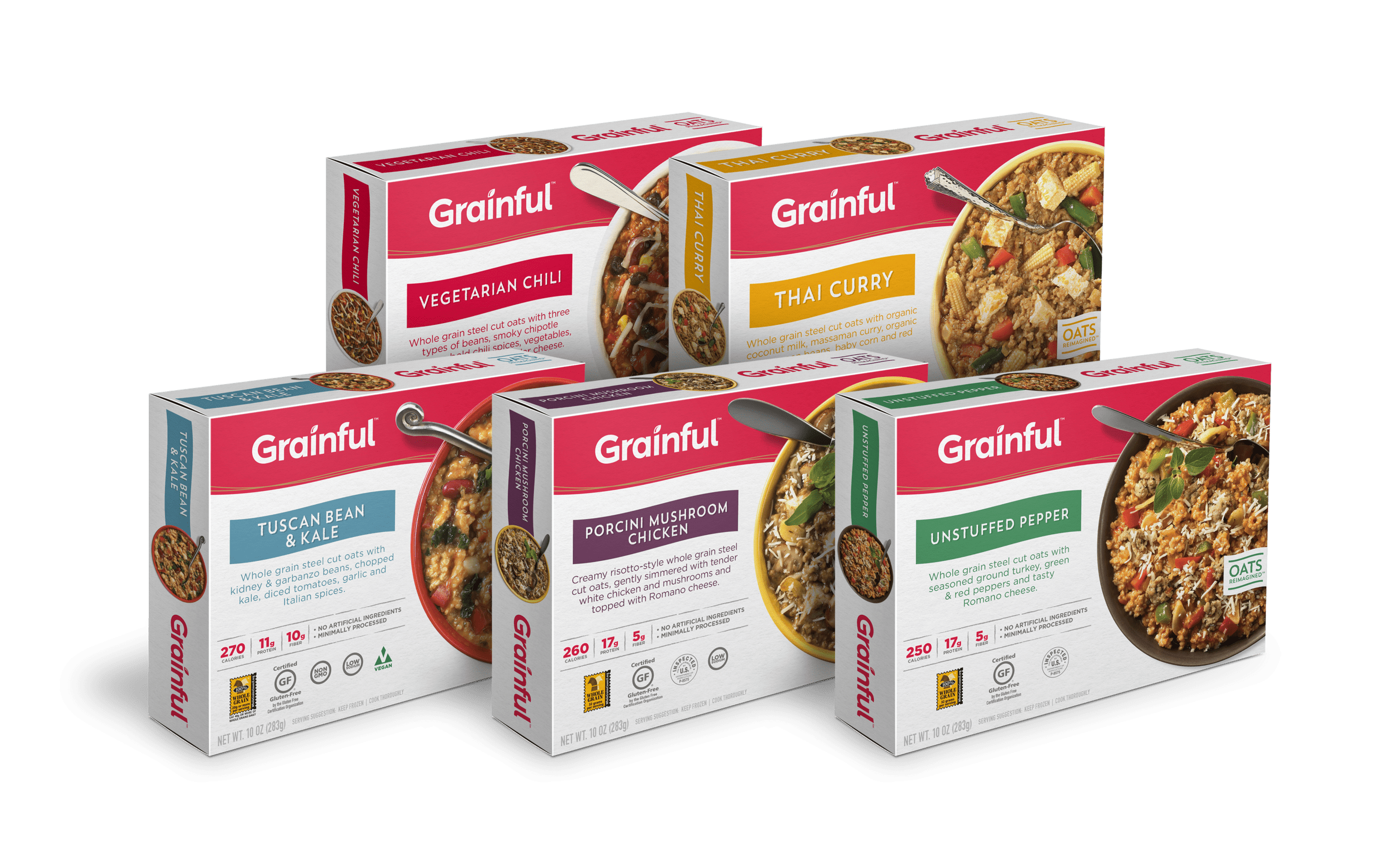
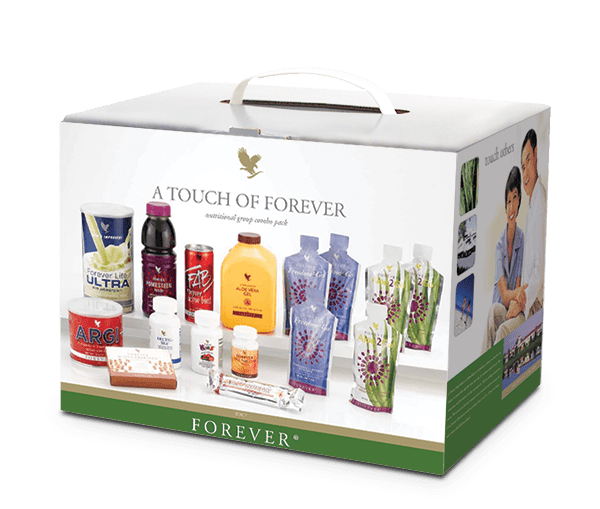
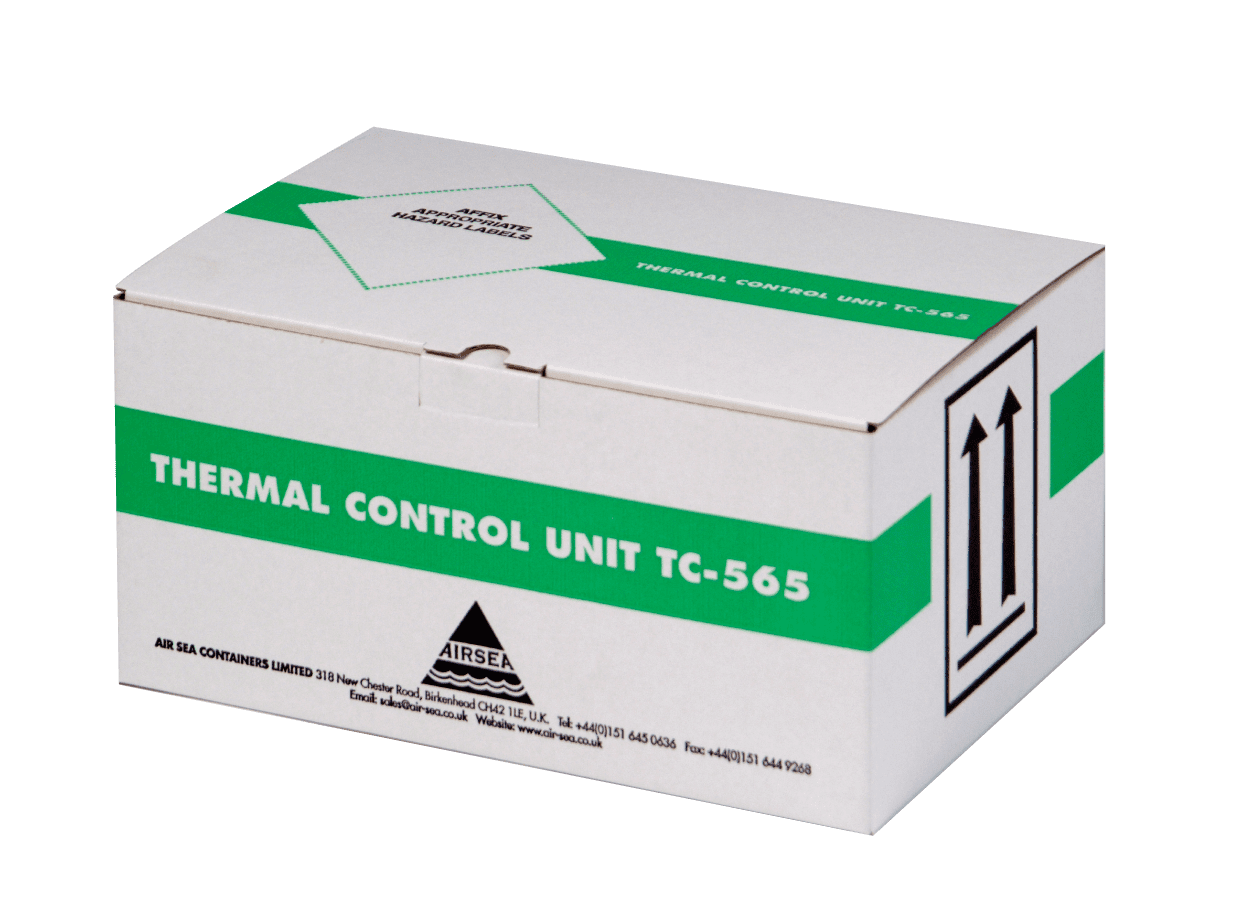
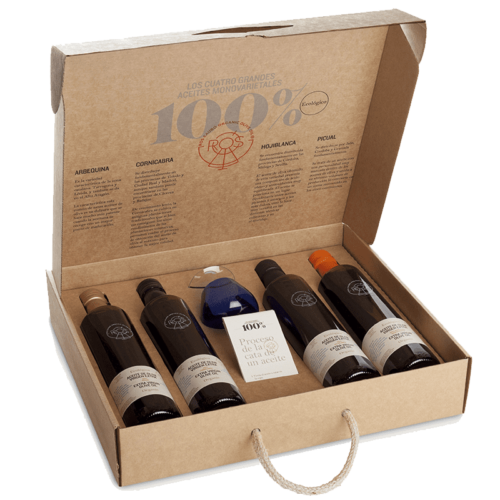
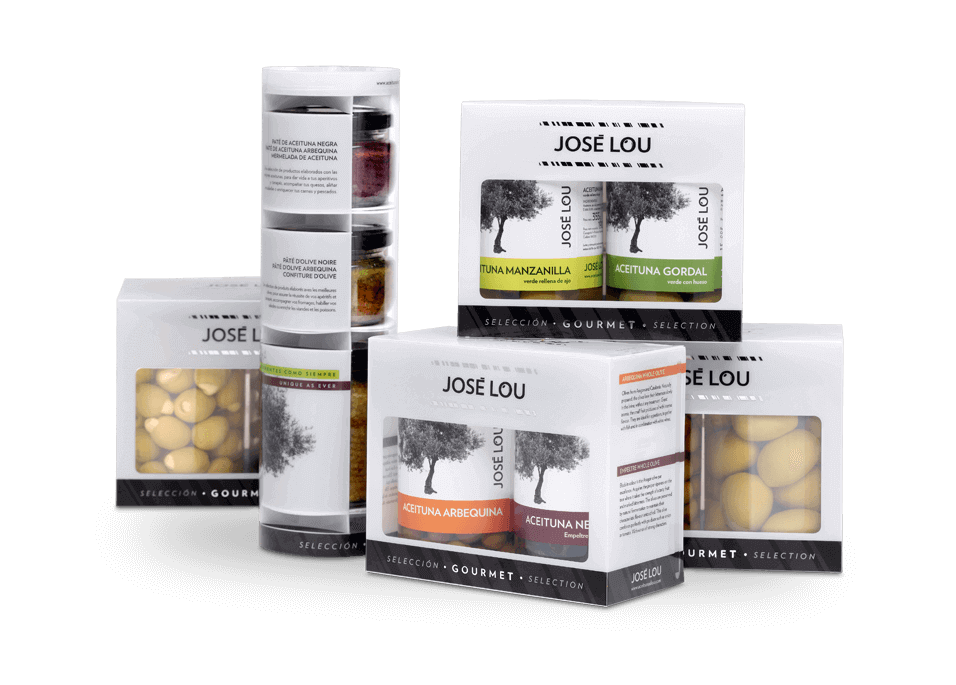
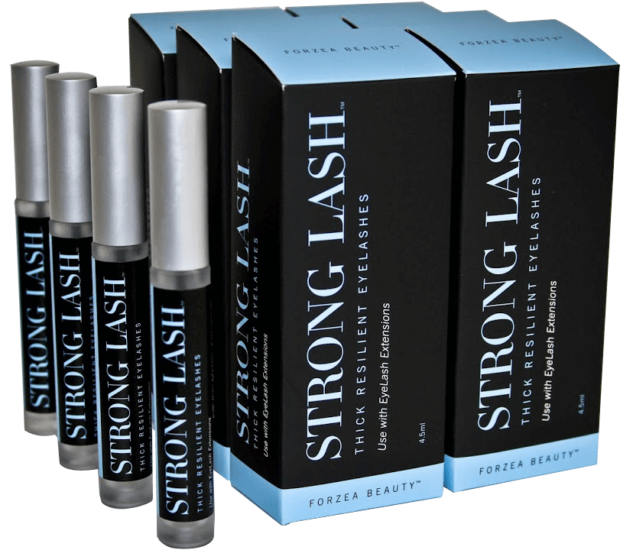
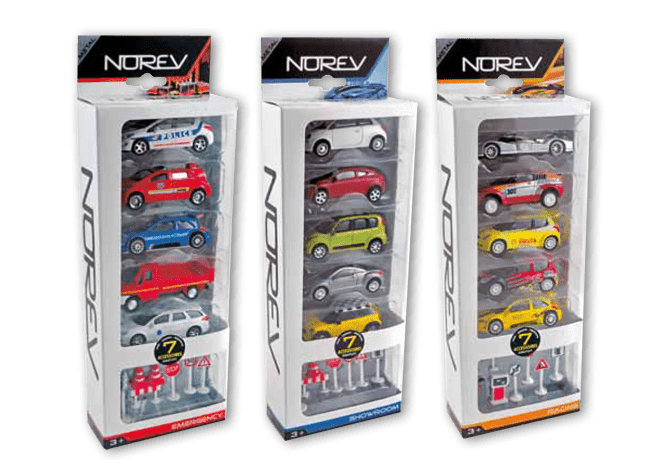
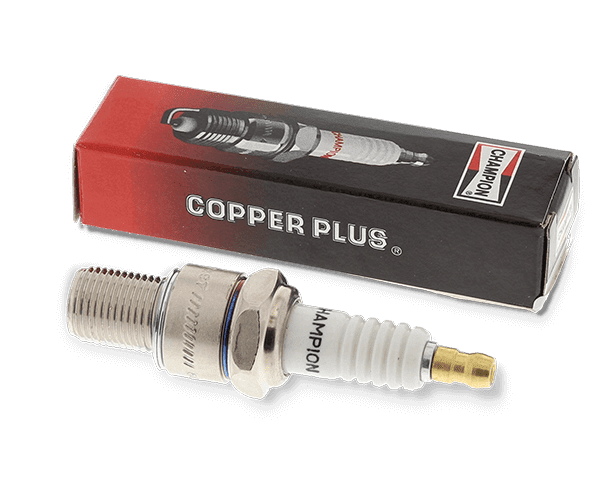
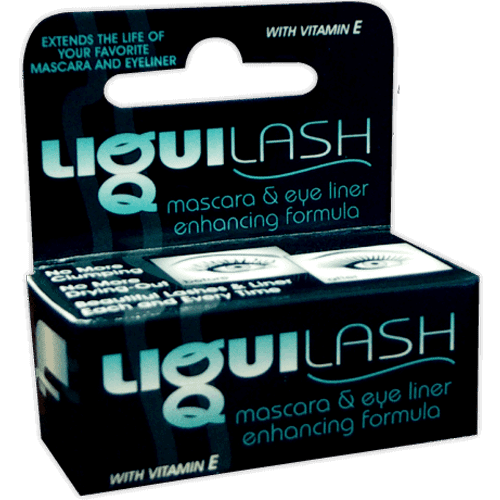
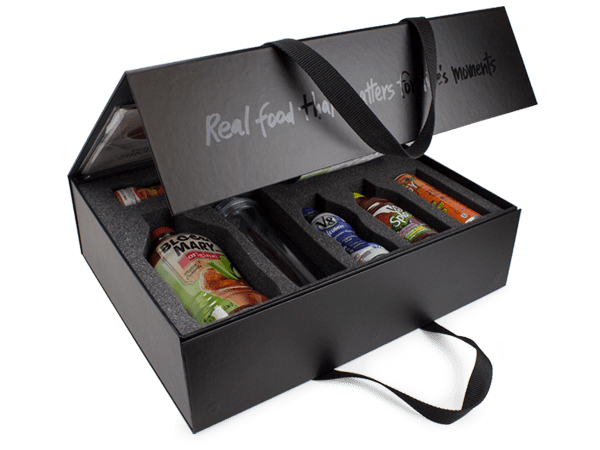
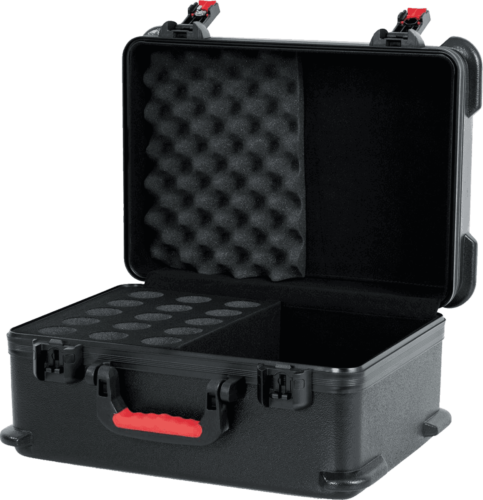
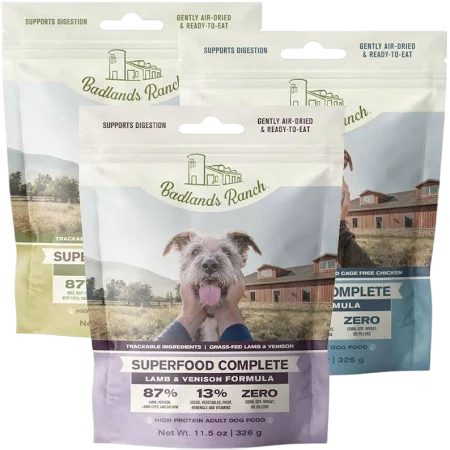
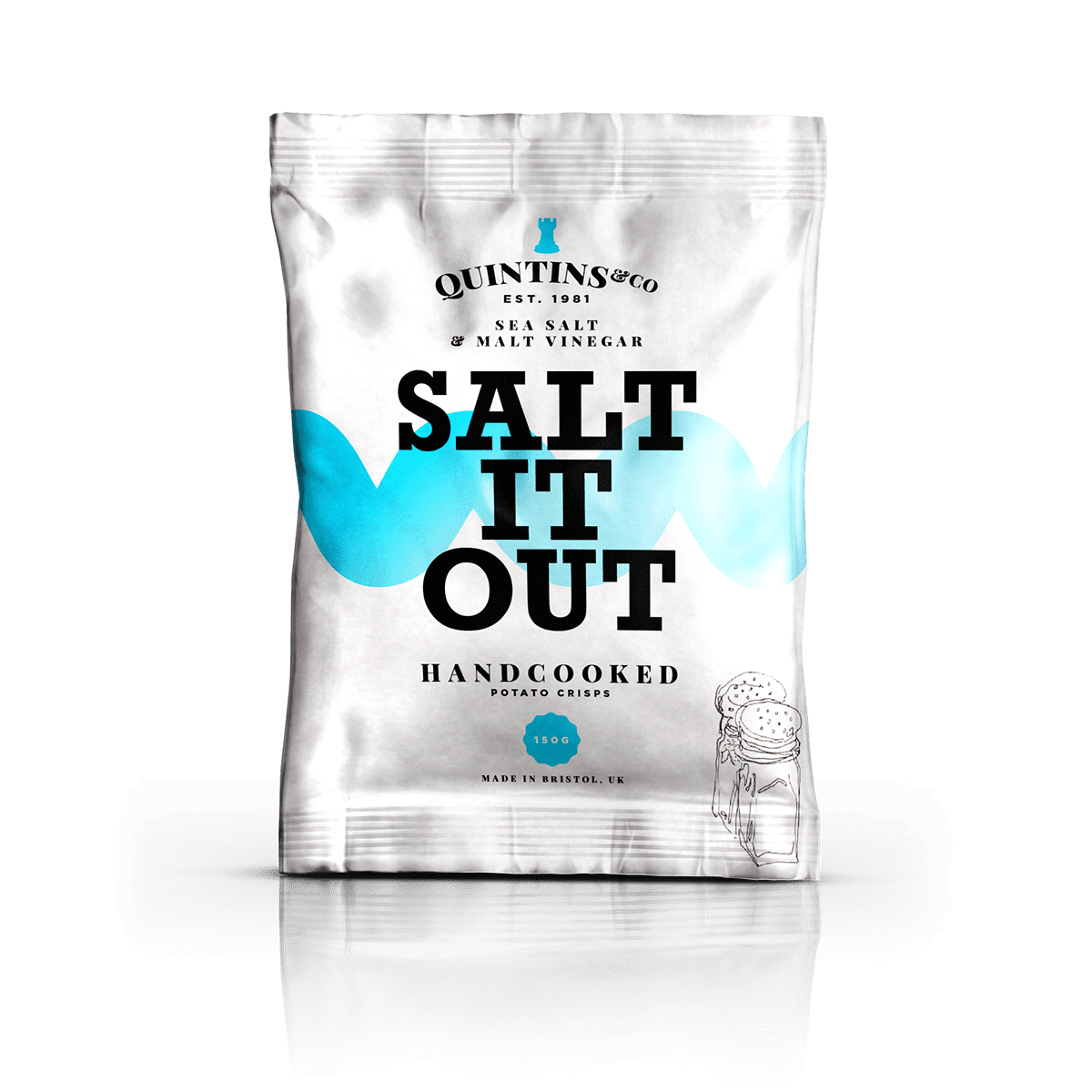
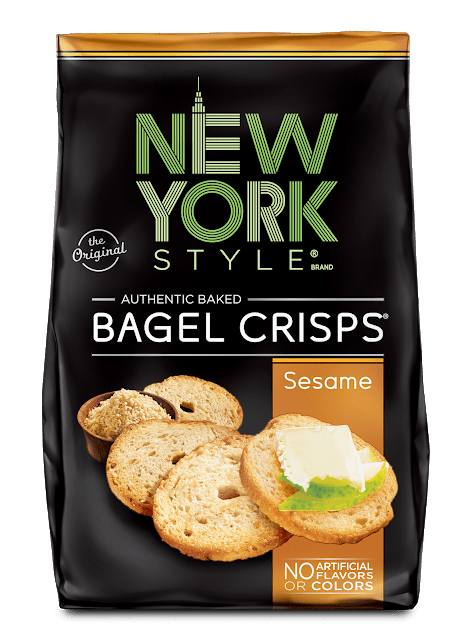
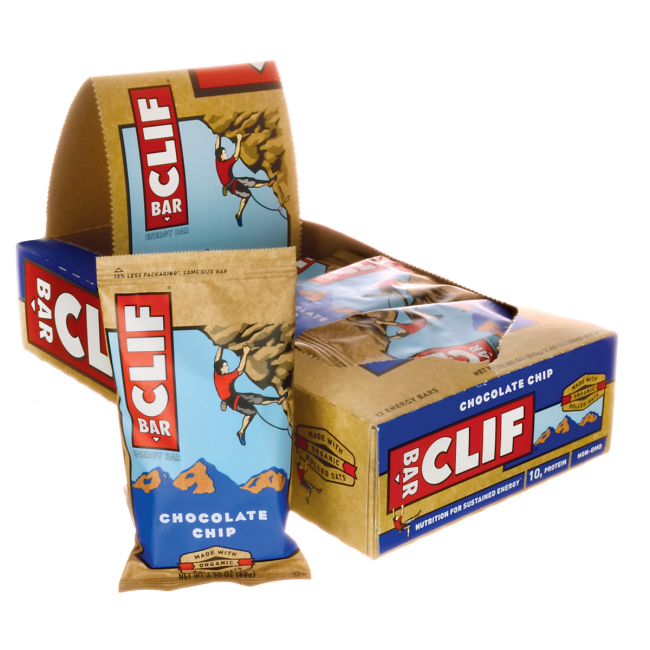
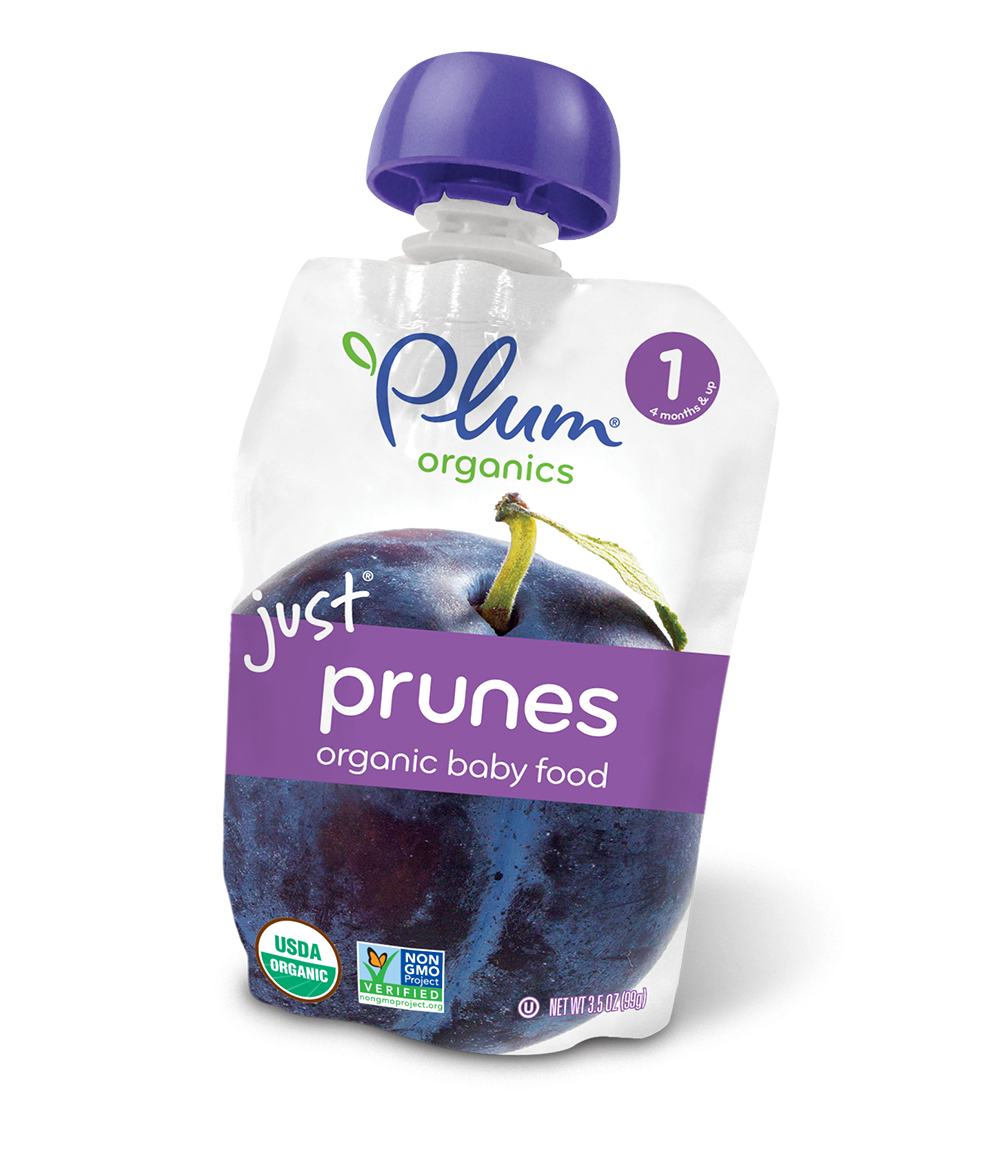
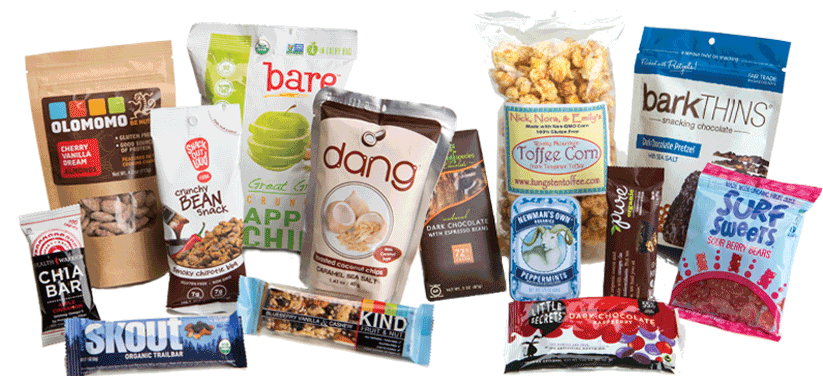
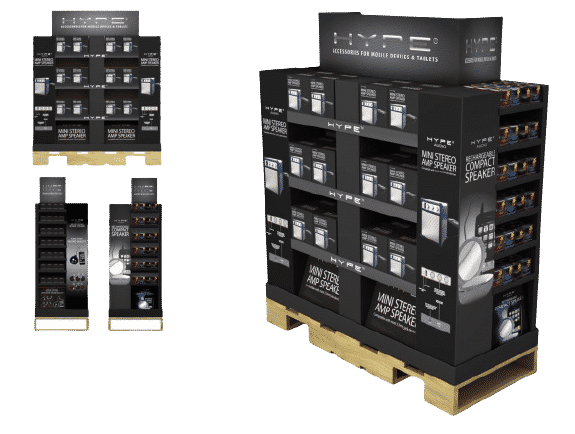
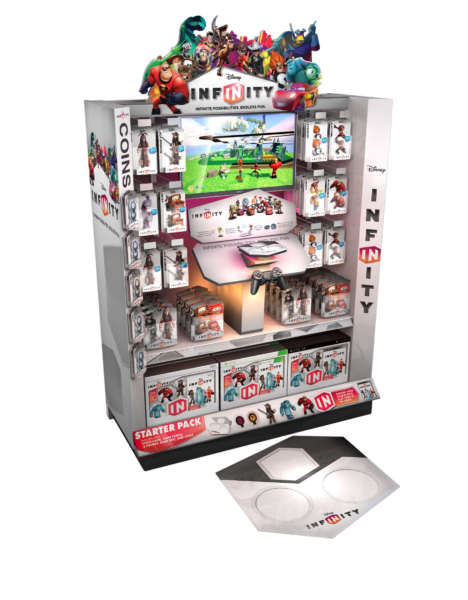
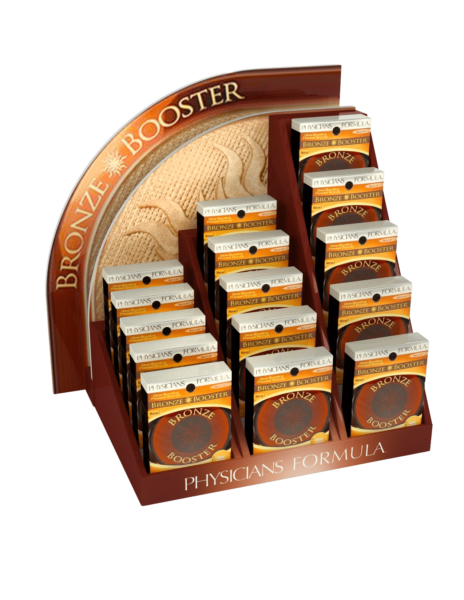
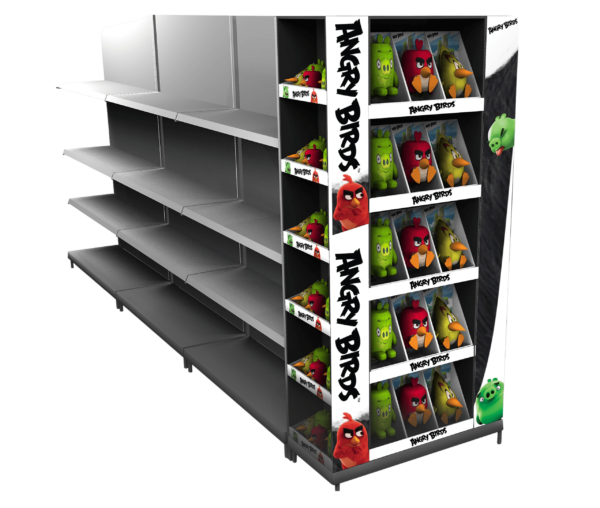
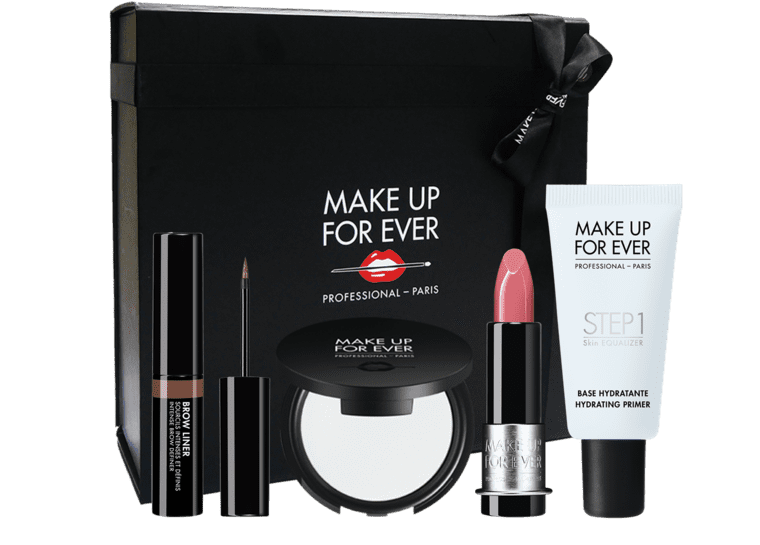
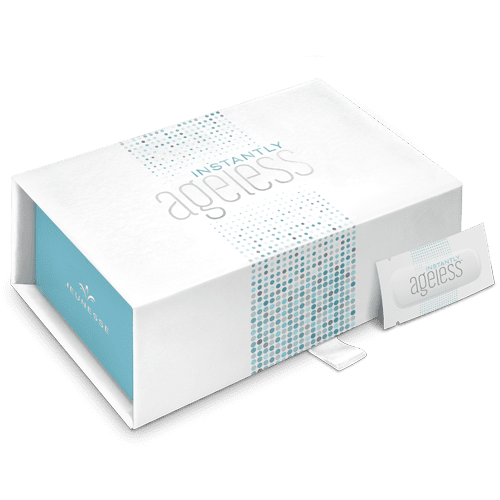
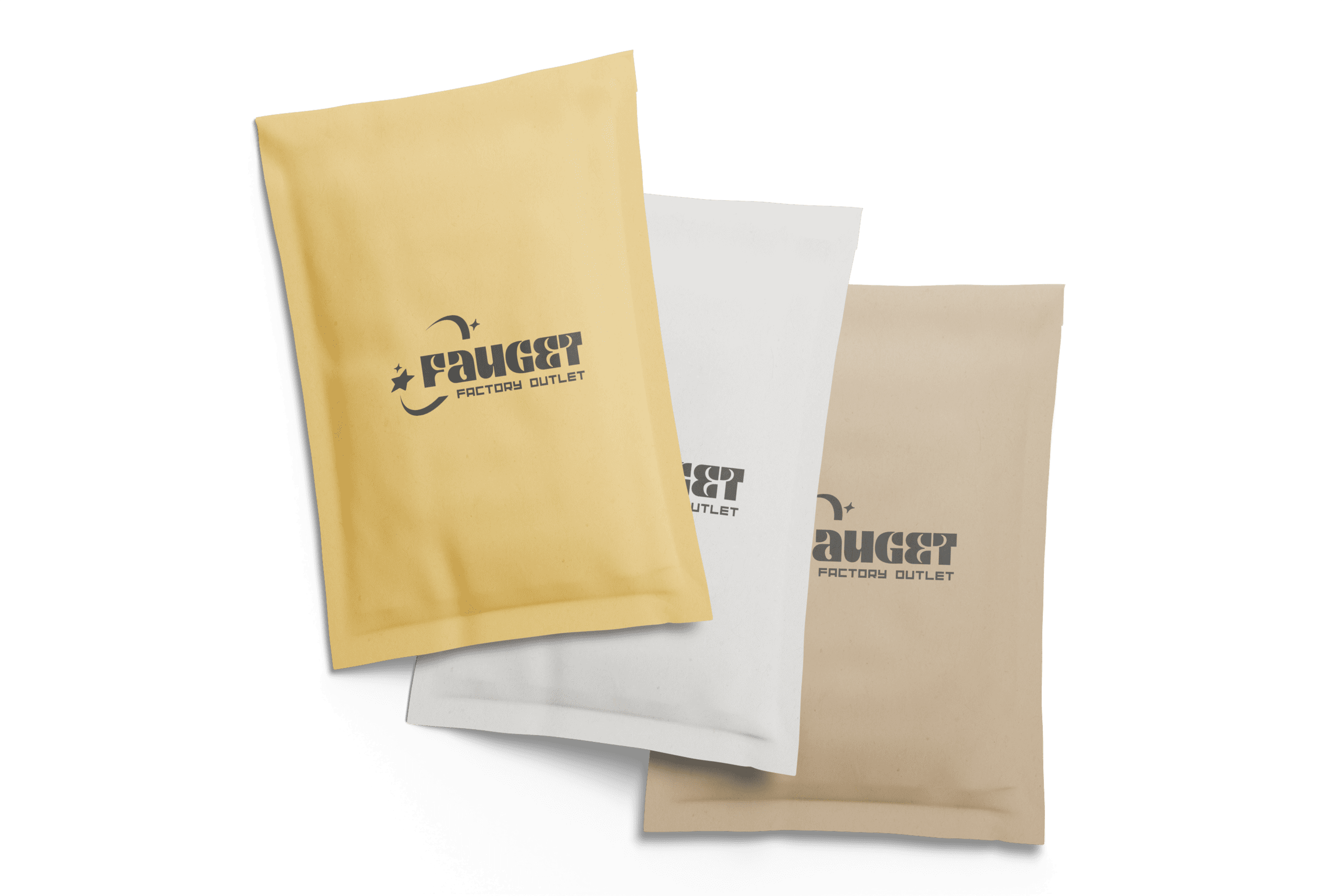
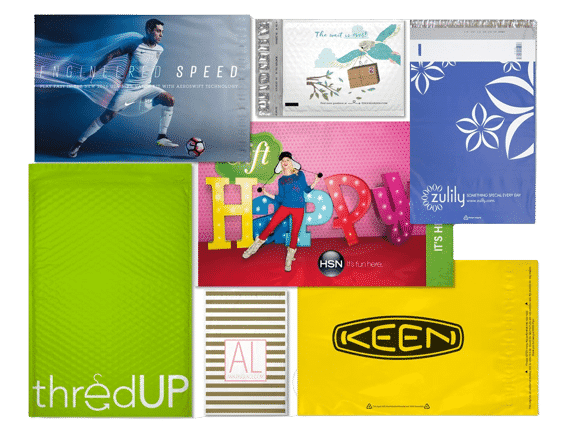
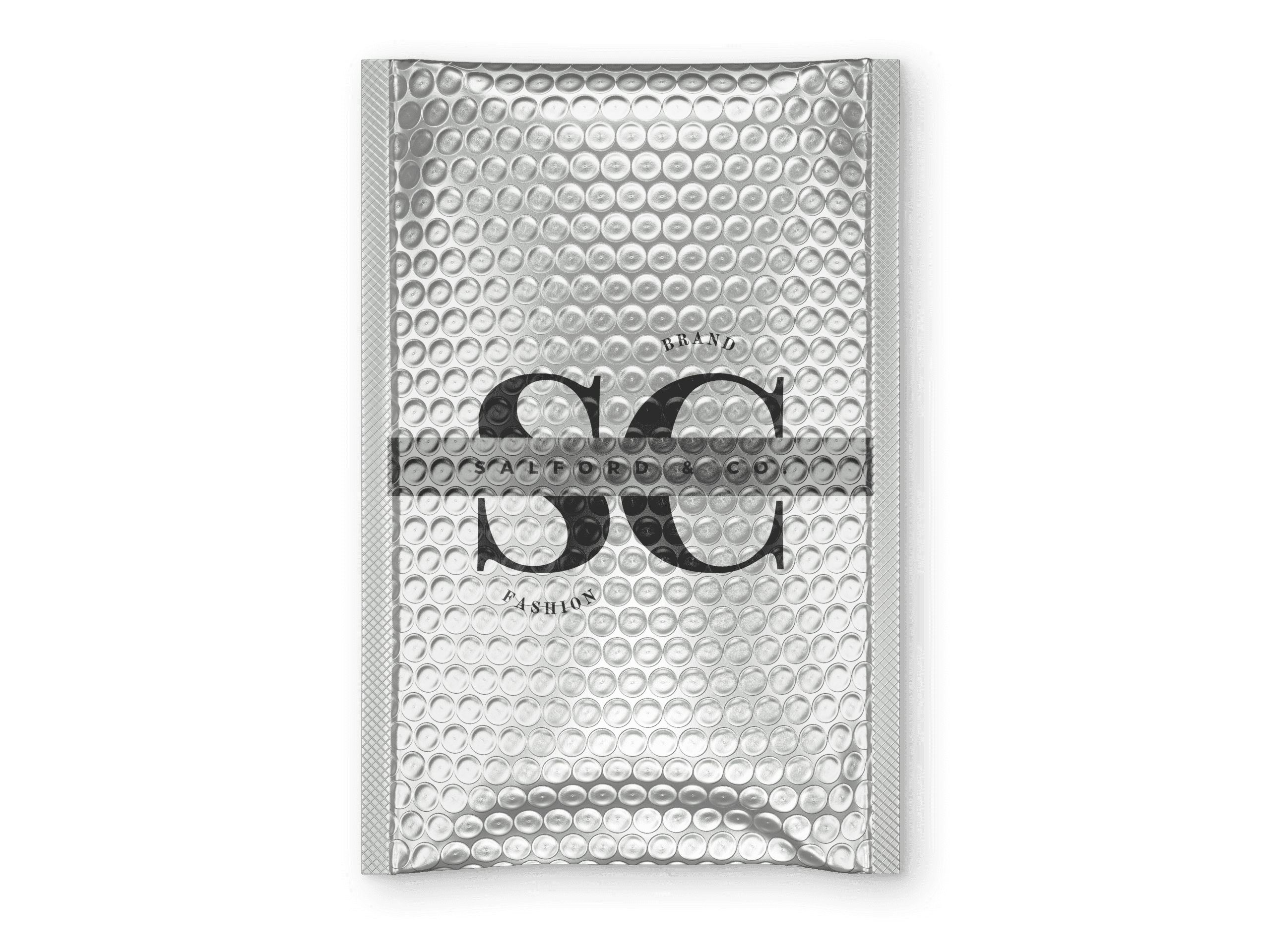
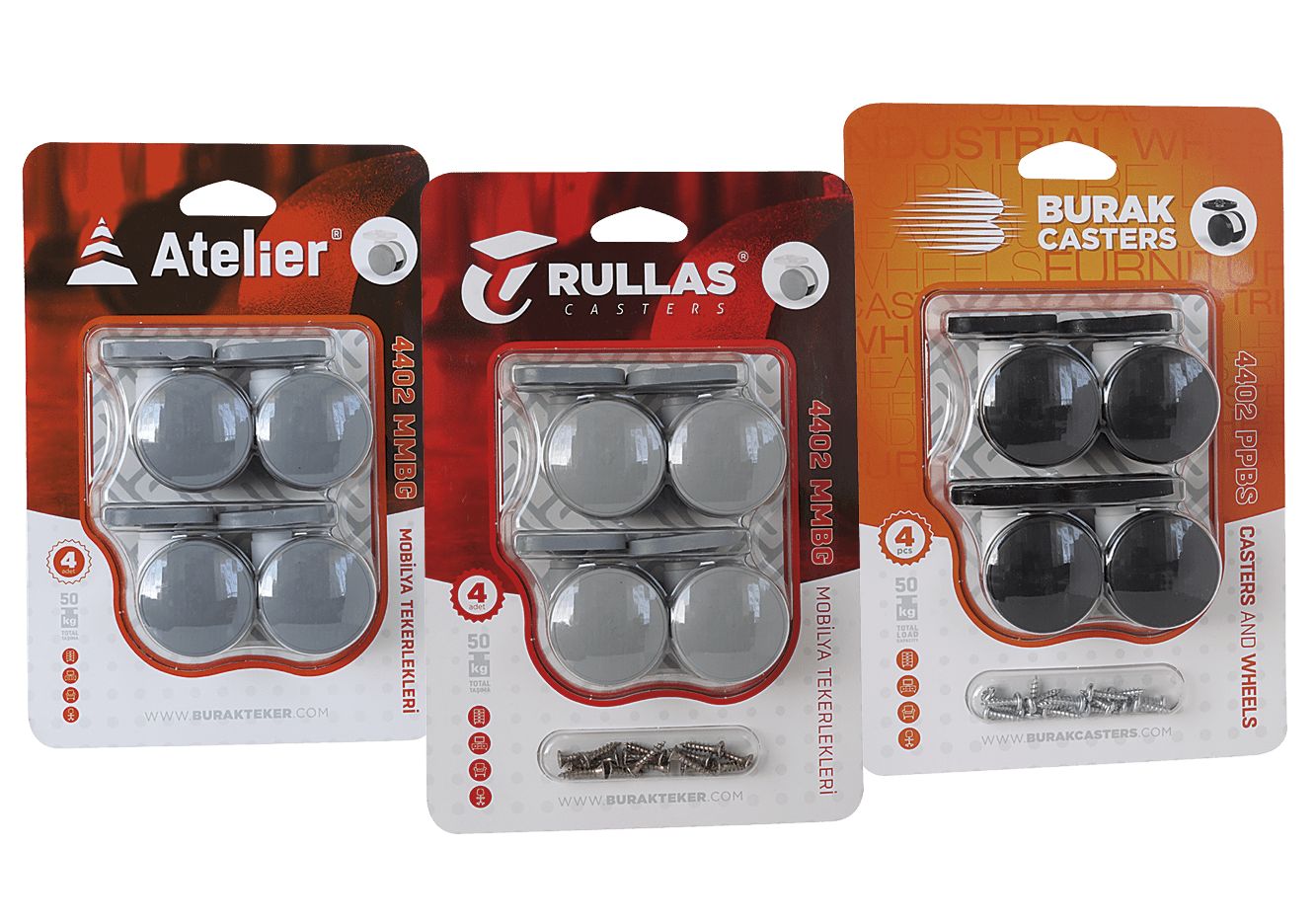
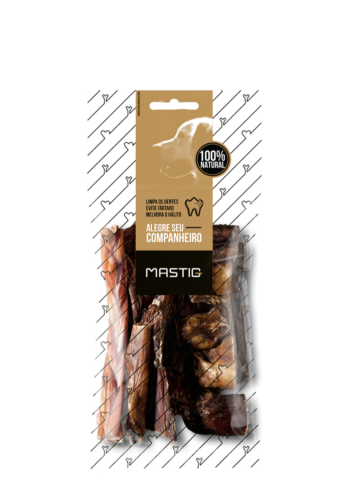
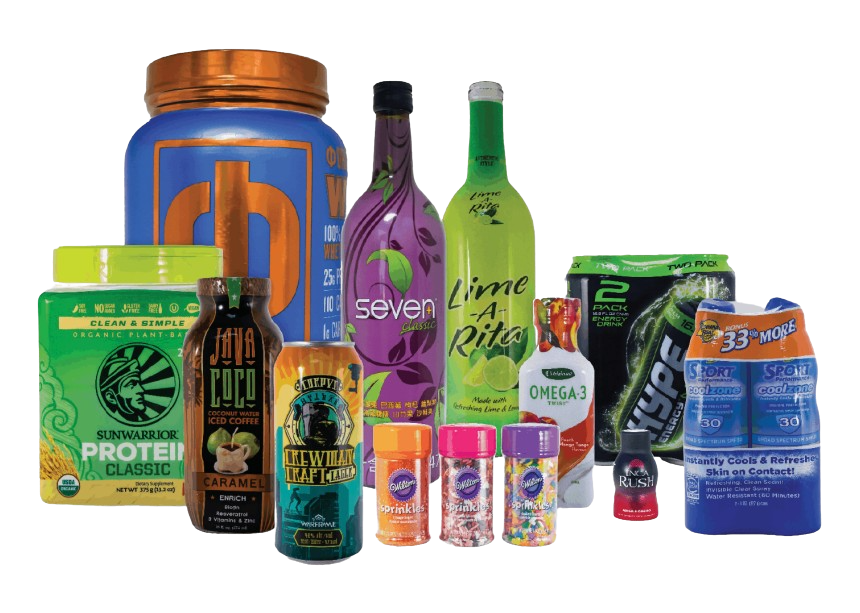
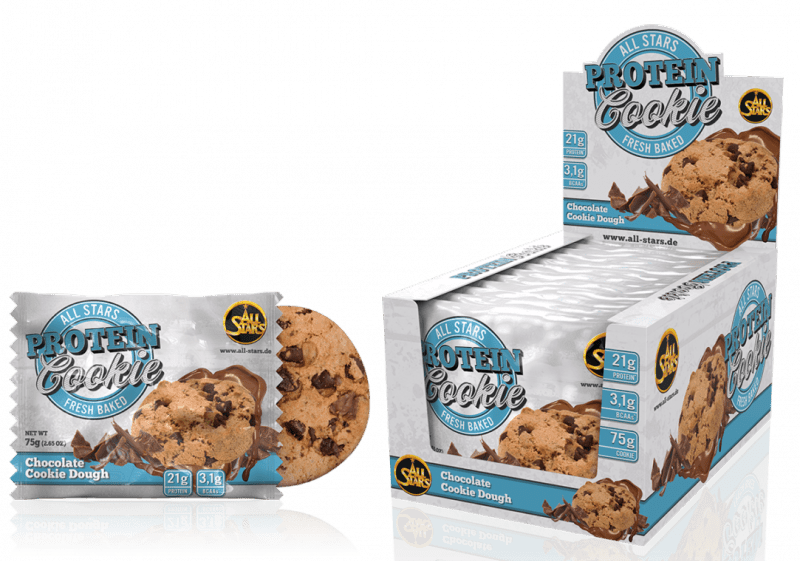
We offer a wide selection of fully customizable packaging products to address any packaging purpose. Customize your packaging product with your logo, brand colors, product information, design, features, and more. If you are unsure on what type of packaging you will need, then contact us for an expert consultation.


Custom packaging is tailored specifically to fit a brand’s unique product requirements, unlike stock packaging, which is pre-made and generic. Custom options allow for precise sizing, materials, and design choices, offering enhanced protection, presentation, and improved efficiency. This personalization makes custom packaging ideal for businesses looking to stand out and create a cohesive brand identity.
At Brown Packaging, our custom packaging solutions are structurally designed to optimize protection, material usage, and sustainability, tailored to meet specific product needs across various applications. We incorporate graphics to reinforce brand identity, ensuring that each package not only protects but also represents your brand effectively. With a focus on durability and functionality, our packaging ensures secure handling for shipping, retail, or storage while supporting sustainability goals.
Custom Packaging Products
We offer a variety of custom packaging products and solutions to meet all your packaging needs in one place. You’ll work directly with a dedicated project specialist to customize your package according to your specifications, including branding, features, and design.


If you need any assistance with your packaging or have a question, then contact us directly at request@brownpackaging.com or (714)300-0650. Learn more about custom packaging by reading our blog posts on new and trending topics.

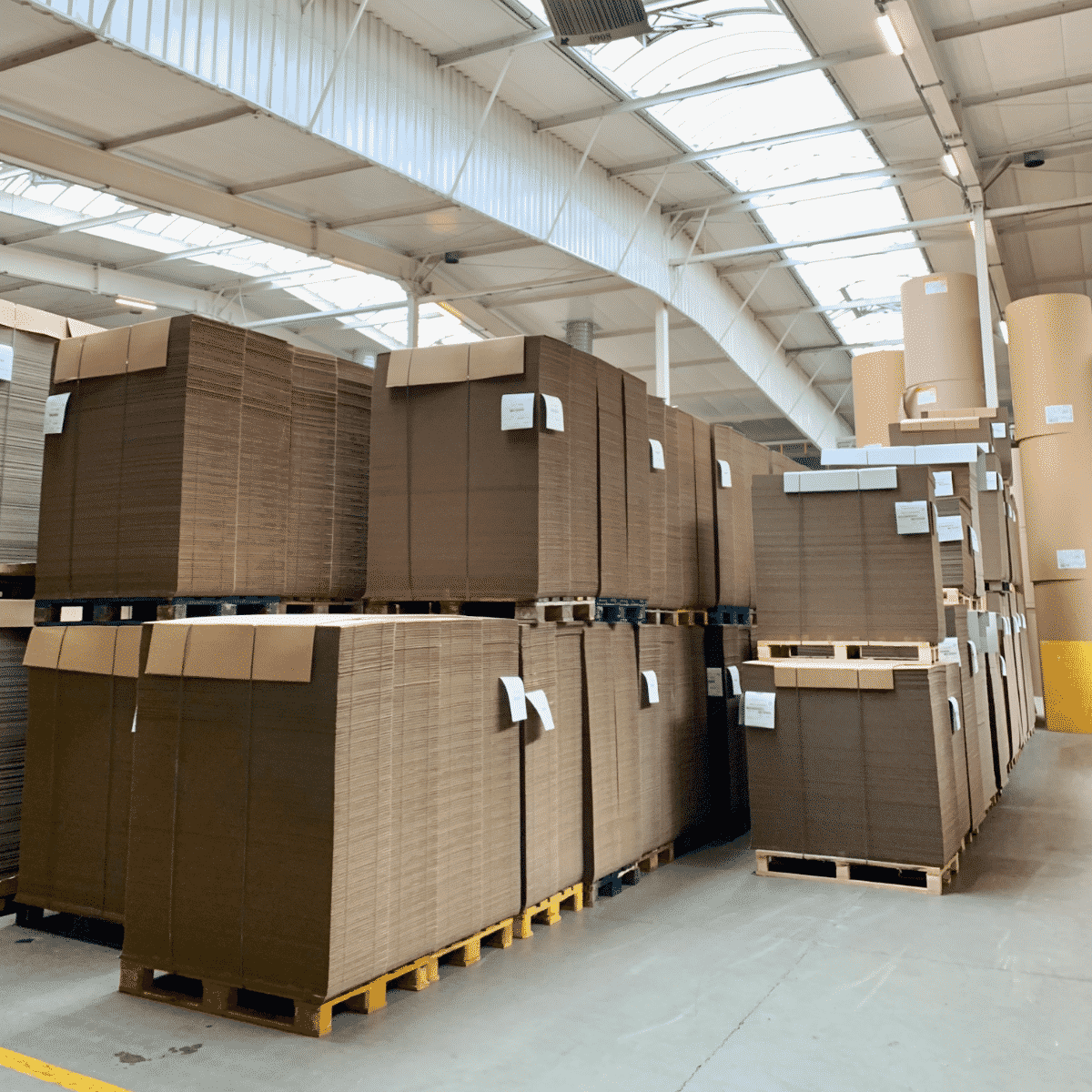
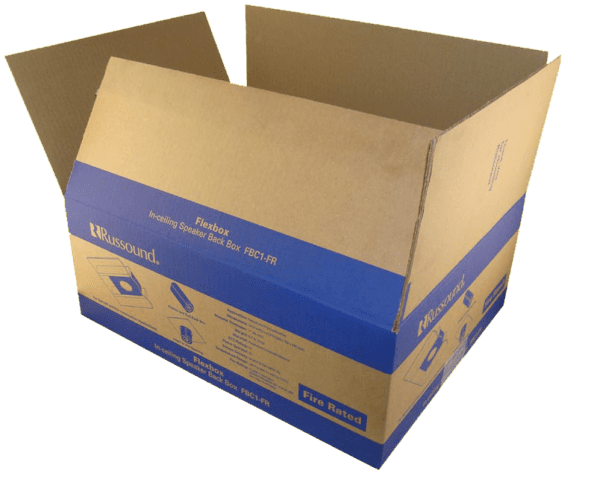
The Regular Slotted Container (RSC) is the most widely used corrugated box style in the world. Its simplicity, manufacturing efficiency, and versatility make it the default choice across industries ranging from industrial parts to e-commerce fulfillment. Understanding what makes RSC boxes so effective helps buyers decide when standardization is the best approach — and when alternatives may be worth considering. What Defines an RSC Box An RSC is manufactured from a single sheet of corrugated board with flaps of equal length that meet at the center when folded. The design minimizes board waste, requires only a single die-cut or slotting process, and can be assembled with tape, glue, or staples. Its dimensions can be adjusted easily to accommodate nearly any product size. Why RSC Remains the Standard Manufacturing Efficiency RSCs use minimal board compared to other box styles. They can be produced on high-speed corrugators and folder-gluers without complex tooling. Standardized sizes reduce lead times and lower setup costs. Structural Strength The design maximizes stacking strength with flaps that reinforce the edges of the container. Compatible with a wide range of flute profiles and board grades, from single-wall E-flute to triple-wall heavy-duty. Versatility Works for products ranging from lightweight consumer goods to heavy industrial components. Compatible with automation in packing, sealing, and palletization systems. Easily branded with flexographic or digital print for retail and e-commerce applications. Cost Effectiveness Board utilization is highly efficient, reducing waste. Standardized production reduces cost per unit at scale. Assembly and sealing are simple, requiring minimal labor and materials. Limitations of the RSC While RSC is unmatched for general-purpose shipping, it’s not always the best option: Requires tape, glue, or staples, which adds materials and labor. Lacks the premium presentation of die-cut mailers for e-commerce. For unusually heavy or fragile products, other styles (like Full Overlap or RETT) may provide better performance. Buyer Takeaway RSC boxes dominate corrugated packaging for one reason: they offer the best balance of strength, efficiency, and cost. If your priorities are bulk shipping, pallet strength, and scalability, RSC is almost always the right choice. But for premium presentation, automation-friendly features, or specialty protection, it’s worth exploring alternative styles. References Fibre Box Association. (2023). Corrugated Box Styles and Design Guide. https://www.fibrebox.org Association of Independent Corrugated Converters (AICC). (2024). Corrugated Packaging Fundamentals. https://www.aiccbox.org Soroka, W. (2016). Fundamentals of Packaging Technology (5th ed.). Institute of Packaging Professionals. (714)300-0650 request@brownpackaging.com Most Recent Posts: Categories: Corrugated Ecommerce ESD Design Display Flexible Packaging Foam Folding Carton Packaging Plastic Packaging Pouch Printing Protection Retail Rigid Box Thermoform Sustainability Subscribe To Our Newsletter By submitting your information, you agree to our terms and conditions and privacy policy. Custom Regular Slotted Containers Facebook Twitter LinkedIn Pinterest Relevant Posts

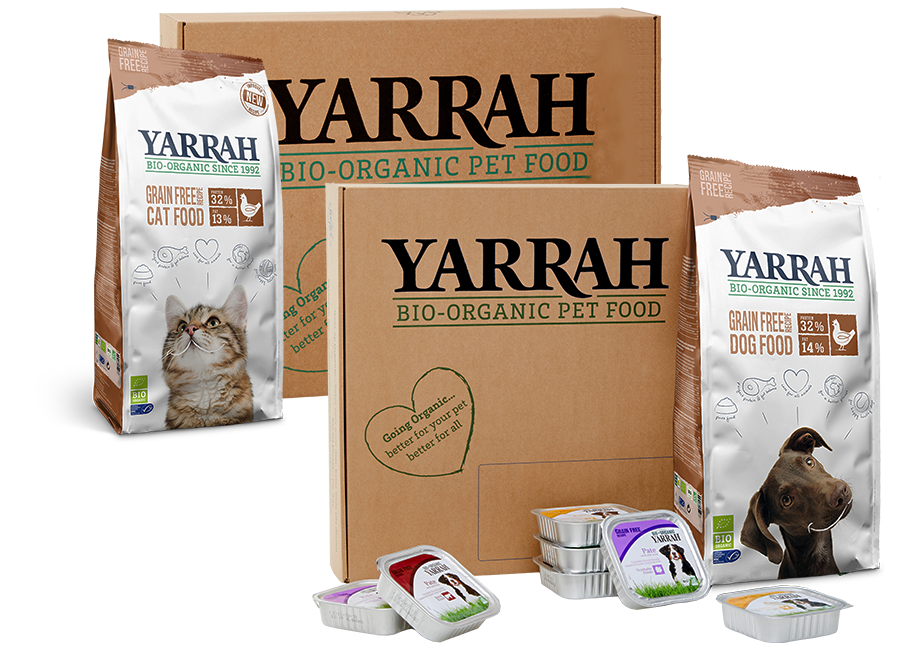
Sustainability in pet product packaging involves balancing environmental impact with functional performance. Materials must protect against moisture, oxygen, and pests while also meeting recyclability or compostability goals. Choosing the right approach requires a clear understanding of available technologies, regulatory compliance, and supply chain realities. Recyclable Mono-Material Films Description: Flexible packaging made from a single resin type (e.g., all-PE or all-PP). Benefits: Compatible with store drop-off or curbside programs in certain municipalities. Eliminates the separation challenges of multi-material laminates. Limitations: Lower barrier properties compared to foil or metallized films unless enhanced with coatings. May require thicker gauges for equivalent performance. Post-Consumer Recycled (PCR) Content Description: Packaging that incorporates recycled resin from consumer waste streams. Benefits: Reduces reliance on virgin plastic. Demonstrates brand commitment to circular economy principles. Limitations: Variability in resin quality can impact clarity, seal strength, and barrier. Regulatory restrictions for direct food contact in some markets. Compostable Films Description: Materials derived from plant-based sources (e.g., PLA, starch blends) designed to break down in industrial composting conditions. Benefits: Reduces landfill waste when properly disposed. Appeals to eco-conscious consumers. Limitations: Requires access to industrial composting facilities (rare in many regions). Lower mechanical strength and shorter shelf life than conventional films. Paper-Based Pet Food Packaging Description: Multiwall kraft paper bags with or without barrier liners. Benefits: Widely recyclable in paper streams when unlined. Strong consumer perception of sustainability. Limitations: Requires additional barrier layer for moisture or grease resistance. Lower tear resistance than woven poly or laminated film. Bio-Based Plastics Description: Plastics derived from renewable biomass sources such as sugarcane ethanol-based PE. Benefits: Reduces carbon footprint compared to petroleum-based resins. Matches performance of conventional PE in many applications. Limitations: Availability and cost can be volatile. Does not inherently solve end-of-life recycling challenges. Performance and Testing Considerations Barrier Testing: ASTM F1249 for WVTR and ASTM D3985 for OTR confirm material suitability. Seal Strength: ASTM F88/F88M ensures structural integrity. Life-Cycle Analysis (LCA): Quantifies environmental trade-offs of each packaging option. References ASTM International. (2013). ASTM F1249-13: Standard test method for water vapor transmission rate through plastic film and sheeting using a modulated infrared sensor. ASTM International. https://doi.org/10.1520/F1249-13ASTM International. (2010). ASTM D3985-10: Standard test method for oxygen gas transmission rate through plastic film and sheeting using a coulometric sensor. ASTM International. https://doi.org/10.1520/D3985-10Sustainable Packaging Coalition. (2023). Sustainable materials and design strategies. https://sustainablepackaging.org (714)300-0650 request@brownpackaging.com Most Recent Posts: Categories: Corrugated Ecommerce ESD Design Display Flexible Packaging Foam Folding Carton Packaging Plastic Packaging Pouch Printing Protection Retail Rigid Box Thermoform Sustainability Subscribe To Our Newsletter By submitting your information, you agree to our terms and conditions and privacy policy. Pet Packaging Facebook Twitter LinkedIn Pinterest Relevant Posts

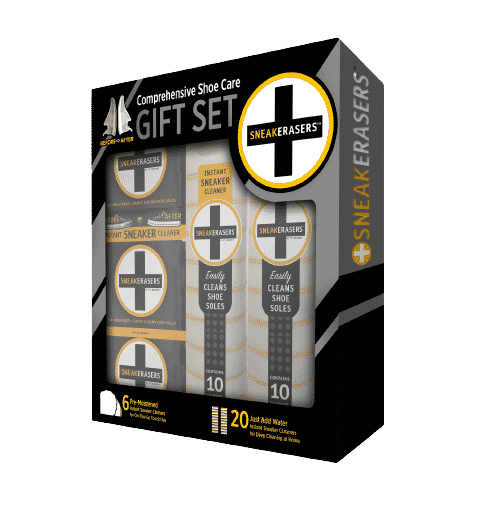
Retail packaging must do two jobs at once—catch the shopper’s eye while protecting the product through the supply chain. Too much focus on graphics can weaken structure, while over-engineering for performance can overlook the branding needed to drive sales. Buyers need solutions that blend both without inflating costs. The Role of Branding in Retail Boxes Shelf impact: Bold graphics and finishes differentiate products in crowded aisles. Consumer connection: Packaging communicates brand values and quality. Promotional flexibility: Seasonal or limited-edition graphics boost sales. The Role of Performance in Retail Boxes Durability: Boxes must withstand shipping, handling, and shelf stocking. Compliance: Structural strength and barcodes must meet retailer requirements. Sustainability: Materials must align with eco goals without compromising strength. How to Balance Branding and Performance Integrated design: Build graphics around structural features like folds, flaps, and windows. Material choice: Use substrates that support high-quality printing and durability. Testing protocols: Ensure performance under ISTA or ASTM standards before scaling. Cost management: Match premium finishes to high-margin SKUs only. Examples in Action Confectionery boxes: Gloss coatings and die-cuts combined with reinforced board. Electronics packaging: Retail-ready graphics with inserts for secure transit. Club store displays: Bulk packaging with strong corrugated and bold branding panels. Packaging Solutions with Brown Packaging Brown Packaging creates retail boxes that balance high-impact branding with supply chain durability. From FSC-certified substrates to performance-tested structures, our solutions help brands stand out while meeting retailer requirements. Contact us to optimize your retail packaging. References Soroka, W. (2009). Fundamentals of Packaging Technology (4th ed.). Institute of Packaging Professionals.Sustainable Packaging Coalition. (2023). Retail Packaging Trends and Sustainability Insights. Retrieved from https://sustainablepackaging.orgASTM International. (2023). ASTM D4169: Performance Testing of Shipping Containers. (714)300-0650 request@brownpackaging.com Most Recent Posts: Categories: Corrugated Ecommerce ESD Design Display Flexible Packaging Foam Folding Carton Packaging Plastic Packaging Pouch Printing Protection Retail Rigid Box Thermoform Sustainability Subscribe To Our Newsletter By submitting your information, you agree to our terms and conditions and privacy policy. Retail Packaging Facebook Twitter LinkedIn Pinterest Relevant Posts