








window.uetq = window.uetq || []; window.uetq.push(‘event’, ‘submit_lead_form’,{ event_label:‘SUBMIT MESSAGE’ }); window.lintrk('track', { conversion_id: 10271009 }); window.lintrk('track', { conversion_id: 10271017 });

Custom Packaging

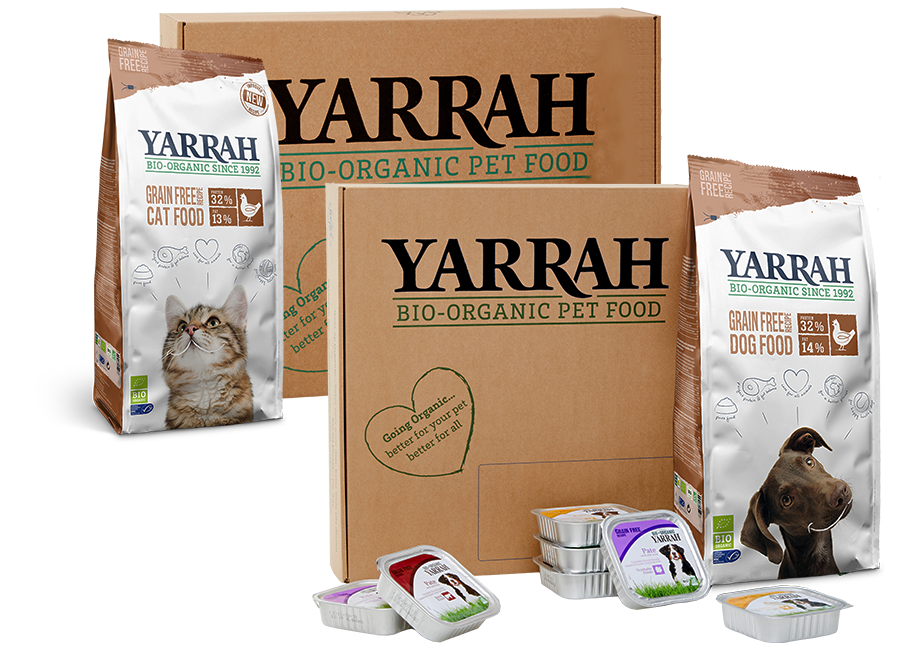
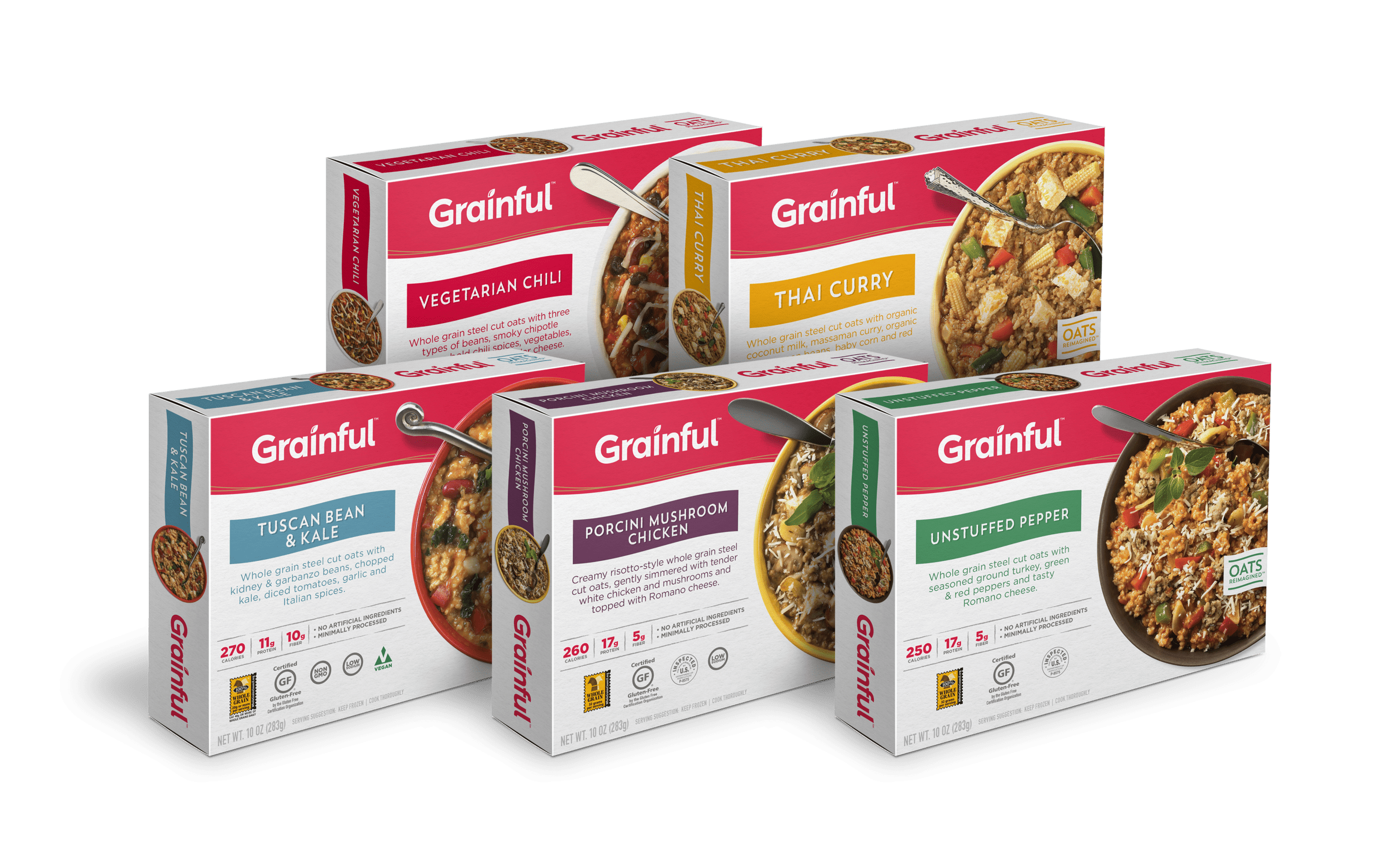
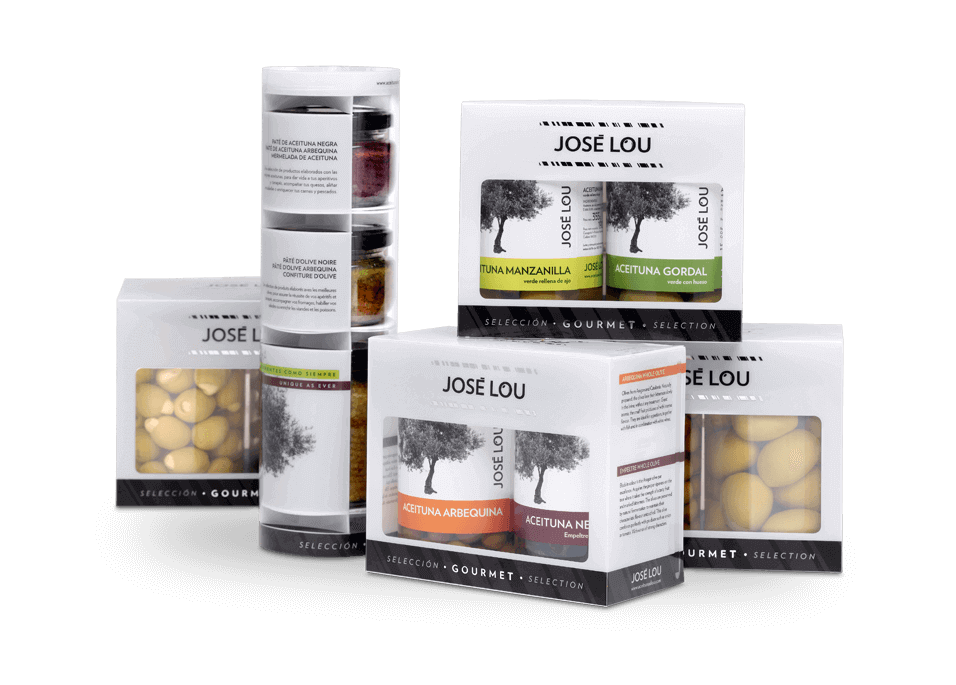
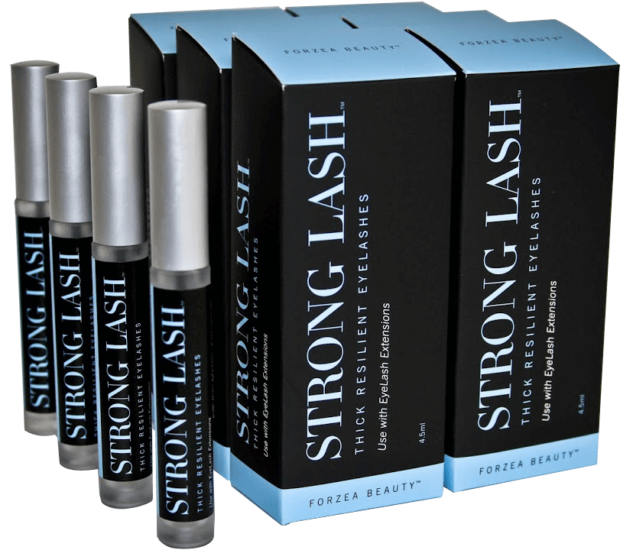
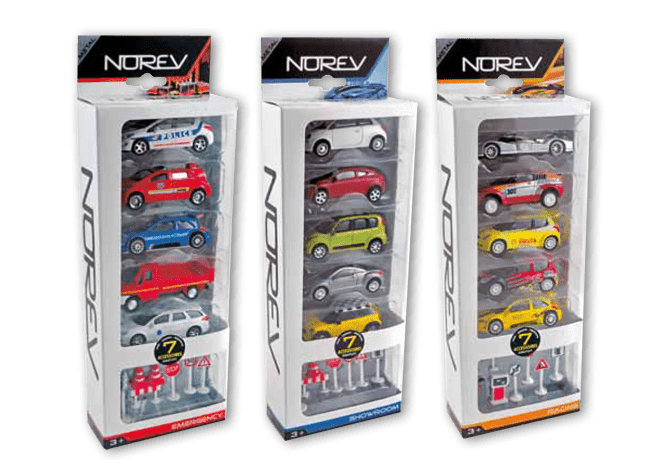
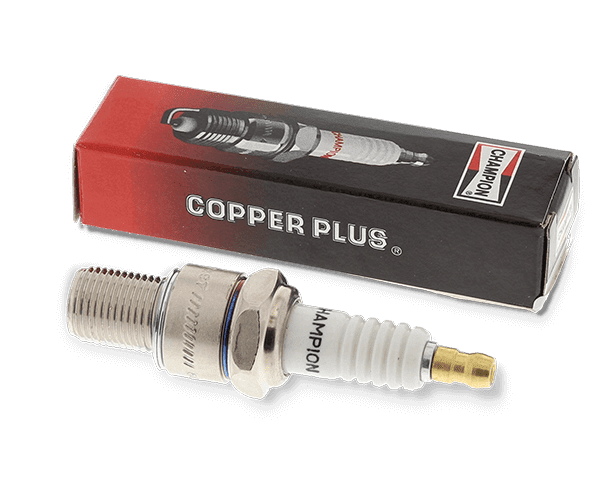
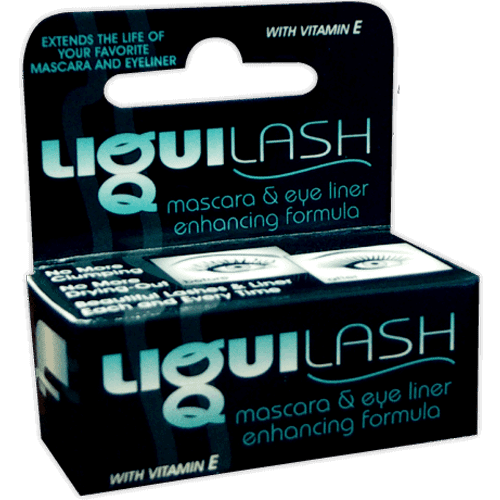
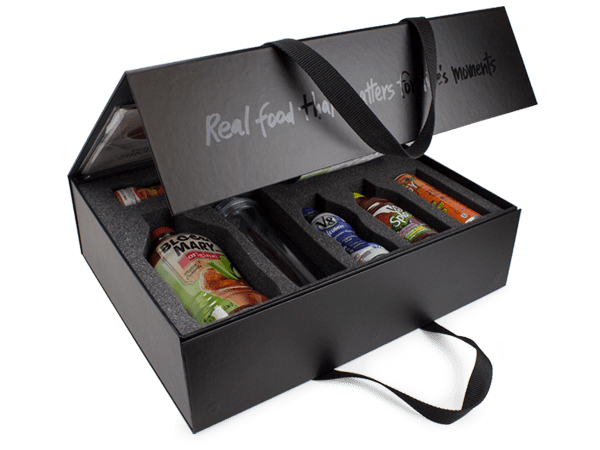
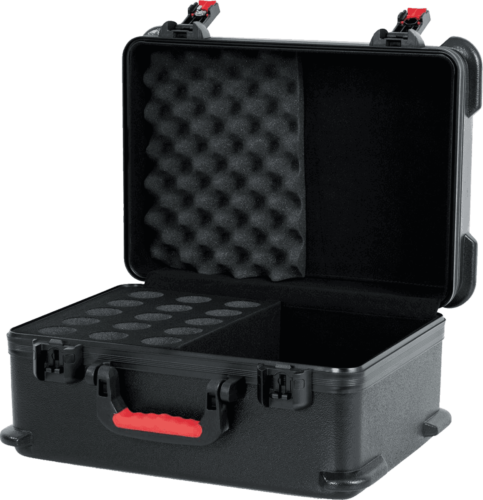
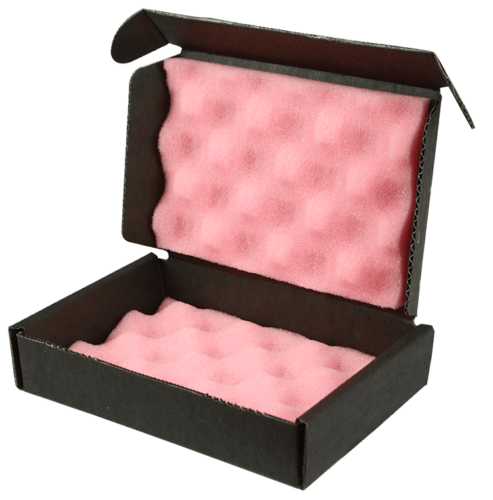
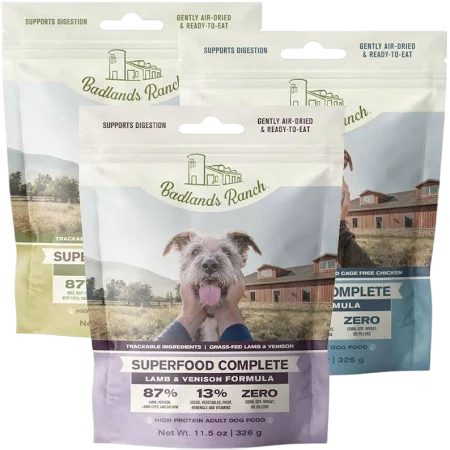
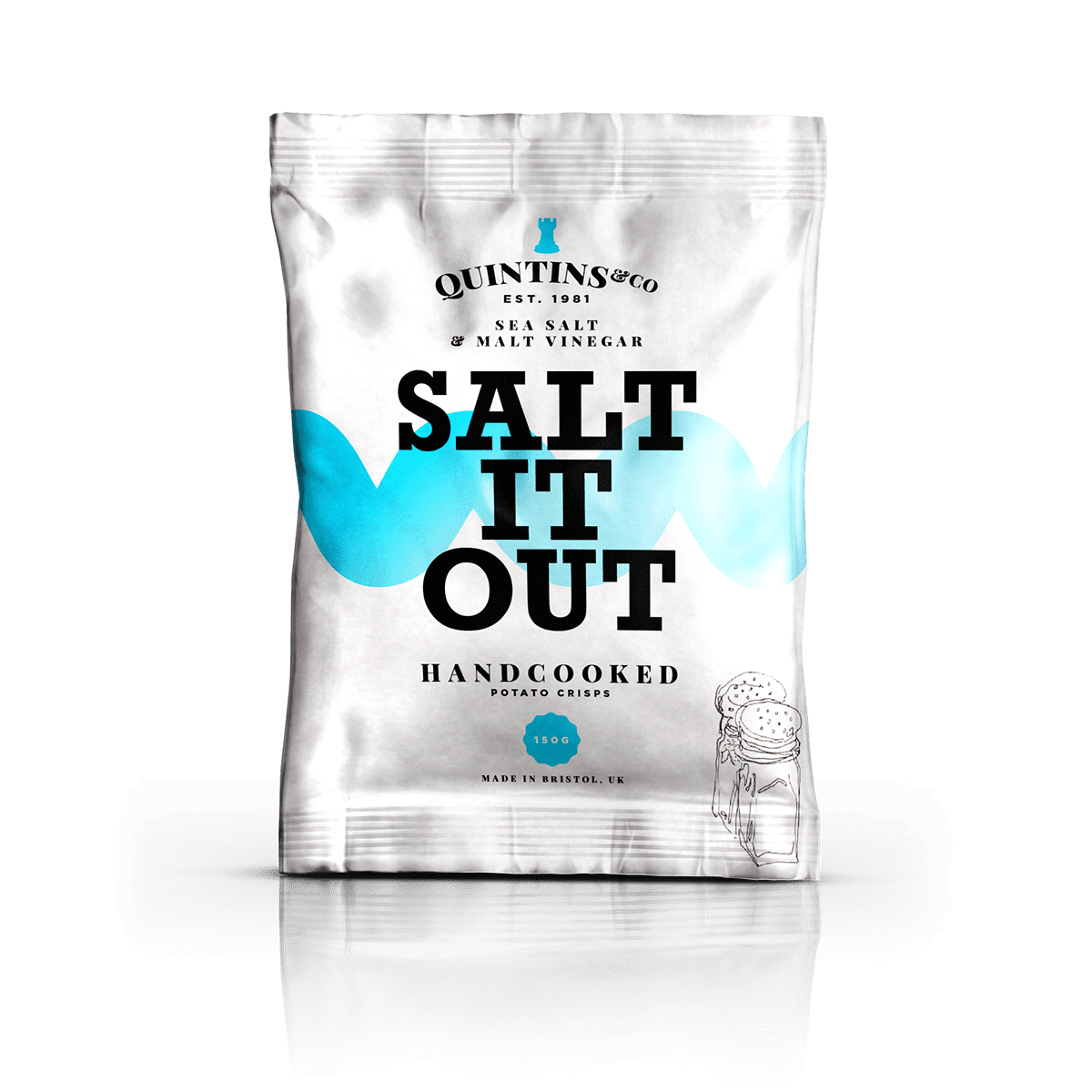
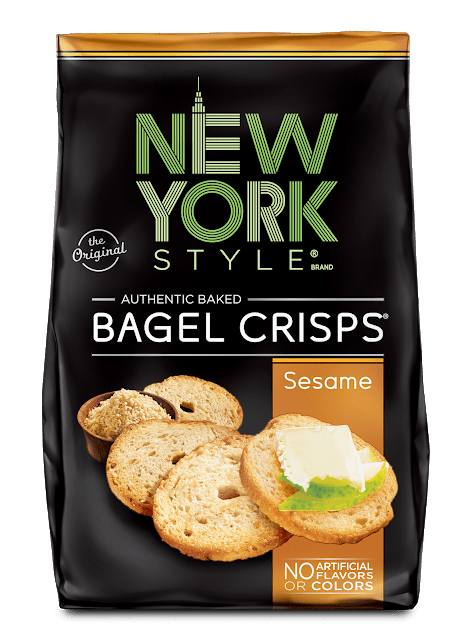
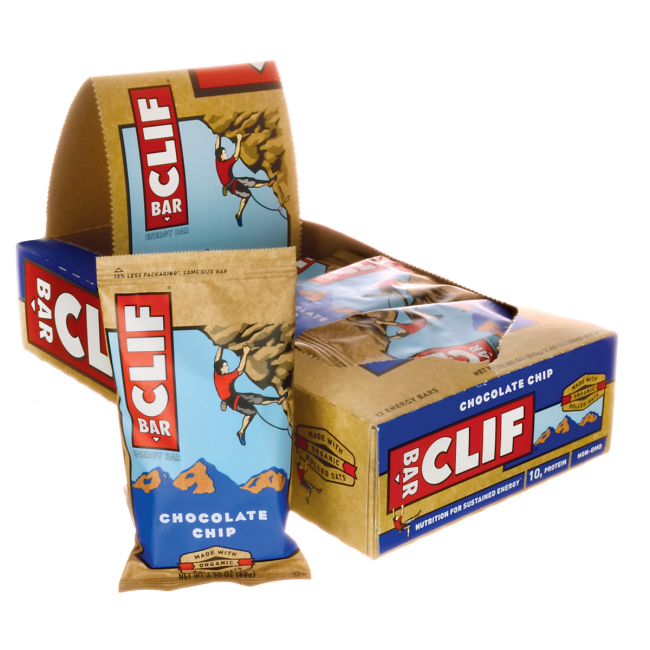
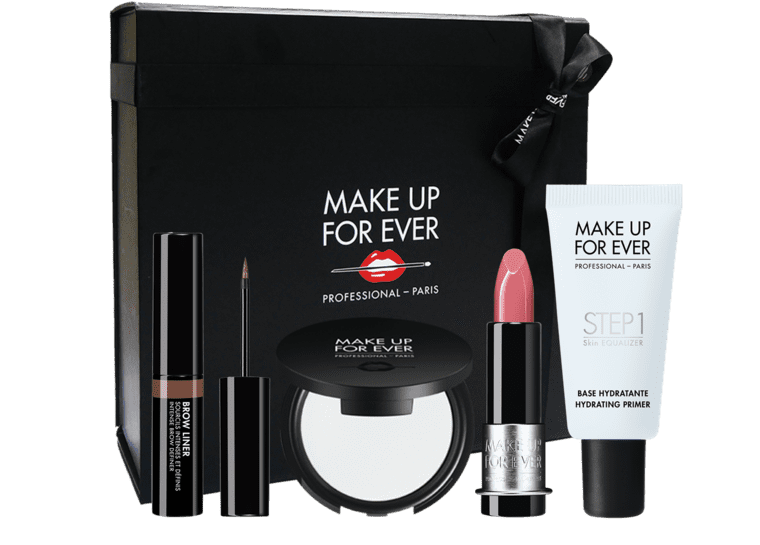
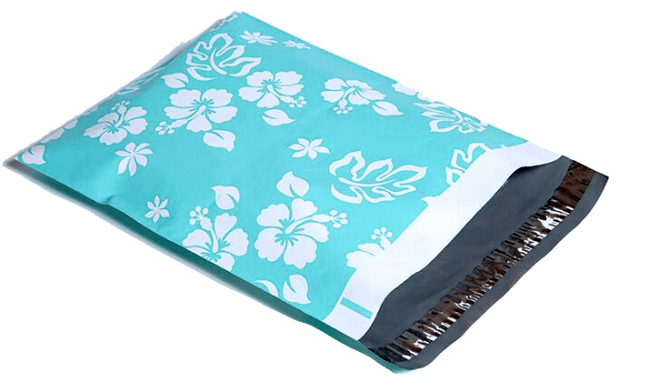
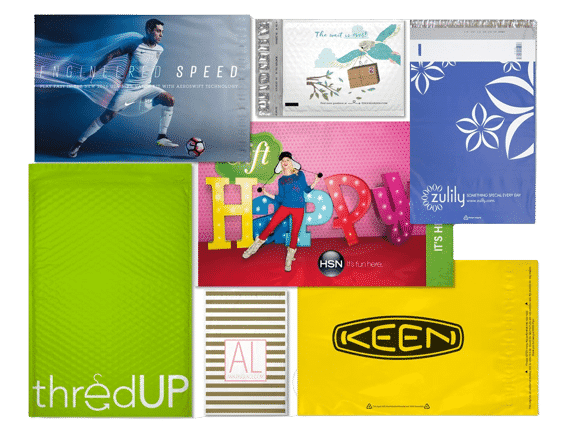
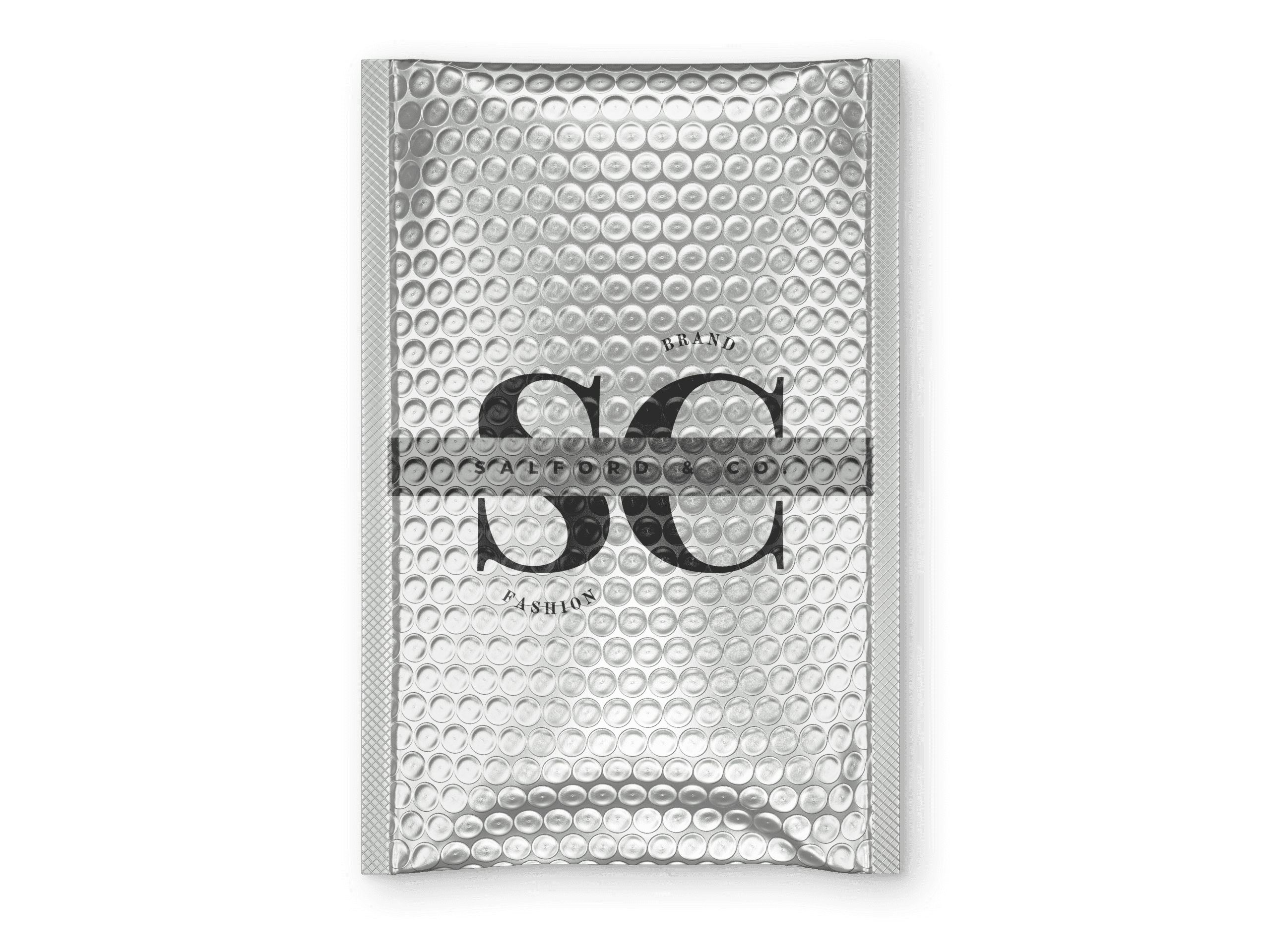
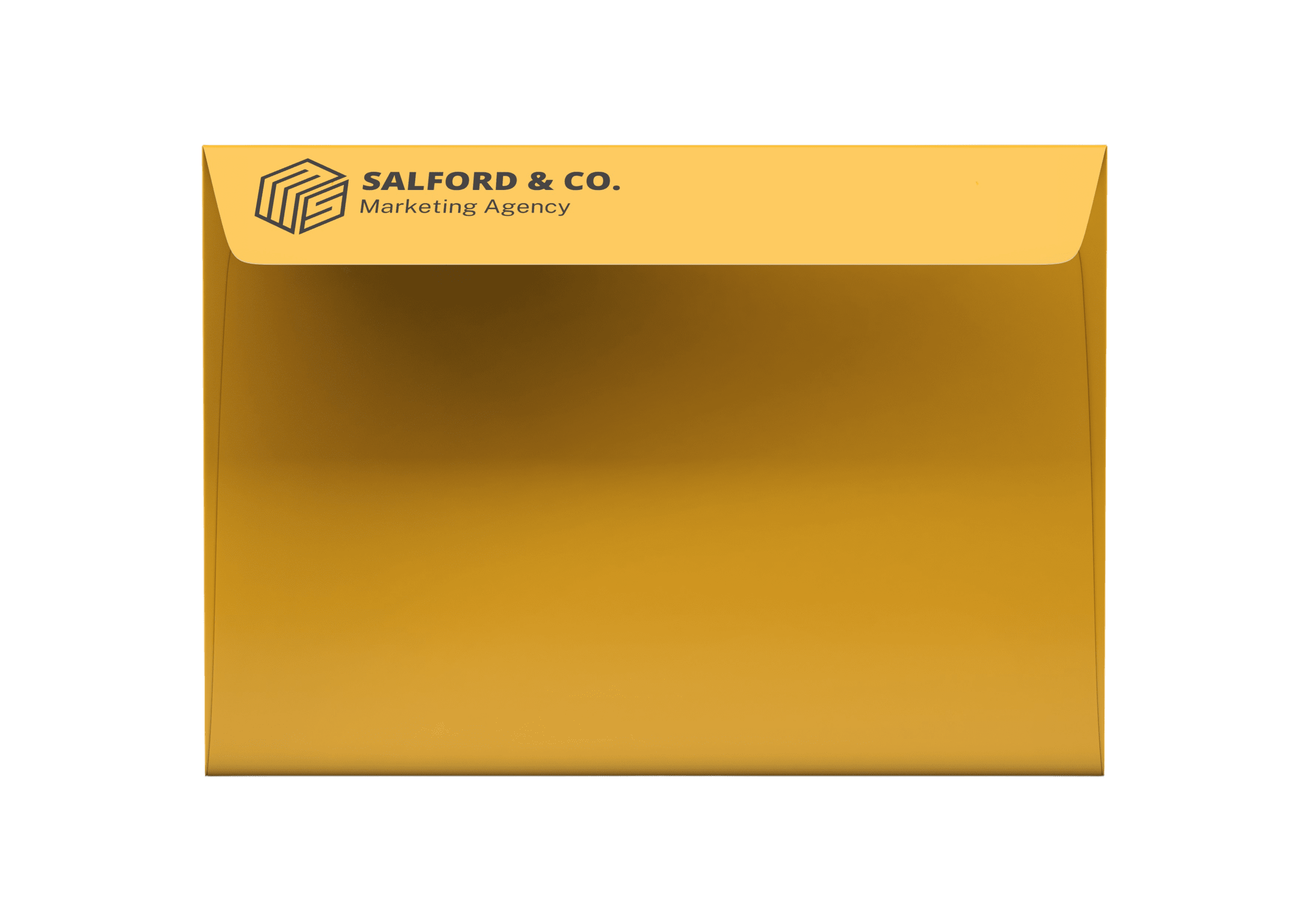
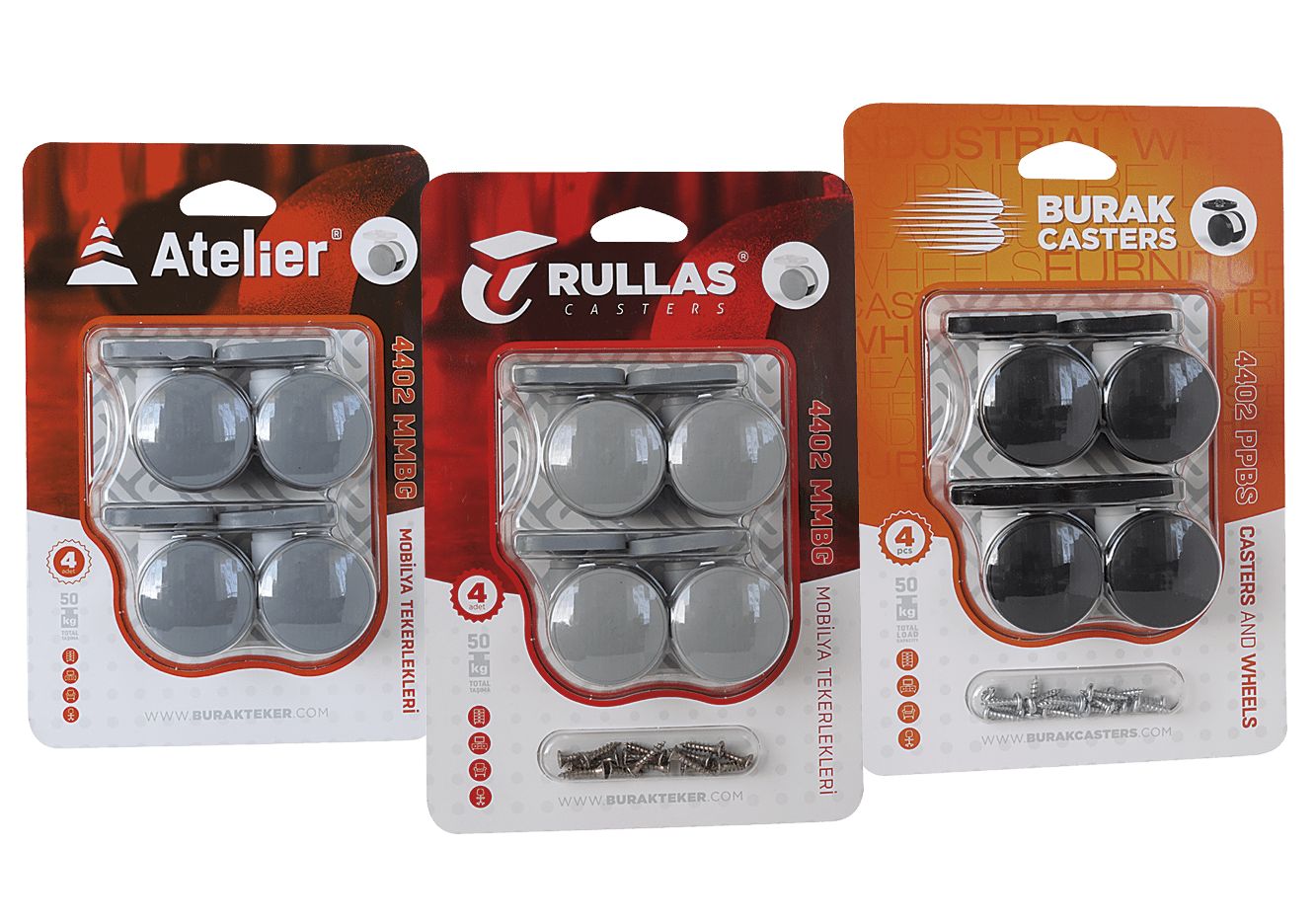
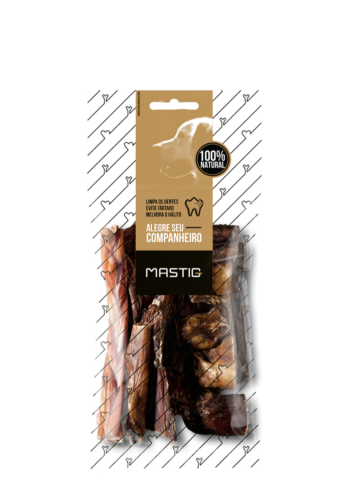
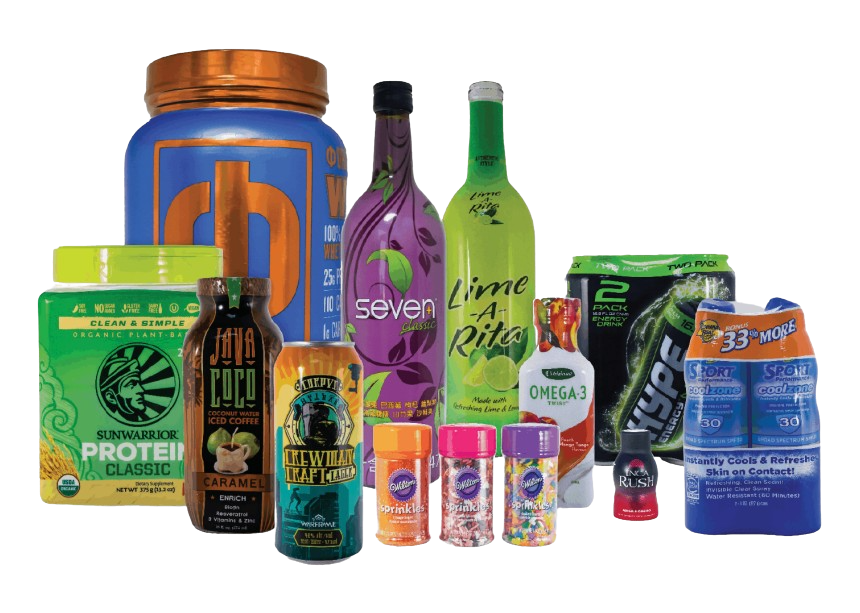
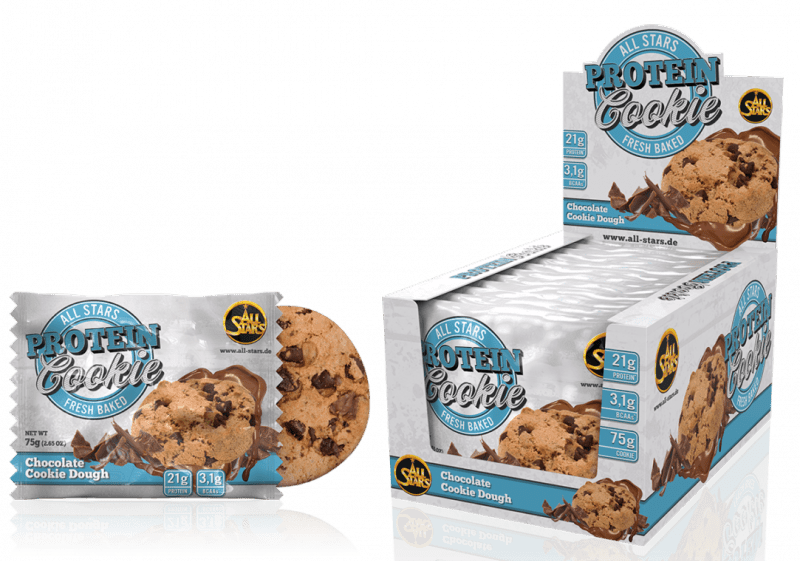
We offer a wide selection of fully customizable packaging products to address any packaging purpose. Customize your packaging product with your logo, brand colors, product information, design, features, and more. If you are unsure on what type of packaging you will need, then contact us for an expert consultation.

Custom packaging is tailored specifically to fit a brand’s unique product requirements, unlike stock packaging, which is pre-made and generic. Custom options allow for precise sizing, materials, and design choices, offering enhanced protection, presentation, and improved efficiency. This personalization makes custom packaging ideal for businesses looking to stand out and create a cohesive brand identity.

At Brown Packaging, our custom packaging solutions are structurally designed to optimize protection, material usage, and sustainability, tailored to meet specific product needs across various applications. We incorporate graphics to reinforce brand identity, ensuring that each package not only protects but also represents your brand effectively. With a focus on durability and functionality, our packaging ensures secure handling for shipping, retail, or storage while supporting sustainability goals.

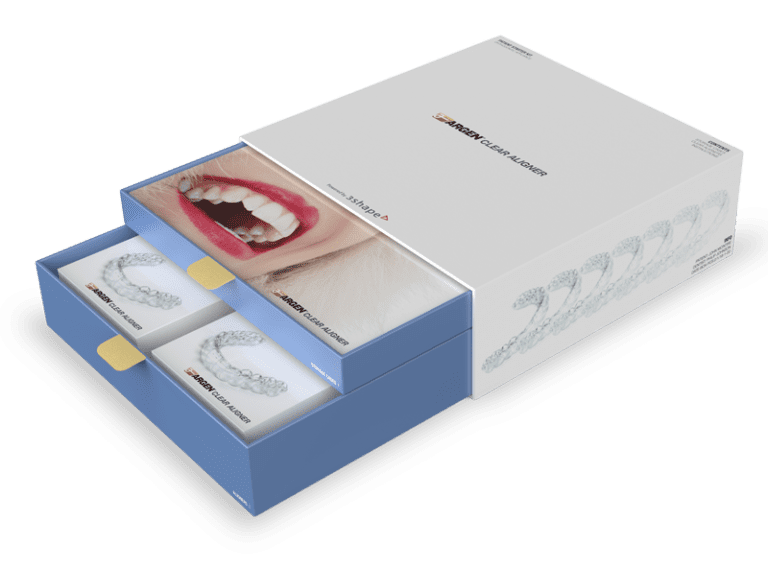
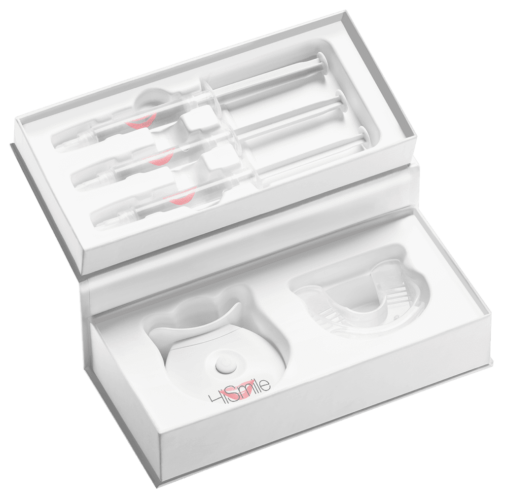
Dental Packaging Match Rigid Box (Slide)

Custom Packaging Products

We offer a variety of custom packaging products and solutions to meet all your packaging needs in one place. You’ll work directly with a dedicated project specialist to customize your package according to your specifications, including branding, features, and design.

Edit Content
Edit Content
Edit Content
Edit Content
Edit Content
Edit Content
Edit Content
Edit Content
Edit Content
Edit Content
Edit Content
Edit Content
Edit Content
Edit Content
Edit Content
Edit Content

If you need any assistance with your packaging or have a question, then contact us directly at request@brownpackaging.com  or  (714)300-0650. Learn more about custom packaging by reading our blog posts on new and trending topics.

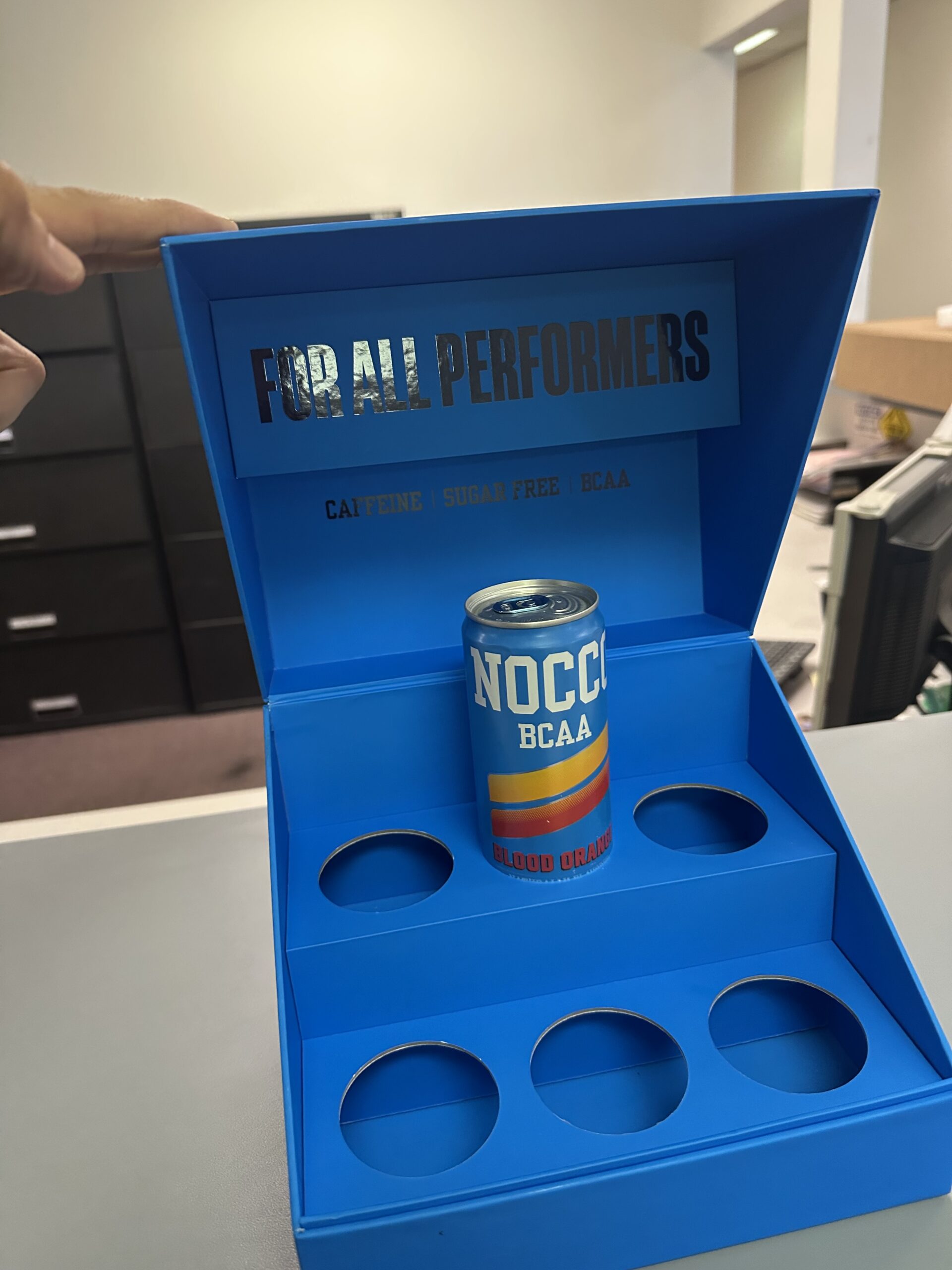
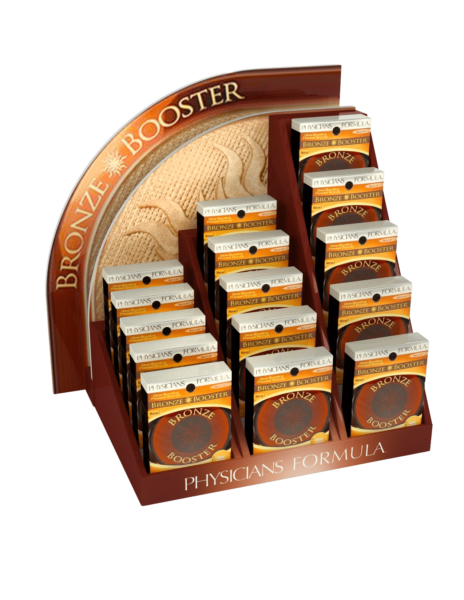
Countertop Display
Display
brownpackaging
Optimizing POP Display Placement for Retail Success

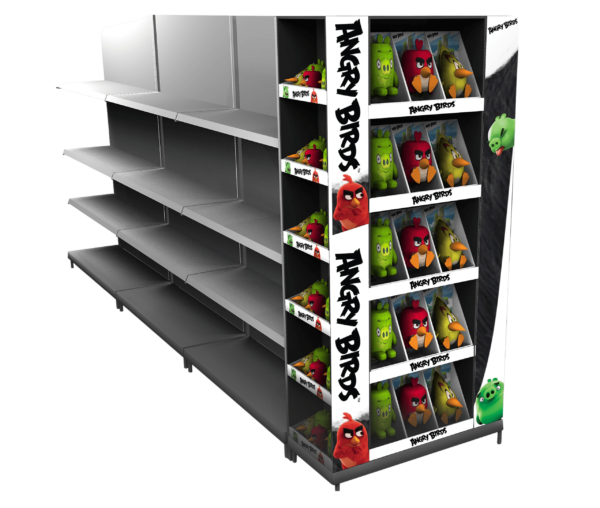
In the retail environment, the placement of Point of Purchase (POP) displays is just as critical as their design and content. Strategic positioning can significantly influence consumer behavior, increase product visibility, and drive sales. This blog explores the importance of strategic placement for POP displays and provides insights on how to maximize their effectiveness through optimal positioning. Understanding Consumer Traffic Flow The effectiveness of a POP display largely depends on its ability to catch the consumer’s eye. To achieve this, retailers must first understand the natural traffic flow within their store. This involves analyzing which areas receive the most foot traffic and where customers pause, browse, or make decisions. Placing POP displays in these high-traffic or high-engagement zones can increase the likelihood of interaction and purchase. Prime Locations for POP Displays Near the Entrance Placing POP displays near the entrance captures the attention of customers as soon as they enter the store. This position can be used to promote new arrivals, seasonal items, or special offers, setting the tone for the shopping experience. At the End of Aisles The end of an aisle, or endcap, is a premium spot for POP displays. As customers navigate the aisles, endcaps serve as focal points that draw their gaze. These locations are ideal for showcasing bestsellers, promotional items, or products that benefit from high visibility. Checkout Areas The checkout area is a hotspot for impulse buys. While customers wait in line, they are more likely to browse and pick up additional items. POP displays placed near or around the checkout can capitalize on this by featuring small, easy-to-decide-on products. Transition Zones Areas where customers transition from one part of the store to another, such as the entrance to a specialty section, are strategic for placement. These locations can be leveraged to introduce customers to products or deals that relate to their shopping journey. Integrating Placement with Store Layout Effective POP display placement should feel organic and integrate seamlessly with the overall store layout. Displays should not obstruct the flow of traffic or overwhelm customers but should enhance the shopping experience by being both informative and persuasive. The Role of Visibility and Accessibility Visibility is paramount in effective POP display placement. Displays should be positioned at eye level or in direct line of sight to ensure they are not overlooked. Additionally, products on the display should be easily accessible; customers should be able to interact with the products without any hindrance. Using Data-Driven Insights for Placement Decisions Leveraging sales data and customer behavior analytics can provide valuable insights into where POP displays would be most effective. A/B testing different placements can also help determine the most impactful locations based on actual customer interaction and sales conversion rates. Conclusion The strategic placement of POP displays is a critical component in maximizing their effectiveness. By understanding customer behavior, leveraging high-traffic locations, and ensuring visibility and accessibility, retailers can significantly enhance the impact of their POP displays. Thoughtful placement, combined with compelling design and relevant content, ensures that POP displays are not just seen but are also effective in driving purchases. If you are interested in POP displays, then partner with Brown Packaging today to get started. (714)300-0650 request@brownpackaging.com Most Recent Posts: Categories: Corrugated Ecommerce ESD Design Display Flexible Packaging Foam Folding Carton Packaging Plastic Packaging Pouch Printing Protection Retail Rigid Box Thermoform Sustainability Subscribe To Our Newsletter By submitting your information, you agree to our terms and conditions and privacy policy. POP Display Facebook Twitter LinkedIn Pinterest Relevant Posts

Read More »
9 Top Foam Packaging Trends for 2025
Foam
brownpackaging
Foam Density Selection for Heavy vs. Light Products

Choosing the right foam density isn’t about “soft” versus “hard” — it’s about controlling shock transmission and matching the foam’s cushioning curve to the product’s fragility. Using the wrong density can cause more damage than using no foam at all. Understanding Foam Density Definition: Density is the mass per unit volume (lb/ft³ or kg/m³) and directly affects stiffness, energy absorption, and weight. Not the Same as Firmness: Firmness (indentation force deflection) can vary independently of density depending on foam chemistry. How Density Affects Shock Absorption Low-Density Foam: Better for light, delicate products where over-compression could cause crushing. May bottom out under heavy loads, losing protection. High-Density Foam: Better for heavy items, spreading impact force over a longer deceleration period. Can be too stiff for fragile, lightweight products, causing rebound shock. Product Fragility For fragile electronics (fragility rating ~30–50 G), choose foam that keeps transmitted forces below the product limit. For rugged machinery parts (~100+ G), higher density foam can provide adequate protection with minimal thickness. Environmental Factors Temperature Sensitivity: Some foams stiffen in cold storage, increasing G-force transmission. Moisture Uptake: Certain foams lose energy absorption properties when saturated. Testing and Standards ASTM D1596: Determines cushioning characteristics of packaging materials. ASTM D4168: Measures shock cushioning performance in simulated transit. Best Practices for Selection Always test with actual product weight and packaging configuration. Avoid relying solely on density — evaluate density + cushioning curve together. Consider hybrid solutions, such as layering low- and high-density foams for mixed load shipments. References ASTM International. (2014). ASTM D1596-14: Standard test method for dynamic shock cushioning characteristics of packaging materials. ASTM International. https://www.astm.org/d1596-14.htmlASTM International. (2014). ASTM D4168-14: Standard test method for transmitting shock through packaging materials. ASTM International. https://www.astm.org/d4168-14.html (714)300-0650 request@brownpackaging.com Most Recent Posts: Categories: Corrugated Ecommerce ESD Design Display Flexible Packaging Foam Folding Carton Packaging Plastic Packaging Pouch Printing Protection Retail Rigid Box Thermoform Sustainability Subscribe To Our Newsletter By submitting your information, you agree to our terms and conditions and privacy policy. Custom Foam Facebook Twitter LinkedIn Pinterest Relevant Posts

Read More »
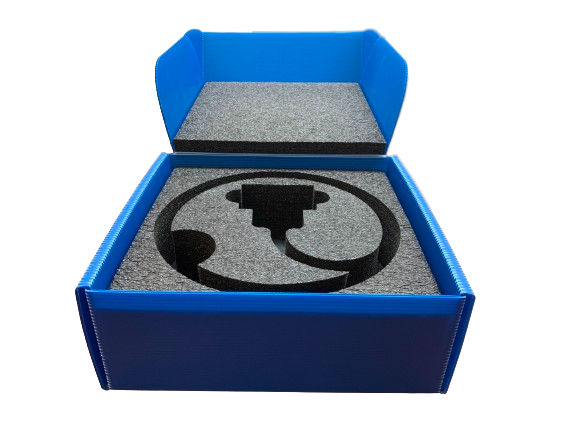
Corrugated plastic REFT with Black Foam insert
Packaging
brownpackaging
Moisture Resistance and Dimensional Stability in Inserts

Moisture resistance and dimensional stability are critical performance factors for custom inserts, especially when products are shipped or stored in variable climates. Both foam and corrugated materials react differently to humidity, temperature, and long-term environmental exposure, which can impact product fit, cushioning performance, and structural integrity. Impact of Humidity on Corrugated Inserts Corrugated fiberboard is hygroscopic, meaning it naturally absorbs and releases moisture from the surrounding air. This affects compression strength, warping, and dimensional accuracy. In high-humidity environments, standard kraft liners can lose up to 50% of their stacking strength. Coatings, wax treatments, or the use of water-resistant adhesives (meeting TAPPI T-829 standards) can improve performance. Foam Behavior in Moist Environments Closed-cell foams, such as polyethylene (PE) and cross-linked polyethylene (XLPE), resist water absorption and retain their shape under exposure to moisture. Open-cell foams, like polyurethane (PU), are more prone to water ingress, leading to swelling, microbial growth, and loss of cushioning capacity. For products with moisture sensitivity, designers often specify closed-cell foams or integrate vapor-barrier laminations. Dimensional Stability Under Temperature Shifts Foam inserts, particularly those with high thermal expansion coefficients, can either loosen or increase compression on the product. Testing under ASTM D4332 (conditioning) ensures the insert maintains performance across the expected temperature range. Combined Material Designs When foam and corrugated are combined in a hybrid insert, dimensional stability depends on matching materials with similar expansion and contraction profiles. Mismatched materials can cause warping or delamination over time. Selecting adhesives that remain flexible in varying humidity is critical for long-term stability. Designing for Real-World Conditions Inserts should be designed and tested to withstand the extremes of their distribution cycle — from humid seaports to dry inland warehouses. This may involve ISTA 3A/6A testing protocols combined with accelerated aging tests to simulate months of exposure within a compressed timeframe. References American Society for Testing and Materials. (2014). ASTM D4332-14: Standard Practice for Conditioning Containers, Packages, or Packaging Components for Testing. https://doi.org/10.1520/D4332-14International Safe Transit Association. (2018). ISTA 3A Packaged-Products for Parcel Delivery System Shipment 70 kg (150 lb) or Less. https://ista.org/TAPPI. (2023). T-829 Water Resistance of Paperboard by Wax Treatment. https://www.tappi.org/content/store/shared/T829.htmlSoroka, W. (2016). Fundamentals of Packaging Technology (5th ed.). Institute of Packaging Professionals. Key Compliance Requirements Structural standards: Packaging must meet durability and palletization guidelines. Labeling accuracy: GS1-compliant barcodes and proper product details. Sustainability mandates: FSC certification or recyclability requirements from major retailers. Testing protocols: ISTA or ASTM performance tests to validate protection. Packaging Solutions with Brown Packaging Brown Packaging partners with companies to design packaging that meets retailer requirements. From GS1 labeling to FSC-certified materials and ISTA-tested corrugated, we help buyers reduce chargebacks and protect retail relationships. Contact us to improve your retail compliance program. References GS1. (2024). Global Standards for Packaging and Labeling. Retrieved from https://www.gs1.orgInternational Safe Transit Association (ISTA). (2023). ISTA Testing Procedures for Transport Packaging. Retrieved from https://ista.orgForest Stewardship Council (FSC). (2023). FSC Packaging Certification Guidelines. Retrieved from https://fsc.org (714)300-0650 request@brownpackaging.com Most Recent Posts: Subscribe To Our Newsletter By submitting your information, you agree to our terms and conditions and privacy policy. Custom Inserts Facebook Twitter LinkedIn Pinterest Relevant Posts

Read More »