

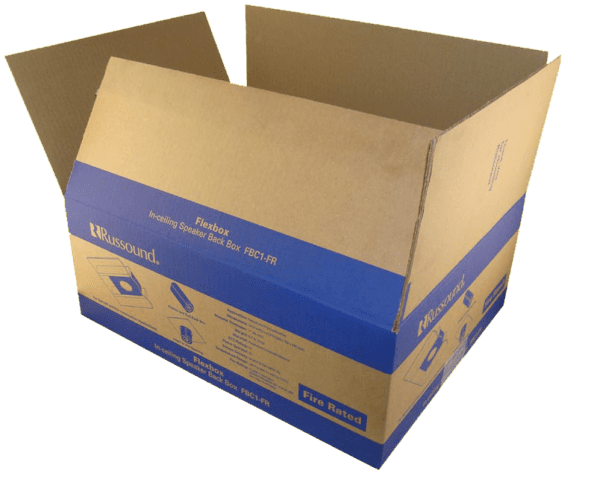

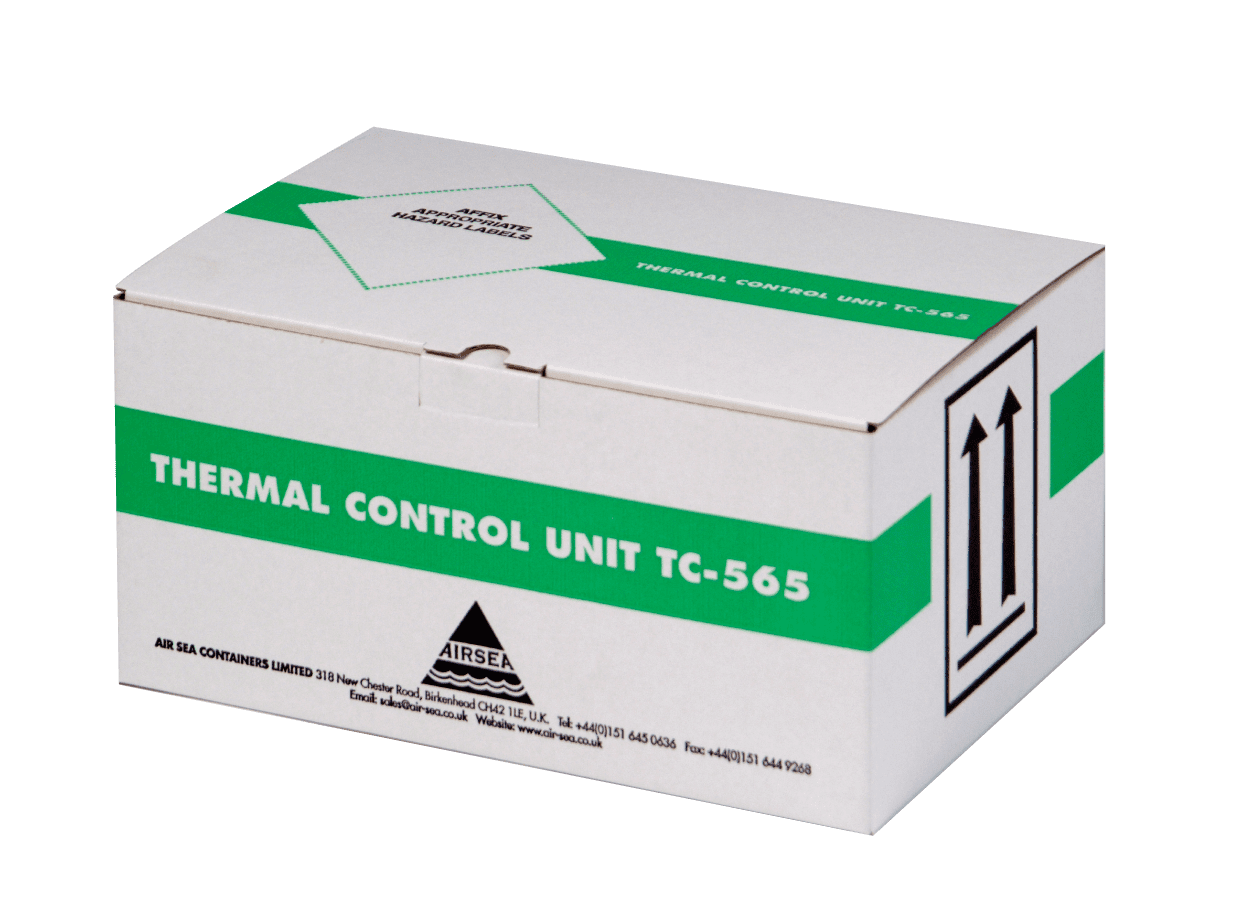
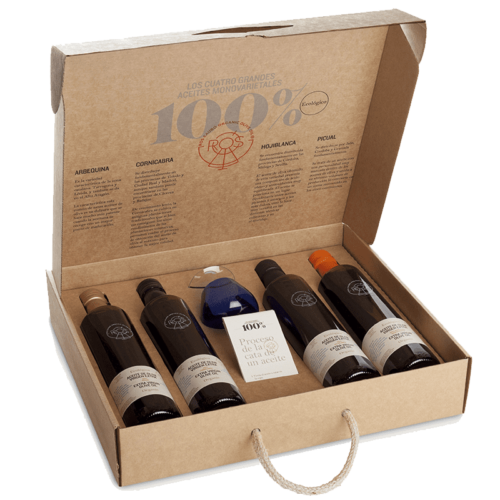
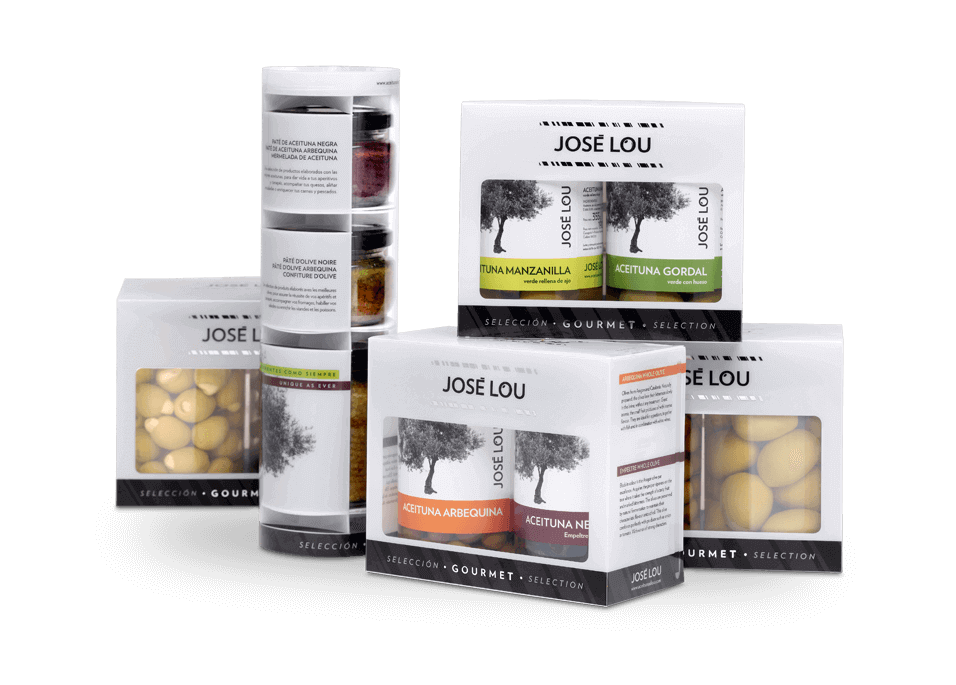







Custom Packaging
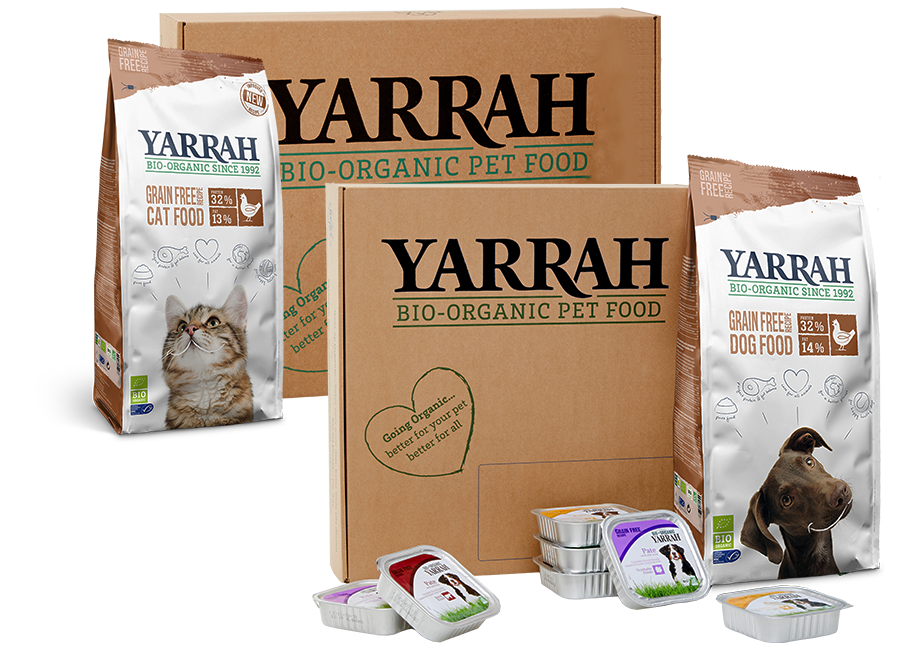
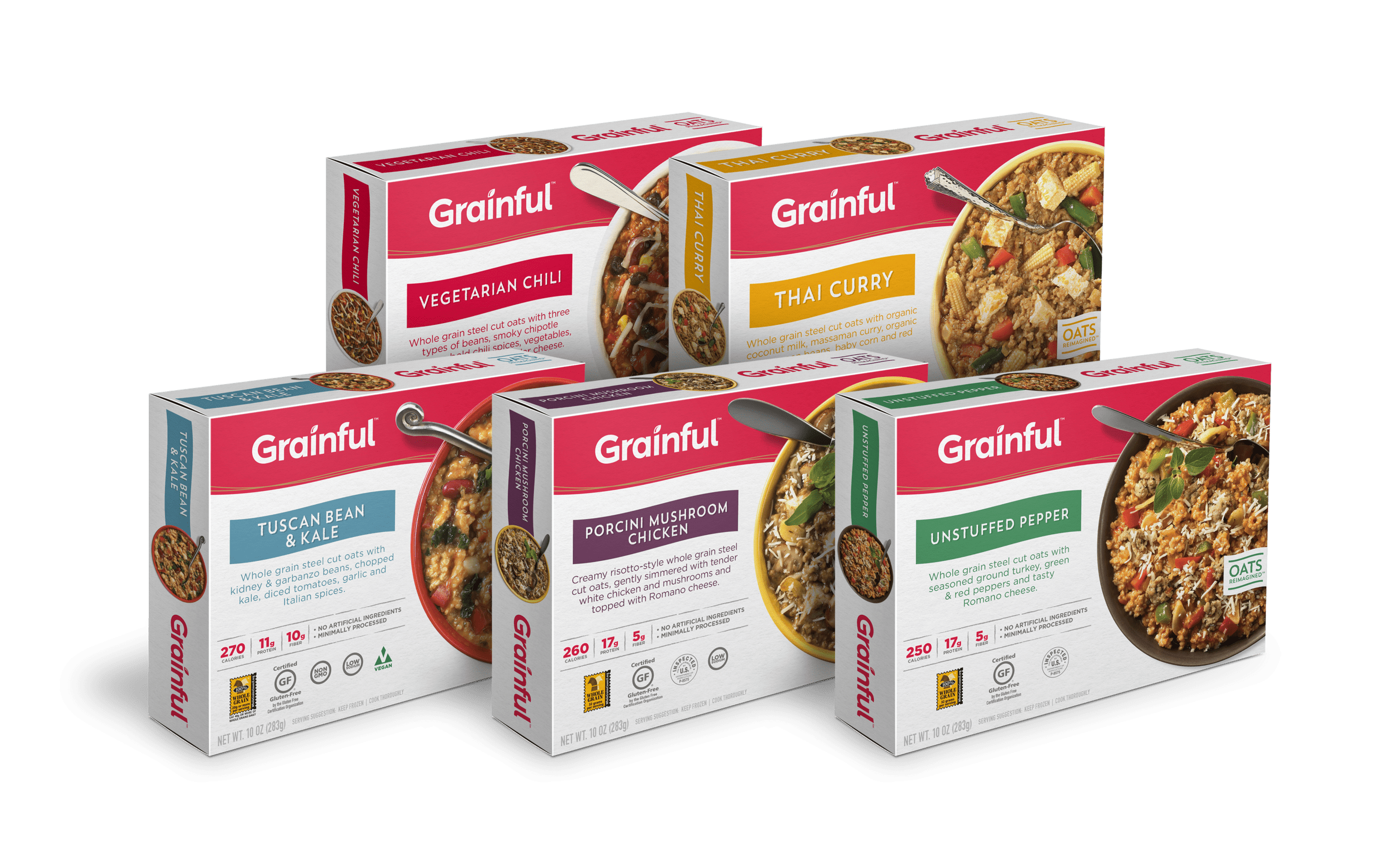
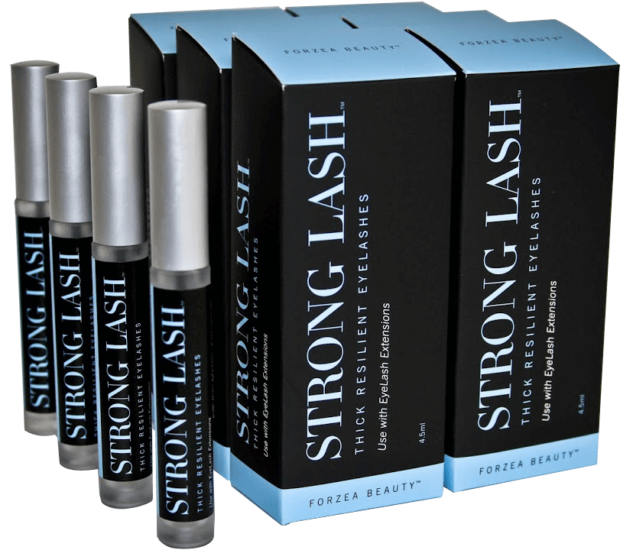
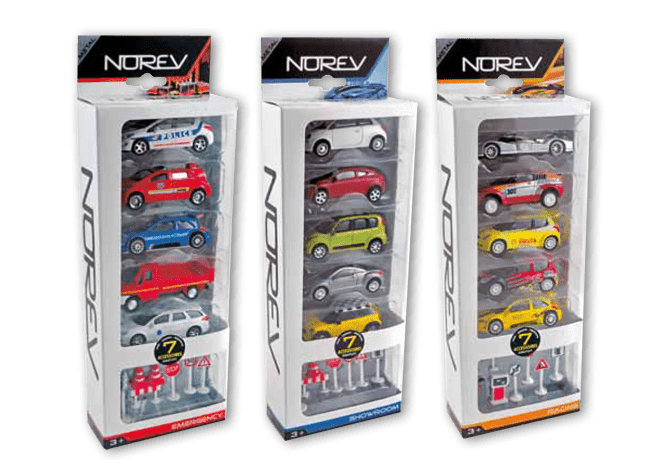
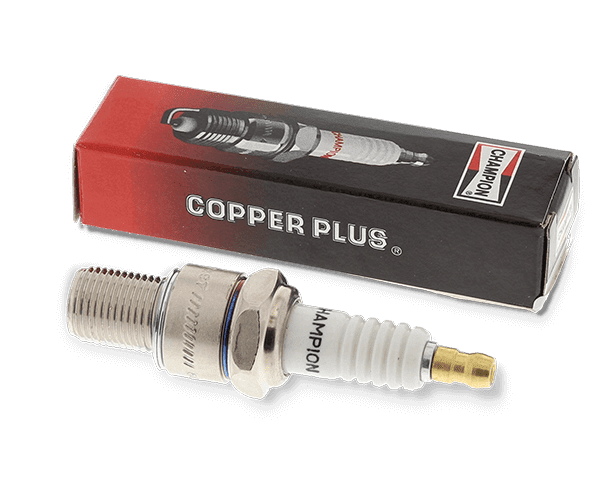
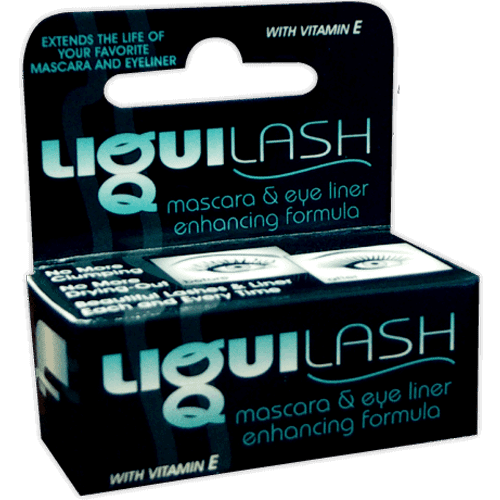
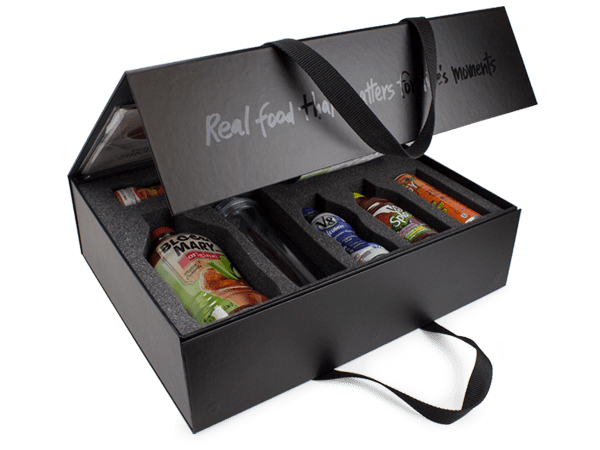
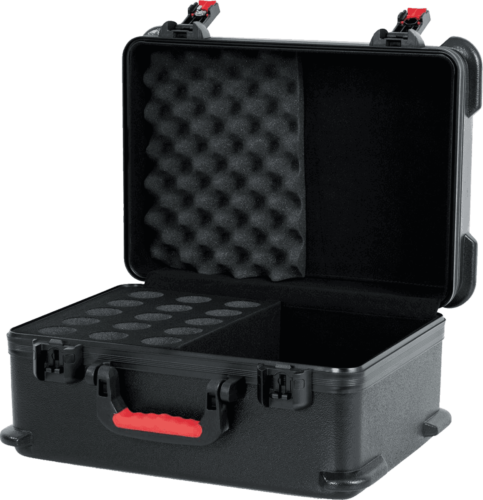
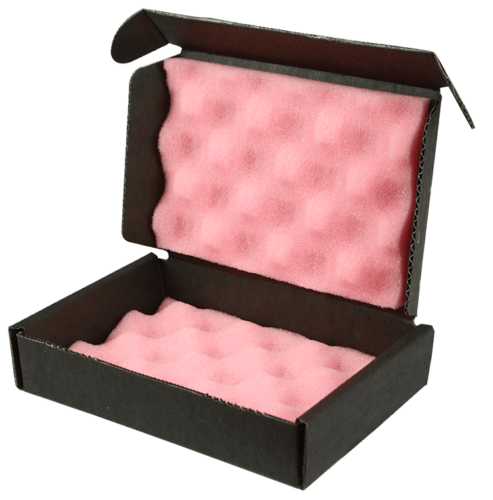
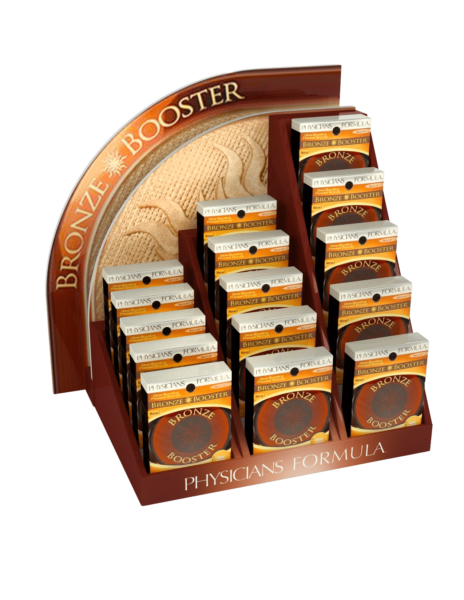
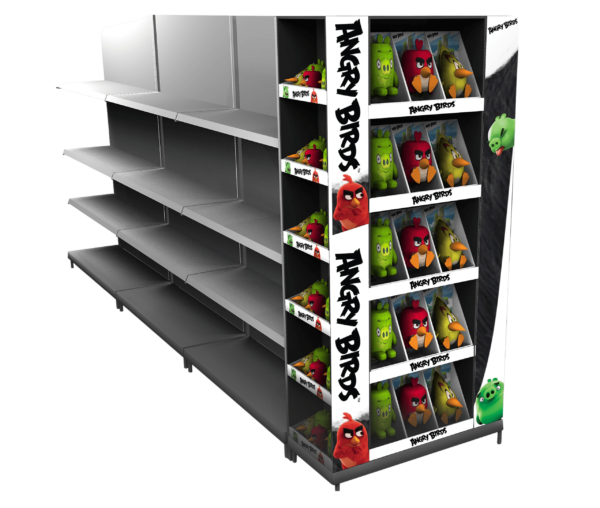
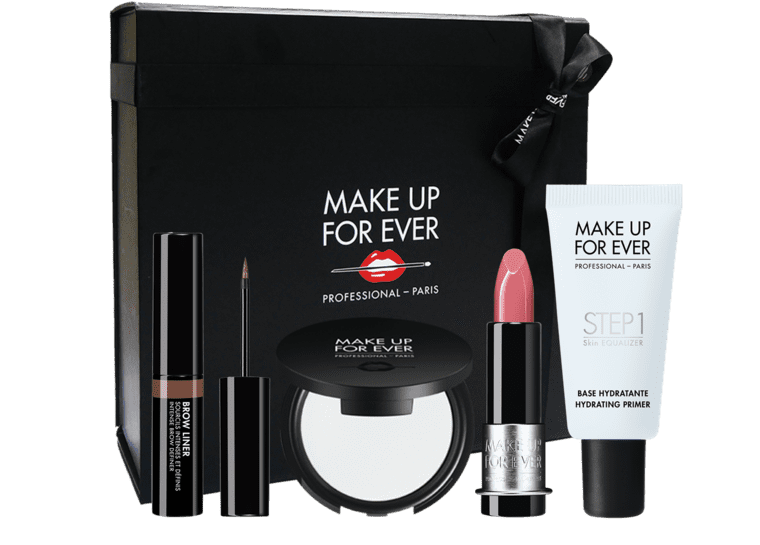
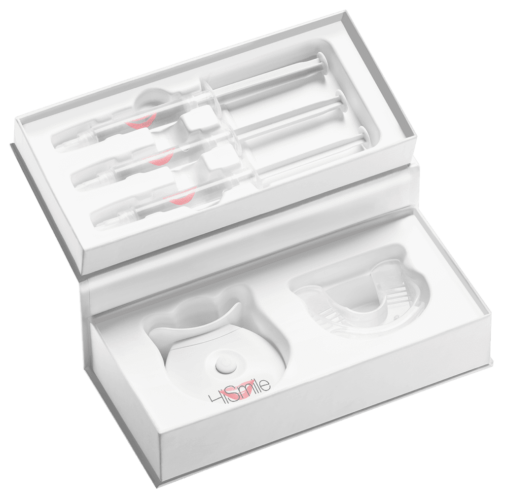
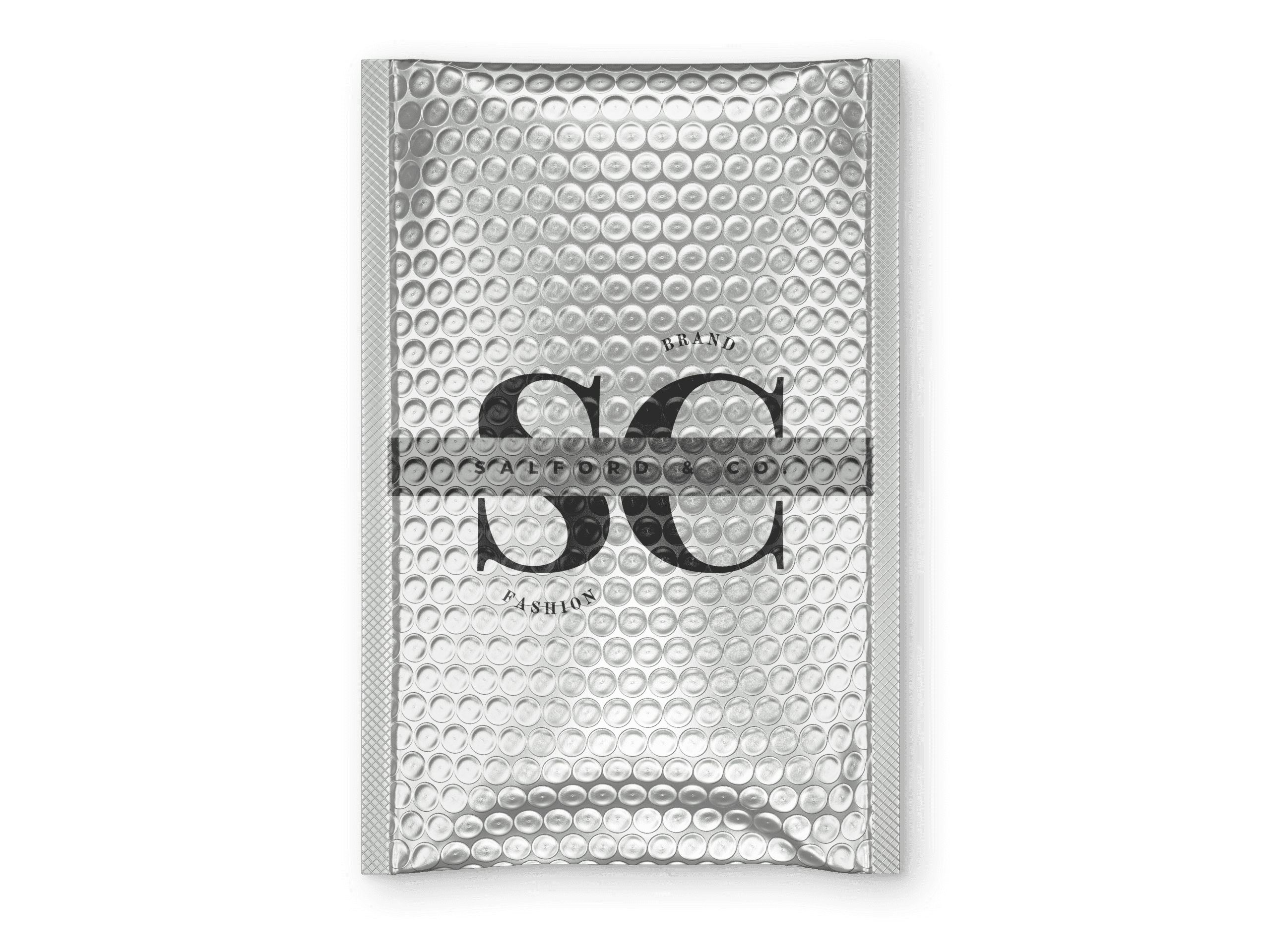
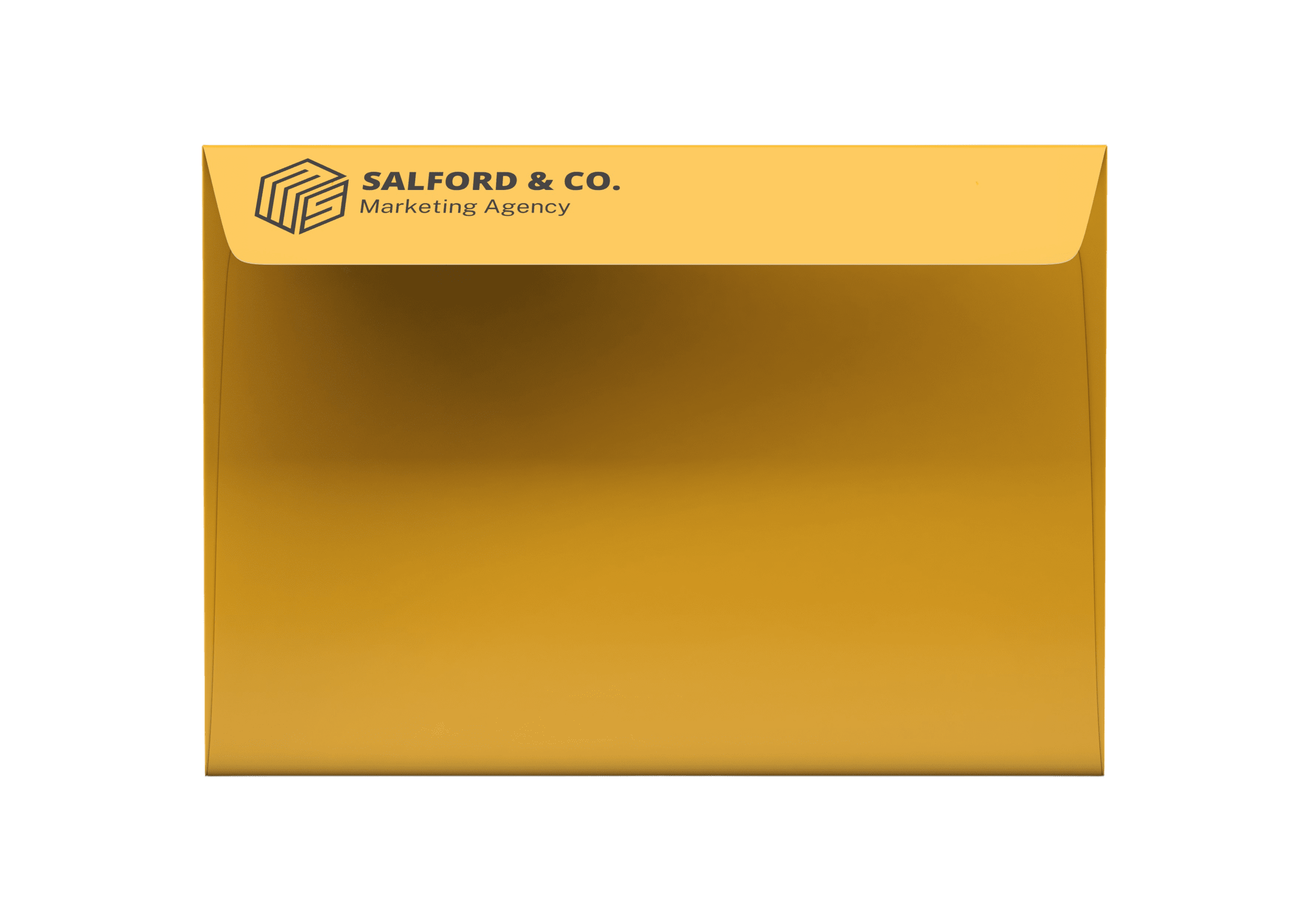
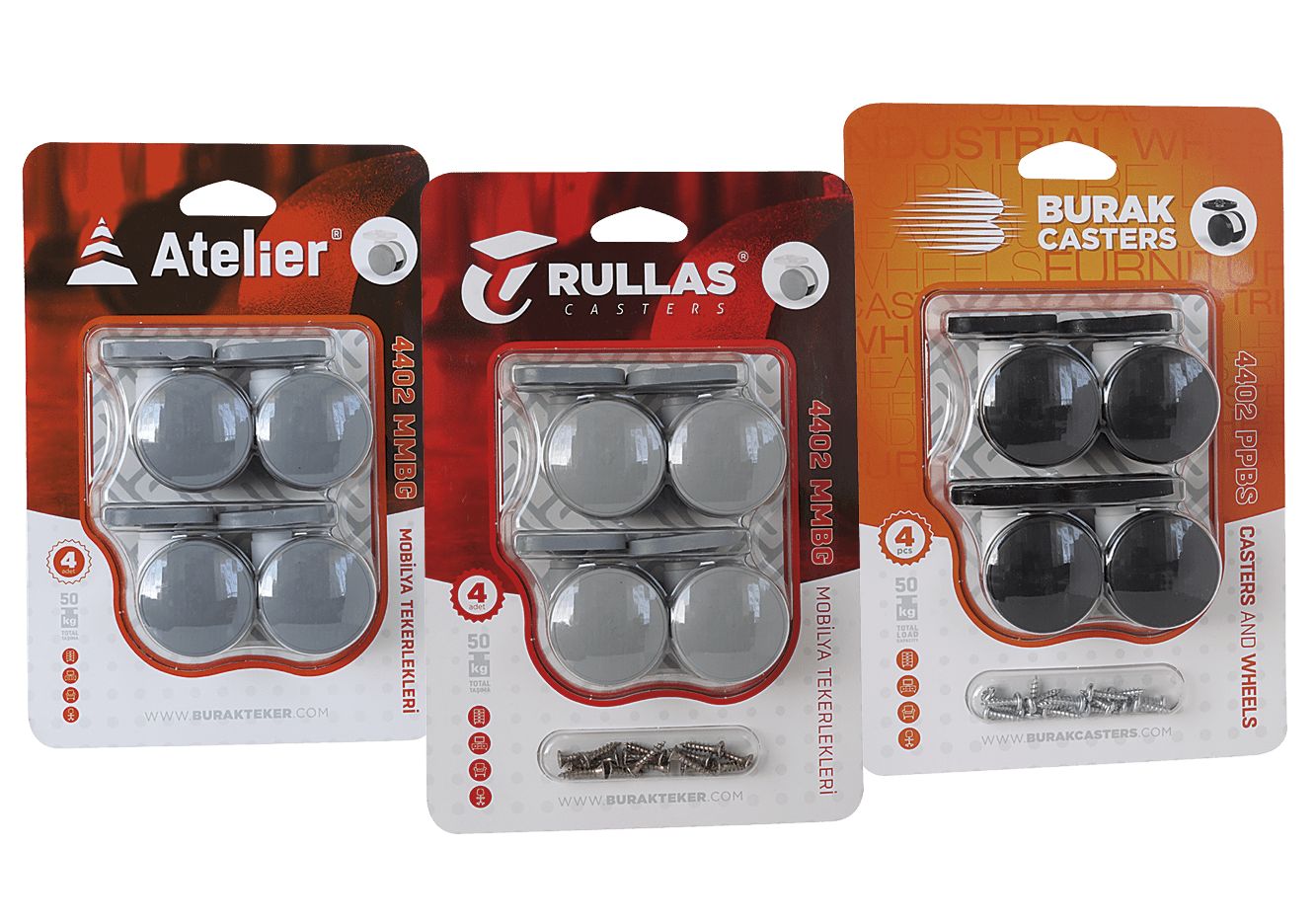
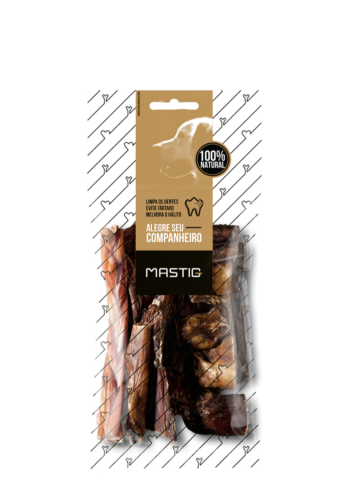
We offer a wide selection of fully customizable packaging products to address any packaging purpose. Customize your packaging product with your logo, brand colors, product information, design, features, and more. If you are unsure on what type of packaging you will need, then contact us for an expert consultation.


Custom packaging is tailored specifically to fit a brand’s unique product requirements, unlike stock packaging, which is pre-made and generic. Custom options allow for precise sizing, materials, and design choices, offering enhanced protection, presentation, and improved efficiency. This personalization makes custom packaging ideal for businesses looking to stand out and create a cohesive brand identity.
At Brown Packaging, our custom packaging solutions are structurally designed to optimize protection, material usage, and sustainability, tailored to meet specific product needs across various applications. We incorporate graphics to reinforce brand identity, ensuring that each package not only protects but also represents your brand effectively. With a focus on durability and functionality, our packaging ensures secure handling for shipping, retail, or storage while supporting sustainability goals.
Custom Packaging Products
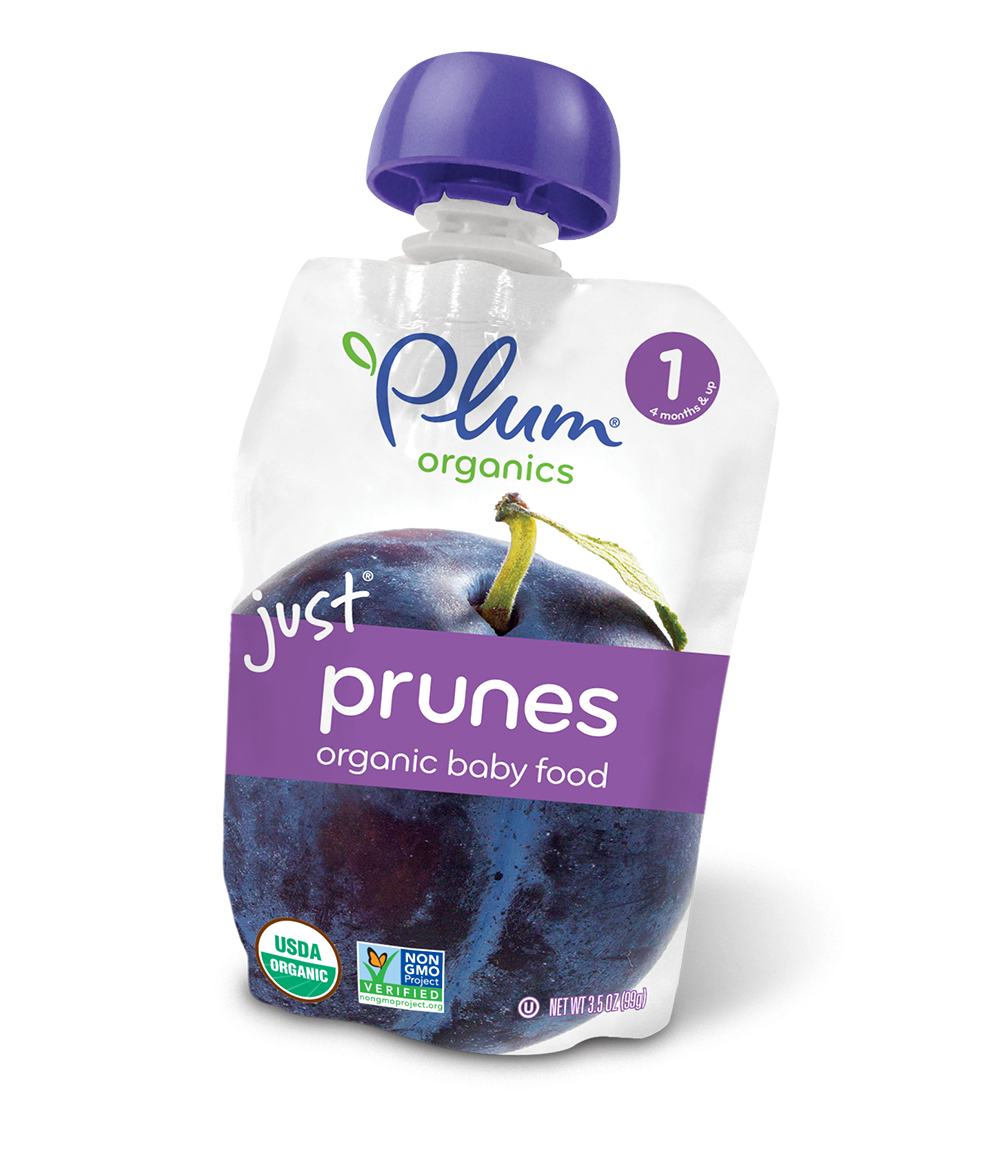
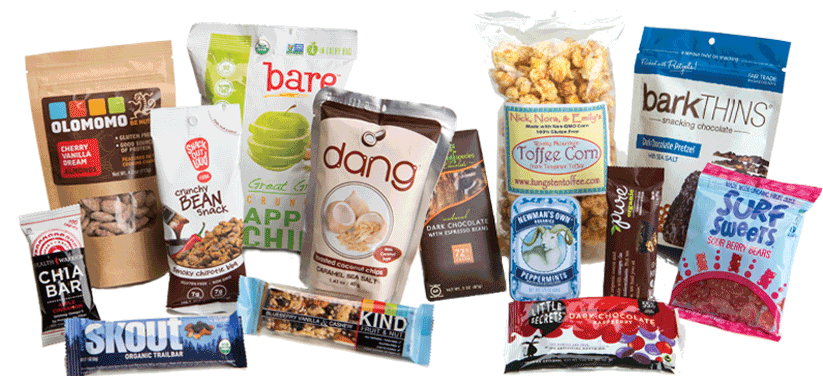
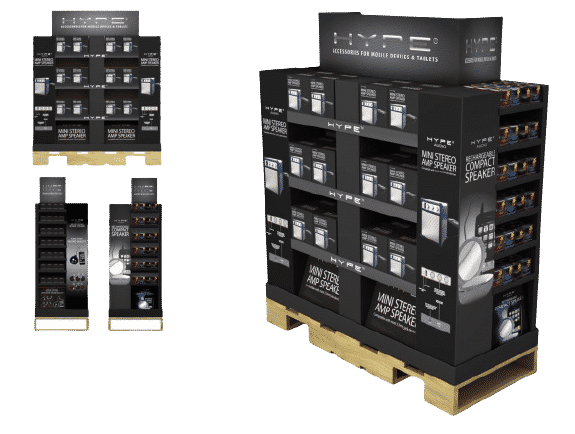
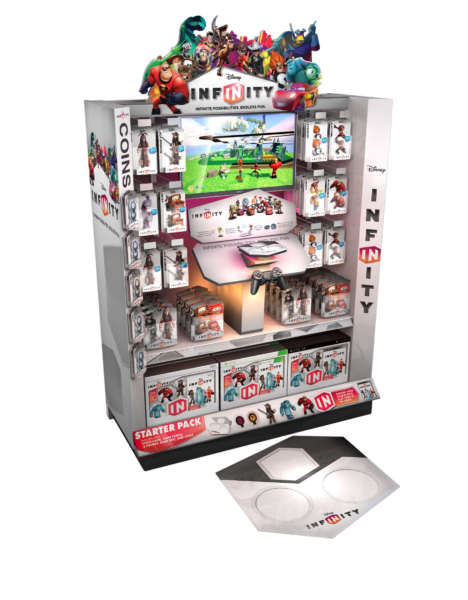
We offer a variety of custom packaging products and solutions to meet all your packaging needs in one place. You’ll work directly with a dedicated project specialist to customize your package according to your specifications, including branding, features, and design.


If you need any assistance with your packaging or have a question, then contact us directly at request@brownpackaging.com or (714)300-0650. Learn more about custom packaging by reading our blog posts on new and trending topics.

RSC boxes are known for their efficiency and versatility, but their performance ultimately comes down to strength. Buyers often see numbers like ECT, BCT, and burst strength on specifications — but which tests matter most, and what do they actually measure? Choosing the right RSC depends on understanding how these tests translate to real-world shipping conditions. Edge Crush Test (ECT) What It Measures Resistance of corrugated board to edgewise compressive forces. Expressed in pounds per inch (e.g., 32 ECT). Why It Matters Directly tied to stacking strength and pallet performance. The most common metric used in North America for corrugated box strength. Limitations Only measures board strength, not the full box. Doesn’t account for humidity, handling abuse, or long-term compression. Box Compression Test (BCT) What It Measures Maximum load a finished box can withstand before collapsing. Accounts for box size, design, and board strength. Why It Matters Most accurate predictor of how an RSC will perform in stacking and pallet loads. Useful for optimizing board grades to reduce cost without risking damage. Limitations Requires lab testing of actual boxes. Not always practical for small-volume or custom runs. Burst Strength (Mullen Test) What It Measures Pressure required to rupture corrugated board by puncture. Historically the go-to test before ECT became standard. Why It Matters Still relevant for industries where puncture or tearing is a higher risk than compression (e.g., heavy parts, bulk industrial goods). Limitations Doesn’t reflect stacking strength. Often replaced by ECT in modern logistics. Translating Tests to Real-World Performance High-Volume E-Commerce: ECT rating is usually the key metric, especially for stacking in warehouses. Heavy Industrial Products: Burst strength may be more relevant if products are sharp or heavy. Palletized Loads: BCT is the best indicator, as it measures box and board performance together. Moisture & Humidity: None of the above tests fully account for water absorption — additional treatments or coatings may be necessary. Buyer Takeaway Look for ECT when evaluating basic strength requirements. Prioritize BCT if your shipments are palletized or stacked in warehouses. Consider burst strength if your products are heavy, sharp, or prone to puncture risks. Remember: lab tests are only part of the story — real-world conditions like humidity, handling, and long-term storage will also affect performance. References Fibre Box Association. (2023). Box Performance Standards. https://www.fibrebox.org TAPPI. (2024). Testing Methods for Corrugated Packaging. https://www.tappi.org Soroka, W. (2016). Fundamentals of Packaging Technology (5th ed.). Institute of Packaging Professionals. (714)300-0650 request@brownpackaging.com Most Recent Posts: Categories: Corrugated Ecommerce ESD Design Display Flexible Packaging Foam Folding Carton Packaging Plastic Packaging Pouch Printing Protection Retail Rigid Box Thermoform Sustainability Subscribe To Our Newsletter By submitting your information, you agree to our terms and conditions and privacy policy. Regular Slotted Container Facebook Twitter LinkedIn Pinterest Relevant Posts

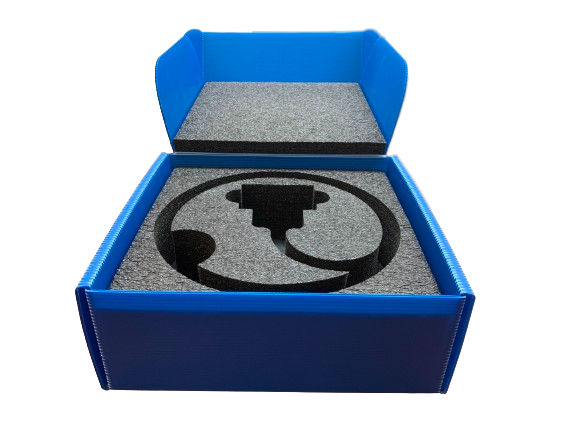
In packaging, foam isn’t just about initial protection — it’s about maintaining performance over the entire shipping or storage cycle. Compression set and recovery characteristics determine whether foam continues to provide shock absorption after being loaded, stacked, or stored for long periods. What Is Compression Set? Definition: The permanent deformation a foam retains after being compressed for a defined time and temperature. Why It Matters: A foam that takes a high compression set loses thickness and cushioning capability, leaving products more vulnerable to impact damage. Typical Measurement: Reported as a percentage loss of original thickness after the load is removed. Recovery Rate and Load Retention Recovery Rate: How quickly foam returns to its original dimensions after load removal. Load Retention: The ability to maintain performance over repeated load cycles — crucial for returnable and reusable packaging. High recovery and load retention mean the foam can be used multiple times without replacement. Factors Affecting Compression Set Foam Chemistry: Crosslinked PE typically offers lower compression set than non-crosslinked. PU foams may be softer but often exhibit higher permanent deformation under load. Density: Higher-density foams resist deformation better but may be heavier and costlier. Environmental Conditions: Heat and humidity accelerate compression set in most foam materials. Testing and Standards ASTM D3574 Test D: Measures compression set under specified load and temperature. ASTM D3574 Test B1/B2: Evaluates indentation force deflection for load-bearing properties. ASTM D1055: For rubber-like cellular materials, often applicable to certain elastomeric foams. Design Strategies Load Distribution: Use ribbed or contoured inserts to spread weight across more surface area. Material Blends: Combining foams with different recovery characteristics can balance softness and durability. Replace on Schedule: In closed-loop systems, track cycle counts and replace foam before performance degradation risks product safety. References ASTM International. (2021). ASTM D3574-21: Standard test methods for flexible cellular materials—Slab, bonded, and molded urethane foams. ASTM International. https://www.astm.org/d3574-21.htmlASTM International. (2014). ASTM D1055-14: Standard specification for rubber cellular sheeting—Closed cell. ASTM International. https://www.astm.org/d1055-14.html (714)300-0650 request@brownpackaging.com Most Recent Posts: Subscribe To Our Newsletter By submitting your information, you agree to our terms and conditions and privacy policy. Custom Foam Facebook Twitter LinkedIn Pinterest Relevant Posts

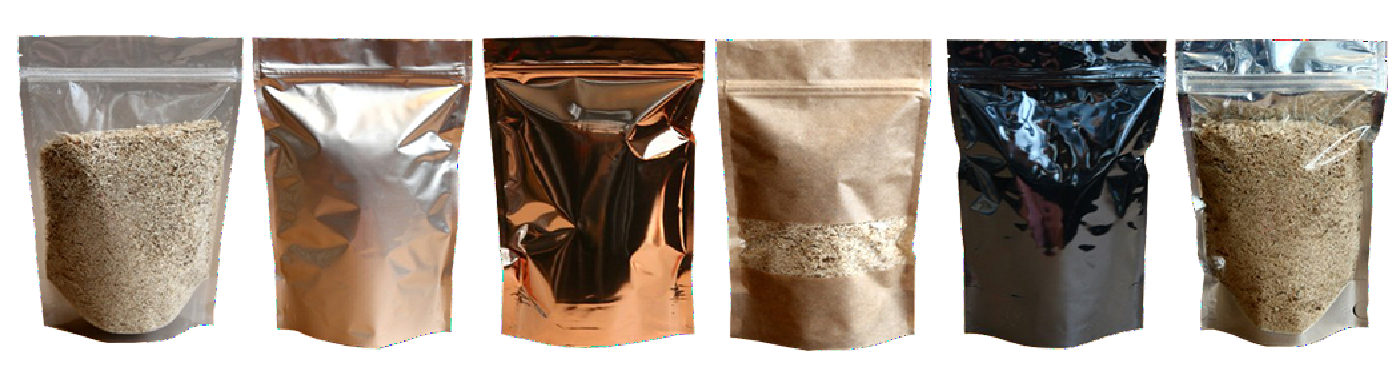
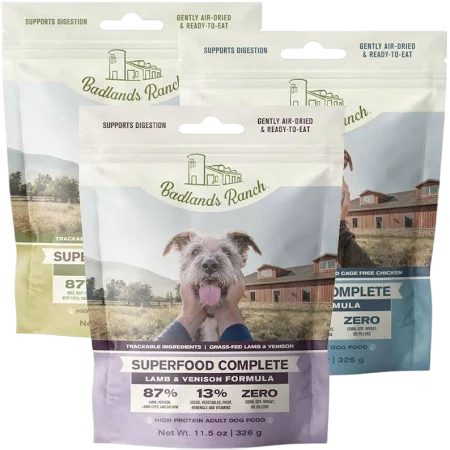
Pouches are a go-to for flexibility and convenience, but they can fail in critical ways—from poor seals to punctures and delamination—that hurt performance and brand reputation. Understanding these failure points helps packaging teams design for real-world reliability. Seal Failures Improper Seal Parameters: Inadequate temperature, pressure, or dwell time can lead to seal weakness or gaps. Contamination in Seal Area: Oils, powders, or debris interrupt adhesive bonding. Technology-Specific Issues: For example, cold-seal adhesives may struggle with migration in warm environments. Key Tests: Seal Strength – ASTM F88/F88M-23: Measures the force needed to peel a seal. Dye Penetration – ASTM F1929-23: Reveals micro-channel leaks with colored dye application. Punctures & Tears Thin Films: Save on cost but vulnerable to rough handling. Product Content: Granular or sharp-edged items can degrade film integrity. Transit Damage: Handling, stacking, or abrasion increases vulnerability. Tip: For rougher applications, consider reinforced films or nylon layers. Delamination Poor Adhesion Between Layers: Causes separation and weakened barrier performance. Environmental Stress: High humidity or heat can undermine lamination. Material Mismatch: Some layers simply don’t bond well together. Tip: Match adhesives to substrate properties and test under realistic conditions. Barrier Degradation OTR and WVTR Drift: EVOH’s oxygen barrier weakens under humidity, while metallized films can develop pinholes over time. Inconsistent PCR Film Quality: While desirable for sustainability, PCR variants may introduce variability in barrier integrity. Tip: Define target OTR and WVTR values and validate using ASTM F1249 (WVTR) and ASTM D3985 (OTR). Why This Matters For food, compromised seals mean spoilage and recalls. In pharma, even small leaks can breach sterility and regulatory compliance. Pet products can lose freshness and consumer trust fast. Preventing these failures starts with engineered material selection, precise sealing validation, and in-line quality testing—not guesswork. References ASTM International. (2023). ASTM F88/F88M‑23: Standard Test Method for Seal Strength of Flexible Barrier Materials. https://www.astm.org/f0088_f0088m-23.html Keystone Compliance+11ASTM International | ASTM+11ASTM International | ASTM+11The ANSI Blog ASTM International. (2023). ASTM F1929‑23: Standard Test Method for Detecting Seal Leaks in Porous Medical Packaging by Dye Penetration. https://www.astm.org/f1929-15.html Elsmar Cove Quality Forum+8ASTM International | ASTM+8FDA Access Data+8 (714)300-0650 request@brownpackaging.com Most Recent Posts: Categories: Corrugated Ecommerce ESD Design Display Flexible Packaging Foam Folding Carton Packaging Plastic Packaging Pouch Printing Protection Retail Rigid Box Thermoform Sustainability Subscribe To Our Newsletter By submitting your information, you agree to our terms and conditions and privacy policy. Custom Pouches Facebook Twitter LinkedIn Pinterest Relevant Posts