















Custom Packaging
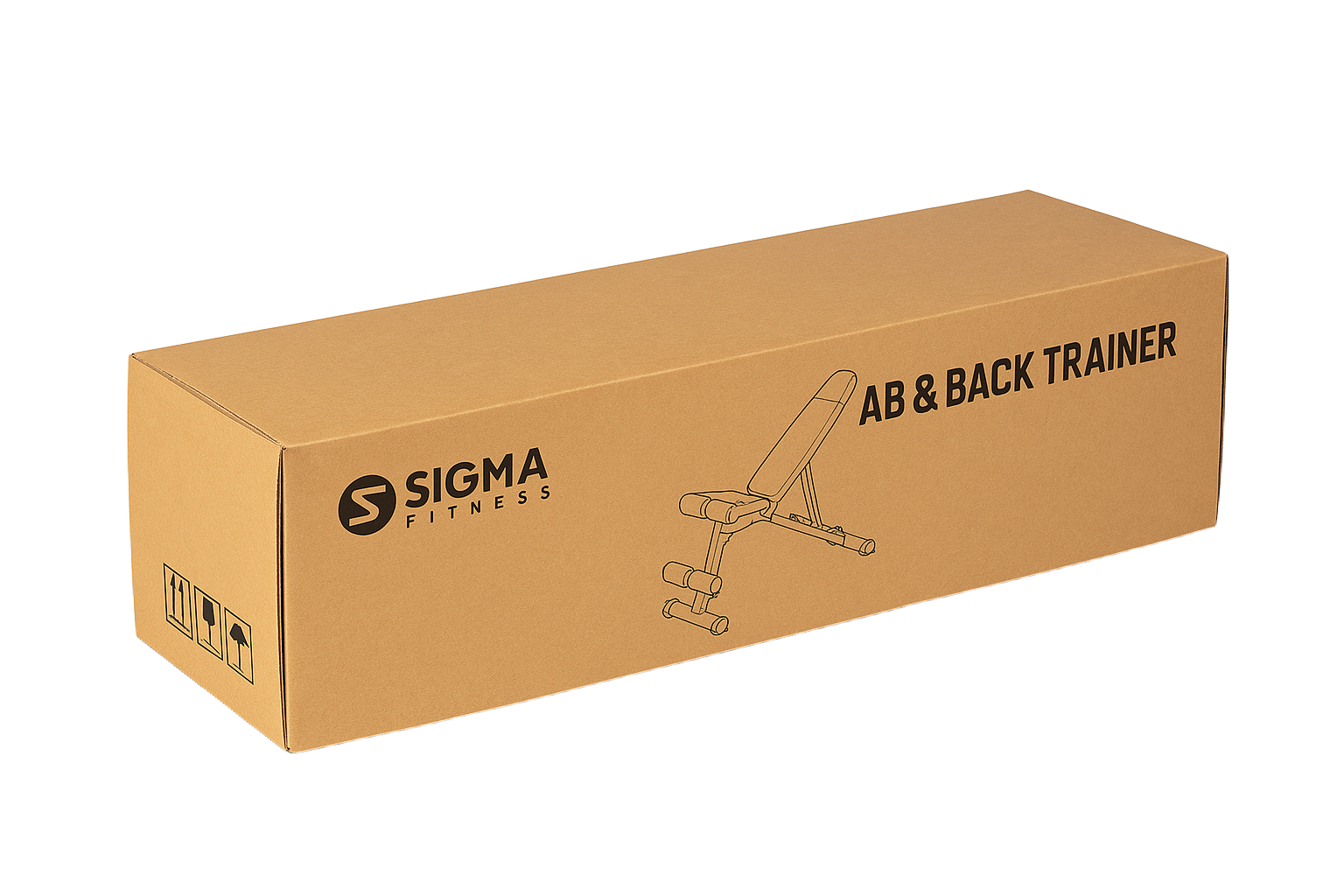
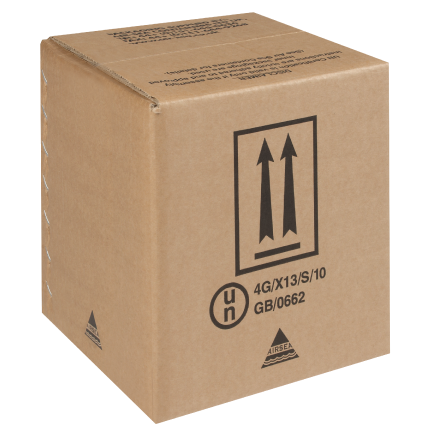
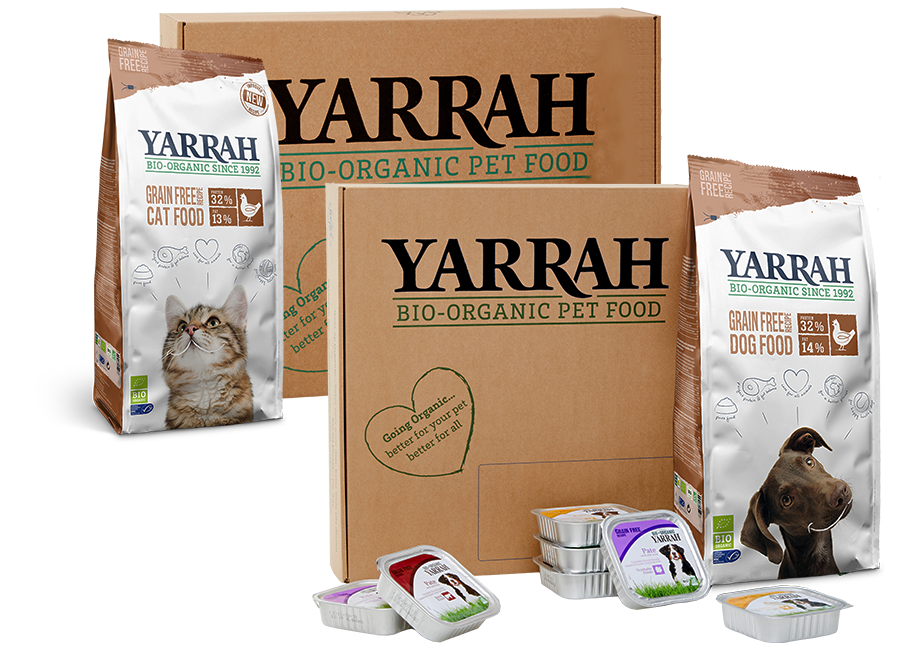
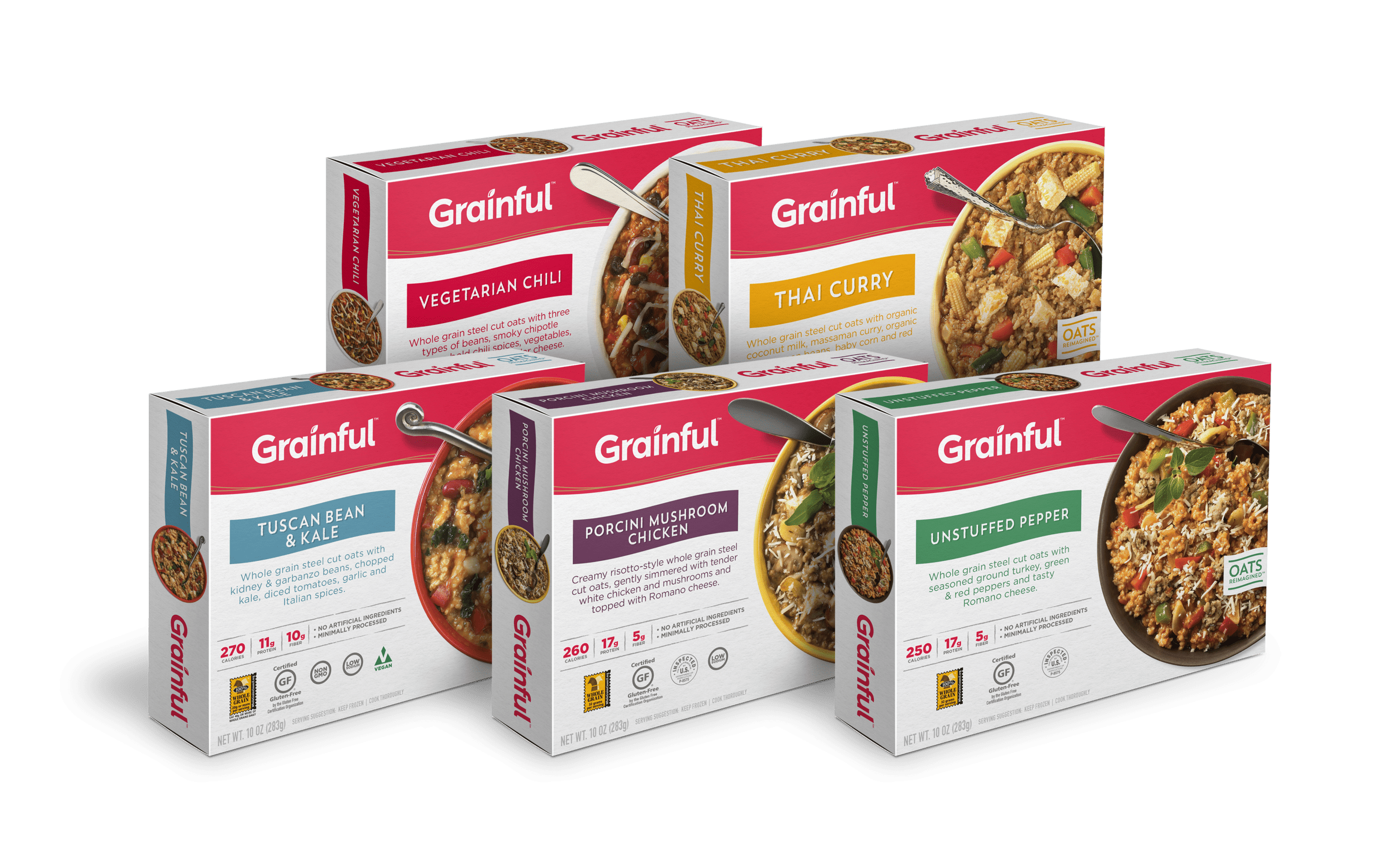
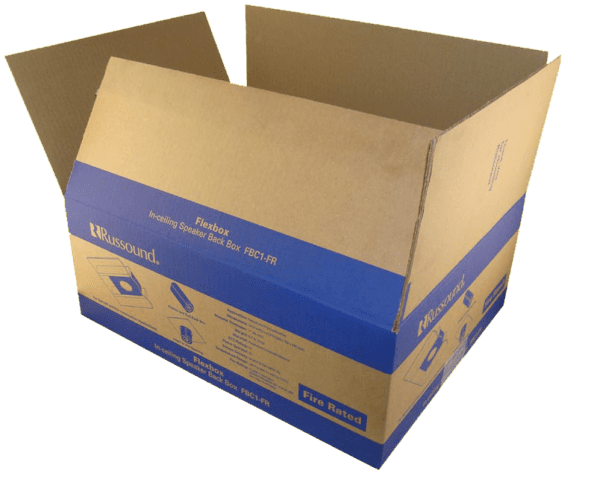
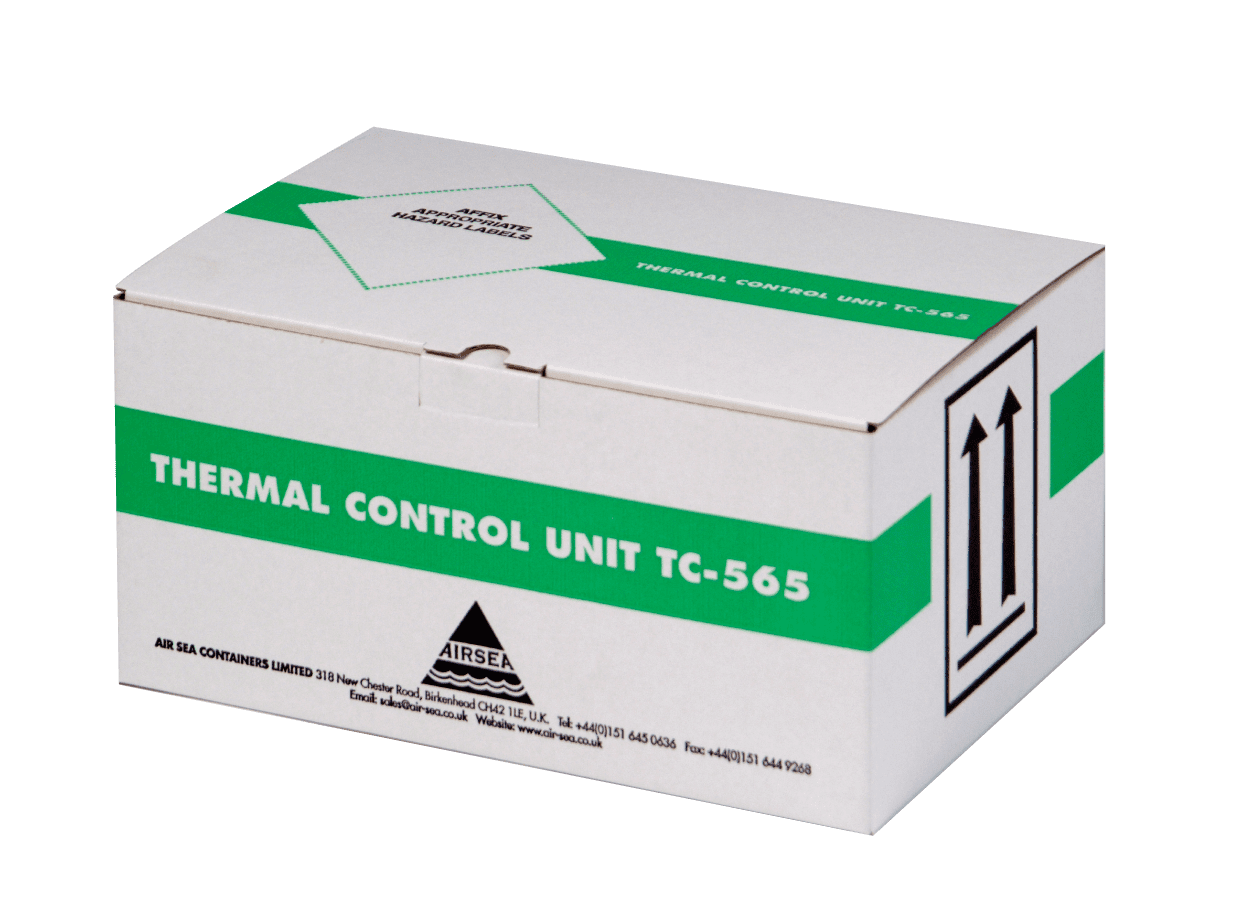
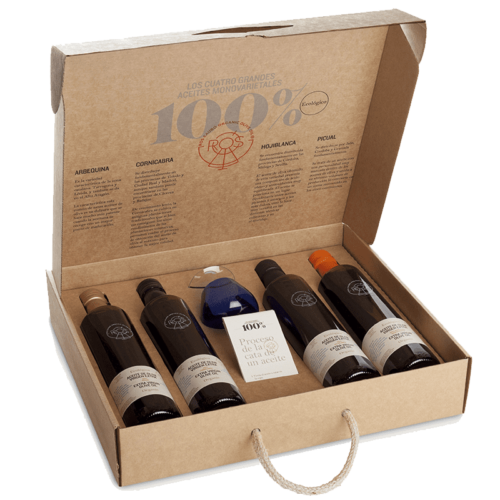
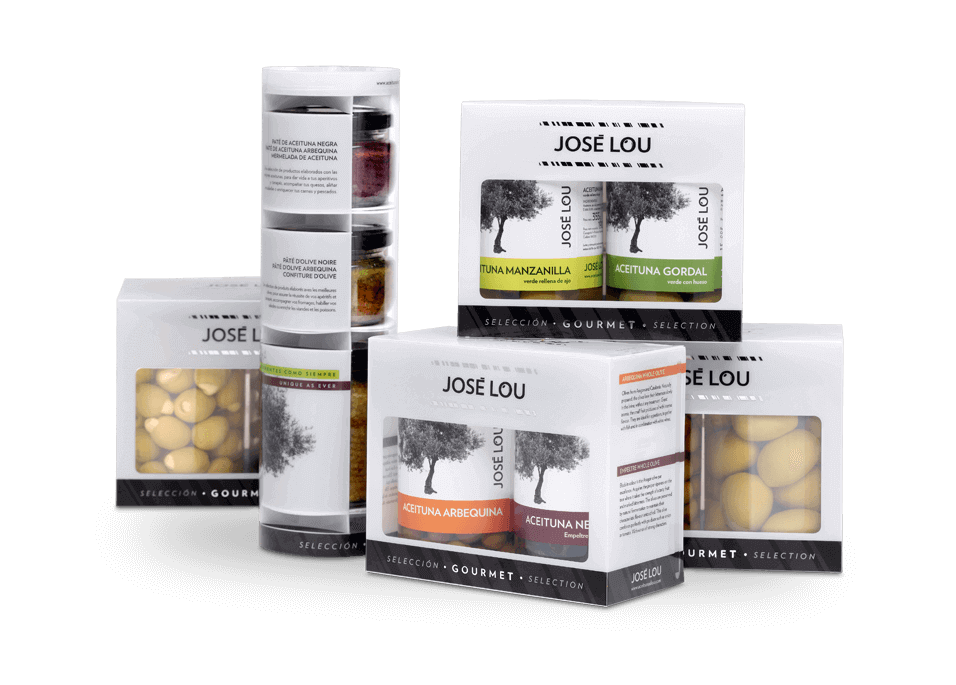
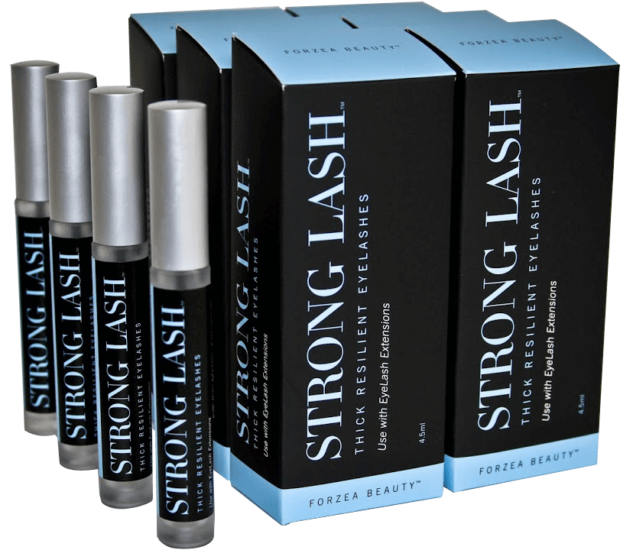
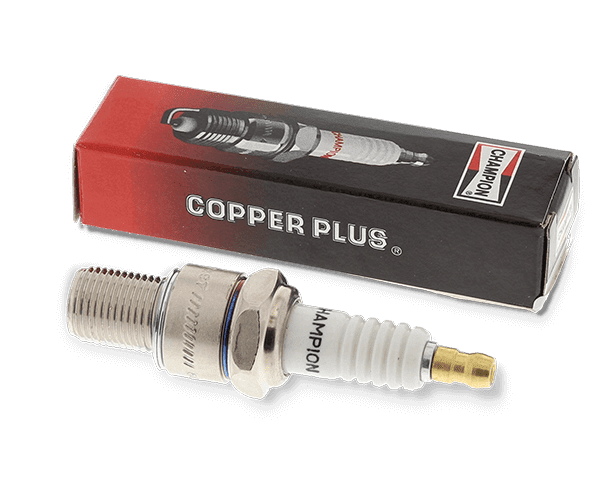
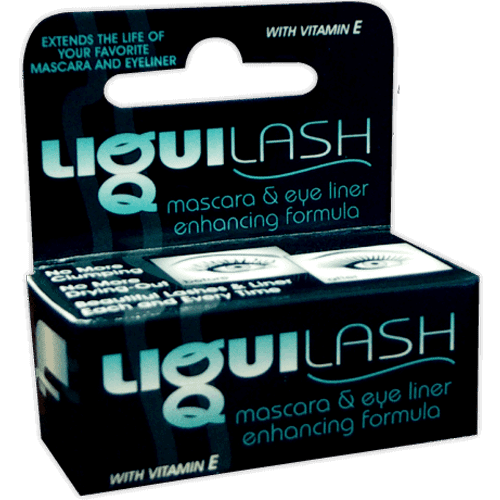
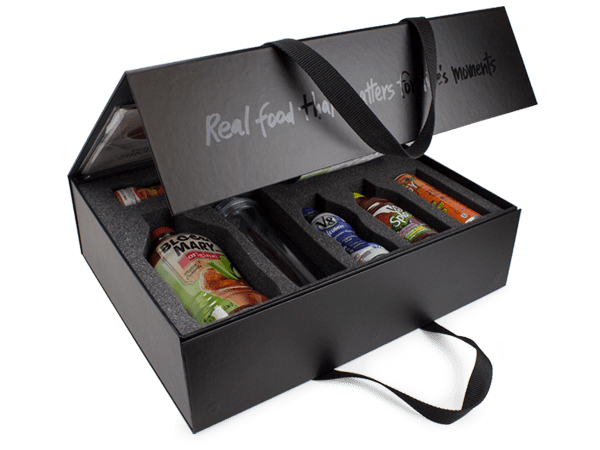
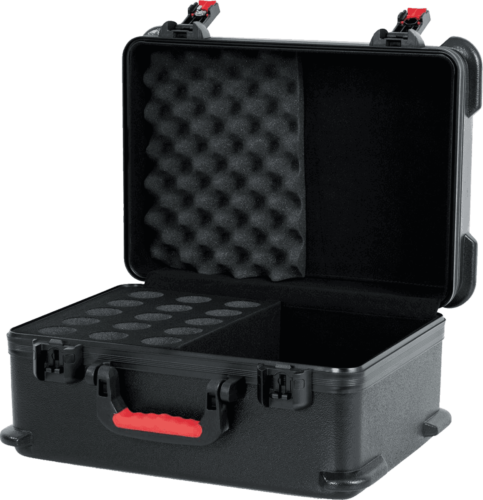
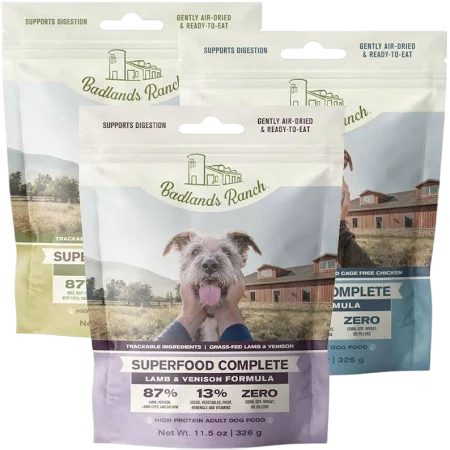
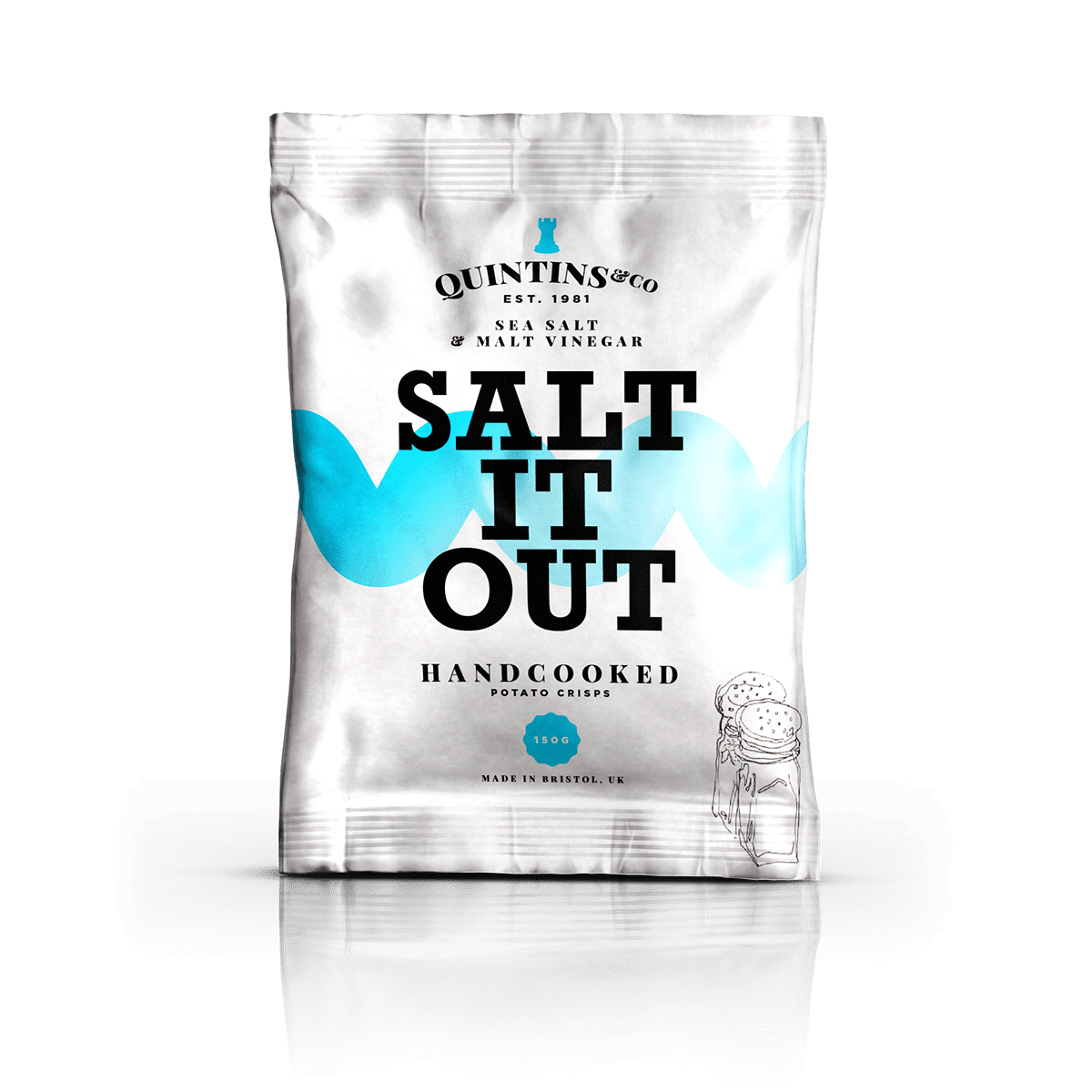
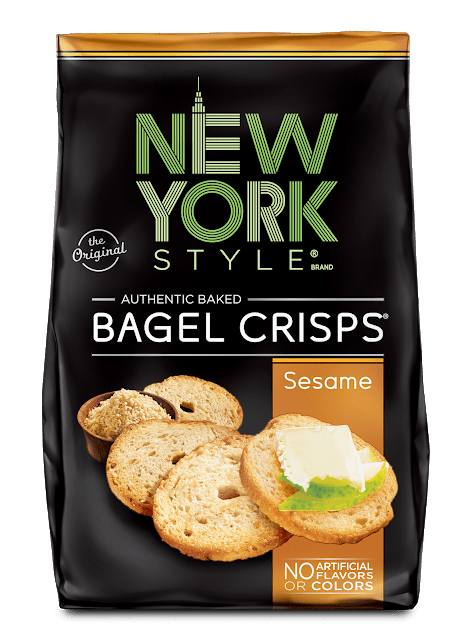
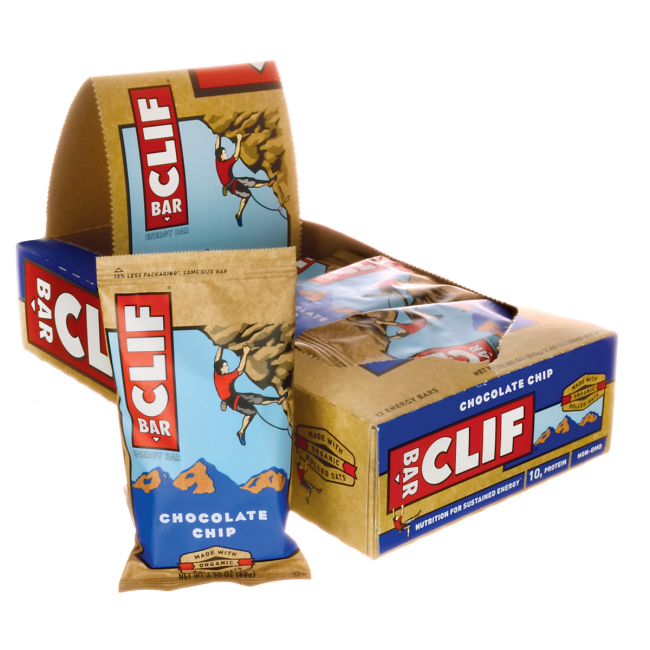
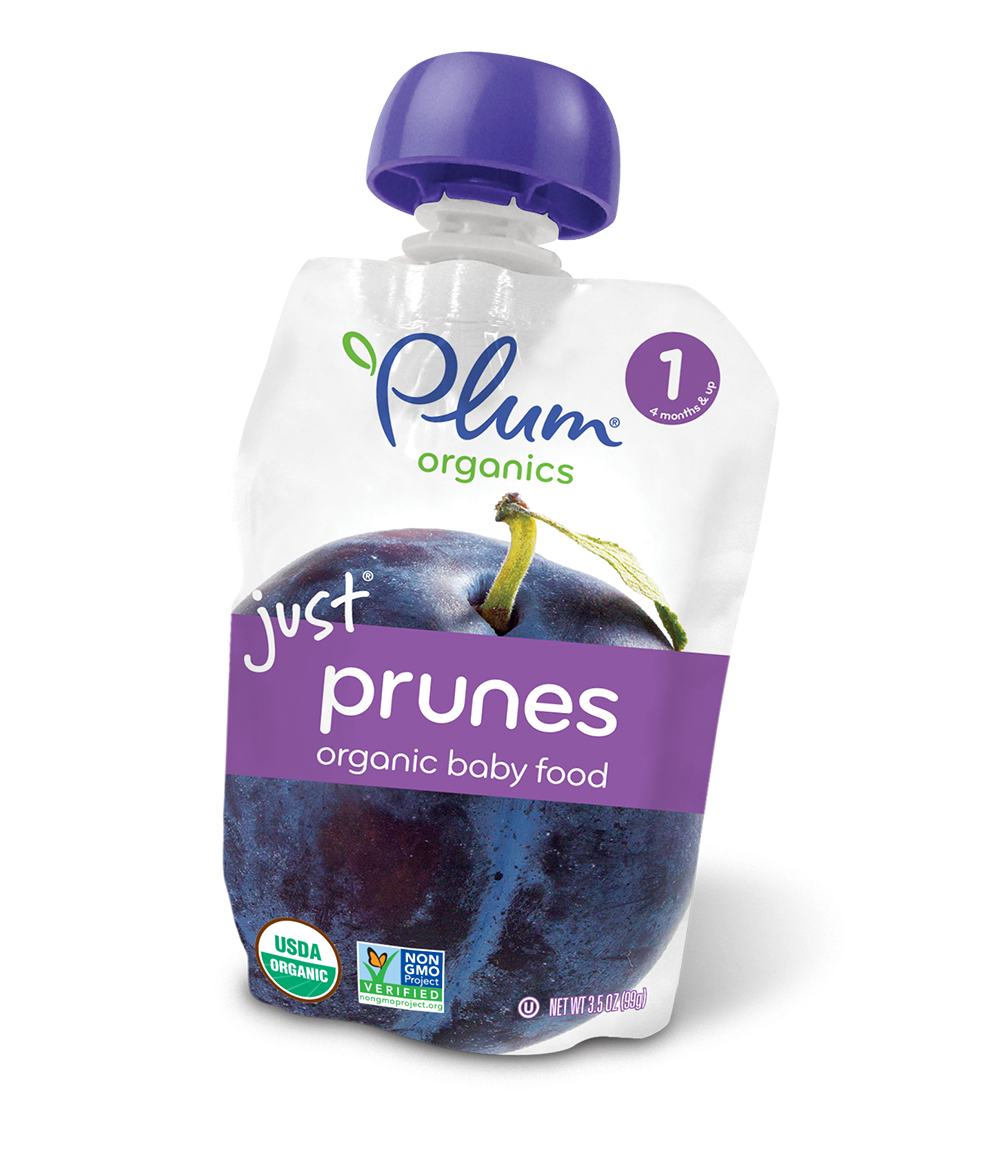
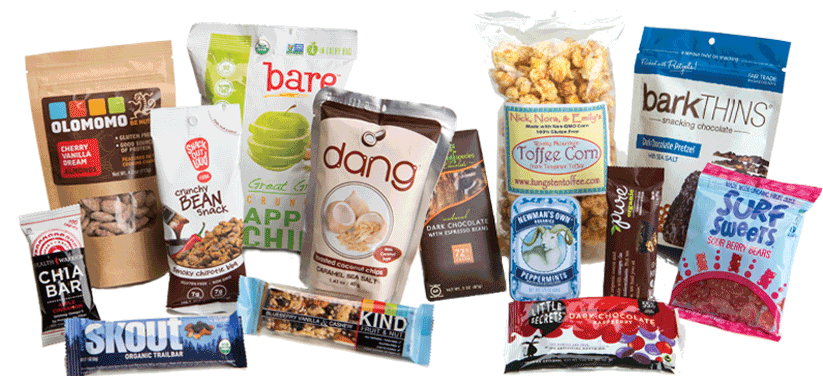
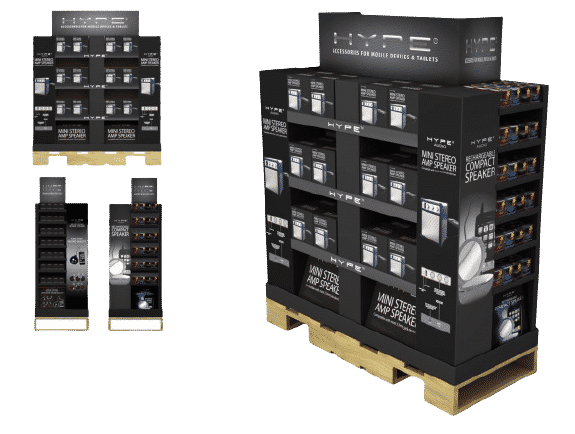
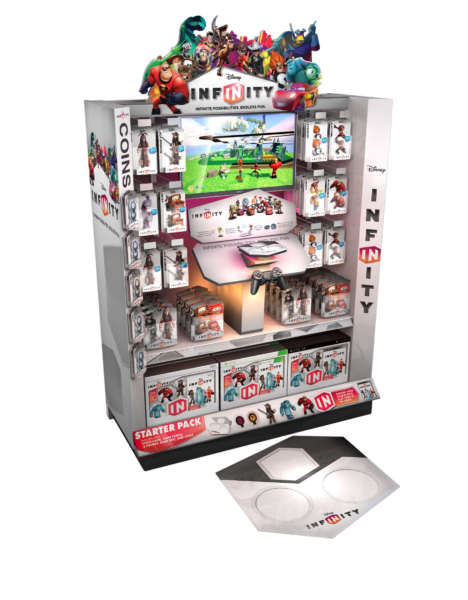
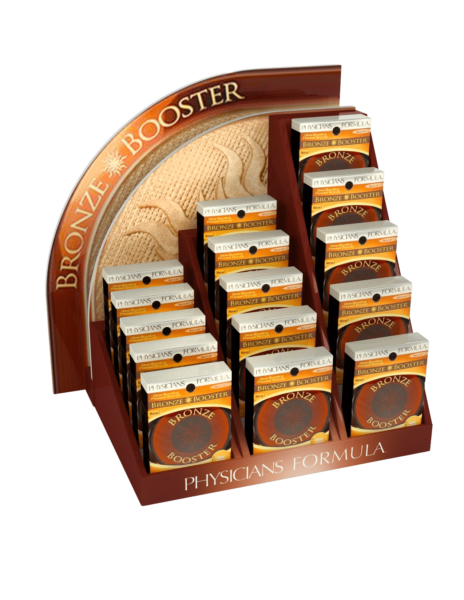
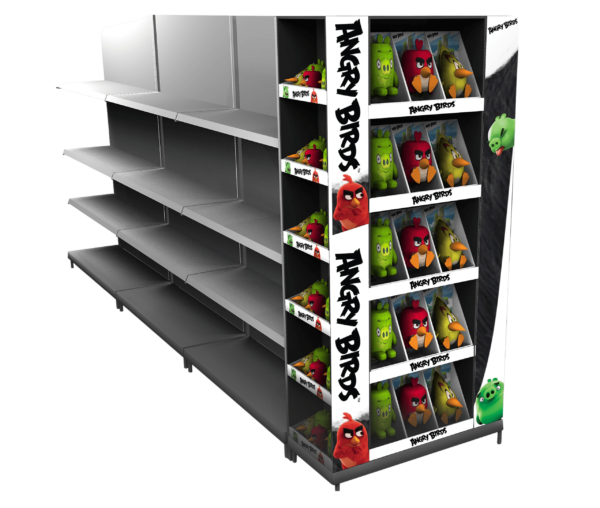
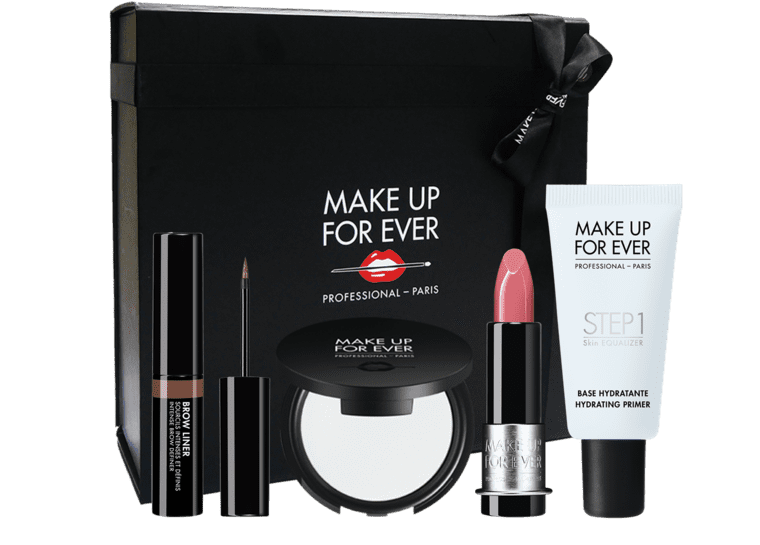
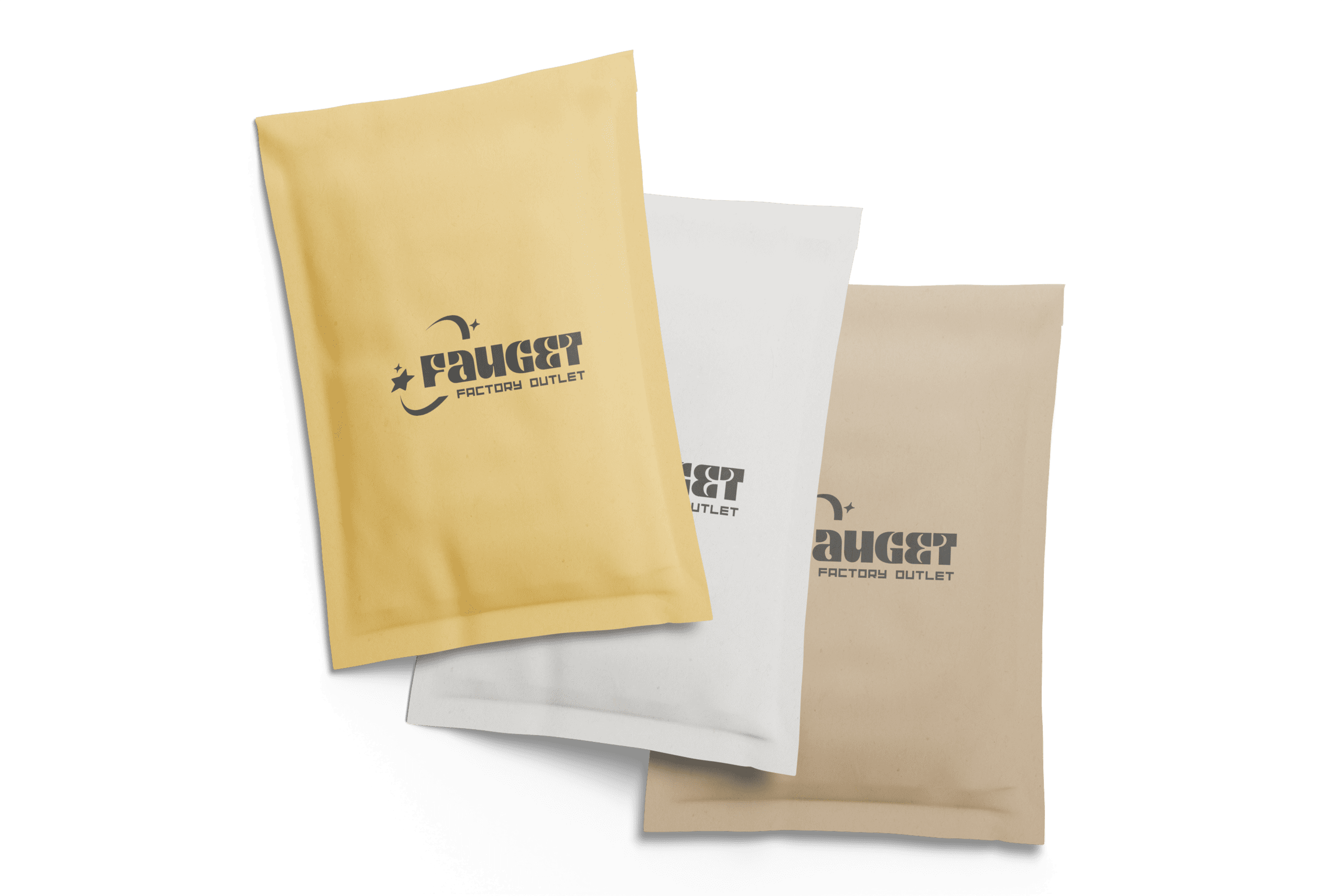
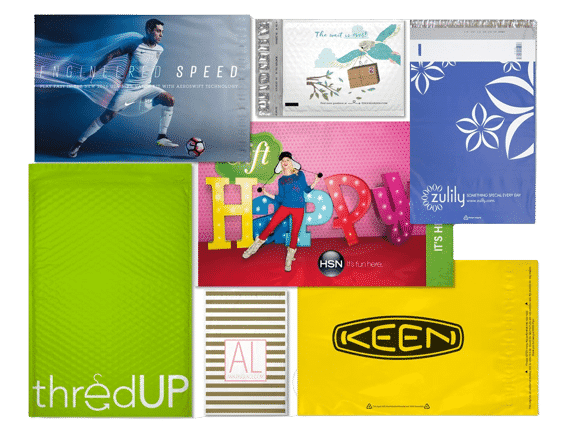
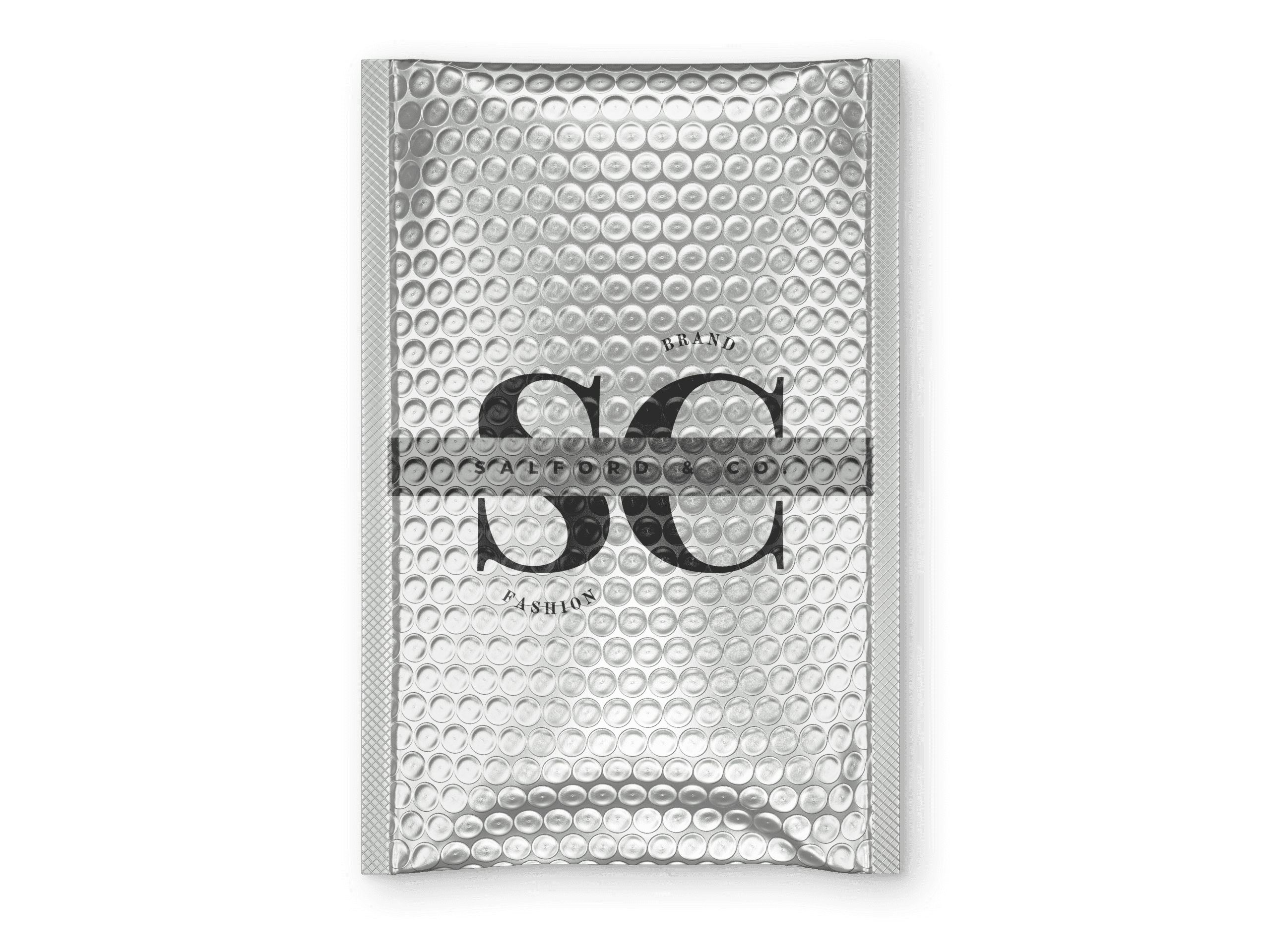
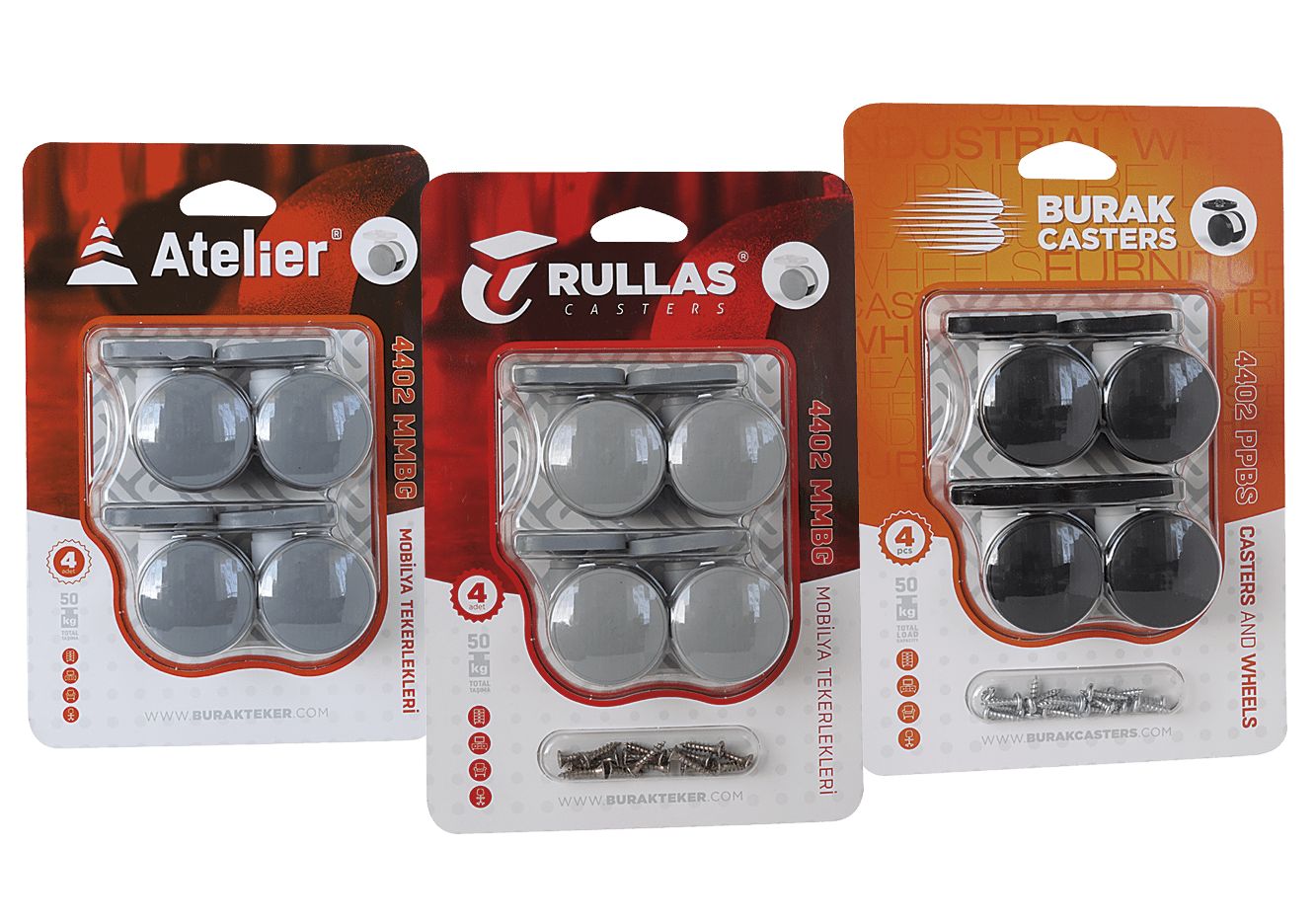
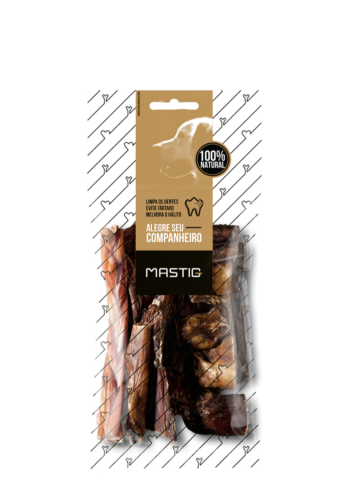
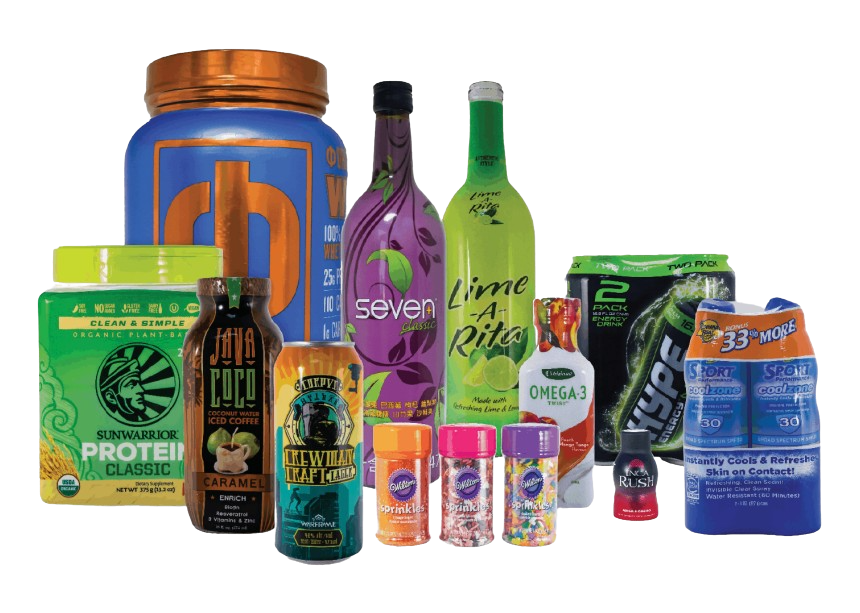
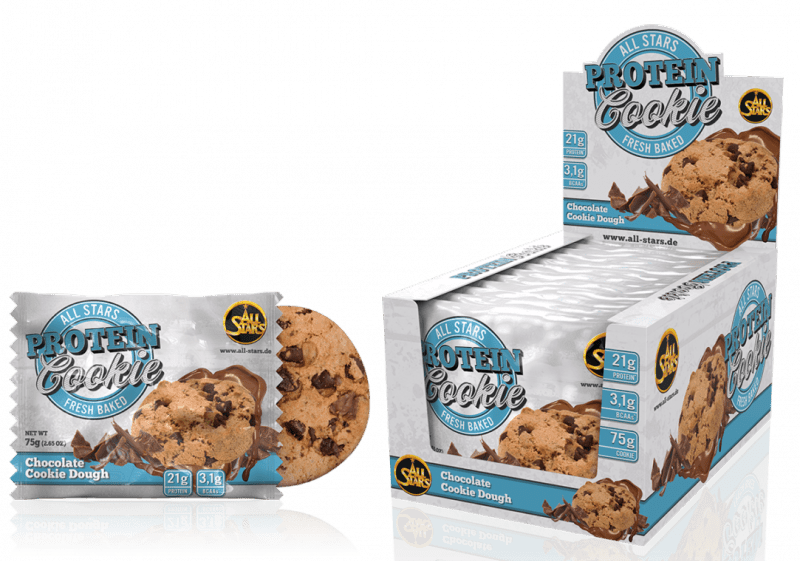
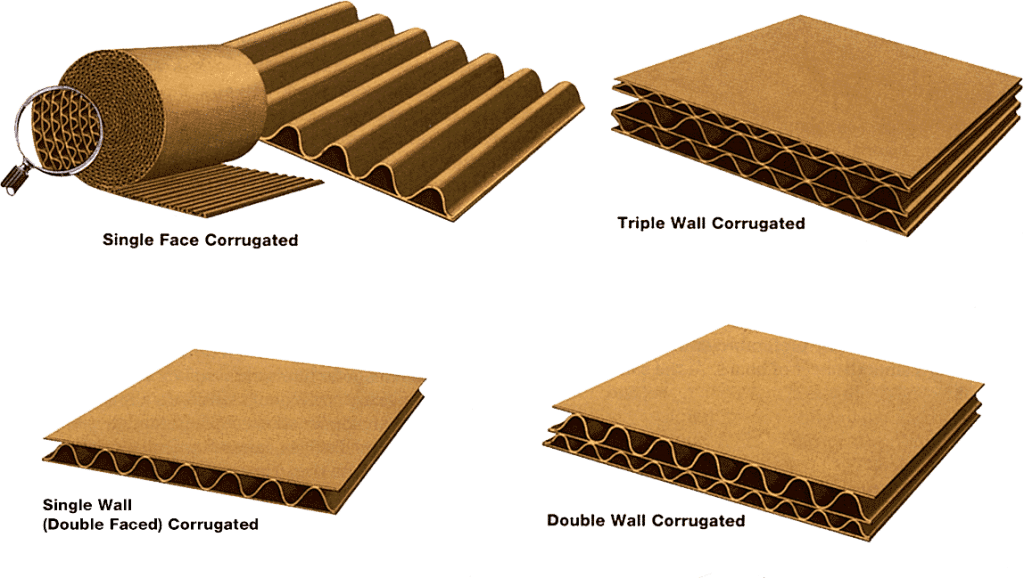
We offer a wide selection of fully customizable packaging products to address any packaging purpose. Customize your packaging product with your logo, brand colors, product information, design, features, and more. If you are unsure on what type of packaging you will need, then contact us for an expert consultation.


Custom packaging is tailored specifically to fit a brand’s unique product requirements, unlike stock packaging, which is pre-made and generic. Custom options allow for precise sizing, materials, and design choices, offering enhanced protection, presentation, and improved efficiency. This personalization makes custom packaging ideal for businesses looking to stand out and create a cohesive brand identity.
At Brown Packaging, our custom packaging solutions are structurally designed to optimize protection, material usage, and sustainability, tailored to meet specific product needs across various applications. We incorporate graphics to reinforce brand identity, ensuring that each package not only protects but also represents your brand effectively. With a focus on durability and functionality, our packaging ensures secure handling for shipping, retail, or storage while supporting sustainability goals.
Custom Packaging Products
We offer a variety of custom packaging products and solutions to meet all your packaging needs in one place. You’ll work directly with a dedicated project specialist to customize your package according to your specifications, including branding, features, and design.


If you need any assistance with your packaging or have a question, then contact us directly at request@brownpackaging.com or (714)300-0650. Learn more about custom packaging by reading our blog posts on new and trending topics.

With new tariff proposals and continued trade uncertainty, 2026 is shaping up to be another pivotal year for packaging sourcing strategy. Many companies that shifted production away from China in 2024–2025 are now reassessing cost structures between nearshore and fully domestic manufacturing. While both options reduce tariff exposure, each carries different implications for labor, logistics, compliance, and scalability. Why Cost Comparison Matters in 2026 As global trade policy remains unpredictable, packaging buyers must balance cost efficiency with reliability. Nearshore manufacturing — primarily in Mexico and Canada — offers competitive labor rates and regional proximity, while U.S. converters provide faster lead times, stricter compliance, and integrated fulfillment capabilities. The goal for 2026 is not just lower cost per unit, but optimized total landed cost with minimal risk. Key Cost Factors to Evaluate Labor and Production Efficiency Labor costs continue to be a primary advantage for nearshore production. However, increased automation across U.S. facilities is narrowing the gap. Nearshore (Mexico/Canada): Lower base wages, but variable automation and longer setup times for smaller runs. U.S.: Higher labor rates, but shorter turnaround, reduced downtime, and higher throughput through robotics and digital converting lines. By 2026, modern U.S. converters using digital die cutting, inline gluing, and automated case packing can rival nearshore cost per finished unit once efficiency is factored. Freight and Transit Time Freight volatility remains a major cost driver. With fewer ocean shipments, both nearshore and domestic programs gain predictability, but domestic manufacturing provides the most control. Source Region Average Transit Time Typical Freight (West Coast) Mexico → U.S. 2-5 days Moderate (border clearance dependent) Canada → U.S. 2-5 days Moderate U.S. Domestic 1–3 days Low (regional or inter-state) Faster delivery reduces demurrage, storage, and replenishment delays — a growing cost consideration for multi-SKU packaging programs. Material and Substrate Availability Material flow remains a major differentiator: Mexico: Expanding board and film production but still imports some adhesives and coatings from the U.S. Canada: Strong pulp and FSC® paperboard infrastructure with sustainability advantages. U.S.: Full domestic substrate ecosystem including corrugated, folding carton, and flexible film production. Domestic converters maintain the most resilient material supply, reducing risk from international component dependencies. Quality Control and Waste Reduction For 2026 buyers, consistent print accuracy and die precision matter as much as cost. Nearshore suppliers often deliver competitive quality but may lack full ISO or GMI auditing. U.S. manufacturers increasingly operate under ISO 9001:2015 or G7 Master Printer certification, reducing rejects and non-conformance. Even small rework or print errors can offset initial savings, making quality stability a financial factor rather than a cosmetic one. Compliance, ESG, and Reporting With increased scrutiny on sustainability claims, domestic production simplifies documentation and compliance. U.S.: Transparent traceability for recycled content, FSC® verification, and carbon accounting. Nearshore: Improving ESG frameworks, though validation processes can be slower or fragmented. For brands selling through major retailers, U.S.-based sourcing often shortens ESG audit cycles and meets evolving corporate responsibility standards. Currency, Trade, and Policy Stability Even under the USMCA framework, exchange rates and local policy shifts affect nearshore pricing. Domestic production avoids foreign exchange risk and ensures stable compliance documentation as tariff adjustments continue. Total Landed Cost Comparison (2026 Estimate) Cost Component China Import (Baseline) Nearshore U.S. Domestic Unit Price Low Moderate Slightly Higher Freight & Tariffs High Low None Lead Time 6–8 weeks 1–2 weeks 2–5 days Quality Control Variable Moderate High Compliance Risk High Moderate Low Total Landed Cost (Est.) 100% baseline 85–90% 90–95% This demonstrates that by 2026, both nearshore and U.S. production can outperform Chinese imports once freight, tariffs, and quality consistency are included. When to Choose Nearshore vs. U.S. Manufacturing Nearshore (Mexico/Canada): Ideal for medium to high volume packaging with extended lead time flexibility and lower labor sensitivity. U.S. Manufacturing: Best for just-in-time fulfillment, high-mix SKU programs, and packaging tied to strict compliance or retail testing. Many brands now combine both — running bulk corrugated or folding carton production nearshore while keeping display assembly, printing, and co-packing domestic for faster deployment. Final Outlook for 2026 As tariffs, freight rates, and ESG requirements evolve, hybrid sourcing models will dominate packaging procurement. The most resilient programs will integrate nearshore cost advantages with domestic quality control and logistics precision. In 2026, total cost efficiency comes not from chasing the lowest price — but from designing a supply chain that balances tariff protection, reliability, and sustainability. References U.S. International Trade Administration (ITA). USMCA and North American Supply Chain Outlook 2026. International Corrugated Case Association (ICCA). Global Corrugated Industry Report 2026. Forest Stewardship Council (FSC®). Supply Chain and Certification Data. Soroka, W. Fundamentals of Packaging Technology. 6th ed. Institute of Packaging Professionals. (714)300-0650 request@brownpackaging.com Most Recent Posts: Categories: Corrugated Ecommerce ESD Design Display Flexible Packaging Foam Folding Carton Packaging Plastic Packaging Pouch Printing Protection Retail Rigid Box Thermoform Sustainability Subscribe To Our Newsletter By submitting your information, you agree to our terms and conditions and privacy policy. Custom Packaging Facebook Twitter LinkedIn Pinterest Relevant Posts

Following multiple rounds of tariff changes and trade policy adjustments, 2026 marks a turning point for U.S. packaging buyers. Many who previously transitioned from China to domestic or nearshore suppliers are now focusing on resilience — ensuring their packaging supply chains remain cost-stable, flexible, and disruption-proof. Tariffs are no longer short-term events; they’re recurring elements of global trade. The companies best positioned for 2026 and beyond are those that treat sourcing diversification and operational agility as core business functions rather than reactive cost-saving measures. Understanding Supply Chain Resilience in Packaging In the packaging industry, resilience means more than just having backup suppliers. It’s about structuring your network, data, and materials so that tariff or freight changes don’t interrupt production or retail fulfillment. A resilient supply chain ensures: Predictable lead times regardless of policy shifts or port congestion. Stable material access through multi-region substrate sourcing. Financial control via cost forecasting that accounts for tariffs, duties, and logistics volatility. Key Strategies to Strengthen Packaging Supply Chains in 2026 Multi-Regional Sourcing Networks Single-country dependence has proven to be one of the highest risks for packaging buyers. Instead of choosing between China, Mexico, or the U.S., the strongest programs build multi-regional sourcing portfolios. For example: Corrugated and carton production split between U.S. and Mexico. Litho-laminated displays or kitting handled domestically for compliance and speed. Paperboard substrates sourced from Canada or domestically for FSC® reliability. This approach balances cost, agility, and compliance while keeping freight predictable. Data-Driven Forecasting and Visibility 2026 buyers are leveraging ERP and procurement software that integrate freight, tariff, and material indices directly into cost projections.Modern systems now automate: Tariff impact simulation based on HS codes. Freight rate modeling across domestic and nearshore routes. Inventory optimization tied to seasonal demand. With this data visibility, procurement teams can react to cost changes in real time — not months after they’ve impacted margins. Inventory and Production Flexibility Flexibility protects against both tariff and logistics shocks. Packaging programs should evaluate: Dual production capability (domestic + nearshore). Dynamic safety stock levels at regional DCs. Modular design formats that adapt to multiple production sites without retooling. Domestic manufacturers now frequently support JIT and kanban systems that align directly with nearshore runs, allowing seamless scale adjustments without full requalification. Strengthening Supplier Collaboration Resilience depends on supplier transparency and shared planning. In 2026, the best-performing packaging networks operate more like strategic partnerships than vendor relationships. Strong collaboration practices include: Quarterly forecasting and capacity reviews. Shared visibility into material allocation and lead times. Mutual quality metrics and audit reporting. Early communication of regulatory or cost changes. These practices reduce last-minute disruptions and build long-term trust across regions. Sustainability as a Risk-Reduction Tool Sustainability and resilience now intersect. FSC® or SFI® certification, recycled substrate sourcing, and verified carbon reporting protect buyers not just from reputational risk but from supply volatility.Sustainability-linked packaging programs typically benefit from: Priority access to certified board mills. Simplified compliance under U.S. and USMCA trade rules. Lower exposure to international environmental tariffs or surcharges. Contingency Planning and Scenario Modeling Resilient supply chains are built on “what if” planning. By modeling multiple tariff and freight outcomes, buyers can determine thresholds for shifting production without disruption. Scenario modeling examples: What if tariffs on imported adhesives rise 20%? What if freight rates increase 15% due to fuel surcharges? What if domestic demand outpaces capacity during Q4 retail season? Companies with contingency playbooks can rebalance production before costs escalate or supply falters. The Role of U.S. Distributors in a Resilient Network Many packaging buyers are centralizing supplier management under one domestic distributor capable of coordinating corrugated, carton, label, and display manufacturing across multiple facilities. This approach: Reduces administrative overhead. Maintains consistent quality across SKUs. Simplifies tariff classification and compliance tracking. Distributors with domestic and nearshore partnerships can dynamically shift production between regions based on lead time, cost, and capacity — ensuring resilience without complexity. Final Takeaway for 2026 Tariff realignment is reshaping global packaging procurement, but it’s also driving modernization. By combining data visibility, diversified sourcing, and strong supplier collaboration, packaging buyers can convert uncertainty into competitive advantage. The future of packaging resilience isn’t about avoiding tariffs — it’s about designing a network that thrives despite them. References U.S. International Trade Administration (ITA). 2026 Packaging Trade and Tariff Outlook. Institute of Packaging Professionals (IoPP). Supply Chain Resilience Framework. Forest Stewardship Council (FSC®). Certification and Traceability Guidelines. Soroka, W. Fundamentals of Packaging Technology. 6th ed. Institute of Packaging Professionals. (714)300-0650 request@brownpackaging.com Most Recent Posts: Categories: Corrugated Ecommerce ESD Design Display Flexible Packaging Foam Folding Carton Packaging Plastic Packaging Pouch Printing Protection Retail Rigid Box Thermoform Sustainability Subscribe To Our Newsletter By submitting your information, you agree to our terms and conditions and privacy policy. Custom Packaging Facebook Twitter LinkedIn Pinterest Relevant Posts

Shifting packaging production from China to the U.S. can help stabilize costs, reduce tariff exposure, and shorten lead times. But the transition process requires careful planning. For packaging buyers, the key is to maintain product consistency and supply reliability while minimizing operational disruption. Why Buyers Are Moving Away from China Trade policy volatility and freight instability have pushed many U.S. companies to rethink their packaging sourcing strategy. Rising import duties on corrugated boxes, folding cartons, and flexible films have narrowed the price gap between overseas and domestic suppliers. Primary drivers include: Tariff risk: Section 301 duties on many packaging materials remain in place. Freight volatility: Ocean container rates fluctuate significantly, adding uncertainty. Lead times: Global shipping delays and port congestion disrupt timelines. Quality oversight: Longer supply chains make corrective actions harder to implement. As a result, many buyers are transitioning to U.S. packaging suppliers for improved cost control, compliance, and visibility. Step 1: Evaluate Current Exposure Start by identifying which SKUs, materials, or vendors are tied to China. Document: Country of origin for all packaging components. Annual spend and volumes by supplier. Tariff classification (HTS code) for each SKU. Freight, duty, and logistics costs per shipment. This baseline allows you to calculate your total landed cost, not just unit pricing, and shows where domestic sourcing offers the biggest impact. Step 2: Identify Viable U.S. Suppliers Work with suppliers that can deliver both structural and graphic packaging capabilities within the U.S. Confirm: Available converting and printing processes (flexo, litho-lam, digital). Access to sustainable materials (FSC-certified, post-consumer recycled). Proximity to fulfillment centers or distribution hubs. Experience transitioning overseas programs without downtime. Brown Packaging partners with domestic manufacturers across the U.S. to meet these standards and ensure full program continuity. Step 3: Test and Validate Packaging Before committing to a full rollout, pilot your packaging with a short production run to confirm performance. Match material specs to existing overseas designs. Validate durability under ISTA and ASTM transport testing. Review print registration, color, and finish consistency. Confirm pallet optimization and packing line compatibility. Testing ensures a seamless switch without affecting retail presentation or customer experience. Step 4: Adjust Forecasting and Lead Times Domestic production typically reduces lead times from months to weeks, but requires tighter inventory planning. Build in short buffer windows for material procurement. Align forecasts with your new supplier’s production cadence. Recalculate safety stock based on faster replenishment cycles. This shift improves responsiveness and reduces warehouse carrying costs over time. Step 5: Communicate Internally and Externally Transitioning packaging affects purchasing, logistics, marketing, and compliance teams. Update specifications and vendor databases. Revise packaging artwork to include “Made in USA” where appropriate. Inform key customers of improvements to delivery and reliability. Transparency helps ensure all departments adapt smoothly and maintain consistent packaging performance. Why It Matters for Buyers Transitioning from China to U.S. packaging is a strategic move toward long-term cost stability and supply chain control. Beyond tariff avoidance, it allows for stronger oversight, sustainable sourcing, and improved customer satisfaction. Brown Packaging supports this process by helping businesses identify high-risk imports, match U.S. equivalents, and test performance before scaling.Contact us to start evaluating your packaging transition plan. References Packaging Dive. (2025). Tariffs Continue to Reshape U.S. Packaging Sourcing Strategies. U.S. International Trade Commission. (2025). Section 301 Duty Updates on Packaging Materials. ASTM International. (2023). ASTM D4169: Performance Testing of Shipping Containers. ISTA. (2023). Testing Procedures for Transport Packaging. Fibre Box Association. (2024). Corrugated Packaging Handbook. (714)300-0650 request@brownpackaging.com Most Recent Posts: Categories: Corrugated Ecommerce ESD Design Display Flexible Packaging Foam Folding Carton Packaging Plastic Packaging Pouch Printing Protection Retail Rigid Box Thermoform Sustainability Subscribe To Our Newsletter By submitting your information, you agree to our terms and conditions and privacy policy. Custom Packaging Facebook Twitter LinkedIn Pinterest Relevant Posts