




Custom Packaging
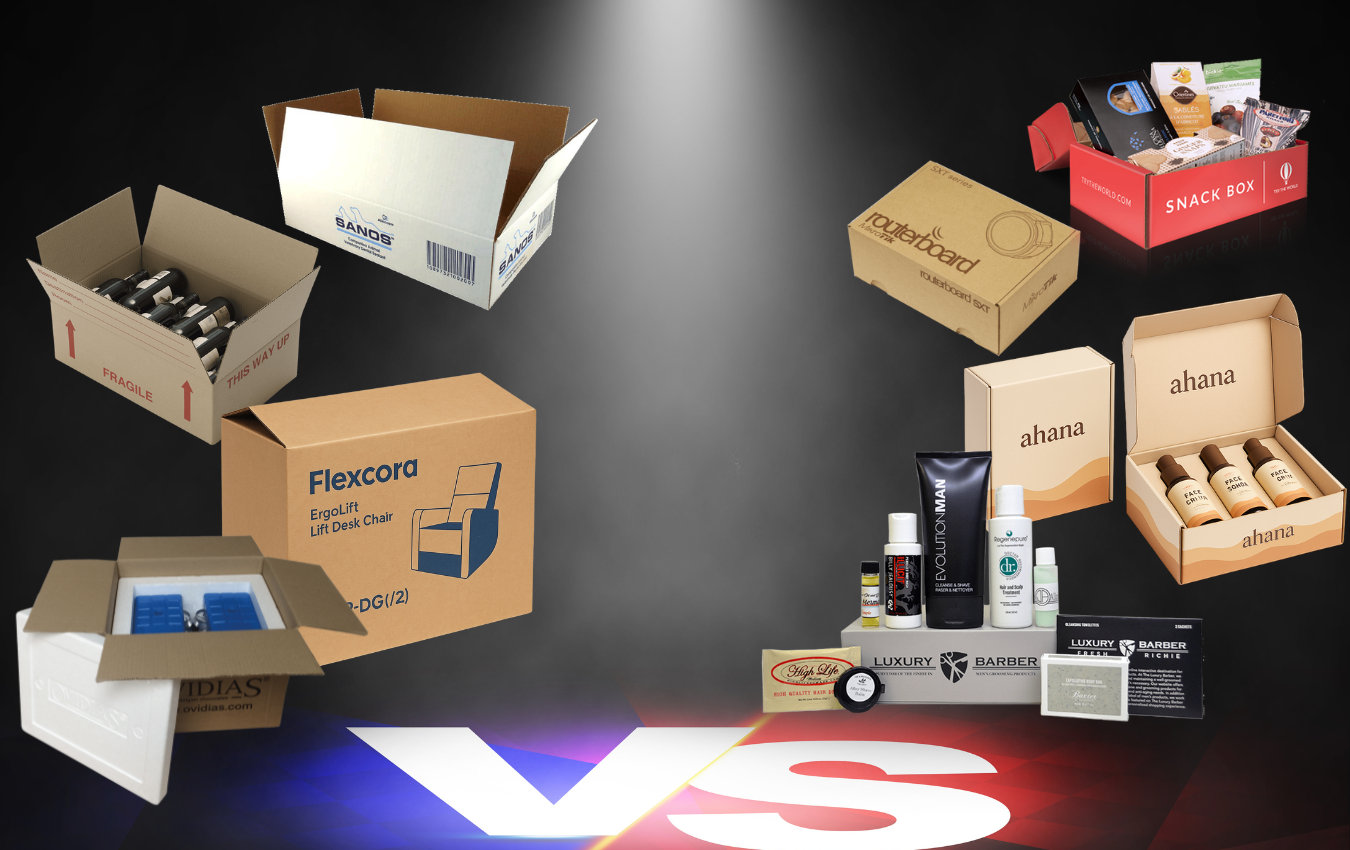
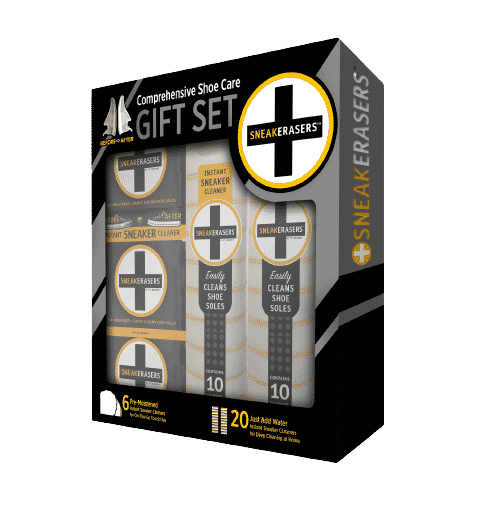
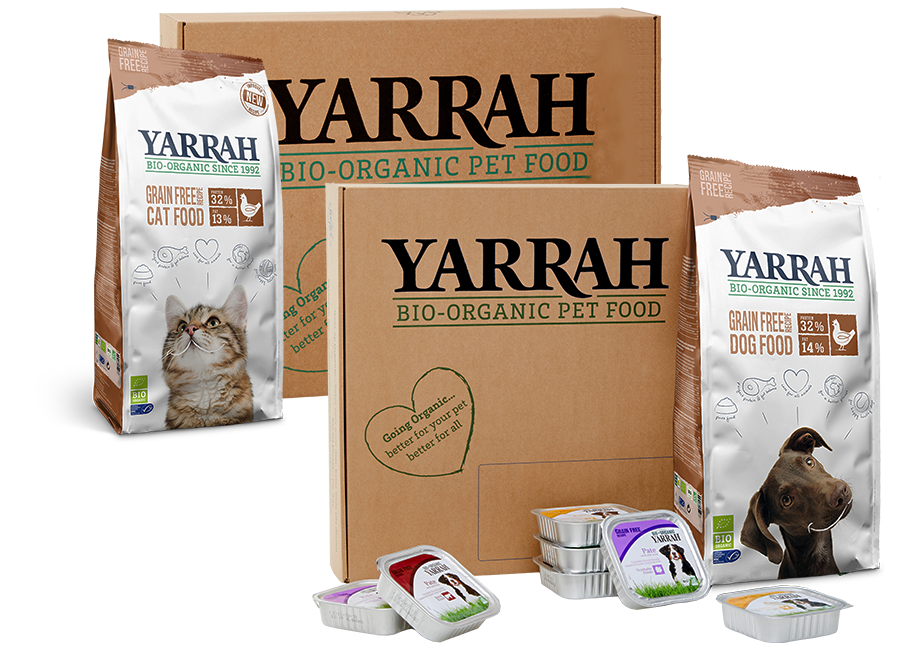
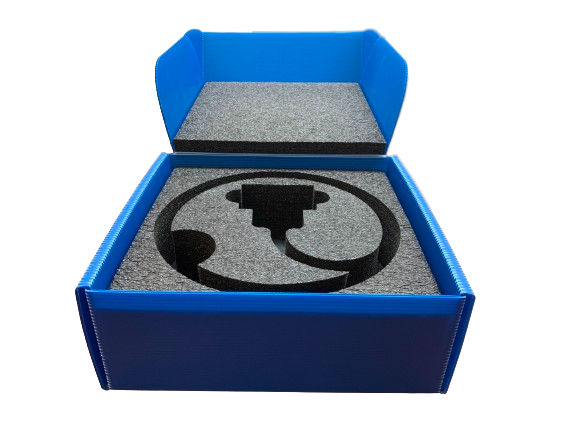
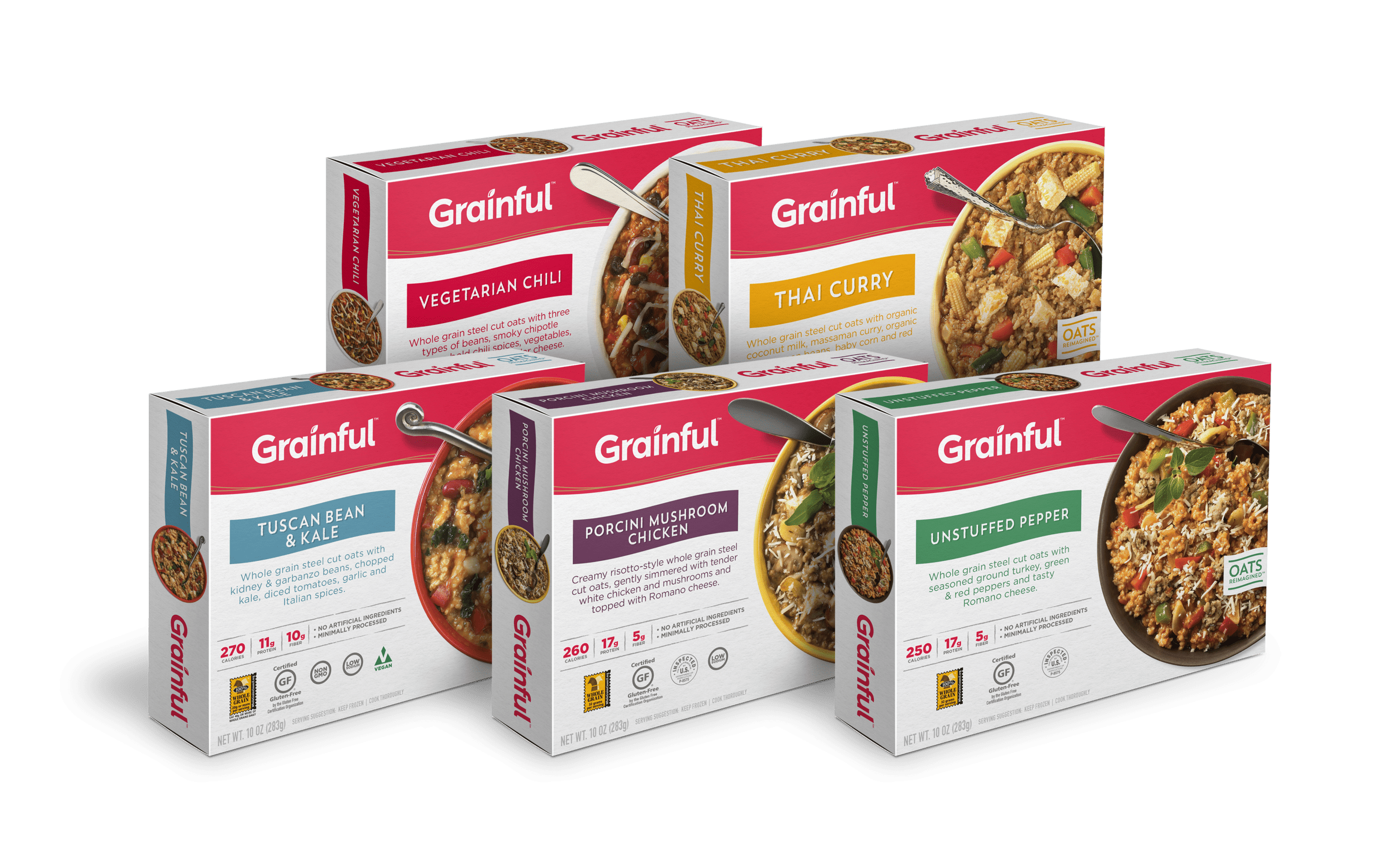
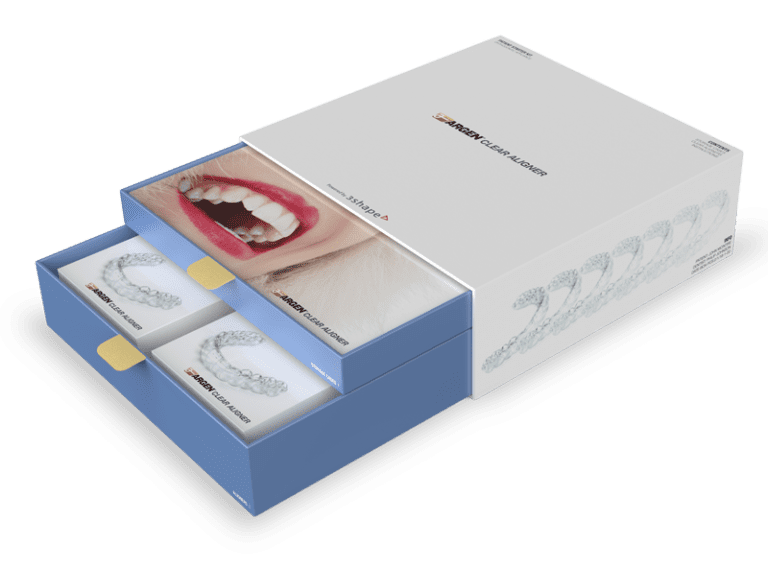
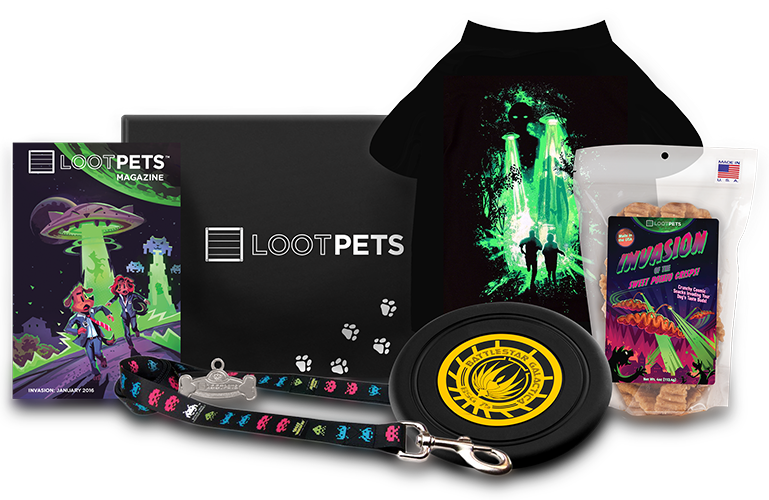
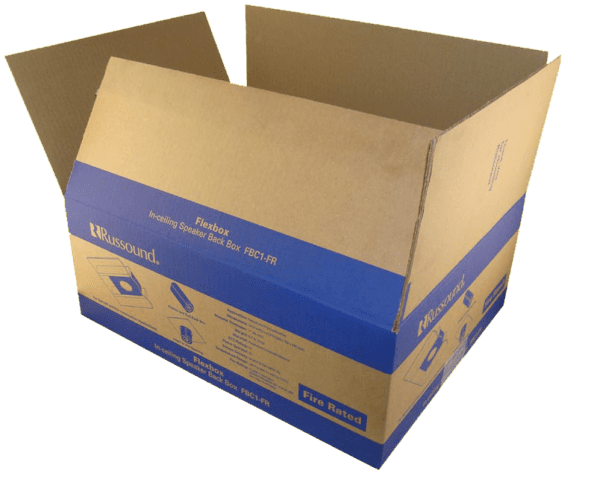
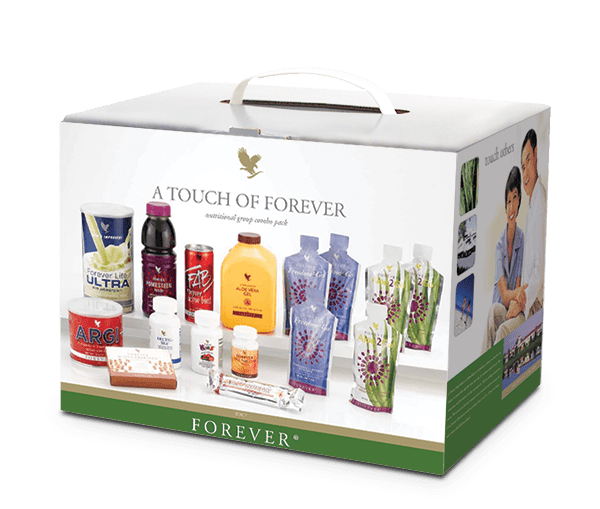
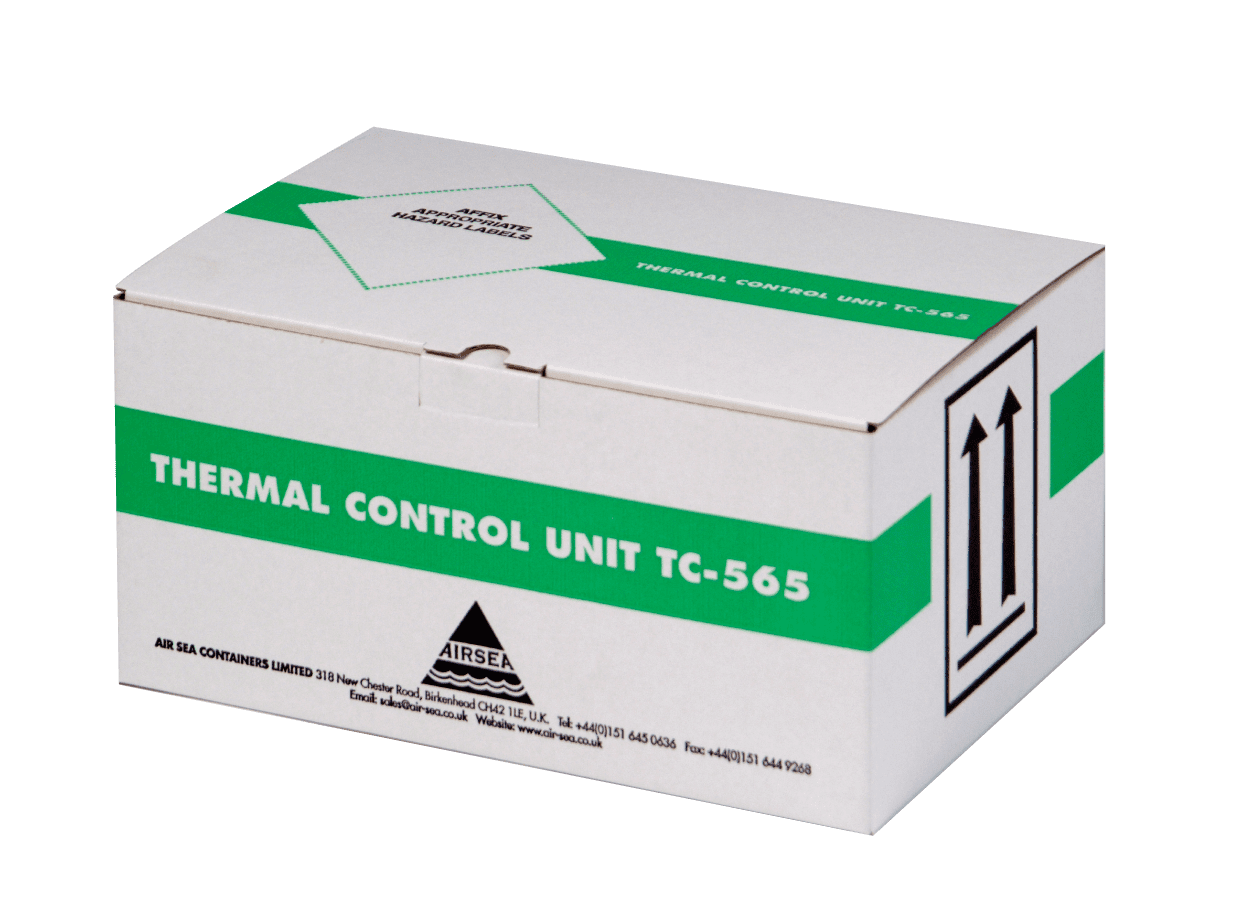
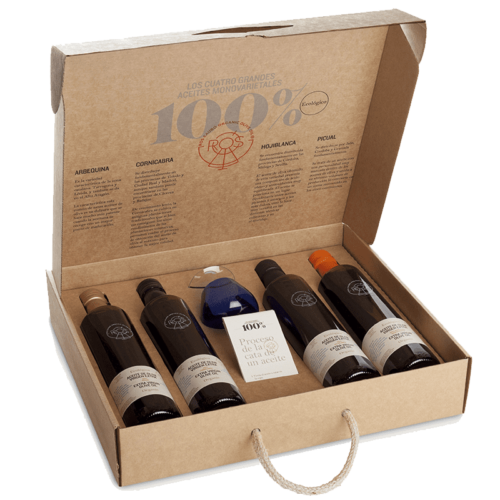
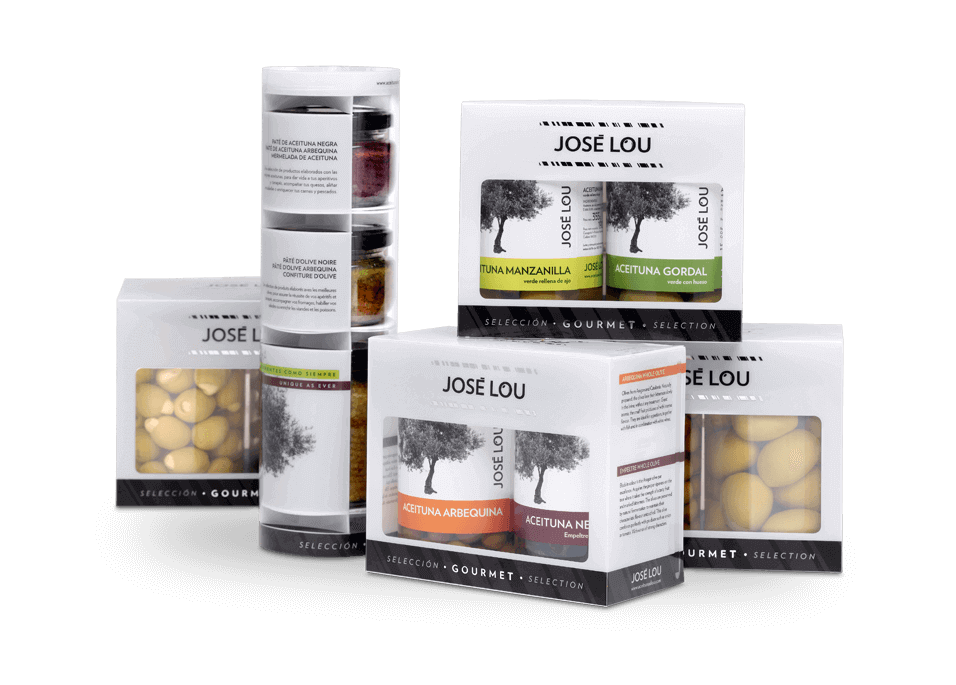
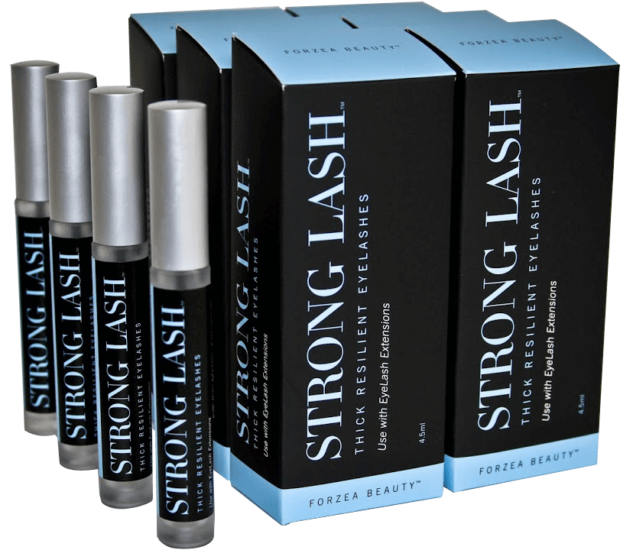
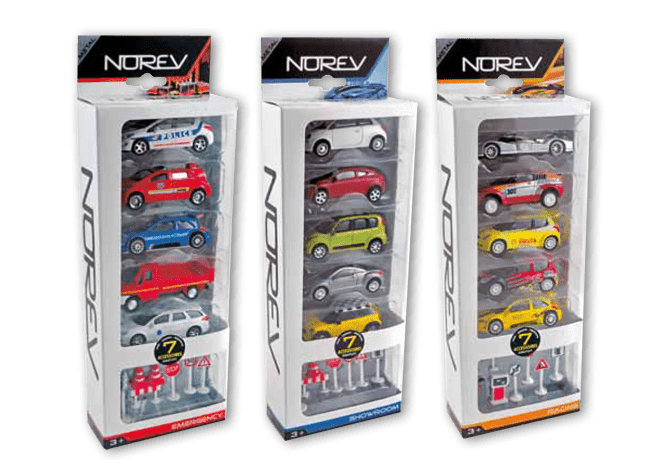
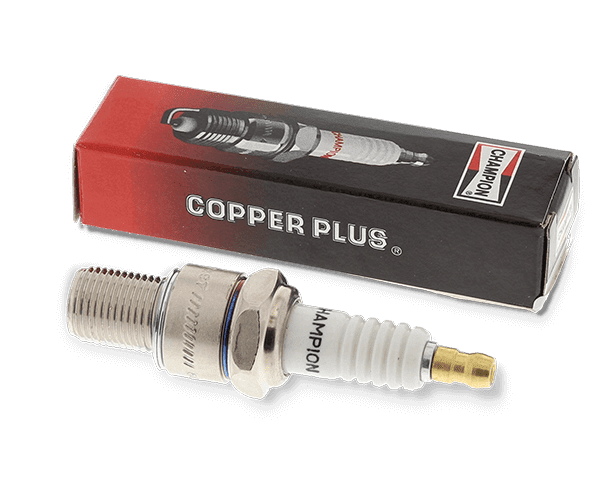
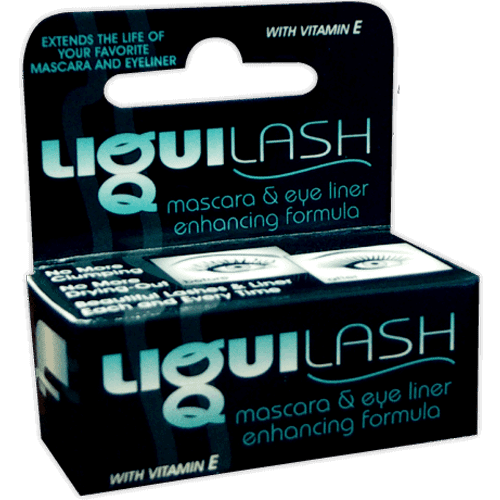
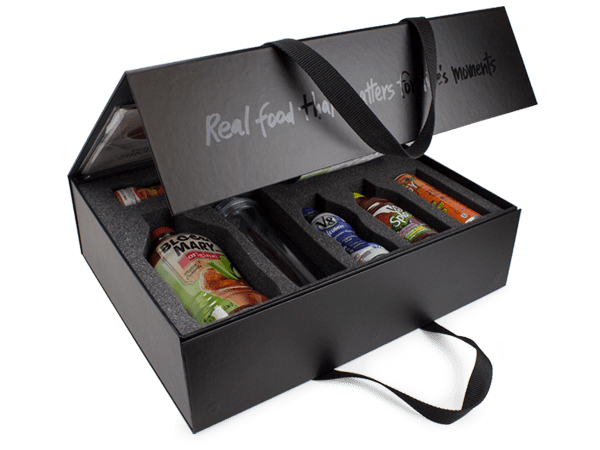
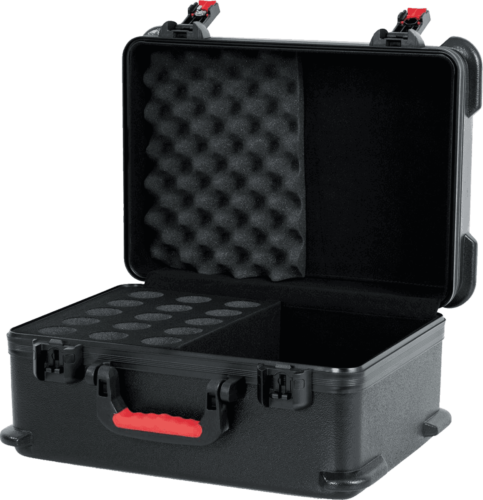
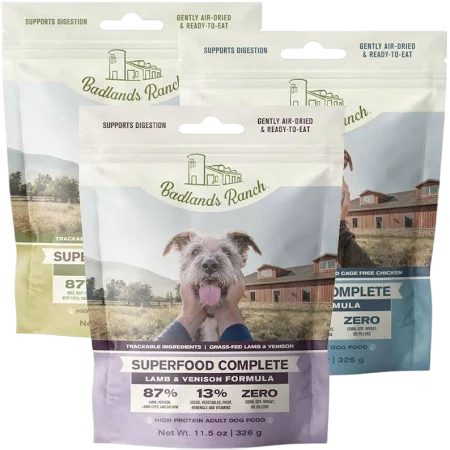
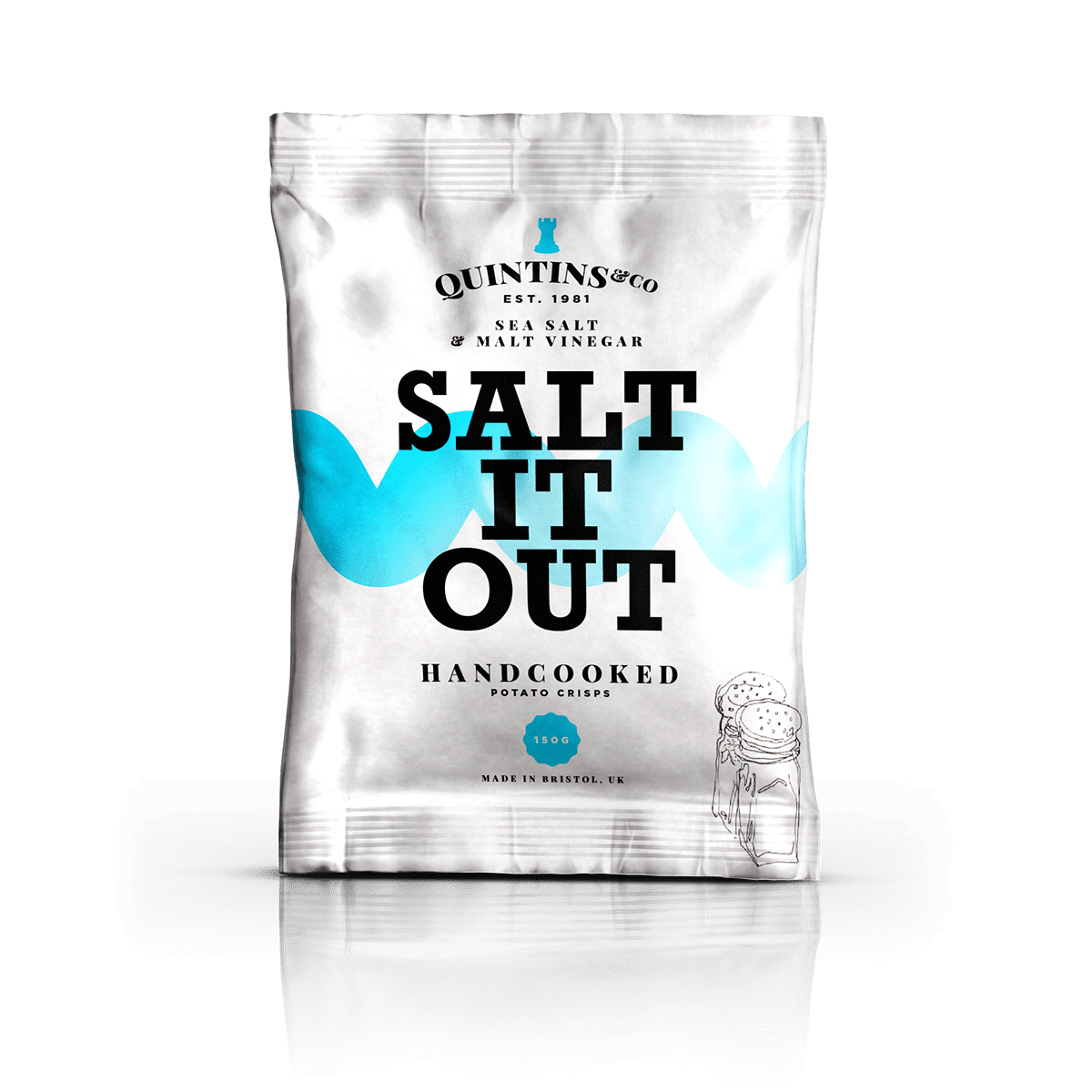
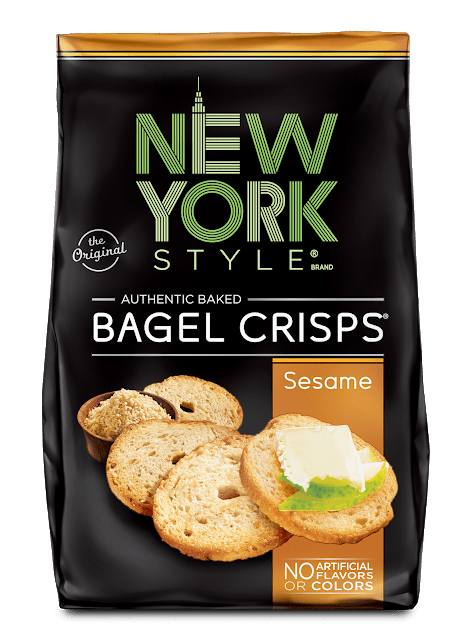
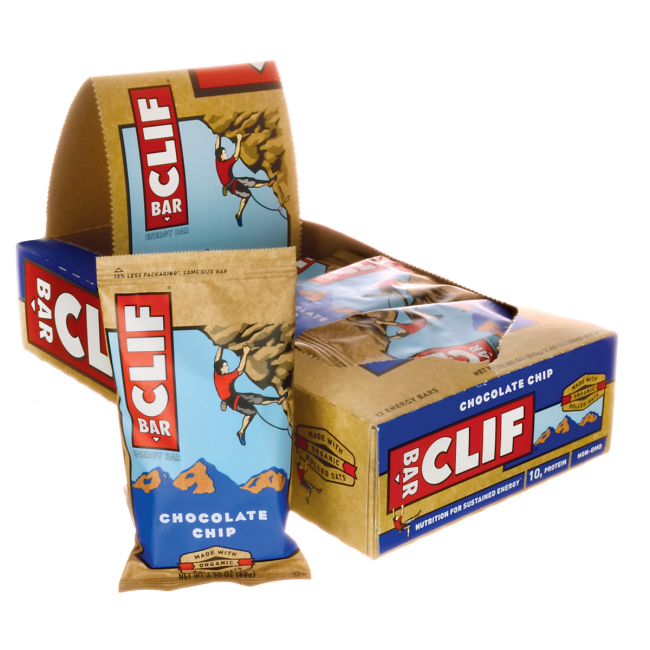
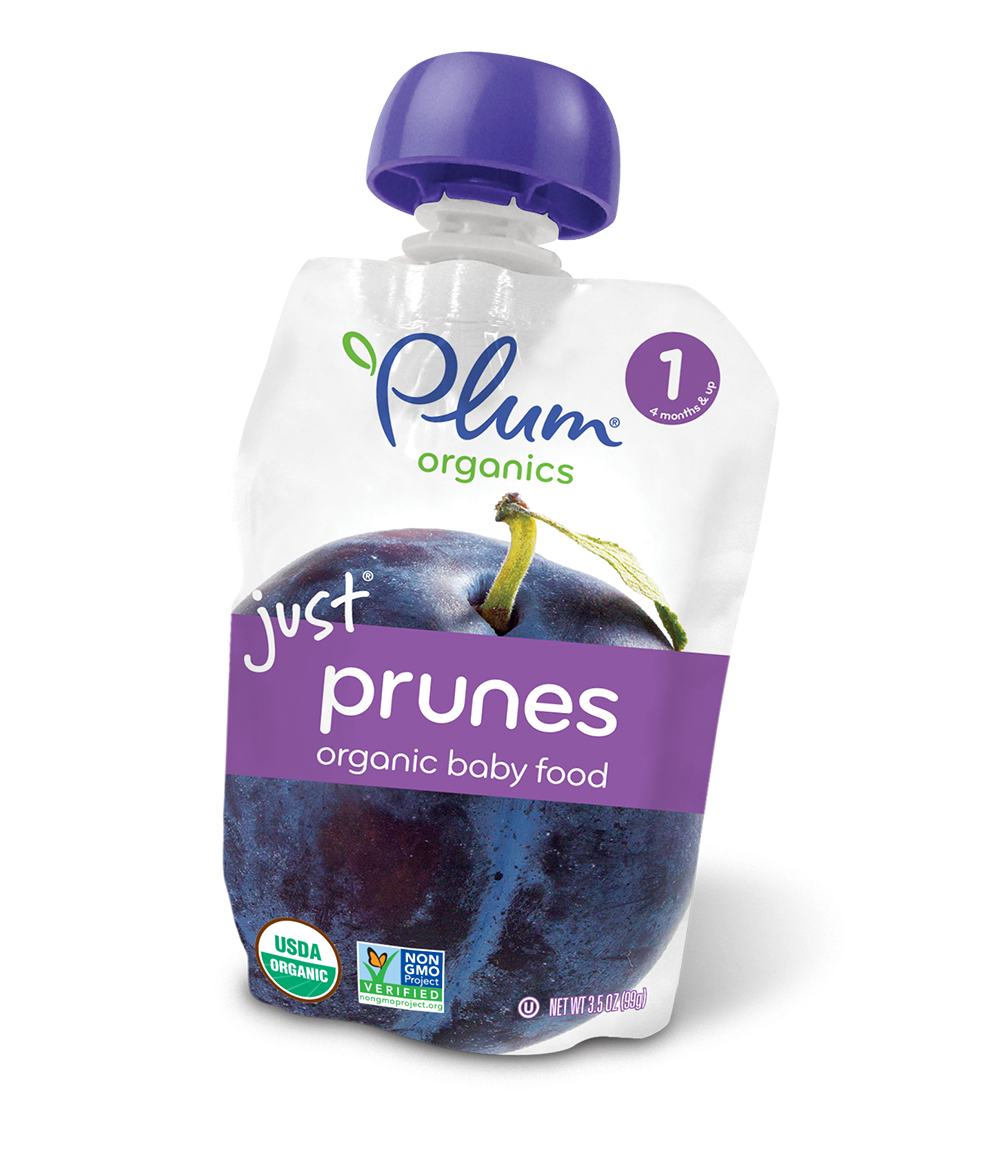
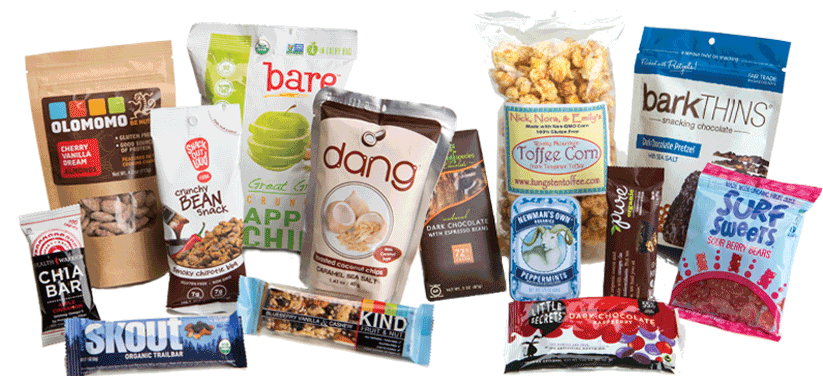
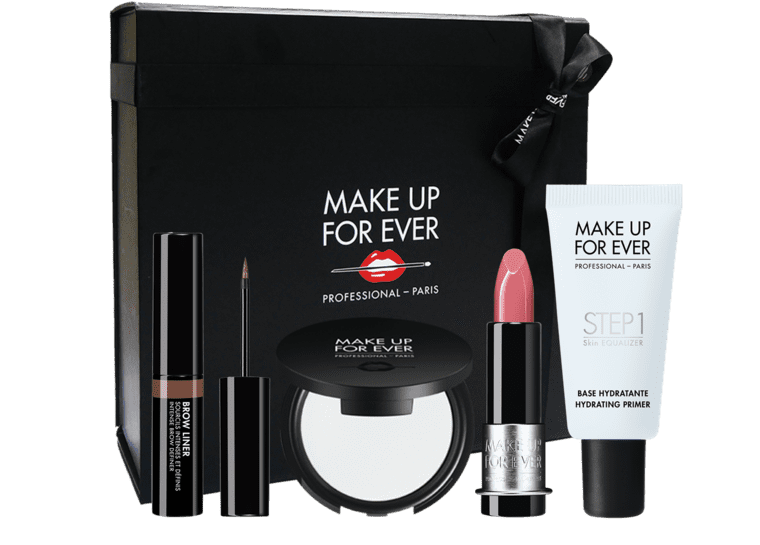
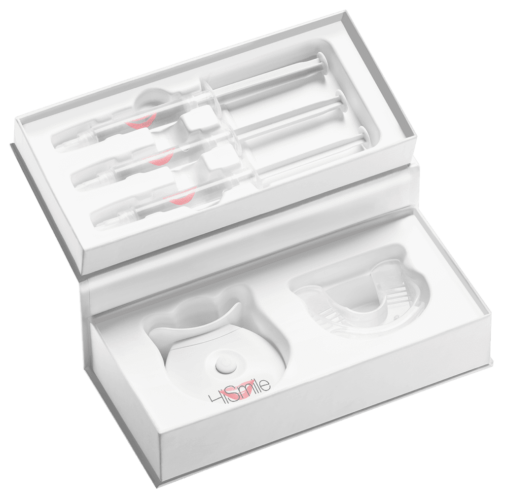
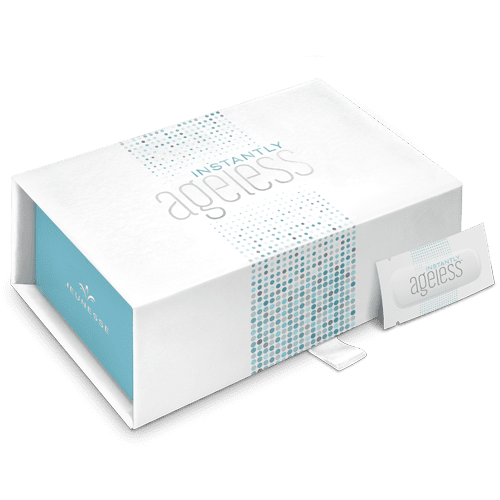
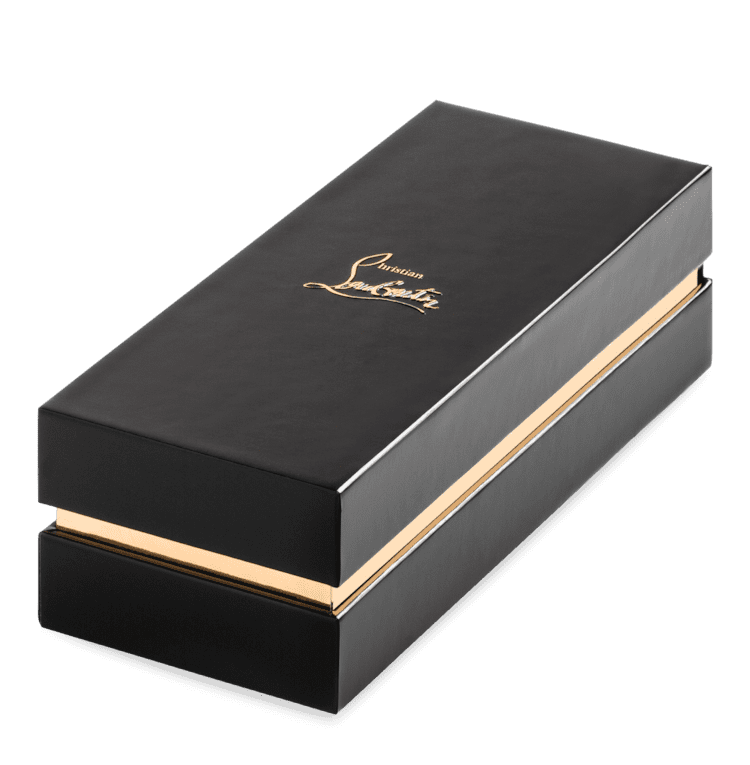
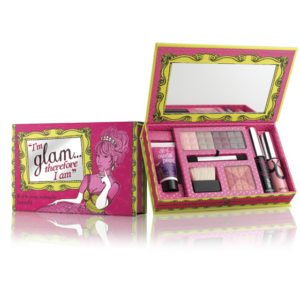
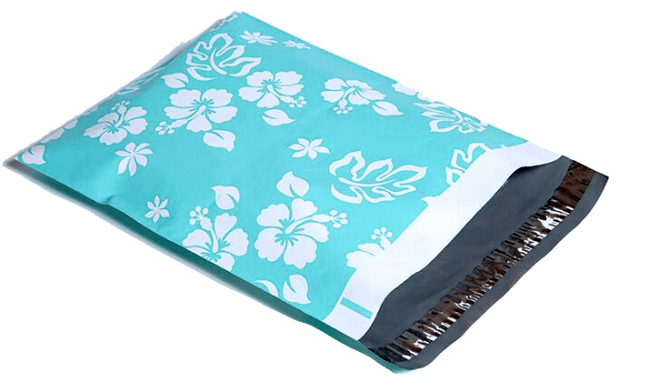
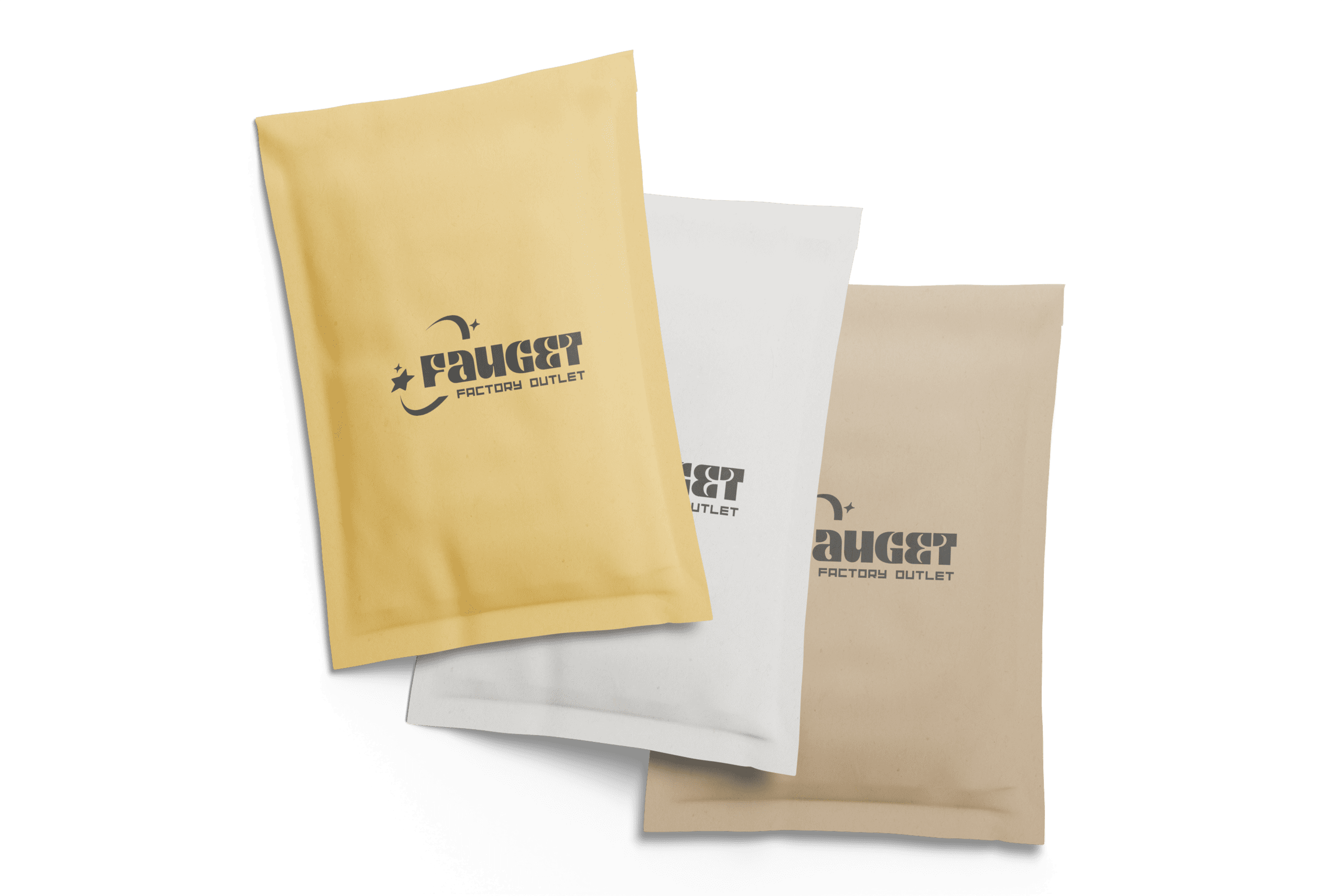
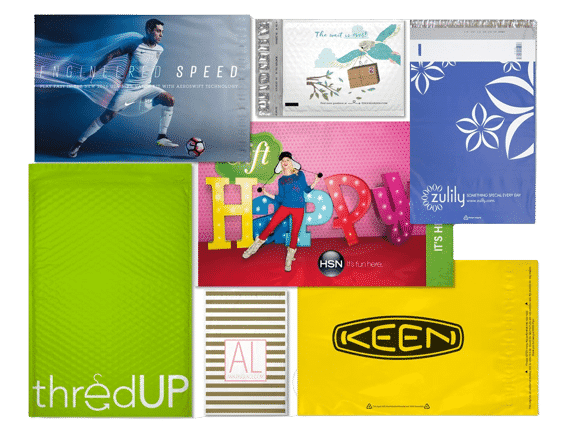
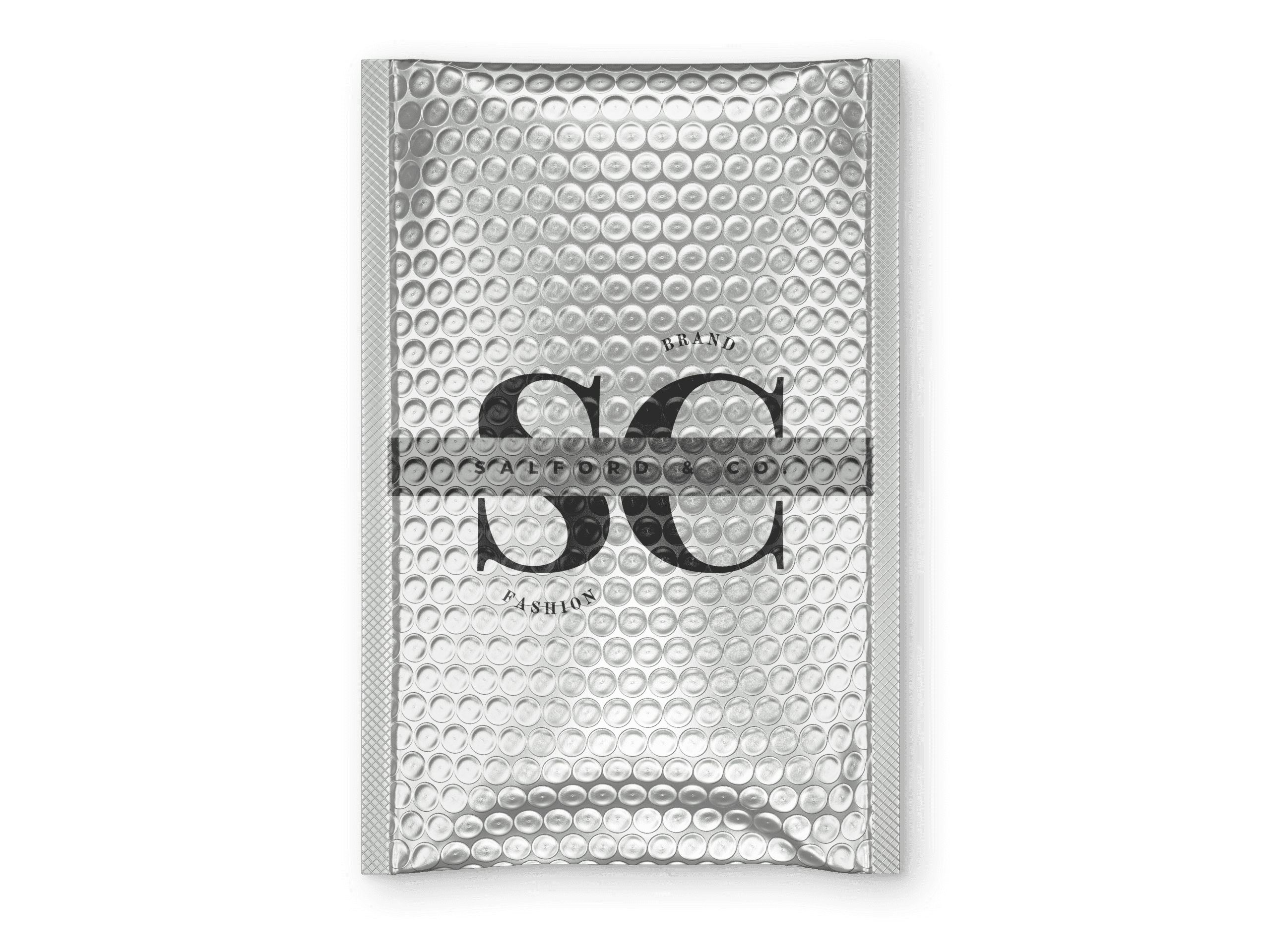
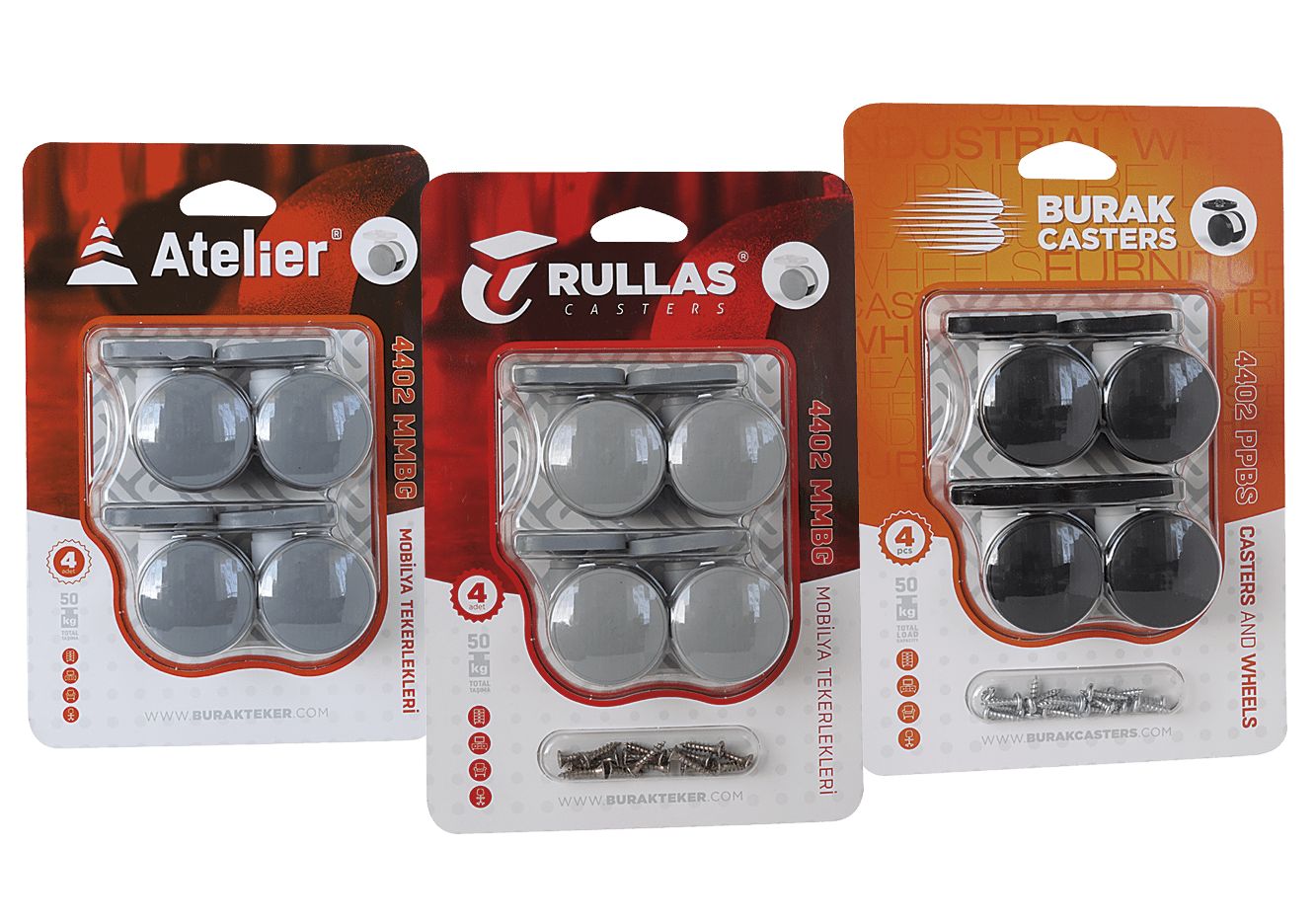
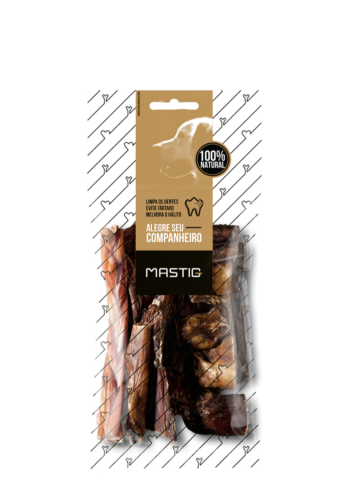
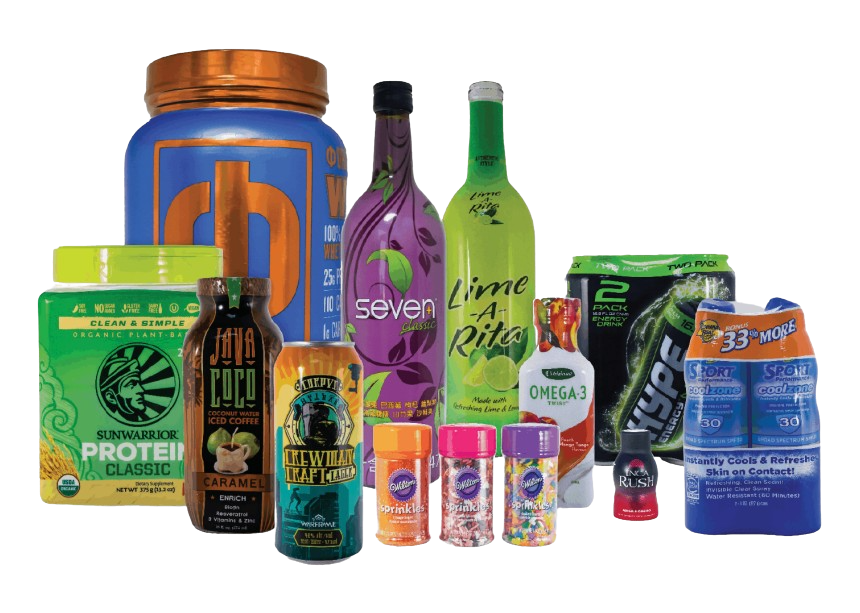
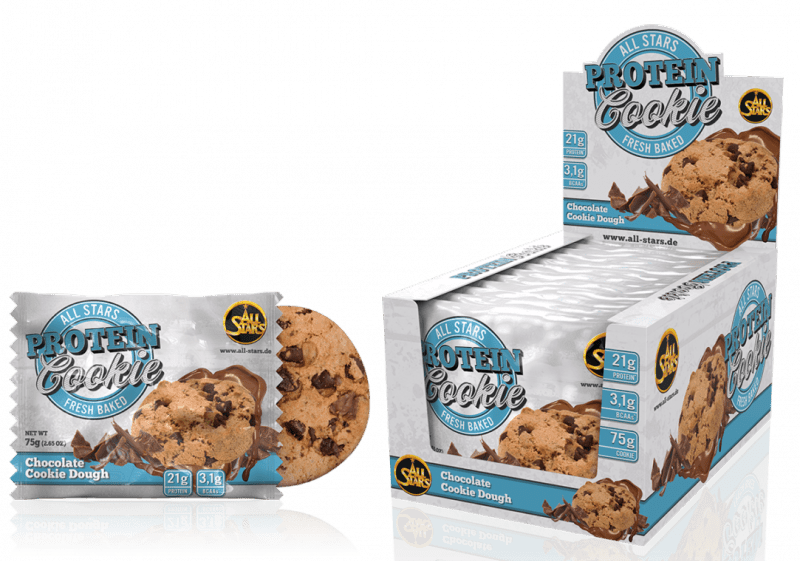
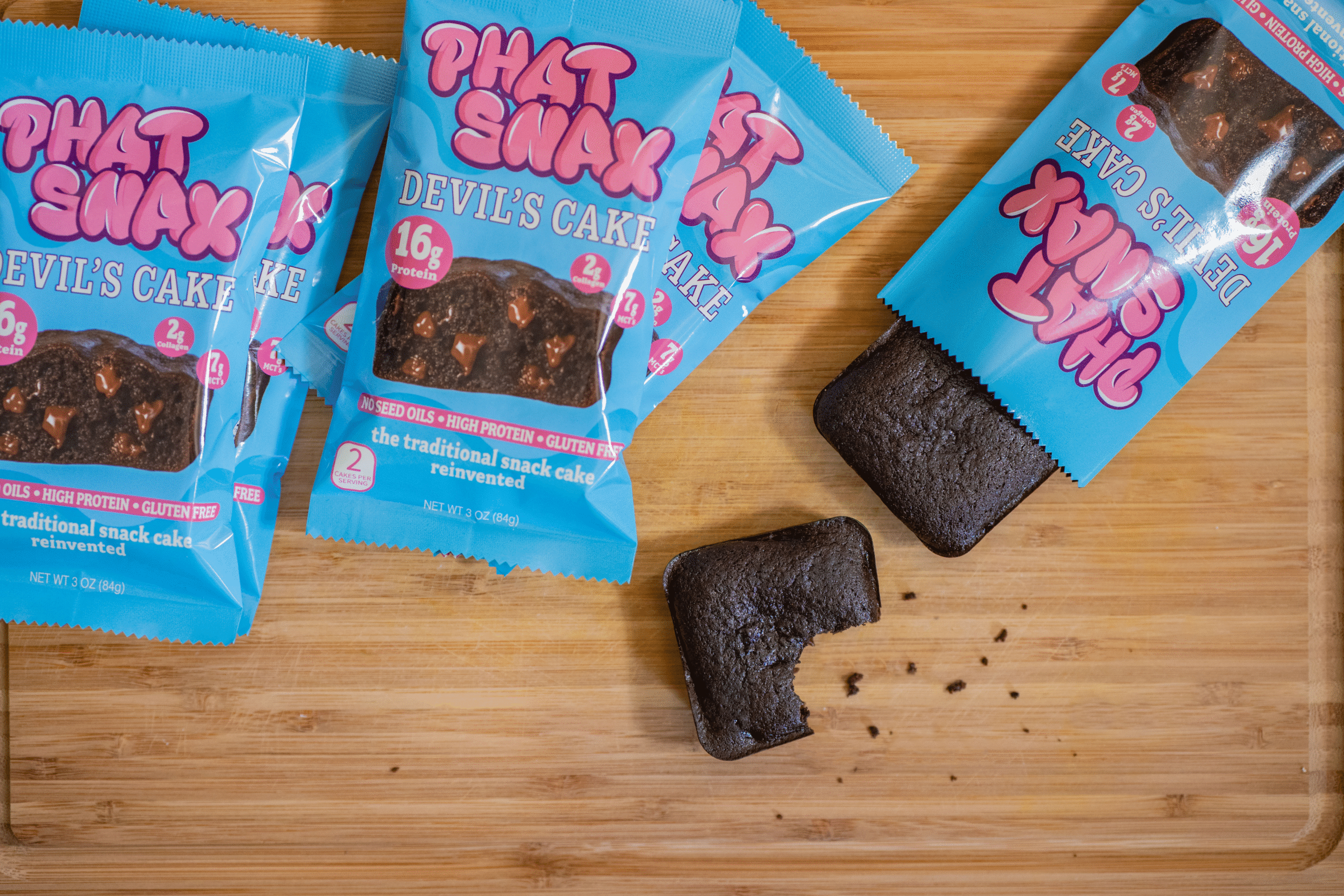
We offer a wide selection of fully customizable packaging products to address any packaging purpose. Customize your packaging product with your logo, brand colors, product information, design, features, and more. If you are unsure on what type of packaging you will need, then contact us for an expert consultation.


Custom packaging is tailored specifically to fit a brand’s unique product requirements, unlike stock packaging, which is pre-made and generic. Custom options allow for precise sizing, materials, and design choices, offering enhanced protection, presentation, and improved efficiency. This personalization makes custom packaging ideal for businesses looking to stand out and create a cohesive brand identity.
At Brown Packaging, our custom packaging solutions are structurally designed to optimize protection, material usage, and sustainability, tailored to meet specific product needs across various applications. We incorporate graphics to reinforce brand identity, ensuring that each package not only protects but also represents your brand effectively. With a focus on durability and functionality, our packaging ensures secure handling for shipping, retail, or storage while supporting sustainability goals.
Custom Packaging Products
We offer a variety of custom packaging products and solutions to meet all your packaging needs in one place. You’ll work directly with a dedicated project specialist to customize your package according to your specifications, including branding, features, and design.


If you need any assistance with your packaging or have a question, then contact us directly at request@brownpackaging.com or (714)300-0650. Learn more about custom packaging by reading our blog posts on new and trending topics.

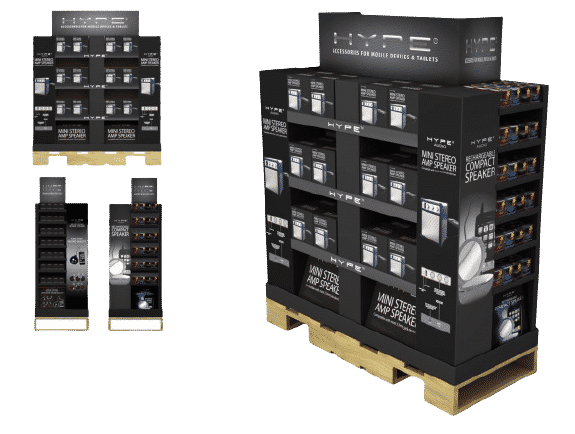
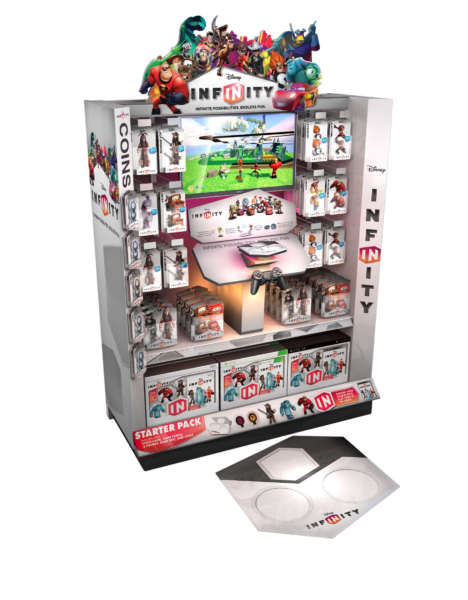
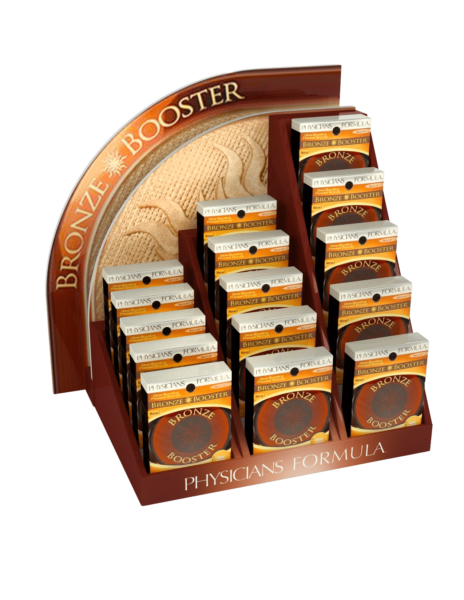
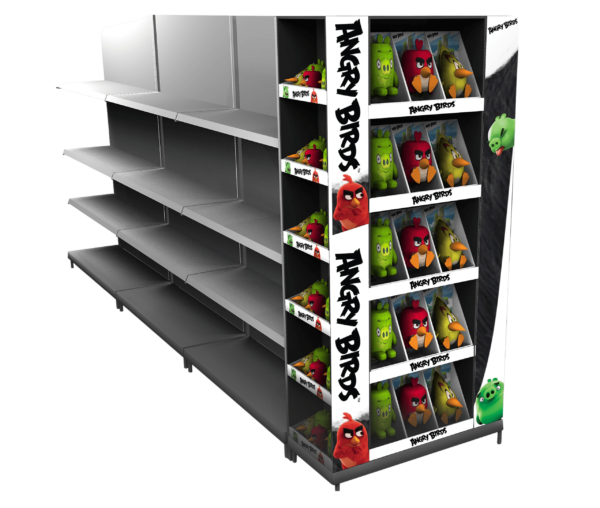
Seasonal promotions are among the most powerful opportunities for brands to capture attention in retail environments. From holidays to back-to-school campaigns, point-of-purchase (POP) displays serve as the centerpiece of these promotions. To succeed, seasonal displays must deliver bold branding, withstand short-term but intensive use, and remain cost-efficient for rapid deployment. The Role of POP Displays in Seasonal Campaigns Seasonal promotions rely on speed, visibility, and excitement. POP displays amplify these campaigns by: Highlighting limited-time offers. Creating urgency that drives impulse purchases. Reinforcing brand presence during peak shopping periods. Allowing retailers to reconfigure store layouts quickly. Design Considerations for Seasonal POP Displays Unlike long-term club store displays, seasonal displays must balance structural strength with temporary use. Lightweight but durable materials: Enough to last weeks, not months. Fast assembly: Retail staff must set up displays quickly. Compact shipping: Flat-pack designs keep logistics efficient. Creative graphics: Bold, festive, and aligned with seasonal themes. Balancing Cost and Performance Because seasonal promotions are short-lived, packaging buyers must avoid overspending on unnecessary strength. Best practices include: Using single-wall corrugated with protective coatings when appropriate. Right-sizing displays to fit promotion duration and product volume. Selecting cost-efficient printing methods that deliver strong visual impact. Examples of Seasonal POP Applications Holiday promotions: Gift packs, limited-edition items, and themed displays. Back-to-school campaigns: Stationery, snacks, and student-focused promotions. Summer promotions: Beverage displays and outdoor lifestyle products. Valentine’s Day or Easter: Small-scale seasonal displays with high turnover. POP Display Solutions with Brown Packaging Brown Packaging designs POP displays tailored for seasonal promotions. From festive graphics to cost-efficient structural designs, we create displays that attract shoppers and maximize return during short-term campaigns. Contact us to learn more about seasonal POP solutions. References Shop! Association. (2021). Best Practices for In-Store Marketing and POP Displays. Retrieved from https://www.shopassociation.orgSoroka, W. (2009). Fundamentals of Packaging Technology (4th ed.). Institute of Packaging Professionals.ASTM International. (2023). ASTM D5445: Standard Practice for Pictorial Markings for Handling of Goods. (714)300-0650 request@brownpackaging.com Most Recent Posts: Categories: Corrugated Ecommerce ESD Design Display Flexible Packaging Foam Folding Carton Packaging Plastic Packaging Pouch Printing Protection Retail Rigid Box Thermoform Sustainability Subscribe To Our Newsletter By submitting your information, you agree to our terms and conditions and privacy policy. POP Display Facebook Twitter LinkedIn Pinterest Relevant Posts

Freight is one of the largest cost drivers in retail packaging programs. Point-of-purchase (POP) displays that look impressive on the floor may be inefficient to ship, leading to wasted space, higher freight charges, and reduced margins. By designing POP displays with logistics in mind, brands can reduce transportation costs without sacrificing retail impact. Why Freight Costs Matter in POP Programs Shipping inefficiency adds up quickly across high-volume campaigns. Displays that do not cube out effectively—or require excessive protective packaging—cost more to move and handle. In some cases, freight expenses outweigh the cost of the displays themselves. Designing POP Displays for Shipping Efficiency Flat-pack design: Displays that ship knocked down reduce cubic volume. Right-size engineering: Minimize excess corrugated or void space. Lightweight materials: Reduce overall shipping weight. Stacking strength: Displays must withstand compression during pallet transport. Balancing Shipping and Retail Needs Designers must ensure that cost savings on freight do not compromise in-store performance. Best practices include: Testing displays for stability after flat-pack assembly. Using reinforced corrugated grades where stacking is required. Designing displays that integrate seamlessly with pallets. Coordinating with logistics teams early in the design process. Examples of Freight-Efficient POP Displays Club store pallet displays: Engineered for direct-to-floor placement. Seasonal promotions: Lightweight designs shipped compactly in bulk. Floor stands: Collapsible displays that expand on-site without excess packaging. POP Display Solutions with Brown Packaging Brown Packaging designs POP displays that balance retail impact with freight efficiency. Our solutions reduce logistics costs while ensuring displays perform as intended in-store. Contact us to explore freight-efficient POP display options. References Shop! Association. (2021). Best Practices for In-Store Marketing and POP Displays. Retrieved from https://www.shopassociation.orgSoroka, W. (2009). Fundamentals of Packaging Technology (4th ed.). Institute of Packaging Professionals.ASTM International. (2023). ASTM D4169: Standard Practice for Performance Testing of Shipping Containers and Systems. (714)300-0650 request@brownpackaging.com Most Recent Posts: Categories: Corrugated Ecommerce ESD Design Display Flexible Packaging Foam Folding Carton Packaging Plastic Packaging Pouch Printing Protection Retail Rigid Box Thermoform Sustainability Subscribe To Our Newsletter By submitting your information, you agree to our terms and conditions and privacy policy. POP Display Facebook Twitter LinkedIn Pinterest Relevant Posts

Incorporating recycled fiber into corrugated board is essential for sustainability goals, but it directly affects the mechanical properties of packaging. Understanding how fiber composition influences durability allows packaging engineers to strike the right balance between performance and environmental impact. Fiber Strength and Recycling Cycles Virgin Fiber: Longer, more intact cellulose fibers that offer superior tensile and compression strength. Recycled Fiber: Shorter fibers due to repeated processing; reduced bonding potential and stiffness. Fiber Degradation: Each recycling cycle shortens fibers, leading to diminished ECT and burst resistance. Mechanical Trade-Offs High Recycled Content: Lower material cost and improved sustainability metrics, but reduced edge crush strength and puncture resistance. Mixed Fiber Blends: Commonly used to maintain performance while increasing recycled content. Moisture Sensitivity Recycled fibers tend to absorb and retain more moisture, accelerating loss of stacking strength in humid environments. Sizing agents and moisture-resistant coatings can partially offset this effect. Testing Protocols ASTM D685: Standard practice for conditioning paper and paper products before testing. TAPPI T410: Grammage testing to verify consistency in basis weight. Long-Term Compression Testing: To monitor creep and compression loss over storage periods. Application Guidelines Use higher recycled content in light-duty e-commerce boxes where high stacking strength isn’t required. Retain virgin outer liners for high-performance applications like industrial goods or long-distance freight. References ASTM International. (2014). ASTM D685-14: Standard practice for conditioning paper and paper products for testing. ASTM International. https://www.astm.org/d0685-14.htmlTechnical Association of the Pulp and Paper Industry. (2013). TAPPI T410 om-13: Grammage of paper and paperboard. TAPPI. https://www.tappi.org/content/store/shared/T410.htmlFibre Box Association. (2023). Corrugated recycling and performance considerations. Fibre Box Association. https://www.fibrebox.org (714)300-0650 request@brownpackaging.com Most Recent Posts: Categories: Subscribe To Our Newsletter By submitting your information, you agree to our terms and conditions and privacy policy. Sustainable Packaging Facebook Twitter LinkedIn Pinterest Relevant Posts