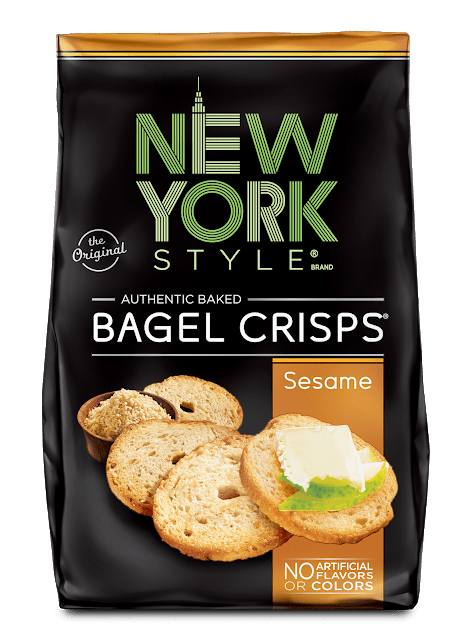
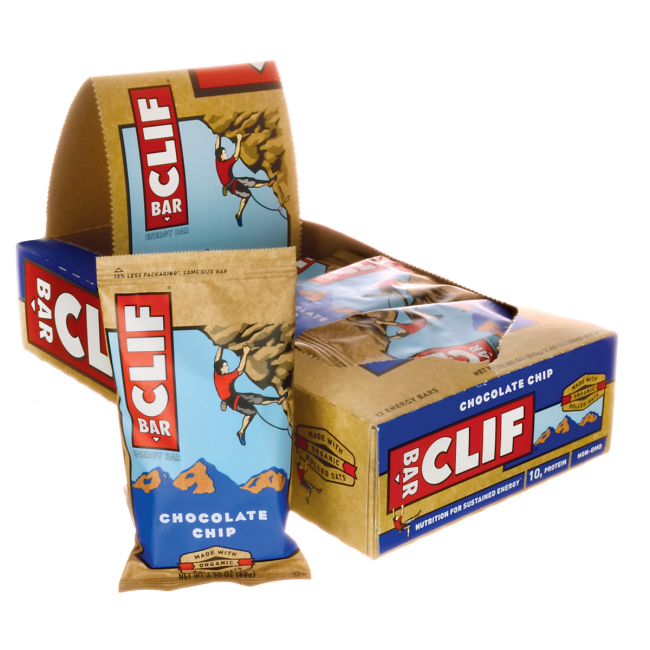
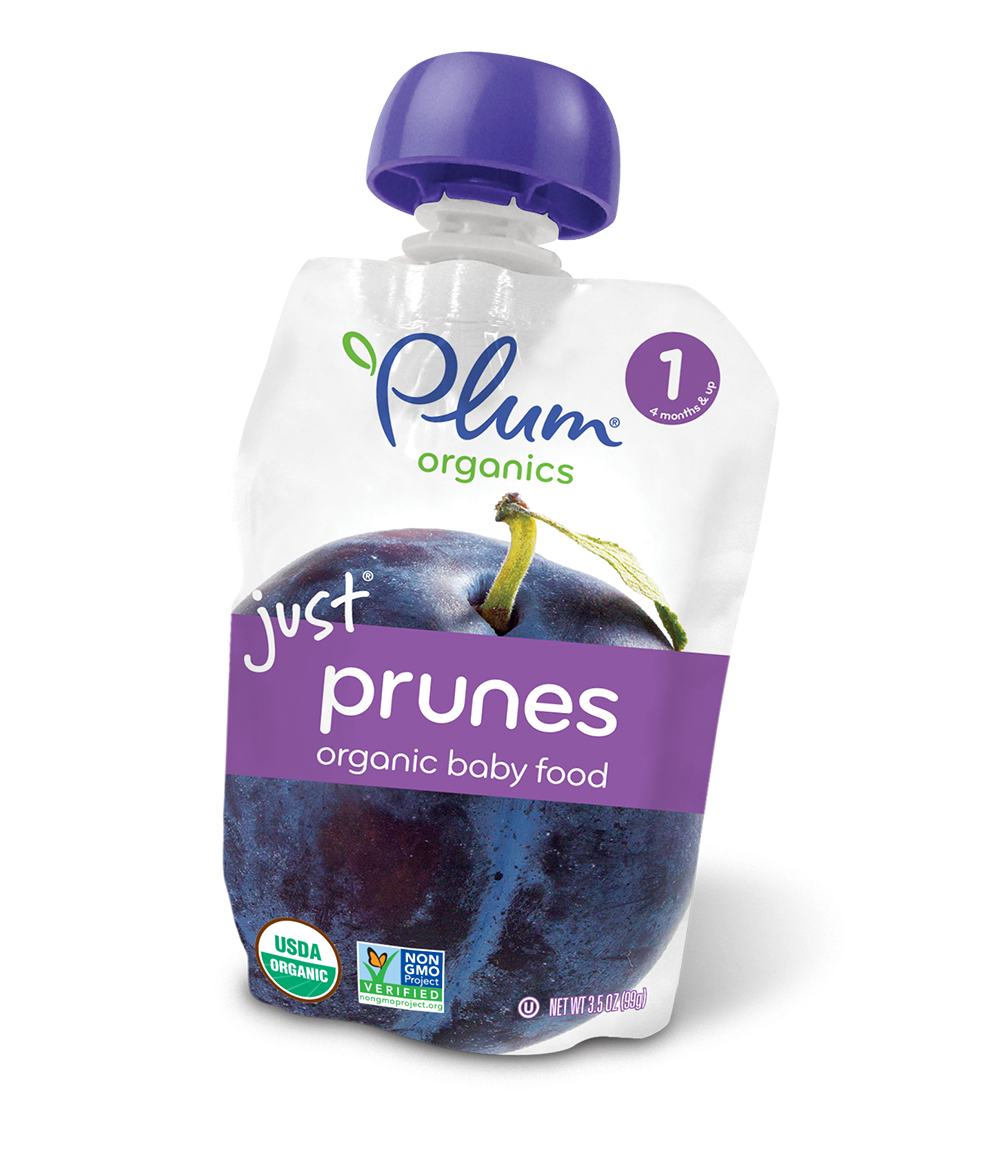
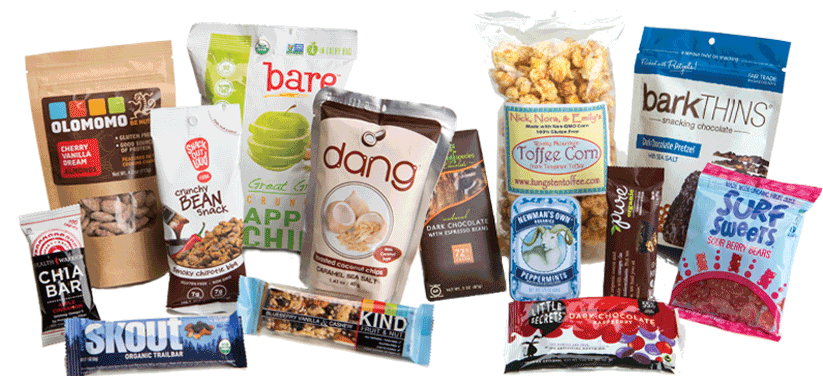
Custom Packaging
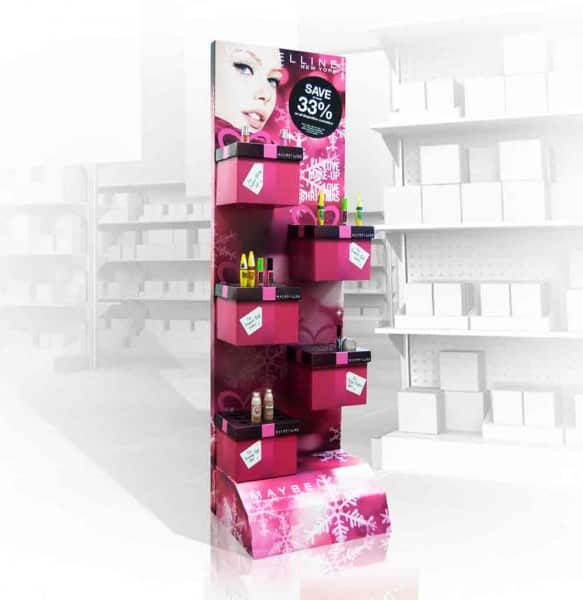
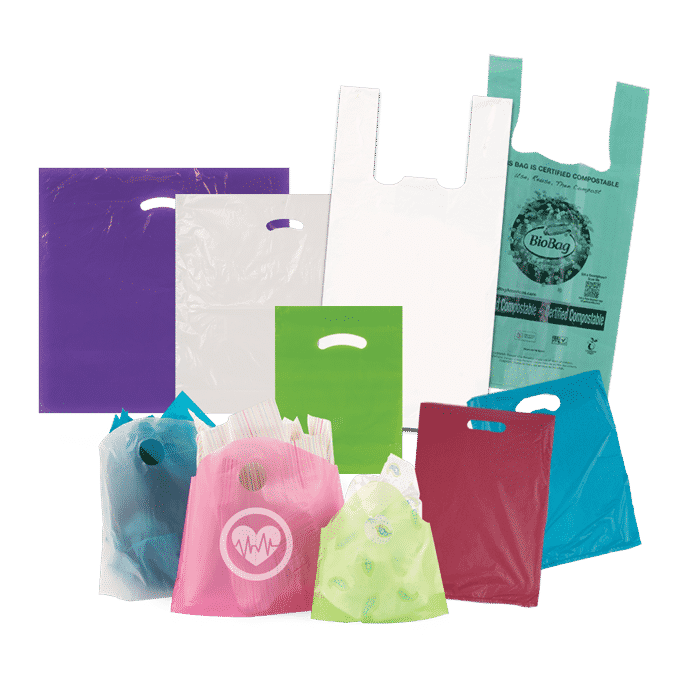
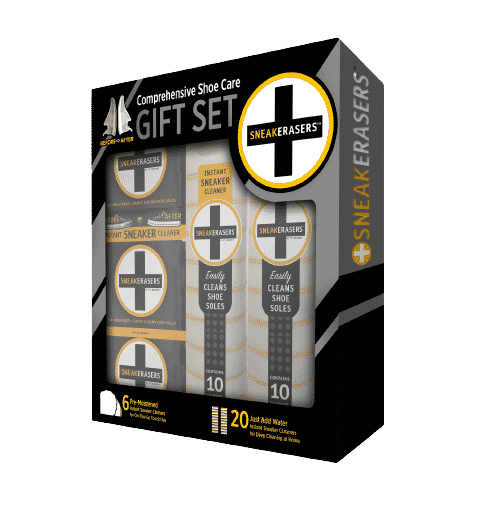
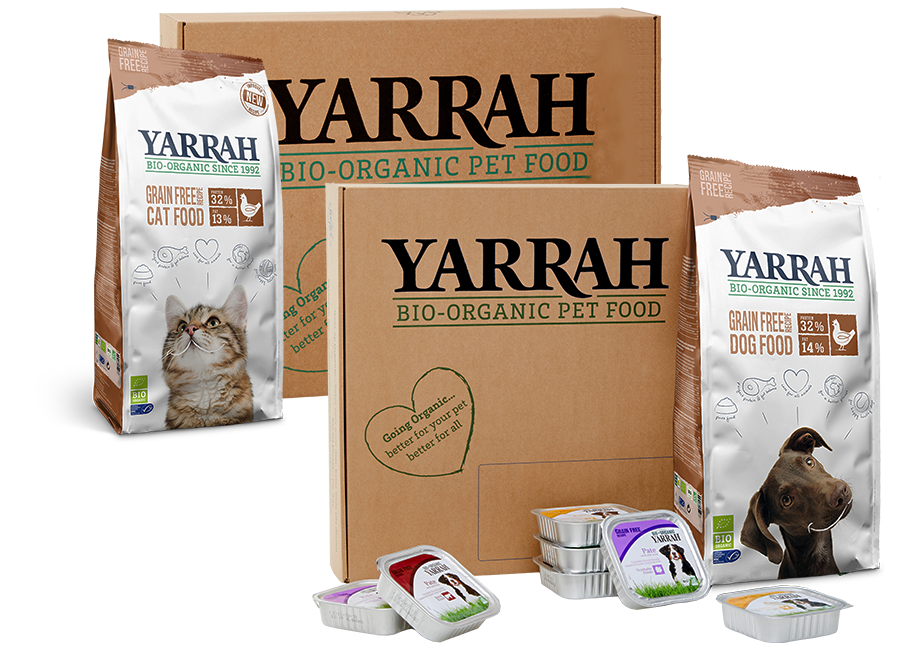
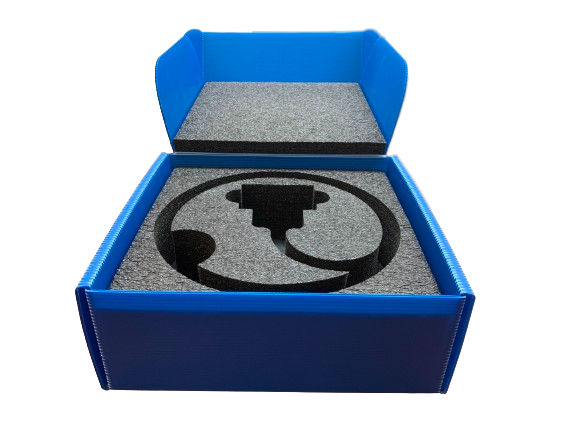
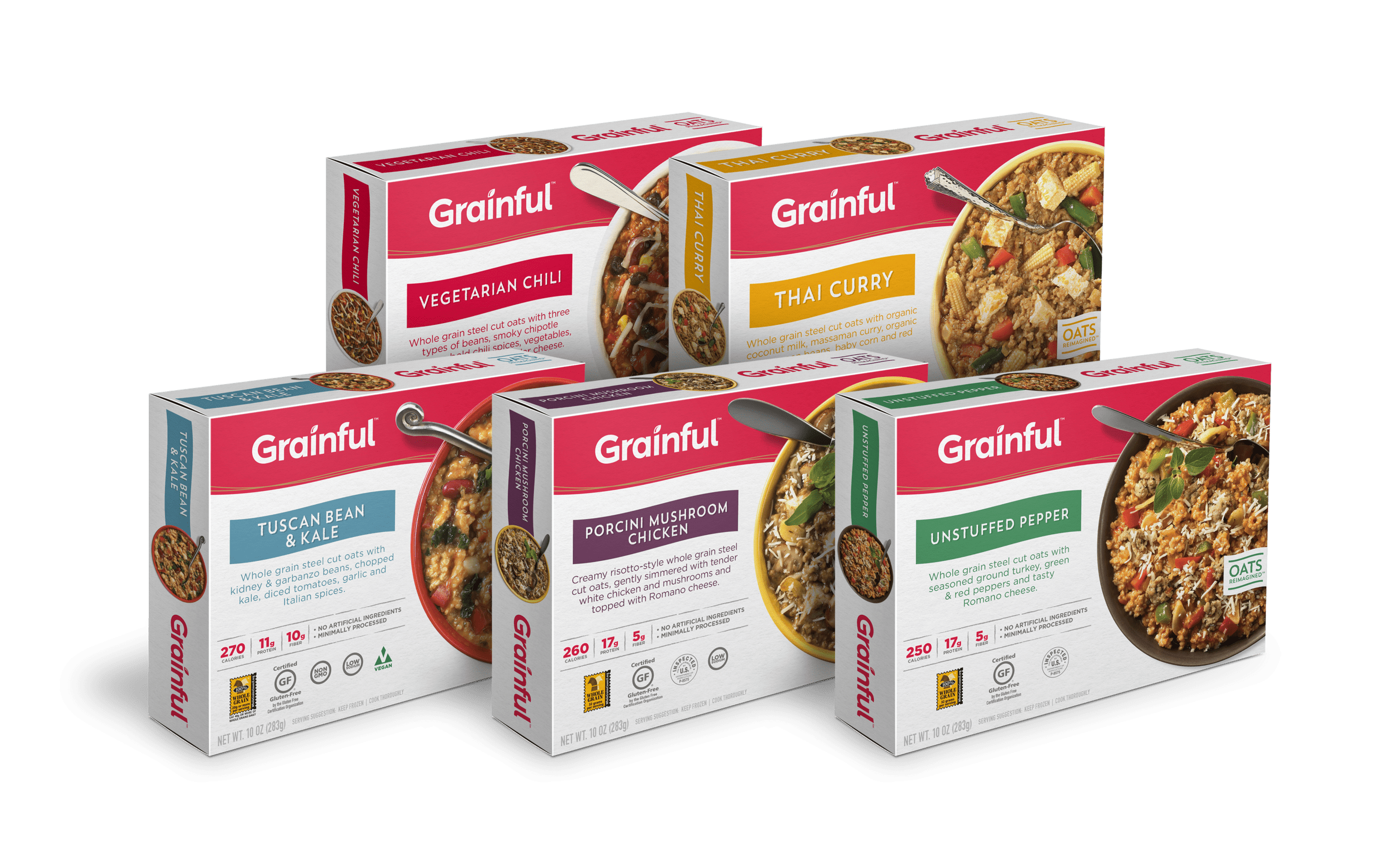
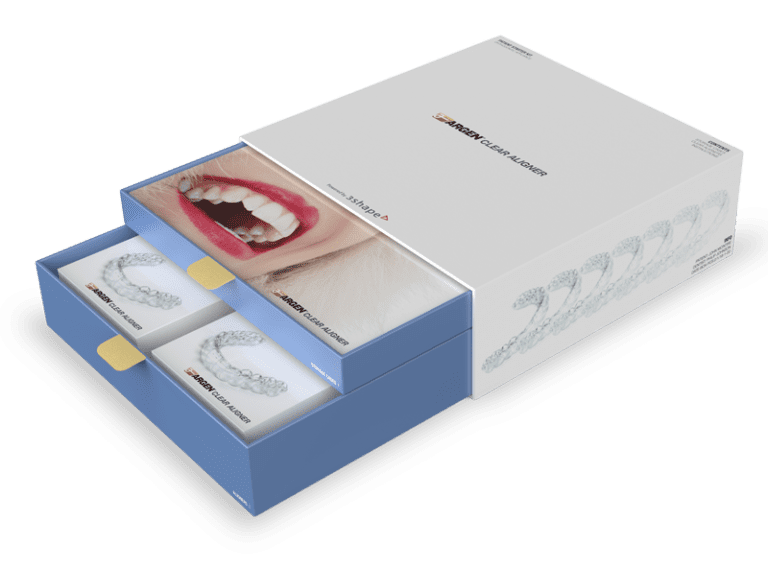
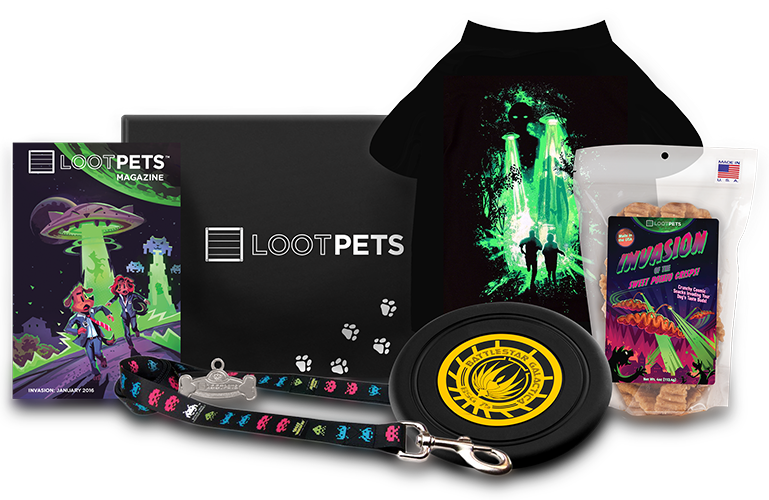
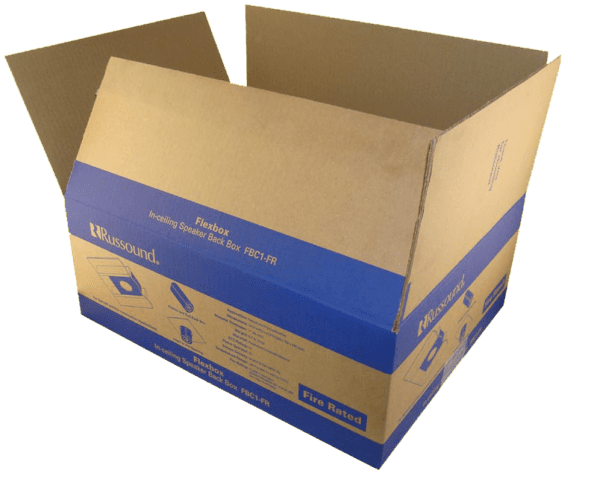
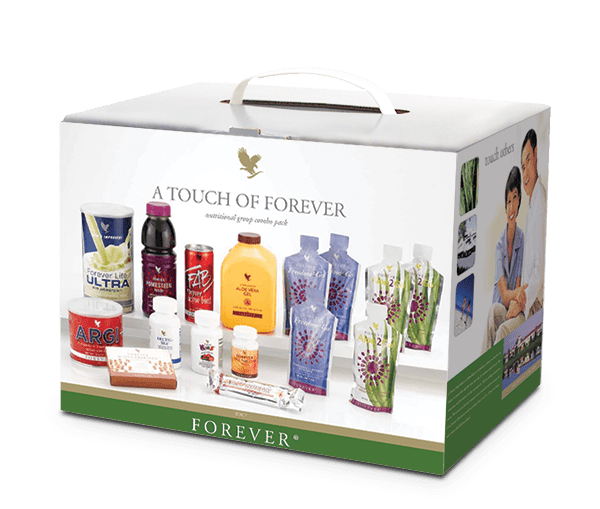
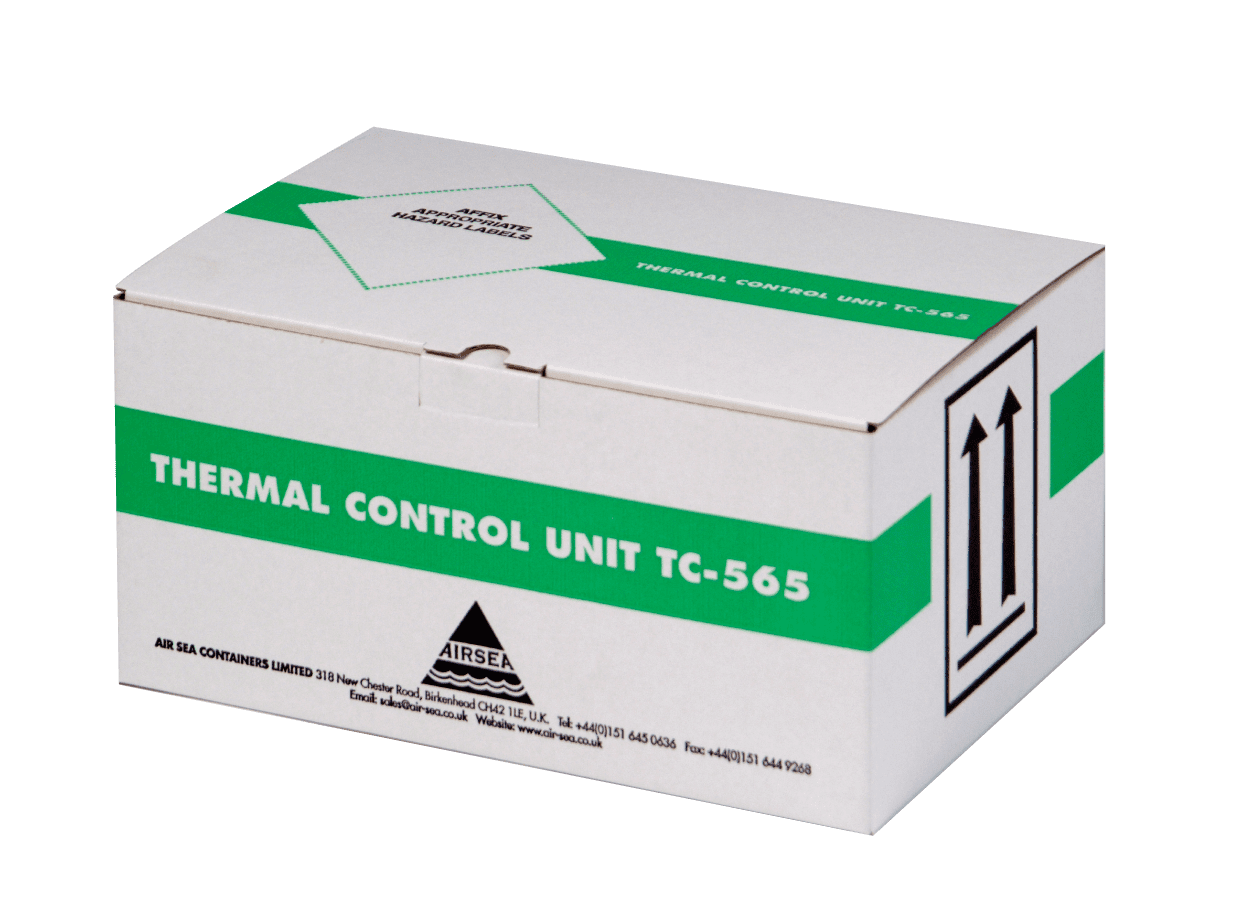
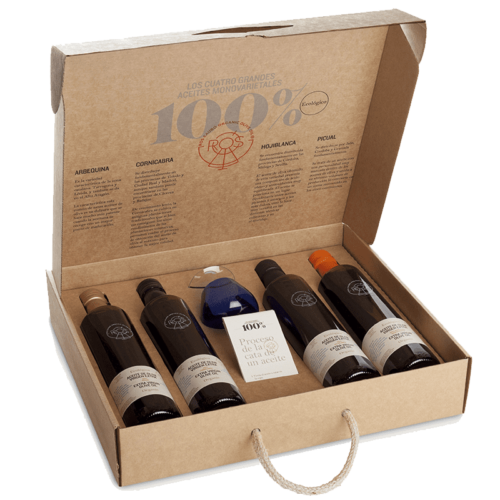
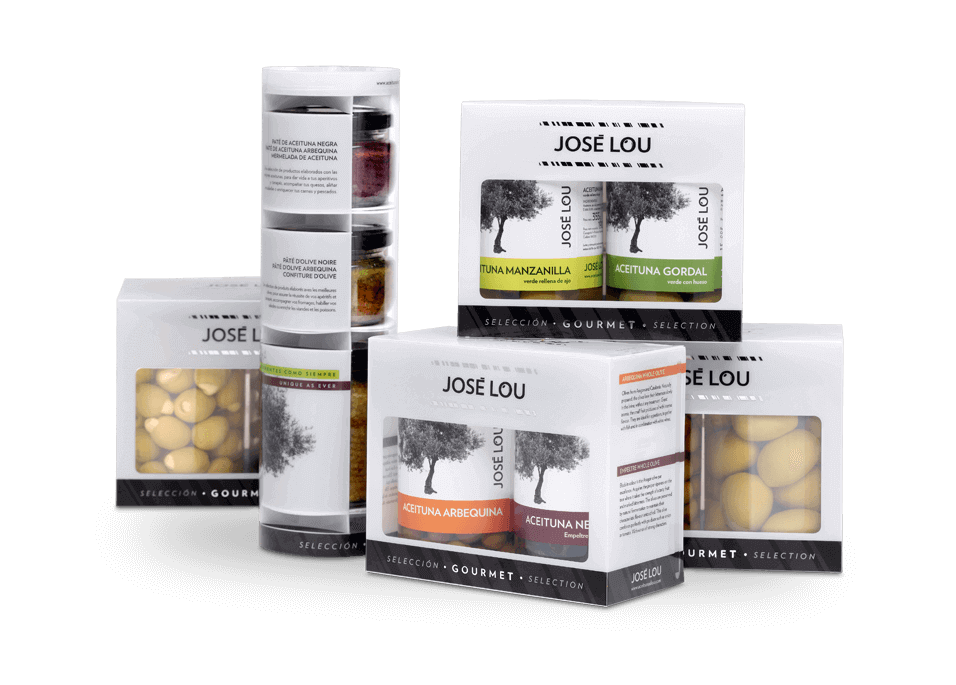
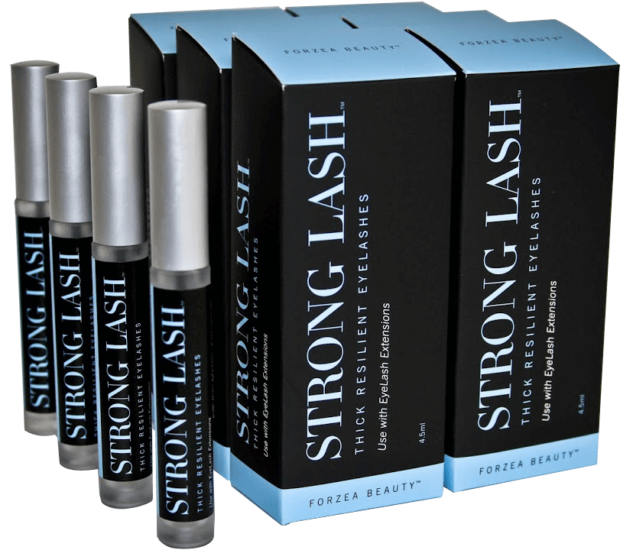
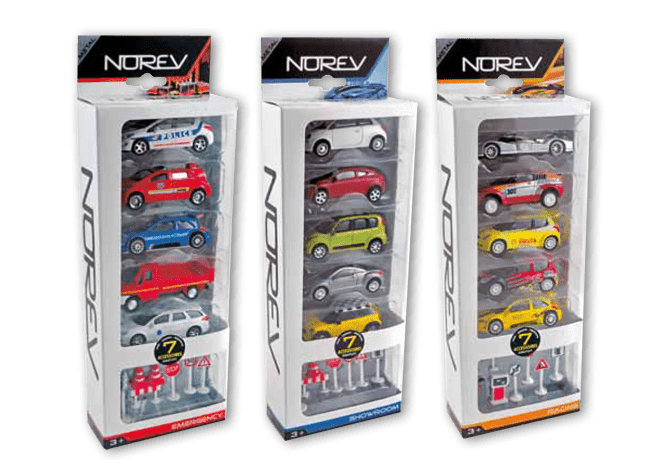
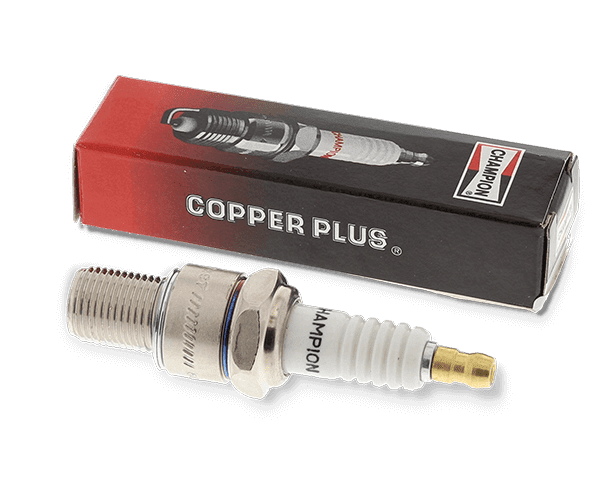
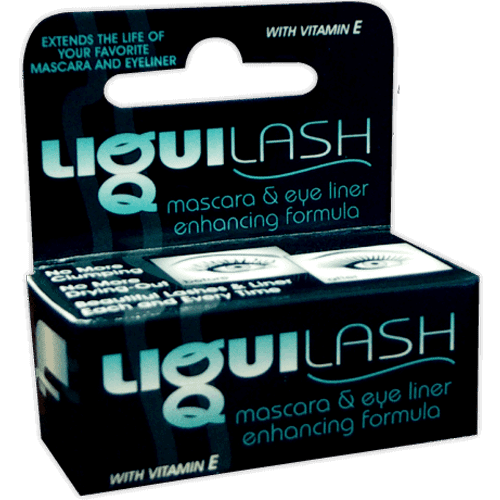
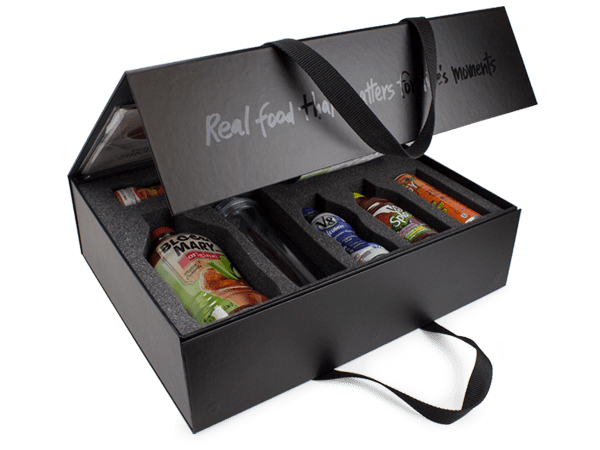
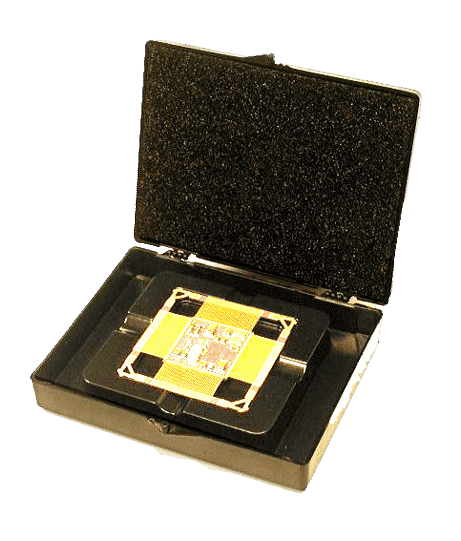
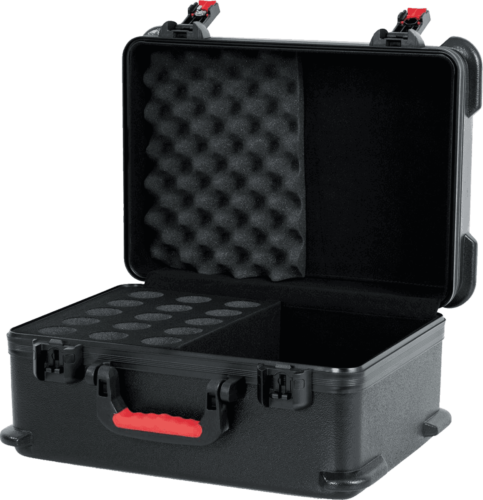
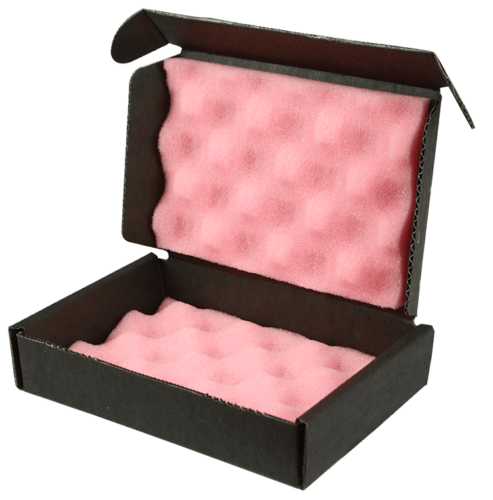
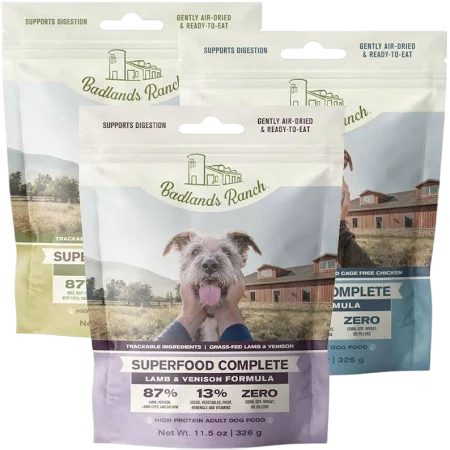
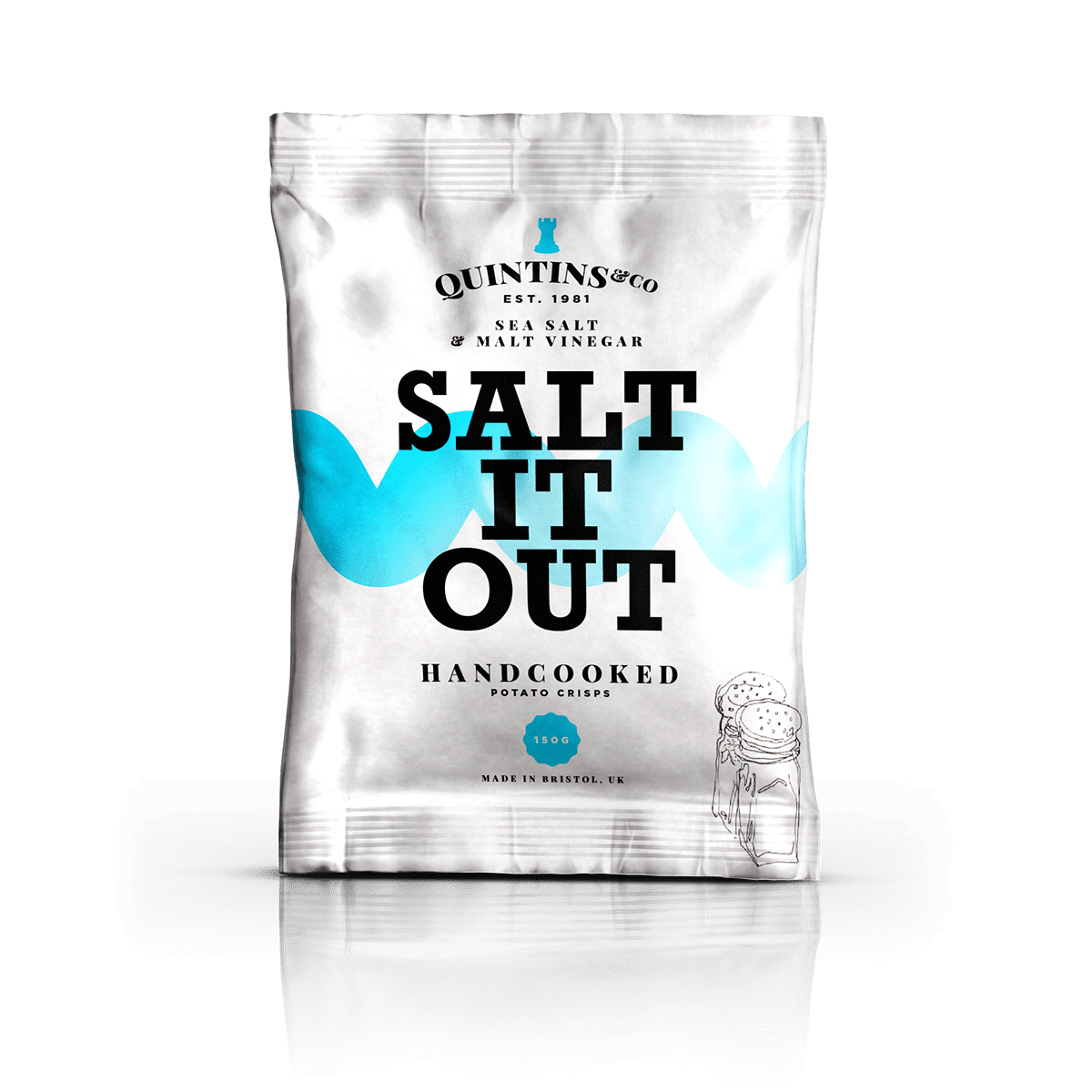
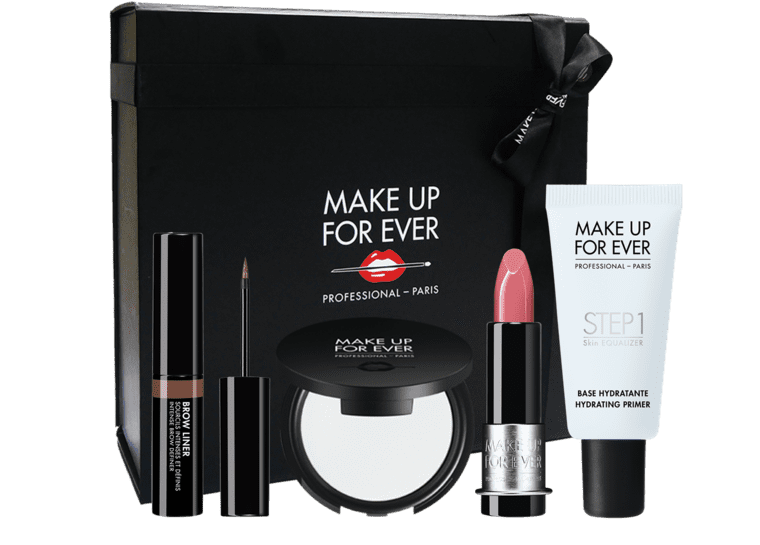
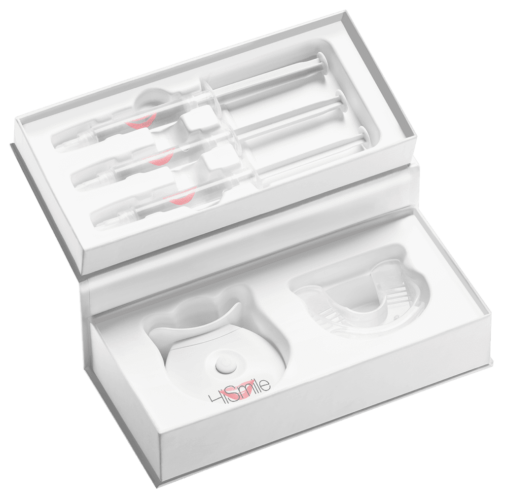
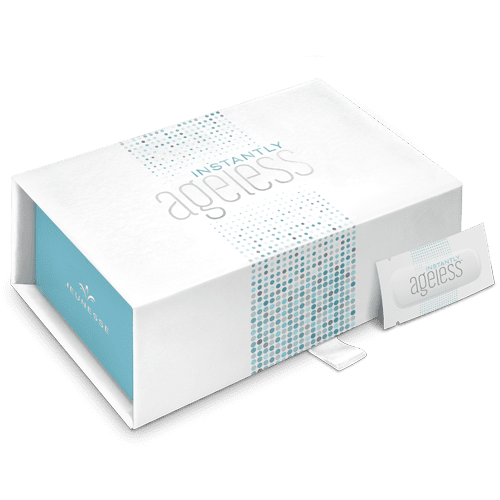
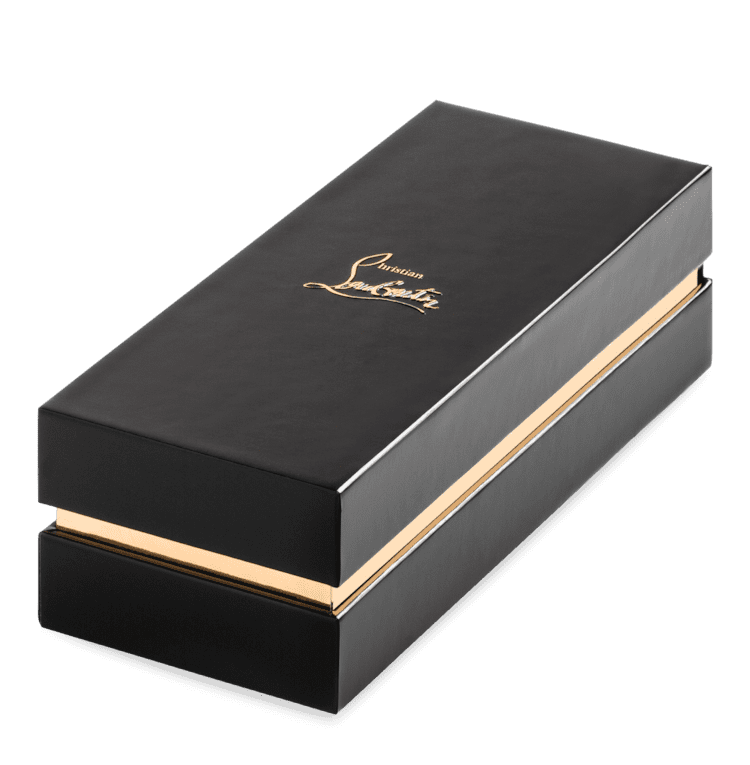
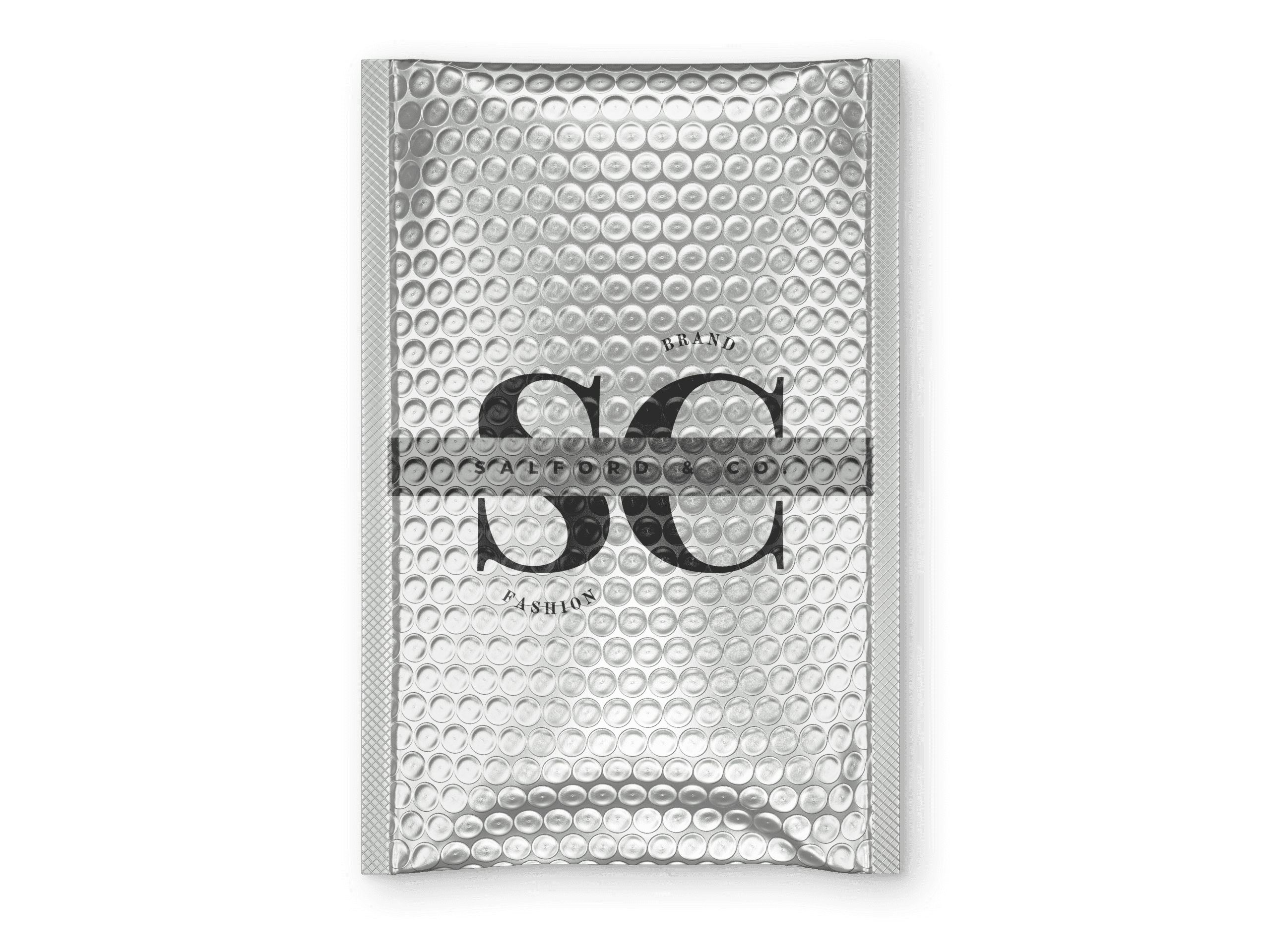
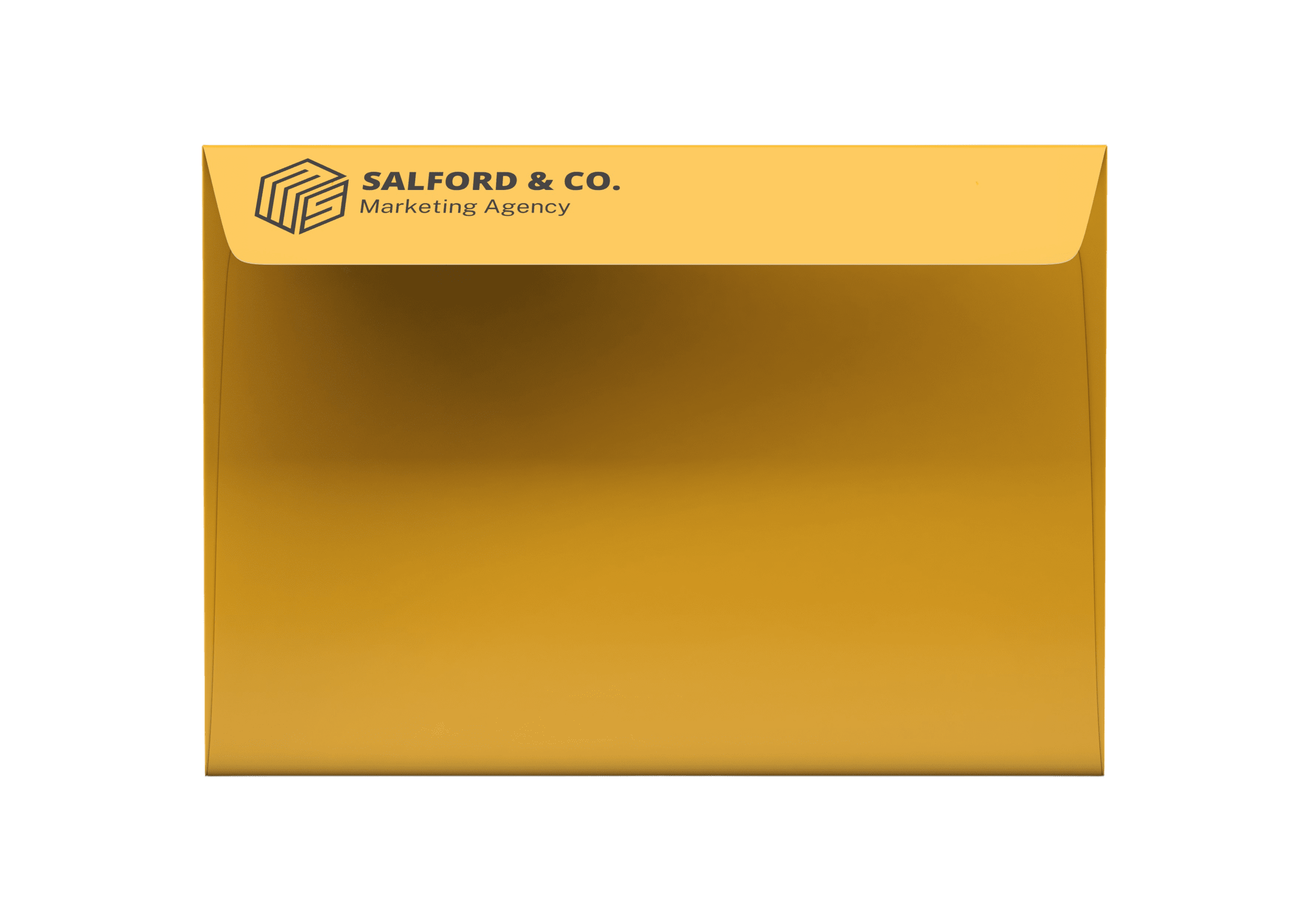
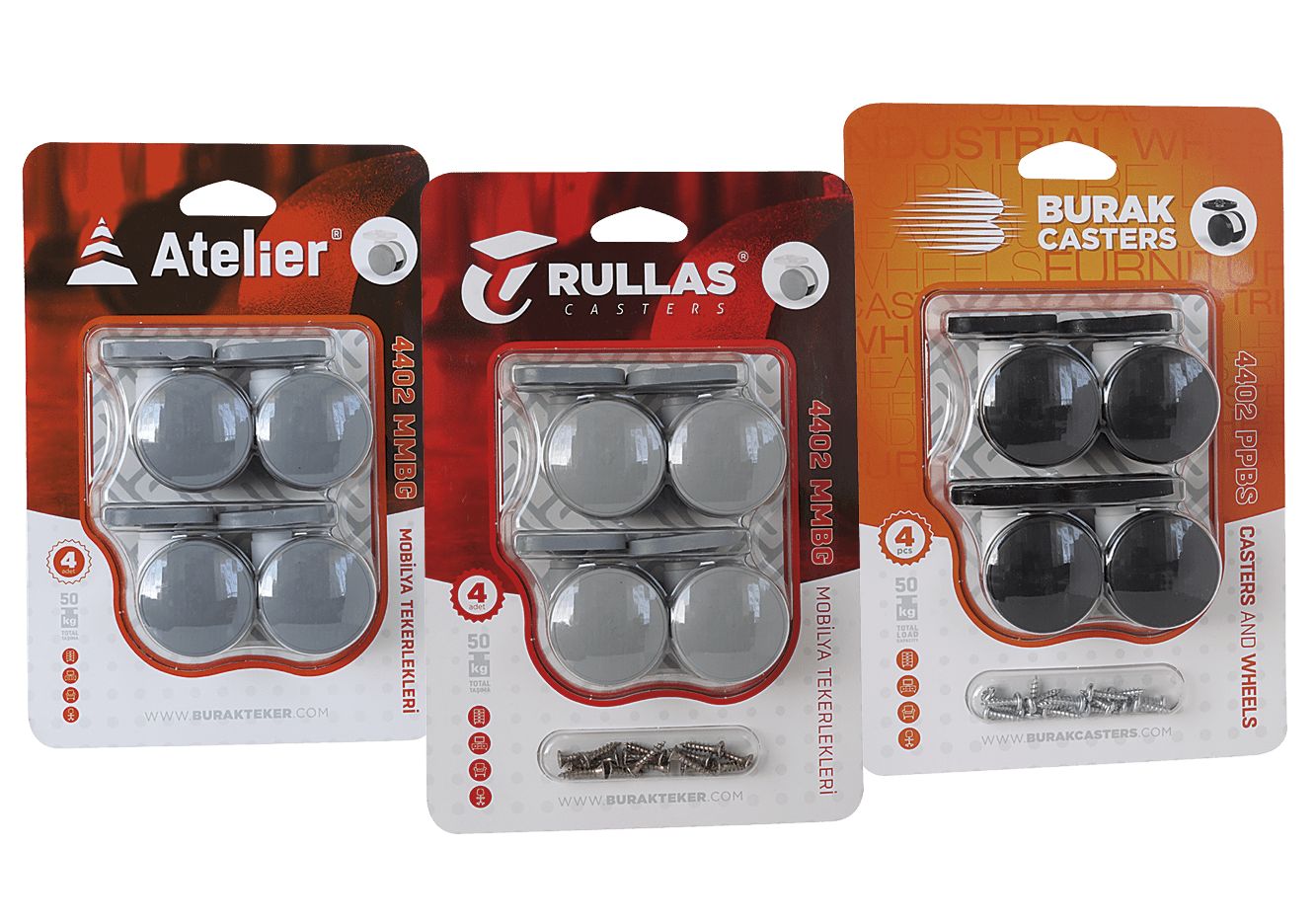
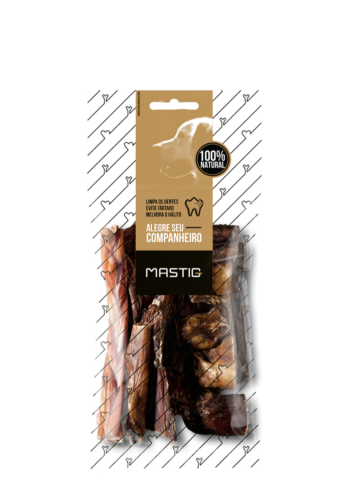
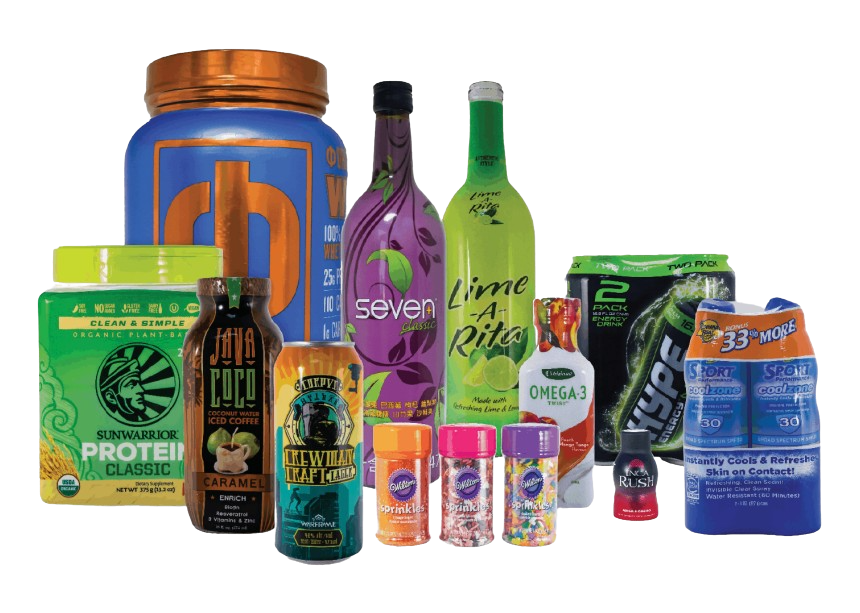
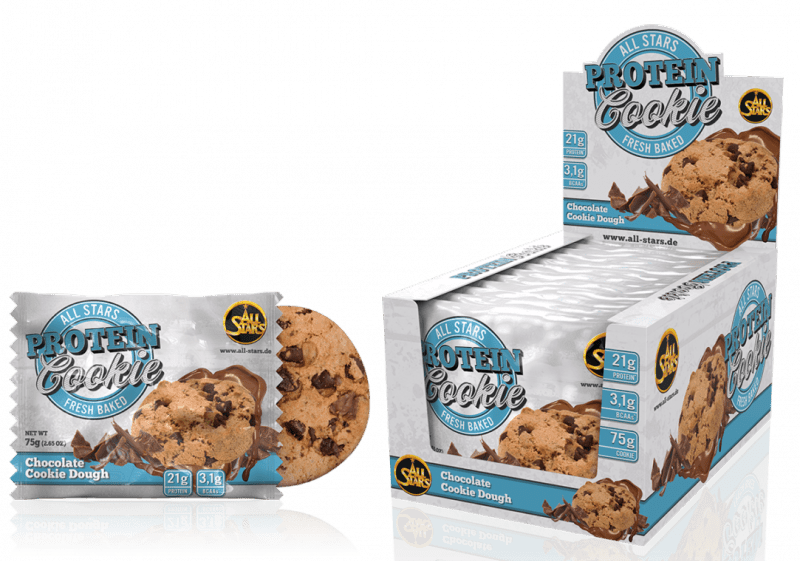
We offer a wide selection of fully customizable packaging products to address any packaging purpose. Customize your packaging product with your logo, brand colors, product information, design, features, and more. If you are unsure on what type of packaging you will need, then contact us for an expert consultation.


Custom packaging is tailored specifically to fit a brand’s unique product requirements, unlike stock packaging, which is pre-made and generic. Custom options allow for precise sizing, materials, and design choices, offering enhanced protection, presentation, and improved efficiency. This personalization makes custom packaging ideal for businesses looking to stand out and create a cohesive brand identity.
At Brown Packaging, our custom packaging solutions are structurally designed to optimize protection, material usage, and sustainability, tailored to meet specific product needs across various applications. We incorporate graphics to reinforce brand identity, ensuring that each package not only protects but also represents your brand effectively. With a focus on durability and functionality, our packaging ensures secure handling for shipping, retail, or storage while supporting sustainability goals.
Custom Packaging Products
We offer a variety of custom packaging products and solutions to meet all your packaging needs in one place. You’ll work directly with a dedicated project specialist to customize your package according to your specifications, including branding, features, and design.


If you need any assistance with your packaging or have a question, then contact us directly at request@brownpackaging.com or (714)300-0650. Learn more about custom packaging by reading our blog posts on new and trending topics.

The custom packaging process can be quite confusing, especially for a new or inexperienced buyer. However, this process can be broken down into 8 simple steps, making it easier to understand and manage. Knowing these steps will help you develop realistic expectations and plan your course of action effectively. Why Custom Packaging? Custom packaging differs significantly from purchasing standard or stock products. It involves creating packages that are tailor-made for your product, including specific structures, graphics, materials, and features. While custom packaging offers significant advantages in terms of protection, efficiency, and marketability, it also requires more time, planning, effort, and capital. Planning Market Research Dieline Design Graphic Design Testing and Sampling Production Market Review Optimize Step 1: Planning Planning is the foundational step in the custom packaging process. It’s where you define what you want to achieve with your packaging. Establish your project’s goals, budget, materials, roles, deadlines, and overall course of action. Consulting with packaging experts during this phase is crucial to set realistic expectations and lay down a strategic roadmap. Step 2: Market Research Effective market research is critical to understanding your target audience and positioning your brand strategically. This step involves analyzing market trends, customer behavior, and competitor packaging strategies. The insights gained here will guide the design and functionality of your custom package, ensuring it appeals effectively to your customers. Step 3: Dieline Design The dieline design is your packaging blueprint. It outlines the exact size, shape, and folding lines of your package. Working with a skilled packaging designer at this stage is recommended to ensure the structure of your package is both attractive and functional. Step 4: Graphic Design Graphic design brings your package to life visually. This step involves integrating your brand’s logos, colors, and thematic elements into the packaging design. It’s also crucial to include essential product information and adhere to any regulatory labeling requirements. Step 5: Testing and Sampling Before moving into mass production, testing and sampling your packaging is essential. This phase allows you to evaluate the package’s physical durability and aesthetic appeal. Adjustments can be made based on this feedback to enhance the design. Step 6: Production Production begins once your design is finalized and approved. This stage requires close coordination with your manufacturer to ensure the packaging is produced to exact specifications. Maintaining high quality control standards during production is crucial to prevent any issues that could impact the effectiveness of your packaging. Step 7: Market Review After production, evaluate how your packaging is performing in the market. Monitor sales data, customer feedback, and any logistical issues. This review can provide valuable insights into how well your packaging meets your business goals and customer needs. Step 8: Optimize The final step is optimization. Based on the feedback and data collected, look for ways to improve your packaging. Whether it’s a design tweak, a material change, or an adjustment in the production process, continuous improvement will help maximize the effectiveness of your packaging. Summary: Custom Packaging Process Understanding the custom packaging process in these eight steps can significantly simplify the complexities involved. By carefully managing each stage, from planning to optimization, you can ensure that your packaging not only protects your product but also powerfully enhances its market presence. At Brown Packaging we are experienced in working with clients from concept to completion. We can provide you all your packaging needs will maintaining a consultative approach. (714)300-0650 request@brownpackaging.com Most Recent Posts: Categories: Corrugated Folding Carton Display Packaging Rigid Box Subscribe To Our Newsletter By submitting your information, you agree to our terms and conditions and privacy policy. Custom Packaging Facebook Twitter LinkedIn Pinterest Relevant Posts