


window.uetq = window.uetq || []; window.uetq.push(‘event’, ‘submit_lead_form’,{ event_label:‘SUBMIT MESSAGE’ }); window.lintrk('track', { conversion_id: 10271009 }); window.lintrk('track', { conversion_id: 10271017 });

Custom Packaging

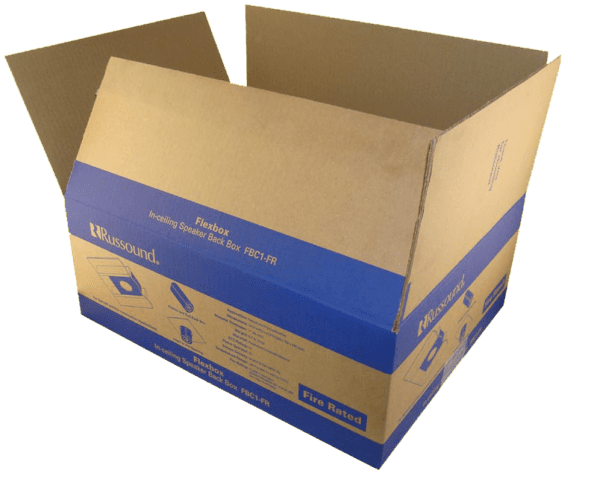
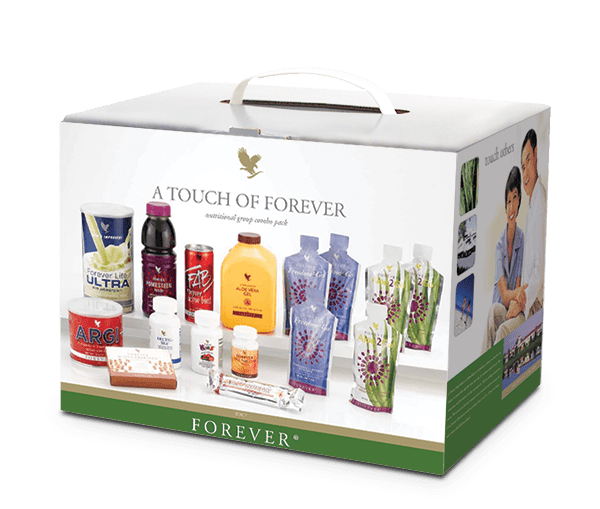
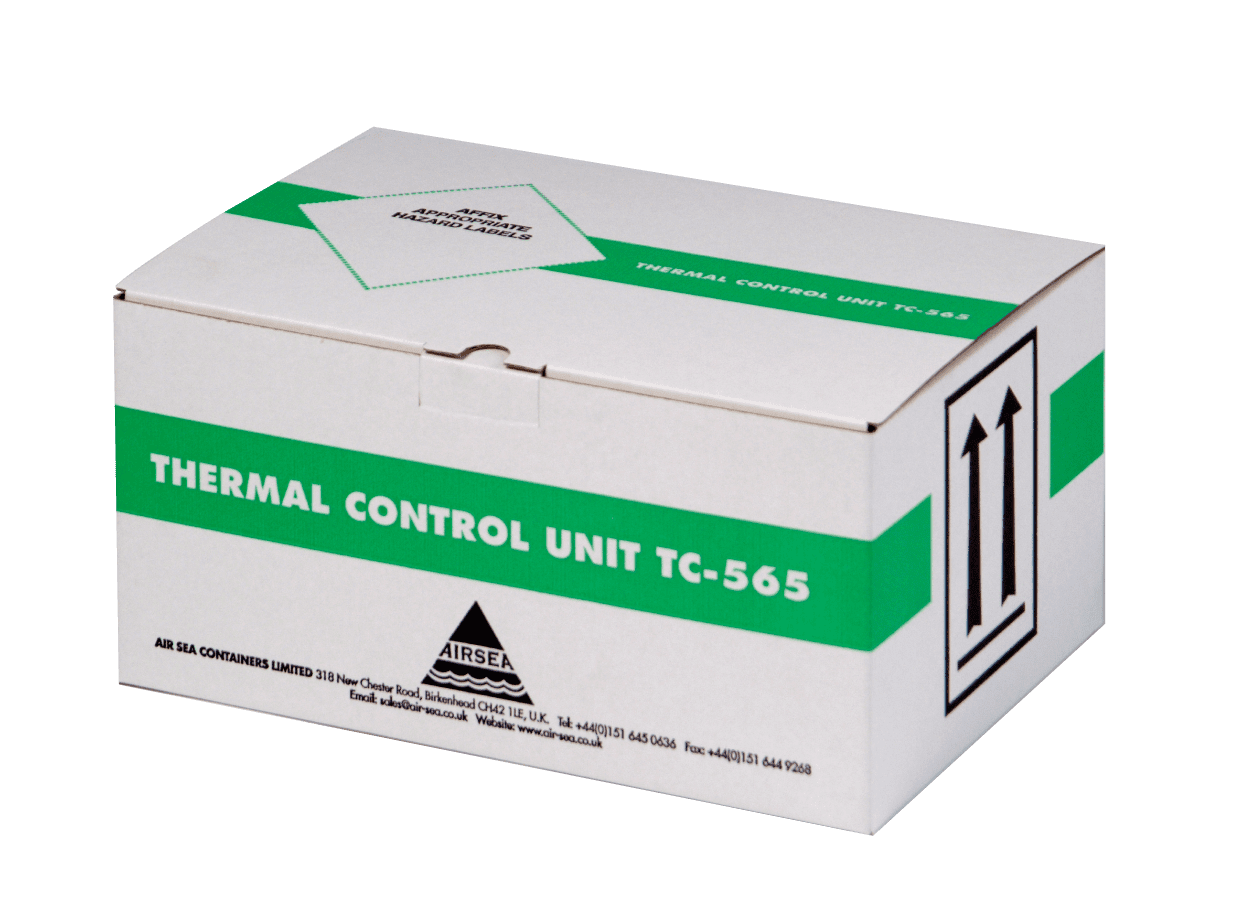
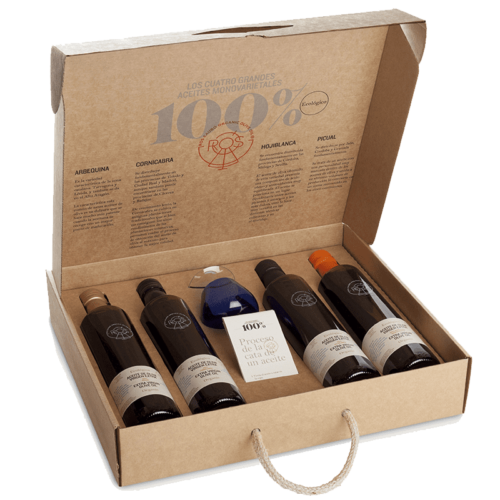
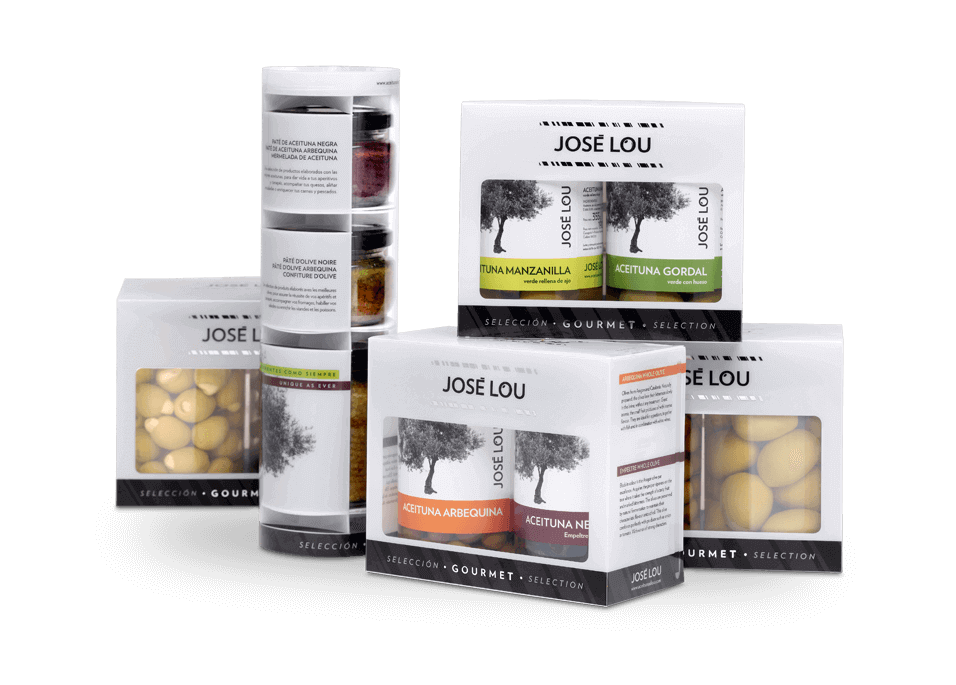
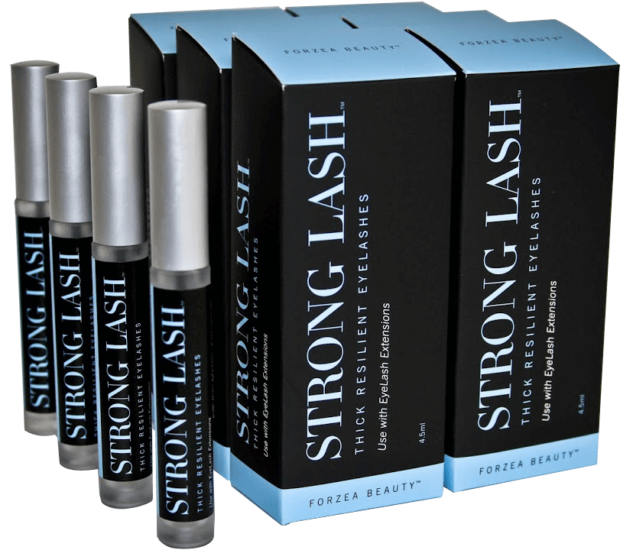
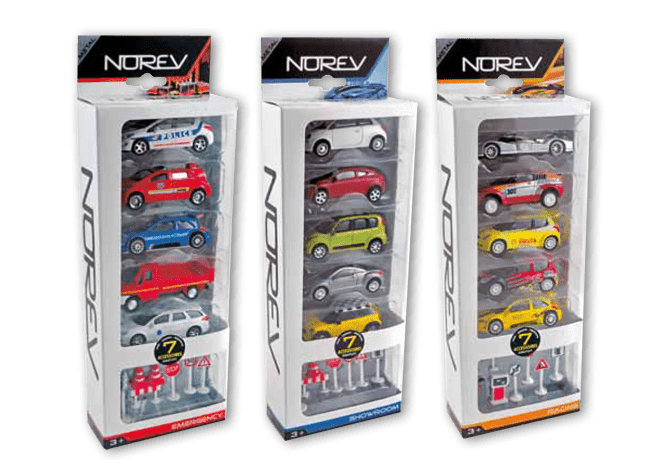
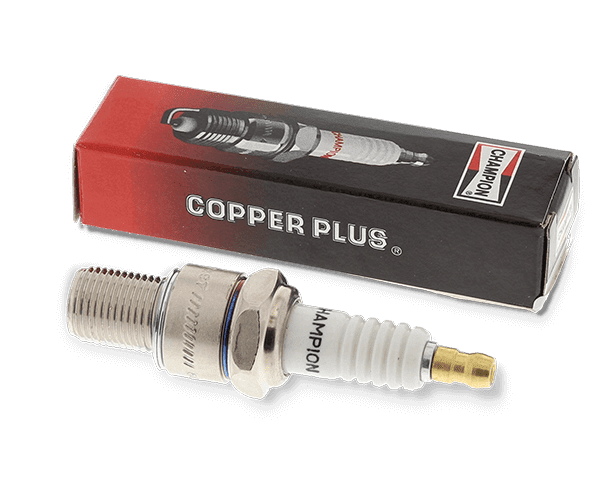
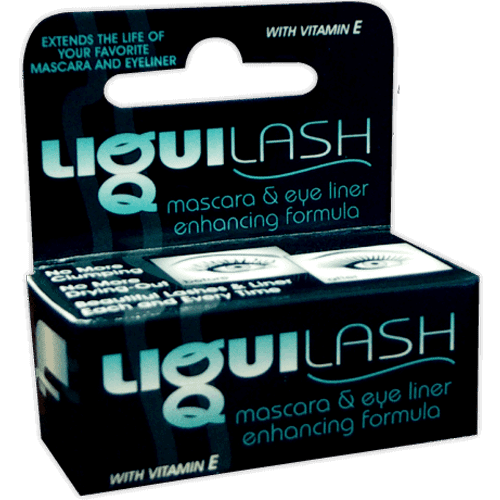
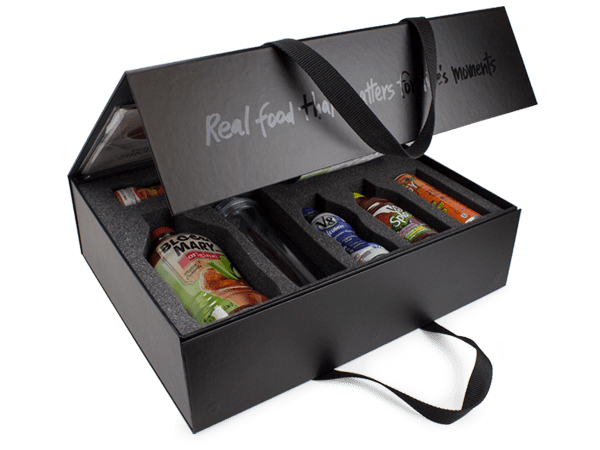
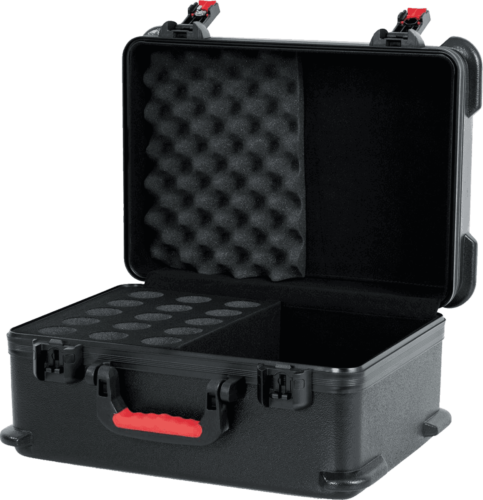
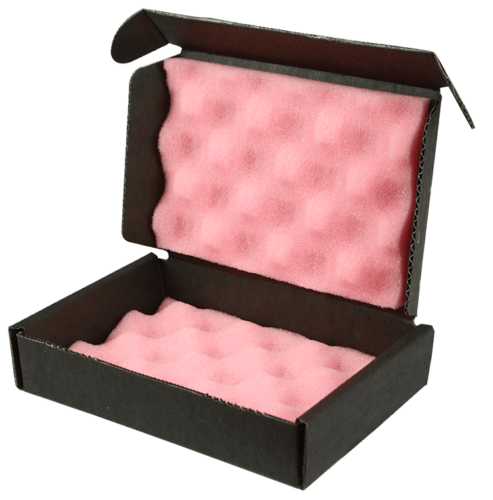
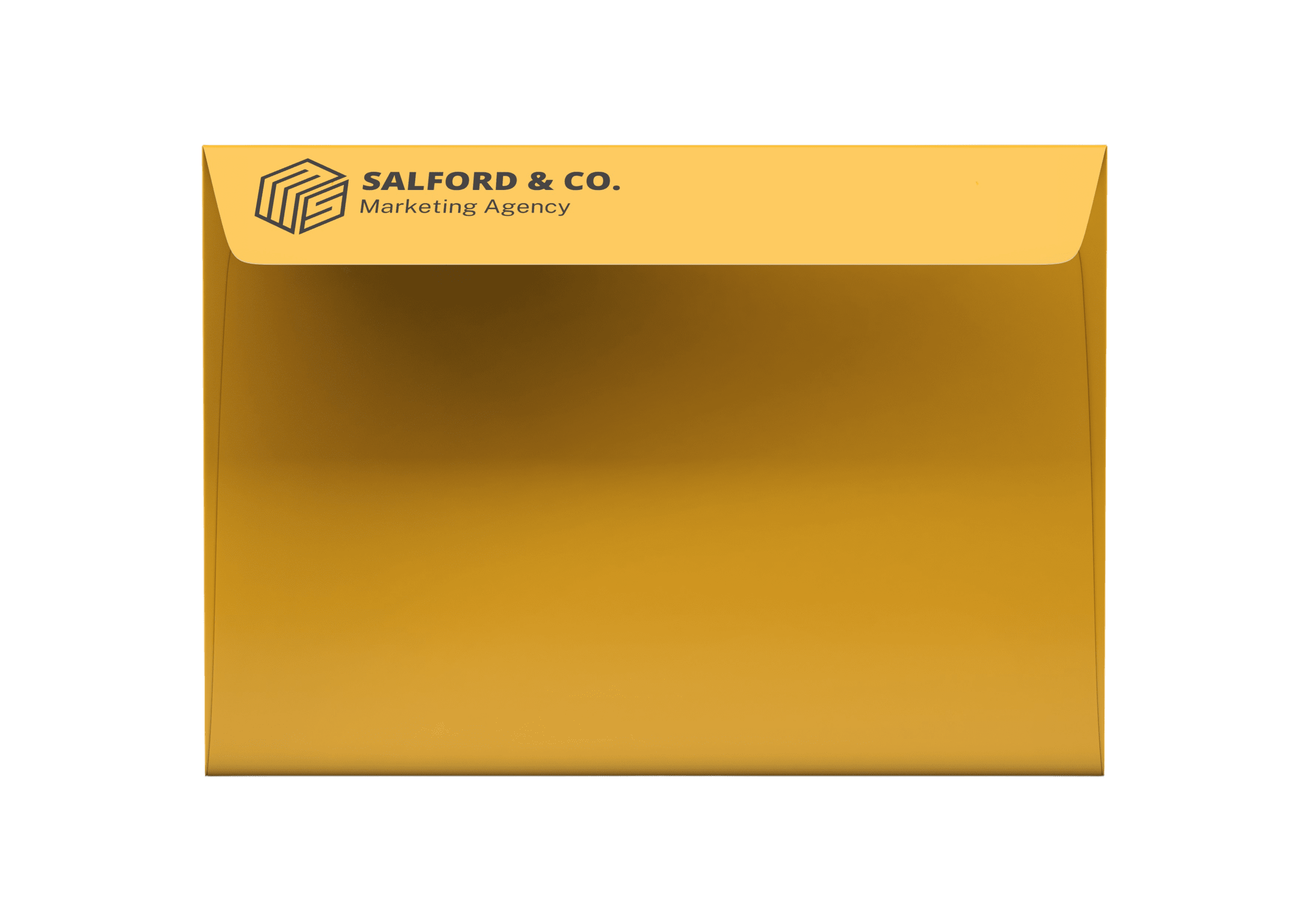
We offer a wide selection of fully customizable packaging products to address any packaging purpose. Customize your packaging product with your logo, brand colors, product information, design, features, and more. If you are unsure on what type of packaging you will need, then contact us for an expert consultation.

Custom packaging is tailored specifically to fit a brand’s unique product requirements, unlike stock packaging, which is pre-made and generic. Custom options allow for precise sizing, materials, and design choices, offering enhanced protection, presentation, and improved efficiency. This personalization makes custom packaging ideal for businesses looking to stand out and create a cohesive brand identity.

At Brown Packaging, our custom packaging solutions are structurally designed to optimize protection, material usage, and sustainability, tailored to meet specific product needs across various applications. We incorporate graphics to reinforce brand identity, ensuring that each package not only protects but also represents your brand effectively. With a focus on durability and functionality, our packaging ensures secure handling for shipping, retail, or storage while supporting sustainability goals.

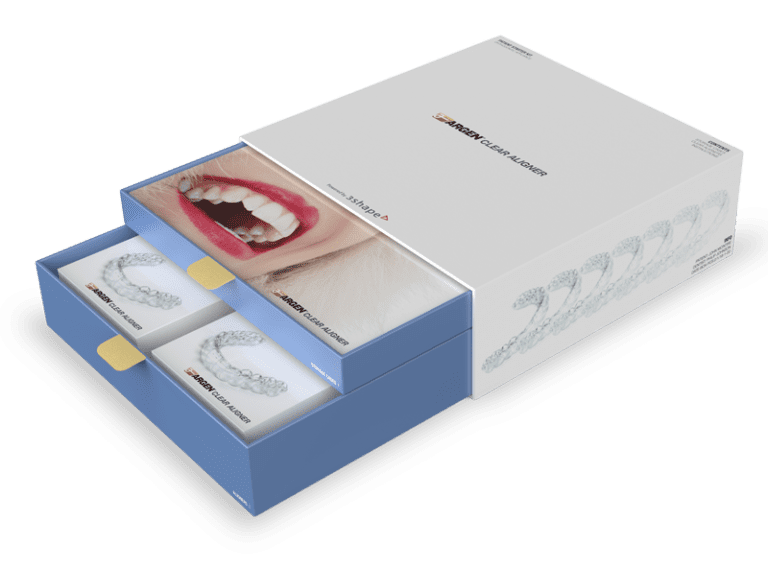
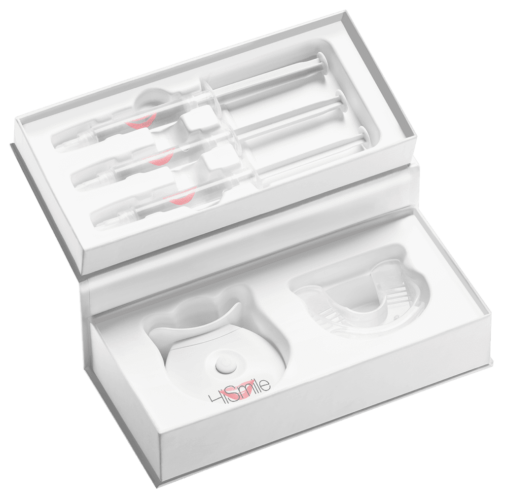
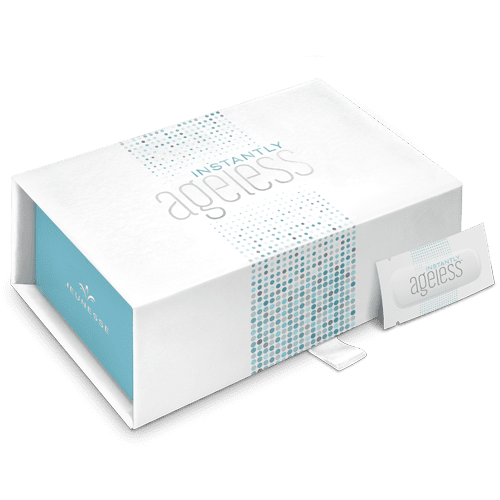
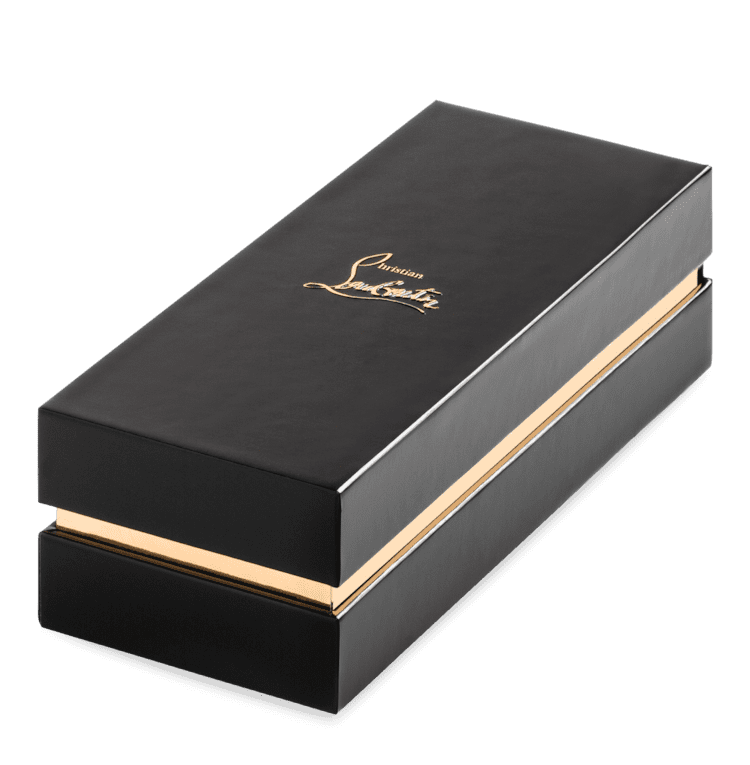
Dental Packaging Match Rigid Box (Slide)

Custom Packaging Products

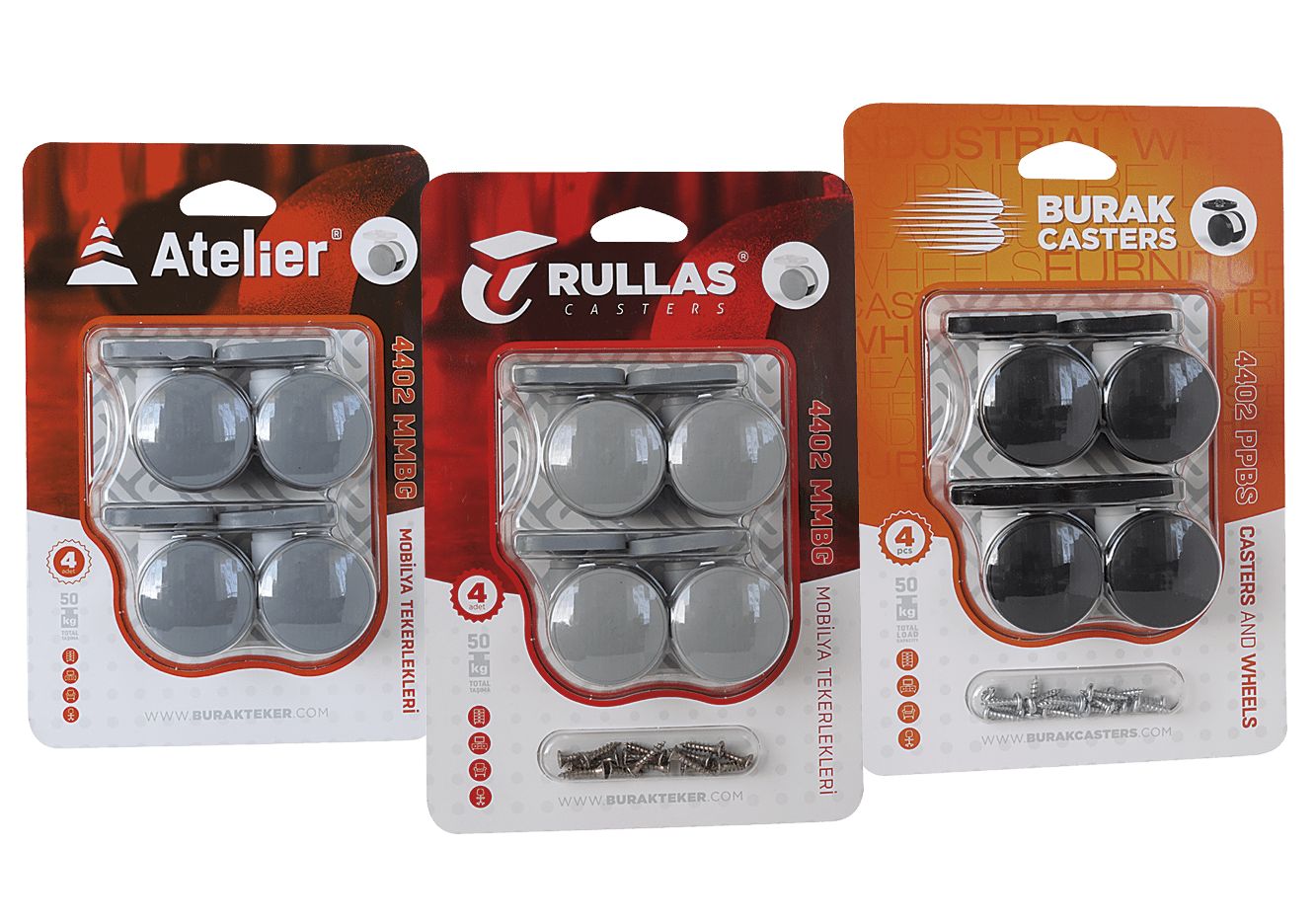
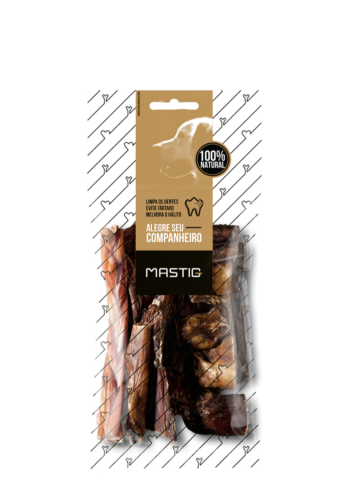
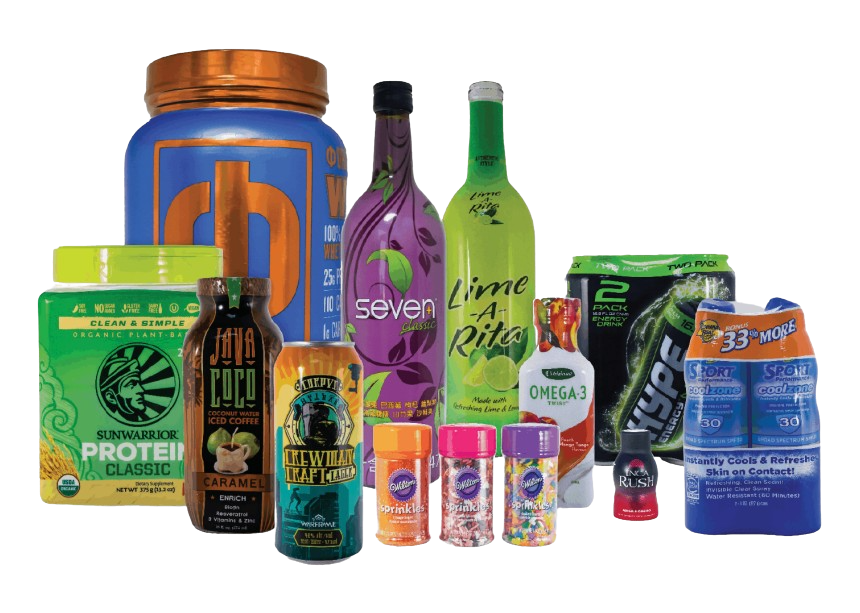
We offer a variety of custom packaging products and solutions to meet all your packaging needs in one place. You’ll work directly with a dedicated project specialist to customize your package according to your specifications, including branding, features, and design.

Edit Content
Edit Content
Edit Content
Edit Content
Edit Content
Edit Content
Edit Content
Edit Content
Edit Content
Edit Content
Edit Content
Edit Content
Edit Content
Edit Content
Edit Content
Edit Content

If you need any assistance with your packaging or have a question, then contact us directly at request@brownpackaging.com  or  (714)300-0650. Learn more about custom packaging by reading our blog posts on new and trending topics.

Folding Carton Vs Rigid Boxes: Which One Should You Choose?
Folding Carton
brownpackaging
Folding Carton Vs Rigid Boxes: Which One Should You Choose?

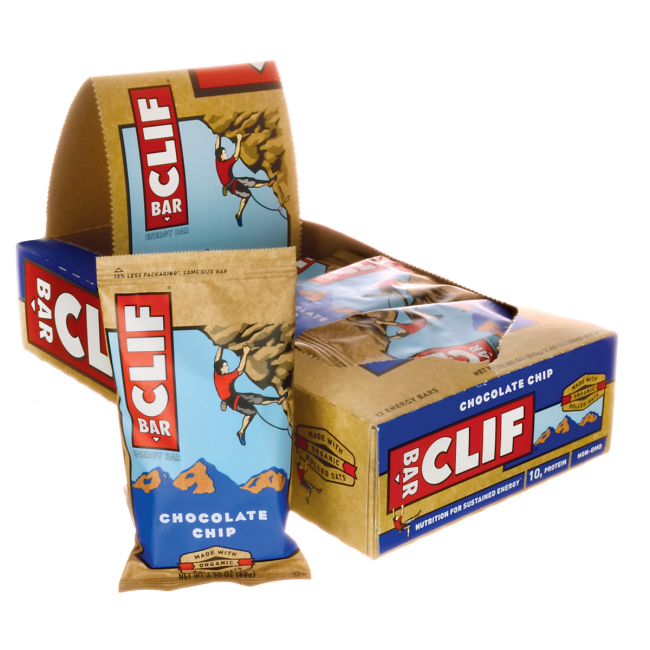
When it comes to packaging your products, the choice between folding cartons and rigid boxes is crucial. Both types serve similar purposes in protecting, displaying, and promoting products but differ significantly in their construction and usage implications. This guide provides an in-depth comparison to help you decide which packaging solution best suits your product plans, budget, and business goals. Understanding Folding Cartons and Rigid Boxes What is a Folding Carton? Folding Carton Benefits Folding Carton Disadvantages Common Folding Carton Applications What is a Rigid Box? Rigid Box Benefits Rigid Box Disadvantages Common Rigid Box Applications What is A Folding Carton? Folding cartons are typically made from thin paperboard, precisely cut, folded, and glued to form a variety of shapes and sizes. These cartons are versatile, customizable, and widely used across various industries for lightweight, durable, and cost-effective packaging solutions. Folding Carton Benefits • Cheaper in costs: folding cartons are less complex and are generally made with cheaper material than rigid boxes.• Storage space efficient: cartons have the flexibility of folding flat, which makes it ideal for storage purposes.• Lower logistics costs: with lightweight material and a flat structure, cartons are cheap in overhead for shipping and handling.• Faster to produce: typically, the simpler the packaging product is the faster it is able to be produced. Folding Carton Disadvantages • Less product protection: the material used to create folding cartons are thinner compared to rigid boxes.• Product set-up required in fulfillment: packagers usually have to fold the carton into its form.• Cannot hold heavy or fragile items: this type of box is not recommended in holding fragile or heavy items. Common Folding Carton Applications • Food snacks• Cereal• Small electronic devices and accessories• Soda packs• Medicine• Consumer goods (small)• Sports accessories• Nutrition and supplements• Ink cartridges What is A Rigid Box? Rigid boxes are made from heavier cardboard than folding cartons and are non-collapsible. Known for their strength and premium quality, these boxes offer enhanced protection and an elevated unboxing experience, often used for luxury or high-value products. Rigid Box Benefits • Higher perceived product value: rigid boxes provide customers with more confidence due to your investment in the products packaging (display and promotion)• Product set-up is easier in fulfillment: these boxes are delivered in their box shape, which will require less labor in fulfillment.• Superior product protection: these boxes provide extra protection compared to other boxes. Rigid Box Disadvantages • More expensive to make: the cost of materials and effort to make rigid boxes is substantially more than a folding carton.• Slower to Produce: these boxes are more complex, which often result in slower production.• Higher logistics costs: these boxes are not as logistic friendly as cartons.• Requires more storage space: boxes have to be stacked and cannot lay perfectly flat like a foldable box. Common Rigid Box Applications • Gift boxes• Cosmetic and beauty set boxes• Medical devices• High-end and luxury products• Jewelry• Smartphones and computers Comparison and Considerations When choosing between folding cartons and rigid boxes, consider the following aspects: Product Type: The nature of the product, its fragility, and value play crucial roles. Rigid boxes are preferable for delicate or premium items, while folding cartons are sufficient for more durable and lower-value products. Budget Constraints: Folding cartons are more budget-friendly, especially for large volumes, making them suitable for businesses looking to minimize costs. Brand Image: The packaging contributes significantly to brand perception. Rigid boxes often convey a higher quality image, appropriate for luxury brands or premium product lines. Environmental Impact: Consider the sustainability of your packaging choice. Both options can be produced with recycled materials, but the overall environmental impact may vary based on the production process and materials used. Final Recommendation Your decision should align with your overall marketing strategy, product requirements, and customer expectations. If presenting a luxury image or ensuring the utmost protection is crucial, rigid boxes are the best choice. However, if cost efficiency and practicality are more significant concerns, folding cartons will serve well. If you are interested in rigid boxes or folding cartons, then partner with Brown Packaging today to get started. (714)300-0650 request@brownpackaging.com Most Recent Posts: Categories: Corrugated Folding Carton Display Packaging Rigid Box Subscribe To Our Newsletter By submitting your information, you agree to our terms and conditions and privacy policy. Custom Packaging Facebook Twitter LinkedIn Pinterest Relevant Posts

Read More »
medical corrugated tuck top mailer box
Printing
brownpackaging
Digital vs. Flexo Print: Which Should You Choose?

When customizing packaging with logos, brand colors, or designs to enhance product appeal and branding, choosing the right printing technique is crucial. Today’s technology offers several options, each suited to different needs based on budget, volume, and quality requirements. In this guide, we will delve into two popular printing methods—digital and flexographic printing—to help you determine the best option for your packaging needs. Understanding the Complexity of Custom Packaging Custom packaging, which can include boxes, pouches, labels, and cartons, is tailored specifically with unique structures, graphics, materials, and features. Unlike standard products, custom packages require considerable time, planning, effort, and investment, providing significant advantages in product protection, efficiency, and marketability. Digital Printing: Efficiency and Flexibility Digital printing is a modern technique that transfers a digital-based image directly onto the packaging material using advanced printers. This method is ideal for quick turnaround projects due to its minimal setup requirements. Advantages of Digital Printing: Quick Setup: No need for plates or prolonged setup times, making it perfect for tight deadlines. Cost-Effectiveness for Short Runs: Although the cost per unit is higher, the low initial investment makes digital printing cost-effective for small, customized orders. High-Quality Prints: Digital printers can produce detailed, vibrant prints suitable for complex designs and small text. Flexibility: Changes to the artwork or design can be made quickly and inexpensively, allowing for frequent updates and iterations. Ideal Use Cases for Digital Printing: Short runs or low volume orders. Projects requiring high detail and print quality. Customization for limited editions or personalized packaging. Prototypes and samples where frequent modifications are expected. Flexographic Printing: Traditional and Economical Flexographic printing, or flexo, is a more traditional form of printing that involves the use of rubber or plastic plates to apply ink to the packaging material. This method is favored for its efficiency in high-volume production runs. Advantages of Flexographic Printing: Economical for Large Volumes: High initial setup costs are offset by lower costs per unit, making flexo printing cost-effective for large runs. Speed: Once the setup is complete, flexo printing can produce large quantities rapidly. Color Accuracy: Flexo is excellent for projects requiring precise color matching, using GCMI or PMS colors to ensure brand consistency. Ideal Use Cases for Flexographic Printing: High-volume printing where the design does not change frequently. Projects that require exact color specifications. Long-term printing needs where the initial investment in plates can be amortized over time. Making the Right Choice The decision between digital and flexo printing depends on several factors: Volume: Digital printing is more suitable for smaller quantities, while flexo printing is cost-effective for larger runs. Complexity of Design: Digital printing handles complex images and variable data printing more efficiently. Color Accuracy: If exact color matching is critical, flexo printing is the preferred choice. Budget Constraints: Consider the upfront costs associated with flexo printing versus the potentially higher per-unit costs of digital printing for small runs. Choosing between digital and flexo printing for your packaging needs involves weighing the specifics of your project against the strengths of each printing method. For rapid, highly customizable small runs, digital printing offers flexibility and speed. For larger, consistent runs where color accuracy and cost efficiency are paramount, flexo printing provides an effective solution. By carefully considering your project’s requirements, you can select the printing technology that best aligns with your operational goals and budget. If you are interested in flexo or digital print custom packaging, then contact Brown Packaging today to get started. (714)300-0650 request@brownpackaging.com Most Recent Posts: Categories: Corrugated Folding Carton Display Packaging Rigid Box Subscribe To Our Newsletter By submitting your information, you agree to our terms and conditions and privacy policy. Custom Packaging Facebook Twitter LinkedIn Pinterest Relevant Posts

Read More »
Custom-Floor-Display With Packaged Bottles and labels
Corrugated
brownpackaging
9 Different Types of Corrugated Retail POP Displays

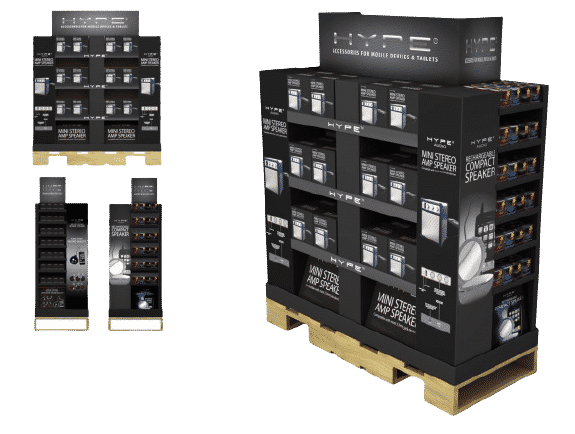
Retail point of purchase (POP) displays are essential tools for marketing products directly to consumers within retail environments. These displays vary widely in shape, size, and design, each tailored to specific marketing and placement needs. Corrugated POP displays, known for their versatility and durability, offer an array of options to suit various retail settings. Here, we explore nine popular types of corrugated POP displays, detailing their applications and benefits to help you choose the right one for your products. What is a Corrugated Retail POP Display? Corrugated retail POP displays are made from corrugated fiberboard, which is notable for its structural sturdiness yet lightweight properties. These displays are customized with unique structures, sizes, shapes, and folds, and are often enhanced with vibrant graphic designs, various print options, and finishes. Designed to be temporarily installed, from a day to several months, they provide a flexible and cost-effective solution for seasonal marketing or promotional campaigns. Detailed Overview of Corrugated Retail POP Displays Floor Displays Full Pallet Display Half Pallet Display Quarter Pallet Display Power Wing/Sidekick Dump Bin Pallet Skirt/Wrap Counter Tops PDQ Trays Floor Display Floor displays, or floor stands, are the quintessential type of POP display used in retail. Positioned in prominent store aisles, they provide access from multiple sides, maximizing consumer interaction. Applications: Ideal for new product launches or special promotions. Benefits: High visibility and easy accessibility increase consumer engagement and potential sales. Full Pallet Display These displays are built directly on a shipping pallet and are commonly seen in wholesale and bulk retail environments. Applications: Best for large-volume promotions or wholesale club stores. Benefits: They facilitate bulk selling and are easy to set up directly from the shipping pallet, reducing setup time and effort. Half Pallet Display Smaller than full pallet displays, these are versatile for both product showcasing and promotional uses in retail environments. Applications: Effective in retail settings where space is more limited but product visibility is still a priority. Benefits: Offers a balance between the bulk promotion of a full pallet and the space-saving design of smaller displays. Quarter Pallet Display Designed for small spaces, quarter pallet displays optimize retail areas by accommodating compact display needs. Applications: Suitable for checkout areas or in narrow aisle endcaps. Benefits: Maximizes retail space efficiency and is ideal for highlighting smaller product quantities. Full Pallet Display Half Pallet Display Power Wing/Sidekick These are secondary displays attached to existing shelving or at the end of aisles using hooks or adhesives. Applications: Perfect for promoting small, impulse-buy items next to related products. Benefits: Enhances product visibility and encourages impulse purchases; easy to install and move. Dump Bin An open container for bulk or loose items, placed strategically to attract customers through ease of access and the allure of rummaging. Applications: Great for clearance items, seasonal goods, or promotional products. Benefits: Encourages spontaneous purchasing by making items easily accessible and visibly appealing. Pallet Skirt/Wrap A decorative and informative wrap around the base of a pallet, this display type is often used in warehouse-style retail environments. Applications: Enhances the aesthetic of bulk product displays on pallets. Benefits: Provides significant branding space to communicate marketing messages effectively; quick to install. Counter Tops Small displays designed to sit on counters or other surfaces where space is at a premium. Applications: Ideal for checkout areas to promote small, last-minute purchase items. Benefits: Utilizes otherwise wasted counter space and captures customer attention during the checkout process. PDQ Trays Pre-packed display trays that are easy to set up and can be placed on shelves, counters, or alongside larger displays. Applications: Suitable for quick setup in retail environments, offering versatility for product placement. Benefits: Streamlines the merchandising process, reducing labor costs and enhancing product turnover. Dump Bin Countertop Display Summary: Different Types of Corrugated POP Displays Choosing the right type of corrugated POP display can significantly impact the effectiveness of your in-store marketing efforts. By understanding the specific features and benefits of each display type, you can tailor your approach to better meet your promotional goals and engage more effectively with your target customers. If you are interested in POP displays, then partner with Brown Packaging today to get started. (714)300-0650 request@brownpackaging.com Most Recent Posts: Categories: Corrugated Folding Carton Display Packaging Rigid Box Subscribe To Our Newsletter By submitting your information, you agree to our terms and conditions and privacy policy. POP Displays Facebook Twitter LinkedIn Pinterest Relevant Posts

Read More »