



window.uetq = window.uetq || []; window.uetq.push(‘event’, ‘submit_lead_form’,{ event_label:‘SUBMIT MESSAGE’ }); window.lintrk('track', { conversion_id: 10271009 }); window.lintrk('track', { conversion_id: 10271017 });

Custom Packaging

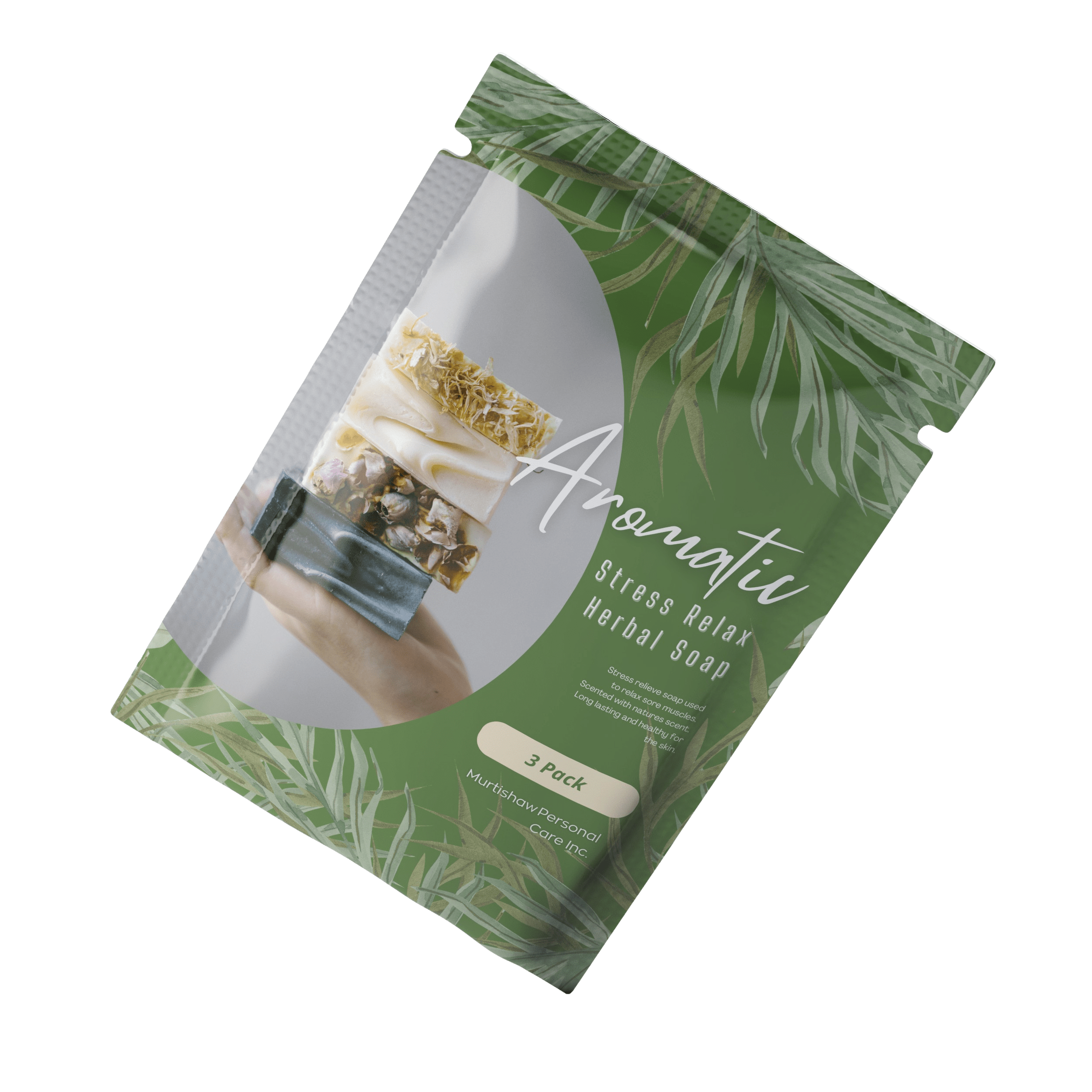
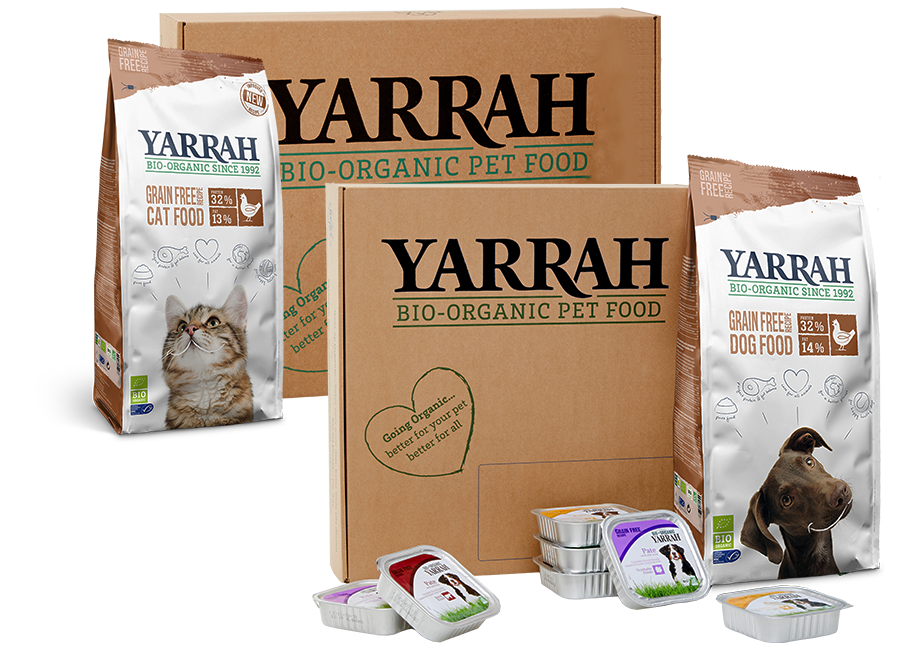
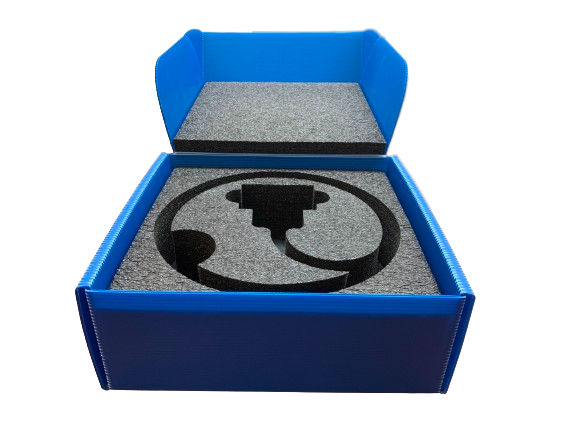
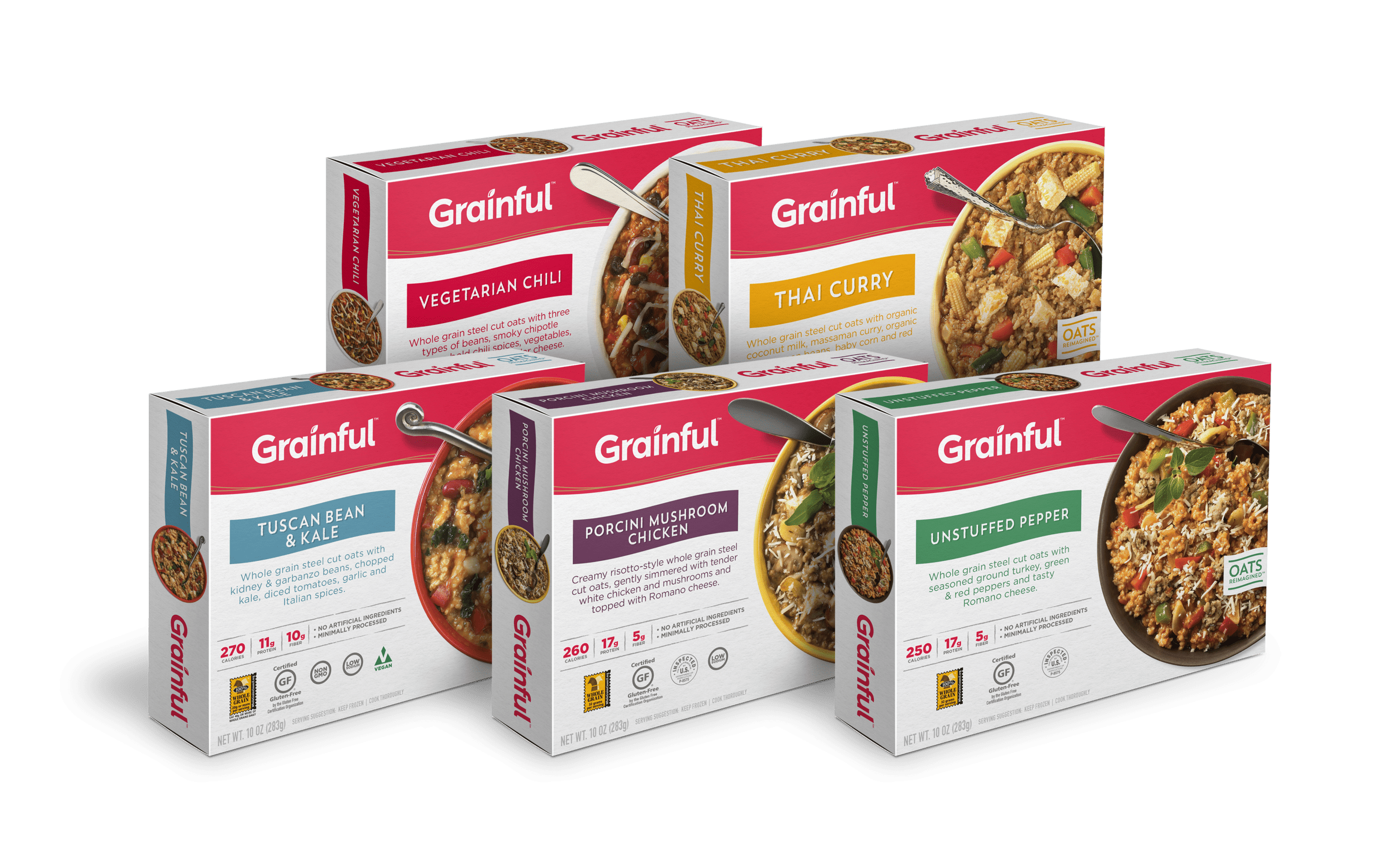
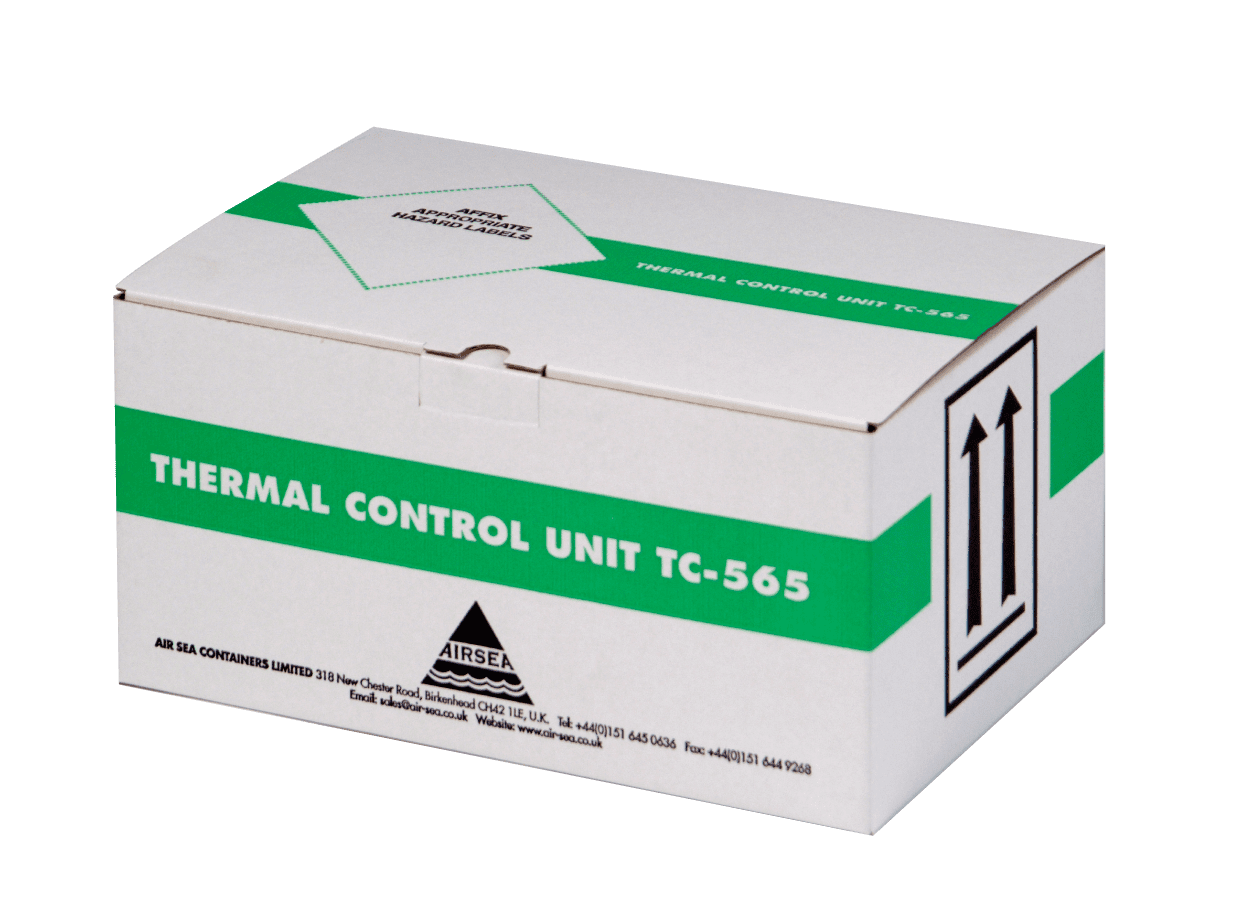
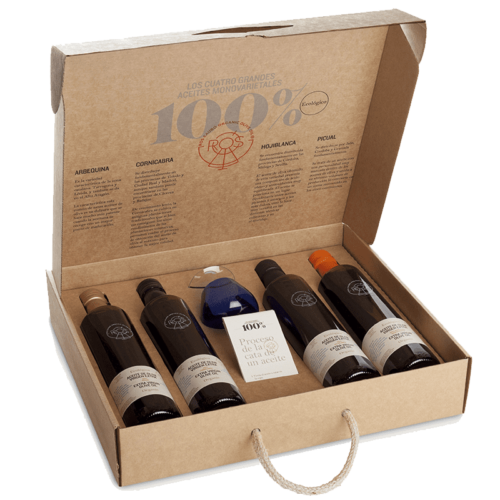
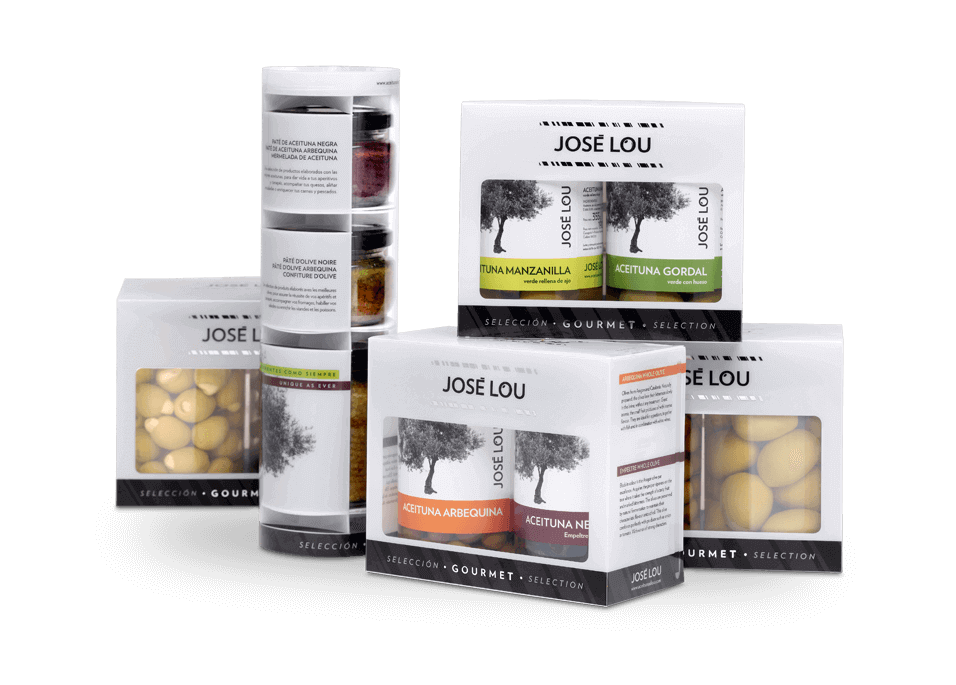
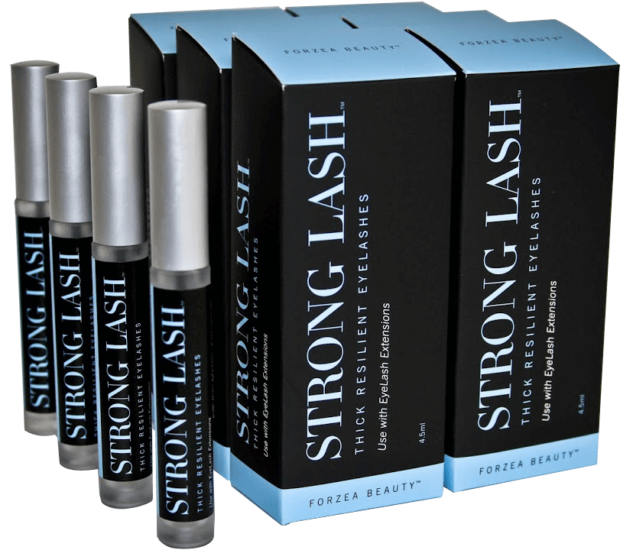
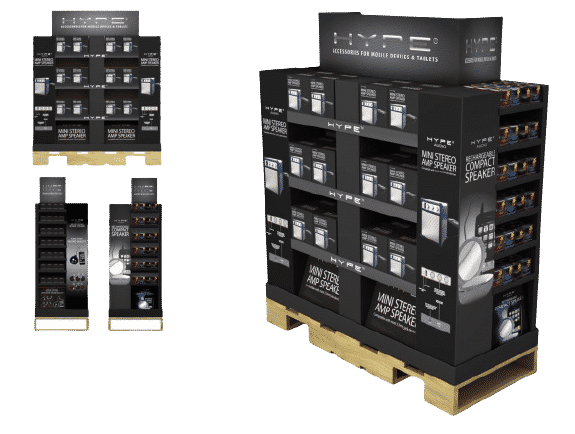
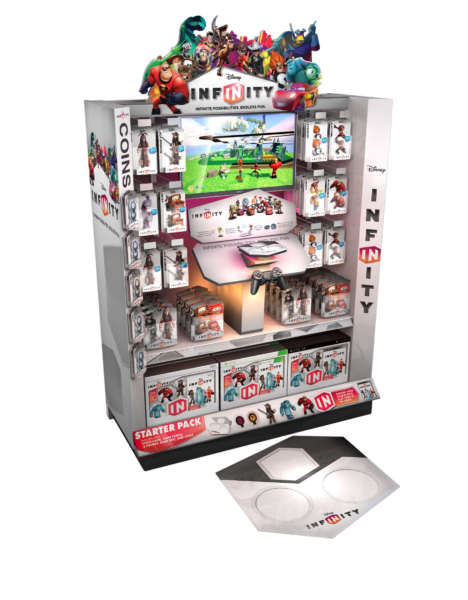
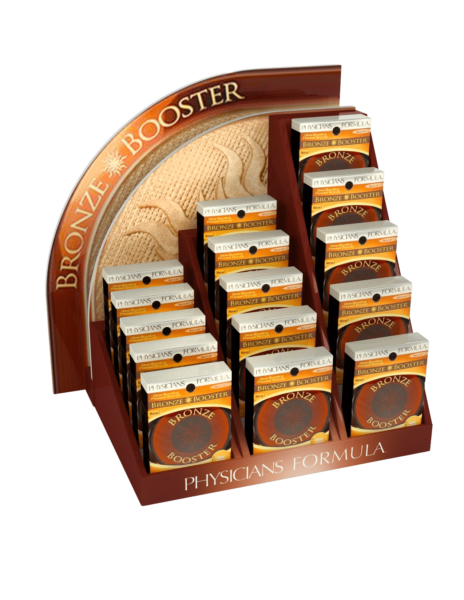
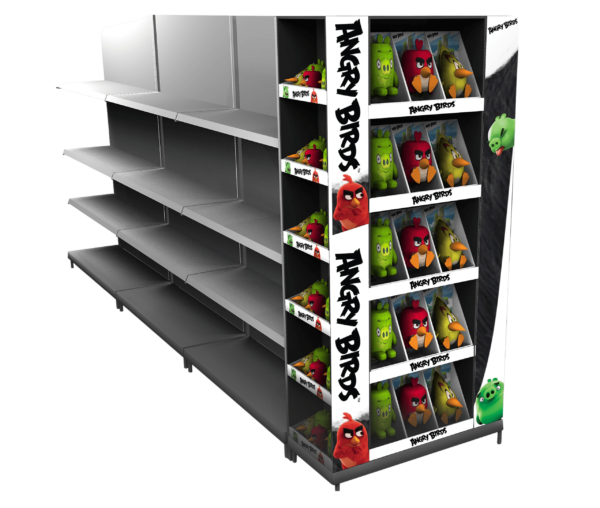
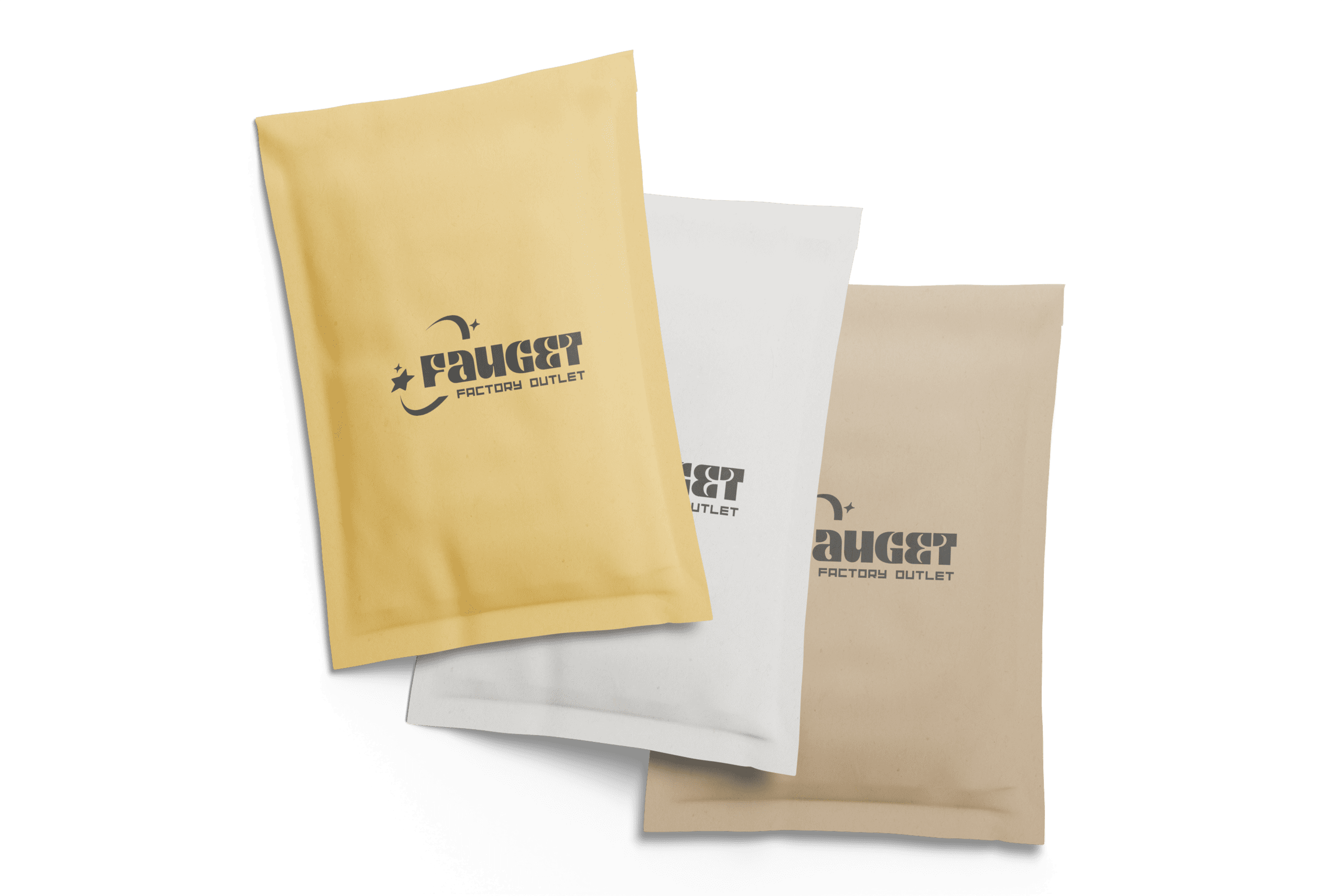
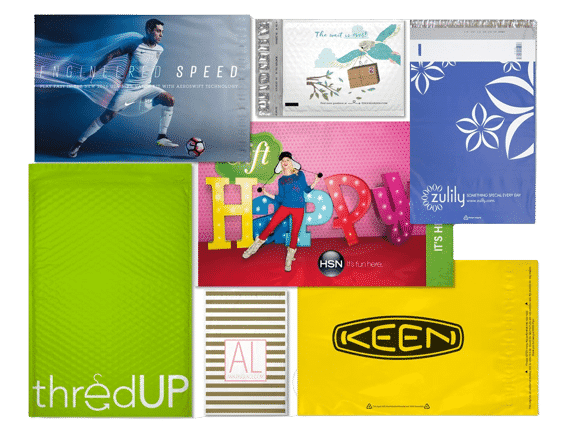
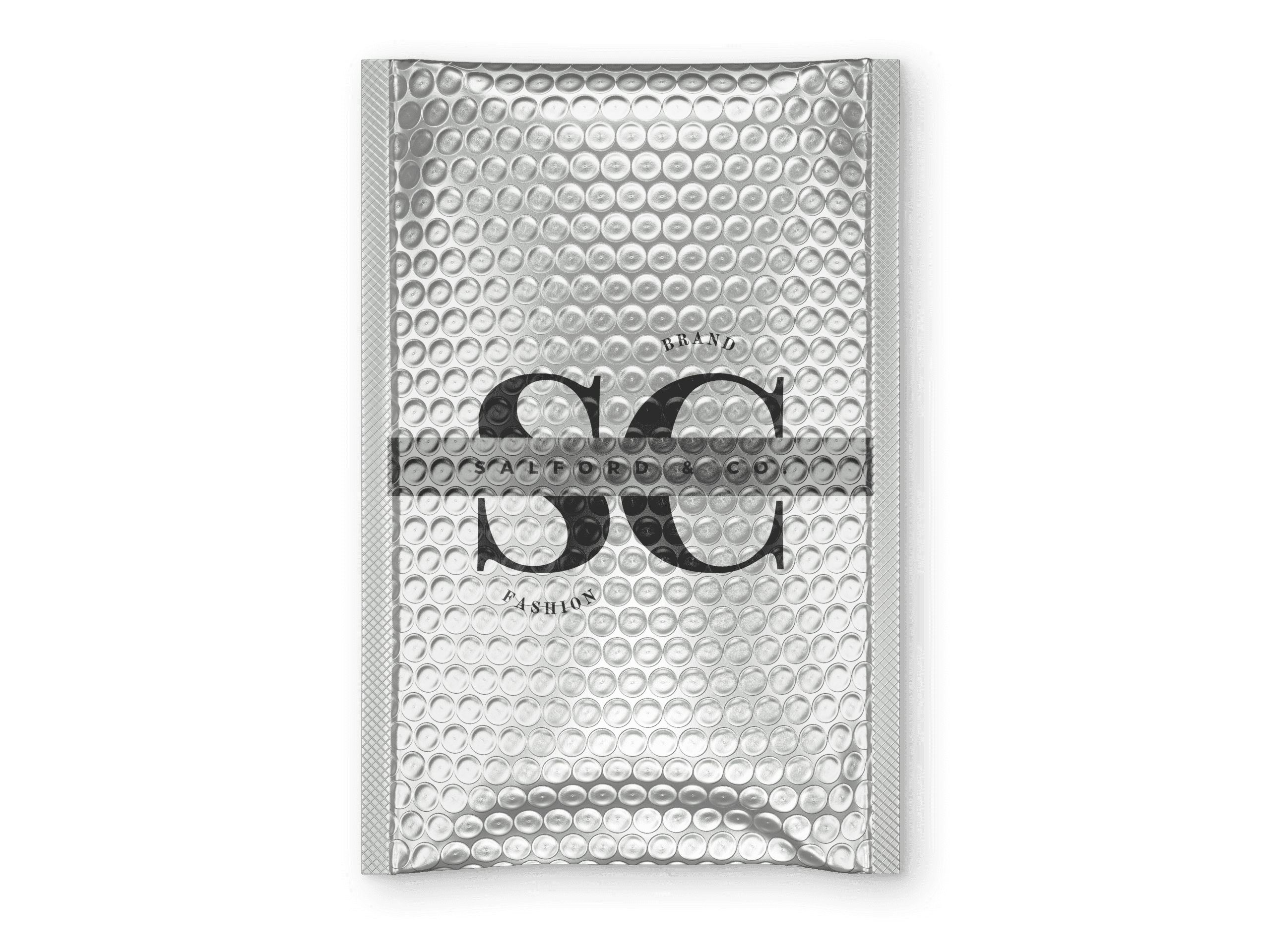
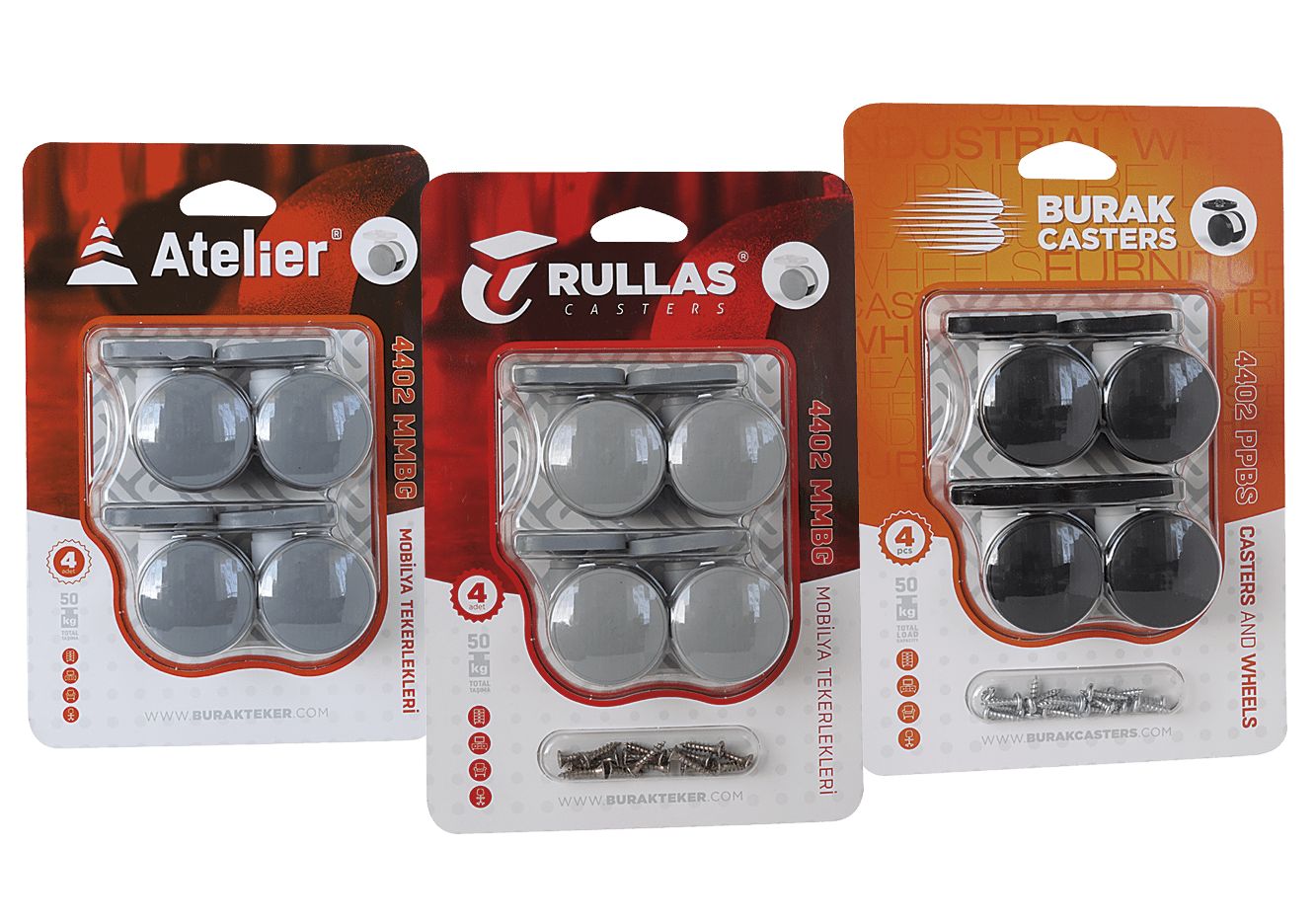
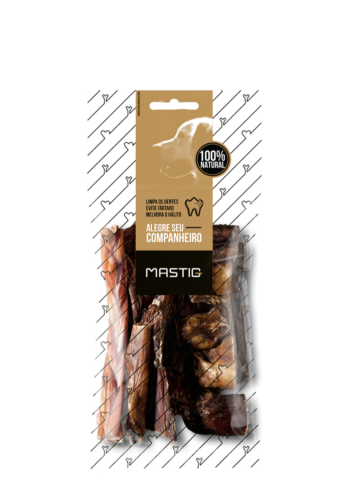
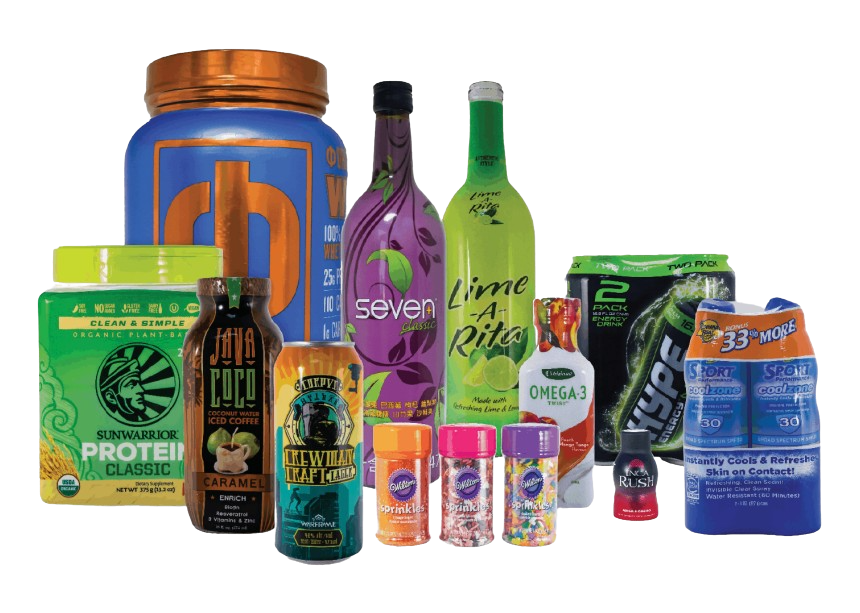
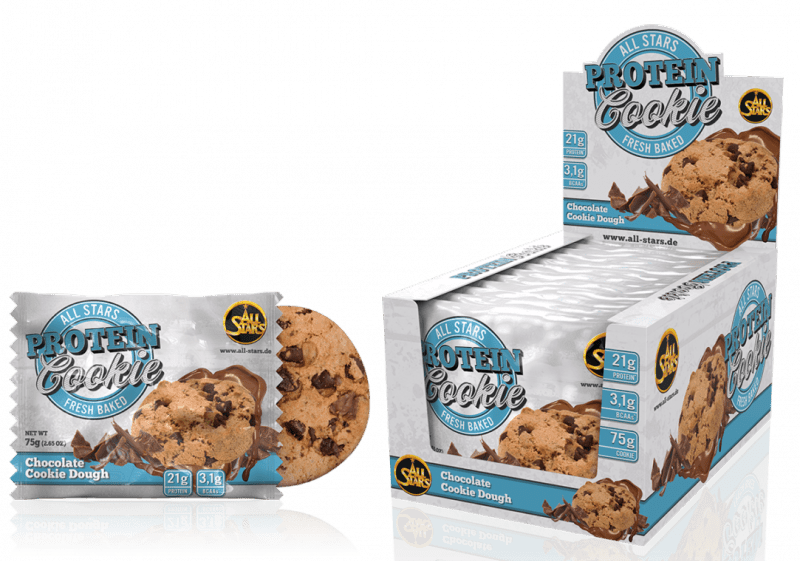
We offer a wide selection of fully customizable packaging products to address any packaging purpose. Customize your packaging product with your logo, brand colors, product information, design, features, and more. If you are unsure on what type of packaging you will need, then contact us for an expert consultation.

Custom packaging is tailored specifically to fit a brand’s unique product requirements, unlike stock packaging, which is pre-made and generic. Custom options allow for precise sizing, materials, and design choices, offering enhanced protection, presentation, and improved efficiency. This personalization makes custom packaging ideal for businesses looking to stand out and create a cohesive brand identity.

At Brown Packaging, our custom packaging solutions are structurally designed to optimize protection, material usage, and sustainability, tailored to meet specific product needs across various applications. We incorporate graphics to reinforce brand identity, ensuring that each package not only protects but also represents your brand effectively. With a focus on durability and functionality, our packaging ensures secure handling for shipping, retail, or storage while supporting sustainability goals.

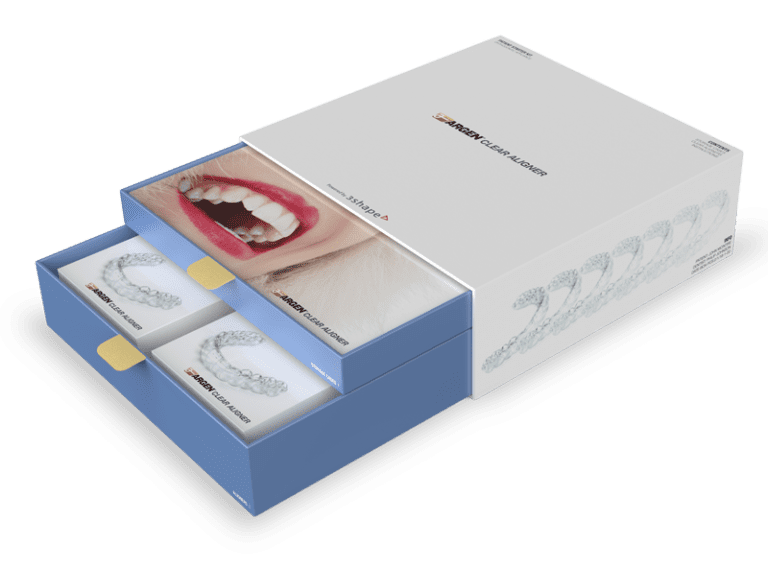
Dental Packaging Match Rigid Box (Slide)

Custom Packaging Products

We offer a variety of custom packaging products and solutions to meet all your packaging needs in one place. You’ll work directly with a dedicated project specialist to customize your package according to your specifications, including branding, features, and design.

Edit Content
Edit Content
Edit Content
Edit Content
Edit Content
Edit Content
Edit Content
Edit Content
Edit Content
Edit Content
Edit Content
Edit Content
Edit Content
Edit Content
Edit Content
Edit Content

If you need any assistance with your packaging or have a question, then contact us directly at request@brownpackaging.com  or  (714)300-0650. Learn more about custom packaging by reading our blog posts on new and trending topics.

Cold Seal Machine with Cold Seal Blister pack medical
Packaging
brownpackaging
Heat Seal Vs Cold Seal Packaging: Which Should You Choose?

Choosing the right sealing method impacts product quality, cost, durability, and speed to market. The two most common options—heat seal and cold seal—each have distinct strengths and limitations. By understanding how these methods differ, buyers can select the most effective solution for food, medical, industrial, and consumer products. What is Heat Seal? Heat seal packaging uses heated surfaces to melt the sides of a film or a sealant coating together. This creates a tight, durable closure that resists outside elements. Because it supports multi-layered films with barrier properties, heat seal remains one of the most widely used sealing methods. Applications Heat seal is often used for snacks, dry goods, frozen foods, and pasta. In addition, medical devices, electronic components, and industrial items such as screws or fittings are frequently packaged this way. These products are typically sealed in pouches, sachets, plastic bags, or blister packs. Advantages Provides strong seals resistant to chemicals, moisture, and harsh environments. Creates a tamper-evident closure. Works without adhesives. Disadvantages However, high temperatures can damage products such as chocolate or ice cream. Production requires precise monitoring of time, temperature, and pressure. Sealing speed is up to 10 times slower than cold seal. Heated machinery increases the risk of burns and workplace injuries. What is Cold Seal? Cold seal packaging bonds film surfaces by applying a cohesive coating that sticks only to itself when pressure is added. Since heat is not required, this process is faster and well suited for products sensitive to high temperatures. Applications Cold seal is common for chocolates, ice cream, pharmaceuticals, baked goods, flammable items, and other temperature-sensitive products. Packaging formats include pouches, roll stock, chipboard cartons, clamshells, and blister packs. Advantages Much faster than heat seal because no warm-up is needed. Protects heat-sensitive products. Easier to open, enhancing consumer convenience. Disadvantages However, seal strength is lower than heat seal. Requires cohesive material, adding cost. Not chemical resistant, limiting use in some food and beverage applications. Which Method Should You Choose? Heat seal provides maximum strength, durability, and tamper resistance, making it ideal for applications that demand barrier protection. In contrast, cold seal offers higher production speed and protects heat-sensitive products, though with reduced strength. Ultimately, the choice depends on your product type, performance requirements, and fulfillment environment. Sealing Solutions with Brown Packaging Whether you need the superior durability of heat seal or the speed and temperature protection of cold seal, Brown Packaging delivers customized solutions to match your application. Contact us today to get started. References Soroka, W. (2009). Fundamentals of Packaging Technology (4th ed.). Institute of Packaging Professionals.FDA. (2023). Food Contact Substances and Packaging Materials Guidance. U.S. Food and Drug Administration.Fibre Box Association. (2022). Sealing and Packaging Methods Overview. Retrieved from https://www.fibrebox.org (714)300-0650 request@brownpackaging.com Most Recent Posts: Categories: Corrugated Folding Carton Display Packaging Rigid Box Subscribe To Our Newsletter By submitting your information, you agree to our terms and conditions and privacy policy. Custom Packaging Facebook Twitter LinkedIn Pinterest Relevant Posts

Read More »
Packaging Labels
Packaging
brownpackaging
Direct Thermal vs Thermal Transfer Printing: What is the Difference?

Direct Thermal Printing Direct thermal printing uses heat-sensitive media that darkens as it passes under a printhead. Because it does not require ink, toner, or ribbons, the process is both simple and low-maintenance. Advantages: Produces sharp, scannable barcodes and text. Easy to operate with no consumables. Offers sustainable options and low upkeep. In addition, it requires no setup time. Disadvantages: However, labels are sensitive to light, abrasion, and heat. They are not ideal for long-term use, often fading in 6–12 months. As a result, protective coatings are sometimes needed. Applications: Direct thermal is best for short- to medium-term labels. For example, it is often used for shipping labels, visitor passes, meat carton tags, and receipts. On the other hand, it is not recommended for product barcodes that must endure a complex supply chain. Direct Thermal Mobile Printer Direct Thermal Printed Label Thermal Transfer Printing Thermal transfer printing uses a ribbon heated by the printhead, transferring ink directly into the label substrate. This process delivers long-lasting and durable labels that resist environmental stress. Advantages: Crisp, high-definition prints, long shelf life, supports 1D/2D barcodes, withstands moisture, UV, chemicals, and sterilization. Disadvantages: Higher cost, requires ribbons and setup, less sustainable, potential ribbon wrinkles. Applications: Product identification, inventory management, certification labels, circuit boards, laboratory specimens, cold storage, outdoor labeling, and industrial hazard identification. Thermal transfer is ideal for long-term or critical labeling, where durability and resistance are essential. Thermal Transfer Labels Thermal Transfer Label Printer Choosing the Right Labeling Method Use direct thermal for simplicity, cost efficiency, and short-life labels. Use thermal transfer for durability, compliance, and high-performance labeling in demanding environments. Label Solutions with Brown Packaging From direct thermal shipping labels to long-lasting thermal transfer identification, Brown Packaging provides tailored labeling solutions for industrial, retail, and ecommerce operations. Contact us to find the right label system for your supply chain. References Soroka, W. (2009). Fundamentals of Packaging Technology (4th ed.). Institute of Packaging Professionals.GS1. (2023). Barcode Standards and Printing Guidelines. Retrieved from https://www.gs1.orgFSC. (2023). Responsible Labeling in Packaging. Forest Stewardship Council. Meta description: (714)300-0650 request@brownpackaging.com Most Recent Posts: Categories: Corrugated Folding Carton Display Packaging Rigid Box Subscribe To Our Newsletter By submitting your information, you agree to our terms and conditions and privacy policy. Custom Labels Facebook Twitter LinkedIn Pinterest Relevant Posts

Read More »
Regular slotted containers
Corrugated
brownpackaging
Regular Slotted Containers (RSC) Explained: Applications & Alternatives

Regular Slotted Containers (RSC) are the most widely used corrugated boxes in packaging. Their standardized design, strength options, and cost efficiency make them suitable for shipping, storage, and retail applications across industries. Design and Structure RSC boxes feature four flaps of equal length, with the two longest meeting at the center when closed. This simple structure provides efficient use of corrugated board while maintaining durability. Internal measurements follow the sequence: length (L) × width (W) × height (H). Applications of RSC Boxes Shipping and distribution: Lightweight, stackable, and cost-effective. Storage: Easy to seal and palletize for warehouse environments. Ecommerce: Provides reliable protection for direct-to-consumer shipments. Retail packaging: Can be printed with branding for shelf display. Material Strength Options Corrugated board is available in multiple flute profiles (e.g., B, C, E) and strength grades (single-wall, double-wall, triple-wall). This allows RSC boxes to handle a wide range of load requirements, from lightweight goods to heavy industrial parts. Advantages of RSC High versatility across industries. Efficient use of corrugated material. Compatible with automation for sealing and palletizing. Cost-effective compared to custom die-cut boxes. Limitations of RSC While versatile, RSC boxes may not be ideal for every application. For fragile, high-value, or irregularly shaped items, alternatives like die-cut cartons, full overlap containers (FOL), or five-panel wraps can provide better protection and presentation. Explore RSC Solutions Brown Packaging specializes in custom corrugated solutions, from standard RSC boxes to complex designs tailored to your supply chain. Contact us to learn how RSC can fit into your packaging strategy. References Soroka, W. (2009). Fundamentals of Packaging Technology (4th ed.). Institute of Packaging Professionals.Fiber Box Association. (2022). Corrugated Packaging 101. Retrieved from https://www.fibrebox.orgFSC. (2023). Chain of Custody Certification. Forest Stewardship Council. (714)300-0650 request@brownpackaging.com Most Recent Posts: Categories: Corrugated Folding Carton Display Packaging Rigid Box Subscribe To Our Newsletter By submitting your information, you agree to our terms and conditions and privacy policy. Regular Slotted Containers Facebook Twitter LinkedIn Pinterest Relevant Posts

Read More »