
Custom Packaging
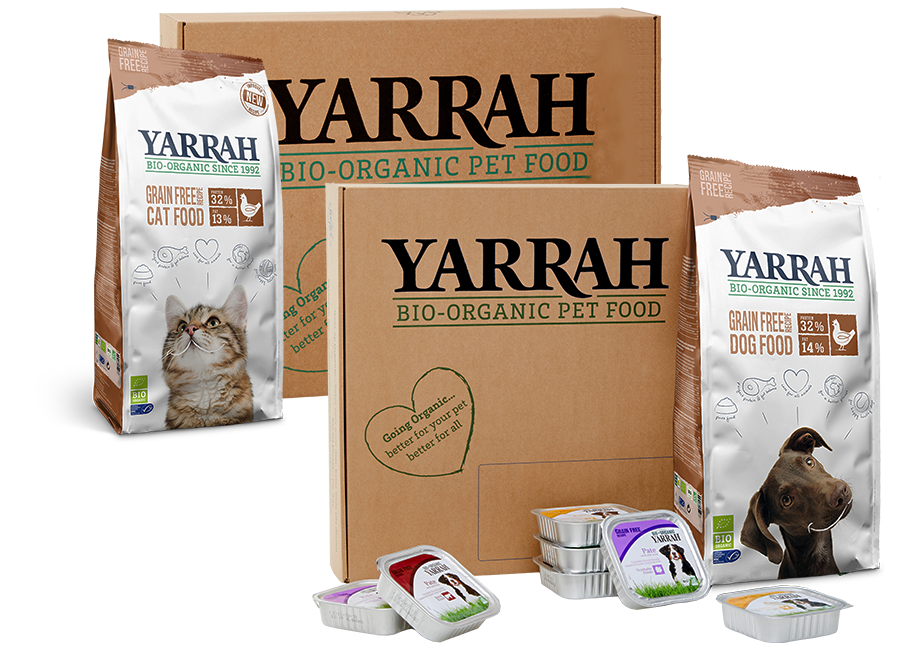
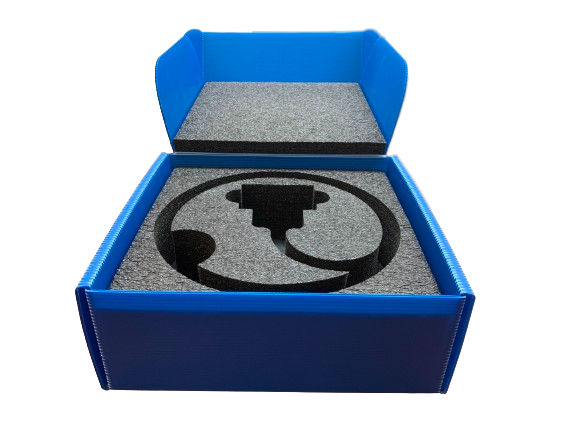
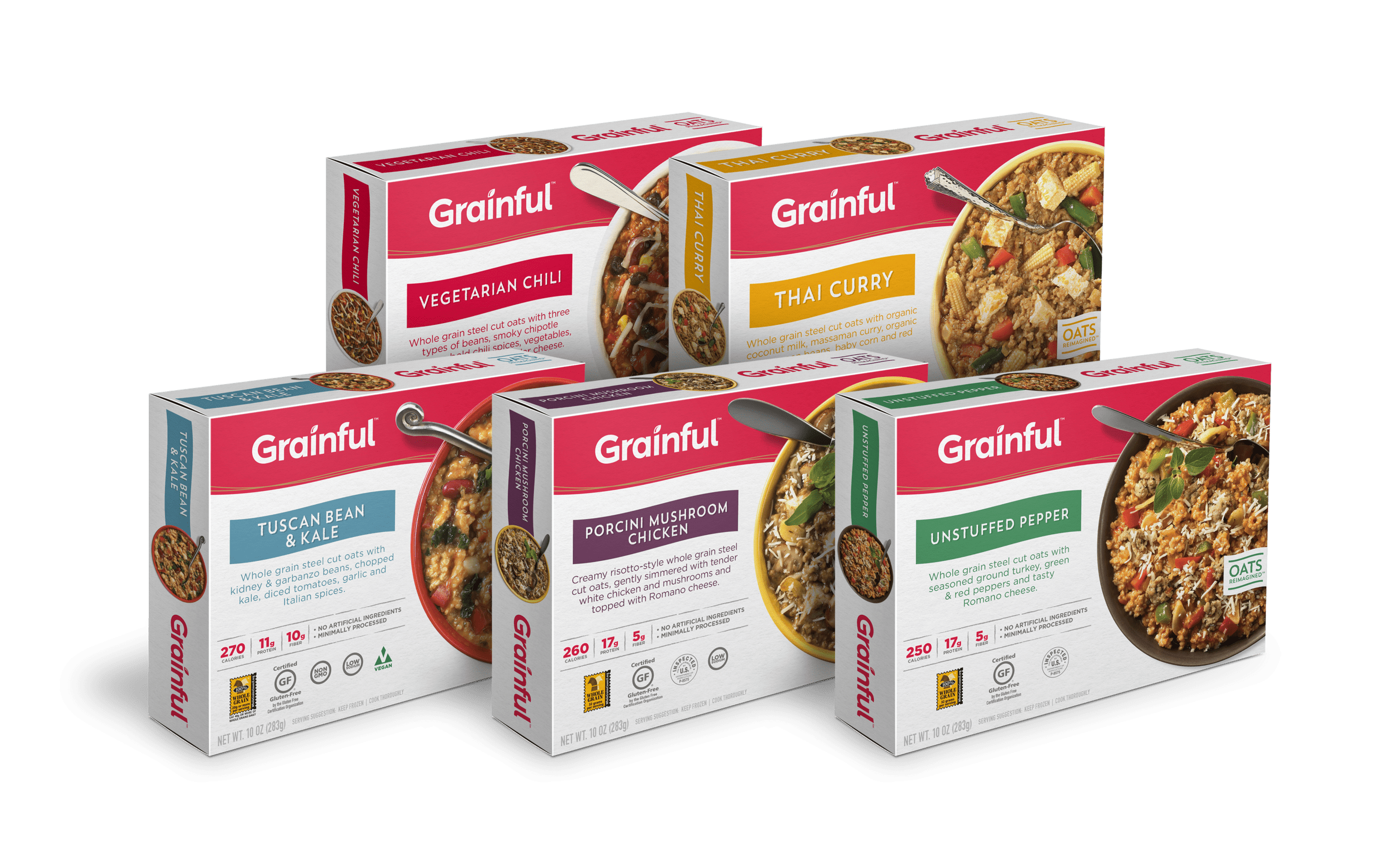
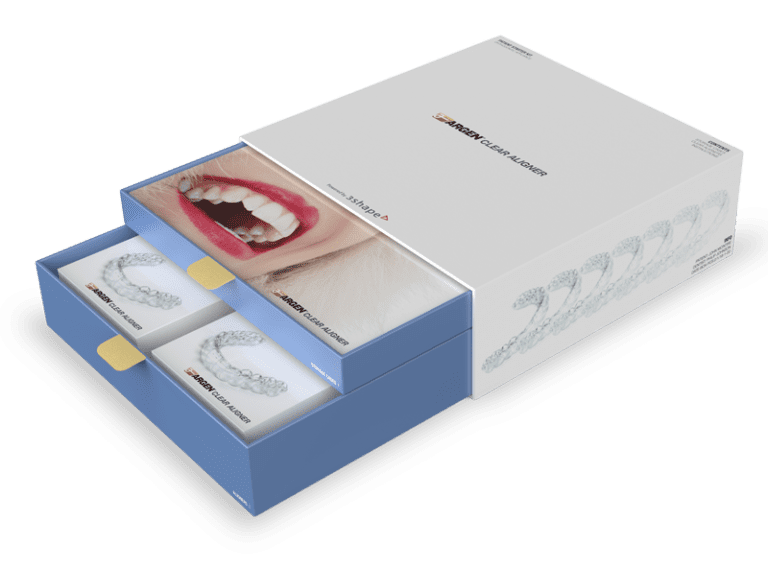
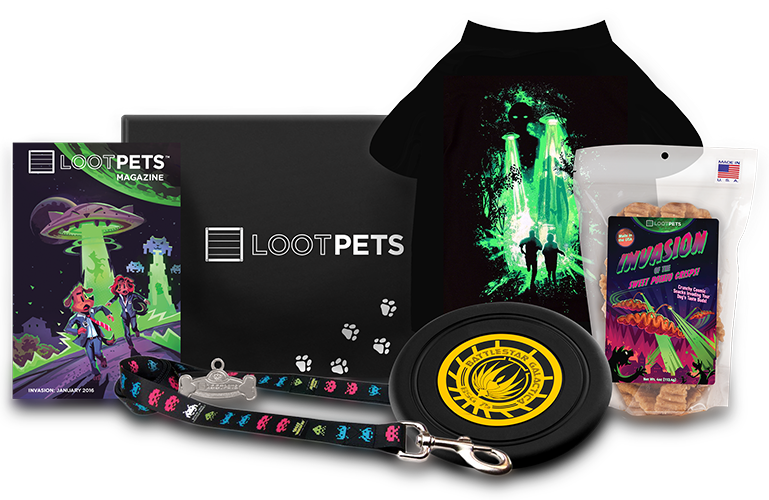
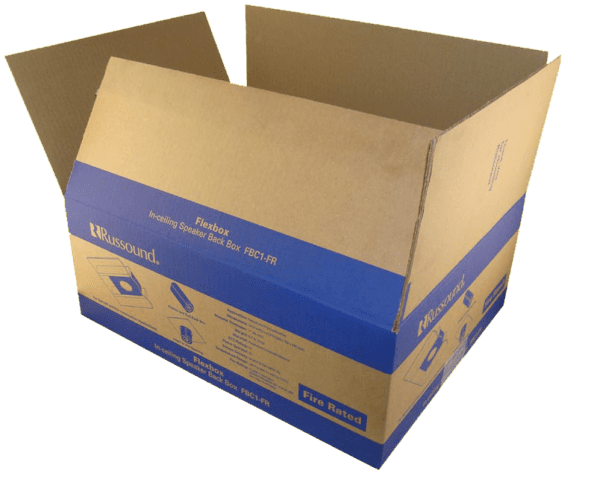
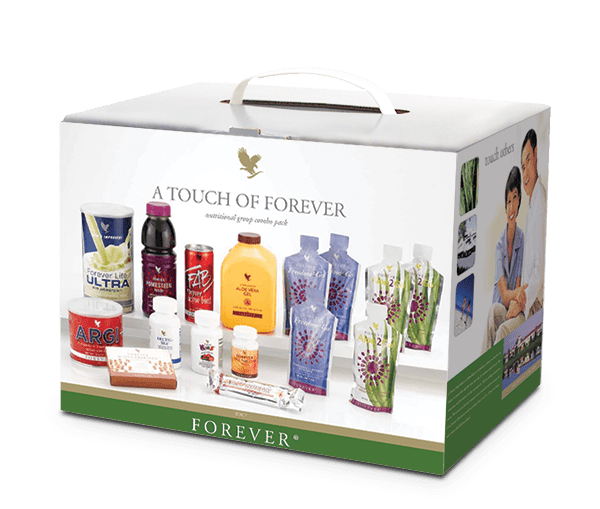
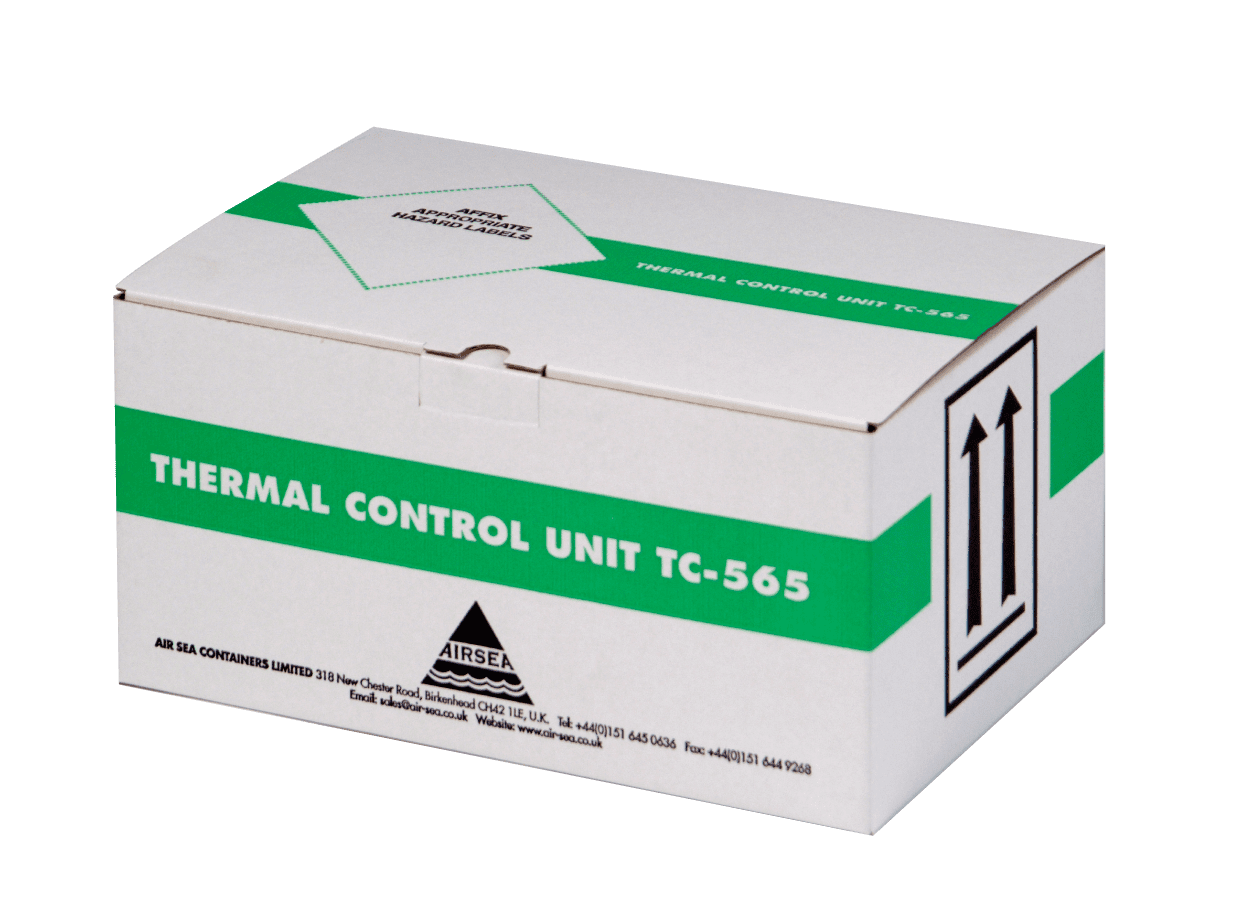
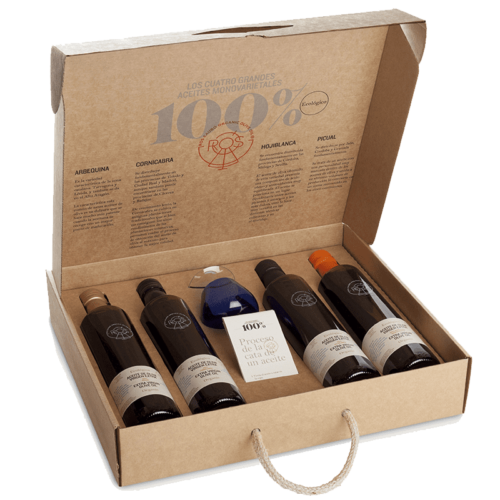
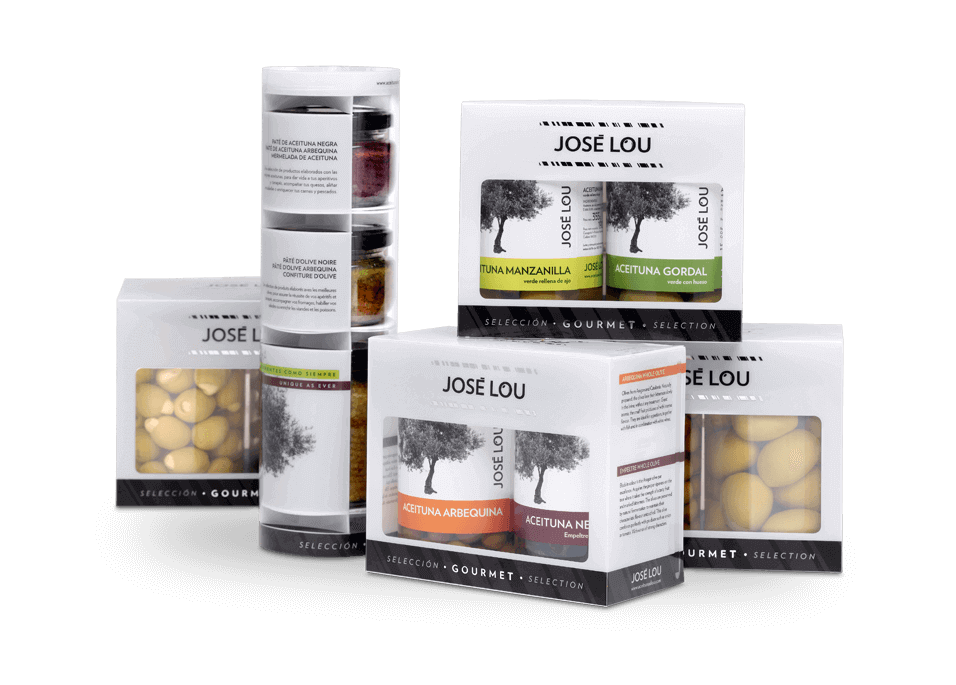
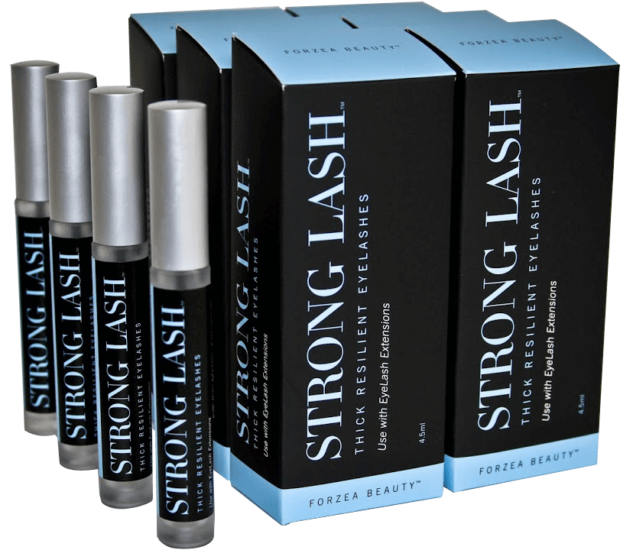
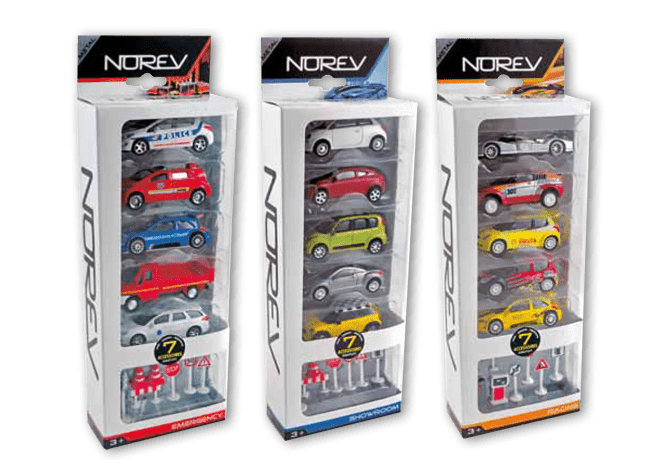
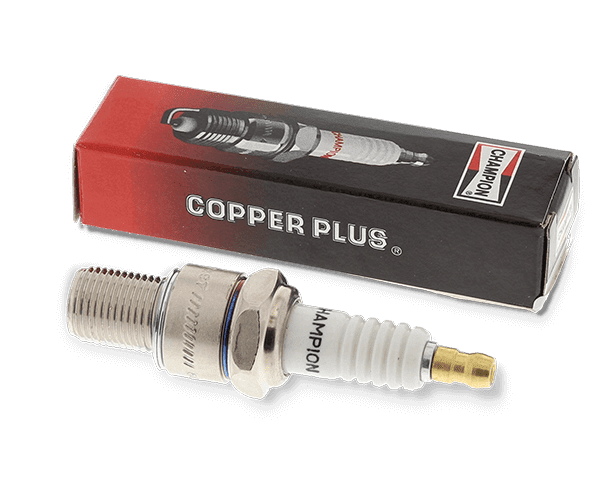
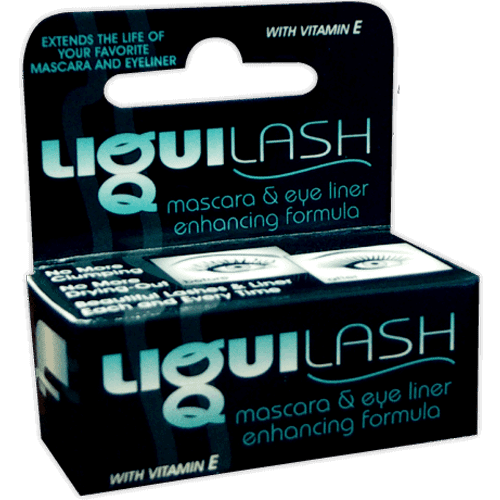
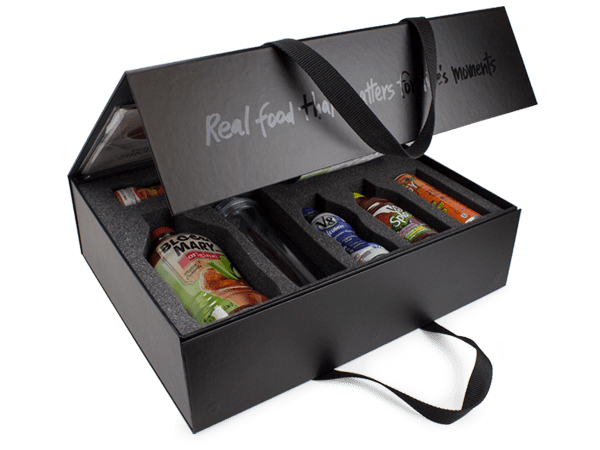
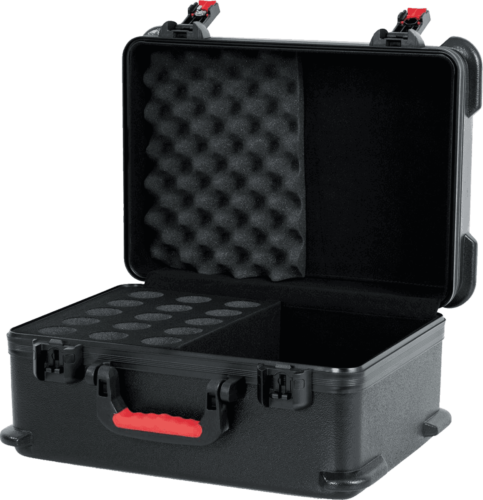
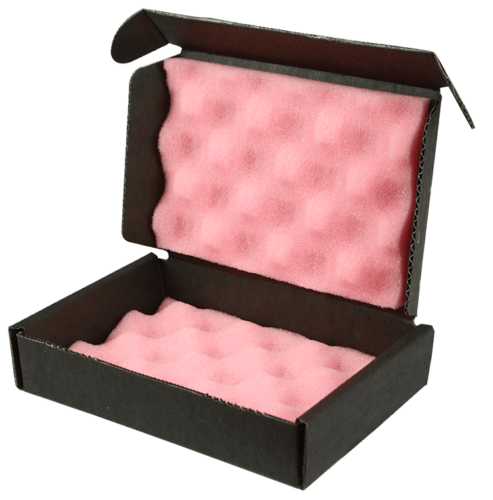
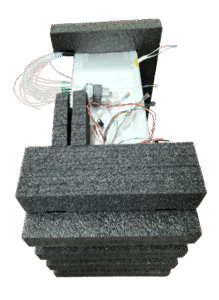
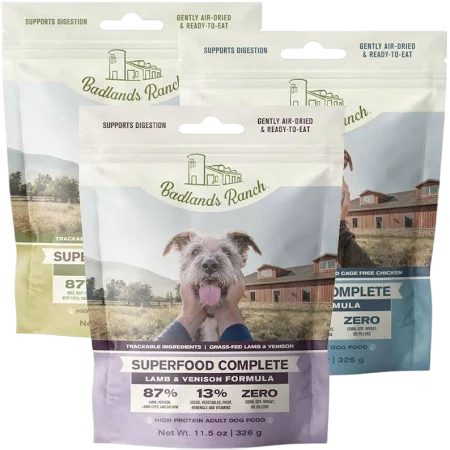
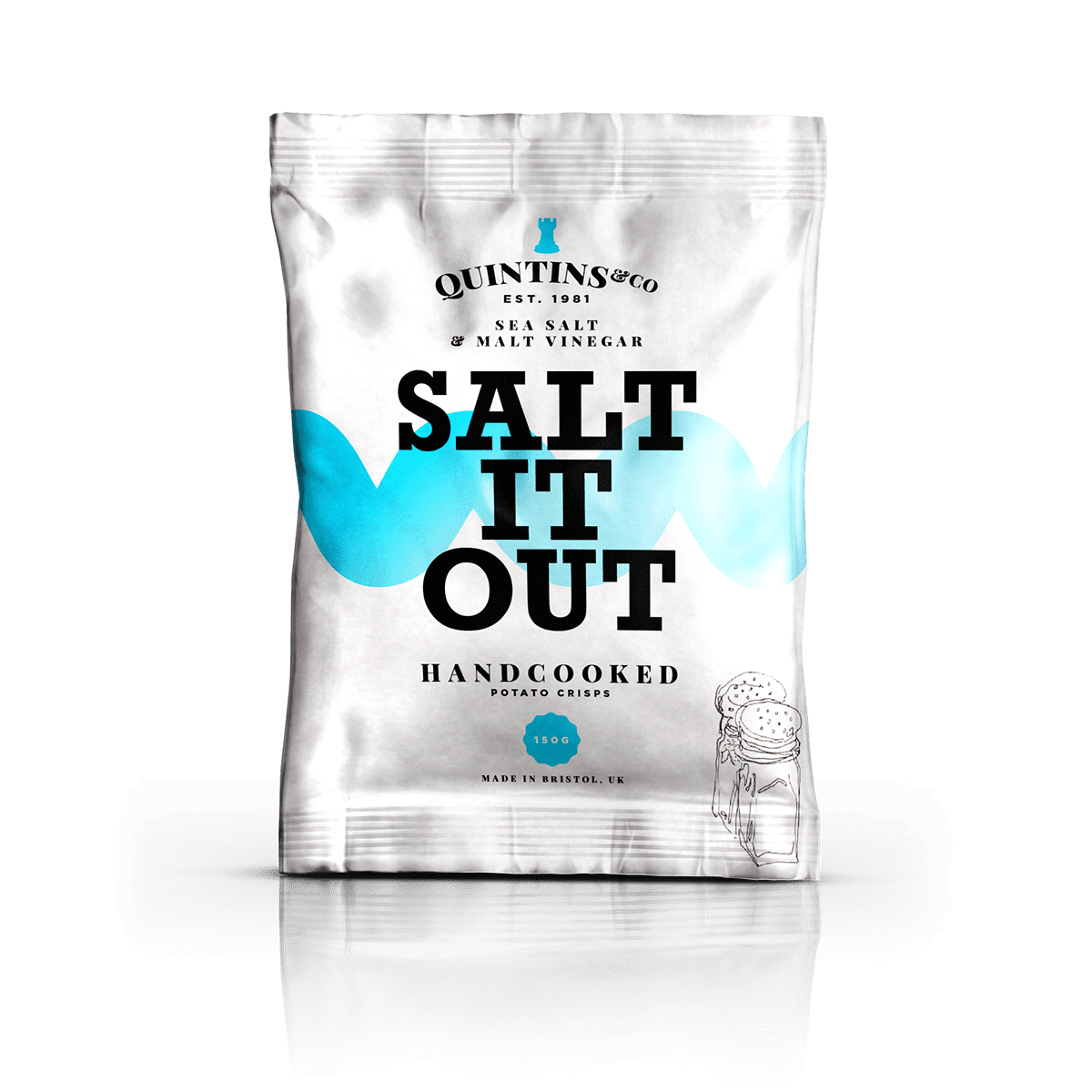
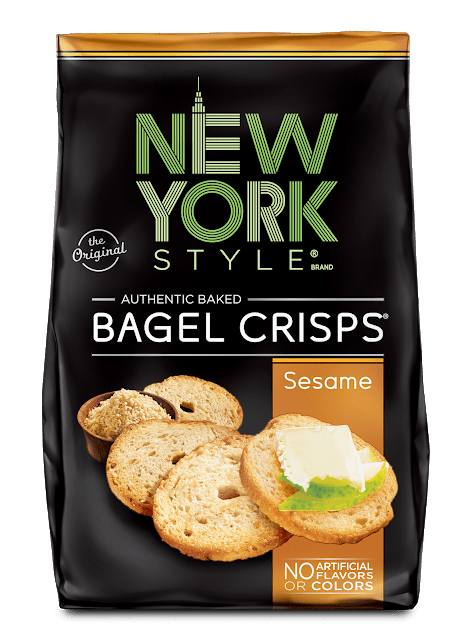
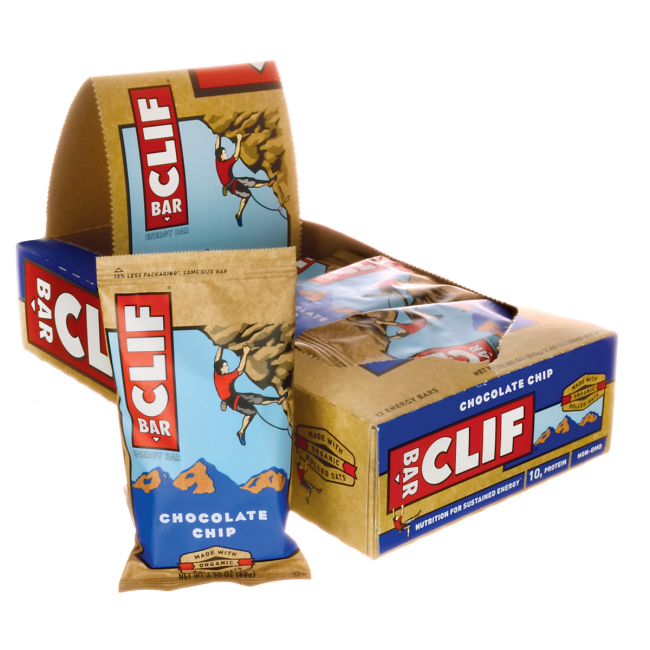
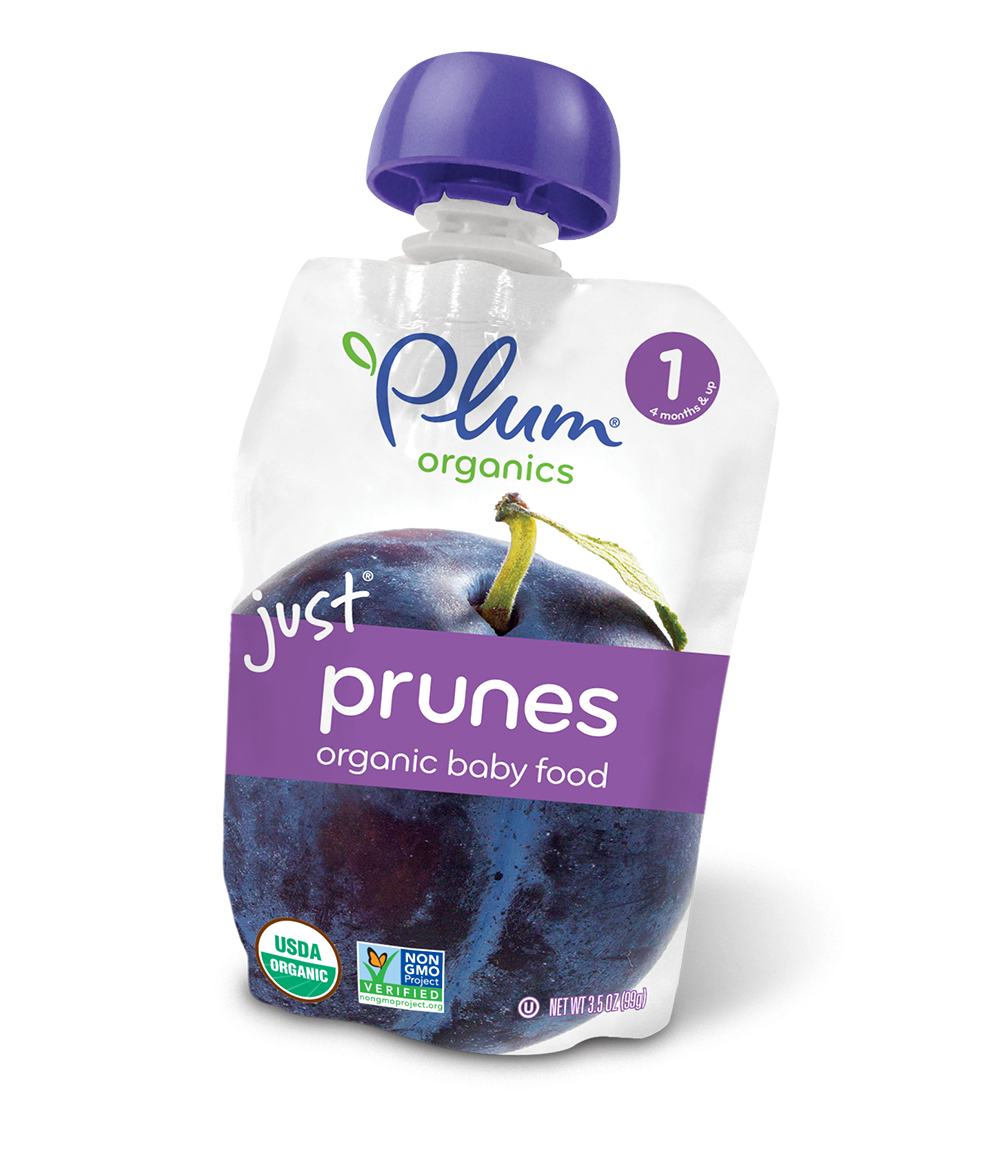
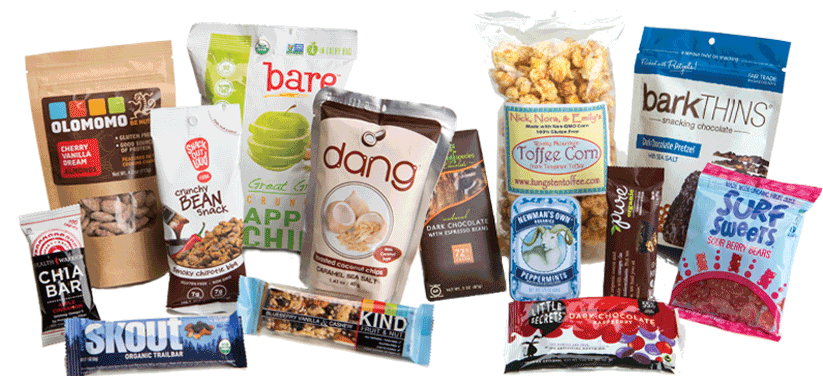
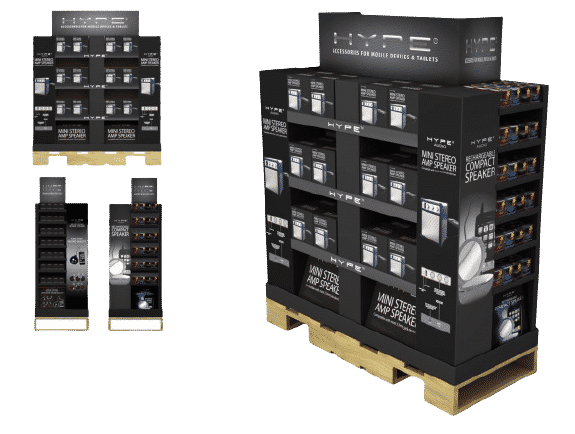
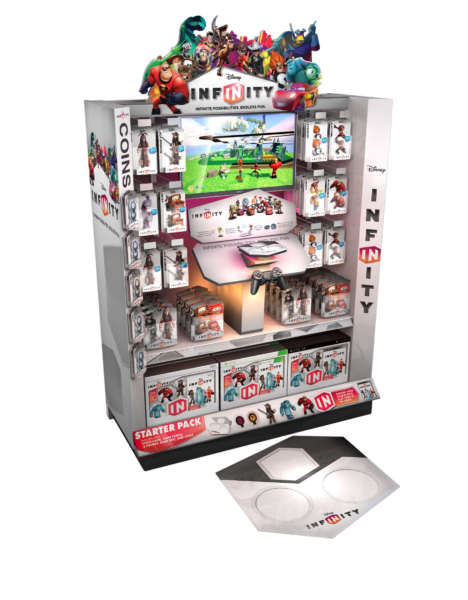
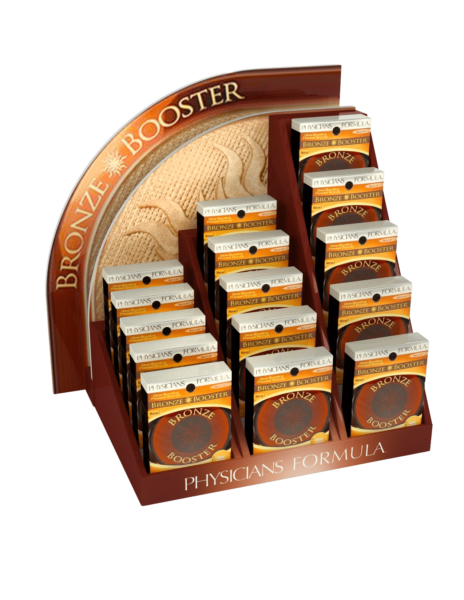
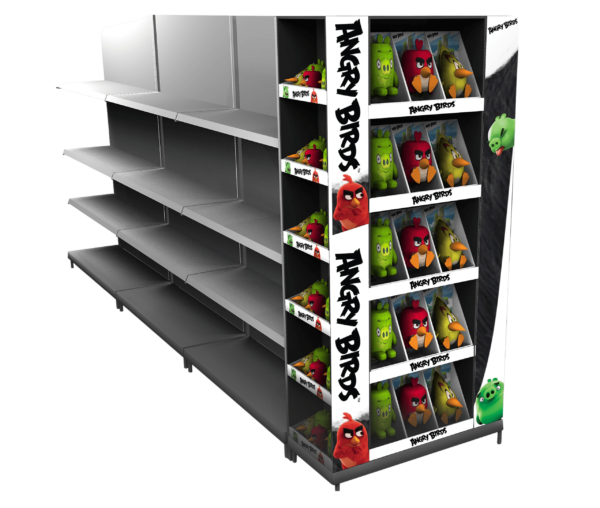
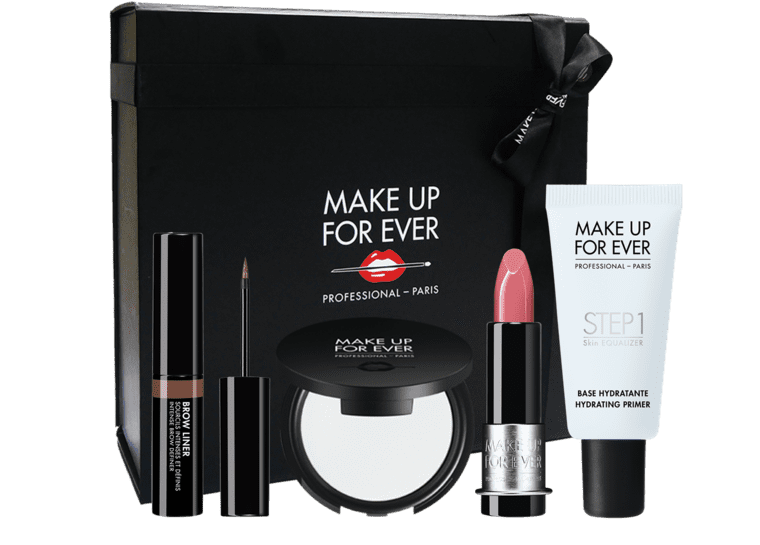
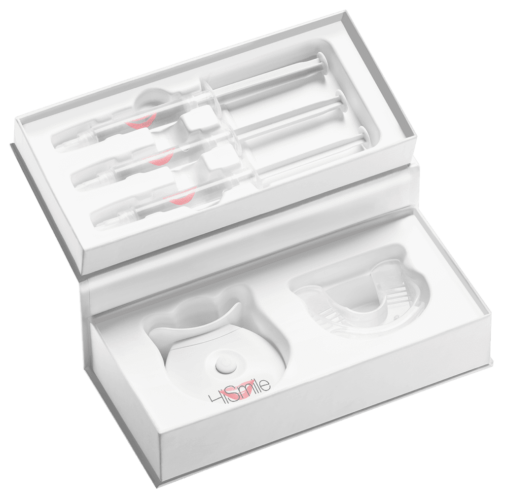
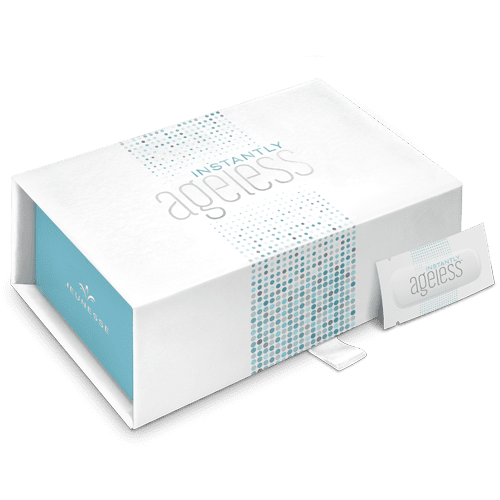
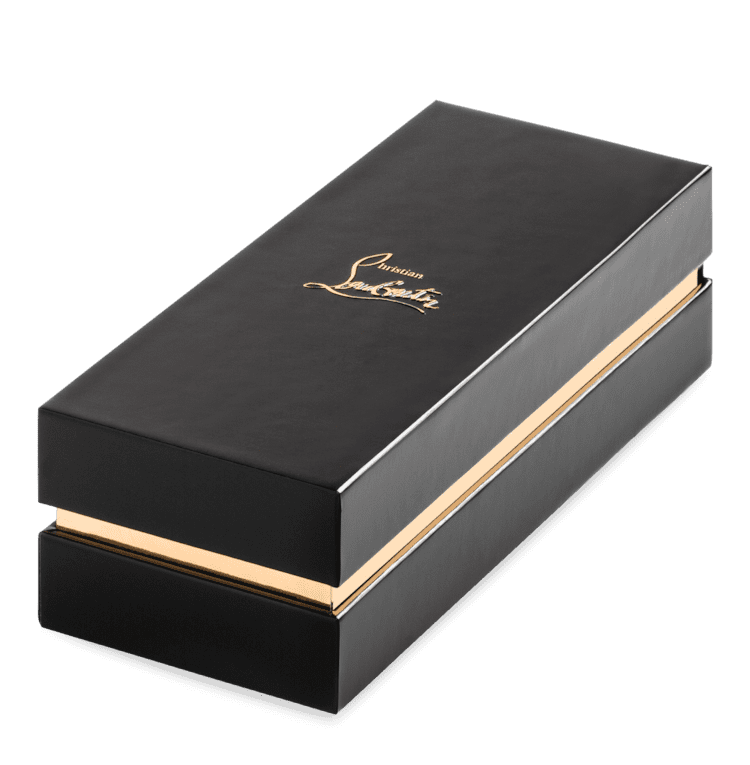
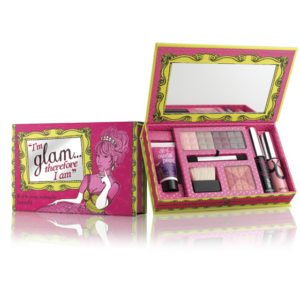
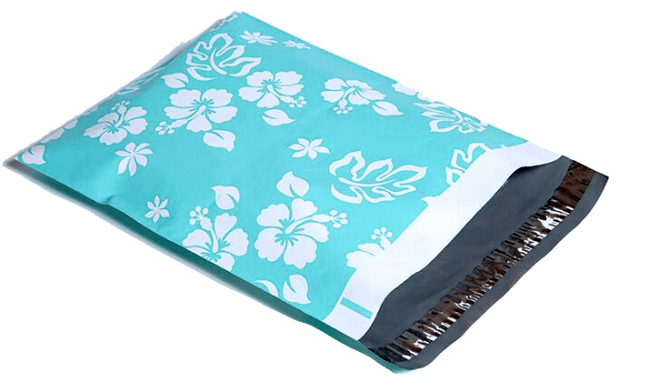
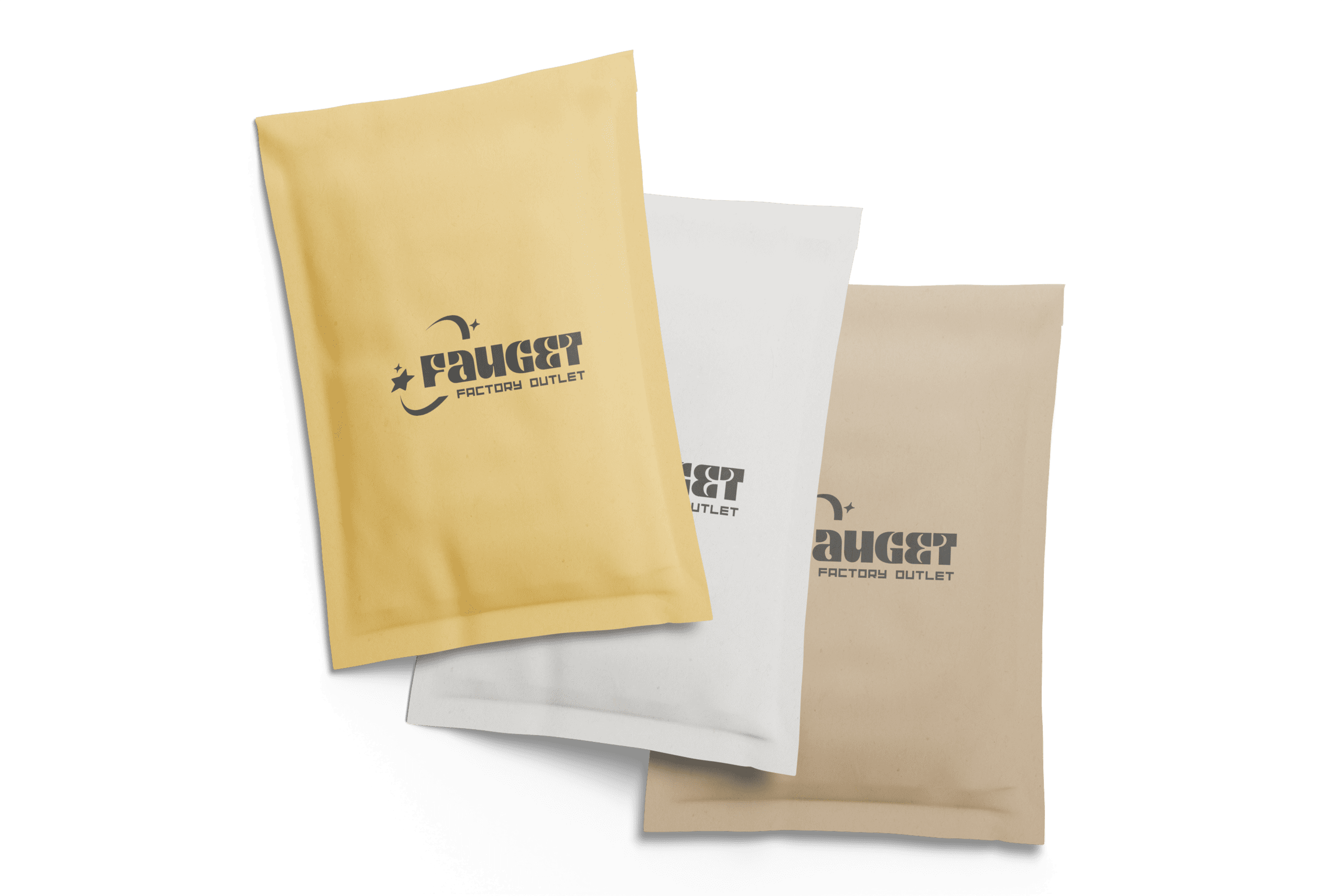
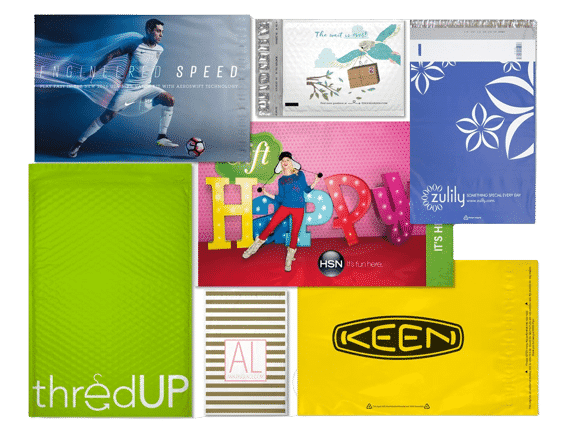
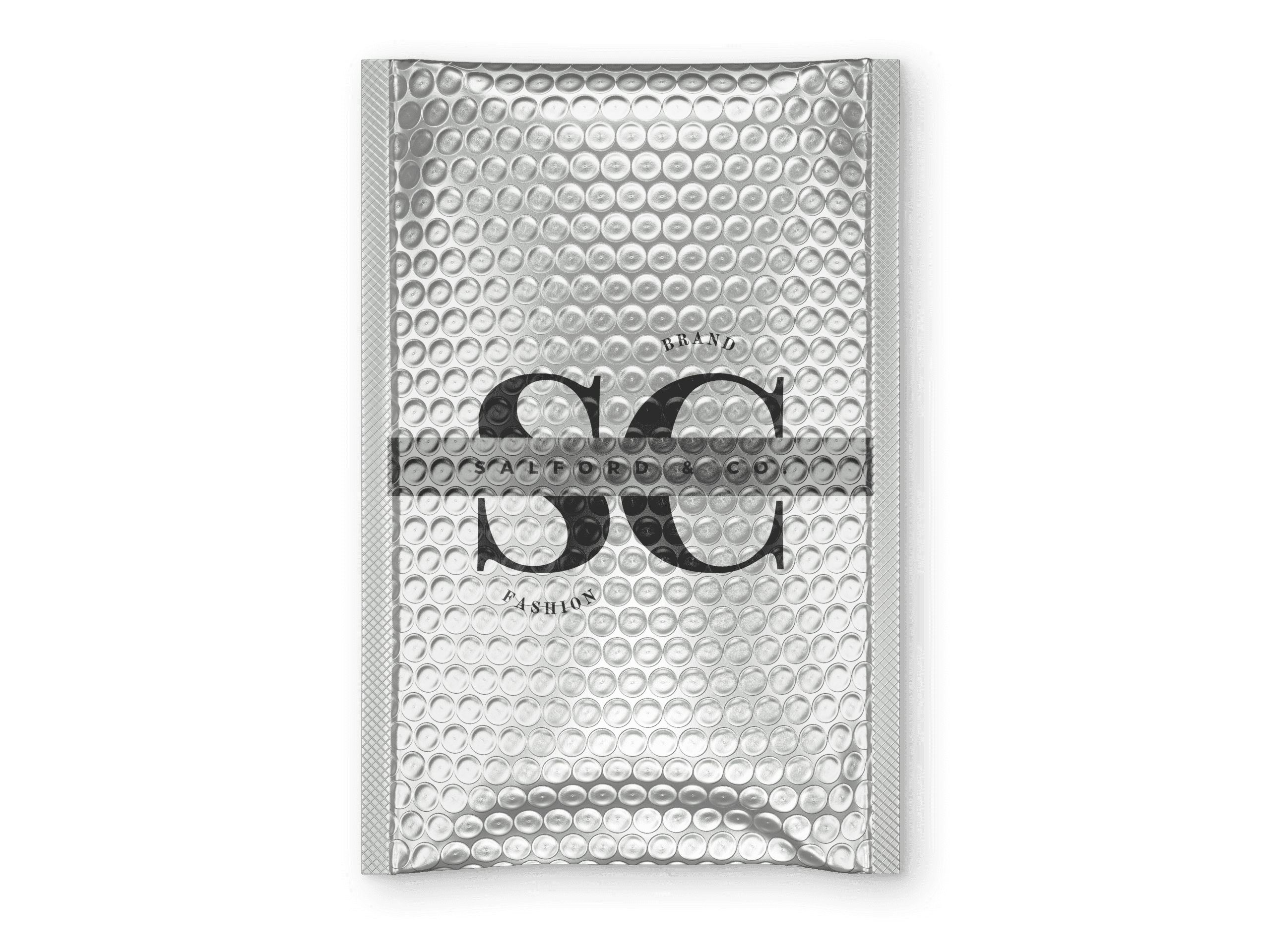
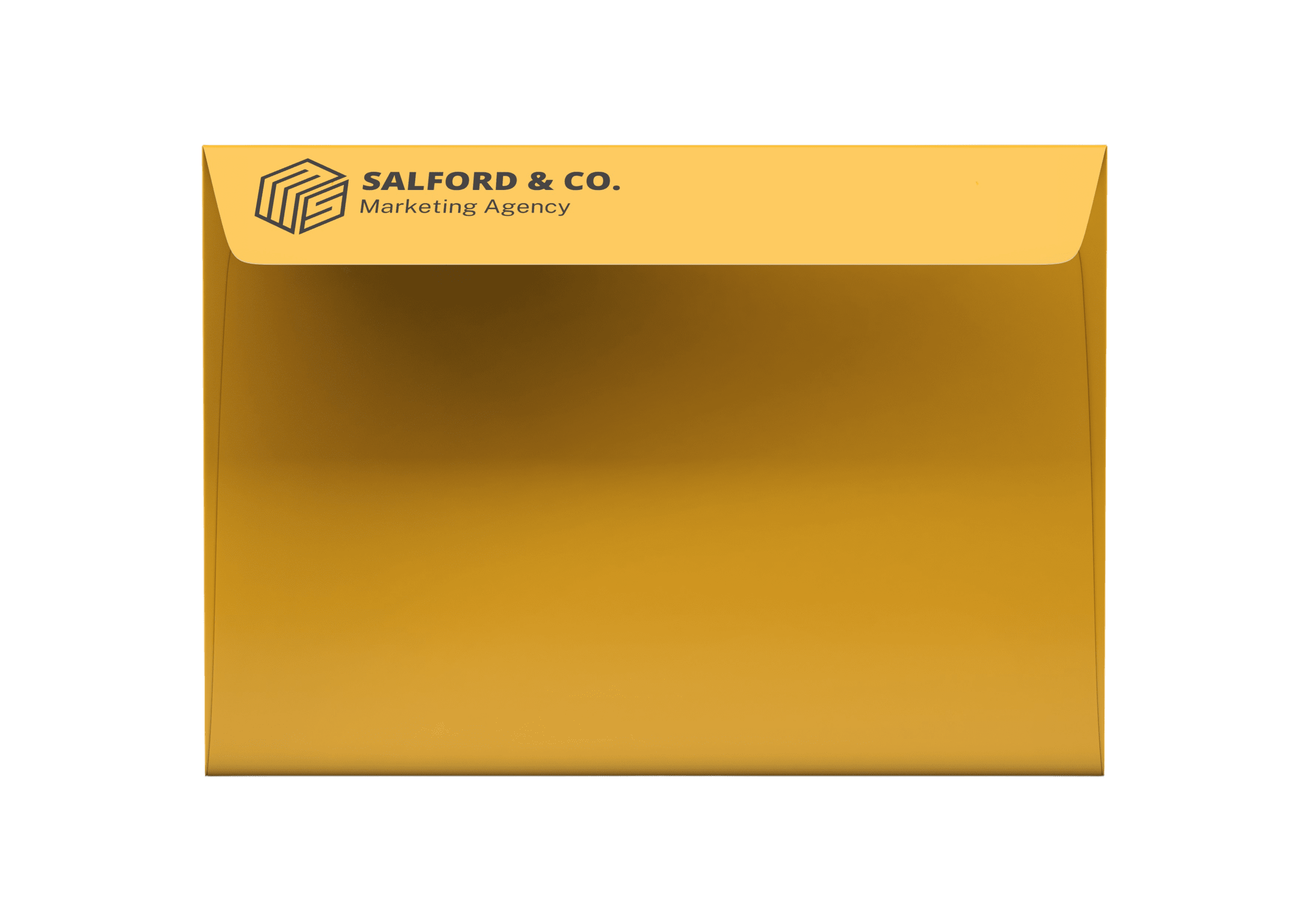
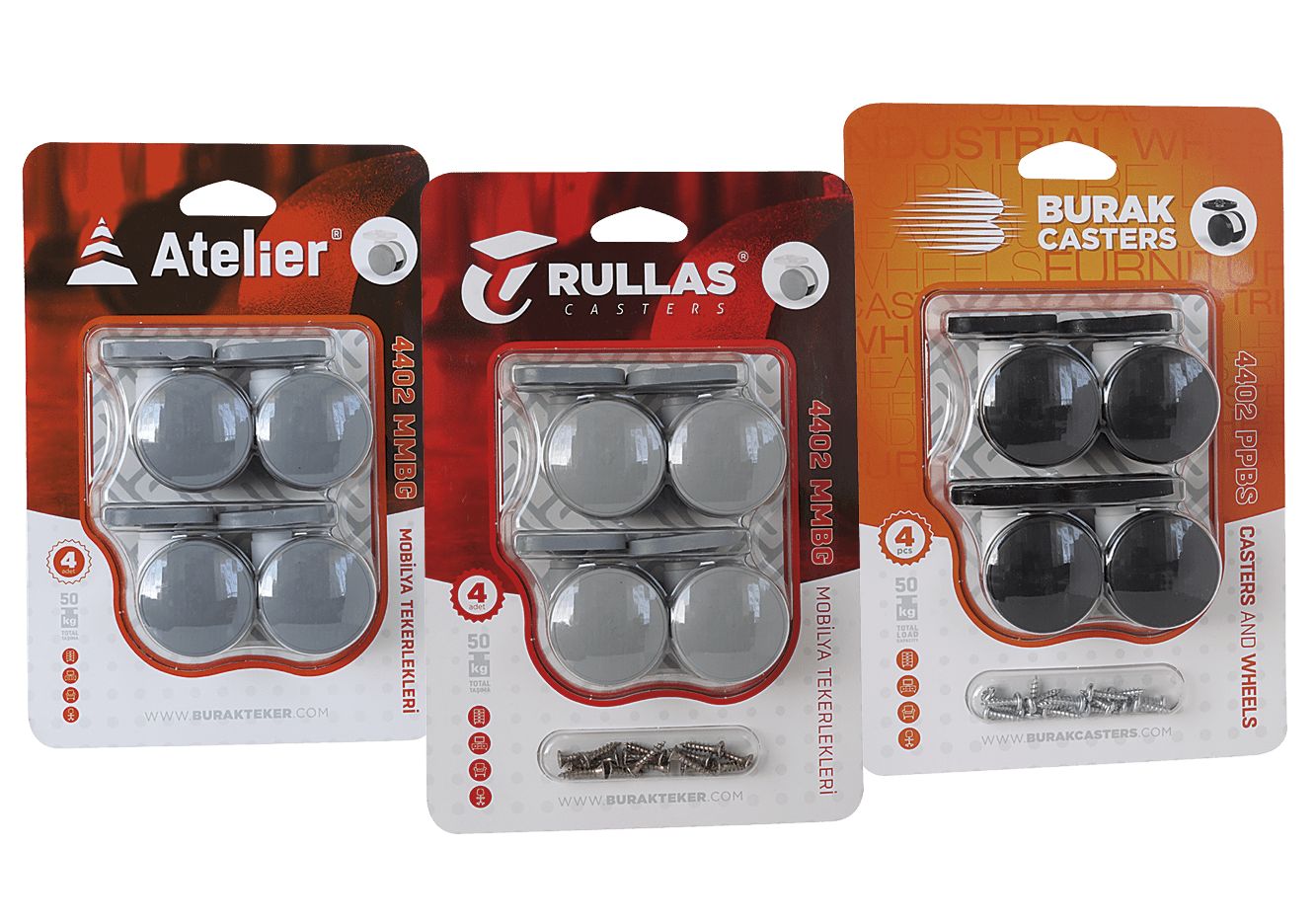
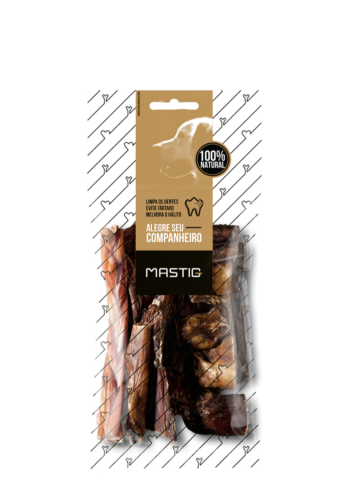
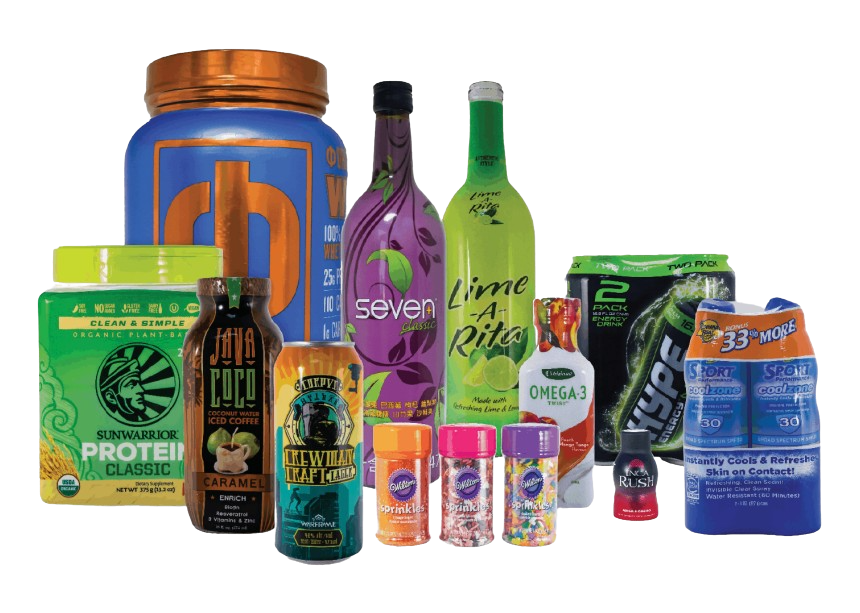
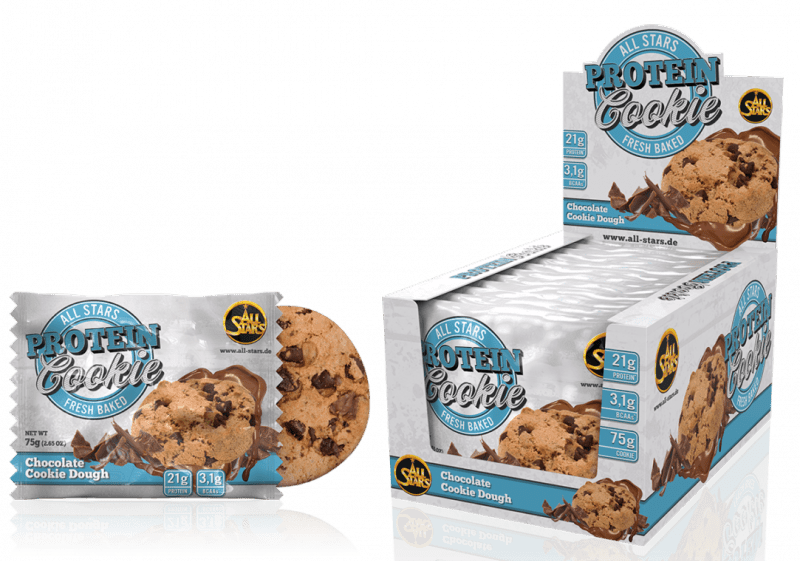
We offer a wide selection of fully customizable packaging products to address any packaging purpose. Customize your packaging product with your logo, brand colors, product information, design, features, and more. If you are unsure on what type of packaging you will need, then contact us for an expert consultation.


Custom packaging is tailored specifically to fit a brand’s unique product requirements, unlike stock packaging, which is pre-made and generic. Custom options allow for precise sizing, materials, and design choices, offering enhanced protection, presentation, and improved efficiency. This personalization makes custom packaging ideal for businesses looking to stand out and create a cohesive brand identity.
At Brown Packaging, our custom packaging solutions are structurally designed to optimize protection, material usage, and sustainability, tailored to meet specific product needs across various applications. We incorporate graphics to reinforce brand identity, ensuring that each package not only protects but also represents your brand effectively. With a focus on durability and functionality, our packaging ensures secure handling for shipping, retail, or storage while supporting sustainability goals.
Custom Packaging Products
We offer a variety of custom packaging products and solutions to meet all your packaging needs in one place. You’ll work directly with a dedicated project specialist to customize your package according to your specifications, including branding, features, and design.


If you need any assistance with your packaging or have a question, then contact us directly at request@brownpackaging.com or (714)300-0650. Learn more about custom packaging by reading our blog posts on new and trending topics.

The increasing demand for consumer goods and the resulting surge in packaging waste have prompted a growing concern for the impact of packaging on the environment. With the current linear model of packaging, where packaging is manufactured, used and then discarded, the amount of waste generated by packaging continues to rise. This has led to a growing demand for sustainable solutions, and that’s where circular packaging comes in. Circular packaging is a closed-loop system, where packaging is designed to be reused, recycled, or biodegraded after use, creating a closed loop of production, consumption, and recovery. This system not only reduces waste but also promotes resource efficiency, conserves resources, and minimizes the environmental impact of packaging. The goal of circular packaging is to create a sustainable packaging system that reduces the environmental impact of packaging and minimizes waste. This blog post will provide a comprehensive explanation of circular packaging, exploring its benefits, differences from traditional linear packaging, and real-world examples. It will provide a clear understanding of why circular packaging is the future of sustainable packaging, and the role it plays in reducing the impact of packaging on the environment. Linear vs Circular Packaging The traditional model of packaging, known as linear packaging, operates on a “take-make-waste” cycle. In this model, packaging is manufactured, used for its intended purpose, and then disposed of, resulting in a large amount of waste. This model has a significant impact on the environment, as waste generated by packaging contributes to landfills, ocean pollution, and greenhouse gas emissions. In contrast, circular packaging operates on a closed-loop system, where packaging is designed to be reused, recycled, or biodegraded after use. This model minimizes waste and conserves resources, through reuse and recycling. Circular packaging encourages the creation of a sustainable packaging system where packaging is used, recycled, and reused, reducing the amount of waste generated and the need for new resources. The main difference between linear and circular packaging lies in their approach to waste management. Linear packaging views waste as a problem to be disposed of, while circular packaging views waste as a resource to be utilized. This shift in perspective is crucial in reducing the impact of packaging on the environment and creating a sustainable packaging system. In conclusion, linear packaging operates on a “take-make-waste” model, while circular packaging operates on a closed-loop system where packaging is reused, recycled, or biodegraded after use. The shift from linear to circular packaging is crucial in reducing the environmental impact of packaging and promoting sustainability. Circular Packaging Benefits Circular packaging provides numerous benefits over traditional linear packaging, including: Reduced waste: One of the key benefits of circular packaging is that it reduces the amount of waste generated by packaging. By designing packaging to be reused, recycled, or biodegraded after use, waste is minimized, and the impact of packaging on the environment is reduced. Increased resource efficiency: Circular packaging promotes resource efficiency by conserving resources through reuse and recycling. This reduces the need for new resources, leading to more sustainable production and consumption patterns. Lower environmental impact: By reducing waste and conserving resources, circular packaging minimizes the environmental impact of packaging. This includes reducing greenhouse gas emissions, reducing the amount of waste in landfills and oceans, and preserving natural habitats and ecosystems. Cost savings: Implementing circular packaging can lead to cost savings, as the need for new packaging materials is reduced. This can result in lower production costs, as well as reduced waste management costs. Improved brand image: Companies that adopt circular packaging can benefit from improved brand image and customer loyalty. Consumers are becoming increasingly environmentally conscious, and companies that adopt sustainable packaging practices are seen as more responsible and environmentally friendly. In conclusion, the benefits of circular packaging are numerous, ranging from reduced waste and increased resource efficiency to lower environmental impact and cost savings. Implementing circular packaging is crucial in creating a sustainable packaging system and reducing the impact of packaging on the environment. Examples of Circular Packaging There are many real-world examples of circular packaging that demonstrate the potential of this approach to create a sustainable packaging system. Some of these include: Reusable packaging: Reusable packaging, such as refillable water bottles, food containers, and shopping bags, is one of the most straightforward examples of circular packaging. This type of packaging is designed to be used multiple times, reducing waste and conserving resources. Recyclable packaging: Recyclable packaging, such as paper and corrugated, is another example of circular packaging. This type of packaging can be recycled after use, reducing waste and conserving resources. Biodegradable packaging: Biodegradable packaging, such as biodegradable plastics and plant-based materials, is designed to break down into natural substances after use, reducing waste and minimizing the impact of packaging on the environment. Circular economy systems: Circular economy systems, such as closed-loop recycling programs and product-as-a-service models, are another example of circular packaging. These systems are designed to keep resources in use for as long as possible, reducing waste and conserving resources. Bioplastics: Bioplastics, such as starch-based plastics and plant-based materials, are a more sustainable alternative to traditional petroleum-based plastics. These materials are designed to be biodegradable, reducing waste and minimizing the impact of packaging on the environment. In conclusion, there are many real-world examples of circular packaging, including reusable packaging, recyclable packaging, biodegradable packaging, circular economy systems, and bioplastics. These examples demonstrate the potential of circular packaging to create a sustainable packaging system and reduce the impact of packaging on the environment. Summary: Circular Packaging In conclusion, circular packaging represents a significant shift from traditional linear packaging and is crucial in creating a sustainable packaging system. By designing packaging to be reused, recycled, or biodegraded after use, waste is minimized, and resources are conserved. The benefits of circular packaging are numerous, including reduced waste, increased resource efficiency, lower environmental impact, cost savings, and improved brand image. The shift towards circular packaging is already underway, with many companies and organizations adopting this approach to minimize the impact of packaging on the environment. However, there is

High density polyethylene (HDPE) and low-density polyethylene (LDPE) are both types of polyethylene, a thermoplastic polymer made from petroleum. The main difference between the two is the density of the material. HDPE has a higher density and a higher molecular weight, while LDPE has a lower density and a lower molecular weight. HDPE Packaging Applications In terms of packaging applications, HDPE is commonly used for making rigid containers like milk jugs, water bottles, and plastic drums. It is also used in the manufacturing of pipes and fittings for the transportation of gas and water. HDPE is known for its strength and durability, making it a popular choice for packaging products that need to withstand rough handling or transportation. It also has good chemical resistance, making it suitable for packaging products that may come into contact with chemicals. Benefits of HDPE Benefits of HDPE include: High strength, high stiffness, good chemical resistance, good impact resistance and good temperature resistance. Disadvantages of HDPE include: It is less flexible, difficult to print on and is more prone to cracking under stress. LDPE Packaging Applications On the other hand, LDPE is commonly used in packaging applications such as plastic wraps, food storage bags, and squeezable bottles. Its flexibility and versatility make it a good choice for packaging products that need to be flexible, such as bags and films. It is also used to make plastic films for packaging and in the electrical and electronic industries. LDPE’s flexibility is also an advantage for packaging products that need to be vacuum-sealed or shrink-wrapped. Benefits of LDPE Benefits of LDPE include: Its flexibility and versatility, good electrical insulation, good chemical resistance, and low cost. Disadvantages of LDPE include: it is less stiff, less strong and has lower temperature resistance, and is more likely to crack and wear over time. Which one should you choose? When deciding whether to use HDPE or LDPE for packaging, it is important to consider the properties of the product being packaged and the specific requirements of the packaging. For example, if the product requires a strong and durable container that can withstand rough handling or transportation, HDPE would be a good choice. On the other hand, if the product requires a flexible and versatile packaging that can be vacuum-sealed or shrink-wrapped, LDPE would be a better choice. Additionally, if you’re looking for a printing option on the packaging, HDPE may not be ideal as it can be difficult to print on. If you are interested in HDPE or LDPE material packaging products, then contact Brown Packaging today. We can offer our clients a wide selection of flexible packaging options and customization. (714)300-0650 request@brownpackaging.com Most Recent Posts: Categories: Corrugated Ecommerce ESD Design Display Flexible Packaging Foam Folding Carton Packaging Plastic Packaging Pouch Printing Protection Retail Rigid Box Thermoform Sustainability Subscribe To Our Newsletter By submitting your information, you agree to our terms and conditions and privacy policy. Custom Packaging Facebook Twitter LinkedIn Pinterest Relevant Posts

Corrugated Boxes are exposed to many different circumstances during packing, shipping and storage. Ensuring that your corrugated packaging is protecting your product fully is important. The two-test used to evaluate the strength of your packaging are Mullen Burst Test and Edge Crush Test. They both serve a similar purpose of testing the strength of the box, and they test it in different ways. It is important to understand the difference between the two tests, in order to ensure you pick the right strength quality test for your packaging needs. Mullen Burst: The Mullen Burst Test was the first standard box strength test to be used. It uses a pressurized diaphragm to measure how much pressure the side of a corrugated box can endure before it will burst. It is measured in pounds per square inch. This test is best for measuring the forces a box may be subject to during rough handling, as well as the total weight amount the box can hold. It doesn’t measure the amount of weight that can be stacked on top of a box that is when the Edge Crush Test becomes more effective. Edge Crush The Edge Crush Test (ECT) measures the vertical compression along the edge of a package and focuses on the compression and stacking strength of a corrugated box. It is measured by the force in pounds per lineal inch of load bearing edge that a box can take before failure. This test is often used when one is concerned about the max weight a box can handle during pallet shipments and warehouse stacking. More so this test measures how much weight a corrugated box can handle before it would crush. Which test should you use? Edge Crush test is best used when the items you are packaging will not move during shipment, won’t exert lateral force to the sides of the boxes, and won’t go through a variety of different shipment handlers. If you are stacking or palletizing your boxes, ECT can provide a better measure of how the box will hold up during that stacking process. In order to best protect your product from being crushed during shipment, use Edge Crush Test. Mullen Burst test is best if the items in the box will move during shipment, there will be pressure to the sides of the boxes, and the box will go through many different handlers during shipping. If you’re concerned about a package being punctured during shipment use Mullen Burst Test. BMC The Box Manufacturer Certification Stamp (BMC) is added to all corrugated boxes in order to show the boxes strength. Every BMC contains either the Mullen Burst Test Rating or the Edge Crush Test Rating information. This stamp shows that the box is compliant with the regulations set by the National Motor Freight Traffic Association (NMFTA). Although this is not legally required most carriers require it. What is located on a BMC? Box manufacturers name and location Mullen Burst Test Rating or Edge Crush Test Rating Max sum of outside dimensions Max allowed gross weight Board construction Both Mullen Burst Test and Edge Crush Test are useful in their own ways. Although they both serve a similar purpose of testing the strength of the box, these test are not equivalent as they measure completely different things. It is important to understand the difference between the two tests, in order to ensure you pick the right strength quality test for your packaging needs. If you need assistance understanding the difference between these two test and need help determining which one is best for your business packaging needs, then contact Brown Packaging and one of our packaging experts can assist you. (714)300-0650 request@brownpackaging.com Most Recent Posts: Categories: Corrugated Ecommerce ESD Design Display Flexible Packaging Foam Folding Carton Packaging Plastic Packaging Pouch Printing Protection Retail Rigid Box Thermoform Sustainability Subscribe To Our Newsletter By submitting your information, you agree to our terms and conditions and privacy policy. Custom Corrugated Facebook Twitter LinkedIn Pinterest Relevant Posts