












Custom Packaging
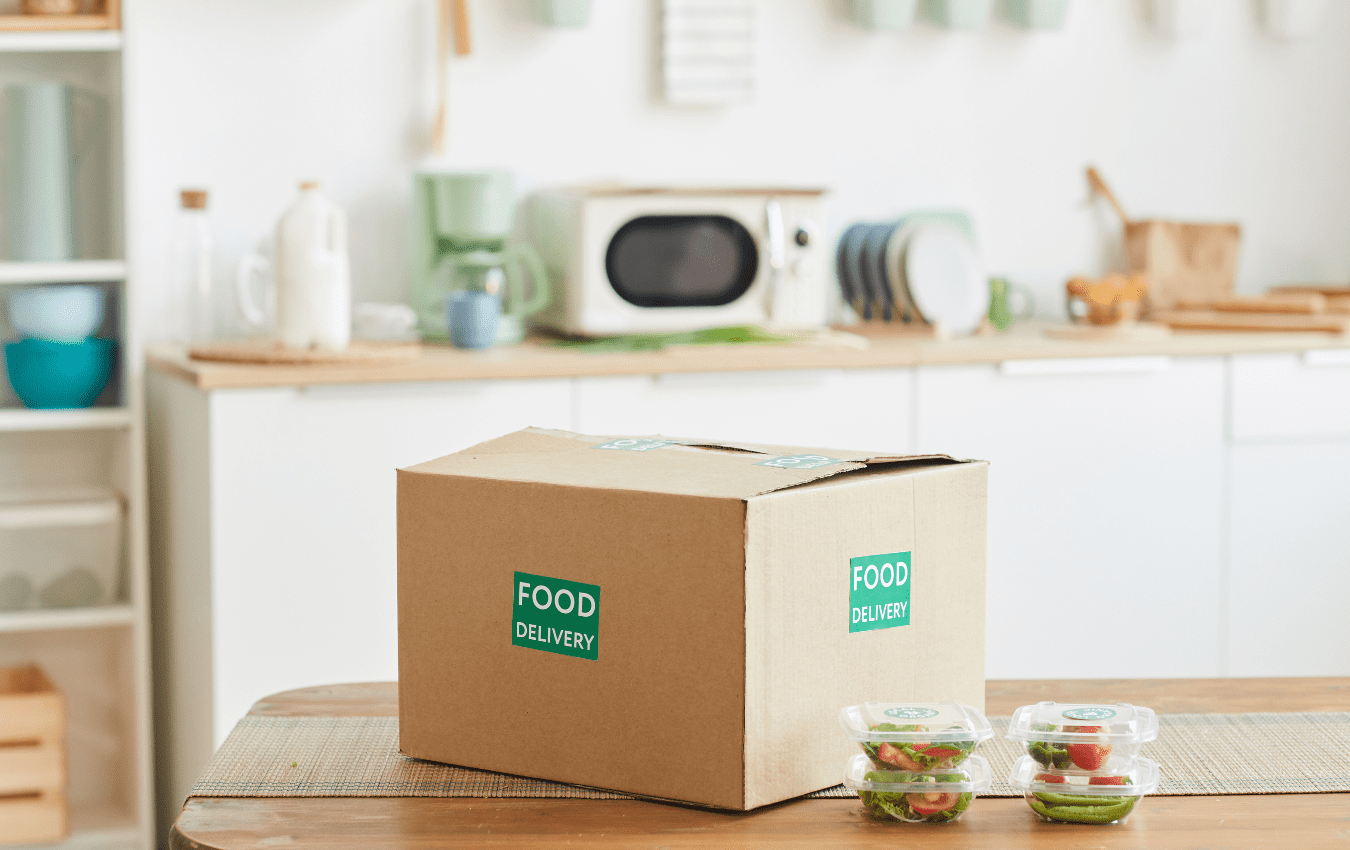
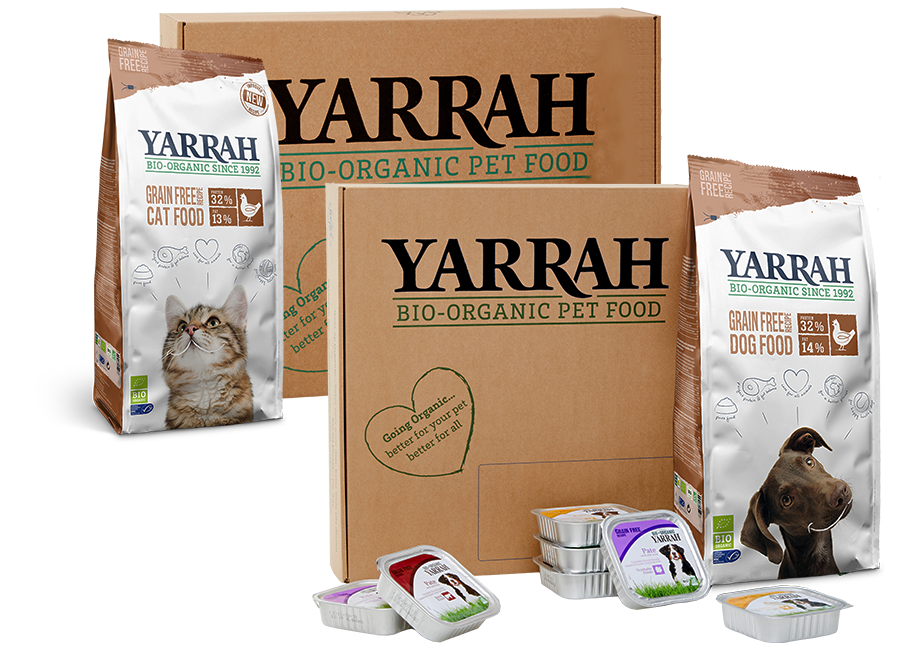
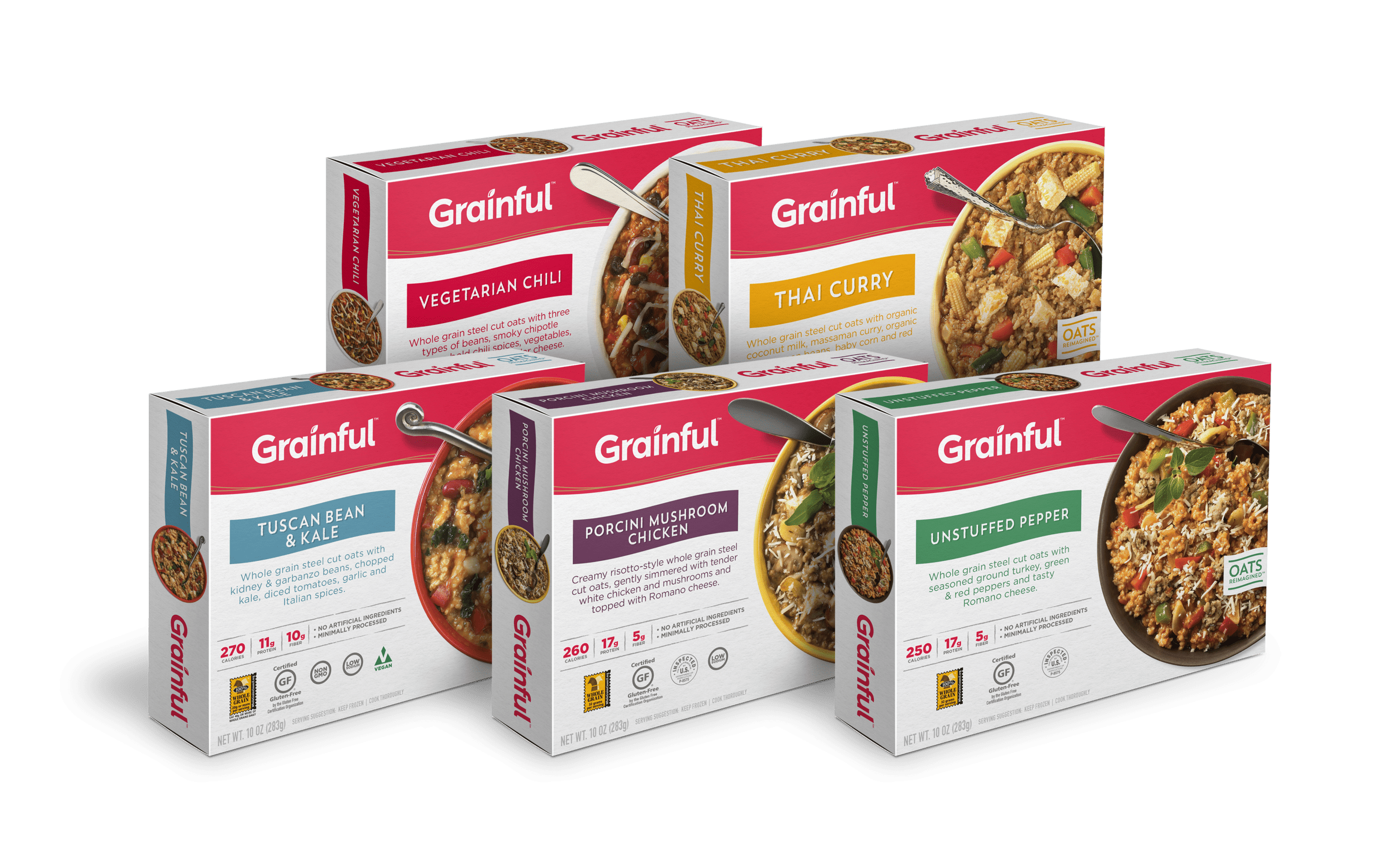
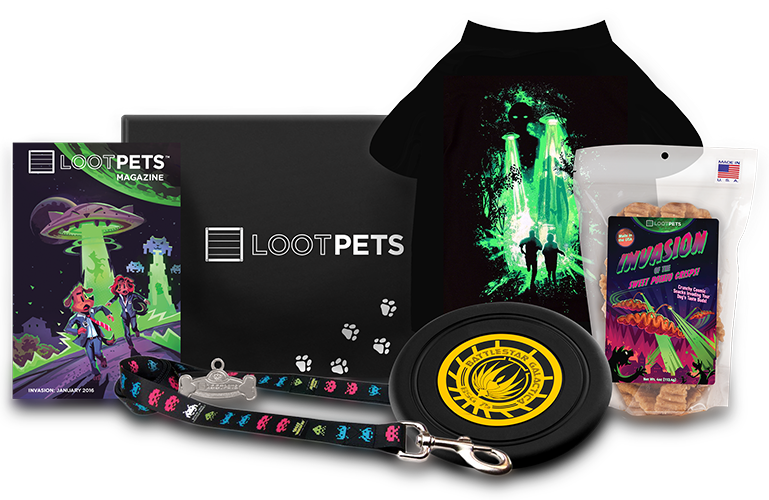
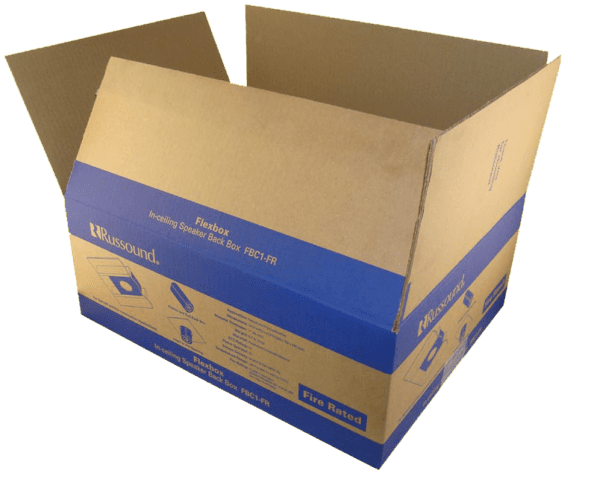
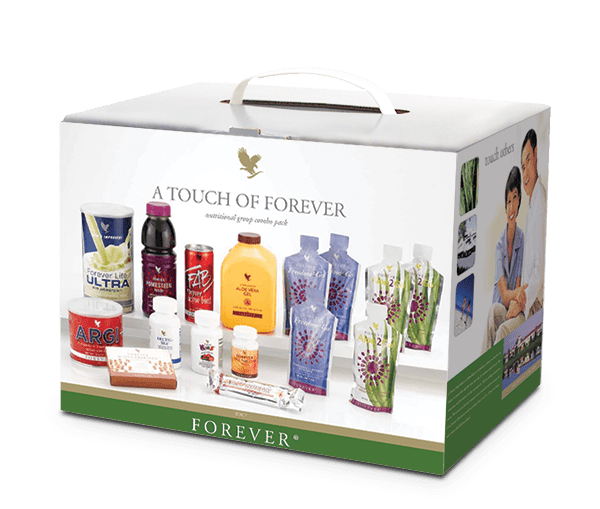
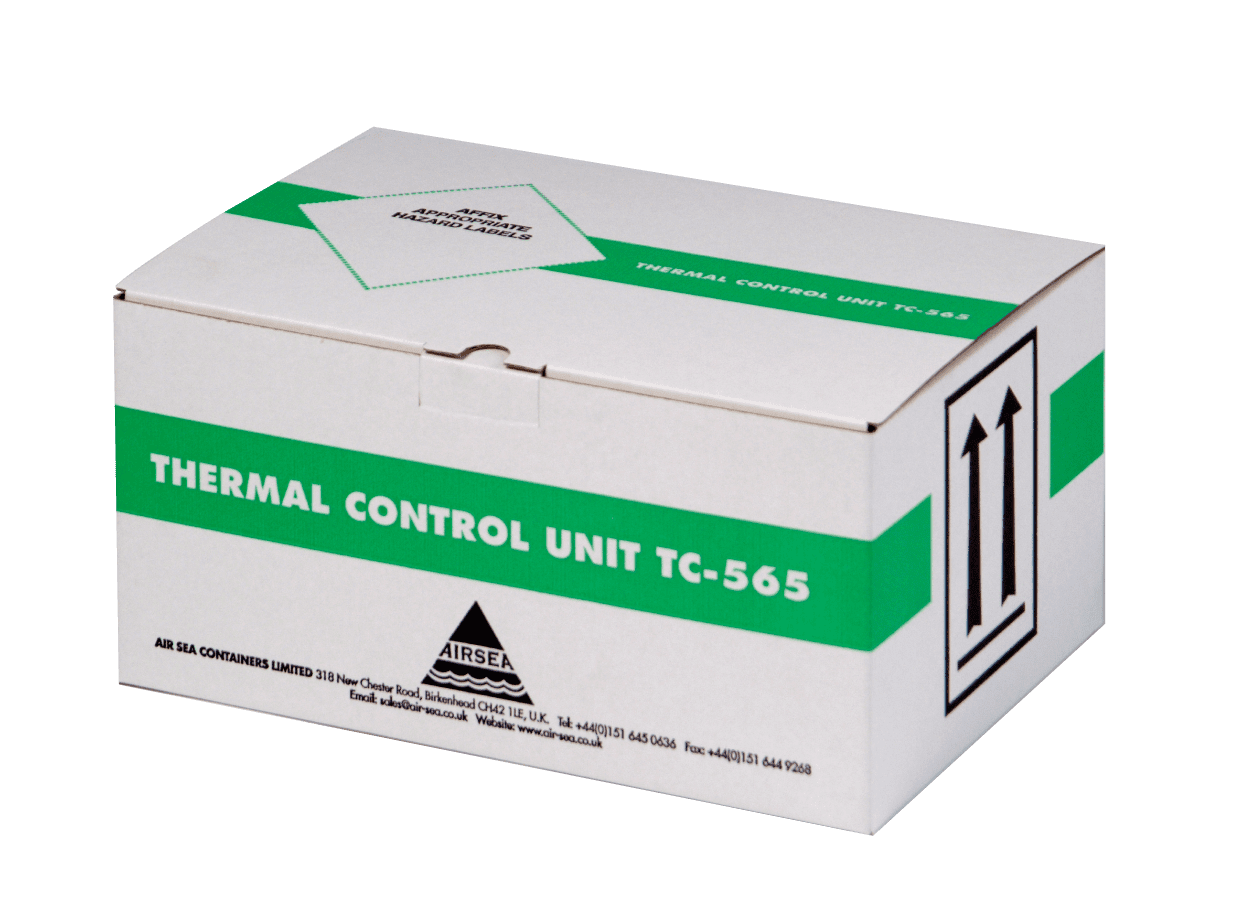
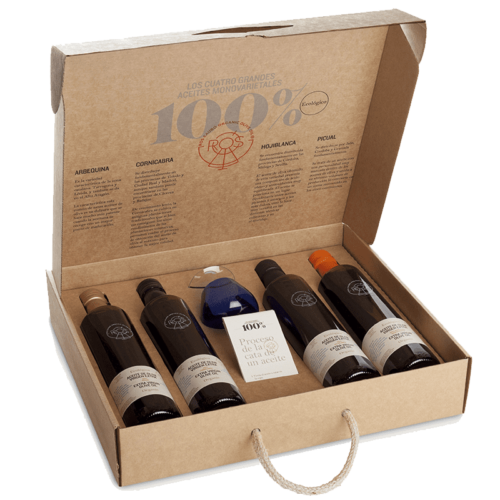
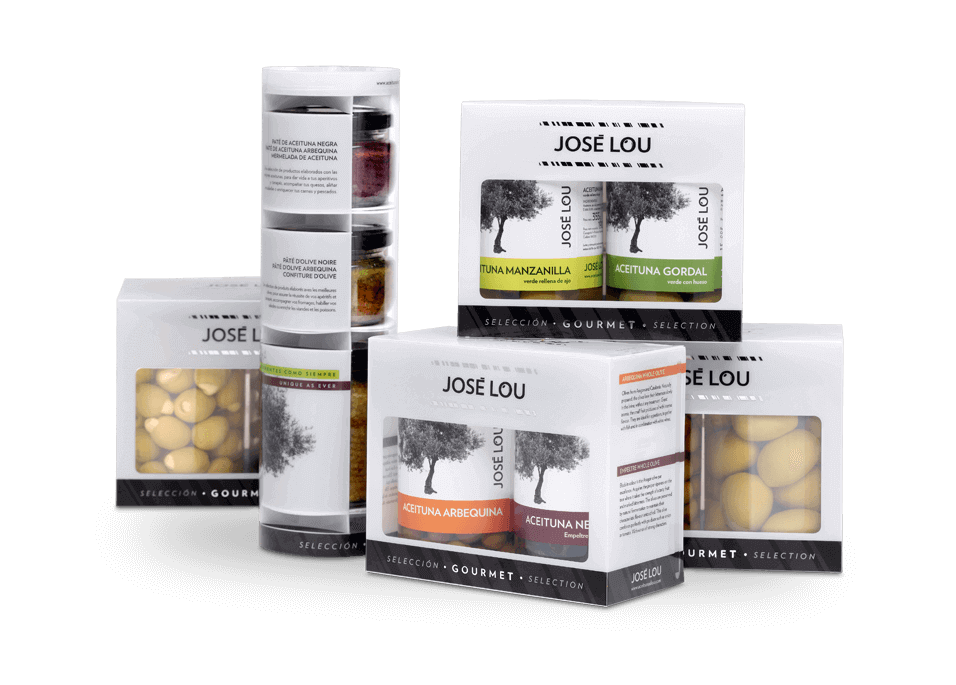
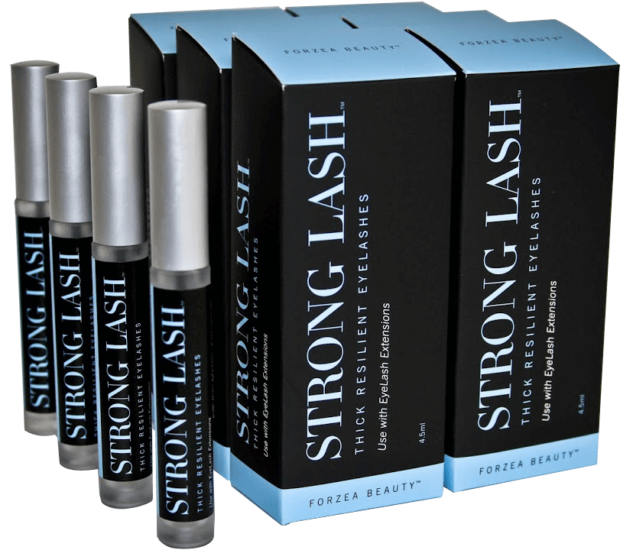
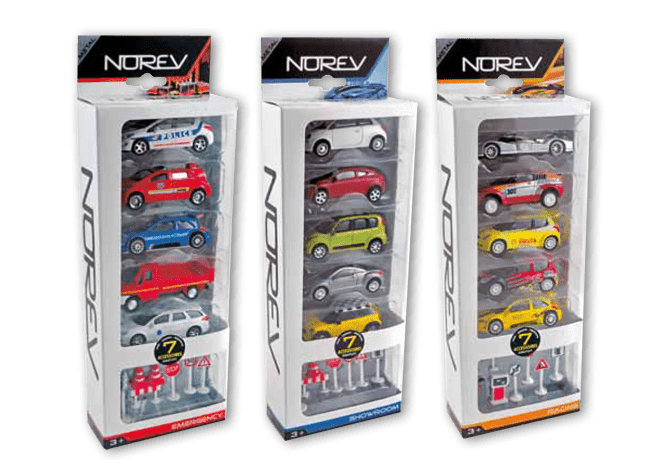
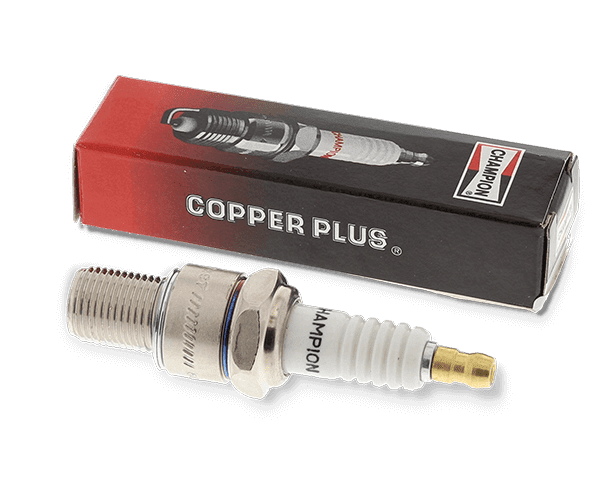
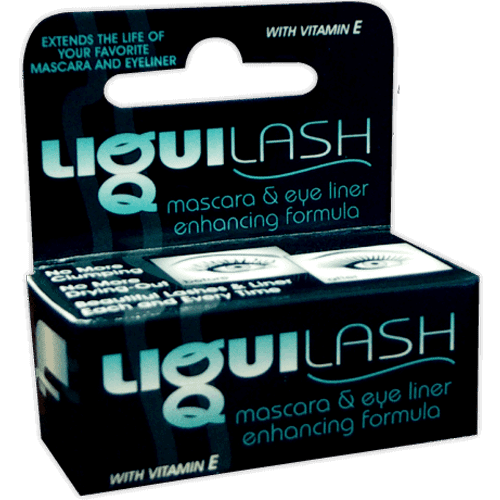
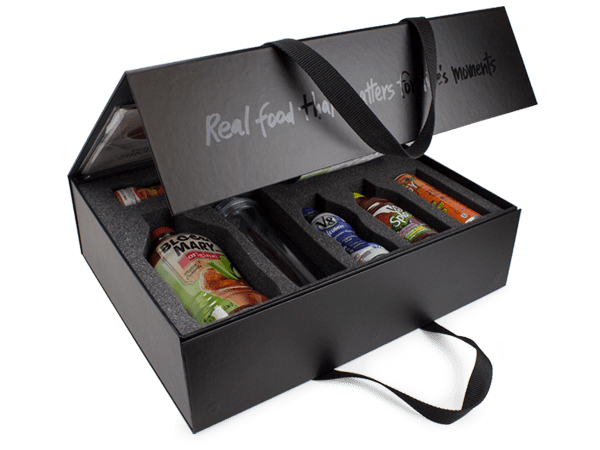
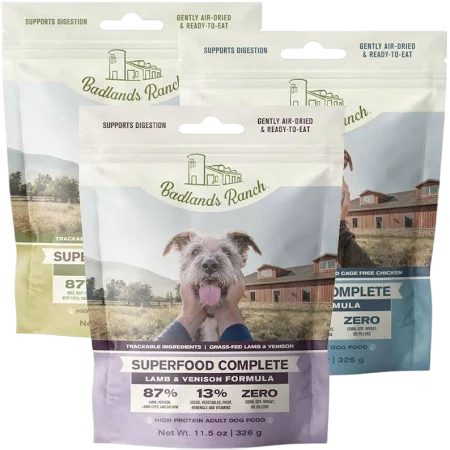
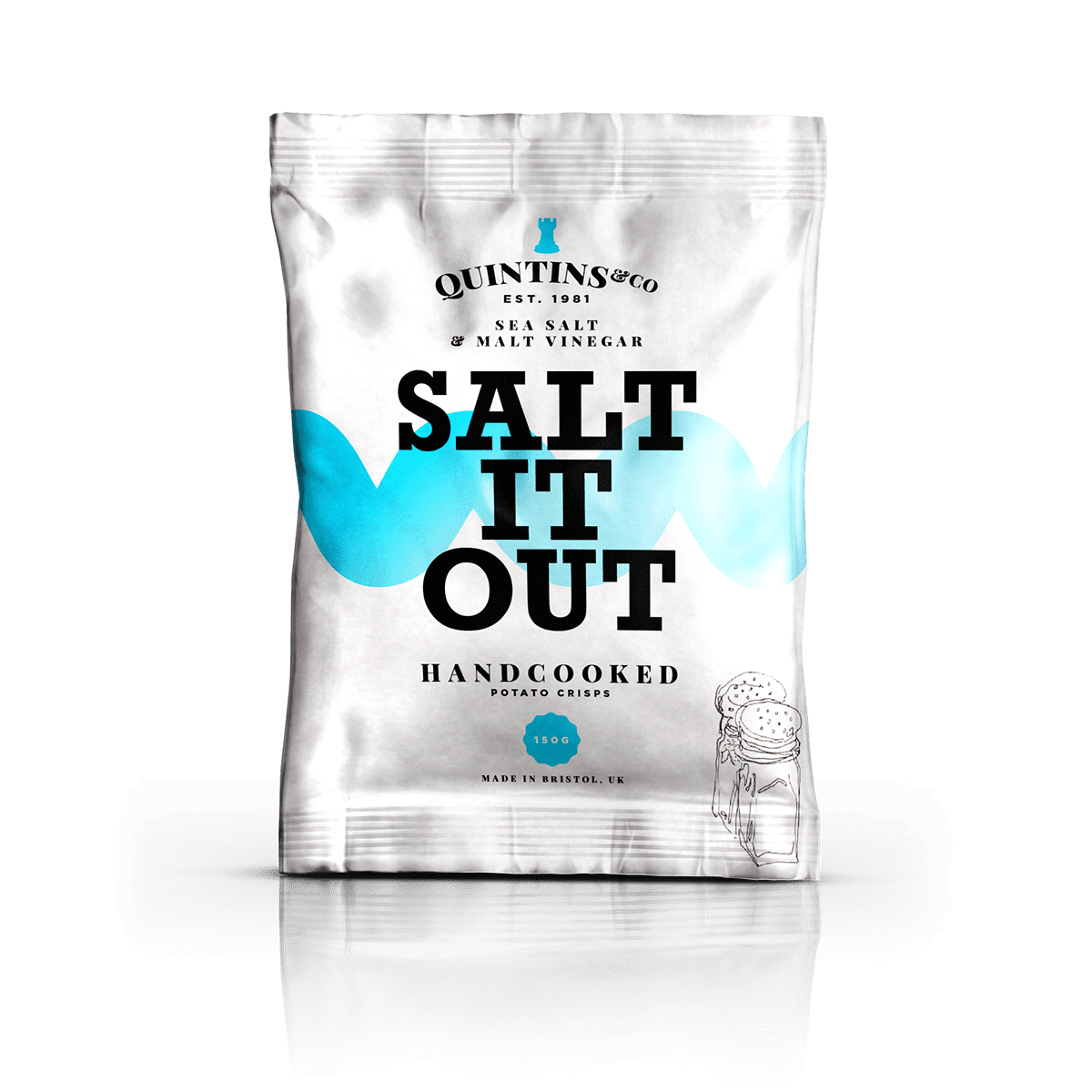
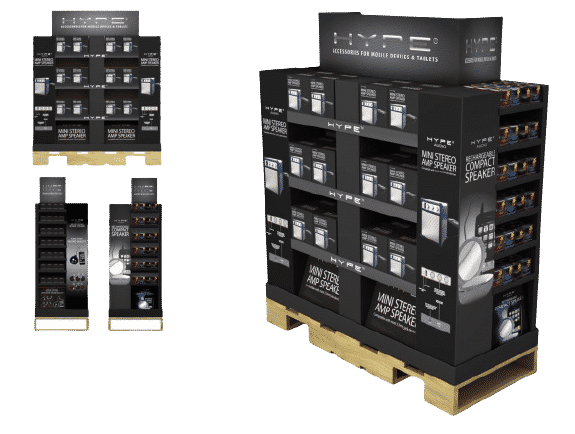
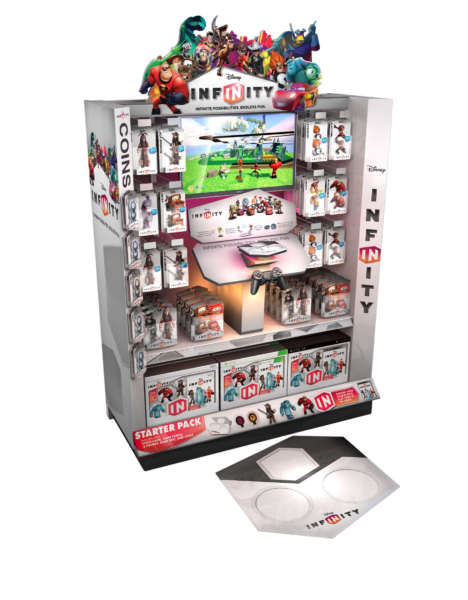
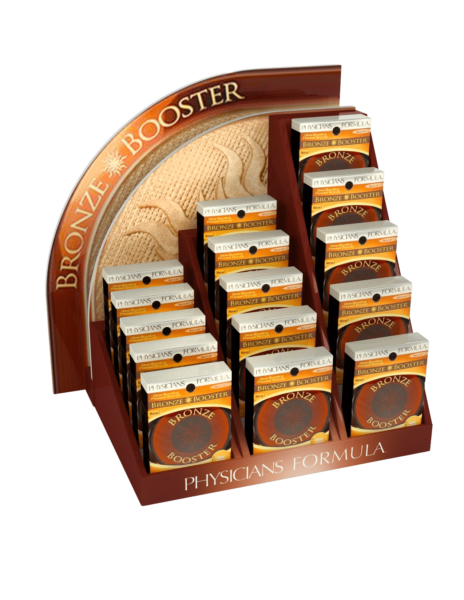
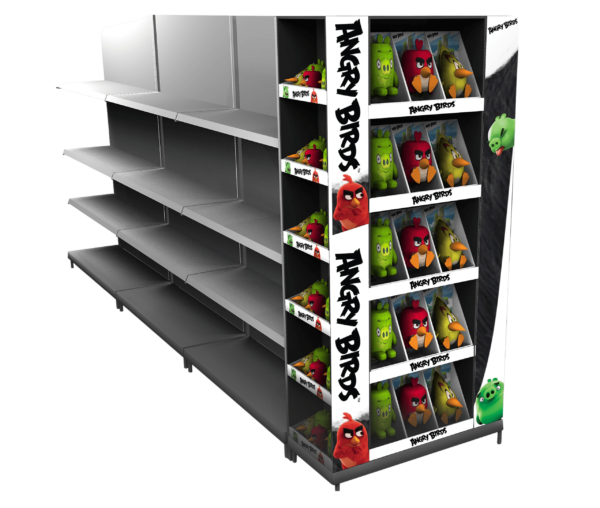
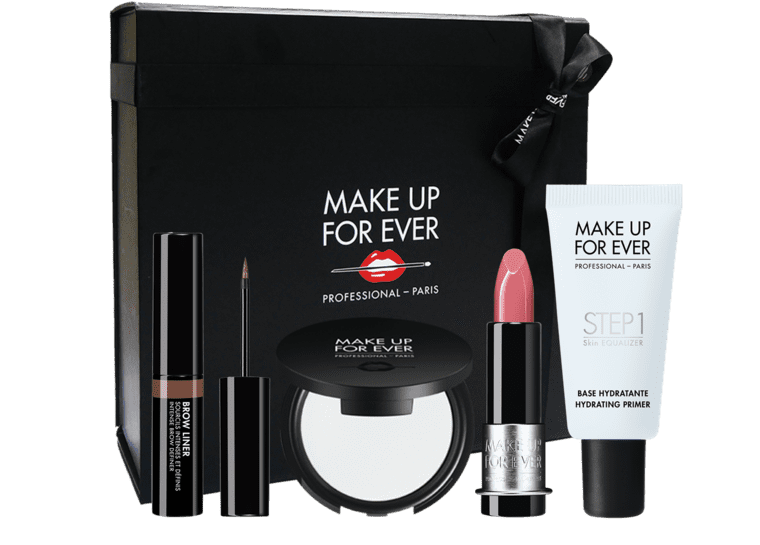
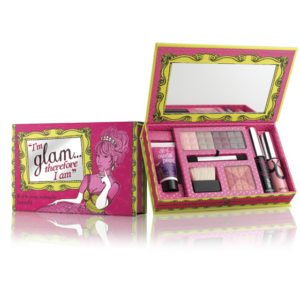
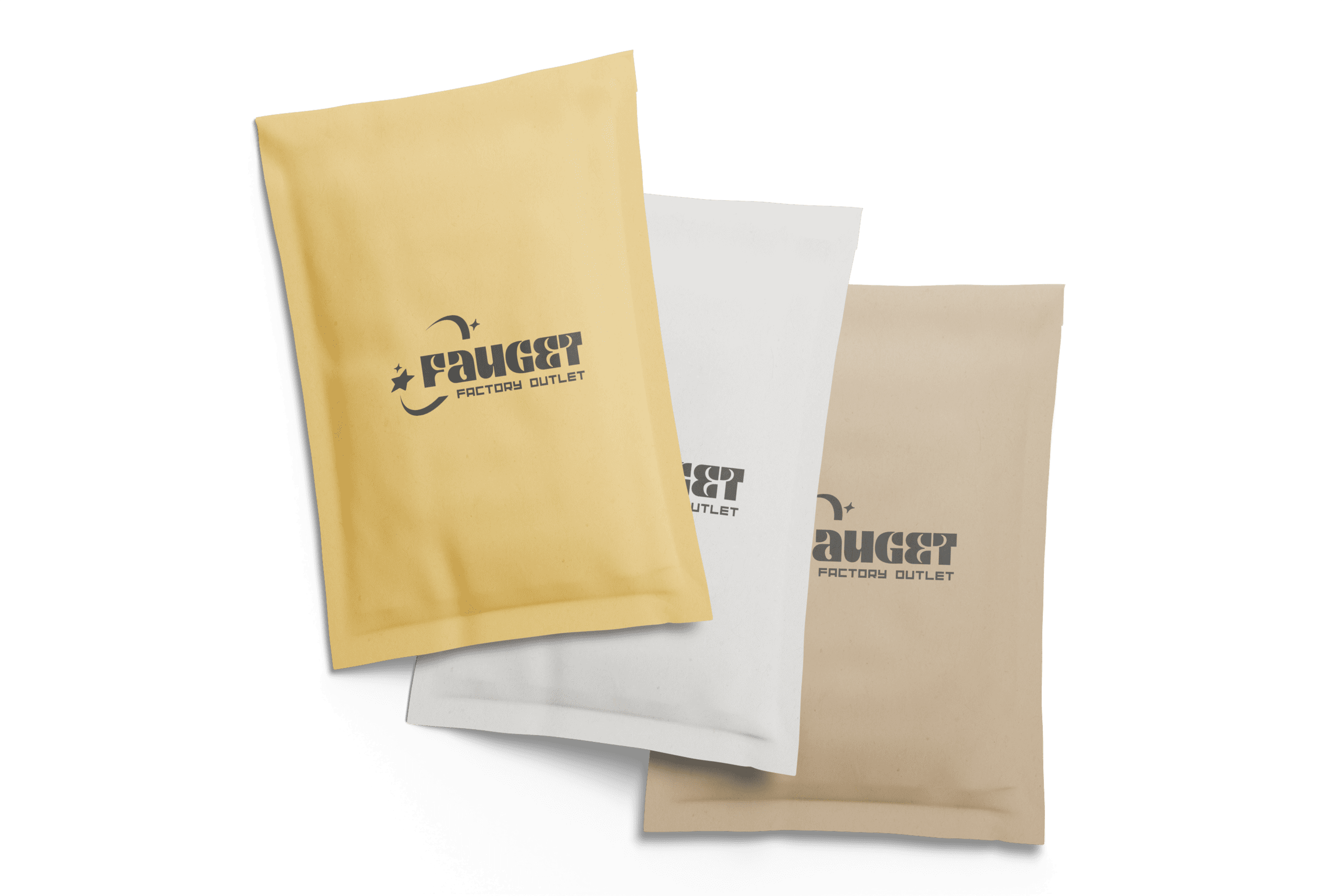
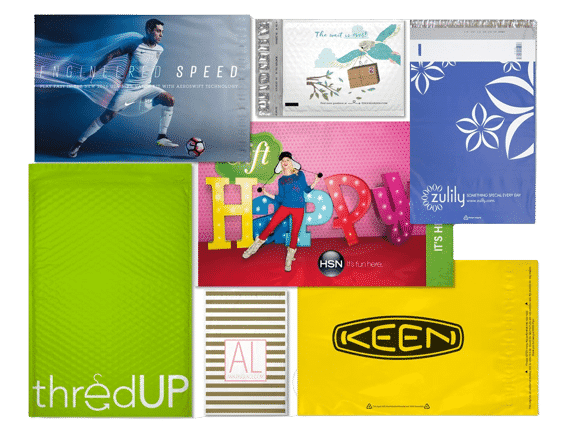
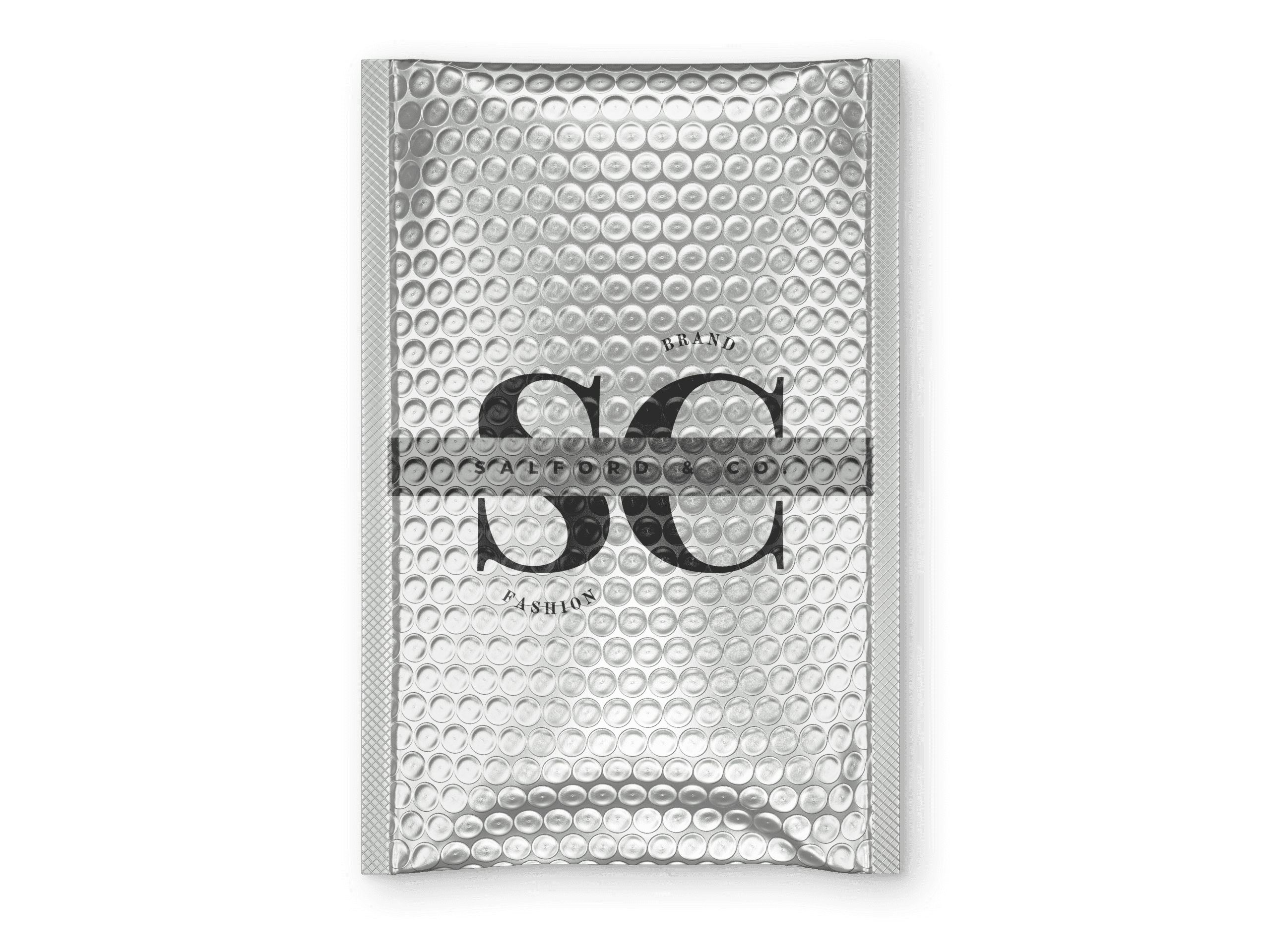
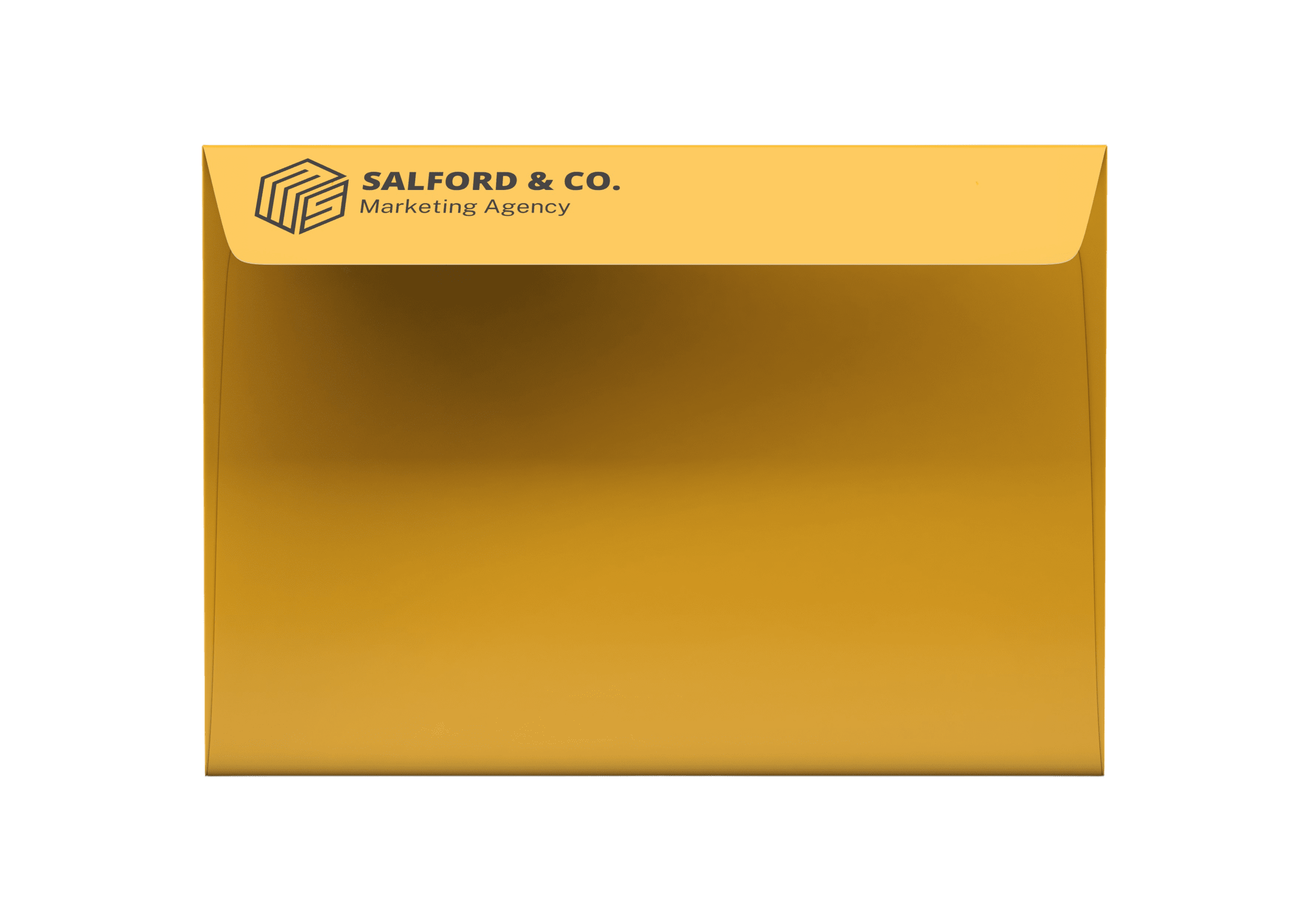
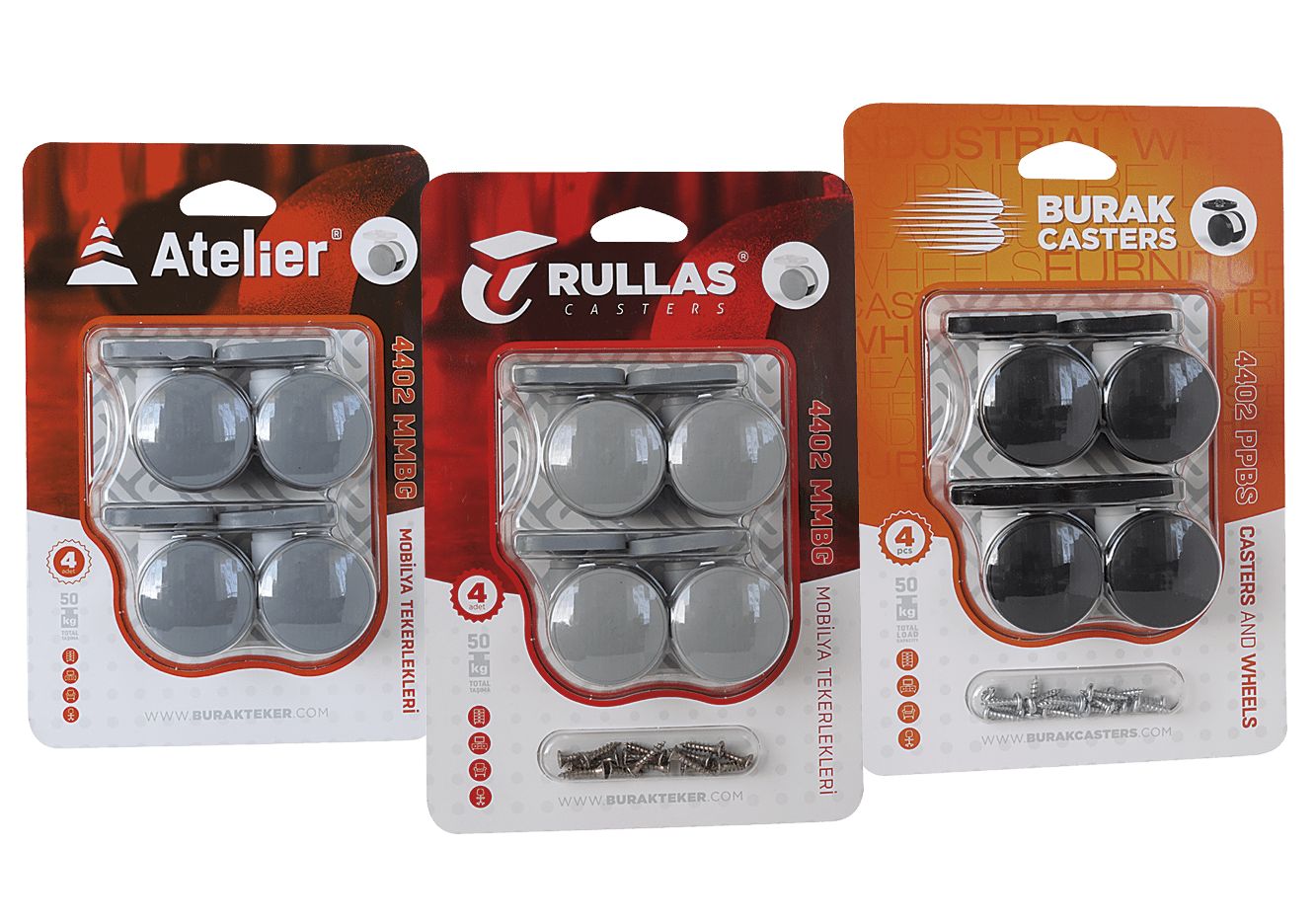
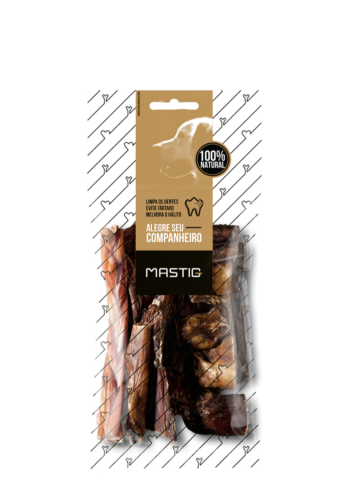
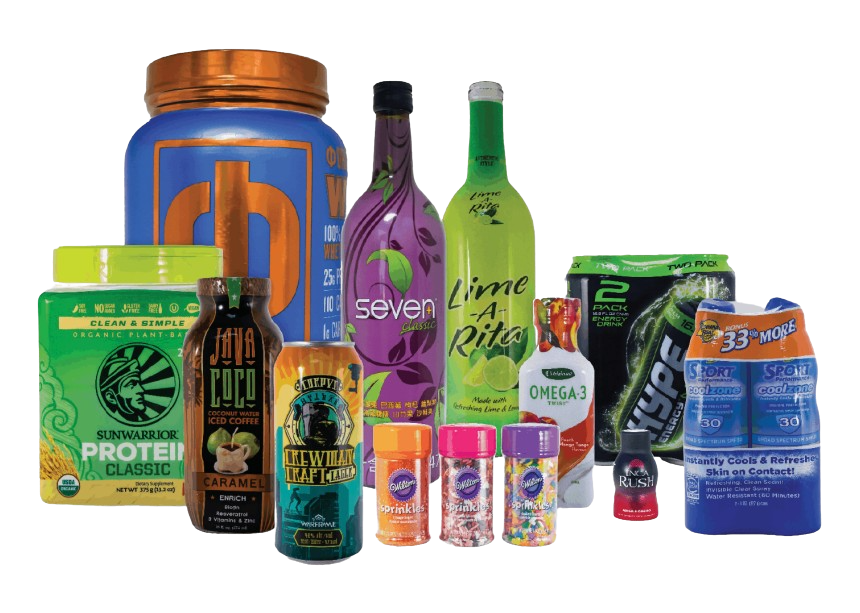
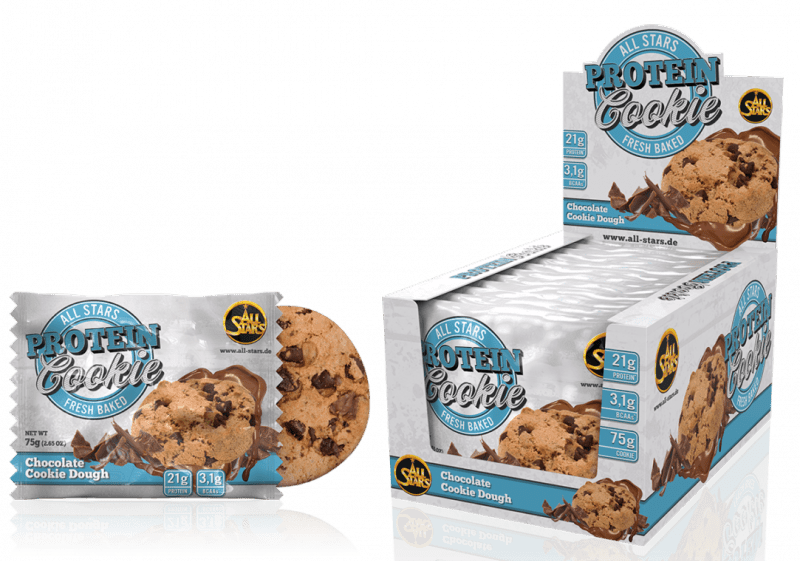
We offer a wide selection of fully customizable packaging products to address any packaging purpose. Customize your packaging product with your logo, brand colors, product information, design, features, and more. If you are unsure on what type of packaging you will need, then contact us for an expert consultation.


Custom packaging is tailored specifically to fit a brand’s unique product requirements, unlike stock packaging, which is pre-made and generic. Custom options allow for precise sizing, materials, and design choices, offering enhanced protection, presentation, and improved efficiency. This personalization makes custom packaging ideal for businesses looking to stand out and create a cohesive brand identity.
At Brown Packaging, our custom packaging solutions are structurally designed to optimize protection, material usage, and sustainability, tailored to meet specific product needs across various applications. We incorporate graphics to reinforce brand identity, ensuring that each package not only protects but also represents your brand effectively. With a focus on durability and functionality, our packaging ensures secure handling for shipping, retail, or storage while supporting sustainability goals.
Custom Packaging Products
We offer a variety of custom packaging products and solutions to meet all your packaging needs in one place. You’ll work directly with a dedicated project specialist to customize your package according to your specifications, including branding, features, and design.


If you need any assistance with your packaging or have a question, then contact us directly at request@brownpackaging.com or (714)300-0650. Learn more about custom packaging by reading our blog posts on new and trending topics.

In today’s competitive market, businesses need to constantly look for ways to cut costs and increase efficiency to remain profitable. One area where businesses can save money is in their packaging costs. Packaging is an essential part of any business, but it can also be a significant expense. In this guide, we will explore some tips and strategies that businesses can use to reduce their packaging costs, as well as the potential tradeoffs that come with those savings. Cost Reducing Packaging Strategies to Use Right-Size Your Packaging To right-size your packaging, businesses should take accurate measurements of their products and choose packaging that fits those dimensions, leaving just enough space to protect the product. Using packaging that is too large can waste materials, increase shipping costs, and take up unnecessary space. Choosing the right size packaging can save businesses money on materials and shipping costs while reducing their environmental impact. Use Lighter Weight Materials Choosing lighter weight packaging materials can significantly reduce the cost of materials, shipping, and energy used during production. For example, switching from a traditional corrugated box to a padded envelope or lightweight mailer can save on materials, weight, and shipping costs. Businesses can also consider using eco-friendly materials like recycled plastic, paper, or biodegradable materials that are lighter and cost-effective. Optimize Your Packaging Design Businesses can optimize their packaging design by selecting packaging that is durable, easy to use, and visually appealing. By using a unique design that fits the product, businesses can reduce the amount of material needed, use more cost-effective materials, and reduce shipping costs. Additionally, using packaging that is easy to open and store can reduce the likelihood of damaged products and improve customer satisfaction. Use Sustainable Materials Switching to sustainable materials like recycled plastic, paper, or biodegradable materials can reduce costs and improve sustainability. While sustainable materials can be more expensive, businesses can reduce costs by purchasing in bulk, using eco-friendly packaging designs that require fewer materials, and sourcing materials locally to reduce shipping costs. Sustainable materials can also help businesses appeal to customers who are environmentally conscious. Buy in Bulk Purchasing packaging materials in bulk can help businesses take advantage of volume discounts, reduce shipping costs, and ensure they have enough packaging on hand for peak sales seasons. Buying in bulk can also help businesses negotiate better pricing, improve lead times, and reduce the risk of running out of materials when demand increases. By implementing these strategies, businesses can reduce their packaging costs without sacrificing quality, sustainability, or customer satisfaction. However, it is essential to consider potential tradeoffs and weigh the benefits of each strategy to determine which is best for their unique business needs. Potential Tradeoffs To Cutting Packaging Costs Quality Reducing packaging costs can sometimes lead to lower quality materials, which can impact the appearance and safety of the product. Using low-quality packaging materials can result in damaged products, increased returns, and harm to a brand’s reputation. Therefore, businesses should consider the balance between cost savings and the quality of packaging materials to ensure they are not sacrificing quality for cost savings. Sustainability While sustainable packaging materials can reduce a business’s environmental impact, they can be more expensive than traditional packaging materials. Therefore, businesses must weigh the benefits of sustainable packaging against the higher costs. Choosing sustainable materials can help businesses appeal to environmentally conscious customers, but it is essential to ensure the cost is reasonable and the materials provide the necessary protection for the product. Brand Image Packaging plays a critical role in shaping a brand’s image. Choosing packaging that is low quality or visually unappealing can negatively impact a brand’s image and harm sales. Therefore, businesses should consider the potential impact of packaging changes on their brand image and take steps to ensure they are not sacrificing brand image for cost savings. Customer Satisfaction Packaging is often the first impression customers have of a product. Poor quality or unappealing packaging can negatively impact customer satisfaction and harm a brand’s reputation. Therefore, businesses must consider the potential impact of packaging changes on customer satisfaction and ensure they are not sacrificing customer satisfaction for cost savings. Summary: Cutting Packaging Costs and Tradeoffs In conclusion, reducing your packaging costs can provide many benefits for your business, including cost savings, increased efficiency, and improved sustainability. However, businesses need to carefully consider the potential tradeoffs and balance cost savings with the need to maintain quality, sustainability, and brand image. By taking a strategic approach to packaging, businesses can reduce their costs without sacrificing quality or customer satisfaction. (714)300-0650 request@brownpackaging.com Most Recent Posts: Categories: Corrugated Ecommerce ESD Design Display Flexible Packaging Foam Folding Carton Packaging Plastic Packaging Pouch Printing Protection Retail Rigid Box Thermoform Sustainability Subscribe To Our Newsletter By submitting your information, you agree to our terms and conditions and privacy policy. Custom Packaging Facebook Twitter LinkedIn Pinterest Relevant Posts

In our daily lives, we come across a plethora of pharmaceutical products, either in our personal capacity or via someone close to us. In this blog, we will delve into a significant yet frequently overlooked component of these products: blister packs. We will explore their utility, benefits, and why the pharmaceutical industry is heavily dependent on them. Understanding Blister Packs Before delving into the specifics of the pharmaceutical industry’s dependence on blister packs, let’s first understand what they are. A blister pack is a type of packaging produced by sealing a product in a plastic cavity or pocket, usually with a paper, corrugated, or foil backing. They’re commonly used for packaging pharmaceutical products, particularly pills, tablets, and capsules. Why Blister Packs? So, why does the pharmaceutical industry prefer blister packs over other packaging options? The simple answer is the versatility, protection, and convenience that blister packs offer. Protection and Preservation Blister packs are predominantly used because they protect the individual doses of medication. They offer a barrier to moisture, light, and oxygen, preserving the effectiveness of the drugs. The separation of each pill also prevents cross-contamination and ensures that the product remains tamper-evident until it reaches the end consumer. Patient Compliance and Safety A significant benefit of blister packaging lies in patient compliance. The organized and segmented nature of blister packs allows patients to track their medication intake effectively. It can significantly aid elderly patients or those taking multiple medications at different times of the day. By reducing errors in medication consumption, blister packs enhance patient safety. Ease of Use and Portability Blister packs are designed for consumer convenience. They are lightweight, compact, and easily portable, making them ideal for on-the-go consumers. The simplicity in popping a pill out from its compartment enhances the product’s ease of use. The Business Perspective: Cost-Effectiveness and Marketing Opportunities From the business side, blister packs offer several benefits, including cost-effectiveness and marketing opportunities. Cost-Effectiveness Blister packaging can be highly cost-effective compared to other packaging solutions. The material used is typically less expensive, and the production process is often more streamlined. Also, because blister packs help maintain drug integrity, the rate of product returns or losses due to spoilage or damage is substantially reduced. Marketing Opportunities Lastly, blister packs offer unique marketing opportunities. The backing card provides ample space for branding, important drug information, instructions for use, and even promotional messages. This aspect can give pharmaceutical companies an edge in a highly competitive market. Environmental Considerations of Blister Packs Like any industry, pharmaceutical packaging must consider its environmental impact. While blister packs provide a multitude of benefits, they also have some downsides. These packs are often composed of a combination of plastic and aluminum, which are not biodegradable and difficult to recycle. As environmental awareness rises, pharmaceutical companies are challenged to find more sustainable solutions without compromising the product’s integrity and the consumer’s safety and convenience. The Future of Blister Packs in Pharmaceuticals With the advantages blister packs offer, they’re here to stay. However, the push for more sustainable practices is driving innovation in this sector. We can expect advancements in materials science to produce more environmentally-friendly blister packs in the future. Furthermore, technology may introduce smart blister packs, capable of reminding patients to take their medication, improving adherence rates even further. In summary, the pharmaceutical industry’s dependence on blister packs is multifaceted and rooted in both practical and business considerations. However, as the industry evolves, so too will its packaging methods, with an increasing focus on sustainability and technological innovation. (714)300-0650 request@brownpackaging.com Most Recent Posts: Categories: Corrugated Ecommerce ESD Design Display Flexible Packaging Foam Folding Carton Packaging Plastic Packaging Pouch Printing Protection Retail Rigid Box Thermoform Sustainability Subscribe To Our Newsletter By submitting your information, you agree to our terms and conditions and privacy policy. Blister Packaging Facebook Twitter LinkedIn Pinterest Relevant Posts

Flexographic printing is a widely used printing method in the packaging industry that offers several advantages, including high efficiency, versatility, and cost-effectiveness. However, the sustainability of flexographic printing for packaging applications depends on several factors, including the materials used, the printing process, and the disposal of the printed material. In this blog, we will explore these factors in more detail and discuss how companies can adopt sustainable practices to ensure the sustainability of flexographic printing for packaging applications. Materials Used: Sourcing Sustainable Substrate Materials The sustainability of the printed material depends on the sustainability of the substrate material used. Paper and corrugated material is a renewable resource that is widely used in packaging applications. Sustainable paper production practices include using recycled paper, sourcing paper from responsibly managed forests, and using renewable energy sources to power the production process. Plastic is a non-renewable resource that is widely used in packaging applications. Sustainable plastic production practices include using recycled plastic, using bioplastics made from renewable resources, and designing packaging that can be easily recycled or reused. By sourcing sustainable substrate materials, companies can reduce the environmental impact of their packaging materials and ensure the sustainability of their printing practices. Printing Process: Using Environmentally Friendly Inks and Renewable Energy Sources The printing process used in flexographic printing can also impact the sustainability of the printed material. Using environmentally friendly inks, such as water-based or soy-based inks, can reduce the environmental impact of the printing process. These inks are biodegradable and do not contain harmful chemicals, making them a more sustainable choice than traditional petroleum-based inks. Using renewable energy sources, such as solar or wind power, can also reduce the carbon footprint of the printing process and make it more sustainable. Disposal of Printed Material: Designing Packaging for Recycling and Reuse The disposal of printed material is another important factor to consider when assessing the sustainability of flexographic printing for packaging applications. Printed material that is not recycled or reused can end up in landfills, where it can take hundreds of years to break down. Designing packaging that can be easily recycled or reused can help reduce the environmental impact of printed material. This can include using materials that are easily recyclable, such as paper or corrugated, or designing packaging that can be reused, such as refillable containers. Sustainability as a Holistic Approach To ensure the sustainability of flexographic printing for packaging applications, companies should take a holistic approach to their printing practices. This can include sourcing sustainable materials, using environmentally friendly inks, reducing energy consumption, and designing packaging that can be easily recycled or reused. By adopting sustainable practices throughout their printing processes, companies can reduce their environmental impact and help create a more sustainable future for the packaging industry. Conclusion: A Step Towards a Sustainable Future Flexographic printing can be a sustainable printing method for packaging applications, but it requires a commitment to sustainable practices from companies in the packaging industry. By taking a holistic approach to their printing practices and considering the sustainability of their materials, processes, and disposal methods, companies can reduce their environmental impact and help create a more sustainable future for the packaging industry. As consumers become increasingly aware of the environmental impact of packaging materials, companies that adopt sustainable printing practices are likely to have a competitive advantage in the marketplace. If you are interested in custom packaging with flexographic print, then partner with Brown Packaging today to get started. (714)300-0650 request@brownpackaging.com Most Recent Posts: Categories: Corrugated Ecommerce ESD Design Display Flexible Packaging Foam Folding Carton Packaging Plastic Packaging Pouch Printing Protection Retail Rigid Box Thermoform Sustainability Subscribe To Our Newsletter By submitting your information, you agree to our terms and conditions and privacy policy. Custom Packaging Facebook Twitter LinkedIn Pinterest Relevant Posts