
window.uetq = window.uetq || []; window.uetq.push(‘event’, ‘submit_lead_form’,{ event_label:‘SUBMIT MESSAGE’ }); window.lintrk('track', { conversion_id: 10271009 }); window.lintrk('track', { conversion_id: 10271017 });

Designing POP Displays for Uneven Product Depletion

Most POP displays are designed for full, balanced product loads.

But that’s not how they perform in-store.

Within days:

  • One SKU sells faster than another
  • One side of the display empties first
  • Weight shifts unevenly across shelves

This creates a problem most brands don’t design for:
Uneven product depletion

And it’s one of the biggest reasons displays:

  • Lean
  • Sag
  • Lose visual appeal
  • Fail before the program ends

Why Uneven Depletion Happens

Retail behavior is not uniform.

  • Customers grab from the same position repeatedly
  • High-demand SKUs sell out first
  • Eye-level products move faster than lower shelves

This leads to:

  • Load imbalance across the structure
  • Concentrated stress on specific areas
  • Progressive structural degradation

Designing for symmetry in an asymmetric environment is where failure starts.

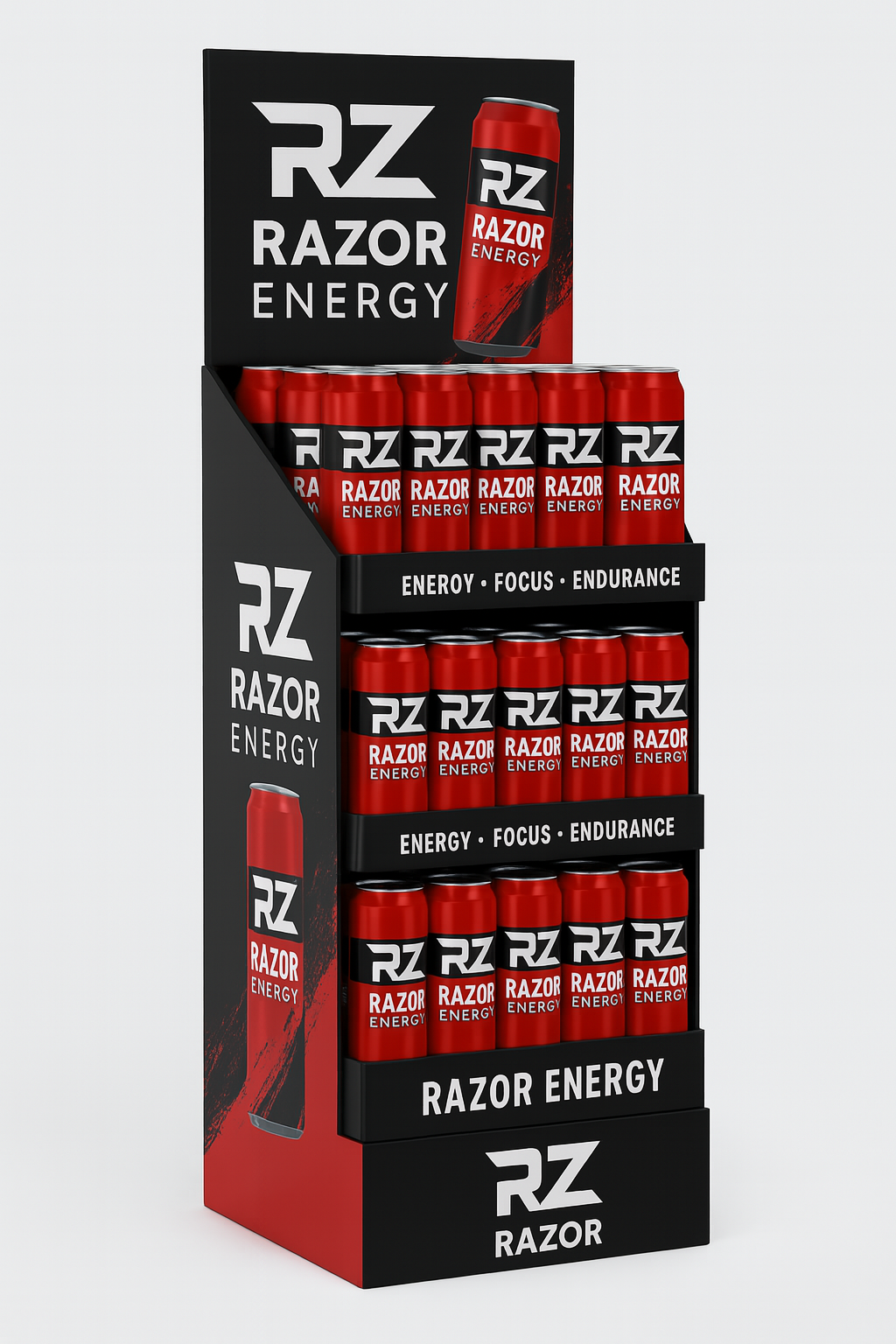
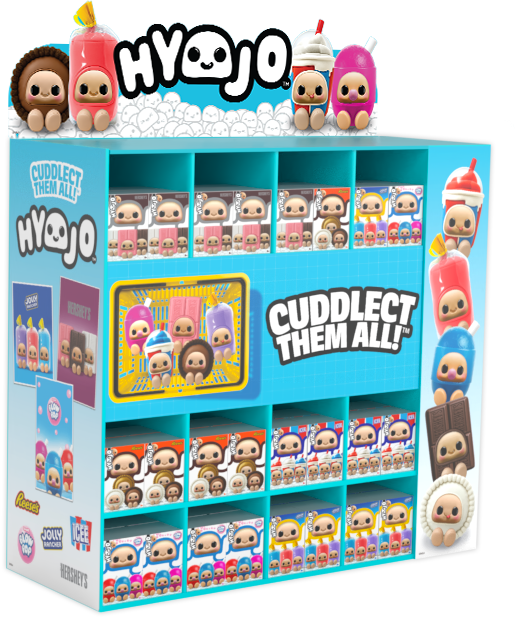
custom printed floor display for beverage

How Load Shift Impacts Structural Integrity

When weight becomes uneven:

  • Shelves experience localized stress
  • Vertical supports carry unequal load paths
  • One side of the display begins to deform faster

This results in:

  • Shelf sagging on one side
  • Twisting or racking of the structure
  • Loss of alignment and stability

What starts as a small imbalance becomes a compounding structural issue.

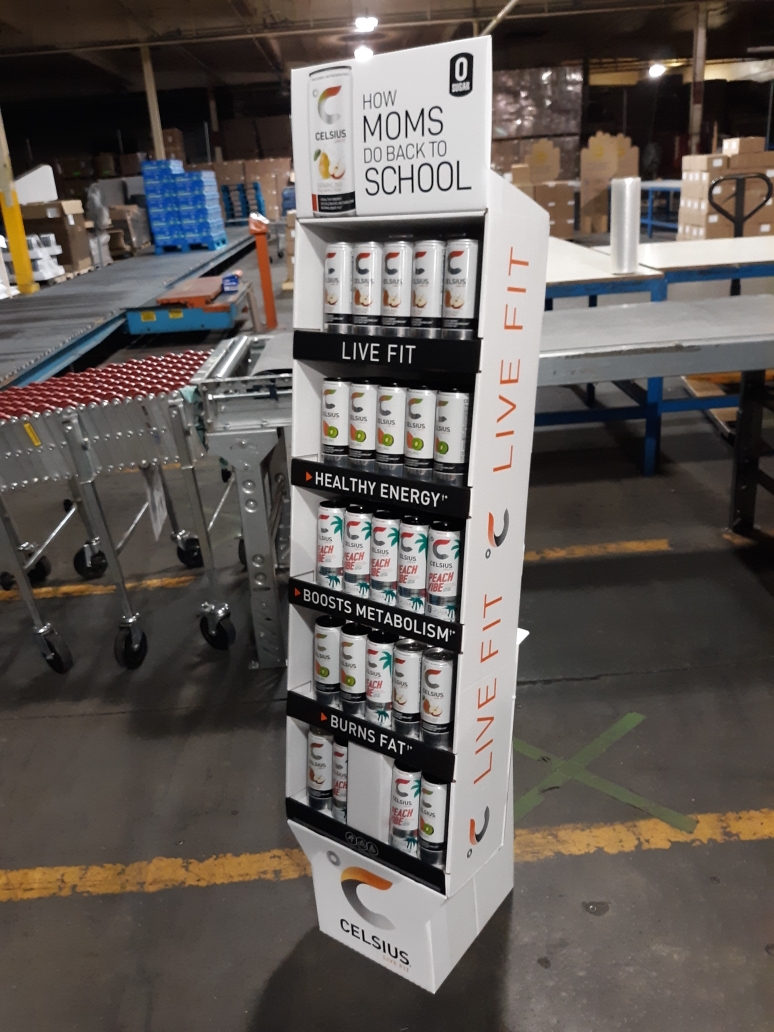
custom printed corrugated floor display

Shelf Design Is the First Failure Point

Shelves are highly sensitive to uneven loading.

Common problems:

  • Long unsupported spans
  • Insufficient board grade for partial loads
  • No reinforcement under high-demand SKUs

When one section empties:

  • Remaining weight shifts
  • Unsupported areas begin to sag

Once a shelf deforms, the display’s performance drops quickly.

Product Placement Strategy Matters More Than You Think

Where products are placed affects how they sell—and how the display performs.

Poor layout:

  • Places high-demand SKUs on one side
  • Creates predictable imbalance

Better approach:

  • Distribute high-velocity SKUs across the structure
  • Avoid concentrating demand in one zone
  • Balance product weight across shelves

This reduces uneven stress before it starts.

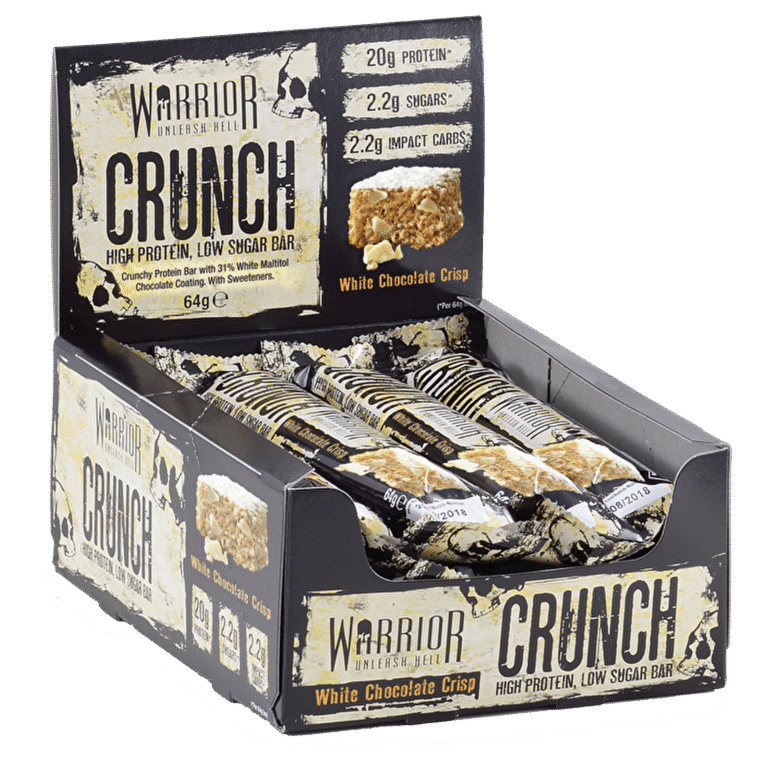
custom countertop display with roll stock snack packaging

Designing for Dynamic Load Conditions

Most displays are tested under:

  • Static, full-load conditions

But real-world conditions are:

  • Dynamic and constantly changing

Design should account for:

  • Partial depletion
  • Uneven product removal
  • Replenishment cycles

This means:

  • Reinforcing areas likely to carry residual load
  • Designing for worst-case imbalance—not best-case symmetry

Vertical Load Path Must Remain Stable

As weight shifts, the load path changes.

Strong designs:

  • Maintain consistent vertical support even when partially empty
  • Transfer weight evenly to the base

Weak designs:

  • Depend on evenly distributed load
  • Lose structural integrity when imbalance occurs

If the load path breaks, the display fails—even if materials are correct.

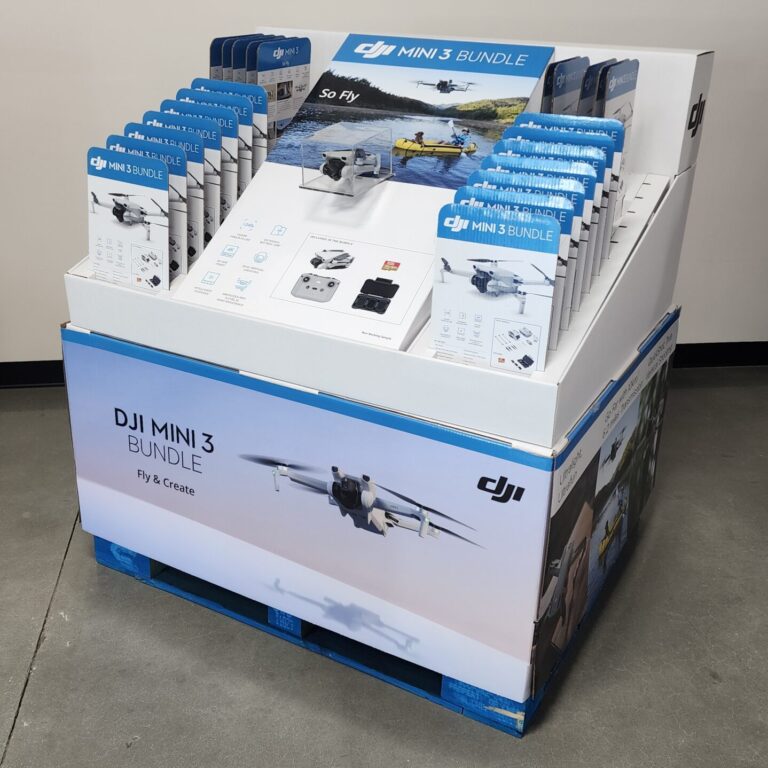
custom printed pallet display with skirt

Visual Degradation Happens Before Structural Failure

Even before collapse, uneven depletion causes:

  • Uneven product presentation
  • Gaps and imbalance in layout
  • Reduced shelf appeal

Customers notice:

  • Disorganized displays
  • Leaning structures

This impacts:
Perceived product value and purchase behavior

What High-Performing Displays Do Differently

They are designed for imbalance—not perfection.

They:

  • Distribute product weight strategically
  • Reinforce high-stress zones
  • Maintain stability under partial loads
  • Support consistent visual presentation as items sell

They perform across the entire lifecycle, not just day one.

Where Brands Get It Wrong

  • Designing for full, evenly stocked displays only
  • Ignoring how products actually sell in-store
  • Concentrating high-demand SKUs in one area
  • Underestimating the impact of partial loads
  • Not testing real-world depletion scenarios

These issues don’t show up in prototypes—they show up on the floor.

Custom POP Floor Display

How Brown Packaging Designs for Real-World Display Performance

At Brown Packaging, POP displays are engineered for how they perform over time—not just how they look at launch.

We focus on:

  • Designing for uneven product depletion and load shift
  • Reinforcing structures where imbalance occurs
  • Aligning product layout with real retail behavior
  • Ensuring displays maintain integrity through the full sales cycle

Because a display that only works when it’s full… doesn’t really work.

References

Soroka, W. (2009). Fundamentals of Packaging Technology (4th ed.). IoPP.
TAPPI. (2021). Corrugated Board Testing Methods.
ASTM International. (2022). Corrugated Structural Standards.
Shop! Association. (2023). Retail Display Performance Guidelines.
NielsenIQ. (2022). Retail Shelf Behavior Study.

Most Recent Posts:
Subscribe To Our Newsletter

By submitting your information, you agree to our terms and conditions and privacy policy.

custom countertop display with roll stock snack packaging
POP Display
Facebook
Twitter
LinkedIn
Pinterest
Relevant Posts