
window.uetq = window.uetq || []; window.uetq.push(‘event’, ‘submit_lead_form’,{ event_label:‘SUBMIT MESSAGE’ }); window.lintrk('track', { conversion_id: 10271009 }); window.lintrk('track', { conversion_id: 10271017 });

8 Reasons Why Corrugated Bin Boxes are Used in Retail

Corrugated Bin Box Dividers

Corrugated bin boxes have become a staple in the retail industry, offering a myriad of benefits for both store owners and shoppers alike. At first glance, they might seem like ordinary brown boxes, but a deeper dive reveals the genius behind their design and utility. In this blog post, we’ll delve into the reasons why these boxes are so popular in retail.

  1. Strength and Durability
  2. Cost-Effective
  3. Sustainable and Eco-friendly
  4. Flexibility In Storage
  5. Enhance Product Visibility
  6. Branding and Customization
  7. Protection from Damage
  8. Easy to Assemble and Disassemble
Corrugated box bin

Strength and Durability

Corrugated bin boxes are designed with a fluted, wavy layer sandwiched between two flat liners. This unique structure provides an added layer of strength, making them more resilient than their plain cardboard counterparts. As such, they can withstand the pressures of stacking and the general wear-and-tear of a busy retail environment.

Cost-Effective

Retail businesses, especially those with tight margins, are always on the lookout for ways to save money. Corrugated bin boxes provide a cost-effective storage solution. They are often cheaper than plastic or metal alternatives, yet offer comparable durability and strength.

Sustainable and Eco-Friendly

With the growing emphasis on sustainability in today’s world, businesses are keen to showcase their eco-friendly practices. Corrugated bin boxes are recyclable, and many are made from recycled materials. By using these boxes, retailers can reduce their carbon footprint and promote a more sustainable business model.

Flexibility in Storage

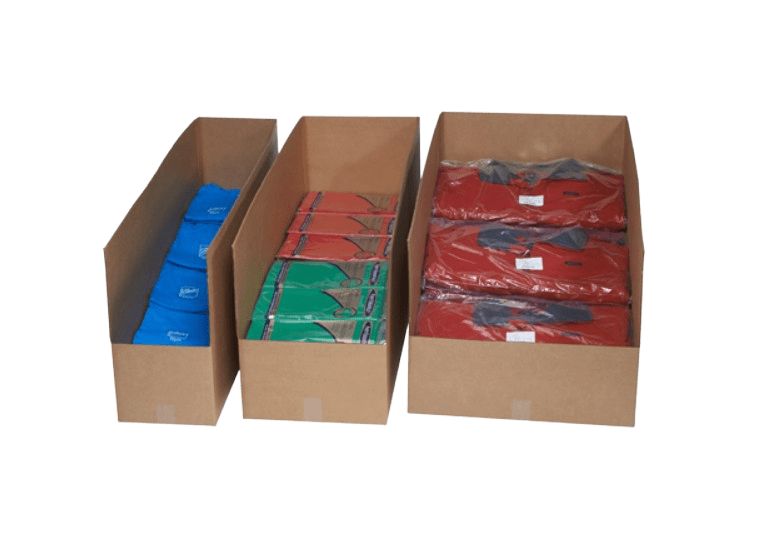
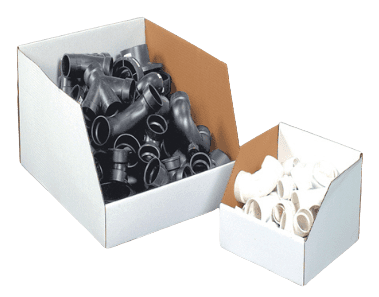
These boxes come in a wide range of sizes, making them suitable for storing various products, from small accessories to larger goods. They can be customized to fit the specific needs of a retailer, ensuring that space is used efficiently. Furthermore, their modular design makes it easy to adjust display setups as inventory or promotions change.

Jumbo Bin Boxes

Enhanced Product Visibility

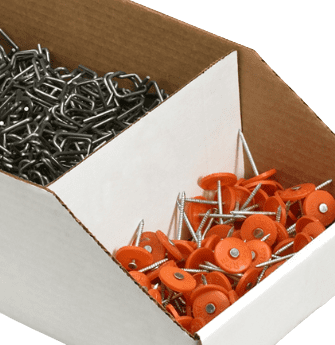
Many corrugated bin boxes have an open-front design. This allows customers to quickly glance and see the products contained within, promoting impulse purchases. For retailers, it’s an opportunity to display products in an organized and appealing manner, increasing the likelihood of sales.

Branding and Customization

Corrugated bin boxes can be customized to reflect a retailer’s brand image. With the option of adding logos, colors, and designs, retailers can make these boxes an extension of their brand identity. This not only promotes brand consistency but also makes the shopping experience more immersive for customers.

Protection from Damage

The fluted design of corrugated boxes offers a cushioning effect. This protects the products inside from potential damage due to impacts or vibrations. For fragile items or those that need a little extra care, these boxes can be a godsend.

Easy to Assemble and Disassemble

Most corrugated bin boxes come flat-packed, making them easy to transport and store when not in use. Assembling them is often a straightforward process, requiring no tools. This ease of use can save time and effort, especially for retailers with frequently changing displays.

Conclusion

The reasons detailed above highlight the multiple advantages that corrugated bin boxes bring to the retail sector. They are not just practical storage solutions, but also vehicles for branding, promoting sustainability, and enhancing the overall shopping experience. As the retail landscape continues to evolve, the humble corrugated bin box stands out as an indispensable tool in the toolkit of successful retailers.

If you are interested in corrugated bin boxes, then partner with Brown Packaging today to get started.

Most Recent Posts:
Subscription Packaging Buyers’ Checklist for 2026

Subscription packaging continues to expand across beauty, food, lifestyle, and specialty products. Buyers must balance branding, protection, and sustainability while keeping fulfillment efficient. This checklist highlights the critical areas buyers should review in 2026 when sourcing or redesigning subscription packaging. Branding and Unboxing Experience Seasonal or rotating graphics to keep unboxing fresh. Premium finishes such as foil, embossing, or unique die-cuts. Easy-open features like tear strips for convenience. Right-Sizing and Efficiency Reduce DIM charges with packaging tailored to product sizes. Use modular designs to cover multiple SKUs with fewer box sizes. Ensure packaging works with automation to speed fulfillment. Protection and Durability Inserts that prevent product shifting during transit. ISTA-tested designs to withstand vibration and drops. Moisture-resistant coatings for temperature-sensitive items. Sustainability Requirements FSC-certified corrugated or recycled substrates. Recyclable coatings or compostable options. Clear sustainability messaging to support consumer expectations. Cost Control SKU rationalization to limit unnecessary box variations. Material selection that balances protection and price. Supplier contracts that secure pricing for seasonal peaks. Packaging Solutions with Brown Packaging Brown Packaging designs subscription packaging that combines branding, protection, and sustainability. From FSC-certified corrugated to custom inserts, our solutions help buyers create packaging that builds loyalty and controls costs in 2026. Contact us to review your subscription packaging program. References Sustainable Packaging Coalition. (2023). Subscription Packaging and Consumer Insights. Retrieved from https://sustainablepackaging.orgForest Stewardship Council (FSC). (2023). FSC Certification Guidelines for Packaging. Retrieved from https://fsc.orgInternational Safe Transit Association (ISTA). (2023). ISTA Testing Procedures for Transport Packaging. Retrieved from https://ista.org (714)300-0650 request@brownpackaging.com Most Recent Posts: Categories: Corrugated Ecommerce ESD Design Display Flexible Packaging Foam Folding Carton Packaging Plastic Packaging Pouch Printing Protection Retail Rigid Box Thermoform Sustainability Subscribe To Our Newsletter By submitting your information, you agree to our terms and conditions and privacy policy. Ecommerce Packaging Facebook Twitter LinkedIn Pinterest Relevant Posts

Read More »
Cutting Packaging Costs Without Sacrificing Protection

As budgets tighten in 2026, packaging buyers are under pressure to reduce costs without increasing damage rates. Cutting too aggressively can lead to product loss, higher return rates, and frustrated customers. The key is balancing material use, box design, and supply chain efficiency so that savings do not come at the expense of protection. Where Packaging Costs Add Up Oversized boxes: Drive dimensional weight charges. Excess materials: Overuse of void fill and inserts. Complex SKU mix: Redundant sizes increase inventory costs. Inefficient freight: Poor palletization and stacking. Cost-Saving Strategies That Maintain Protection Right-sizing: Match box size to product dimensions to cut DIM charges and material use. Optimize corrugated grades: Switch to single- or double-wall where appropriate without compromising strength. Consolidate SKUs: Streamline packaging options to reduce inventory overhead. Efficient inserts: Replace foam or excess dunnage with engineered corrugated or molded pulp. Supplier contracts: Negotiate based on annual volumes, not just peak season orders. Testing Before Implementing Changes Use ASTM and ISTA protocols to ensure changes won’t increase product damage. Test for compression, vibration, and drop resistance. Run pilot shipments before scaling across the supply chain. Balancing Sustainability and Cost Eco-friendly doesn’t have to mean expensive: Use recyclable coatings to reduce plastic films. Choose corrugated designs that require less material while maintaining stacking strength. Highlight sustainable solutions in marketing to offset cost concerns. Packaging Solutions with Brown Packaging Brown Packaging helps companies lower costs while protecting products across the supply chain. From SKU rationalization to right-sized corrugated solutions, our team ensures packaging savings don’t compromise performance. Contact us to optimize your packaging program. References Soroka, W. (2009). Fundamentals of Packaging Technology (4th ed.). Institute of Packaging Professionals.ASTM International. (2023). ASTM D4169: Standard Practice for Performance Testing of Shipping Containers and Systems.Sustainable Packaging Coalition. (2023). Packaging Efficiency and Waste Reduction Report. Retrieved from https://sustainablepackaging.org (714)300-0650 request@brownpackaging.com Most Recent Posts: Categories: Corrugated Ecommerce ESD Design Display Flexible Packaging Foam Folding Carton Packaging Plastic Packaging Pouch Printing Protection Retail Rigid Box Thermoform Sustainability Subscribe To Our Newsletter By submitting your information, you agree to our terms and conditions and privacy policy. Custom Packaging Facebook Twitter LinkedIn Pinterest Relevant Posts

Read More »
Preventing Product Damage in 2026 Supply Chains

Product damage is one of the most expensive risks in packaging. Beyond replacement costs, damaged goods lead to lost sales, returns, and reputational harm. In 2026, complex e-commerce, global shipping, and automation create new challenges for packaging buyers. The right materials, testing, and design strategies are critical to protecting products while controlling costs. Why Damage Prevention Matters Financial losses: Damaged products increase replacement and freight costs. Customer impact: Poor delivery experience reduces loyalty and repeat sales. Sustainability: Returns and waste drive higher carbon footprints. Compliance: Retailers often impose penalties for damaged shipments. Common Causes of Product Damage Compression: Pallet stacking weakens boxes in transit. Vibration and shock: Long-haul shipping increases risk. Moisture exposure: Humidity and rain compromise corrugated performance. Poor right-sizing: Oversized boxes allow product movement inside. Strategies to Reduce Damage in 2026 Right-size packaging: Minimize empty space and movement. Material optimization: Choose the correct corrugated grade for load demands. Protective inserts: Molded pulp or engineered corrugated reduce shock. Moisture-resistant coatings: Defend against water and humidity. Automation-friendly design: Prevent jams that damage products on high-speed lines. Testing Protocols for Damage Prevention ISTA testing: Simulates vibration, drops, and compression. ASTM standards: Validate packaging strength and durability. Pilot shipments: Real-world trials confirm lab results. Packaging Solutions with Brown Packaging Brown Packaging designs solutions that minimize damage across today’s complex supply chains. From right-sized corrugated to ISTA-tested inserts, we help buyers protect products while reducing costs. Contact us to strengthen your packaging program. References ASTM International. (2023). ASTM D4169: Standard Practice for Performance Testing of Shipping Containers and Systems.International Safe Transit Association (ISTA). (2023). ISTA Testing Procedures for Transport Packaging. Retrieved from https://ista.orgSoroka, W. (2009). Fundamentals of Packaging Technology (4th ed.). Institute of Packaging Professionals. (714)300-0650 request@brownpackaging.com Most Recent Posts: Categories: Corrugated Ecommerce ESD Design Display Flexible Packaging Foam Folding Carton Packaging Plastic Packaging Pouch Printing Protection Retail Rigid Box Thermoform Sustainability Subscribe To Our Newsletter By submitting your information, you agree to our terms and conditions and privacy policy. Custom Packaging Facebook Twitter LinkedIn Pinterest Relevant Posts

Read More »
Retail Packaging Trends for 2026

Retail packaging continues to evolve as brands balance sustainability, supply chain performance, and consumer experience. In 2026, buyers face new challenges shaped by material innovation, compliance requirements, and rising consumer expectations. Understanding these trends helps companies stay competitive while aligning packaging programs with industry standards. Sustainability Becomes Non-Negotiable Greater use of recyclable and compostable substrates. Retailers pushing suppliers toward FSC-certified materials. Minimalist designs that reduce waste without losing impact. Smarter Packaging for Supply Chains Increased adoption of right-sizing to reduce freight costs. Boxes designed for automation and faster fulfillment. Stronger corrugated grades to withstand long e-commerce journeys. Enhanced Consumer Experience Custom graphics for seasonal campaigns and limited editions. Tear strips, resealable closures, and window cutouts for convenience. Premium finishes that elevate gift packaging at retail. Growth of Hybrid Packaging Formats Combining corrugated strength with folding carton graphics. Modular designs for multi-SKU and club store environments. Packaging engineered to serve both e-commerce and in-store needs. Compliance and Testing Standards Retailers demanding ISTA and ASTM testing for packaging durability. Supply chain audits on recyclability and sustainability claims. More pressure for transparent reporting on environmental impact. Retail Packaging Solutions with Brown Packaging Brown Packaging helps brands adapt to evolving retail packaging trends. From sustainable substrates to automation-friendly designs, our solutions balance branding, durability, and compliance for 2026. Contact us to prepare your packaging program for the year ahead. References Forest Stewardship Council (FSC). (2023). FSC Packaging Certification Guidelines. Retrieved from https://fsc.orgSustainable Packaging Coalition. (2023). Packaging Trends and Consumer Insights. Retrieved from https://sustainablepackaging.orgSoroka, W. (2009). Fundamentals of Packaging Technology (4th ed.). Institute of Packaging Professionals. (714)300-0650 request@brownpackaging.com Most Recent Posts: Categories: Corrugated Ecommerce ESD Design Display Flexible Packaging Foam Folding Carton Packaging Plastic Packaging Pouch Printing Protection Retail Rigid Box Thermoform Sustainability Subscribe To Our Newsletter By submitting your information, you agree to our terms and conditions and privacy policy. Custom Packaging Facebook Twitter LinkedIn Pinterest Relevant Posts

Read More »
Categories:
Subscribe To Our Newsletter

By submitting your information, you agree to our terms and conditions and privacy policy.

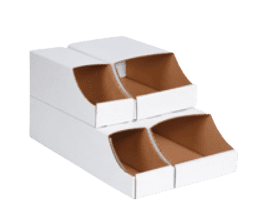
White Corrugated box bin stacked
Corrugated Bin Boxes
Facebook
Twitter
LinkedIn
Pinterest
Relevant Posts
How to properly label your corrugated box
Corrugated
brownpackaging
How to Properly Label Corrugated Boxes

Labeling corrugated boxes correctly is not just a matter of organization; it’s a vital component of the shipping and handling process, ensuring that your products reach their destination safely and efficiently. Proper labeling is also crucial for compliance with shipping regulations, inventory management, and providing important product information. This blog post will guide you through the best practices for labeling corrugated boxes effectively. Understanding the Importance of Correct Labeling Proper labeling of corrugated boxes serves multiple purposes, from aiding in efficient handling and shipping to ensuring regulatory compliance and enhancing customer experience. It minimizes the risk of loss or damage during transit and streamlines inventory management. Key Elements of Corrugated Box Labels Shipping Information: Include the recipient’s name, address, and contact information. For international shipments, include relevant customs information and international codes. Return Address: Always include your business’s return address in case the package needs to be returned or is undeliverable. Tracking Numbers: If applicable, ensure tracking numbers are visible and scannable. Handling Instructions: Clearly mark any specific handling instructions such as “Fragile,” “This Side Up,” or “Handle with Care.” Weight Indication: Indicating the package’s weight can help handlers use the appropriate methods for lifting and stacking. Best Practices for Labeling Corrugated Boxes Placement and Visibility: Place labels on the largest side of the box, ensuring they are easily visible and readable. Avoid placing labels over seams, corners, or closures where they might get damaged or become illegible. Type of Labels: Use high-quality, durable labels that can withstand various environmental conditions like moisture, temperature changes, and handling. Consider using adhesive labels that strongly adhere to corrugated surfaces. Print Quality: Ensure all printed information is clear and legible. Use high-contrast text and background for better readability. If using barcodes, they should be high quality to ensure easy scanning. Information Accuracy: Double-check that all information on the labels is accurate and up-to-date. For repeated shipments to the same address, ensure old labels are removed or covered to avoid confusion. Compliance with Regulations: Familiarize yourself with and comply with shipping and labeling regulations, especially for international shipments. Include any necessary regulatory information, symbols, or warnings. Technology Integration: Consider integrating technology such as QR codes to provide additional information, such as assembly instructions or product details. Label Protection: Use clear packing tape or label protectors to cover the entire label, protecting it from moisture and handling. Environmental Considerations: For businesses focusing on sustainability, use eco-friendly labels made from recycled or biodegradable materials. If you are interested in labels and/or corrugated boxes, then partner with Brown Packaging today to get started. (714)300-0650 request@brownpackaging.com Most Recent Posts: Categories: Corrugated Ecommerce ESD Design Foam Folding Carton Packaging Printing Protection Retail Rigid Box Thermoform Sustainability Subscribe To Our Newsletter By submitting your information, you agree to our terms and conditions and privacy policy. Custom Labels Facebook Twitter LinkedIn Pinterest Relevant Posts

Read More »
regular slotted container (RSC) box
Corrugated
brownpackaging
Shipping RSC Boxes: Best Approaches for Success

In the world of logistics and e-commerce, shipping is a critical aspect of business operations. Among the various packaging options, the Regular Slotted Container (RSC) box stands out as a versatile choice for shipping a wide range of products. To ensure your shipping endeavors with RSC boxes are both effective and efficient, it’s crucial to follow best practices and strategies. In this article, we’ll explore the key approaches to successfully ship RSC boxes. Choose the Right RSC Box Size Selecting the appropriate box size is essential when using RSC boxes for shipping. Oversized boxes waste space and may lead to higher shipping costs, while undersized boxes risk damaging your products. Therefore, it’s vital to measure your items carefully and opt for an RSC box that provides a snug fit with minimal extra space. Quality Matters Invest in high-quality RSC boxes. Boxes made from sturdy corrugated cardboard with durable seams and proper adhesive are crucial for protecting your products during transit. Quality boxes ensure that your goods reach their destination in optimal condition, without suffering damage due to external forces such as crushing or impacts. Proper Packing Material In addition to selecting the right RSC box, choosing the appropriate packing materials is equally important. Use cushioning materials like bubble wrap, packing peanuts, corrugated or foam inserts to safeguard your products from shocks and vibrations during shipping. Ensure there’s an adequate buffer between the product and the inner walls of the box. Seal Boxes Securely Properly sealing your RSC boxes is vital to prevent any unintended openings during shipping. Use high-quality packing tape to securely seal both the top and bottom flaps of the box. Ensure that the seams are tightly sealed, with no gaps or openings that could compromise the integrity of the box. Labeling and Documentation Clearly label each RSC box with essential information, including the recipient’s address, your return address, and any special handling instructions. Employ high-quality labels that won’t smudge or peel during transit. Additionally, don’t forget to include any required shipping documentation, such as packing slips, invoices, or customs forms, especially when shipping internationally. Weight Distribution Evenly distribute the weight of your products within the RSC box. Avoid placing heavy items on top of delicate ones. Utilize dividers or partitions if necessary to prevent items from shifting during transit. This practice helps maintain the structural integrity of the box and ensures that the products remain secure. Consider Environmental Impact Incorporate eco-friendly practices into your shipping process. Opt for recyclable and biodegradable packing materials whenever possible. Additionally, choose RSC boxes made from sustainable or recycled materials to reduce your environmental footprint. Shipping Carrier Selection Select a reputable shipping carrier that aligns with your business needs. Factors to consider include shipping speed, cost, reliability, and coverage. Negotiating shipping rates and exploring bulk shipping options can help reduce shipping costs. Track Shipments Utilize tracking services provided by shipping carriers. This enables you to monitor the progress of your shipments, provide customers with accurate delivery estimates, and promptly address any issues that may arise during transit. If you are interested in RSC Boxes, custom or stock, then partner with Brown Packaging today to get started. (714)300-0650 request@brownpackaging.com Most Recent Posts: Categories: Corrugated Ecommerce ESD Design Display Flexible Packaging Foam Folding Carton Packaging Plastic Packaging Pouch Printing Protection Retail Rigid Box Thermoform Sustainability Subscribe To Our Newsletter By submitting your information, you agree to our terms and conditions and privacy policy. Custom RSC Boxes Facebook Twitter LinkedIn Pinterest Relevant Posts

Read More »
Corrugated Walls
Corrugated
brownpackaging
Choosing the Right Corrugated Grade for 2026

Corrugated board comes in multiple flute sizes and wall grades, each designed to balance strength, weight, and cost. Selecting the wrong grade can lead to product damage, excessive freight costs, or unnecessary material expense. In 2026, buyers must match corrugated performance to their supply chain conditions, sustainability goals, and budget requirements. Common Corrugated Grades Single-wall: Lightweight, cost-effective, suitable for many retail and e-commerce uses. Double-wall: Greater strength and stacking ability for heavy or fragile items. Triple-wall: Maximum compression resistance for industrial, bulk, and export packaging. Key Factors When Choosing a Grade Product weight: Heavier items require stronger board. Supply chain conditions: Long transit times, stacking, and climate variations increase stress. Cost balance: Higher grades protect better but add material expense. Sustainability goals: Use recycled content or right-size to minimize waste. Compliance: Certain industries require ISTA or ASTM-tested packaging. How to Match Grade to Application E-commerce: Single-wall RSCs with performance coatings for moisture resistance. Industrial parts: Double-wall or triple-wall for high stacking and pallet loads. Export packaging: Triple-wall FOL boxes for international freight durability. Retail displays: Lighter grades with strong print surfaces for shelf appeal. Testing for Performance Confidence Compression testing: Ensures cartons withstand stacking loads. Vibration and drop testing: Validates protection during transport. Material analysis: Confirms recycled fiber content aligns with performance goals. Packaging Solutions with Brown Packaging Brown Packaging works with buyers to identify the right corrugated grade for each application. From single-wall e-commerce boxes to triple-wall export packaging, we balance protection, cost, and sustainability. Contact us to select the right grade for 2026. References ASTM International. (2023). ASTM D642: Standard Test Method for Compression Resistance of Shipping Containers.Soroka, W. (2009). Fundamentals of Packaging Technology (4th ed.). Institute of Packaging Professionals.Fiber Box Association. (2024). Corrugated Packaging Performance Handbook. Retrieved from https://www.fibrebox.org (714)300-0650 request@brownpackaging.com Most Recent Posts: Categories: Corrugated Ecommerce ESD Design Display Flexible Packaging Foam Folding Carton Packaging Plastic Packaging Pouch Printing Protection Retail Rigid Box Thermoform Sustainability Subscribe To Our Newsletter By submitting your information, you agree to our terms and conditions and privacy policy. Custom Corrugated Boxes Facebook Twitter LinkedIn Pinterest Relevant Posts

Read More »