

Sustainable Stock Packaging
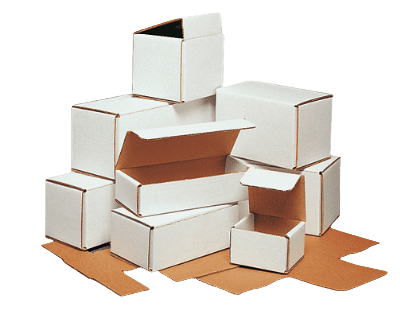
Our sustainable stock packaging products include a wide range of eco-friendly options such as corrugated boxes, chipboard boxes, kraft paper, and mailers. Each product is designed to minimize environmental impact while providing reliable packaging solutions. From durable boxes to recyclable materials, we offer sustainable choices for all your packaging needs.
Sustainable Stock Packaging
Our sustainable stock packaging products include a wide range of eco-friendly options such as corrugated boxes, chipboard boxes, kraft paper, and mailers.
How We Can Assist In Your Sustainability Goals
We assist you in achieving your sustainable packaging goals by offering a range of certified stock packaging solutions, including products that meet standards like FSC, SFI, and BPI for responsible sourcing and recyclability. Our packaging also helps you reduce material waste, improve recyclability, and lower your carbon footprint, all while meeting the highest industry certifications for sustainability.
Stock Products
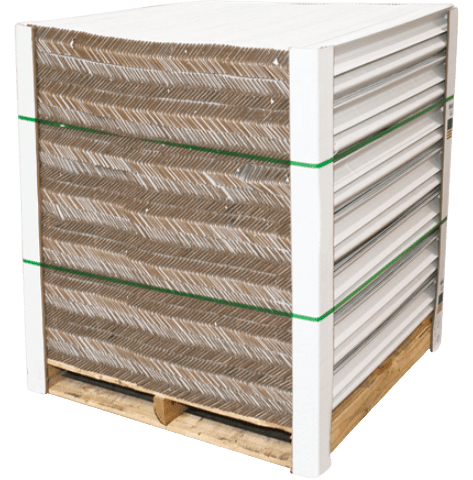
We offer a range of foam packaging products, including inserts, sheets, pads, end caps, and edge protectors, designed for maximum product protection. These solutions are tailored to fit your packaging needs, ensuring durability and sustainability throughout the supply chain.
Corrugated, Chipboard, Kraft & Sustainability Explained
Our sustainable packaging options include corrugated, chipboard, and kraft materials, all of which are recyclable and made from renewable or recycled sources. These materials offer eco-friendly, durable solutions that reduce environmental impact while providing reliable protection for your products.
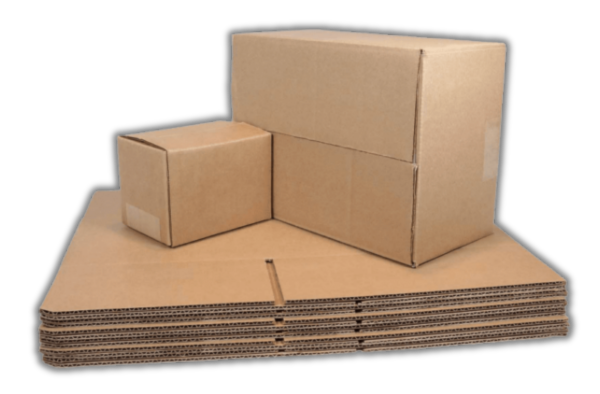
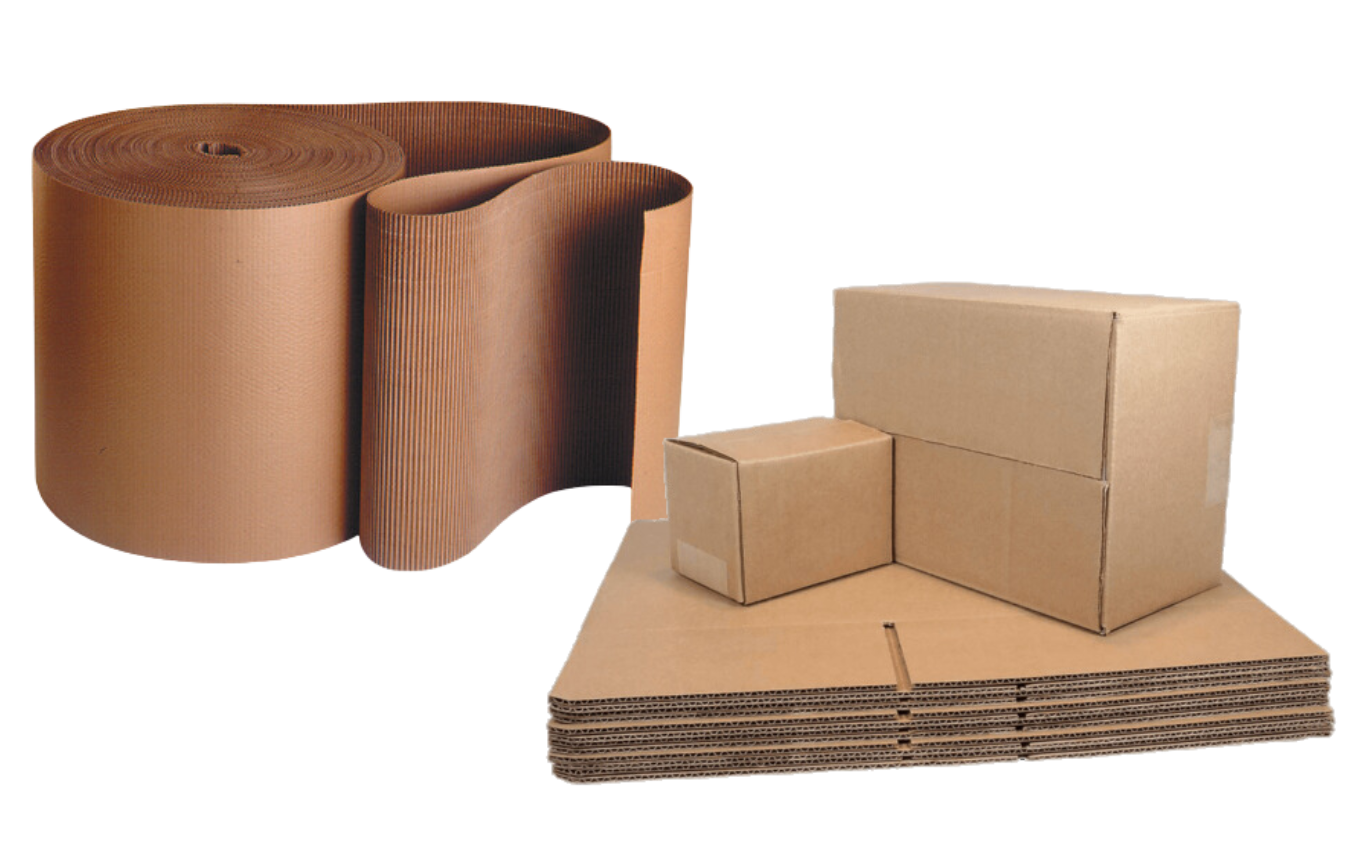
Corrugated packaging is made from renewable wood pulp and is highly recyclable, making it an eco-friendly option. Its durability allows it to be reused multiple times before being recycled, reducing material waste. Although not generally biodegradable due to coatings or adhesives, untreated corrugated may break down in industrial composting environments.
Corrugated Facts:
How to Recycle: Easily recyclable through curbside programs; fibers are reused to create new corrugated materials.
Biodegradable: Not typically biodegradable unless untreated and free of coatings.
Compostable: Not usually compostable, but untreated versions may break down in industrial composting.
Reusable: Can be reused multiple times for shipping and storage before recycling.
Carbon Footprint: Lightweight design reduces emissions during transportation.
Cost Efficiency: Affordable and widely available, offering a balance of sustainability and performance.
Supply Chain Impact: Widely available and easy to source, reducing supply chain disruptions and ensuring consistency.
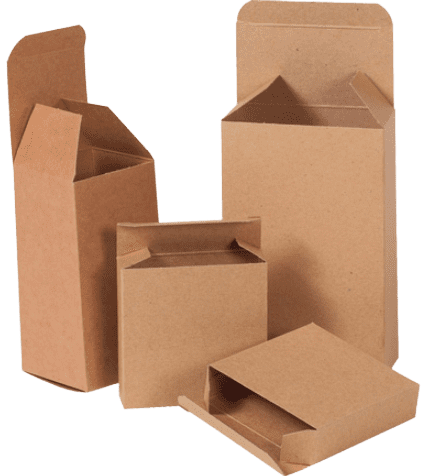
Chipboard is a lightweight and durable packaging material made from recycled paper fibers, making it an eco-friendly choice. It is highly recyclable and can be repurposed into new packaging materials multiple times. Although chipboard is not compostable, it offers a sustainable solution due to its recyclability and low environmental impact during production.
Chipboard Facts:
How to recycle: Easily recyclable through curbside recycling programs, as it is made from recycled paper fibers.
Biodegradable: Chipboard is biodegradable over time when untreated and free of coatings or adhesives.
Compostable: Not typically compostable due to the adhesives or finishes applied, but untreated chipboard may decompose in some composting environments.
Reusable: Can be reused for packaging or cushioning purposes before recycling.
Carbon footprint: Lightweight design reduces transportation emissions, and it is made from recycled materials, further lowering its carbon footprint.
Cost efficiency: Affordable and widely available, making it an economical choice for eco-friendly packaging.
Supply chain impact: Readily available in large quantities, ensuring reliable supply for various packaging needs.
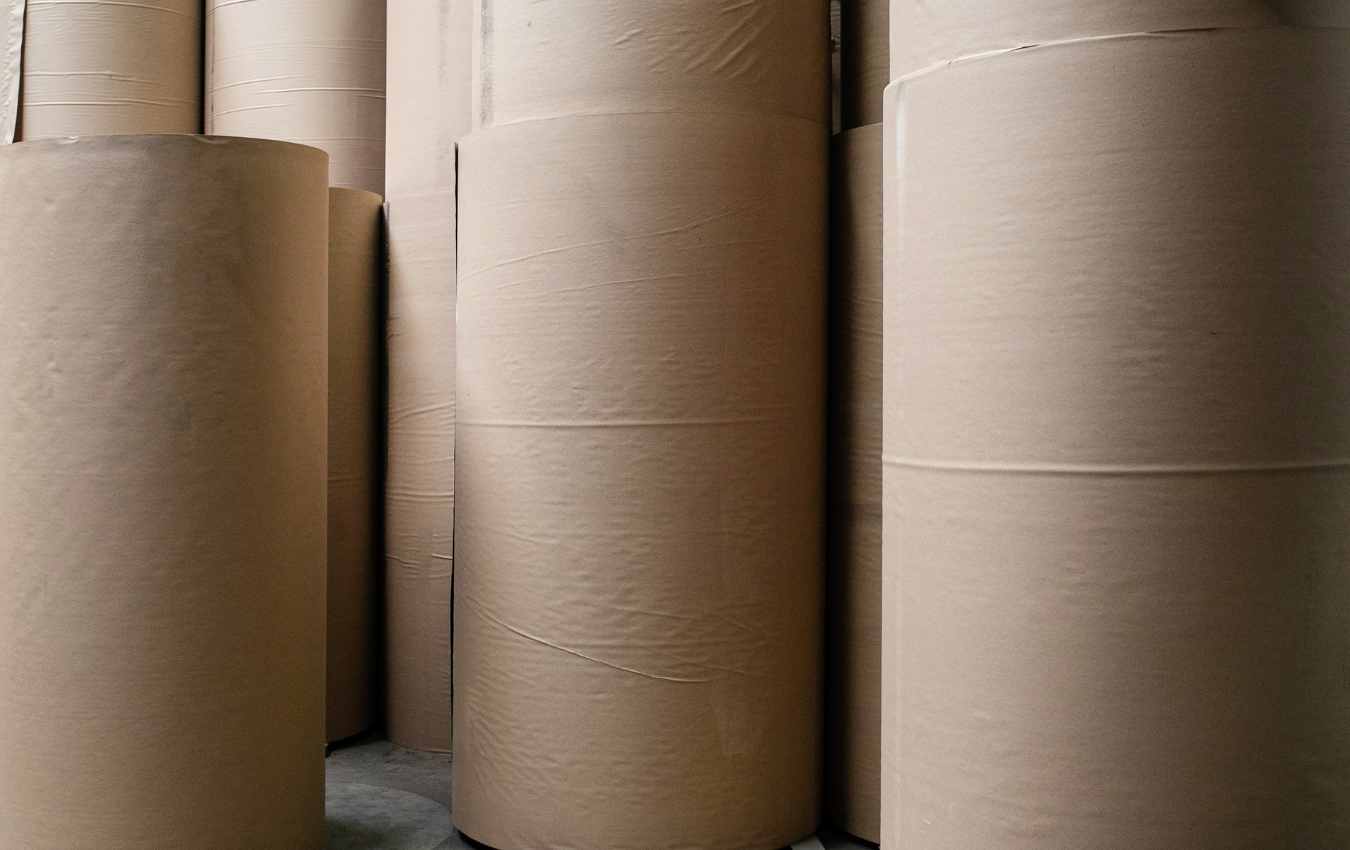
Kraft paper is an environmentally friendly packaging material made from wood pulp, known for being both recyclable and biodegradable. It can be reused multiple times for wrapping and cushioning before being recycled or composted. Kraft paper breaks down naturally in compost environments when untreated, offering a low-impact disposal option.
Kraft Facts:
How to recycle: Recyclable through curbside programs, provided it’s free from coatings or non-recyclable inks.
Biodegradable: Fully biodegradable when untreated, breaking down naturally in the environment.
Compostable: Compostable if untreated, degrading quickly in compost settings.
Reusable: Can be reused for wrapping, void fill, and other purposes before recycling or composting.
Carbon footprint: Lightweight, reducing emissions in transportation and shipping.
Cost efficiency: Affordable, versatile, and easy to source for various packaging needs.
Supply chain impact: Readily available, ensuring reliable supply for bulk packaging needs.
Stock Versus Custom Sustainable Packaging
Choosing between stock and custom packaging depends on your business needs and sustainability goals. Stock packaging offers cost-effective, ready-made solutions, while custom packaging allows for tailored, eco-friendly designs that minimize waste and enhance brand identity.
Stock packaging is an excellent choice for businesses looking for quick, cost-effective, and eco-friendly solutions. Ready-made packaging such as corrugated boxes, kraft paper, and mailers are readily available and designed with sustainability in mind, often made from recyclable and biodegradable materials. This option is ideal for companies that need efficient, sustainable packaging solutions without the need for customization.
Benefits of Stock Packaging:
- Cost-Effective: Lower production costs and quicker lead times.
- Eco-Friendly: Made from recyclable and biodegradable materials.
- Availability: Readily available in a wide variety of sizes and materials.
Custom packaging allows businesses to tailor their packaging to specific needs while incorporating sustainable materials and designs. This option enables optimization of packaging size, materials, and branding, reducing waste and improving environmental impact. Custom packaging is perfect for businesses looking to enhance brand identity while ensuring their packaging aligns with sustainability goals.
Benefits of Custom Packaging:
- Tailored Fit: Custom sizes reduce material waste and optimize shipping efficiency.
- Branding Opportunities: Customized designs help enhance brand visibility while using sustainable materials.
- Material Flexibility: Choose specific eco-friendly materials that align with your sustainability goals.
Interested In Sustainable Stock Packaging?
Frequently Asked Questions
Explore how we support your packaging needs with eco-friendly solutions tailored to your business.
Order minimums vary from project to project, it usually depends on the type of packaging, size and desired materials. Contact us and we will evaluate the best options for your packaging needs.
Shipping is free to all Southern California businesses. Fees are generally added to orders outside of Southern California or if you need a rush order. We also deliver to all of the United States, in which prices for shipping can vary.
Selecting the right stock sustainable packaging products is crucial for businesses looking to reduce their environmental impact while maintaining product safety and efficiency. Whether you need corrugated boxes, chipboard, kraft materials, or other eco-friendly options, making informed choices helps minimize waste and supports your sustainability goals. Our team is here to help you find the perfect solution for your packaging needs. Contact us for personalized assistance in choosing the right sustainable packaging products for your business.
To dive deeper into sustainable packaging, we invite you to explore our blog, which features a wealth of information on eco-friendly practices, innovations in sustainable materials, and expert insights. Our blog is regularly updated to help you stay informed about the latest trends and developments in sustainable packaging. Visit our blog to learn more and take your knowledge to the next level.

In 2026, sustainability is no longer just a trend—it’s a buyer expectation. Forest Stewardship Council (FSC) certification has become a key benchmark for responsible packaging, signaling that materials are sourced from responsibly managed forests. For packaging buyers, FSC certification is more than a compliance checkbox—it’s a brand value that influences purchasing decisions, retailer acceptance, and customer loyalty. What Is FSC Certification? The Forest Stewardship Council certifies that paper-based packaging materials are sourced from forests managed for environmental responsibility, social benefit, and economic viability. FSC Mix: Packaging contains a blend of FSC-certified and controlled wood. FSC Recycled: Packaging is made entirely from recycled fiber. FSC 100%: Packaging is sourced only from FSC-certified forests. Why FSC Matters to Buyers in 2026 Retail access: Many major retailers now require FSC-certified packaging. Sustainability goals: Aligns with corporate ESG and carbon reduction commitments. Consumer trust: Customers recognize the FSC label and view it as credible. Global compliance: Meets international sustainability regulations. How FSC Certification Strengthens Brand Value Differentiation: Stand out with certified sustainable packaging. Marketing advantage: FSC logos reinforce eco-friendly messaging. Risk reduction: Verified sourcing prevents greenwashing claims. Customer loyalty: Environmentally conscious buyers prefer certified products. Challenges in FSC Implementation Limited supply of certain FSC substrates. Higher costs compared to non-certified materials. Need for supplier audits and documentation. Packaging Solutions with Brown Packaging Brown Packaging partners with buyers to integrate FSC-certified materials into corrugated boxes, folding cartons, and retail packaging. Our solutions support sustainability while maintaining cost efficiency and protection. Contact us to strengthen your brand with FSC-certified packaging. References Forest Stewardship Council (FSC). (2023). FSC Certification Guidelines for Packaging. Retrieved from https://fsc.orgSustainable Packaging Coalition. (2023). Consumer Insights on Sustainable Packaging. Retrieved from https://sustainablepackaging.orgSoroka, W. (2009). Fundamentals of Packaging Technology (4th ed.). Institute of Packaging Professionals. (714)300-0650 request@brownpackaging.com Most Recent Posts: Subscribe To Our Newsletter By submitting your information, you agree to our terms and conditions and privacy policy. Sustainable Packaging Facebook Twitter LinkedIn Pinterest Relevant Posts

The importance of packaging in our daily lives cannot be overstated. Packaging protects, preserves, and transports the products we use and consume every day, ensuring their quality and safety. However, the traditional packaging industry has come under scrutiny in recent years due to its impact on the environment. Packaging waste contributes to overflowing landfills, litter in oceans and rivers, and greenhouse gas emissions, leading to a growing need for more sustainable packaging solutions. In response to this growing concern, the concept of sustainable packaging has emerged, providing a more environmentally friendly and responsible approach to packaging. Sustainable packaging is defined as packaging that meets the needs of the present without compromising the ability of future generations to meet their own needs. This means designing and producing packaging that is environmentally friendly, socially responsible, and economically viable. The goal of sustainable packaging is to reduce waste, conserve resources, and minimize the impact on the environment throughout the entire life cycle of the packaging, from production to disposal. In this blog, we will delve into the topic of sustainable packaging, discussing the importance of eco-friendly packaging solutions and the various materials and methods being used to reduce waste. By examining the latest developments and trends in sustainable packaging, we hope to raise awareness and encourage more environmentally conscious decisions in the packaging industry. What is Sustainable Packaging? Sustainable packaging is an approach to packaging that takes into consideration the impact of the packaging on the environment and aims to reduce waste and conserve resources throughout the entire life cycle of the packaging. This involves considering the entire life cycle of the packaging, from production to disposal, and finding ways to minimize the impact of packaging on the environment. The definition of sustainable packaging can vary, but it typically includes the following elements: Environmentally friendly: Environmentally friendly sustainable packaging should prioritize recyclability and biodegradability in addition to minimizing resource use, waste, emissions, and environmental impacts. This involves using materials that are easily recyclable and accepted by local facilities, and designing the packaging to biodegrade over time into natural materials, thus promoting a healthier environment and reducing waste. Socially responsible: Socially responsible packaging should be safe for workers and consumers, and not have any adverse effects on human health or the environment. Economically viable: Economically viable packaging should be cost-effective and not have a negative impact on the profitability of the business. Sustainable packaging aims to balance these three elements, ensuring that the packaging meets the needs of the present without compromising the ability of future generations to meet their own needs. In other words, sustainable packaging should provide the same level of protection and preservation as traditional packaging, but with a reduced impact on the environment. The trend towards sustainable packaging is driven by a growing awareness of the impact of packaging on the environment and a desire for more environmentally friendly solutions. Consumers are demanding more eco-friendly options, and companies are responding by developing and implementing more sustainable packaging solutions. This has led to the growth of new materials, processes, and technologies that are helping to reduce the impact of packaging on the environment. Types of Sustainable Packaging Materials There is a wide variety of materials that can be used to create sustainable packaging. Some of the most commonly used materials include: Recycled paper and corrugated: These are one of the most popular materials for sustainable packaging due to its ease of recycling and biodegradability. Recycled paper and corrugated can be used for a variety of packaging applications, including boxes, envelopes, and shipping containers. Plant-based materials: Plant-based materials, such as cornstarch, cellulose, and bamboo, are biodegradable and compostable, making them ideal for sustainable packaging. These materials can be used for a variety of applications, including food packaging, bags, and containers. Biodegradable plastics: Biodegradable plastics are made from renewable resources that are designed to break down quickly when exposed to the elements. These materials are often used for food packaging, shopping bags, and other disposable products. Glass: Glass is a highly recyclable material that can be used for food packaging, cosmetics, and other products. Glass containers can be used multiple times and have a long lifespan, making them a great option for sustainable packaging. Metal: Metal, such as aluminum and steel, is highly recyclable and has a long lifespan, making it a popular choice for sustainable packaging. Metal containers are often used for food and beverage packaging, as well as for household products. Reusable packaging: Reusable packaging, such as refillable bottles, containers, and bags, are designed to be used multiple times, reducing the need for disposable packaging. This type of packaging is becoming increasingly popular as consumers seek more sustainable options. These are just a few examples of the many materials that can be used for sustainable packaging. The best material for a particular application will depend on the specific needs of the product, as well as the cost and availability of the material. Companies are continually developing and improving these materials, so it is likely that new and innovative sustainable packaging materials will emerge in the future. Methods to Reduce Waste in Packaging In addition to using sustainable materials, there are a number of methods that can be used to reduce waste in packaging. Some of the most effective methods include: Right-sizing and Reduction of Packaging Materials: One of the simplest ways to reduce waste in packaging is to use the right amount of packaging for a particular product. This means using just enough packaging to protect the product and keep it safe, without using excessive amounts of material. This helps to reduce the amount of packaging waste that is generated and also saves money by reducing the cost of materials. Recycling: Recycling is a key component of sustainable packaging, as it helps to reduce waste by turning used packaging into new products. Many types of packaging, including paper, corrugated, glass, and metal, can be easily recycled and turned into new products, reducing the need for new materials and conserving resources.

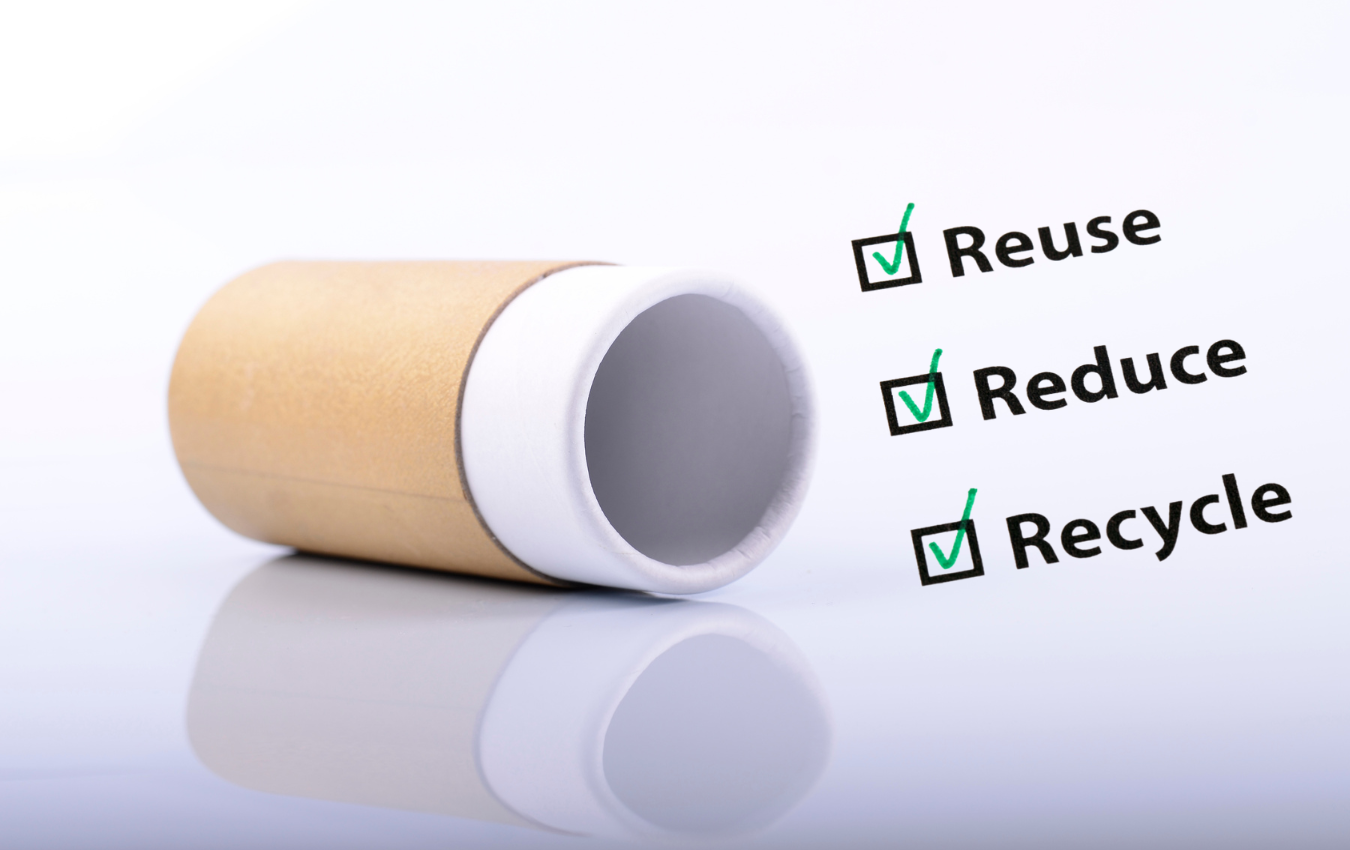
In an age where sustainability and ecological responsibility take center stage, our individual roles in environmental preservation have never been more crucial. A key part of this role includes recycling, but we can do even more by reusing items as much as possible before they end up in the recycle bin. Today, we’ll be focusing on an often-overlooked recyclable: the humble shipping tube. Often used for packaging items like posters, blueprints, and textiles, these tubes usually end up in the trash. Here’s a guide on how we can transform them into useful items and eventually recycle them responsibly. Understanding the Importance of Shipping Tube Recycling Before diving into the ways to recycle and reuse shipping tubes, let’s first grasp why it’s vital. Environmental Impact: In general, recycling reduces the need for new raw materials, subsequently reducing deforestation and mining impacts. It also curtails the energy expended in production processes, hence reducing greenhouse emissions. Landfill Reduction: Every item that’s reused or recycled is an item that doesn’t end up in a landfill. Shipping tubes, mainly made from cardboard, paper, or plastic, can take years to degrade and may release harmful chemicals in the process. Economic Efficiency: Reusing and recycling also save money by reducing the need for purchasing new items and by generating income in the recycling and manufacturing industries. Innovative Ways to Reuse Shipping Tubes Before you send your shipping tubes off to be recycled, consider whether you can give them a second life. Below are some creative ideas for reusing these versatile cylinders: Craft Projects: Shipping tubes make great materials for kids’ craft projects. They can become kaleidoscopes, binoculars, musical instruments, or parts of a castle. Storage Solutions: Cut shipping tubes into smaller sections to create custom drawer organizers. Alternatively, keep them whole for storing important documents, artworks, or textiles. Garden Aids: Use them to support young plants or as seedling starters. The biodegradable tubes can be planted directly in the ground, gradually decomposing and adding organic matter to your garden. Proper Recycling of Shipping Tubes When your shipping tubes have been reused to the point of no return, it’s time to recycle them. Here’s how to do it responsibly: Preparation: Remove any plastic caps and non-recyclable materials from the tubes. If your shipping tube came with plastic ends, these usually need to be recycled separately from the tube itself. Recycling Bins: If your local curbside recycling program accepts cardboard or the type of plastic your shipping tubes are made from, you can typically place them in your recycling bin. Always check your local guidelines as these can vary. Recycling Centers: If curbside recycling isn’t an option, take your shipping tubes to a recycling center. These facilities have the ability to recycle various materials, including cardboard and different types of plastic. Commercial Recycling Programs: Some office supply stores and shipping companies offer recycling programs for packaging materials, including shipping tubes. Final Thoughts By reusing and responsibly recycling shipping tubes, we not only reduce waste but also contribute to environmental conservation. And remember, these principles can apply to many other items in our daily lives. Let’s strive for a circular economy, where we reduce, reuse, and recycle as much as possible. Every small action count and contributes to the health and sustainability of our planet. If your interested in custom or stock shipping tubes, then partner with Brown Packaging today to get started. (714)300-0650 request@brownpackaging.com Most Recent Posts: Categories: Subscribe To Our Newsletter By submitting your information, you agree to our terms and conditions and privacy policy. Custom Mailing Tubes Facebook Twitter LinkedIn Pinterest Relevant Posts