
Sustainable Packaging
Explore our sustainable packaging products, including corrugated boxes, folding cartons, pouches, and stock packaging options. We offer eco-friendly materials and a variety of print and ink choices to fit your packaging needs. Choose from solutions designed to support sustainability and meet your business requirements.
Sustainable packaging refers to the use of materials and design methods that minimize environmental impact. This can include using recyclable or biodegradable materials, reducing excess packaging, and opting for renewable resources like paper, kraft, or corrugated materials. The goal is to reduce waste, conserve energy, and lessen the overall carbon footprint of packaging.
By choosing sustainable packaging, businesses help limit the negative effects of packaging waste on the environment. These products are often recyclable, compostable, or reusable, making them a more eco-friendly option. Sustainable packaging balances the need for protection and branding with the responsibility to preserve resources for future generations.

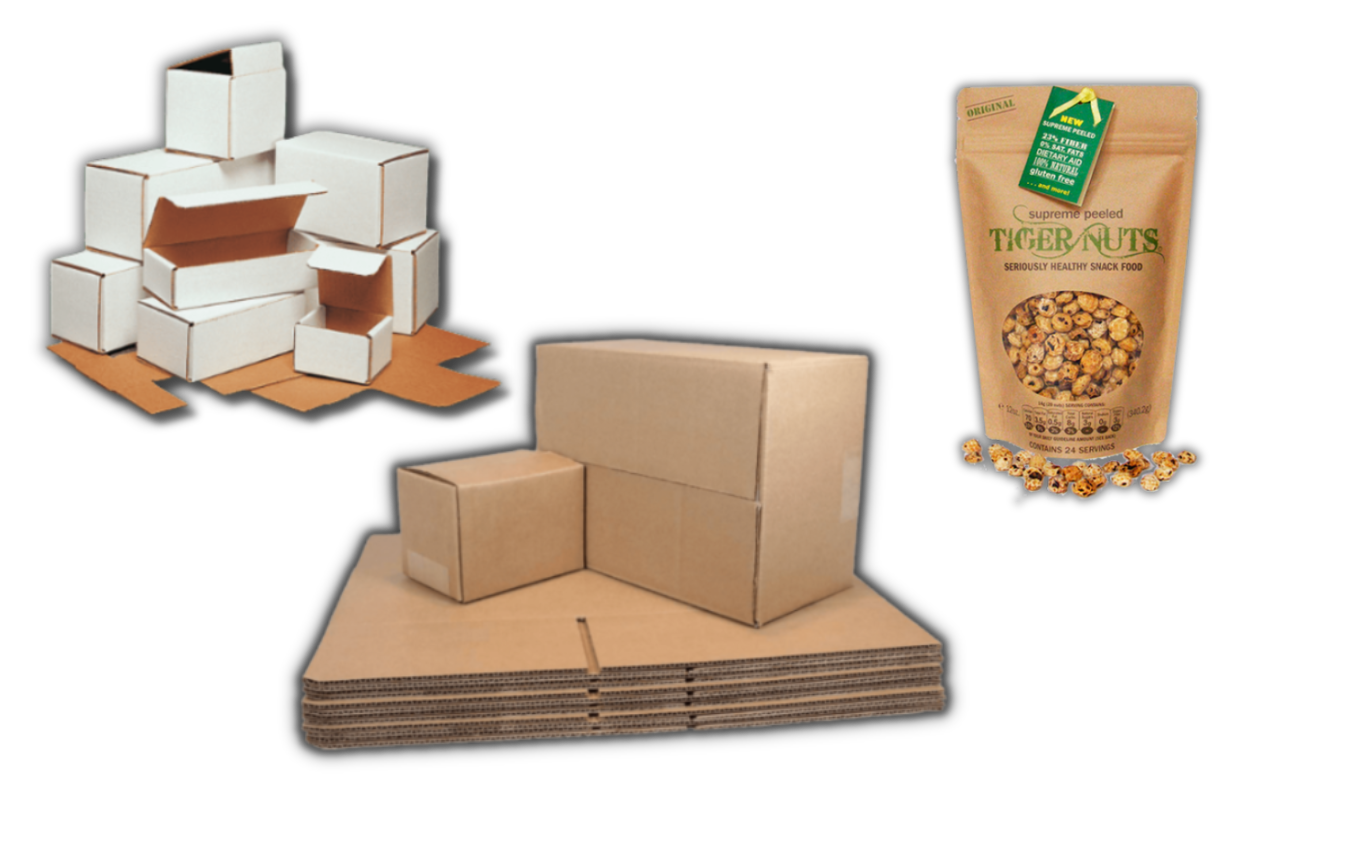
Our sustainable packaging products include custom corrugated boxes, folding cartons, pouches, and a variety of stock options. Each product is designed with eco-friendly materials to help reduce environmental impact while meeting your packaging needs.
Corrugated Boxes
- Regular slotted Container (RSC)
- Half Slotted Container (HSC)
- Full Overlap (FOL)
- Roll End Tuck Top (RETT/Mailer)
- Additional Box Styles
- Corrugated Inserts
Folding Cartons
- Straight Tuck End (STE)
- Reverse Tuck End (RTE)
- Full Seal
- Auto Bottom
- Chipboard Inserts
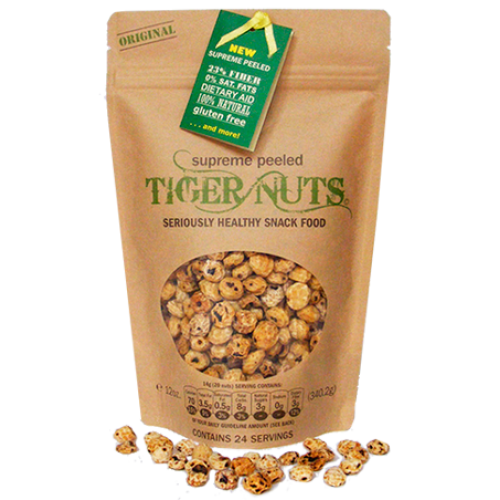
Pouches
- Stand Up
- Lay Flat
- Gusseted
- Retort
- Block Bottom
- Sachets
- Additional Pouch Styles
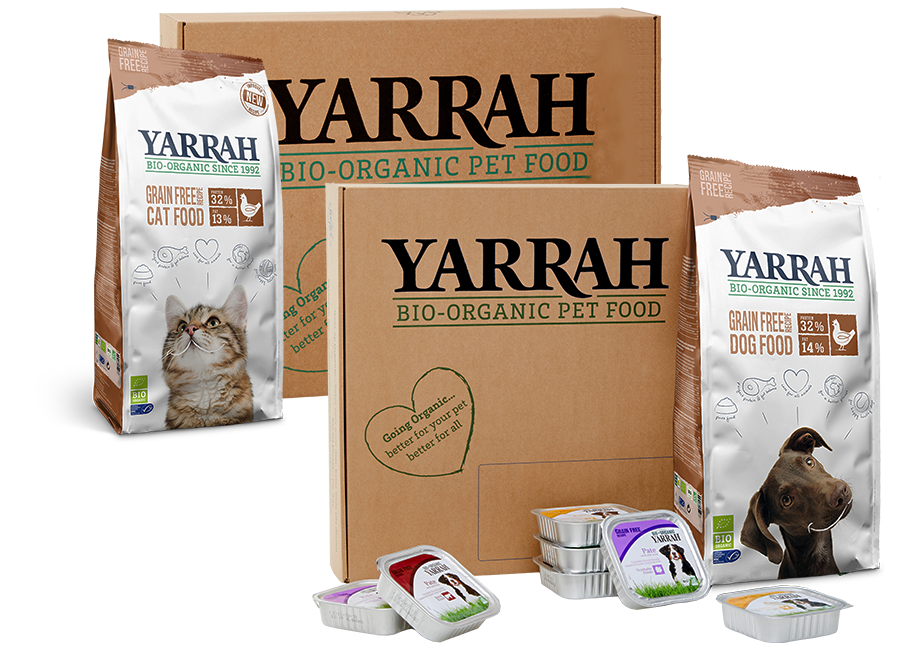
Stock Packaging Products
- Corrugated Packaging
- Shipping Boxes
- Chipboard Packaging
- Edge Protectors
- Mailers (Kraft)
- Kraft Tape
- Kraft Paper
At Brown Packaging, we prioritize eco-friendly packaging solutions that help reduce environmental impact. Our commitment to green packaging ensures that we provide sustainable materials, allowing you to make responsible choices for your business and the planet.

Today, many consumers are increasingly seeking sustainable products over cheaper alternatives that are less environmentally friendly. According to a global study by Nielsen, millennials, in particular, are willing to pay more for sustainable options, but they aren’t willing to compromise on quality in the process.
At Brown Packaging, we are committed to delivering innovative, eco-friendly packaging solutions that create a better future without sacrificing quality. Whether you need stock or custom packaging, we help reduce your environmental footprint with materials that are recyclable, biodegradable, or compostable. Our focus is on balancing sustainability with the performance and durability your business requires.
- Fully Customizable
- Wide Product Selection
- Recyclable
- Biodegradable
- Compostable
- Environment Friendly Print Options and more
Today, many consumers are increasingly seeking sustainable products over cheaper alternatives that are less environmentally friendly. According to a global study by Nielsen, millennials, in particular, are willing to pay more for sustainable options, but they aren’t willing to compromise on quality in the process.
At Brown Packaging, we are committed to delivering innovative, eco-friendly packaging solutions that create a better future without sacrificing quality. Whether you need stock or custom packaging, we help reduce your environmental footprint with materials that are recyclable, biodegradable, or compostable. Our focus is on balancing sustainability with the performance and durability your business requires.
- Fully Customizable
- Wide Product Selection
- Recyclable
- Biodegradable
- Compostable
- Environment Friendly Print Options and more
Today, many consumers are increasingly seeking sustainable products over cheaper alternatives that are less environmentally friendly. According to a global study by Nielsen, millennials, in particular, are willing to pay more for sustainable options, but they aren’t willing to compromise on quality in the process.
At Brown Packaging, we are committed to delivering innovative, eco-friendly packaging solutions that create a better future without sacrificing quality. Whether you need stock or custom packaging, we help reduce your environmental footprint with materials that are recyclable, biodegradable, or compostable. Our focus is on balancing sustainability with the performance and durability your business requires.
- Fully Customizable
- Wide Product Selection
- Recyclable
- Biodegradable
- Compostable
- Environment Friendly Print Options and more
Recyclable, Biodegradable, and Compostable Packaging
When it comes to sustainability, recycling is often the most commonly discussed concept by consumers, the media, and businesses alike. However, many companies are increasingly exploring biodegradable and compostable packaging as viable alternatives to traditional recycling methods.
Recyclable packaging is designed to be processed and reused after its initial use, reducing the need for new raw materials and minimizing waste. It can be collected through recycling programs and converted into new products, helping to conserve resources and lower environmental impact. Common examples of recyclable packaging include materials like cardboard, paper, certain plastics, and metals, which can be easily sorted and reintroduced into the manufacturing cycle.
Biodegradable packaging is made from materials that naturally break down over time through the action of microorganisms, such as bacteria or fungi, without leaving harmful residues. This type of packaging is designed to decompose in the environment, helping to reduce waste in landfills and minimize pollution. Typically made from natural or plant-based materials like paper, cornstarch, or bioplastics, biodegradable packaging offers an eco-friendly alternative to traditional packaging by returning to nature without damaging the ecosystem.
Compostable packaging is designed to break down into natural elements under specific composting conditions, leaving no toxic residue behind. It typically decomposes more quickly than biodegradable packaging and must meet certain standards to ensure it fully returns to the earth as nutrient-rich compost. Made from materials like plant-based fibers or biodegradable plastics, compostable packaging provides an eco-friendly option that contributes to healthier soil when processed in commercial or home composting environments.
As sustainability becomes a top priority for businesses and consumers alike, compostable and biodegradable packaging are now essential components of eco-friendly practices. With increasing regulations and growing consumer demand for environmentally responsible products, companies must adapt to greener packaging solutions to remain competitive and compliant. The shift toward sustainable packaging is no longer optional—it’s a necessity for businesses aiming to meet modern expectations.
At Brown Packaging, we specialize in providing tailored packaging solutions that not only meet industry standards but also promote environmental responsibility. From retail compliance to government regulations, we work closely with clients to create packaging that balances performance, sustainability, and innovation, ensuring your brand stays ahead in a rapidly evolving marketplace.
Recyclable, Biodegradable, and Compostable Packaging
When it comes to sustainability, recycling is often the most commonly discussed concept by consumers, the media, and businesses alike. However, many companies are increasingly exploring biodegradable and compostable packaging as viable alternatives to traditional recycling methods.
Recyclable packaging is designed to be processed and reused after its initial use, reducing the need for new raw materials and minimizing waste. It can be collected through recycling programs and converted into new products, helping to conserve resources and lower environmental impact. Common examples of recyclable packaging include materials like cardboard, paper, certain plastics, and metals, which can be easily sorted and reintroduced into the manufacturing cycle.
Biodegradable packaging is made from materials that naturally break down over time through the action of microorganisms, such as bacteria or fungi, without leaving harmful residues. This type of packaging is designed to decompose in the environment, helping to reduce waste in landfills and minimize pollution. Typically made from natural or plant-based materials like paper, cornstarch, or bioplastics, biodegradable packaging offers an eco-friendly alternative to traditional packaging by returning to nature without damaging the ecosystem.
Compostable packaging is designed to break down into natural elements under specific composting conditions, leaving no toxic residue behind. It typically decomposes more quickly than biodegradable packaging and must meet certain standards to ensure it fully returns to the earth as nutrient-rich compost. Made from materials like plant-based fibers or biodegradable plastics, compostable packaging provides an eco-friendly option that contributes to healthier soil when processed in commercial or home composting environments.
As sustainability becomes a top priority for businesses and consumers alike, compostable and biodegradable packaging are now essential components of eco-friendly practices. With increasing regulations and growing consumer demand for environmentally responsible products, companies must adapt to greener packaging solutions to remain competitive and compliant. The shift toward sustainable packaging is no longer optional—it’s a necessity for businesses aiming to meet modern expectations.
At Brown Packaging, we specialize in providing tailored packaging solutions that not only meet industry standards but also promote environmental responsibility. From retail compliance to government regulations, we work closely with clients to create packaging that balances performance, sustainability, and innovation, ensuring your brand stays ahead in a rapidly evolving marketplace.
We provide packaging solutions designed to help reduce your carbon footprint through eco-friendly production, efficient shipping, and sustainable materials. From pallet optimization to energy-efficient manufacturing, our approach ensures that your packaging minimizes environmental impact at every stage.
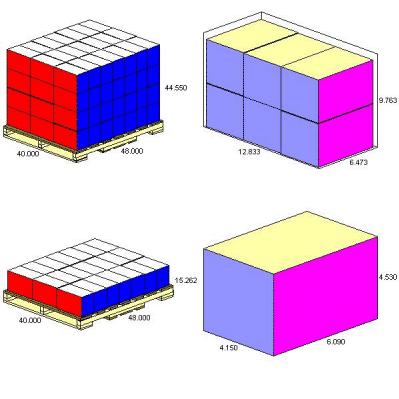

Our custom structural design services allow us to minimize material use without compromising protection. By optimizing the design for strength and efficiency, we help you reduce excess packaging and the environmental costs associated with waste. Smarter packaging design means a lower carbon footprint overall.
With CAPE software, we optimize pallet configurations to maximize space and load efficiency. This results in fewer trips and lower fuel usage during transportation, reducing your carbon footprint. By making the most of every pallet, we help you achieve more eco-friendly logistics.
We offer digital samples, eliminating the need for multiple physical prototypes, which reduces waste and energy use in production. By creating virtual models, we help you save resources while speeding up the design process. This eco-friendly approach helps minimize the carbon footprint of packaging development.
We focus on eco-friendly production processes that minimize waste and reduce energy consumption. By using sustainable materials and optimizing manufacturing efficiency, we help lower the carbon footprint of your packaging. This commitment to sustainable production ensures a smaller environmental impact from the start.
Our lightweight and efficient packaging solutions help reduce transportation emissions by maximizing space and minimizing weight. By designing packaging that is easy to transport, we help your business cut down on fuel consumption and overall shipping costs, contributing to a reduced carbon footprint.
We design packaging with durability and reusability in mind, extending the useful life of each product. By creating packaging that can be used multiple times before disposal or recycling, we help reduce waste and conserve resources, contributing to a smaller environmental footprint.
We prioritize sourcing materials from local suppliers to reduce transportation distances and emissions. By keeping production and distribution close to home, we help cut down on the environmental impact associated with long-distance shipping. Local sourcing ensures a more sustainable and efficient supply chain.
We offer packaging made from eco-friendly, recyclable, and biodegradable materials that reduce reliance on virgin resources. By using sustainable materials, we help decrease the carbon emissions associated with material extraction and production. This ensures that your packaging has a smaller environmental impact from the very start.
Interested In Sustainable Packaging Solutions?
Discover the latest insights on sustainable packaging by exploring our blog, where we share tips and innovations to help businesses reduce their environmental impact. Stay informed about eco-friendly packaging solutions and learn how your company can make a difference through sustainability.
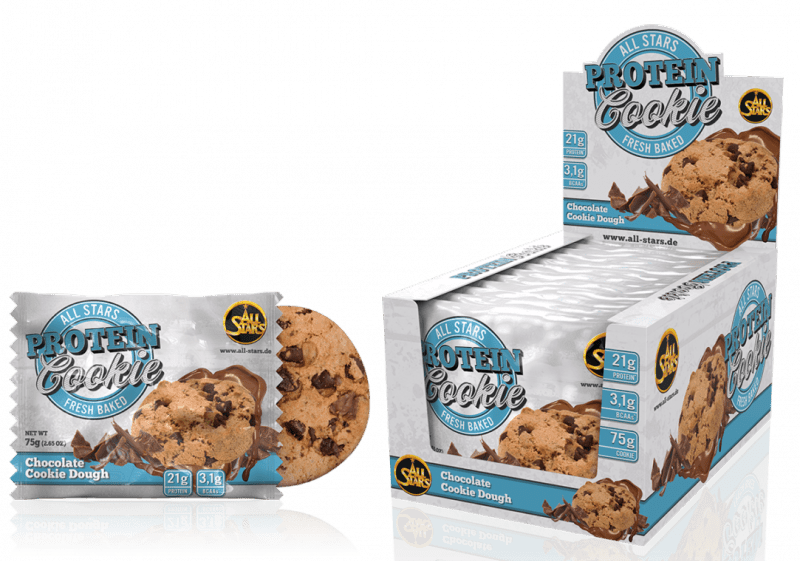
Ensuring that products arrive in perfect condition is a top priority for e-commerce businesses, as damaged items can lead to returns, bad reviews, and loss of customer trust. To prioritize durability and protection in your e-commerce packaging, you should focus on several key strategies: Select the Right Materials Use Protective Inserts Right-Size Your Packaging Secure Sealing Test Packaging Durability Consider the Entire Supply Chain Choose Sustainable Yet Durable Materials Select the Right Materials The foundation of durable packaging lies in using the right materials. Strong, high-quality materials can better withstand the stresses of shipping and handling. Corrugated Boxes: These are widely used for shipping because of their strength and durability. Double-wall or triple-wall corrugated boxes provide extra layers of protection, making them ideal for heavier or fragile items. Padded Mailers: For smaller or more delicate items, padded mailers (with bubble wrap or foam lining) offer extra cushioning while being compact. Rigid Mailers: For documents or flat items that need to avoid bending, rigid mailers are a good choice to protect against damage during transit. By choosing materials that are appropriate for your product’s size and fragility, you can significantly reduce the risk of damage. Use Protective Inserts Inserts provide an extra layer of protection inside the packaging. They help to secure the product in place and absorb impact from movement or drops during transit. Foam Inserts: Custom foam inserts or molded pulp inserts are ideal for protecting fragile or sensitive products like electronics, cosmetics, or glassware. Corrugated Dividers: For multiple items being shipped in the same package, corrugated dividers ensure each product is isolated and protected from collisions with other items inside the box. Air Cushions and Bubble Wrap: For products with irregular shapes, bubble wrap, paper void fillers or air pillows can help fill voids and provide cushioning. The right inserts are critical for absorbing shock and preventing products from shifting, which is one of the main causes of damage during shipping. Right-Size Your Packaging Using oversized boxes leads to excess movement of products inside the package, increasing the chances of damage. Right-sizing your packaging to fit your product snugly minimizes the need for excess filler material and ensures the product is secure. Reduce Void Space: Design packaging that minimizes empty spaces inside the box. This reduces the need for additional packing materials and keeps the product from shifting during transit. Custom Packaging: Consider using custom-fit boxes that are designed specifically for the size and shape of your product. Custom packaging not only offers better protection but also gives your product a more professional appearance. Right-sized packaging also reduces shipping costs by decreasing the dimensional weight of the package, benefiting both your bottom line and the environment. Secure Sealing Durability isn’t just about the box itself—secure sealing is essential to keep the contents safe and intact during transit. Reinforced Tape: Use heavy-duty packaging tape, especially for larger or heavier boxes. Water-activated tape (also known as gummed tape) provides a tamper-evident seal and is more durable than standard tape. Double-Sealing for Fragile Items: For extra protection, consider using multiple layers of tape or reinforcing vulnerable areas of the box, such as the corners and edges, where impacts are more likely to occur. Tamper-Evident Seals: These seals ensure that customers can identify whether the packaging has been opened or tampered with, offering an extra layer of protection and peace of mind. Test Packaging Durability Before committing to a packaging solution, conducting real-world durability tests ensures that your products are protected throughout the shipping process. Drop Tests: Simulate shipping conditions by performing drop tests from different heights to assess how well the packaging holds up to impact. Compression Testing: Test how well your packaging can withstand weight and pressure, especially for items that may be stacked during shipping or storage. Environmental Testing: For products shipped in extreme conditions (hot, cold, or humid environments), test how your packaging materials react to these conditions to ensure the product’s integrity remains intact. Testing helps you identify weak points in your packaging design and gives you the opportunity to make improvements before issues arise with customers. Consider the Entire Supply Chain Your product’s journey doesn’t end when it leaves your warehouse. To ensure durable and protective packaging, consider every step of the supply chain, from your packaging facility to the final delivery. Third-Party Logistics (3PL) Handling: Ensure that your packaging can withstand the handling practices of third-party shipping and logistics companies. This includes drops, stacking, and rough handling. Carrier Requirements: Some carriers have specific packaging guidelines for certain products (like fragile items or hazardous materials). Adhering to these guidelines reduces the risk of damage and ensures smooth shipping. By understanding how your product will be handled at each stage of the supply chain, you can better design your packaging to prevent damage and ensure safe delivery. Choose Sustainable Yet Durable Materials Sustainability and durability don’t have to be mutually exclusive. Many eco-friendly materials can offer excellent protection while reducing your environmental footprint. Recycled Corrugated Boxes: Boxes made from recycled materials are just as durable as virgin fiber boxes, but have the added benefit of being more sustainable. Biodegradable Packing Materials: Biodegradable air cushions, packing peanuts, and bubble wrap offer protective cushioning while minimizing environmental impact. By choosing sustainable materials that also prioritize durability, you meet customer expectations for eco-consciousness while ensuring their products arrive in perfect condition. Conclusion Prioritizing durability and protection in your e-commerce packaging is essential for reducing damage, improving customer satisfaction, and minimizing return rates. By selecting the right materials, using protective inserts, and optimizing your packaging design, you can create a packaging solution that not only protects your products but also enhances the overall customer experience. Regular testing and adapting your packaging to the realities of the supply chain ensure that your packaging is fit for purpose and durable enough to handle the rigors of shipping. If you’re interested in ecommerce packaging, then partner with Brown Packaging today to get started. (714)300-0650 request@brownpackaging.com Most Recent Posts: Categories: Corrugated Ecommerce ESD Design

When planning a Point of Purchase (POP) display, the first and arguably most critical step is to clearly define your objectives. Setting specific, actionable goals early in the process sets the foundation for all subsequent decisions—from design to placement, and even the materials used. This blog explores how to effectively understand and set objectives for POP displays to ensure they meet your business needs and drive desired outcomes. Importance of Clear Objectives Understanding the purpose of your POP display is essential. Without clear goals, it’s difficult to measure success or make informed decisions during the design and implementation phases. Clear objectives help align your team, streamline the design process, and ensure that every element of the POP display works towards a common end. Common Goals for POP Displays Increasing Brand Awareness For many businesses, POP displays are a tool to enhance brand visibility and recognition. If this is your goal, focus on designs that strongly feature your brand’s logos, colors, and themes. The display should be placed in high-traffic areas to maximize exposure to new and existing customers. Promoting a New Product Launching a new product with a POP display can dramatically affect its initial market performance. For new product promotions, the display should be designed to educate customers about the product features and benefits, encouraging trial and adoption. Interactive elements such as QR codes linking to product demonstrations or reviews can be highly effective. Boosting Sales of an Existing Product If the goal is to increase sales for an existing product, your POP display should focus on creating a sense of urgency or highlighting the value of the product. This might include time-limited offers, discounts, or bundling with other products. The messaging should be persuasive and direct, driving customers to make a purchase decision on the spot. Steps to Define Your Goals Analyze Your Market and Audience Start by understanding who your customers are and what drives their purchasing decisions. Market research can provide insights into customer behaviors, preferences, and trends. This information is invaluable in tailoring your POP display to appeal directly to your target audience. Identify Key Performance Indicators (KPIs) Once you’ve defined your goals, establish KPIs to measure the effectiveness of your POP display. For brand awareness, metrics might include the number of customer interactions or social media mentions. For sales promotions, track the increase in sales volume or revenue generated from the products featured in the display. Collaborate with Stakeholders Engage with various stakeholders, including marketing teams, sales staff, and even customers, to gather insights and feedback. This collaborative approach can help refine your objectives and ensure they are realistic and achievable. Be S.M.A.R.T Ensure your goals are Specific, Measurable, Achievable, Relevant, and Time-bound. This S.M.A.R.T framework helps create objectives that are not only clear but also actionable and aligned with your overall business strategy. Conclusion Defining clear objectives for your POP displays is more than a preliminary step; it’s a strategic action that influences every aspect of your campaign. By setting well-defined goals, you can design POP displays that not only attract attention but also effectively convey your message and achieve desired outcomes. Whether increasing brand awareness, introducing new products, or boosting sales, the right objectives will guide your efforts towards success in the competitive retail landscape. If you are interested in POP displays, then partner with Brown Packaging today to get started. (714)300-0650 request@brownpackaging.com Most Recent Posts: Categories: Corrugated Ecommerce ESD Design Display Flexible Packaging Foam Folding Carton Packaging Plastic Packaging Pouch Printing Protection Retail Rigid Box Thermoform Sustainability Subscribe To Our Newsletter By submitting your information, you agree to our terms and conditions and privacy policy. POP Display Facebook Twitter LinkedIn Pinterest Relevant Posts

When it comes to packaging, the roll-end tuck top (RETT) box is a versatile solution that seamlessly transitions between the realms of retail and e-commerce. In this blog, we will explore the dynamic ways in which RETT boxes are used in these two distinct worlds. Beyond the traditional comparisons, we’ll dive into the nuances, highlighting how design, branding, features, functions, and purpose evolve to cater to the unique demands of each sector. Designing for the Shelf or the Cart Design Considerations in Retail In the physical realm of retail, the design of RETT boxes is all about commanding attention on the shelf. The focus is on aesthetics and shelf appeal. The box becomes a piece of art, often featuring unique shapes, bold colors, and captivating graphics. Here, it’s all about capturing the customer’s gaze. Design Considerations in E-commerce In contrast, e-commerce RETT boxes are designed for functionality and durability during transit. Shape and color remain important, but the primary focus shifts towards ensuring the box safeguards the product until it reaches its final destination. Sturdiness and size are key considerations, as the box must withstand the rigors of the shipping process. Retail Ecommerce The Brand’s Silent Ambassador Branding in Retail In retail, the packaging serves as a brand ambassador. Boxes are adorned with vivid brand logos, striking taglines, and captivating imagery. Each box becomes a piece of a brand’s story, instantly recognizable and invoking a sense of trust and familiarity. Branding in E-commerce E-commerce RETT boxes extend the brand’s influence beyond the physical realm. They often include elements like QR codes for online engagement, creating a seamless transition from the box to the digital world. The unboxing experience becomes a powerful opportunity to reinforce the brand’s identity and values. Features: From Windows to Locks Features in Retail Retail RETT boxes are not just containers; they’re showcases. Many incorporate window panels or die-cut shapes that allow customers to peek at the product inside. Magnetic closures, embossed logos, and intricate detailing add an air of luxury and exclusivity. Features in E-commerce E-commerce RETT boxes prioritize secure closures and easy access. Tuck flaps, cherry locks, or dust flaps are often integrated to ensure the product arrives intact. These features enhance the unboxing experience, turning a simple delivery into a moment of anticipation and excitement. Functionality: Protecting and Presenting Functionality in Retail In the retail environment, RETT boxes provide both protection and presentation. They keep products safe on shelves while captivating customers with their attractive exteriors. These boxes serve not only as packaging but also as storage and gift wrapping. Functionality in E-commerce E-commerce RETT boxes play a dual role. Their primary function is to ensure the product’s safety during transit, reducing the risk of damage. Simultaneously, they serve as the initial layer of presentation upon arrival at the customer’s doorstep, offering a sneak peek of what’s inside. Purpose: From Shelves to Doorsteps Purpose in Retail In retail, RETT boxes facilitate the purchase decision. They capture attention, convey essential product information, and ultimately drive sales. These boxes are a vital part of the in-store experience, influencing buying choices. Purpose in E-commerce In e-commerce, RETT boxes have a dual purpose. They protect the product during shipping, reducing the chances of damage or breakage. Furthermore, they enhance the unboxing experience, transforming a mere delivery into a memorable and shareable moment. Embracing Sustainability Both retail and e-commerce sectors are increasingly focusing on sustainable packaging practices. RETT boxes are no exception. In both settings, they are evolving towards eco-friendly materials and designs, aligning with the global commitment to reducing environmental impact. Conclusion: Adaptable Ambassadors Roll End Tuck Top (RETT) boxes prove their adaptability as versatile packaging solutions that seamlessly transition between the domains of retail and e-commerce. Beyond their physical attributes, these boxes carry the brand’s identity and message, whether on a store shelf or within the confines of a customer’s home. In the end, RETT boxes are ambassadors that reflect the essence of the brand, ensuring that products make a lasting impression, whether they are showcased in a physical store or unboxed in the comfort of a customer’s home. If you are interested in RETT boxes for either retail or ecommerce, then partner with Brown Packaging today to get started. (714)300-0650 request@brownpackaging.com Most Recent Posts: Categories: Corrugated Ecommerce ESD Design Display Flexible Packaging Foam Folding Carton Packaging Plastic Packaging Pouch Printing Protection Retail Rigid Box Thermoform Sustainability Subscribe To Our Newsletter By submitting your information, you agree to our terms and conditions and privacy policy. Roll End Tuck Top Facebook Twitter LinkedIn Pinterest Relevant Posts