
Sustainable Packaging
Explore our sustainable packaging products, including corrugated boxes, folding cartons, pouches, and stock packaging options. We offer eco-friendly materials and a variety of print and ink choices to fit your packaging needs. Choose from solutions designed to support sustainability and meet your business requirements.
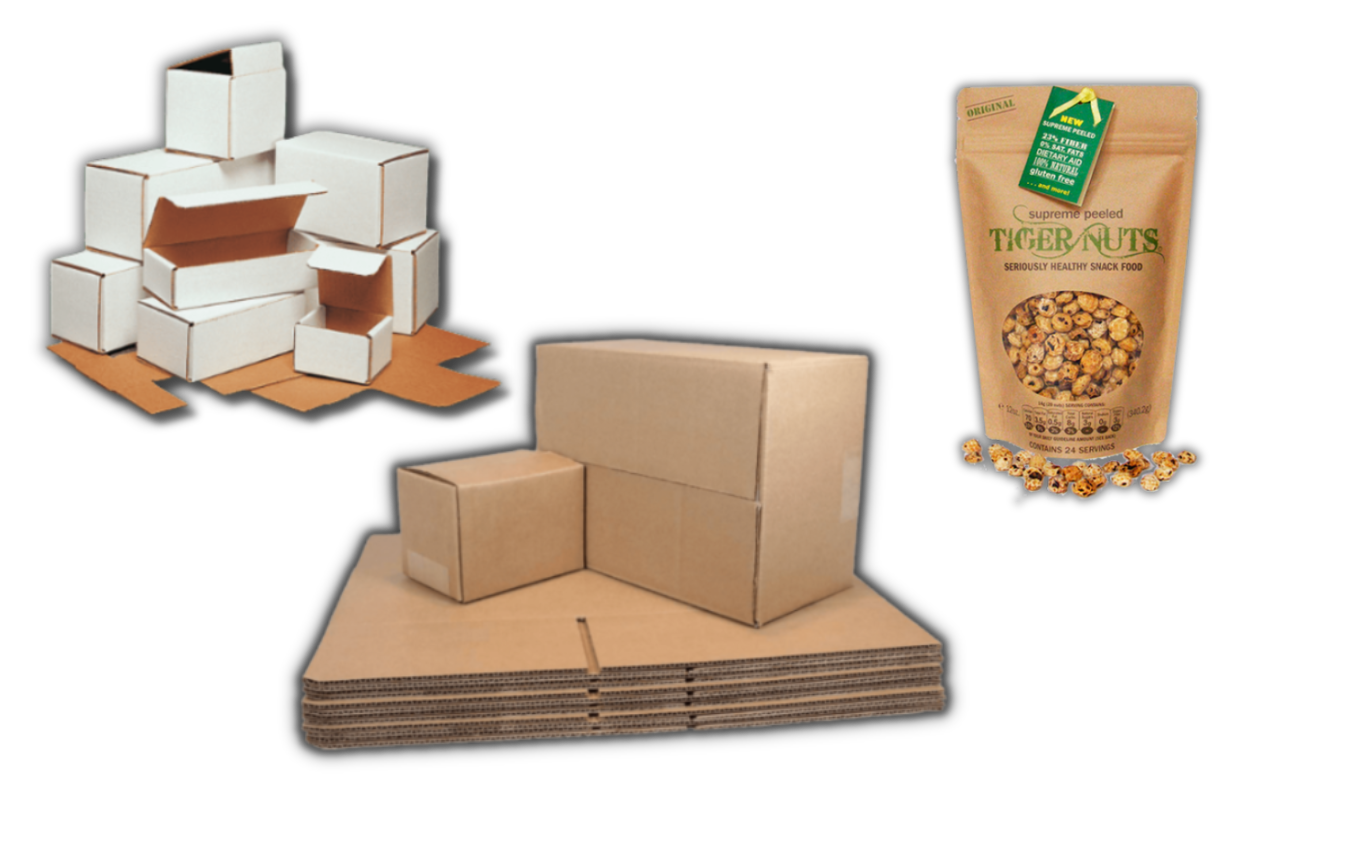
Sustainable packaging refers to the use of materials and design methods that minimize environmental impact. This can include using recyclable or biodegradable materials, reducing excess packaging, and opting for renewable resources like paper, kraft, or corrugated materials. The goal is to reduce waste, conserve energy, and lessen the overall carbon footprint of packaging.
By choosing sustainable packaging, businesses help limit the negative effects of packaging waste on the environment. These products are often recyclable, compostable, or reusable, making them a more eco-friendly option. Sustainable packaging balances the need for protection and branding with the responsibility to preserve resources for future generations.

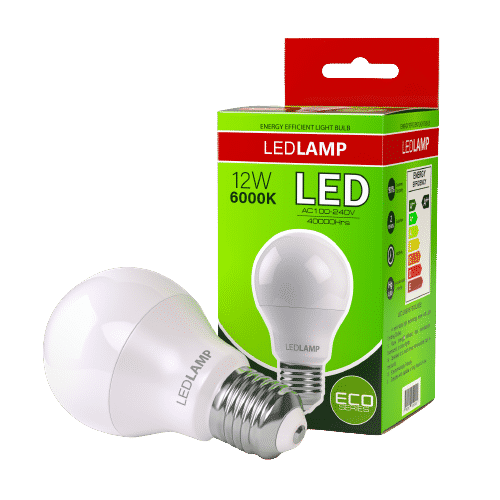
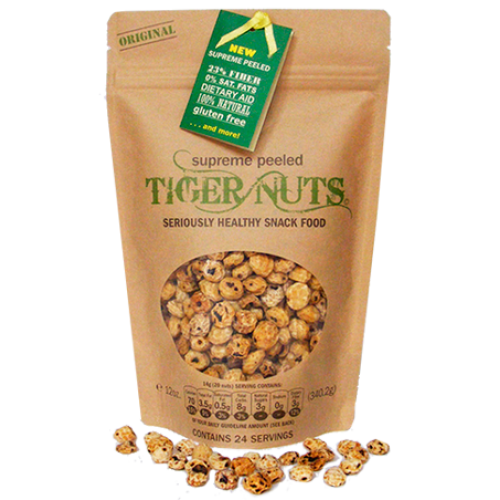
Our sustainable packaging products include custom corrugated boxes, folding cartons, pouches, and a variety of stock options. Each product is designed with eco-friendly materials to help reduce environmental impact while meeting your packaging needs.
Corrugated Boxes
- Regular slotted Container (RSC)
- Half Slotted Container (HSC)
- Full Overlap (FOL)
- Roll End Tuck Top (RETT/Mailer)
- Additional Box Styles
- Corrugated Inserts
Folding Cartons
- Straight Tuck End (STE)
- Reverse Tuck End (RTE)
- Full Seal
- Auto Bottom
- Chipboard Inserts
Pouches
- Stand Up
- Lay Flat
- Gusseted
- Retort
- Block Bottom
- Sachets
- Additional Pouch Styles
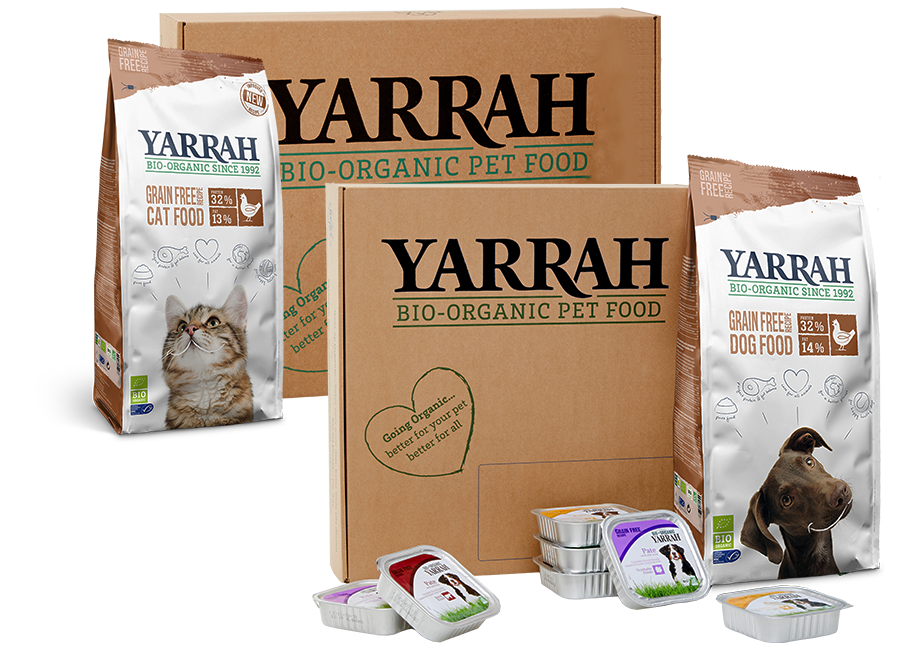
Stock Packaging Products
- Corrugated Packaging
- Shipping Boxes
- Chipboard Packaging
- Edge Protectors
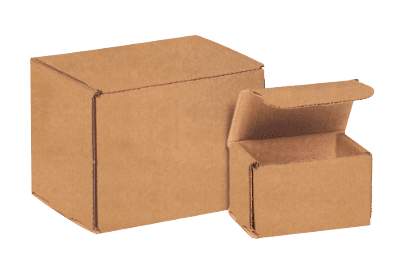
- Mailers (Kraft)
- Kraft Tape
- Kraft Paper
At Brown Packaging, we prioritize eco-friendly packaging solutions that help reduce environmental impact. Our commitment to green packaging ensures that we provide sustainable materials, allowing you to make responsible choices for your business and the planet.

Today, many consumers are increasingly seeking sustainable products over cheaper alternatives that are less environmentally friendly. According to a global study by Nielsen, millennials, in particular, are willing to pay more for sustainable options, but they aren’t willing to compromise on quality in the process.
At Brown Packaging, we are committed to delivering innovative, eco-friendly packaging solutions that create a better future without sacrificing quality. Whether you need stock or custom packaging, we help reduce your environmental footprint with materials that are recyclable, biodegradable, or compostable. Our focus is on balancing sustainability with the performance and durability your business requires.
- Fully Customizable
- Wide Product Selection
- Recyclable
- Biodegradable
- Compostable
- Environment Friendly Print Options and more
Today, many consumers are increasingly seeking sustainable products over cheaper alternatives that are less environmentally friendly. According to a global study by Nielsen, millennials, in particular, are willing to pay more for sustainable options, but they aren’t willing to compromise on quality in the process.
At Brown Packaging, we are committed to delivering innovative, eco-friendly packaging solutions that create a better future without sacrificing quality. Whether you need stock or custom packaging, we help reduce your environmental footprint with materials that are recyclable, biodegradable, or compostable. Our focus is on balancing sustainability with the performance and durability your business requires.
- Fully Customizable
- Wide Product Selection
- Recyclable
- Biodegradable
- Compostable
- Environment Friendly Print Options and more
Today, many consumers are increasingly seeking sustainable products over cheaper alternatives that are less environmentally friendly. According to a global study by Nielsen, millennials, in particular, are willing to pay more for sustainable options, but they aren’t willing to compromise on quality in the process.
At Brown Packaging, we are committed to delivering innovative, eco-friendly packaging solutions that create a better future without sacrificing quality. Whether you need stock or custom packaging, we help reduce your environmental footprint with materials that are recyclable, biodegradable, or compostable. Our focus is on balancing sustainability with the performance and durability your business requires.
- Fully Customizable
- Wide Product Selection
- Recyclable
- Biodegradable
- Compostable
- Environment Friendly Print Options and more
Recyclable, Biodegradable, and Compostable Packaging
When it comes to sustainability, recycling is often the most commonly discussed concept by consumers, the media, and businesses alike. However, many companies are increasingly exploring biodegradable and compostable packaging as viable alternatives to traditional recycling methods.
Recyclable packaging is designed to be processed and reused after its initial use, reducing the need for new raw materials and minimizing waste. It can be collected through recycling programs and converted into new products, helping to conserve resources and lower environmental impact. Common examples of recyclable packaging include materials like cardboard, paper, certain plastics, and metals, which can be easily sorted and reintroduced into the manufacturing cycle.
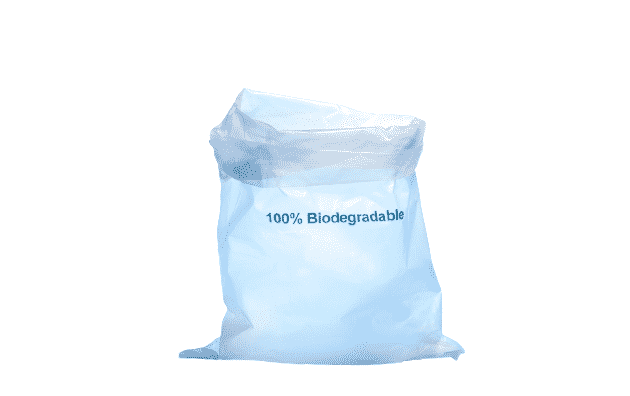
Biodegradable packaging is made from materials that naturally break down over time through the action of microorganisms, such as bacteria or fungi, without leaving harmful residues. This type of packaging is designed to decompose in the environment, helping to reduce waste in landfills and minimize pollution. Typically made from natural or plant-based materials like paper, cornstarch, or bioplastics, biodegradable packaging offers an eco-friendly alternative to traditional packaging by returning to nature without damaging the ecosystem.
Compostable packaging is designed to break down into natural elements under specific composting conditions, leaving no toxic residue behind. It typically decomposes more quickly than biodegradable packaging and must meet certain standards to ensure it fully returns to the earth as nutrient-rich compost. Made from materials like plant-based fibers or biodegradable plastics, compostable packaging provides an eco-friendly option that contributes to healthier soil when processed in commercial or home composting environments.
As sustainability becomes a top priority for businesses and consumers alike, compostable and biodegradable packaging are now essential components of eco-friendly practices. With increasing regulations and growing consumer demand for environmentally responsible products, companies must adapt to greener packaging solutions to remain competitive and compliant. The shift toward sustainable packaging is no longer optional—it’s a necessity for businesses aiming to meet modern expectations.
At Brown Packaging, we specialize in providing tailored packaging solutions that not only meet industry standards but also promote environmental responsibility. From retail compliance to government regulations, we work closely with clients to create packaging that balances performance, sustainability, and innovation, ensuring your brand stays ahead in a rapidly evolving marketplace.
Recyclable, Biodegradable, and Compostable Packaging
When it comes to sustainability, recycling is often the most commonly discussed concept by consumers, the media, and businesses alike. However, many companies are increasingly exploring biodegradable and compostable packaging as viable alternatives to traditional recycling methods.
Recyclable packaging is designed to be processed and reused after its initial use, reducing the need for new raw materials and minimizing waste. It can be collected through recycling programs and converted into new products, helping to conserve resources and lower environmental impact. Common examples of recyclable packaging include materials like cardboard, paper, certain plastics, and metals, which can be easily sorted and reintroduced into the manufacturing cycle.
Biodegradable packaging is made from materials that naturally break down over time through the action of microorganisms, such as bacteria or fungi, without leaving harmful residues. This type of packaging is designed to decompose in the environment, helping to reduce waste in landfills and minimize pollution. Typically made from natural or plant-based materials like paper, cornstarch, or bioplastics, biodegradable packaging offers an eco-friendly alternative to traditional packaging by returning to nature without damaging the ecosystem.
Compostable packaging is designed to break down into natural elements under specific composting conditions, leaving no toxic residue behind. It typically decomposes more quickly than biodegradable packaging and must meet certain standards to ensure it fully returns to the earth as nutrient-rich compost. Made from materials like plant-based fibers or biodegradable plastics, compostable packaging provides an eco-friendly option that contributes to healthier soil when processed in commercial or home composting environments.
As sustainability becomes a top priority for businesses and consumers alike, compostable and biodegradable packaging are now essential components of eco-friendly practices. With increasing regulations and growing consumer demand for environmentally responsible products, companies must adapt to greener packaging solutions to remain competitive and compliant. The shift toward sustainable packaging is no longer optional—it’s a necessity for businesses aiming to meet modern expectations.
At Brown Packaging, we specialize in providing tailored packaging solutions that not only meet industry standards but also promote environmental responsibility. From retail compliance to government regulations, we work closely with clients to create packaging that balances performance, sustainability, and innovation, ensuring your brand stays ahead in a rapidly evolving marketplace.
We provide packaging solutions designed to help reduce your carbon footprint through eco-friendly production, efficient shipping, and sustainable materials. From pallet optimization to energy-efficient manufacturing, our approach ensures that your packaging minimizes environmental impact at every stage.

Our custom structural design services allow us to minimize material use without compromising protection. By optimizing the design for strength and efficiency, we help you reduce excess packaging and the environmental costs associated with waste. Smarter packaging design means a lower carbon footprint overall.
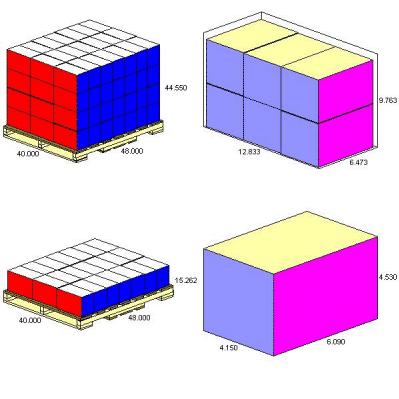
With CAPE software, we optimize pallet configurations to maximize space and load efficiency. This results in fewer trips and lower fuel usage during transportation, reducing your carbon footprint. By making the most of every pallet, we help you achieve more eco-friendly logistics.
We offer digital samples, eliminating the need for multiple physical prototypes, which reduces waste and energy use in production. By creating virtual models, we help you save resources while speeding up the design process. This eco-friendly approach helps minimize the carbon footprint of packaging development.
We focus on eco-friendly production processes that minimize waste and reduce energy consumption. By using sustainable materials and optimizing manufacturing efficiency, we help lower the carbon footprint of your packaging. This commitment to sustainable production ensures a smaller environmental impact from the start.
Our lightweight and efficient packaging solutions help reduce transportation emissions by maximizing space and minimizing weight. By designing packaging that is easy to transport, we help your business cut down on fuel consumption and overall shipping costs, contributing to a reduced carbon footprint.
We design packaging with durability and reusability in mind, extending the useful life of each product. By creating packaging that can be used multiple times before disposal or recycling, we help reduce waste and conserve resources, contributing to a smaller environmental footprint.
We prioritize sourcing materials from local suppliers to reduce transportation distances and emissions. By keeping production and distribution close to home, we help cut down on the environmental impact associated with long-distance shipping. Local sourcing ensures a more sustainable and efficient supply chain.
We offer packaging made from eco-friendly, recyclable, and biodegradable materials that reduce reliance on virgin resources. By using sustainable materials, we help decrease the carbon emissions associated with material extraction and production. This ensures that your packaging has a smaller environmental impact from the very start.
Interested In Sustainable Packaging Solutions?
Discover the latest insights on sustainable packaging by exploring our blog, where we share tips and innovations to help businesses reduce their environmental impact. Stay informed about eco-friendly packaging solutions and learn how your company can make a difference through sustainability.
Product visibility and sales are two most crucial factors that directly contribute to the success of any business. In the era of the highly competitive retail industry, businesses are always in search of innovative strategies that can enhance their product’s visibility and, consequently, sales. Among these strategies, custom packaging has emerged as an incredibly powerful tool. Not only does it make a product stand out, but it also serves as a silent salesperson, speaking volumes about the brand and its value proposition. In this blog, we will explore five ways that custom packaging can enhance product visibility and ultimately boost your sales. Differentiation and Brand Identity In a market where multiple brands sell similar products, differentiation is key. Custom packaging allows businesses to convey their unique identity and distinguish their products from the crowd. A well-designed package can reflect your brand’s personality and values, establishing an emotional connection with your target customers. For instance, eco-conscious brands may opt for sustainable packaging to resonate with like-minded consumers. This kind of clear, visual differentiation not only enhances visibility but also fosters brand loyalty, which can lead to increased sales. Enhanced Shelf Impact Shelf impact is a crucial factor that influences buying decisions at the point of purchase. Custom packaging, with its unique designs, shapes, and colors, can enhance the product’s appeal on the shelves. Customers’ eyes are naturally drawn to items that stand out, so designing a package that is visually arresting and clearly communicates the product’s benefits can significantly increase the likelihood of the product being noticed and picked up. Unboxing Experience In the age of social media, the unboxing experience has become an integral part of the customer journey. A product packaged in a custom box provides a memorable unboxing experience that customers may share on social media platforms, thereby acting as free advertising and reaching a larger audience. This not only amplifies product visibility but also provides potential customers with a sneak peek into the product, thereby increasing their likelihood of making a purchase. Imparting Value and Quality Custom packaging can serve as an indicator of a product’s value and quality. High-quality, attractive packaging suggests that a lot of thought and care has gone into the product, implying that the product itself is of high quality. By investing in high-quality custom packaging, you communicate to customers that your product is worth their money, which can, in turn, drive sales. Reinforcing Brand Message and Story Every brand has a unique story and message. Custom packaging offers a valuable opportunity to reinforce this message and communicate your brand story directly to your customers. This can be done through creative use of design elements, color schemes, and even printed stories or messages on the packaging itself. By creating an emotional resonance with your brand, customers are more likely to remember your product and choose it over others. In conclusion, custom packaging goes far beyond simply holding a product; it is a significant aspect of brand identity, product visibility, and customer engagement. It provides a unique opportunity for businesses to differentiate themselves, create a memorable unboxing experience, impart perceived value and quality, and reinforce their brand message. As such, businesses should see custom packaging not as an expense, but as a strategic investment that can significantly enhance product visibility and drive sales. If you are interested in custom packaging solutions, then partner with Brown Packaging today to get started. (714)300-0650 request@brownpackaging.com Most Recent Posts: Categories: Corrugated Ecommerce ESD Design Display Flexible Packaging Foam Folding Carton Packaging Plastic Packaging Pouch Printing Protection Retail Rigid Box Thermoform Sustainability Subscribe To Our Newsletter By submitting your information, you agree to our terms and conditions and privacy policy. Custom Packaging Facebook Twitter LinkedIn Pinterest Relevant Posts

Efficient and effective packaging is a cornerstone of successful ecommerce operations. It’s not just about protecting your products; it’s also about minimizing costs, reducing environmental impact, and providing an excellent customer experience. In this blog post, we’ll look into key strategies to optimize your ecommerce packaging for shipping, ensuring your products arrive safely and your business thrives. Right-Sizing is Key Select packaging that fits your products snugly, without excess space. This minimizes the need for fillers and reduces the risk of items moving around during transit. Use packaging solutions that come in various sizes to match your diverse product range. Quality is Non-Negotiable Invest in high-quality packaging materials that provide adequate protection. Fragile items require extra padding, while sturdy items might need less cushioning. Bubble wrap, air pillows, and foam and corrugated inserts can be tailored to different product needs. Consider Dimensional Weight Pricing Shipping carriers often charge based on the dimensional weight (size) of a package rather than just its actual weight. Opt for packaging that keeps your dimensional weight as low as possible without compromising product safety. Choose Environmentally Friendly Options Sustainability is crucial. Opt for recyclable, biodegradable, or reusable packaging materials. Not only does this appeal to environmentally conscious consumers, but it also reduces waste and shipping costs in the long run. Automate Packaging Processes Automated packaging systems can accurately measure, cut, and assemble packaging materials to fit each order. This reduces human error and speeds up the packing process, leading to more consistent results. Standardize Packaging Across Products Standardizing your packaging as much as possible simplifies the packing process. When your team knows exactly how to pack each type of product, it minimizes confusion and ensures uniform quality. Avoid Overly Complex Designs While branding is important, overly complex packaging designs can lead to errors in packing and increase production costs. Find a balance between branding and practicality. Implement Barcoding and Labeling Ensure every package has a clear and scannable barcode label. This not only aids in tracking but also reduces the chances of misdelivery. Test, Test, Test Regularly test your packaging’s durability by simulating shipping conditions. This helps you identify weaknesses and make necessary improvements. Leverage Technology for Data Insights Use data analytics to identify patterns in product damage during shipping. This can help you refine your packaging strategy and make data-driven decisions. Provide Unboxing Instructions Include instructions for opening the package safely. This can prevent accidental damage caused by customers struggling to open the package. Collaborate with Shipping Partners Engage with your shipping partners to understand their packaging guidelines and requirements. Following these guidelines can lead to smoother operations and potentially reduced shipping costs. Opt for Flat-Folding Options Whenever possible, choose packaging solutions that can be flat-folded. This saves storage space, reduces shipping costs, and allows for easier packing. Customer Feedback Loop Encourage customers to provide feedback on the packaging. Their insights can reveal pain points and guide improvements. Continuous Improvement Mindset Ecommerce packaging is not a static endeavor. Regularly assess and improve your packaging strategy based on customer feedback, industry trends, and technological advancements. By optimizing your ecommerce packaging for shipping, you’re not only ensuring the safe delivery of your products but also enhancing your brand’s reputation and operational efficiency. Keep the customer experience at the forefront of your efforts, and let your packaging become a testament to your commitment to quality and care. If you are interested in ecommerce packaging and want to optimize your packaging for shipping success, then partner with Brown Packaging today to get started. (714)300-0650 request@brownpackaging.com Most Recent Posts: Categories: Corrugated Ecommerce ESD Design Display Flexible Packaging Foam Folding Carton Packaging Plastic Packaging Pouch Printing Protection Retail Rigid Box Thermoform Sustainability Subscribe To Our Newsletter By submitting your information, you agree to our terms and conditions and privacy policy. Ecommerce Packaging Facebook Twitter LinkedIn Pinterest Relevant Posts

In the ever-evolving world of commerce, packaging serves as a pivotal bridge between businesses and their customers. As shopping habits shift and technology continues to shape the way we buy, the choice between e-commerce and retail packaging has become a crucial decision for brands seeking to provide a seamless and delightful customer experience. This blog delves into the nuances of e-commerce and retail packaging, highlighting their differences, challenges, and the strategies brands can employ to create packaging solutions that resonate with their audience. Defining E-commerce and Retail Packaging E-commerce Packaging: E-commerce packaging refers to the protective materials used to encase products during shipping to customers who order online. It includes elements such as corrugated boxes, bubble mailers, and protective cushioning to ensure products arrive intact. Retail Packaging: Retail packaging, on the other hand, encompasses the design and materials used to package products intended for in-store displays. It focuses on enhancing the visual appeal of products on shelves, capturing attention, and driving in-store sales. Different Stages, Different Needs E-commerce Packaging: Protection is Paramount: E-commerce packaging must withstand the rigors of shipping, handling, and potential impacts. Products need to arrive in pristine condition, requiring sturdy and well-padded materials. Unboxing Experience: Brands have a unique opportunity to create a memorable unboxing experience for online customers. Custom packaging, personal notes, and creative designs contribute to customer satisfaction. Sustainability Matters: The rise of eco-conscious consumers has led to a demand for sustainable e-commerce packaging solutions. Brands are exploring recyclable, compostable, and reusable materials to align with environmental values. Retail Packaging: Visual Impact: Retail packaging is designed to catch the eye of in-store shoppers. Packaging colors, shapes, and graphics play a crucial role in drawing attention and encouraging impulse purchases. In-store Display: Retail packaging needs to fit seamlessly within in-store displays, emphasizing aesthetics and brand consistency. Shelving, hanging, and stacking considerations influence design. Personal Touch: The tactile experience of physically handling products in-store creates an opportunity for brands to connect with customers on a personal level. Packaging materials and finishes contribute to this experience. Challenges and Solutions E-commerce Packaging Challenges: Dimensional Accuracy: Online orders come in various shapes and sizes, making it challenging to find the perfect-fit packaging. Brands are adopting customizable packaging solutions to reduce excess space and shipping costs. Brand Identity: Replicating the brand’s identity in e-commerce packaging can be challenging due to size constraints. However, brands are finding innovative ways to include logos, colors, and designs. Sustainability Dilemma: Balancing the need for protective e-commerce packaging with sustainable materials is a challenge. Brands are exploring lightweight yet sturdy materials and optimizing package sizes. Retail Packaging Challenges: Standout Competition: In-store shelves are filled with products competing for attention. Retail packaging must be unique and engaging to stand out amidst the visual clutter. Limited Shelf Space: Shelf space is limited, which requires brands to design packaging that is compact yet impactful. Clever designs that maximize visibility are essential. Seasonal Changes: Retailers often require packaging that can adapt to seasonal changes in promotions and displays. Flexible packaging solutions that can be easily updated or replaced are crucial. Strategies for Success E-commerce Packaging Strategies: Right-Sized Packaging: Utilizing packaging that matches the product’s dimensions reduces waste and shipping costs. Unboxing Delight: Thoughtful unboxing experiences create a positive impression and encourage social media sharing. Eco-friendly Approach: Brands can adopt sustainable materials and communicate their commitment to eco-conscious customers. Retail Packaging Strategies: Captivating Design: Engaging designs that align with brand identity and resonate with target consumers enhance shelf presence. Space Optimization: Efficient packaging that maximizes shelf space while showcasing product features is essential. Easy Inventory Management: Brands can explore packaging solutions that simplify restocking and replenishment processes. A Symbiotic Relationship E-commerce and retail packaging are not mutually exclusive; they complement each other to provide a comprehensive brand experience. Brands that seamlessly transition between online and in-store shopping by maintaining consistent visual elements and aligning their packaging strategies can create a cohesive and memorable journey for customers. In a rapidly evolving retail landscape, understanding the distinct requirements of e-commerce and retail packaging is essential for brands to thrive. By embracing the challenges, implementing effective strategies, and prioritizing the customer experience, brands can navigate the packaging landscape to deliver value, delight, and satisfaction at every touchpoint. If you are interested in ecommerce and/or retail packaging, then partner with Brown Packaging today. (714)300-0650 request@brownpackaging.com Most Recent Posts: Categories: Corrugated Ecommerce ESD Design Display Flexible Packaging Foam Folding Carton Packaging Plastic Packaging Pouch Printing Protection Retail Rigid Box Thermoform Sustainability Subscribe To Our Newsletter By submitting your information, you agree to our terms and conditions and privacy policy. Ecommerce Packaging Facebook Twitter LinkedIn Pinterest Relevant Posts