










window.uetq = window.uetq || []; window.uetq.push(‘event’, ‘submit_lead_form’,{ event_label:‘SUBMIT MESSAGE’ }); window.lintrk('track', { conversion_id: 10271009 }); window.lintrk('track', { conversion_id: 10271017 });

Stock Packaging

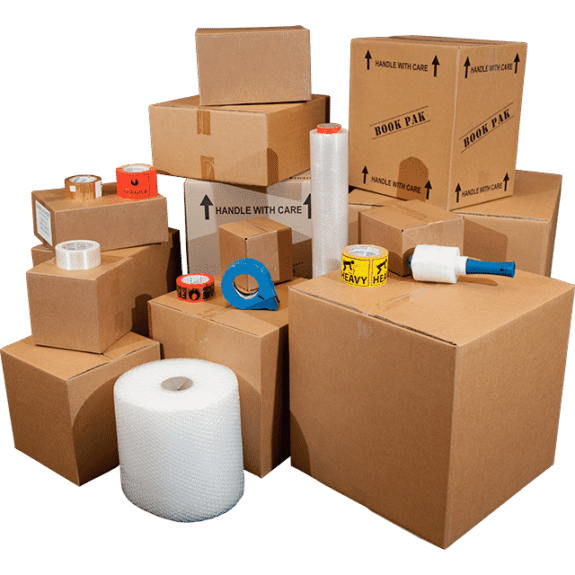
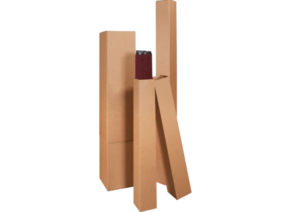
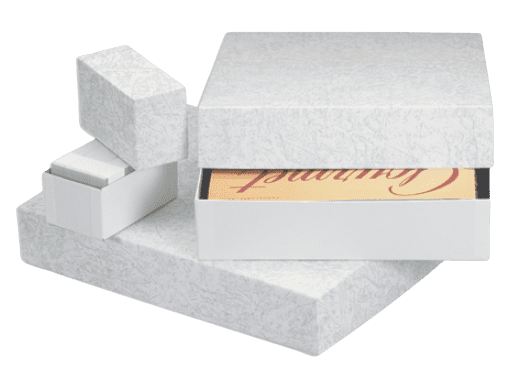
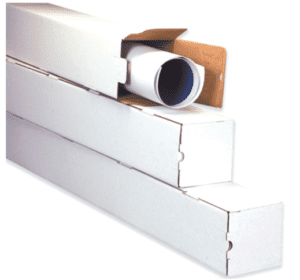
We supply businesses with a wide selection of essential packaging, shipping, and warehouse supplies. Get any standard packaging product by dimension or style from boxes, tubes, tapes, labels, and more. If you are unsure on what type of packaging you will need, then contact us for an expert consultation.


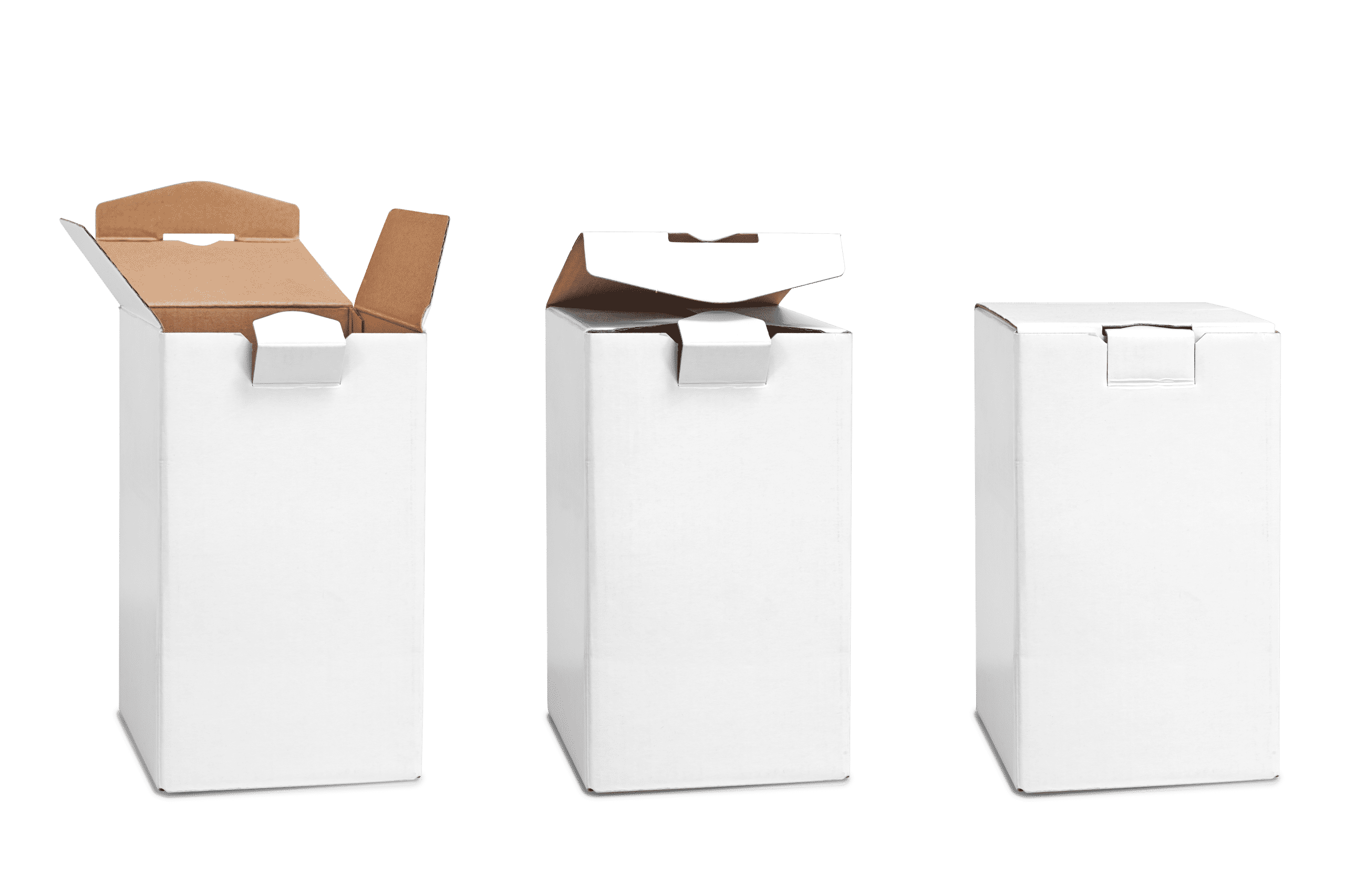
Stock packaging refers to pre-made, ready-to-ship packaging solutions like corrugated boxes, mailers, and protective materials that are designed to meet a wide range of standard needs across shipping, retail, and storage. Unlike custom packaging, stock options offer quick availability and reliable protection without the need for extensive design or production time, making them ideal for businesses needing efficient, high-quality solutions with fast lead times.

At Brown Packaging, we focus on providing durable, performance-driven stock packaging that supports our clients’ operational needs. Our stock products are sourced to ensure consistent quality and cost-effectiveness, offering a practical solution to keep operations running smoothly and on schedule. With an emphasis on reliability, we help our clients quickly access packaging solutions that meet their specific needs while maintaining quality across every order.

stock packaging products

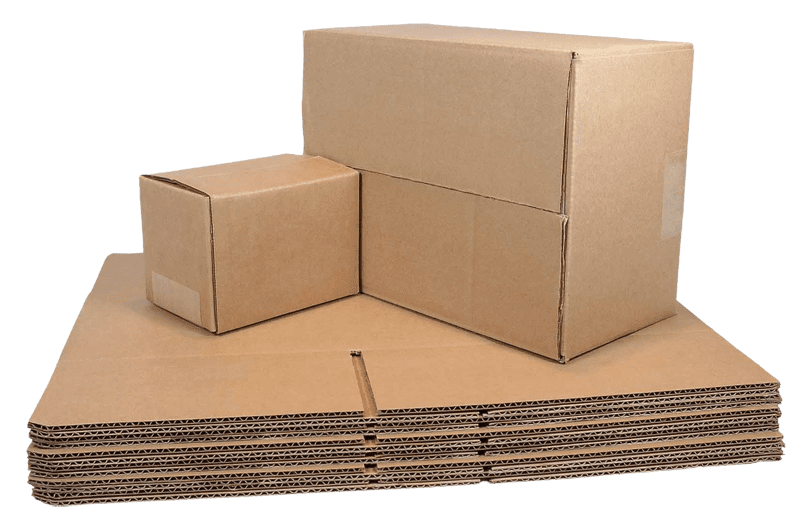
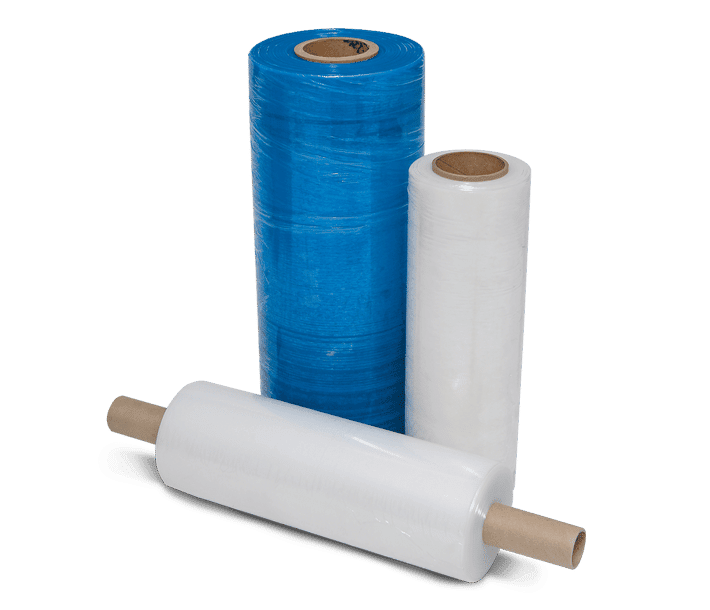
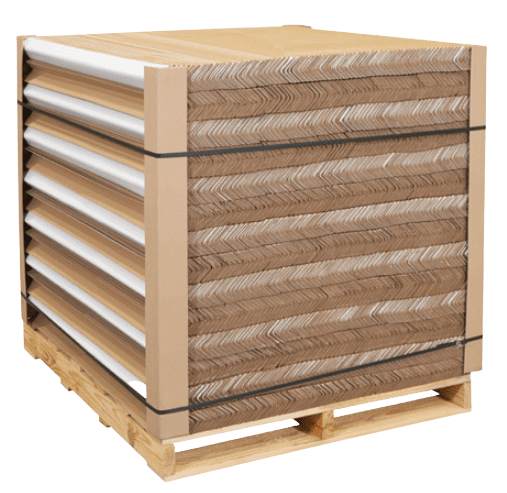
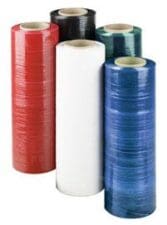
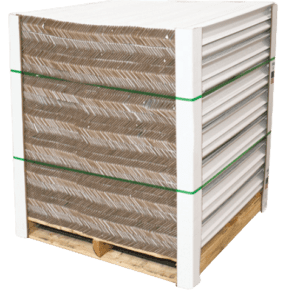
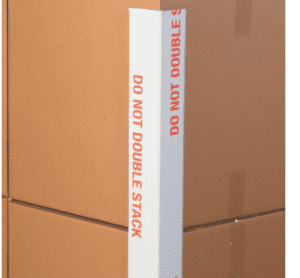
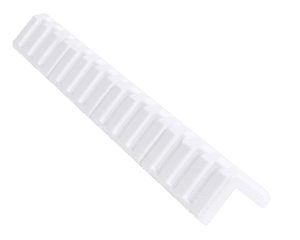
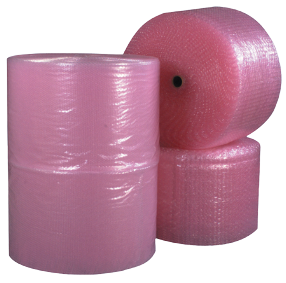
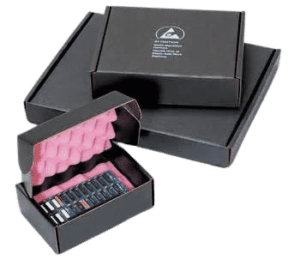
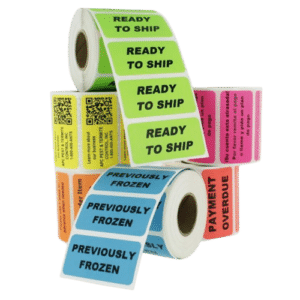
Our stock packaging products, from corrugated boxes to stretch film, offer a wide selection, including essentials like tape, edge protectors, labels, and more, with quick turnaround times to meet your packaging needs efficiently.

Edit Content
Edit Content
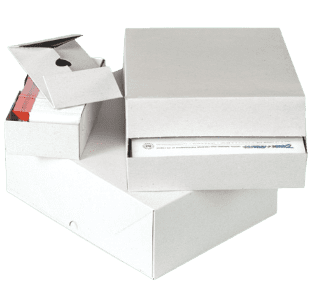
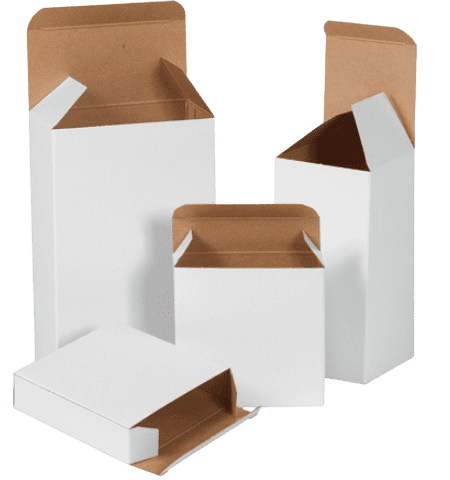
Folding Cartons
Pads
Apparel Boxes
Jewelry Boxes
Setup Cartons
Stationary Cartons
Edit Content
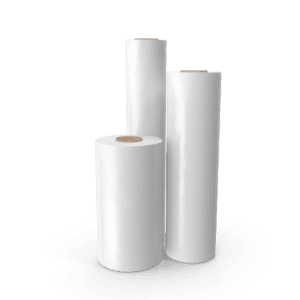
Cast Film
Blown Film
Conventional Film
Engineered Film
Pre-Stretched Film
Hand Film
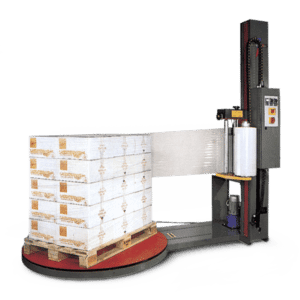
Machine Film
Edit Content
Light Duty
Medium Duty
Heavy Duty
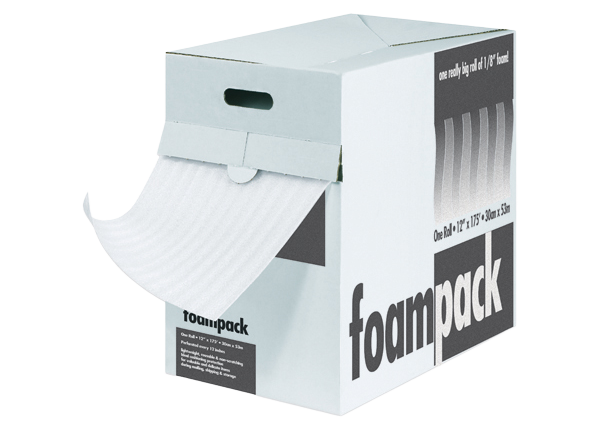
Foam
Strapping
Frame Protectors
Edit Content
Edit Content
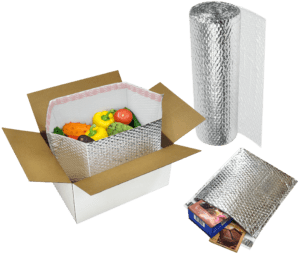
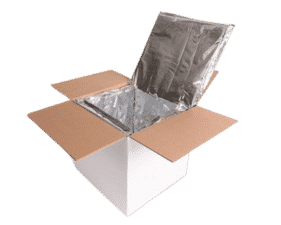
Box Liner
Metalized Pouch
Foam Cooler
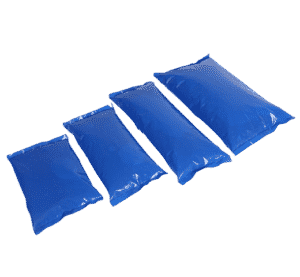
Ice Pack
Gel Pack
Edit Content
Edit Content
Edit Content
Folding Cartons
Pads
Apparel Boxes
Jewelry Boxes
Setup Cartons
Stationary Cartons
Edit Content
Cast Film
Blown Film
Conventional Film
Engineered Film
Pre-Stretched Film
Hand Film
Machine Film
Edit Content
Click on the Edit Content button to edit/add the content.
Edit Content
Edit Content
Box Liner
Metalized Pouch
Foam Cooler
Ice Pack
Gel Pack
Edit Content

If you need any assistance with your packaging or have a question, then contact us directly at request@brownpackaging.com  or  (714)300-0650. Learn more about custom packaging by reading our blog posts on new and trending topics.

Reducing Packaging Tariff Exposure with U.S. Suppliers
Packaging
brownpackaging
Reducing Packaging Tariff Exposure with U.S. Suppliers

Many U.S. businesses currently sourcing packaging from China are facing a harsh reality: tariffs and trade volatility can quickly erode margins and disrupt supply chains. By shifting toward U.S.-based packaging suppliers, you can reduce exposure to trade risk, stabilize costs, and gain faster lead times. The Tariff Reality for Packaging Importers Chinese imports of packaging materials, like corrugated boxes and folding cartons, are often subject to Section 301 tariffs and additional duties. The U.S. government has moved to end the de minimis exemption for low-value Chinese parcels, meaning even small packaging imports can now attract duties. Tariffs can be stacked — base duties plus special surcharges — pushing total duty rates in some cases. These shifting policies mean that what looks cheap today may suddenly double in cost tomorrow. Risks Facing Packaging Buyers Using China Suppliers Margin erosion — sudden tariff spikes eat into profits. Unpredictable costs — makes quoting and budgeting harder. Supply disruption — export bans, customs delays, or regulatory changes. Quality and compliance issues — harder to enforce U.S. standards on distant suppliers. Inventory risk — overstocking to hedge risk increases holding costs. Why U.S. Suppliers Are Attractive Right Now Tariff immunity — sourcing domestically removes exposure to Chinese import duties. Shorter lead times — faster production and shipping. Better oversight — easier quality control, regulatory compliance, and audits. Supply chain resilience — less dependence on global political events. Total landed cost transparency — fewer hidden risk factors. How Buyers Should Transition Map current China-sourced SKUs — know your exposure by product. Run landed cost comparisons — include materials, freight, tariffs, and inventory costs. Pilot with U.S. suppliers — start small to test quality, logistics, and price. Negotiate transition contracts — volume guarantees or phased ramps to smooth pricing. Communicate with stakeholders — show finance, operations, and sales how stability is improved. Maintain supply diversity — don’t drop all China sourcing immediately — keep backup paths. Key Design & Sourcing Guidelines Favor modular box sizes that U.S. suppliers can replicate easily. Avoid overly custom features that Asian factories might have specialized tooling for. Ensure all designs adhere to U.S. ISTA / ASTM testing standards. Specify U.S.-friendly materials (domestic linerboard, recycled content) to reduce import dependencies. Why It Matters for Buyers Tariff exposure isn’t a temporary issue — it’s a long-term challenge that directly impacts margins and predictability. Businesses that act early to localize packaging supply chains will be better positioned to manage cost, quality, and delivery reliability. Brown Packaging partners with U.S. manufacturers and distributors to provide stable, tariff-free packaging solutions. From corrugated boxes to custom-printed cartons, our domestic network helps buyers eliminate trade-related risk and maintain consistent supply.Contact us to explore cost-stable alternatives to imported packaging. References SpeccP. “Tariffs’ effect on packaging.” Spectrum Custom Packaging EcoEnclose. “Tariffs, Trade Wars, and Your Packaging.” EcoEnclose Packaging Dive. “5 questions about tariff impacts on packaging.” Packaging Dive Avalara. “How to handle US-China tariffs and the end of de minimis.” Avalara Creative Retail Packaging. “Trump Tariffs: Tracking the Impacts on the Packaging Industry.” creativeretailpackaging.com (714)300-0650 request@brownpackaging.com Most Recent Posts: Categories: Corrugated Ecommerce ESD Design Display Flexible Packaging Foam Folding Carton Packaging Plastic Packaging Pouch Printing Protection Retail Rigid Box Thermoform Sustainability Subscribe To Our Newsletter By submitting your information, you agree to our terms and conditions and privacy policy. Custom Packaging Facebook Twitter LinkedIn Pinterest Relevant Posts

Read More »
Reducing Tariff Exposure with Domestic Packaging Alternatives
Packaging
brownpackaging
Reducing Packaging Tariff Exposure with U.S. Suppliers

Rising tariffs and trade restrictions on Chinese manufacturing are accelerating the need for U.S. companies to reevaluate their packaging supply chains. Many packaging buyers who once relied on Chinese corrugated, folding carton, or retail display production are now confronting considerable tariff hikes, longer lead times, and higher freight costs. The result: sourcing decisions must shift from lowest unit price to lowest total landed cost and risk exposure. Why Tariff Exposure Is Now a Core Supply Chain Risk Tariffs aren’t a temporary inconvenience—they’ve become a recurring part of U.S.–China trade dynamics. Most categories affected by tariffs including paperboard, corrugated substrates, and even adhesives or coatings used in printed packaging. That means importers can no longer assume tariff exemptions. For packaging buyers, this instability affects: Forecasting accuracy — Tariff shifts alter quarterly pricing models and margin targets. Supplier consistency — Factories facing reduced export demand may limit runs or close entirely. Compliance risk — Country-of-origin labeling and component sourcing rules are tightening under new trade regulations. Why Nearshoring Has Become a Competitive Advantage Nearshoring—moving production to nearby regions such as Mexico, Central America, or Canada—offers a faster, more predictable alternative to Asian imports. Proximity reduces freight volatility and enables real-time collaboration on packaging design and assembly. Key nearshoring benefits for packaging include: Lower transit and warehousing costs – Drastically reduced container dependency and demurrage risk. Shorter lead times – Transit from Mexico or Canada averages 1–2 weeks vs. 6–8 weeks from China. Improved communication – Aligned time zones and fewer language barriers improve production accuracy. Lower minimum order quantities (MOQs) – Regional converters are often more flexible than high-volume Chinese facilities. Domestic Manufacturing: The Most Stable Option While nearshoring provides cost relief and flexibility, fully domestic packaging manufacturing remains the most secure option for long-term stability. U.S. suppliers are investing heavily in automation, digital die cutting, and short-run litho-laminated systems to close cost gaps with overseas competitors. Domestic packaging advantages include: Tariff elimination – 100% of production within U.S. borders avoids all import-related fees. Faster prototyping and revisions – Local access enables same-day design and sampling. Compliance confidence – Made-in-USA labeling supports sustainability and procurement standards. Integration with fulfillment – Many U.S. converters offer kitting, co-packing, and drop shipping within the same facility. Cost Optimization Beyond Labor Rates A common misconception is that nearshoring or U.S.-based sourcing automatically increases costs. However, freight, duties, insurance, and inventory carrying costs often offset labor savings from China. When total landed cost is evaluated correctly, domestic or nearshore solutions frequently provide parity or better value. Example cost drivers impacting total landed cost: Freight (ocean + inland) Tariffs Quality control inspections and compliance audits add hidden overhead. Long lead times create excess inventory storage and obsolescence risk. Material and Substrate Considerations Certain packaging types benefit more from nearshoring or domestic conversion: Corrugated Boxes – High volume, high cube, and regional freight sensitivity favor U.S. production. Folding Cartons – Nearshore or domestic options with automated gluing and UV print systems compete effectively at scale. POP Displays and Pallet Programs – Domestic production ensures compliance with retailer testing and ECT standards while minimizing damage risk during shipping. Flexible Packaging Films – Mexico and Central America are emerging hubs with competitive extrusion and printing capabilities. Supplier Consolidation and Compliance Efficiency Consolidating packaging SKUs under one domestic distributor or converter can simplify compliance tracking and tariff exposure management. Buyers who previously coordinated multiple overseas vendors for boxes, inserts, and displays are moving toward integrated regional sourcing. Modern packaging distributors now offer: Multi-material expertise (corrugated, carton, label, film) FSC®, SFI®, and ISO-certified manufacturing In-house engineering and prototyping Regional warehousing and JIT programs Domestic fulfillment and co-packing support Evaluating Next Steps for Sourcing Strategy Companies currently importing from China should perform a total landed cost analysis comparing three options: Maintain Chinese sourcing under new tariffs. Shift to nearshoring in Mexico or Canada. Transition to full domestic manufacturing through a U.S. distributor or converter. The analysis should include freight rates, duties, minimum orders, production reliability, and compliance overhead. Many packaging buyers are discovering that their “cheaper” overseas program actually costs more once tariffs, logistics delays, and quality losses are quantified. References Reuters. Trump mulls ending some trade ties with China, including relation cooking oil. October 14, 2025. U.S. Trade Representative (USTR). Section 301 Tariff Actions and Product Lists. International Trade Administration (ITA). Country Commercial Guide: Mexico – Packaging and Labeling. Soroka, W. Fundamentals of Packaging Technology. 6th ed. Institute of Packaging Professionals. (714)300-0650 request@brownpackaging.com Most Recent Posts: Categories: Corrugated Ecommerce ESD Design Display Flexible Packaging Foam Folding Carton Packaging Plastic Packaging Pouch Printing Protection Retail Rigid Box Thermoform Sustainability Subscribe To Our Newsletter By submitting your information, you agree to our terms and conditions and privacy policy. Custom Packaging Facebook Twitter LinkedIn Pinterest Relevant Posts

Read More »
POP sidekick display
Display
brownpackaging
Balancing Shelf Presence and Shipping Efficiency in POP Displays

POP display design must serve two masters — maximizing visual impact in-store while minimizing logistics costs. Engineering the right balance between display footprint, assembly complexity, and shipping volume is critical to meeting retailer requirements and protecting margins. Knock-Down vs. Fully Assembled Designs Knock-Down (KDF) Displays: Pros: Reduced shipping volume, lower freight costs, easier warehousing. Cons: Requires assembly labor at store level, potential for setup errors. Fully Assembled Displays: Pros: Guaranteed presentation quality, faster deployment. Cons: Higher dimensional freight costs, risk of damage in transit. Freight Optimization Factors Cube Utilization: Designing displays to fit standard pallet footprints (40×48 inches) and trailer heights improves load efficiency. Dimensional Weight (DIM): Carriers charge based on the higher of actual or volumetric weight; bulky but light displays can be costly to ship. Palletization Patterns: Consistent stacking reduces shifting and improves load stability. Structural Engineering Considerations Flat-Pack Engineering: Modular components with interlocking tabs reduce the need for fasteners. Material Selection: Lighter substrates reduce freight weight but must still meet load-bearing requirements. Protective Packaging: Corner protectors and slip sheets prevent in-transit abrasion. Shelf Presence Strategies Without Bulk Tiered Merchandising: Maximizes SKU visibility without increasing footprint. Bold Header Cards: Achieves eye-level engagement without adding weight. Interchangeable Graphic Panels: Allows seasonal refresh without replacing the structural base. Testing and Compliance ISTA 3E: Simulates unitized load handling for large-format displays. Retailer Compliance Manuals: Many major retailers specify maximum dimensions, palletization methods, and setup time allowances. References International Safe Transit Association. (2018). ISTA 3E: Packaged-products for unitized loads. ISTA. https://ista.orgWalmart. (2024). Retail link supplier compliance guidelines. Walmart Inc. https://www.walmart.com/suppliersTarget. (2024). Target merchandising display guidelines. Target Brands, Inc. https://corporate.target.com (714)300-0650 request@brownpackaging.com Most Recent Posts: Categories: Corrugated Ecommerce ESD Design Display Flexible Packaging Foam Folding Carton Packaging Plastic Packaging Pouch Printing Protection Retail Rigid Box Thermoform Sustainability Subscribe To Our Newsletter By submitting your information, you agree to our terms and conditions and privacy policy. Custom POP Display Facebook Twitter LinkedIn Pinterest Relevant Posts

Read More »