



Stock Packaging
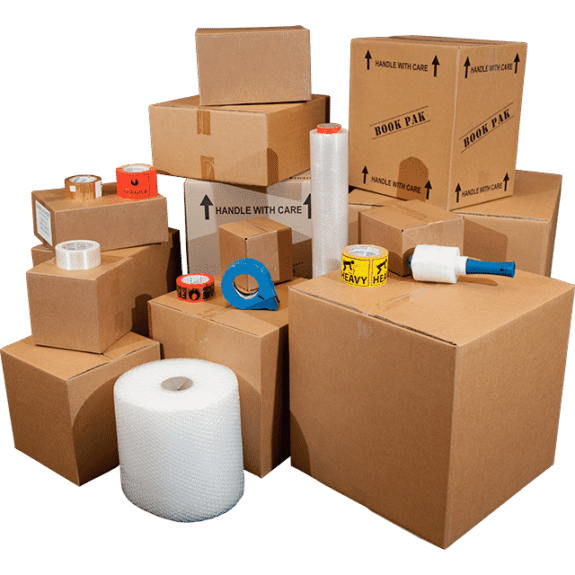
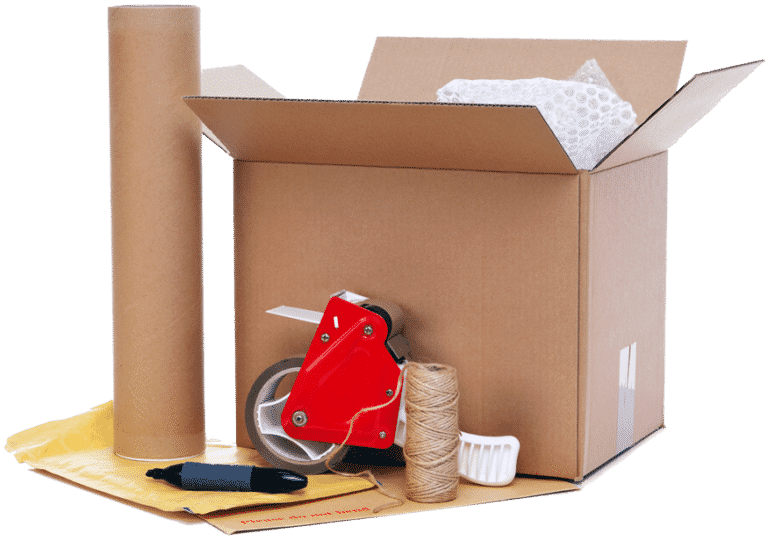
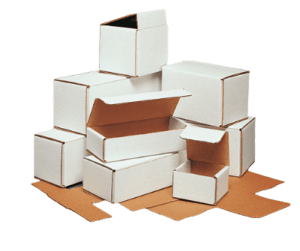
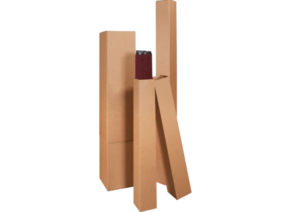
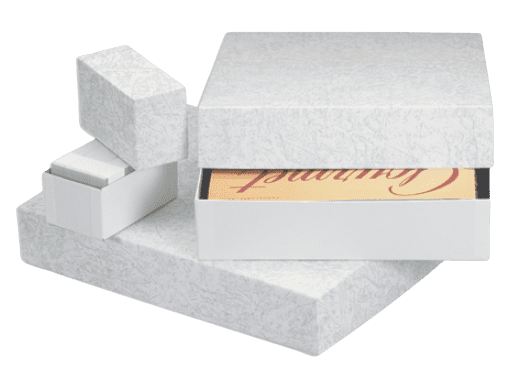
We supply businesses with a wide selection of essential packaging, shipping, and warehouse supplies. Get any standard packaging product by dimension or style from boxes, tubes, tapes, labels, and more. If you are unsure on what type of packaging you will need, then contact us for an expert consultation.


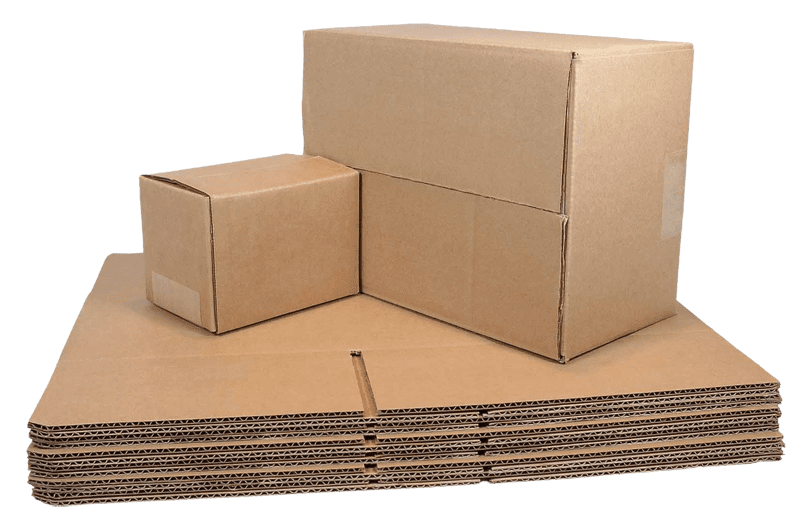
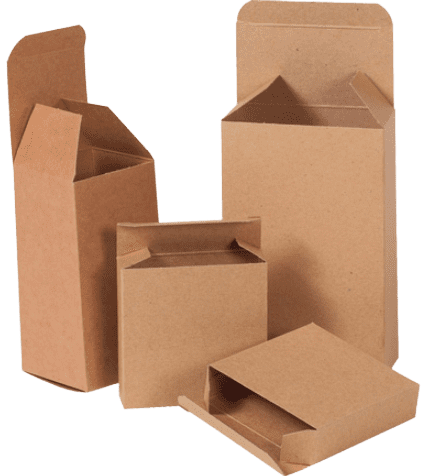
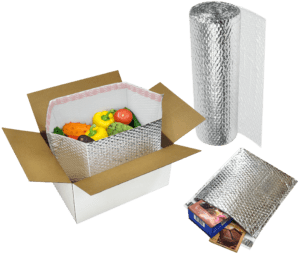
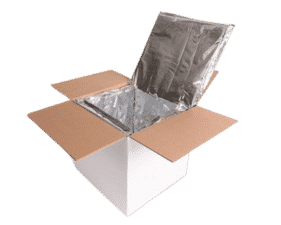
Stock packaging refers to pre-made, ready-to-ship packaging solutions like corrugated boxes, mailers, and protective materials that are designed to meet a wide range of standard needs across shipping, retail, and storage. Unlike custom packaging, stock options offer quick availability and reliable protection without the need for extensive design or production time, making them ideal for businesses needing efficient, high-quality solutions with fast lead times.
At Brown Packaging, we focus on providing durable, performance-driven stock packaging that supports our clients’ operational needs. Our stock products are sourced to ensure consistent quality and cost-effectiveness, offering a practical solution to keep operations running smoothly and on schedule. With an emphasis on reliability, we help our clients quickly access packaging solutions that meet their specific needs while maintaining quality across every order.
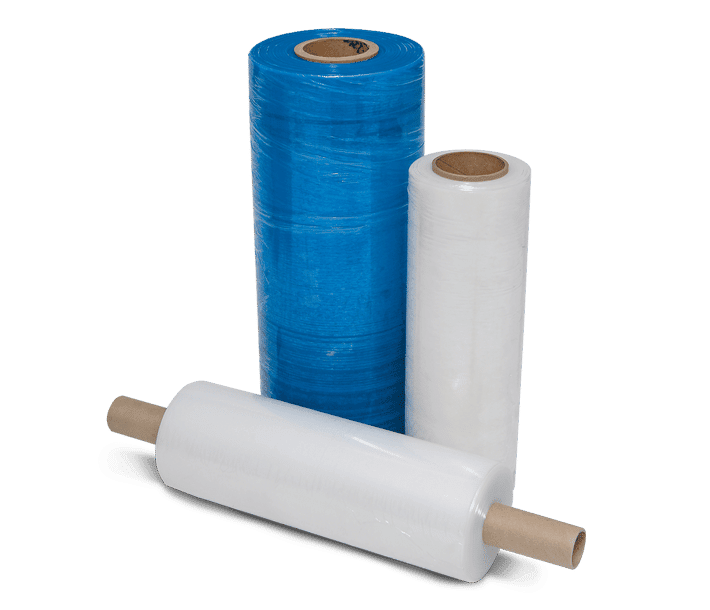
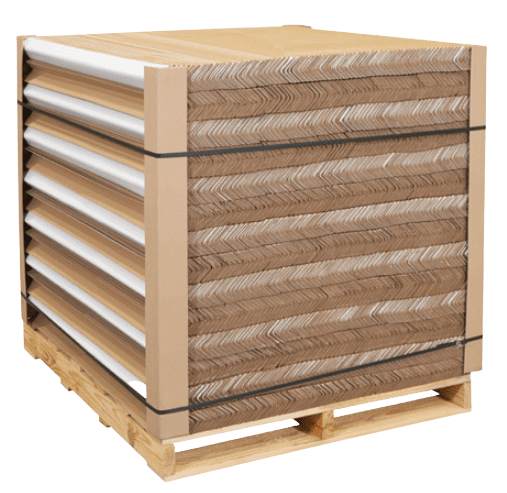
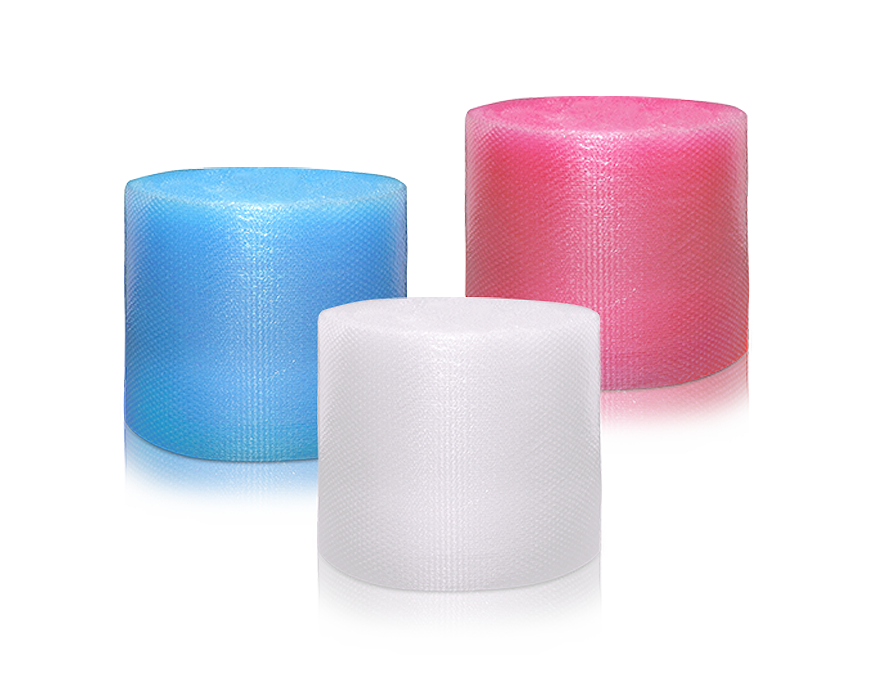
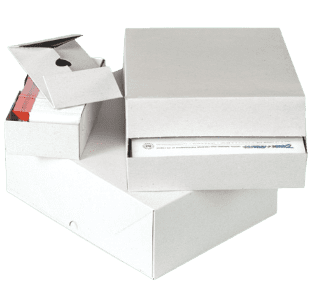
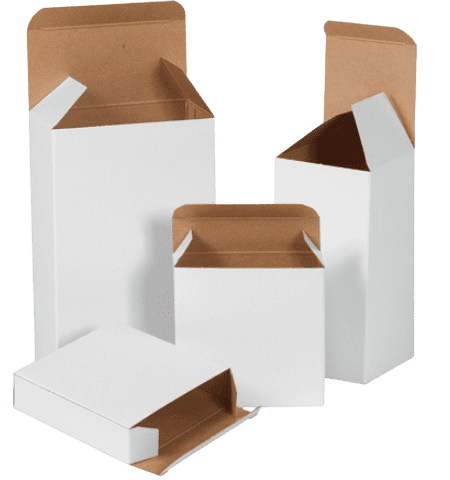
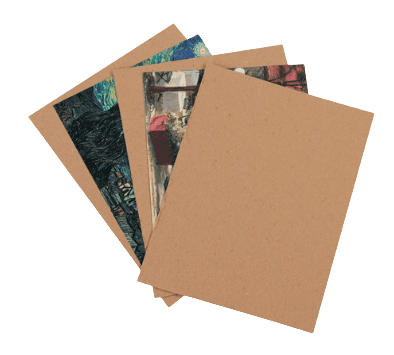
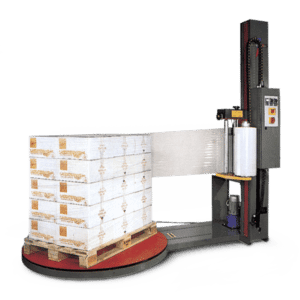
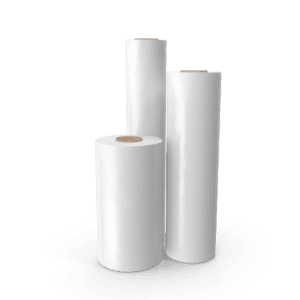
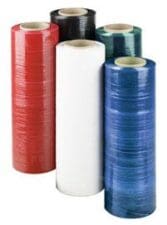
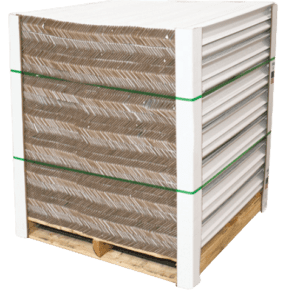
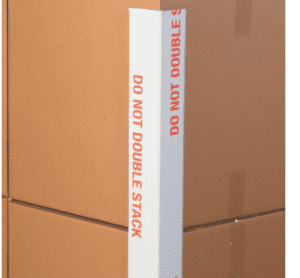
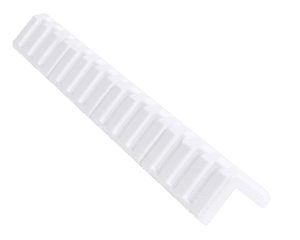
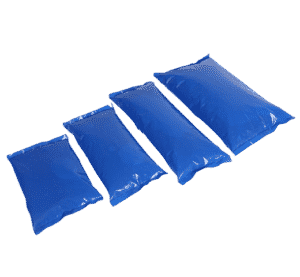
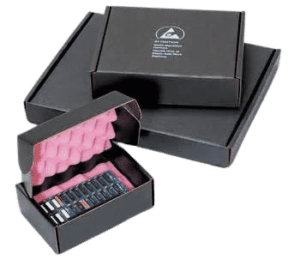
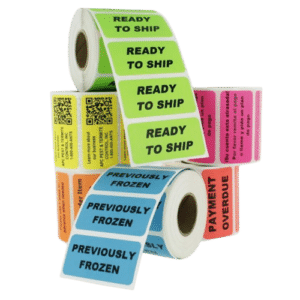
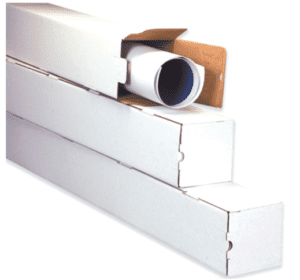
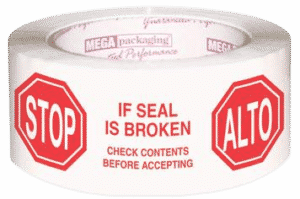
Our stock packaging products, from corrugated boxes to stretch film, offer a wide selection, including essentials like tape, edge protectors, labels, and more, with quick turnaround times to meet your packaging needs efficiently.


If you need any assistance with your packaging or have a question, then contact us directly at request@brownpackaging.com or (714)300-0650. Learn more about custom packaging by reading our blog posts on new and trending topics.

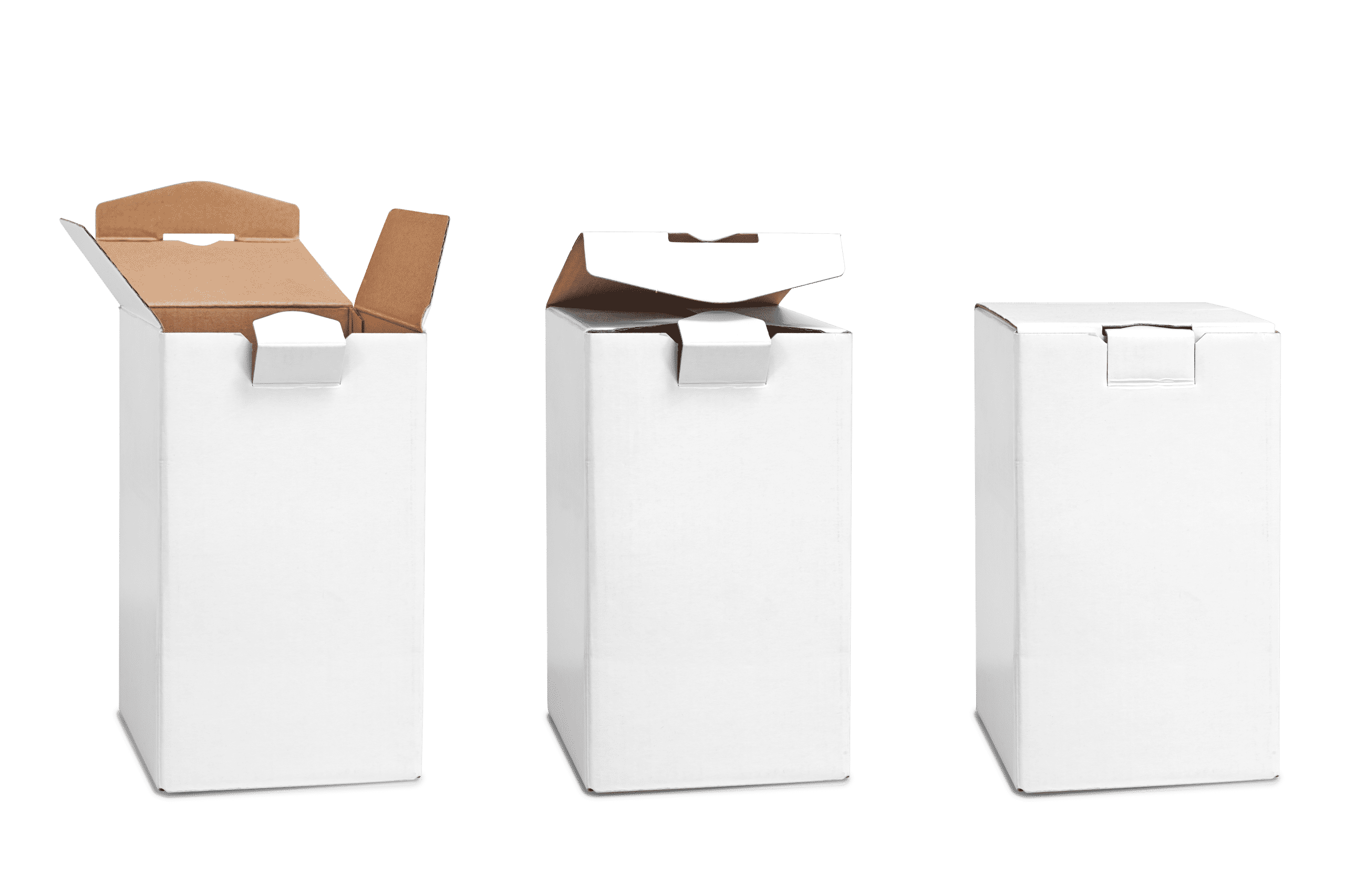
When it comes to choosing the right packaging for your products, you’re often faced with various options. One critical decision in the world of packaging is whether to go with double-wall or single-wall boxes. Each has its own set of advantages and considerations. In this detailed blog, we will explore both options, helping you make an informed choice that suits your specific packaging needs. Single-Wall Boxes: The Basics Single-wall boxes are constructed from a single layer of corrugated cardboard. This makes them lightweight and cost-effective. They are an excellent choice for a wide range of products, especially those that don’t require heavy-duty protection during transportation and storage. Advantages of Single-Wall Boxes Cost-Effective: Single-wall boxes are budget-friendly and suitable for businesses looking to reduce packaging costs without compromising quality. Lightweight: Their lightweight nature reduces shipping costs and makes handling easier. Versatile: Single-wall boxes can be used for a variety of products, such as clothing, cosmetics, and lightweight electronics. Easy to Assemble: They are straightforward to assemble, saving time in the packaging process. Considerations for Single-Wall Boxes Limited Protection: They offer limited protection for fragile or heavy items, making them less suitable for products that require enhanced safety during transit. Stacking Strength: Single-wall boxes may not withstand heavy stacking loads as well as double-wall boxes. Double or Wall Boxes: The Essentials Double-wall boxes are constructed from two layers of corrugated cardboard, offering increased strength and durability. They are designed to provide superior protection for heavier or fragile products. Advantages of Double-Wall Boxes Enhanced Durability: Double-wall boxes offer superior protection, making them ideal for products that require additional safeguarding during shipping. Heavy-Duty: They can withstand heavy stacking loads, reducing the risk of damage to the contents. Versatility: Double-wall boxes are suitable for a wide range of products, from electronics and appliances to glassware and ceramics. Considerations for Double-Wall RETT Boxes Cost: Double-wall boxes are generally more expensive than single-wall options due to the additional material and strength. Weight: They are heavier, which can increase shipping costs and make handling more challenging. Choosing the Right Option The choice between single-wall and double-wall boxes ultimately depends on your specific product and shipping requirements. Here are some factors to consider: Product Weight: If your products are heavy or fragile, double-wall boxes provide the necessary protection. For lighter and less delicate items, single-wall boxes may suffice. Shipping Distance: For long-distance shipping or international transport, double-wall boxes can offer added security against rough handling and stacking. Budget: Consider your budget constraints. Single-wall boxes are more cost-effective, which can be an advantage for businesses looking to reduce packaging expenses. Environmental Impact: Think about your commitment to sustainability. Single-wall boxes, being lighter, may have a lower carbon footprint in terms of shipping, while double-wall boxes are sturdier and reusable. Conclusion Choosing between single-wall and double-wall boxes depends on your specific packaging needs, product characteristics, and budget considerations. Single-wall boxes are cost-effective and versatile, suitable for lightweight products. Double-wall boxes offer enhanced protection and durability, making them ideal for heavy or fragile items. Assess your unique requirements and make an informed choice to ensure your products are well-protected during transit and storage while staying within your budget constraints. If you are interested in roll end tuck end boxes, then partner with Brown Packaging today to get started. (714)300-0650 request@brownpackaging.com Most Recent Posts: Categories: Corrugated Ecommerce ESD Design Display Flexible Packaging Foam Folding Carton Packaging Plastic Packaging Pouch Printing Protection Retail Rigid Box Thermoform Sustainability Subscribe To Our Newsletter By submitting your information, you agree to our terms and conditions and privacy policy. Roll End Tuck Top (RETT) Boxes Facebook Twitter LinkedIn Pinterest Relevant Posts

Polyvinyl chloride, commonly known as PVC, is a widely used plastic in the packaging industry, celebrated for its versatility and durability. PVC’s unique properties make it an ideal choice for various packaging applications, utilizing its capability to be molded into rigid or flexible forms. In this blog, we’ll delve into the integral role of PVC in thermoforming, a process that transforms this adaptable material into innovative packaging solutions. What is PVC? PVC is a synthetic plastic polymer, commercially available in two basic forms: rigid and flexible. The rigid form of PVC is often used in construction for pipes and in windows and doors, while the flexible form is enhanced with plasticizers like phthalates, making it suitable for a wide range of packaging applications. Its intrinsic properties, such as resistance to environmental degradation, chemical stability, and durability, make it a staple in the packaging sector. The Thermoforming Process of PVC Thermoforming is a manufacturing process where a plastic sheet is heated to a pliable forming temperature, formed to a specific shape in a mold, and trimmed to create a usable product. PVC is particularly well-suited for this process due to its thermal stability and excellent moldability. Here’s how PVC is used in thermoforming for packaging: Vacuum Forming Overview: This is the simplest form of thermoforming. Here, a sheet of plastic is heated and then stretched onto a single-surface mold. A vacuum is applied sucking the plastic sheet into the mold to form the desired shape. Applications: Vacuum forming is often used for packaging products that do not require intricate details or extreme precision, such as blister packaging and clamshell packaging which are prevalent in retail to securely package electronics, toys, and many consumer goods. Pressure Forming Overview: This method involves applying pressure on the heated plastic sheet against the mold, in addition to the vacuum. This process allows for greater detail and texture in the molding. Applications: Pressure forming is used for packaging solutions that require finer details and textures. This method is suitable for high-quality blister packs and trays that need a more aesthetically pleasing appearance or functional components like snap-fits. Twin-Sheet Forming Overview: Twin-sheet forming involves heating two plastic sheets simultaneously and then molding them to fuse together, creating a hollow structure. Applications: This technique is perfect for creating more robust and durable packaging solutions, like double-walled trays and cases that offer enhanced protection for transportation and storage. Benefits of Using PVC for Packaging Thermoforming Durability: PVC offers excellent resistance to impact, which is crucial for protecting products during shipping and handling. Chemical Resistance: It is resistant to oils, greases, and other chemicals, making it ideal for packaging a wide variety of substances. Moisture Resistance: PVC’s non-porous nature ensures that the packaged goods are protected against moisture, enhancing the product’s shelf life. Cost-Effectiveness: PVC is a cost-effective material choice for bulk manufacturing of packaging materials due to its low raw material cost and efficient processing capabilities. Applications of PVC in Packaging PVC’s adaptability makes it suitable for a broad range of packaging needs: Medical Packaging: For sterile medical tools and devices, where cleanliness and visibility are paramount. Food Packaging: For food items where rigidity and resistance to grease are needed. Retail Packaging: Durable and clear packaging options like blister packs and clamshells that protect and display the product attractively. For further details on how PVC can be integrated into your packaging strategy, or to explore the customization options available for your products, visit our frequently asked questions about polyvinyl chloride or contact our team at Brown Packaging, Inc. (714)300-0650 request@brownpackaging.com Most Recent Posts: Subscribe To Our Newsletter By submitting your information, you agree to our terms and conditions and privacy policy. Thermoform Packaging Facebook Twitter LinkedIn Pinterest Relevant Posts

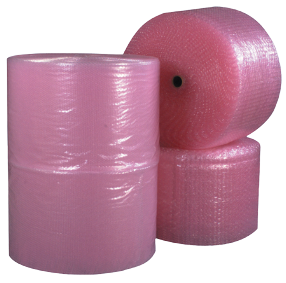
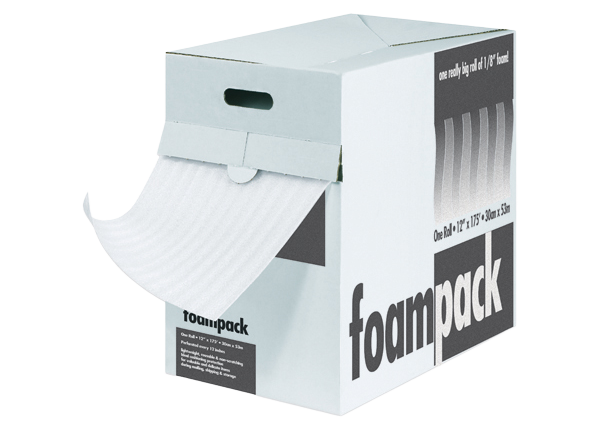
When it comes to packaging fragile products, the choice of packaging materials and techniques plays a critical role in ensuring your delicate items reach their destination unscathed. Roll End Tuck Top (RETT) boxes offer a versatile solution for safeguarding fragile treasures during transit. In this buyer’s guide, we will delve into the essential steps and strategies for effectively packaging fragile products using RETT boxes, helping you make an informed choice to protect your delicate items. Selecting the Right RETT Box for Fragile Items The first step in packaging fragile products is choosing the appropriate RETT box. As a buyer, consider the following factors: Size: Ensure the box is the right size for your fragile items, allowing for a snug fit without excess space that could lead to movement during transit. Stronger Material: Opt for double-wall RETT boxes to ensure added strength and protection, especially when dealing with particularly fragile items. Internal Packaging: Depending on the fragility of your items, you may need additional internal packaging materials such as bubble wrap, foam inserts, or custom dividers. Wrapping and Cushioning Your Fragile Items Bubble Wrap: As a buyer, it’s essential to procure multiple layers of bubble wrap to wrap your fragile items. Ensure that all surfaces are covered, and pay special attention to any delicate protrusions or corners. Foam Padding: For extra protection, consider purchasing foam padding to wrap around your items. You can choose between cutting foam sheets to size or acquiring pre-cut foam inserts for a snug and cushioned environment. Secure with Tape: Be sure to secure the bubble wrap and foam padding in place using packaging tape. Verify that there are no loose edges or corners that could get caught during transit. Positioning Your Fragile Items in the RETT Box Center Placement: As a buyer, take care to place the wrapped and cushioned fragile items in the center of the RETT box. Ensure that there is a buffer of space between the products and the box walls. Layer of Void Fill: Add a layer of void fill material, such as packing peanuts or air pillows, around the items to further absorb shocks and vibrations during transportation. Sealing and Securing the RETT Box Tuck Top Closure: As a buyer, you should utilize the tuck top closure and cherry locks feature of the RETT box, folding the tuck flaps neatly. This secure closure prevents accidental openings during handling and transport. Sealing Tape: Seal the top of the box using high-quality packaging tape. Make certain that all seams are well-secured and consider using tape to reinforce the corners for added stability. Labeling and Fragile Warning for Buyers Labeling: It is crucial to label the box clearly as “Fragile” on all sides, using bold and easily visible lettering. This notifies handlers to exercise caution when dealing with your fragile items. Orientation Arrows: Buyers may also consider adding orientation arrows to indicate the proper upright position of the box, further reducing the risk of mishandling. Properly Packing Multiple Fragile Items for Buyers When purchasing RETT boxes to package multiple fragile items, buyers should consider these additional tips: Separate and Wrap: Ensure that each fragile item is individually wrapped, cushioned, and separated from the others to prevent contact and potential damage. Layering: Utilize dividers or layers of void fill between the items to create a protective barrier. Staggered Placement: Stagger the placement of items within the box to distribute weight evenly and reduce the risk of breakage. Conclusion for Buyers As a buyer, choosing the right RETT boxes and following these packaging steps and strategies can significantly reduce the risk of damage to your fragile products during transit. By taking these precautions and selecting the appropriate packaging materials, you can have confidence that your delicate items will reach their destination in pristine condition, ensuring customer satisfaction and brand reputation. If you are interested in packaging fragile products with roll end tuck end boxes, then partner with Brown Packaging today to get started. (714)300-0650 request@brownpackaging.com Most Recent Posts: Categories: Corrugated Ecommerce ESD Design Display Flexible Packaging Foam Folding Carton Packaging Plastic Packaging Pouch Printing Protection Retail Rigid Box Thermoform Sustainability Subscribe To Our Newsletter By submitting your information, you agree to our terms and conditions and privacy policy. Roll End Tuck Top Boxes Facebook Twitter LinkedIn Pinterest Relevant Posts