





Stock Packaging
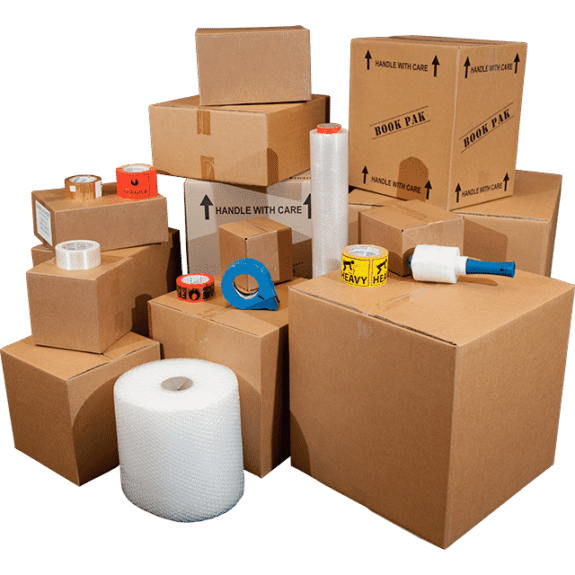
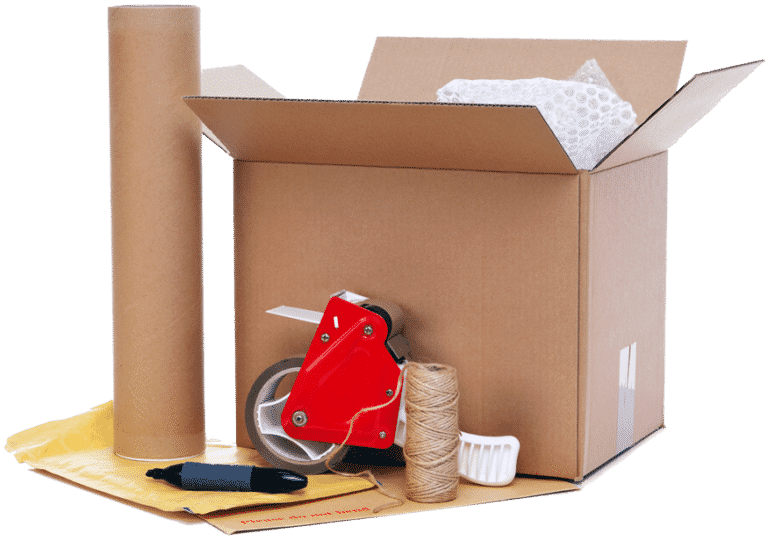
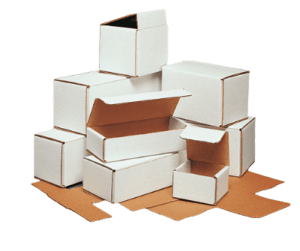
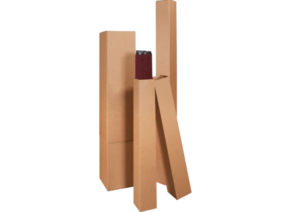
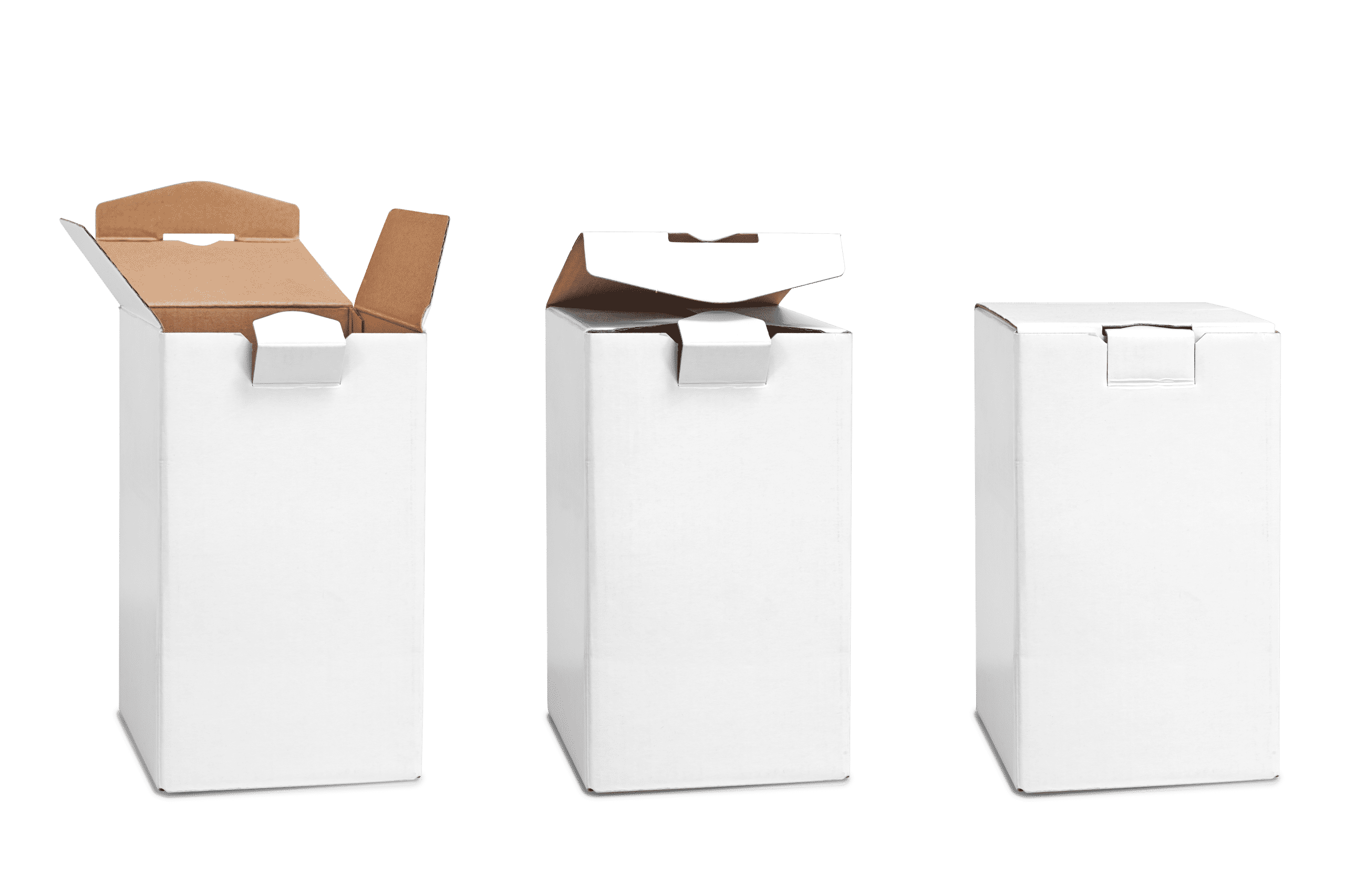
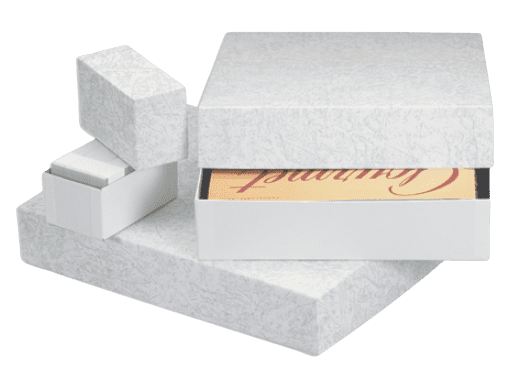
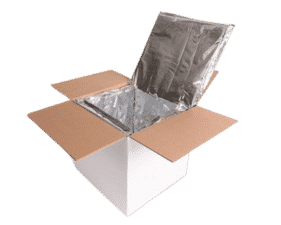
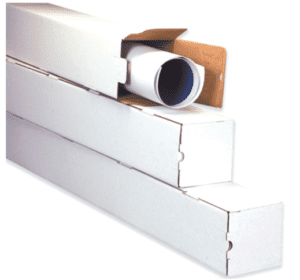
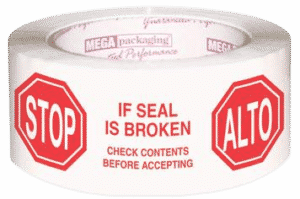
We supply businesses with a wide selection of essential packaging, shipping, and warehouse supplies. Get any standard packaging product by dimension or style from boxes, tubes, tapes, labels, and more. If you are unsure on what type of packaging you will need, then contact us for an expert consultation.


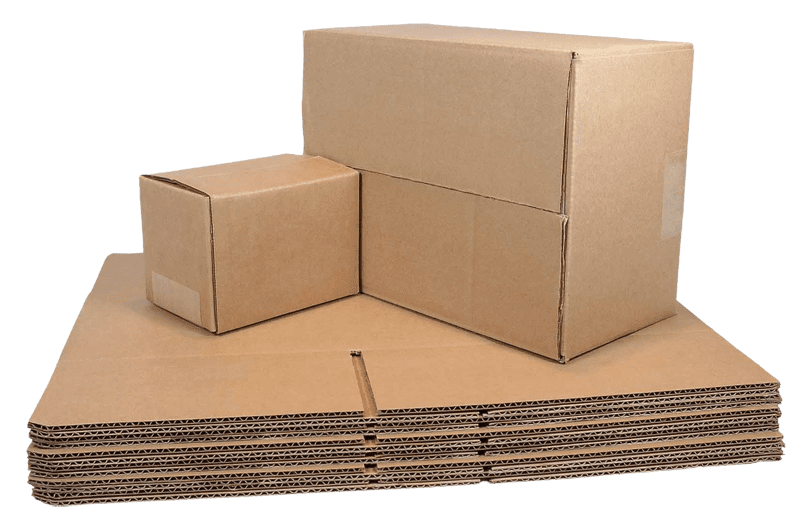
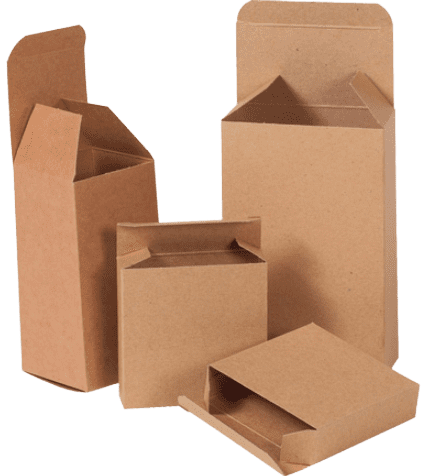
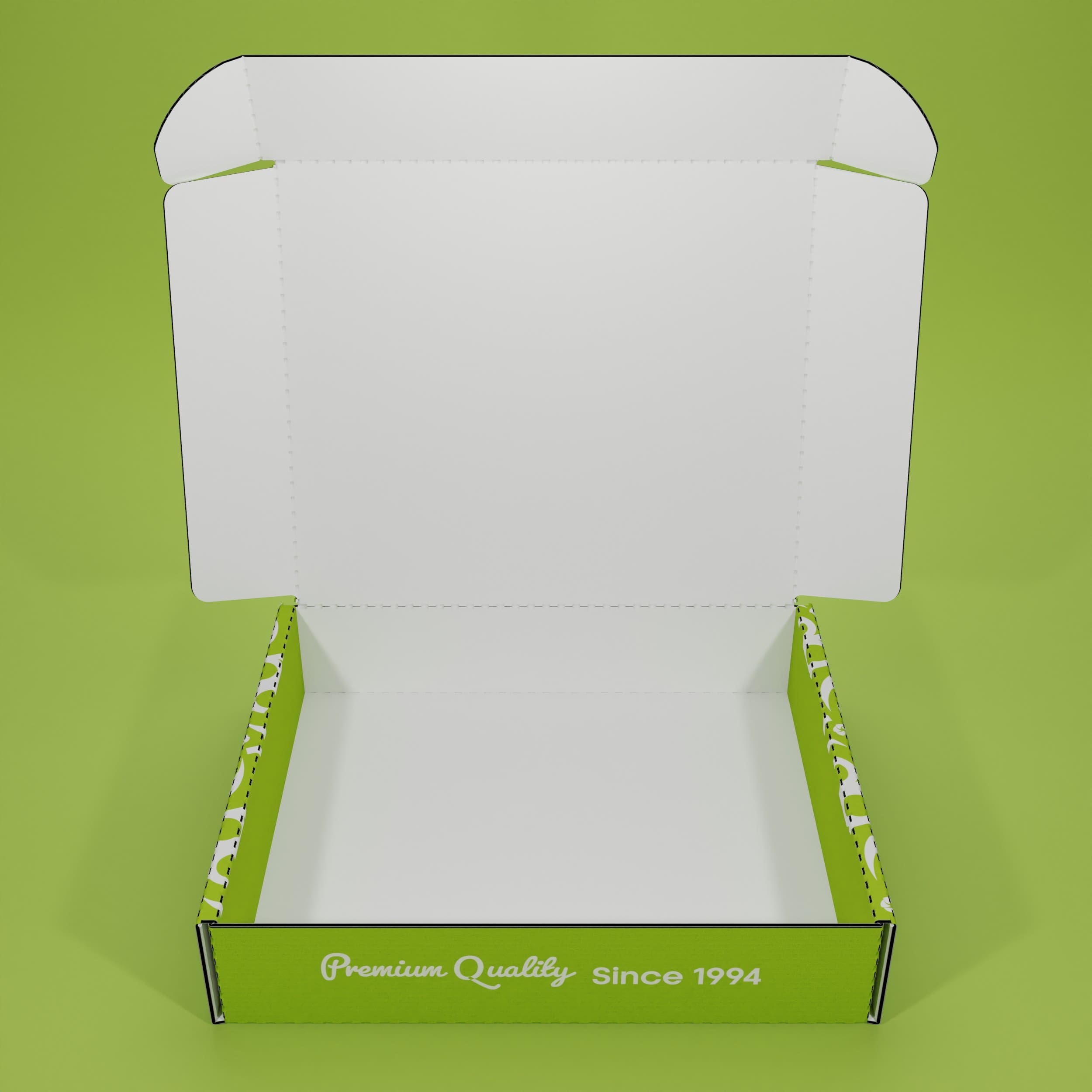
Stock packaging refers to pre-made, ready-to-ship packaging solutions like corrugated boxes, mailers, and protective materials that are designed to meet a wide range of standard needs across shipping, retail, and storage. Unlike custom packaging, stock options offer quick availability and reliable protection without the need for extensive design or production time, making them ideal for businesses needing efficient, high-quality solutions with fast lead times.
At Brown Packaging, we focus on providing durable, performance-driven stock packaging that supports our clients’ operational needs. Our stock products are sourced to ensure consistent quality and cost-effectiveness, offering a practical solution to keep operations running smoothly and on schedule. With an emphasis on reliability, we help our clients quickly access packaging solutions that meet their specific needs while maintaining quality across every order.
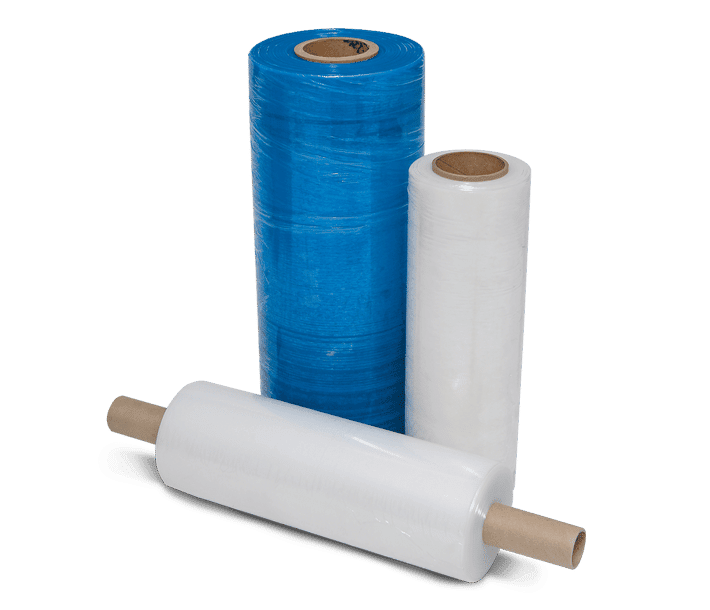
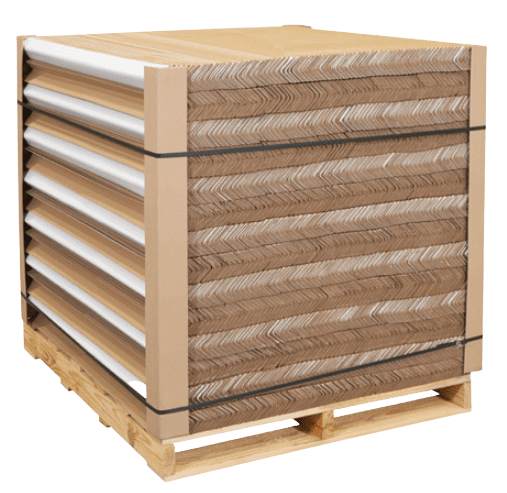
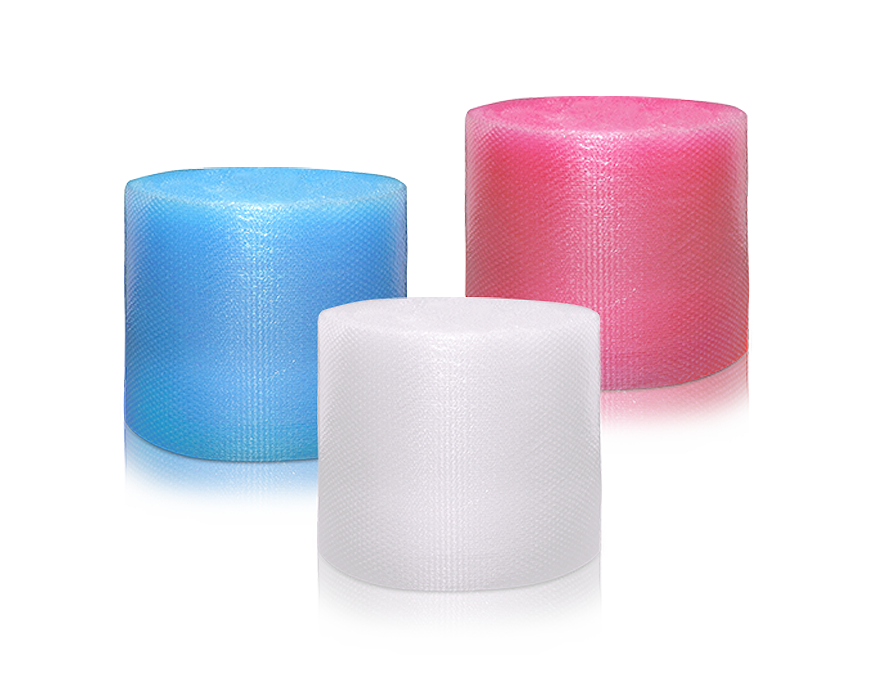
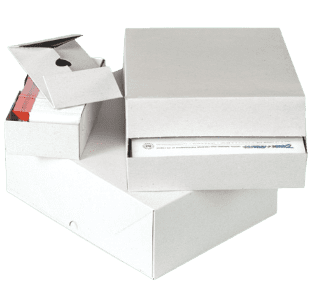
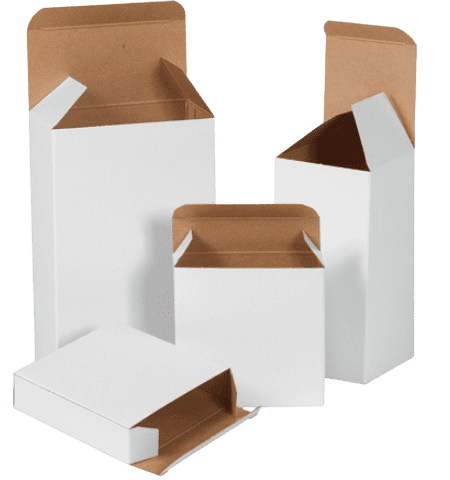
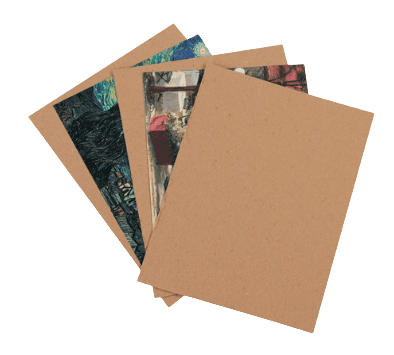
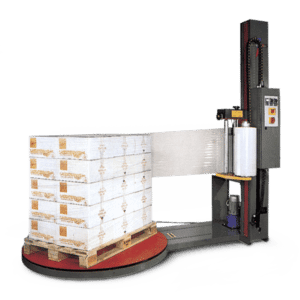
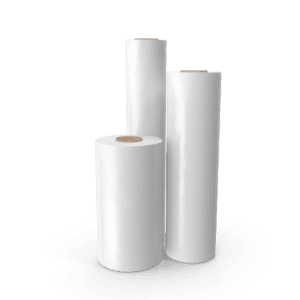
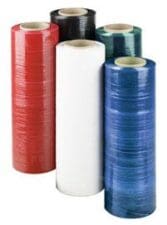
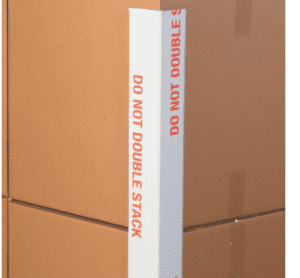
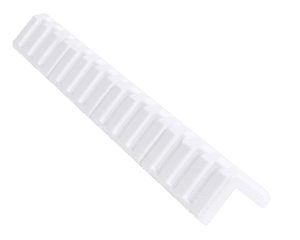
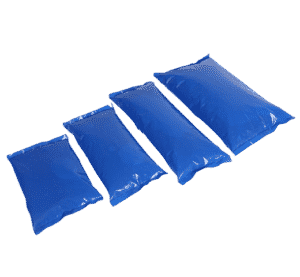
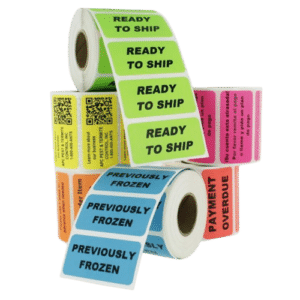
Our stock packaging products, from corrugated boxes to stretch film, offer a wide selection, including essentials like tape, edge protectors, labels, and more, with quick turnaround times to meet your packaging needs efficiently.


If you need any assistance with your packaging or have a question, then contact us directly at request@brownpackaging.com or (714)300-0650. Learn more about custom packaging by reading our blog posts on new and trending topics.

When it comes to protecting fragile or valuable items during shipping or storage, the choice of packaging material can make all the difference. Polyurethane foam is a versatile and highly effective material that has gained popularity in the world of packaging. In this comprehensive guide, we will explore what polyurethane foam is, its properties, benefits, and various applications in packaging. Introduction to Polyurethane Foam Polyurethane foam is a versatile polymer material that is widely used in various industries, including construction, automotive, and of course, packaging. It is created through the reaction of polyols and isocyanates, resulting in a foam with a wide range of properties, making it suitable for diverse applications. In packaging, polyurethane foam is valued for its ability to provide cushioning and protection to fragile and sensitive items, effectively preventing damage during transit. Properties of Polyurethane Foam Physical Properties Flexibility: Polyurethane foam is highly flexible, allowing it to conform to the shape of the object it is protecting, ensuring a snug and secure fit. Density: It is available in various densities, ranging from low-density foam for cushioning to high-density foam for structural support. Compression Strength: Polyurethane foam can withstand a wide range of compressive forces, making it ideal for items of varying weights and sizes. Thermal Insulation: It offers some degree of thermal insulation, which can be crucial for products sensitive to temperature changes. Chemical Properties Chemical Resistance: Polyurethane foam exhibits resistance to many chemicals, which can protect items from exposure to corrosive substances. Moisture Resistance: It is inherently resistant to moisture, helping to prevent damage due to water or humidity exposure. Benefits of Using Polyurethane Foam in Packaging Shock Absorption and Impact Resistance: One of the primary benefits of polyurethane foam is its exceptional shock absorption and impact resistance. It effectively absorbs and dissipates energy from impacts, reducing the risk of damage to packaged items. Customization and Versatility: Polyurethane foam can be easily cut and shaped to fit the specific dimensions of the item being packaged. This versatility allows for precise and tailored protection. Moisture Resistance: Its inherent resistance to moisture makes polyurethane foam an excellent choice for products that are sensitive to humidity or may encounter wet conditions during shipping. Lightweight and Space Efficiency: Polyurethane foam is lightweight, helping to minimize shipping costs. Its ability to compress and expand as needed also makes it space-efficient. Applications of Polyurethane Foam in Packaging Electronics Packaging: Polyurethane foam is commonly used to protect delicate electronics such as laptops, smartphones, and components during transit. Medical Device Packaging: Medical devices, which often have sensitive components, benefit from polyurethane foam’s protective properties. Automotive Parts Packaging: Automotive parts, from small components to large body panels, are safeguarded during shipping with polyurethane foam. Fragile Goods Packaging: Fragile items like glassware, ceramics, and artworks are frequently packed with polyurethane foam to prevent breakage. Choosing the Right Polyurethane Foam When selecting polyurethane foam for packaging, consider the following factors: Density: Choose the foam density based on the weight and fragility of the item. Heavier or delicate items may require higher-density foam for better protection. Hardness: The foam’s hardness or firmness should match the level of cushioning needed. Softer foams offer more cushioning, while firmer foams provide better support. Size and Shape: Customize the foam’s size and shape to ensure a snug fit around the item. Manufacturing and Customization Polyurethane foam can be tailored to meet specific packaging needs. Manufacturers can create custom foam inserts, shapes, and sizes to perfectly fit the item being packaged. If you are interested in polyurethane foam, then partner with Brown Packaging today to get started. (714)300-0650 request@brownpackaging.com Most Recent Posts: Categories: Corrugated Ecommerce ESD Design Display Flexible Packaging Foam Folding Carton Packaging Plastic Packaging Pouch Printing Protection Retail Rigid Box Thermoform Sustainability Subscribe To Our Newsletter By submitting your information, you agree to our terms and conditions and privacy policy. Custom Packaging Facebook Twitter LinkedIn Pinterest Relevant Posts

One of the fundamental decisions that buyers face when it comes to packaging is whether to prioritize quality or quantity. This choice can significantly impact your brand image, customer satisfaction, and overall packaging costs. In this detailed blog, we will explore the factors that influence the decision between quality and quantity in packaging, helping you make informed choices that align with your business goals. Quality Packaging: The Value of Excellence Quality packaging is all about creating a premium and memorable experience for your customers. Here’s why it matters: Brand Perception: High-quality packaging communicates that your brand cares about every detail. It reflects a commitment to excellence, which can elevate your brand image. Customer Experience: Quality packaging enhances the unboxing experience. It creates anticipation and excitement, leaving a lasting impression on customers. Protection: Premium materials and construction offer better protection for your products, reducing the risk of damage during transit. Sustainability: Quality packaging often incorporates eco-friendly materials and design, aligning with sustainability goals and customer preferences. Reusability: Durable packaging can be reused by customers, extending its lifespan and providing ongoing brand exposure. Quantity Packaging: Balancing Cost and Efficiency Quantity packaging prioritizes cost-effectiveness and efficiency. Here’s why it’s a practical choice: Cost Savings: Quantity packaging is usually more cost-effective due to lower material and production costs. It allows you to allocate resources to other aspects of your business. High-Volume Demands: Businesses with high shipping volumes may prioritize quantity packaging to meet demand efficiently. Standardization: Standard packaging sizes and designs simplify logistics and reduce lead times. Minimalism: Quantity packaging often adopts a minimalist approach, which can be appealing in industries where simplicity is valued. Sustainability: Streamlined packaging can reduce waste, supporting sustainability initiatives. Making the Decision To make an informed choice between quality and quantity packaging, consider the following factors: Product Type: The nature of your product plays a crucial role. Fragile or luxury items may benefit from quality packaging, while standard or non-fragile products may work well with quantity packaging. Target Audience: Understand your target audience’s preferences. High-end customers may expect premium packaging, while cost-conscious shoppers may prioritize quantity. Brand Identity: Consider your brand identity and values. If your brand is associated with luxury, quality packaging may be essential. For a budget-friendly or minimalist brand, quantity packaging may be more suitable. Budget Constraints: Assess your budget and packaging costs. Quality packaging may have a higher upfront cost, but it can yield long-term benefits. Quantity packaging can help you manage costs efficiently. Environmental Impact: Sustainability is a growing concern. Evaluate the environmental impact of your packaging choices and opt for eco-friendly options when possible. Logistics and Storage: Consider storage space and logistics. Quantity packaging may require more storage space, while quality packaging may reduce returns due to damage. Finding a Balance In some cases, finding a balance between quality and quantity packaging is the ideal solution. For example: Tiered Packaging: Offer premium packaging options for select products or customers, allowing you to cater to different preferences. Seasonal Variations: Adjust your packaging strategy seasonally or during promotions to strike the right balance between quality and quantity. Customization: Explore customization options that allow you to add branding elements to quantity packaging, enhancing the overall experience. Conclusion The choice between quality and quantity packaging is not always straightforward. It depends on various factors, including your product type, target audience, brand identity, budget, and environmental considerations. Ultimately, finding the right balance between the two approaches can help you meet customer expectations, manage costs effectively, and align with your brand’s values. By making informed choices in packaging, you can enhance your brand’s image, customer satisfaction, and overall success. If you are interested in packaging options, then partner with Brown Packaging today to get started. (714)300-0650 request@brownpackaging.com Most Recent Posts: Categories: Corrugated Ecommerce ESD Design Display Flexible Packaging Foam Folding Carton Packaging Plastic Packaging Pouch Printing Protection Retail Rigid Box Thermoform Sustainability Subscribe To Our Newsletter By submitting your information, you agree to our terms and conditions and privacy policy. Custom Packaging Facebook Twitter LinkedIn Pinterest Relevant Posts

When it comes to food products, packaging plays a crucial role in maintaining freshness, preventing contamination, and ensuring the safety of what we consume. Food-grade packaging materials are specially designed and regulated to meet the unique demands of the food industry. In this blog, we will dive into the world of food-grade packaging, exploring its significance, characteristics, and compliance with food safety regulations. The Importance of Food-Grade Packaging Safety First: Food-grade packaging materials are chosen to prevent any interaction or contamination between the packaging and the food it contains. This ensures that the product remains safe for consumption. Preservation of Freshness: Food-grade packaging helps preserve the freshness, flavor, and quality of food products, extending their shelf life and reducing food waste. Consumer Confidence: The use of food-grade packaging reassures consumers that the product has been handled and stored with their safety in mind, enhancing trust in the brand. Regulatory Compliance: Compliance with food safety regulations is a legal requirement for packaging used in the food industry. Using food-grade materials ensures adherence to these regulations. Characteristics of Food-Grade Packaging Food-grade packaging materials possess specific characteristics that make them suitable for use in the food industry: Inertness: Food-grade materials are inert, meaning they do not react with or alter the composition of the food they come into contact with. This prevents any chemical migration that could compromise food safety. Barrier Properties: Food-grade packaging often has excellent barrier properties to protect the contents from external factors such as moisture, oxygen, and light, which can lead to spoilage and degradation. Resistance to Contaminants: These materials are resistant to contaminants, including microorganisms, mold, and pests, to maintain the purity of the packaged food. High-Quality Printing: Food-grade packaging allows for high-quality printing of labels and graphics, which is essential for conveying information to consumers and enhancing product appeal. Tamper-Evidence: Many food-grade packages incorporate tamper-evident features to provide consumers with assurance that the product has not been tampered with during storage or transportation. Compliance with Food Safety Regulations Food-grade packaging must adhere to stringent food safety regulations and standards established by governmental agencies and industry organizations. These regulations vary by region but generally cover aspects such as: Materials: The packaging materials must be approved for contact with food and should not contain harmful substances. Hygiene: Packaging facilities must adhere to strict hygiene standards to prevent contamination during the packaging process. Labeling: Packaging must include accurate and comprehensive labeling, including ingredients, nutrition information, allergen warnings, and expiration dates. Common Food-Grade Packaging Materials Several materials are commonly used for food-grade packaging, including: Plastics: Food-grade plastics such as polyethylene (PE), polypropylene (PP), and polyethylene terephthalate (PET) are widely used for their durability and barrier properties. Glass: Glass containers are inert and do not interact with food, making them a classic choice for preserving flavor and quality. Metals: Aluminum and tinplate cans are often used for canned goods due to their resistance to external factors. Paperboard: Food-grade paperboard is used for various types of packaging, including cartons and boxes. Corrugated: Corrugated packaging, made from corrugated cardboard, is another food-grade material commonly used for shipping boxes and retail packaging, known for its sturdiness and recyclability. Special coating may be required if in direct contact with food. Conclusion Food-grade packaging is an essential component of the food industry, ensuring that the products we consume remain safe, fresh, and of high quality. By selecting packaging materials that comply with food safety regulations and possess the necessary characteristics, food producers and manufacturers can maintain consumer trust, enhance product appeal, and contribute to the overall safety and enjoyment of food products. If you are interested in food grade packaging, then partner with Brown Packaging today to get started. (714)300-0650 request@brownpackaging.com Most Recent Posts: Categories: Corrugated Ecommerce ESD Design Display Flexible Packaging Foam Folding Carton Packaging Plastic Packaging Pouch Printing Protection Retail Rigid Box Thermoform Sustainability Subscribe To Our Newsletter By submitting your information, you agree to our terms and conditions and privacy policy. Custom Packaging Facebook Twitter LinkedIn Pinterest Relevant Posts