







window.uetq = window.uetq || []; window.uetq.push(‘event’, ‘submit_lead_form’,{ event_label:‘SUBMIT MESSAGE’ }); window.lintrk('track', { conversion_id: 10271009 }); window.lintrk('track', { conversion_id: 10271017 });

Stock Packaging

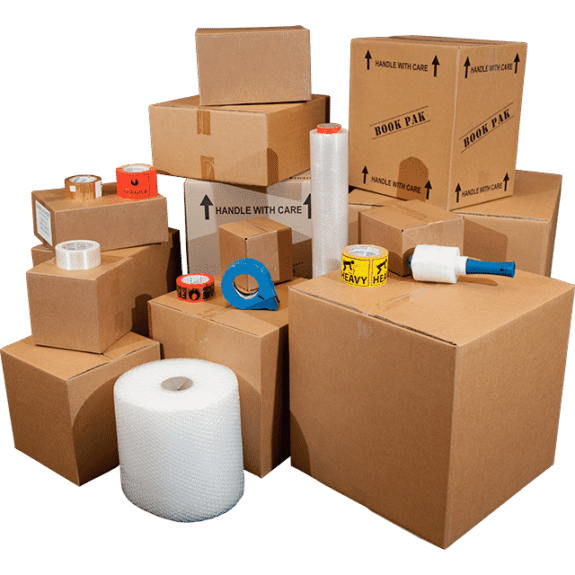
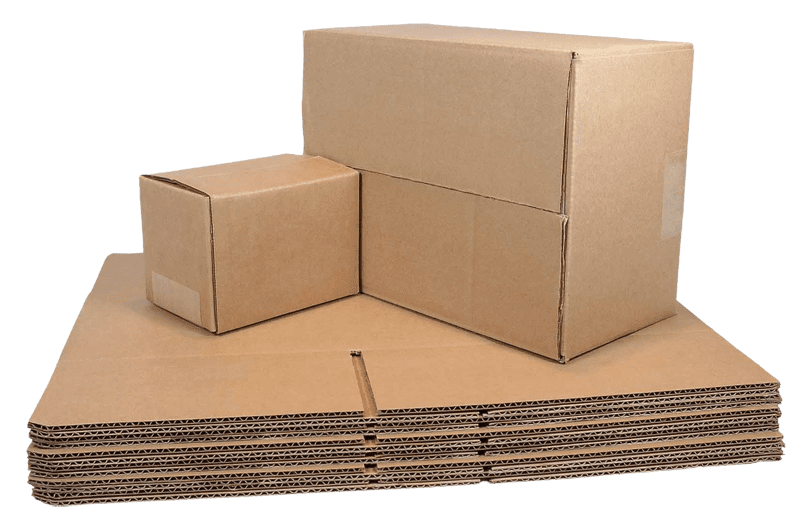
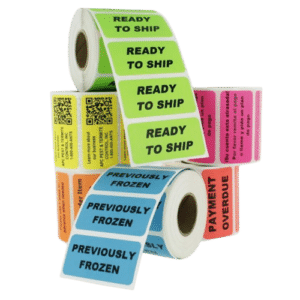
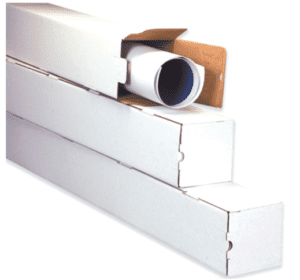
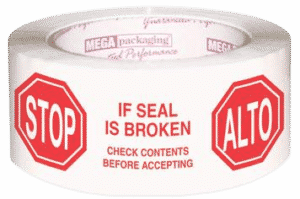
We supply businesses with a wide selection of essential packaging, shipping, and warehouse supplies. Get any standard packaging product by dimension or style from boxes, tubes, tapes, labels, and more. If you are unsure on what type of packaging you will need, then contact us for an expert consultation.


Stock packaging refers to pre-made, ready-to-ship packaging solutions like corrugated boxes, mailers, and protective materials that are designed to meet a wide range of standard needs across shipping, retail, and storage. Unlike custom packaging, stock options offer quick availability and reliable protection without the need for extensive design or production time, making them ideal for businesses needing efficient, high-quality solutions with fast lead times.

At Brown Packaging, we focus on providing durable, performance-driven stock packaging that supports our clients’ operational needs. Our stock products are sourced to ensure consistent quality and cost-effectiveness, offering a practical solution to keep operations running smoothly and on schedule. With an emphasis on reliability, we help our clients quickly access packaging solutions that meet their specific needs while maintaining quality across every order.

stock packaging products

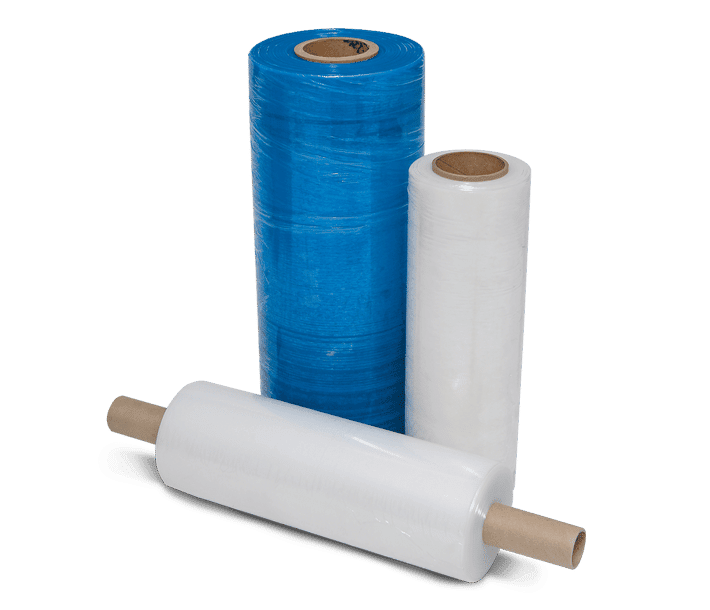
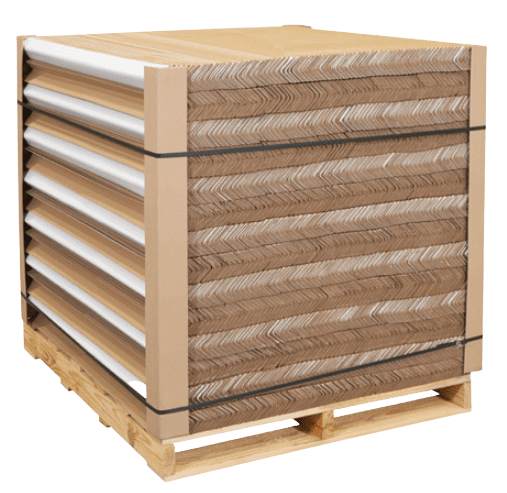
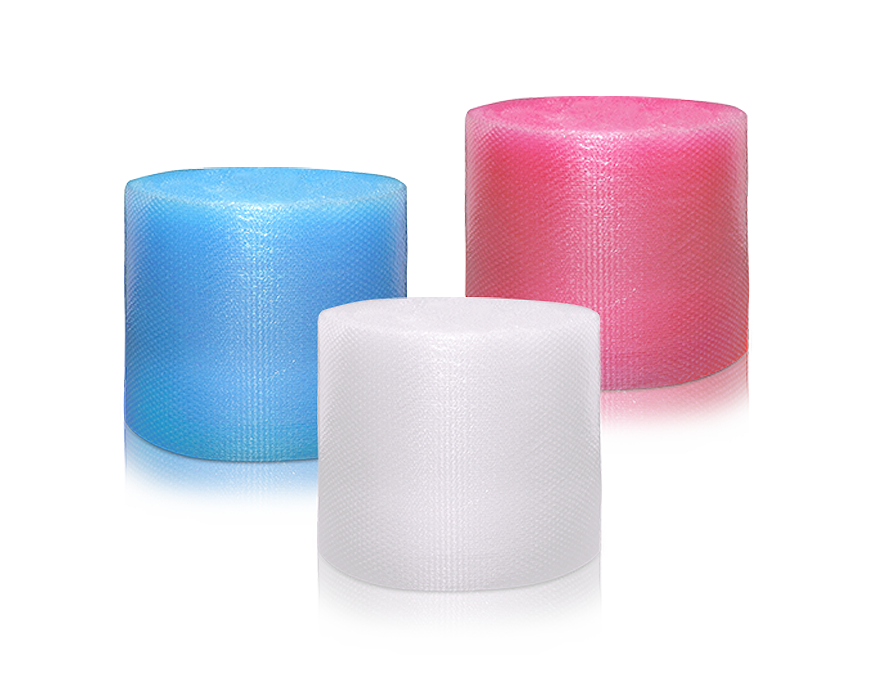
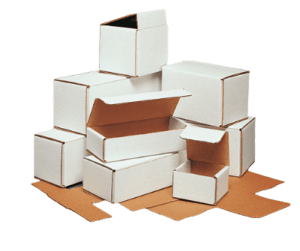
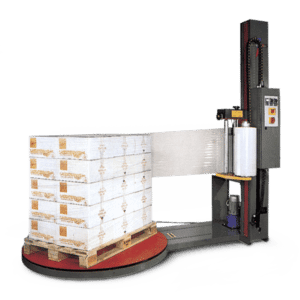
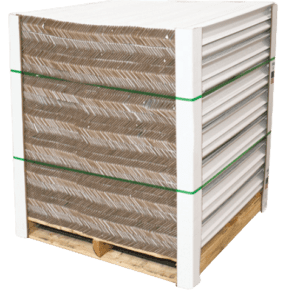
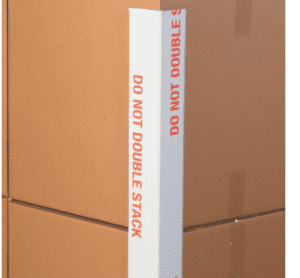
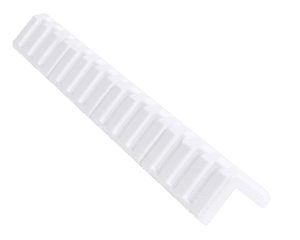
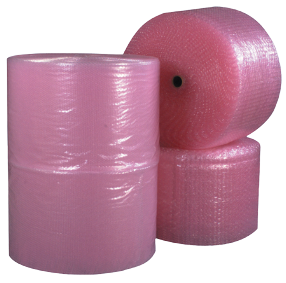
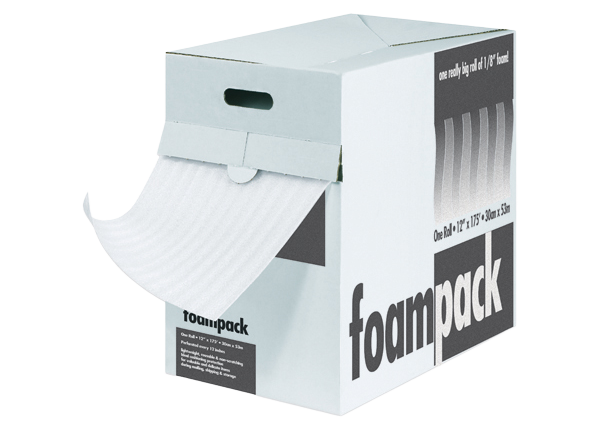
Our stock packaging products, from corrugated boxes to stretch film, offer a wide selection, including essentials like tape, edge protectors, labels, and more, with quick turnaround times to meet your packaging needs efficiently.

Edit Content
Edit Content
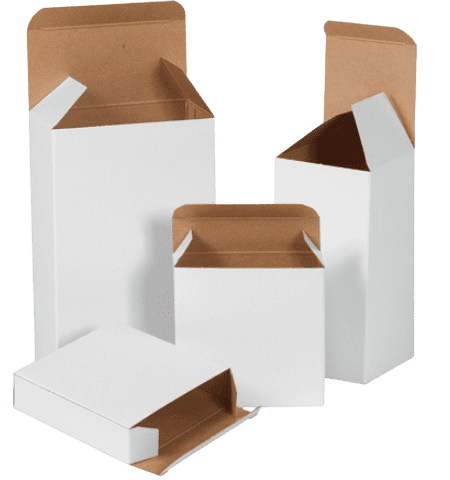
Folding Cartons
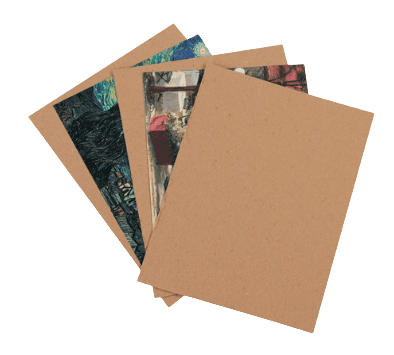
Pads
Apparel Boxes
Jewelry Boxes
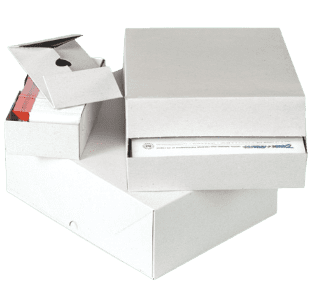
Setup Cartons
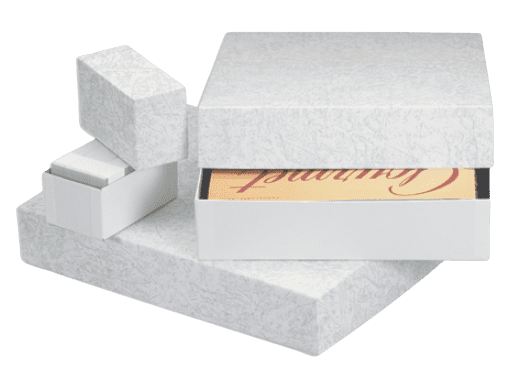
Stationary Cartons
Edit Content
Cast Film
Blown Film
Conventional Film
Engineered Film
Pre-Stretched Film
Hand Film
Machine Film
Edit Content
Light Duty
Medium Duty
Heavy Duty
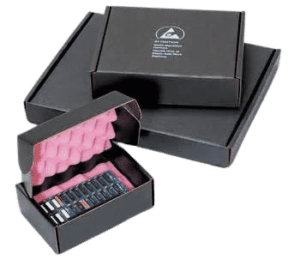
Foam
Strapping
Frame Protectors
Edit Content
Edit Content
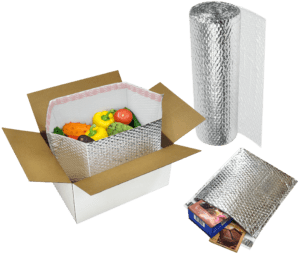
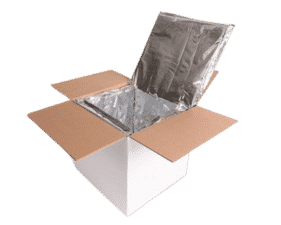
Box Liner
Metalized Pouch
Foam Cooler
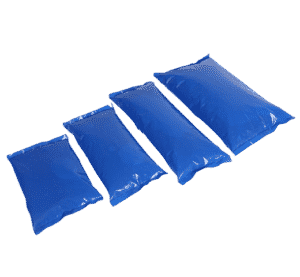
Ice Pack
Gel Pack
Edit Content
Edit Content
Edit Content
Folding Cartons
Pads
Apparel Boxes
Jewelry Boxes
Setup Cartons
Stationary Cartons
Edit Content
Cast Film
Blown Film
Conventional Film
Engineered Film
Pre-Stretched Film
Hand Film
Machine Film
Edit Content
Click on the Edit Content button to edit/add the content.
Edit Content
Edit Content
Box Liner
Metalized Pouch
Foam Cooler
Ice Pack
Gel Pack
Edit Content

If you need any assistance with your packaging or have a question, then contact us directly at request@brownpackaging.com  or  (714)300-0650. Learn more about custom packaging by reading our blog posts on new and trending topics.

Shock Absorption Properties in Foam Packaging
Foam
brownpackaging
Shock Absorption Properties in Foam Packaging

In the realm of packaging, the safe transport and protection of delicate and fragile items are paramount. Foam materials serve as the frontline defense in ensuring that products remain intact throughout the rigors of transportation and handling. This comprehensive guide delves into the pivotal role of shock absorption properties in foam packaging, their profound impact on product protection, and the key considerations when selecting the ideal foam for your packaging needs. Understanding Shock Absorption Properties Before delving into the importance of shock absorption properties, it’s vital to grasp their essence. Shock absorption properties in foam packaging are primarily concerned with the foam’s ability to dissipate and absorb energy when subjected to sudden impacts or shocks. These properties encompass two key aspects: Compression Deflection (Firmness): This metric gauges the force required to compress a foam material by a specified percentage of its original thickness. It dictates the foam’s firmness and its resistance to deformation under load. Compression Set: Compression set assesses the foam’s capacity to regain its initial shape after being compressed. It quantifies the foam’s ability to rebound to its original form once the external pressure is removed. The Role of Shock Absorption Properties Safeguarding Against Impact and Shock The primary role of foam in packaging is to act as a protective barrier, shielding products from the perils of impact and shock during transit and handling. The compression deflection of foam directly influences its aptitude for absorbing and dissipating the energy generated by these impacts. Foam with well-suited compression deflection properties significantly mitigates the risk of damage to packaged goods, ensuring their pristine condition upon arrival. Preserving Product Integrity For fragile and sensitive products, maintaining their structural integrity is of paramount importance. A foam with appropriate compression set properties guarantees that, even after experiencing compression during packaging or transit, the foam will faithfully revert to its original shape. This characteristic holds particular significance for products with intricate shapes or those that necessitate secure placement within the packaging. Uniform Distribution of Forces In certain instances, packaged items may endure prolonged periods of compression, whether due to stacking in storage or during transit. The shock absorption properties of foam become crucial in such scenarios. Foam materials that boast well-matched compression deflection and compression set characteristics serve to evenly distribute the load, averting uneven pressure points that could culminate in deformation or harm to the packaged items. Customization and Versatility Packaged items come in diverse forms and dimensions, necessitating adaptable packaging solutions. By selecting foam with the appropriate shock absorption properties, packaging designers can ensure that the foam seamlessly conforms to the unique contours and fragility of each item. This tailored approach to protection is a hallmark of effective foam packaging. Choosing the Optimal Foam Material The process of selecting the right foam material with fitting shock absorption properties involves a comprehensive evaluation of your packaging prerequisites and the fragility of the products in question. Key considerations encompass: Product Weight: Bulkier items may necessitate foam with a higher compression deflection to withstand the load without undergoing deformation. Product Fragility: Items susceptible to breakage or damage benefit significantly from foam with suitable compression deflection and compression set properties, effectively absorbing and recuperating from shocks. Packaging Configuration: The design and structure of your packaging play a pivotal role in determining the foam’s shock absorption requisites. Tailored foam inserts can be instrumental in optimizing protection. Environmental Conditions: Contemplate the environmental conditions to which the packaged items will be exposed. Some foam materials are better suited for extreme temperatures or conditions involving moisture. Budgetary Considerations: Strike a balance between your packaging needs and budget constraints. Different foam materials may come at varying costs, so select one that aligns with your requirements without exceeding your budget. If you are interested in foam packaging solutions, then partner with Brown Packaging today to get started. (714)300-0650 request@brownpackaging.com Most Recent Posts: Categories: Corrugated Ecommerce ESD Design Foam Folding Carton Packaging Printing Protection Retail Rigid Box Sustainability Subscribe To Our Newsletter By submitting your information, you agree to our terms and conditions and privacy policy. Custom Packaging Facebook Twitter LinkedIn Pinterest Relevant Posts

Read More »
2 piece box liner
Cold Chain
brownpackaging
Insulated Packaging Explained: What You Should Know

In a world where a wide range of products require special handling to maintain their quality, insulated packaging has emerged as a crucial solution for protecting temperature-sensitive items from both UV radiation and temperature fluctuations. Whether it’s perishable food items, pharmaceuticals, or sensitive electronics, maintaining the right temperature during storage and transportation is paramount. In this blog, we’ll explore insulated packaging, its functions, features, benefits, and applications in safeguarding temperature-sensitive products. Understanding Insulated Packaging Insulated packaging, also known as thermal packaging or temperature-controlled packaging, is designed to create a controlled environment within the package. It acts as a protective shield against external factors, including temperature fluctuations and UV radiation, to maintain the integrity and quality of the enclosed products. Functions and Features Temperature Stability: The primary function of insulated packaging is to maintain a stable temperature environment inside the package. It accomplishes this through the use of insulating materials that resist heat transfer, keeping the contents at the desired temperature. UV Radiation Blockage: Insulated packaging often includes materials that provide protection against UV radiation. These materials block harmful UV rays, preventing them from reaching and potentially damaging the enclosed products. Insulation Materials: Insulated packaging employs a variety of insulation materials such as foam, reflective films, and vacuum insulation panels. These materials help regulate temperature and prevent heat or cold from penetrating the package. Temperature Monitoring: Some insulated packaging solutions come equipped with temperature monitoring devices like data loggers or indicators. These devices allow for real-time monitoring of the internal temperature, ensuring that it remains within the desired range. Benefits of Insulated Packaging Product Quality Preservation: Insulated packaging ensures that temperature-sensitive products, including food, medications, and electronics, maintain their quality and efficacy throughout their journey from manufacturer to end-user. Extended Shelf Life: Products with shorter shelf lives can benefit from insulated packaging. It helps extend the time during which these products remain safe and viable for consumption or use. Reduced Waste: By preventing spoilage and product degradation, insulated packaging reduces the amount of wasted products, saving both resources and money. Enhanced Brand Reputation: Companies that prioritize the protection of temperature-sensitive products through insulated packaging can build trust with consumers and enhance their brand reputation. Applications of Insulated Packaging Insulated packaging finds application in various industries: Food and Beverage: Insulated packaging is widely used for shipping perishable food items, including fresh produce, dairy products, and frozen goods. It ensures that these products reach consumers in optimal condition. Pharmaceuticals: Pharmaceutical companies rely on insulated packaging to transport temperature-sensitive medications and vaccines, ensuring their safety and efficacy. Electronics: Sensitive electronic components and devices, such as microchips and batteries, benefit from insulated packaging to prevent damage caused by temperature fluctuations. Online Retail: E-commerce companies often use insulated packaging for shipping products that require temperature control, such as meal kits and specialty cosmetics. If you are interested in insulated packaging, then partner with Brown Packaging today to get started. (714)300-0650 request@brownpackaging.com Most Recent Posts: Categories: Corrugated Ecommerce ESD Design Display Flexible Packaging Foam Folding Carton Packaging Plastic Packaging Pouch Printing Protection Retail Rigid Box Thermoform Sustainability Subscribe To Our Newsletter By submitting your information, you agree to our terms and conditions and privacy policy. Cold Chain Packaging Facebook Twitter LinkedIn Pinterest Relevant Posts

Read More »
Choosing the Right Folding Carton: Straight Tuck End vs. Reverse Tuck
Folding Carton
brownpackaging
Straight Tuck End vs. Reverse Tuck: Which is the Right Choice?

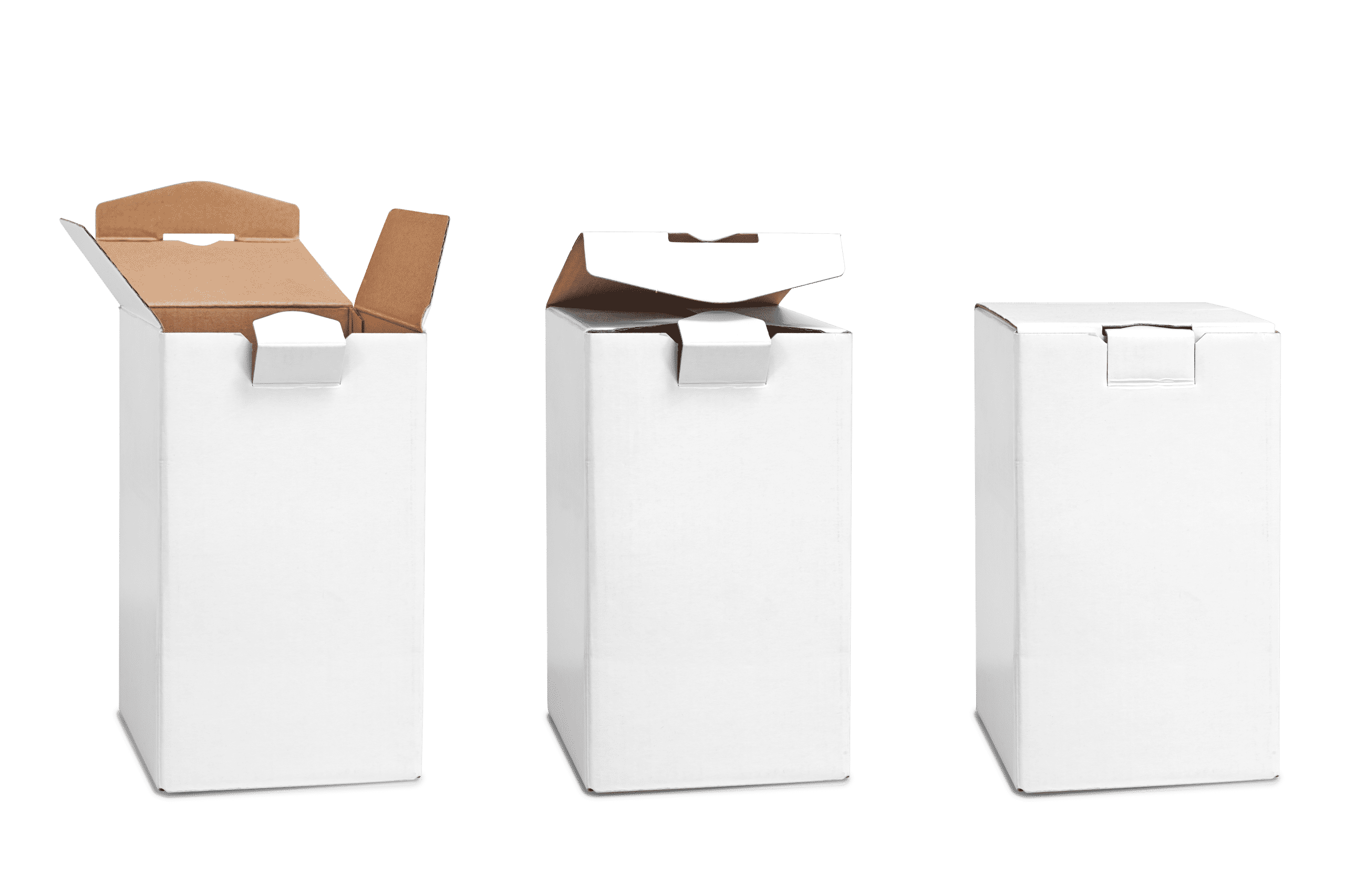
Folding cartons are a staple in the packaging industry, known for their versatility and functionality. Among the various styles available, two popular choices are the straight tuck end (STE) and reverse tuck end (RTE) cartons. Each style offers unique features and advantages that cater to different packaging needs. In this blog, we will explore the functions, features, design considerations, benefits, and applications of both straight tuck end and reverse tuck end cartons to help you make an informed decision. Straight Tuck End (STE) Cartons Functions and Features: Opening and Closing Mechanism: Straight tuck end cartons feature tuck flaps on the same side at the top and bottom of the box. These flaps can be easily tucked into the carton for closure, providing a secure seal. Design Versatility: STE cartons offer ample design flexibility, with options for custom die-cut windows, embossing, foil stamping, and various printing techniques. This makes them ideal for branding and product visibility. Ease of Assembly: These cartons are user-friendly, as they can be quickly assembled by hand, reducing labor costs in packaging lines. Benefits: Secure Closure: The straight tuck design ensures that the contents remain securely enclosed within the carton, reducing the risk of tampering or damage during transit. Aesthetic Appeal: STE cartons can be designed with a premium look and feel, making them suitable for high-end products like cosmetics, pharmaceuticals, and luxury goods. Cost-Effective: They are often more cost-effective than other carton styles due to their straightforward design and ease of production. Inserts: STE cartons can be made with inserts that provide customizable support and protection, ideal for securing fragile items like electronics or glass during transit. They also enhance product presentation by being designed to fit the exact shape of the product, significantly improving the unboxing experience and making the carton especially appealing for gift items and luxury products where first impressions are key. Window Cutouts: Window cutouts in STE cartons offer product visibility, allowing consumers to view the product inside without opening the packaging, which is particularly advantageous for items where visual appeal influences purchasing decisions, such as food, toys, or beauty products. These cutouts not only enhance shelf appeal by showcasing the product and differentiating it on retail shelves but also provide customization options in terms of shape and size, aligning closely with marketing and branding strategies to create a distinctive visual identity. Applications: Straight tuck end cartons find wide application across various industries, including: Cosmetics and beauty products Pharmaceuticals and healthcare Electronics accessories Food and confectionery Apparel and clothing Reverse Tuck End (RTE) Cartons Functions and Features: Opposite Tuck Closure: Reverse tuck end cartons have tuck flaps on opposite sides of the carton. The top flap tucks into the rear panel, while the bottom flap tucks into the front panel. Product Accessibility: RTE cartons offer easy access to the product as both the top and bottom can be opened separately. This feature is particularly convenient for consumers. Design Space: These cartons provide ample space for product information, branding, and graphics on both the front and rear panels. Benefits: Convenient Access: The reverse tuck design allows consumers to access the product without fully opening the carton, making it user-friendly. Efficient Storage: RTE cartons stack efficiently, saving space during storage and transportation. Versatile Applications: They are versatile and suitable for various product sizes and industries, including electronics, hardware, pharmaceuticals, and consumer goods. Applications: Reverse tuck end cartons are commonly used in the following industries: Electronics and gadgets Hardware and tools Pharmaceuticals and vitamins Consumer goods and retail Office and stationery products Choosing the Right Carton Style: What to Include in Your Decision When deciding between straight tuck end and reverse tuck end cartons, consider the following factors: Product Type: Think about the nature of your product. If it requires easy access for consumers, reverse tuck end cartons may be more suitable. For products requiring a premium presentation, straight tuck end cartons may be preferable. Branding and Design: Assess your branding and design requirements. If you need a larger canvas for graphics and information, reverse tuck end cartons offer more space. However, if you want an elegant and secure packaging solution, straight tuck end cartons might be the better choice. Window and Insert: Consumer Experience: Consider the end-user experience. If convenience and ease of opening are paramount, reverse tuck end cartons are designed with consumers in mind. If you are interested in folding cartons and specific styles such as STE, RTE, auto bottom and more, then partner with Brown Packaging today to get started. (714)300-0650 request@brownpackaging.com Most Recent Posts: Categories: Corrugated Ecommerce ESD Design Display Flexible Packaging Foam Folding Carton Packaging Plastic Packaging Pouch Printing Protection Retail Rigid Box Thermoform Sustainability Subscribe To Our Newsletter By submitting your information, you agree to our terms and conditions and privacy policy. Custom Folding Cartons Facebook Twitter LinkedIn Pinterest Relevant Posts

Read More »