



Stock Packaging
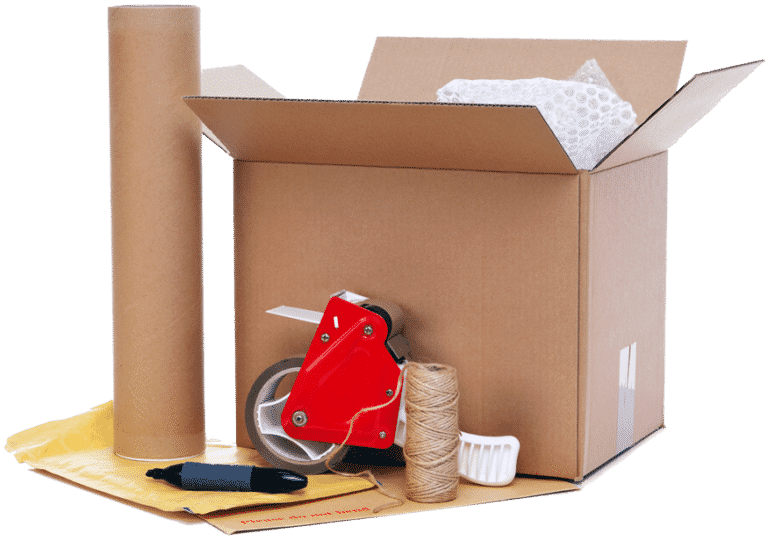
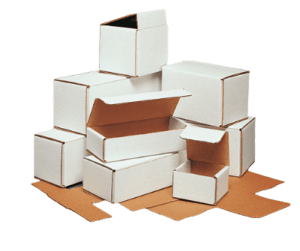
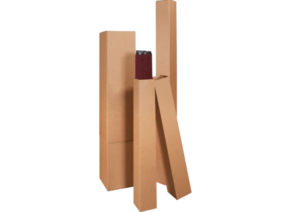
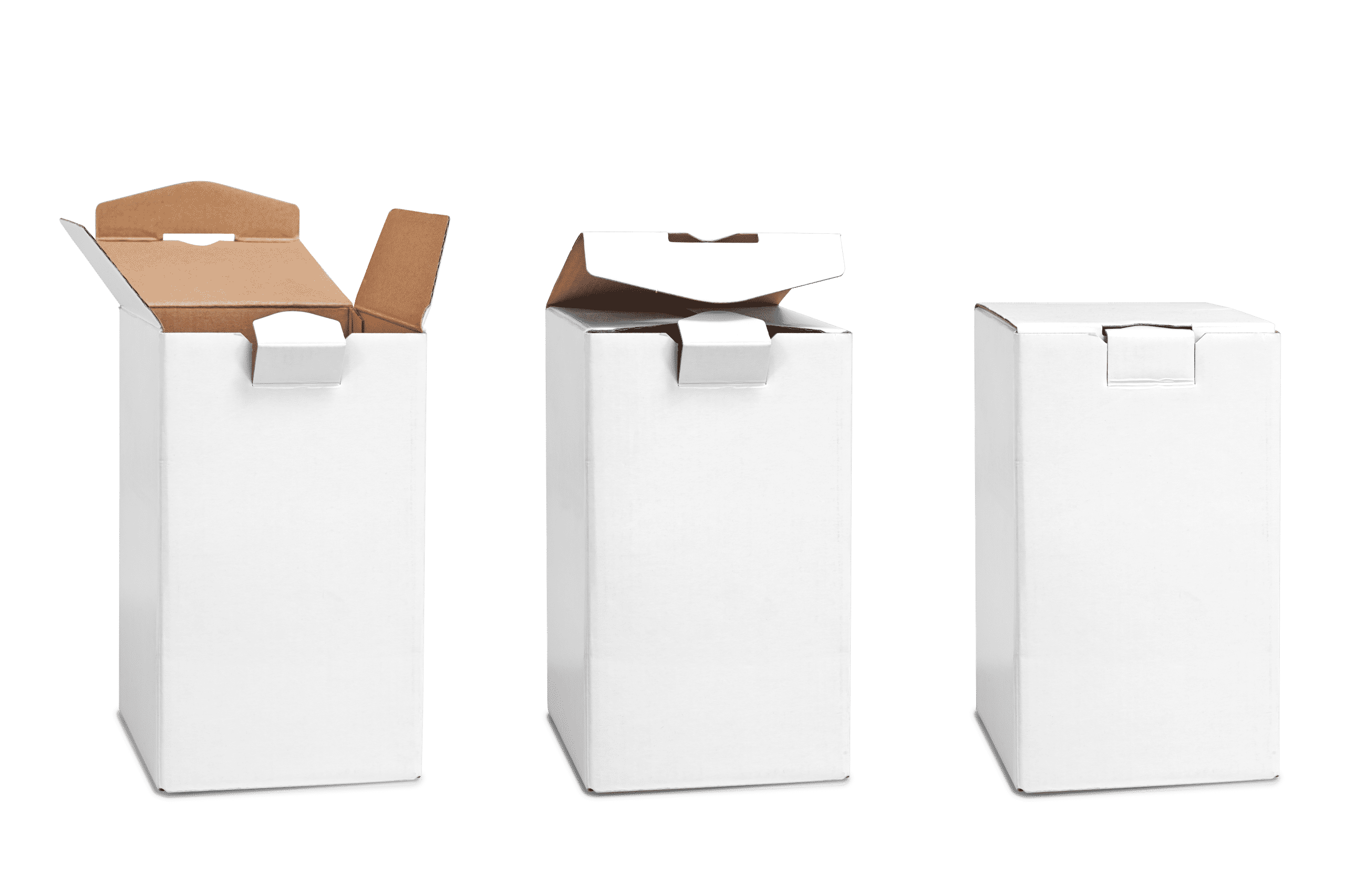
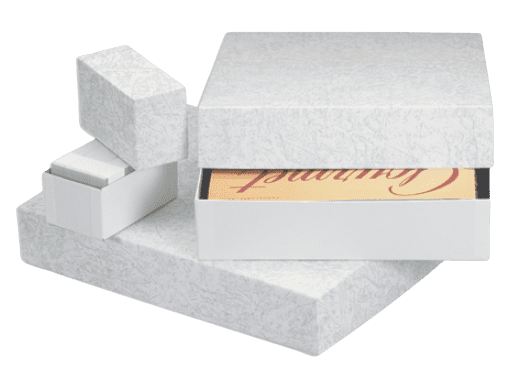
We supply businesses with a wide selection of essential packaging, shipping, and warehouse supplies. Get any standard packaging product by dimension or style from boxes, tubes, tapes, labels, and more. If you are unsure on what type of packaging you will need, then contact us for an expert consultation.


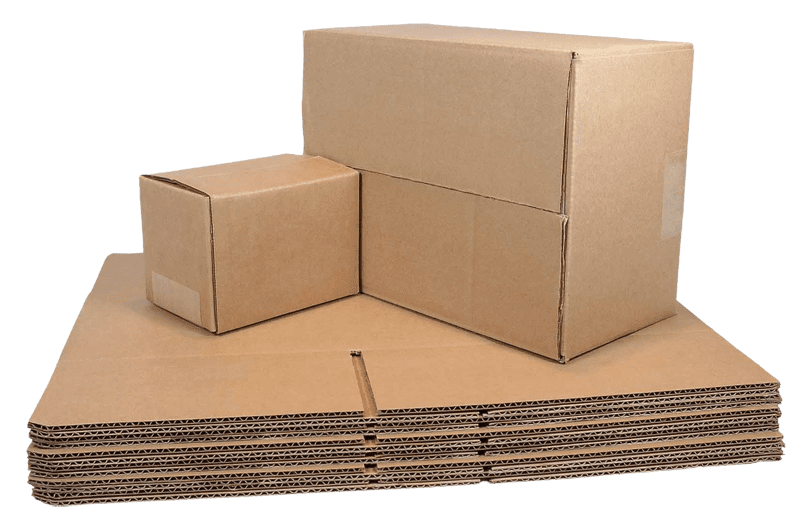
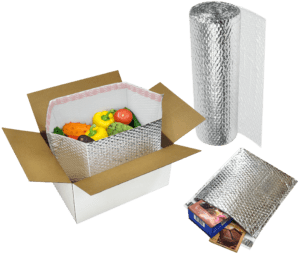
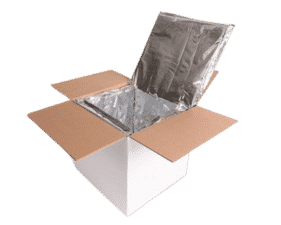
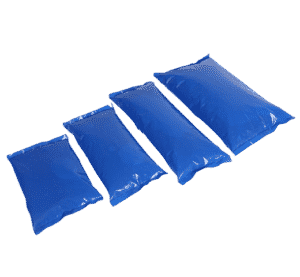
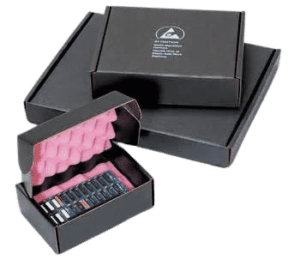
Stock packaging refers to pre-made, ready-to-ship packaging solutions like corrugated boxes, mailers, and protective materials that are designed to meet a wide range of standard needs across shipping, retail, and storage. Unlike custom packaging, stock options offer quick availability and reliable protection without the need for extensive design or production time, making them ideal for businesses needing efficient, high-quality solutions with fast lead times.
At Brown Packaging, we focus on providing durable, performance-driven stock packaging that supports our clients’ operational needs. Our stock products are sourced to ensure consistent quality and cost-effectiveness, offering a practical solution to keep operations running smoothly and on schedule. With an emphasis on reliability, we help our clients quickly access packaging solutions that meet their specific needs while maintaining quality across every order.
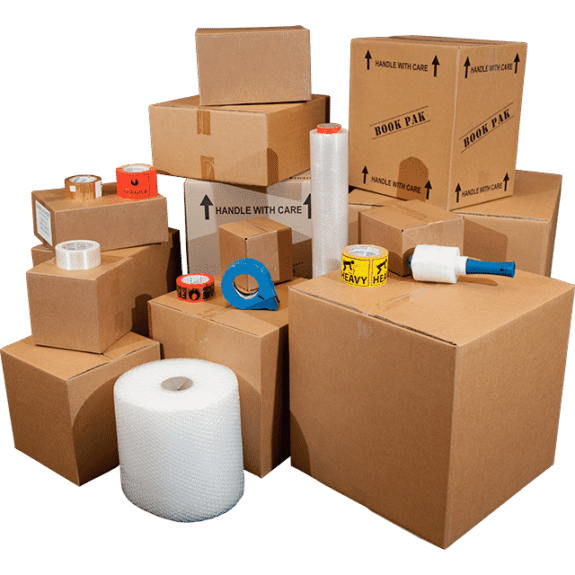
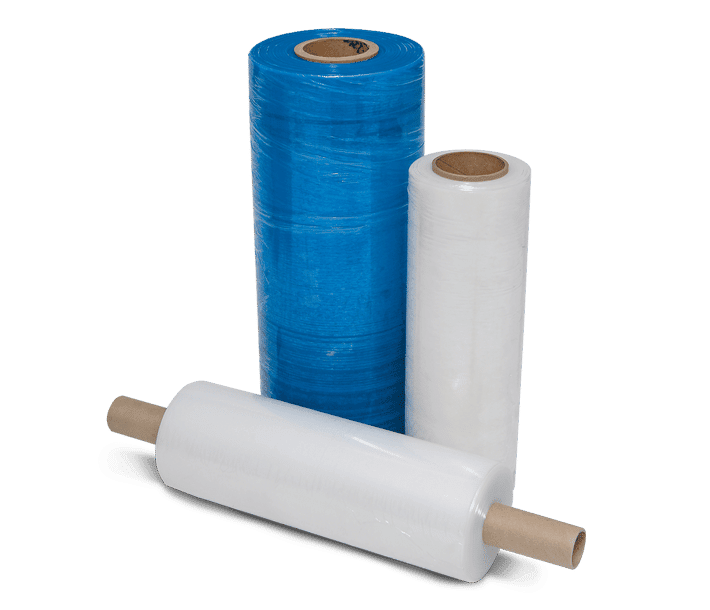
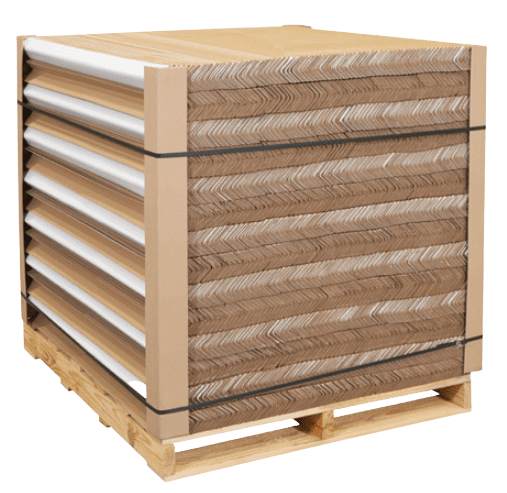
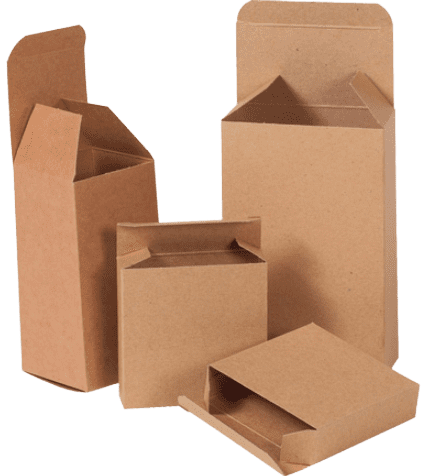
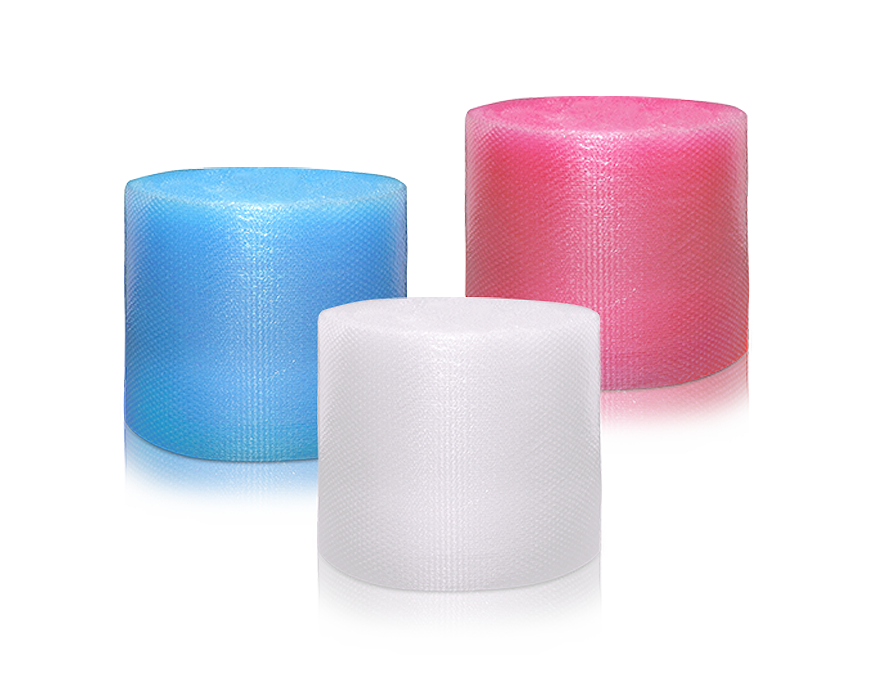
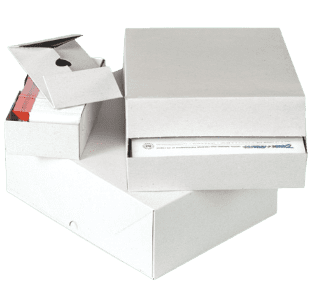
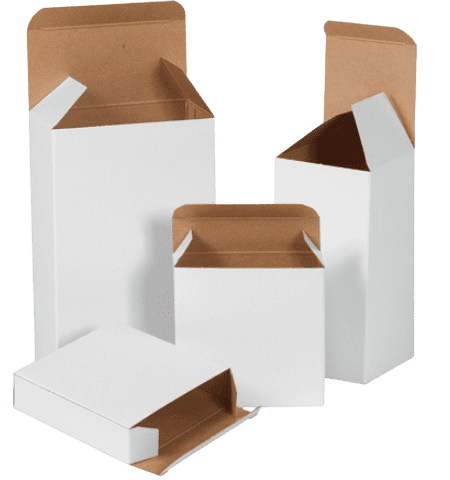
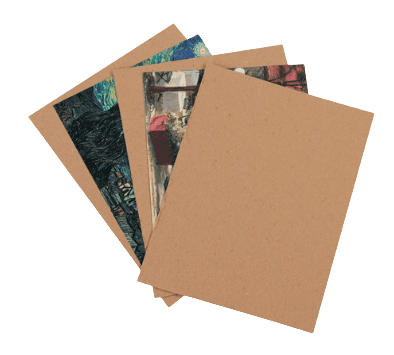
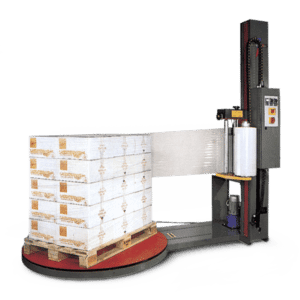
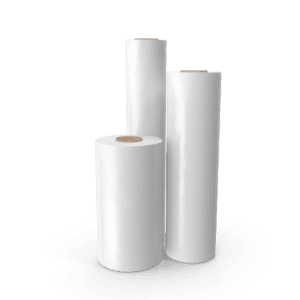
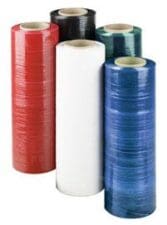
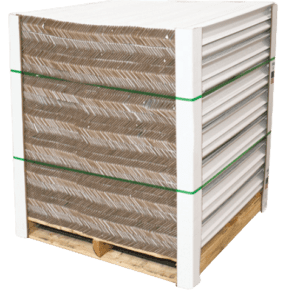
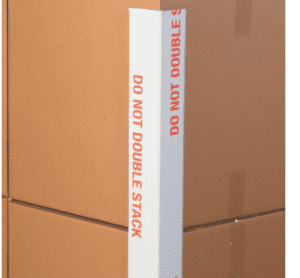
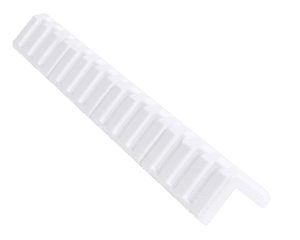
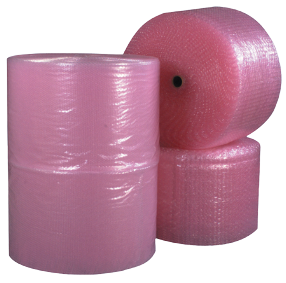
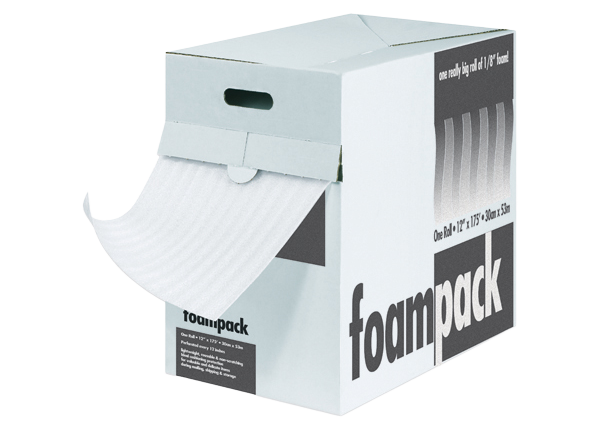
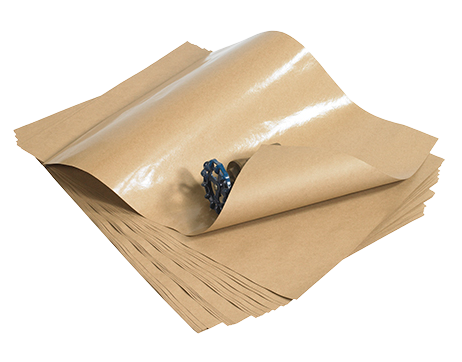
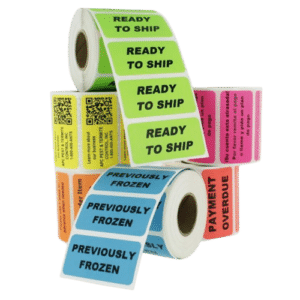
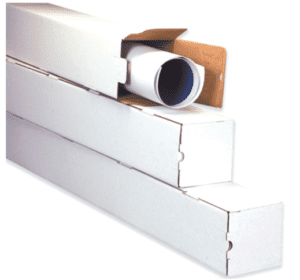
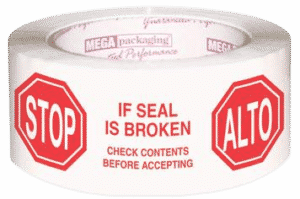
Our stock packaging products, from corrugated boxes to stretch film, offer a wide selection, including essentials like tape, edge protectors, labels, and more, with quick turnaround times to meet your packaging needs efficiently.


If you need any assistance with your packaging or have a question, then contact us directly at request@brownpackaging.com or (714)300-0650. Learn more about custom packaging by reading our blog posts on new and trending topics.

In the quest for a more sustainable future, California has emerged as a trailblazer with its visionary approach to Extended Producer Responsibility (EPR) programs. These initiatives represent a paradigm shift in the way packaging and waste are managed. Under California’s EPR framework, manufacturers are no longer mere producers of goods; they are stewards of their products’ entire lifecycle, from creation to disposal. In this blog, we will delve into California’s pioneering EPR programs, exploring their core principles, impact, and significance for the environment and businesses. Understanding Extended Producer Responsibility (EPR) Extended Producer Responsibility (EPR) is a progressive approach to waste management and sustainability. It places the onus on manufacturers to take responsibility for their products throughout their lifecycle. Key principles of EPR include: Responsibility for Packaging Lifecycle: Manufacturers are accountable for the environmental impact of their packaging materials from production to end-of-life management. This includes the design, production, collection, recycling, and disposal of packaging. Financial Responsibility: Manufacturers are required to fund and participate in recycling programs, collection systems, and waste reduction efforts. They are financially responsible for the recovery and recycling of their products. Meeting Recycling Targets: Manufacturers must meet specific recycling and recovery targets, ensuring that a certain percentage of their packaging is recycled and diverted from landfills. California’s Pioneering EPR Programs California has been a champion of EPR programs, particularly in the realm of packaging. The state’s approach to EPR has far-reaching implications for sustainability and waste reduction. The Beverage Container Recycling Program: California’s Beverage Container Recycling Program, initiated in 1987, is a shining example of EPR in action. Under this program, manufacturers are responsible for creating a system that ensures the recycling of beverage containers, including aluminum cans, glass bottles, and plastic containers. This program has significantly increased recycling rates and reduced litter. Upcoming EPR Legislation: California has proposed and passed legislation that expands EPR principles to various product categories, including packaging. These laws require manufacturers to develop and implement comprehensive EPR programs that address the entire lifecycle of their packaging materials. Implications for Plastic Waste Reduction: California’s EPR programs have played a pivotal role in reducing plastic waste. By holding manufacturers accountable for plastic packaging, the state encourages innovative solutions such as the use of recycled materials and the development of more sustainable packaging designs. Impact and Significance California’s commitment to EPR programs has had a profound impact on the environment, businesses, and consumers: Environmental Benefits: EPR programs significantly reduce the environmental footprint of packaging materials. They promote recycling, reduce waste sent to landfills, and encourage the use of eco-friendly materials, contributing to a cleaner and more sustainable environment. Business Accountability: Manufacturers operating in California must adapt to EPR regulations, which require investments in recycling infrastructure, sustainable packaging designs, and meeting recycling targets. This not only benefits the environment but also promotes corporate responsibility. Consumer Engagement: EPR programs empower consumers by offering convenient recycling options and promoting responsible consumption. Consumers can make more informed choices and actively participate in recycling efforts. If you are interested in California packaging solutions, then partner with Brown Packaging today to get started. (714)300-0650 request@brownpackaging.com Most Recent Posts: Categories: Corrugated Ecommerce ESD Design Display Flexible Packaging Foam Folding Carton Packaging Plastic Packaging Pouch Printing Protection Retail Rigid Box Thermoform Sustainability Subscribe To Our Newsletter By submitting your information, you agree to our terms and conditions and privacy policy. Custom Packaging Facebook Twitter LinkedIn Pinterest Relevant Posts

When you ship items, you run the risk of damaging them during transit. Even with careful handling, packages can bump into each other and sustain damage. That’s why it’s crucial to take measures to protect your packages during shipping. One of the easiest and most effective ways to do this is by using corrugated edge protectors. Corrugated edge protectors add an extra layer of protection to the edges and corners of your packages, preventing them from getting damaged during shipping. In addition to using edge protectors, you can also choose to use stretch film to further secure your package and prevent damage. While stretch film is optional, it can be especially useful for packages with irregular shapes or multiple items. 7 Steps to Using Corrugated Edge Protectors In this guide, we’ll take you through the steps of using corrugated edge protectors, with the option of using stretch film, to protect your packages during shipping. Step 1: Determine the size of the edge protectors you need The first step in using corrugated edge protectors is to measure the item you’re shipping. Determine the length, width, and thickness of the packaging material you’ll be using. You’ll need to choose edge protectors that are slightly larger than the item to ensure adequate protection. Additionally, consider the weight and fragility of the item. Heavier items may require thicker edge protectors, while fragile items may need extra padding or cushioning. Step 2: Choose the right type of edge protector There are several types of edge protectors to choose from, including L-shaped, U-shaped, and C-shaped protectors. L-shaped protectors are best for protecting corners, while U-shaped protectors are designed to wrap around the edge of an item. C-shaped protectors are ideal for cylindrical items like pipes or tubes. You’ll also need to choose the right material for the edge protectors. Cardboard, plastic, and foam are common options. Each material has its own strengths and weaknesses, so choose the one that best suits your needs. Step 3: Cut the edge protectors to size Use a utility knife or box cutter to cut the edge protectors to the appropriate size. Cut them long enough to cover the entire edge or corner of the item, and wide enough to provide adequate protection. For L-shaped protectors, cut the corner at a 45-degree angle to ensure a snug fit. U-shaped protectors should be cut at a 90-degree angle. Step 4: Secure the edge protectors to the item Use tape or adhesive to secure the edge protectors to the cardboard or other packaging material. Apply the tape or adhesive to both the edge protector and the packaging material to ensure a secure hold. Make sure the edge protectors are properly aligned to provide adequate protection. Step 5: Add additional protection if needed For fragile items or those with irregular shapes, consider adding additional protection. Bubble wrap, packing peanuts, or other protective materials can help cushion the item and prevent damage during shipping. If you choose to use stretch film, wrap it tightly around the package, ensuring that it’s snug but not so tight that it damages the package or its contents. Choose the appropriate type of stretch film for your specific needs, as different types have varying levels of strength and stretchability. Step 6: Label and ship the package Label your package with any necessary shipping information, such as the destination address and tracking number. Add a “Fragile” or “Handle with Care” label if necessary. Use a permanent marker or label maker to create clear, legible labels and place them in a visible location on the package. Step 7: Monitor the shipment Keep track of the shipment by utilizing the tracking information provided by the carrier. Regularly check the status and location of your package to ensure its progressing smoothly towards its destination. If you encounter any delays or issues during the shipment, promptly contact the carrier to address the problem. In cases of damaged or lost items, you may need to file a claim with the carrier to seek compensation or resolution. Summary: Edge Protectors By following these steps, you can effectively protect your packages during shipping using corrugated edge protectors and optional stretch film. Start by measuring your item and selecting the appropriate size and type of edge protectors. Cut them to size and securely attach them to your package. If necessary, add extra protection such as bubble wrap. Optionally, wrap the package with stretch film for added security, particularly for irregularly shaped or multiple-item packages. Properly label the package and monitor the shipment using tracking information. Remember, taking the time to properly protect your packages will help minimize the risk of damage during shipping. Whether you’re sending fragile items or packages with irregular shapes, using corrugated edge protectors and optional stretch film will provide an extra layer of protection and peace of mind. Happy shipping! If you are interested in edge protectors or corner boards, then partner with Brown Packaging today to get started. (714)300-0650 request@brownpackaging.com Most Recent Posts: Categories: Corrugated Ecommerce ESD Design Display Flexible Packaging Foam Folding Carton Packaging Plastic Packaging Pouch Printing Protection Retail Rigid Box Thermoform Sustainability Subscribe To Our Newsletter By submitting your information, you agree to our terms and conditions and privacy policy. Custom Edge Protectors Facebook Twitter LinkedIn Pinterest Relevant Posts

Packaging is an essential component of product marketing, as it not only protects the products but also helps in promoting them. Boxes are the most common type of packaging material used by businesses of all sizes, and there are several types of boxes available in the market, including regular slotted containers (RSC) and half slotted containers (HSC). Quick Overview: RSC Vs HSC Boxes In this blog, we will compare and contrast RSC and HSC boxes in order to help you select the right one for your business needs. Definitions Customization Options Features Benefits Advantages Applications How to Select the Right Box for Your Business Needs We will also provide guidance on how a packaging buyer can select the appropriate type of box for their business needs. Definitions Regular slotted containers (RSC) are the most common type of box used in packaging. They are made from a single sheet of corrugated cardboard that is cut and scored to create four flaps at the top and bottom of the box. The flaps are then folded and sealed with tape to form the box. RSC boxes are versatile and can be used for a variety of products. Half slotted containers (HSC) are similar to RSC boxes but only have one set of flaps, which are located at the top of the box. The bottom of the box is left open, which makes it ideal for larger products or products that require loading from the top. HSC boxes are also versatile and can be used for a variety of products. Customization Options Both RSC and HSC boxes can be customized to meet specific business needs. Businesses can choose the size, shape, and thickness of the cardboard used to create the boxes. They can also choose to print logos, product information, and other graphics on the boxes to enhance their branding. Features RSC boxes are designed to be sturdy and secure, with four flaps that provide extra protection for the product inside. They can be stacked on top of each other without collapsing, which makes them ideal for shipping and storage. HSC boxes, on the other hand, are designed to be open at the bottom, which makes them easier to load and unload. They are also lighter than RSC boxes, which makes them more cost-effective to ship. Benefits RSC boxes are versatile and can be used for a variety of products. They are also strong and durable, which makes them ideal for shipping and storage. They are also cost-effective and can be easily stacked, which saves space and reduces transportation costs. HSC boxes are ideal for larger products or products that require loading from the top. They are also lightweight and cost-effective to ship. They are also easier to load and unload, which saves time and reduces labor costs. Disadvantages RSC boxes are not as easy to load and unload as HSC boxes, which can increase labor costs. They are also not suitable for products that require loading from the top. HSC boxes are not as secure as RSC boxes, as they only have one set of flaps at the top. This can make them less suitable for products that require extra protection during shipping and storage. Applications RSC boxes are ideal for a variety of products, including electronics, food and beverage products, and household items. They are also commonly used in the e-commerce industry, as they are cost-effective and easy to stack. HSC boxes are ideal for larger products, such as appliances, furniture, and industrial equipment. They are also commonly used in the agriculture industry, as they are lightweight and easy to load and unload. How to Select the Right Box for Your Business Needs When selecting the appropriate type of box for your business needs, there are several factors to consider. These include: Product Size and Weight: If you are shipping large or heavy products, an HSC box may be more suitable, as it provides easy access for loading and unloading. However, if your product is smaller and requires more protection, an RSC box may be the better option. Protection Needs: If your product requires extra protection during shipping and storage, an RSC box may be more suitable, as it has four flaps that provide extra protection. However, if your product is less fragile, an HSC box may be a more cost-effective option. Shipping and Storage Needs: If you are shipping or storing products in large quantities, an RSC box may be more suitable, as it is stackable and saves space. However, if you have limited storage space or are shipping smaller quantities, an HSC box may be more suitable. Budget: Both RSC and HSC boxes are cost-effective options for packaging, but the price may vary depending on the size and customization options chosen. Consider your budget when selecting the appropriate type of box for your business needs. Summary: RSC Vs HSC Boxes In conclusion, both regular slotted containers (RSC) and half slotted containers (HSC) have their own unique features, benefits, and disadvantages. When selecting the appropriate type of box for your business needs, consider factors such as product size and weight, protection needs, shipping and storage needs, and budget. If you are interested in corrugated boxes such as RSC, HSC or alternatives, then partner with Brown Packaging today to get started. (714)300-0650 request@brownpackaging.com Most Recent Posts: Categories: Corrugated Ecommerce ESD Design Display Flexible Packaging Foam Folding Carton Packaging Plastic Packaging Pouch Printing Protection Retail Rigid Box Thermoform Sustainability Subscribe To Our Newsletter By submitting your information, you agree to our terms and conditions and privacy policy. Custom Corrugated Boxes Facebook Twitter LinkedIn Pinterest Relevant Posts