


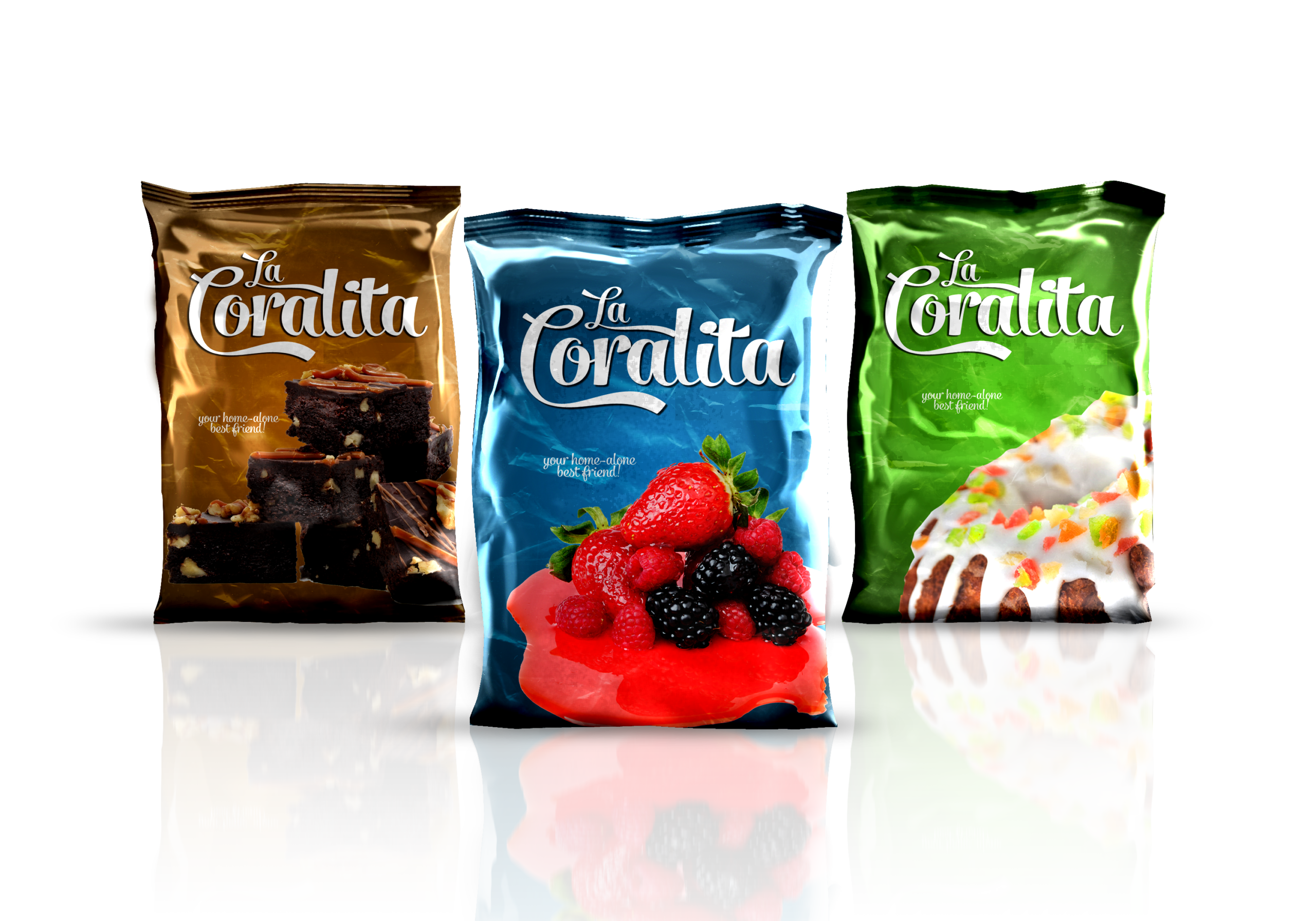
Stock Packaging
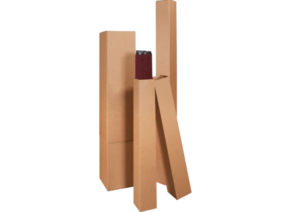
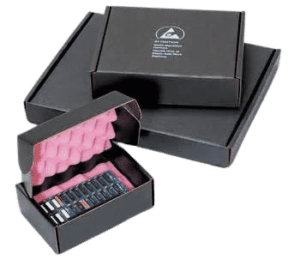
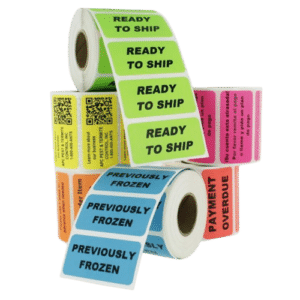
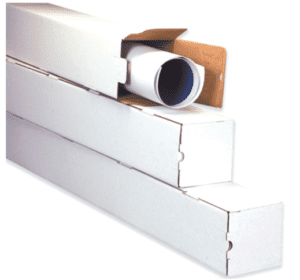
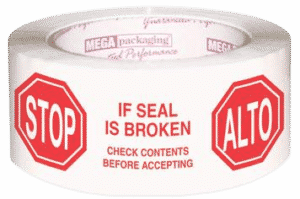
We supply businesses with a wide selection of essential packaging, shipping, and warehouse supplies. Get any standard packaging product by dimension or style from boxes, tubes, tapes, labels, and more. If you are unsure on what type of packaging you will need, then contact us for an expert consultation.


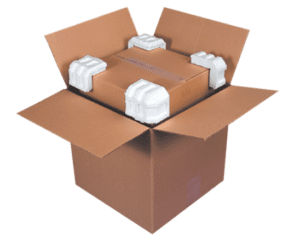
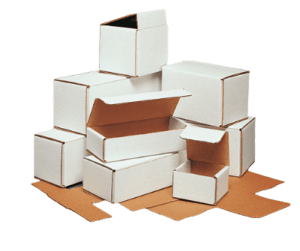
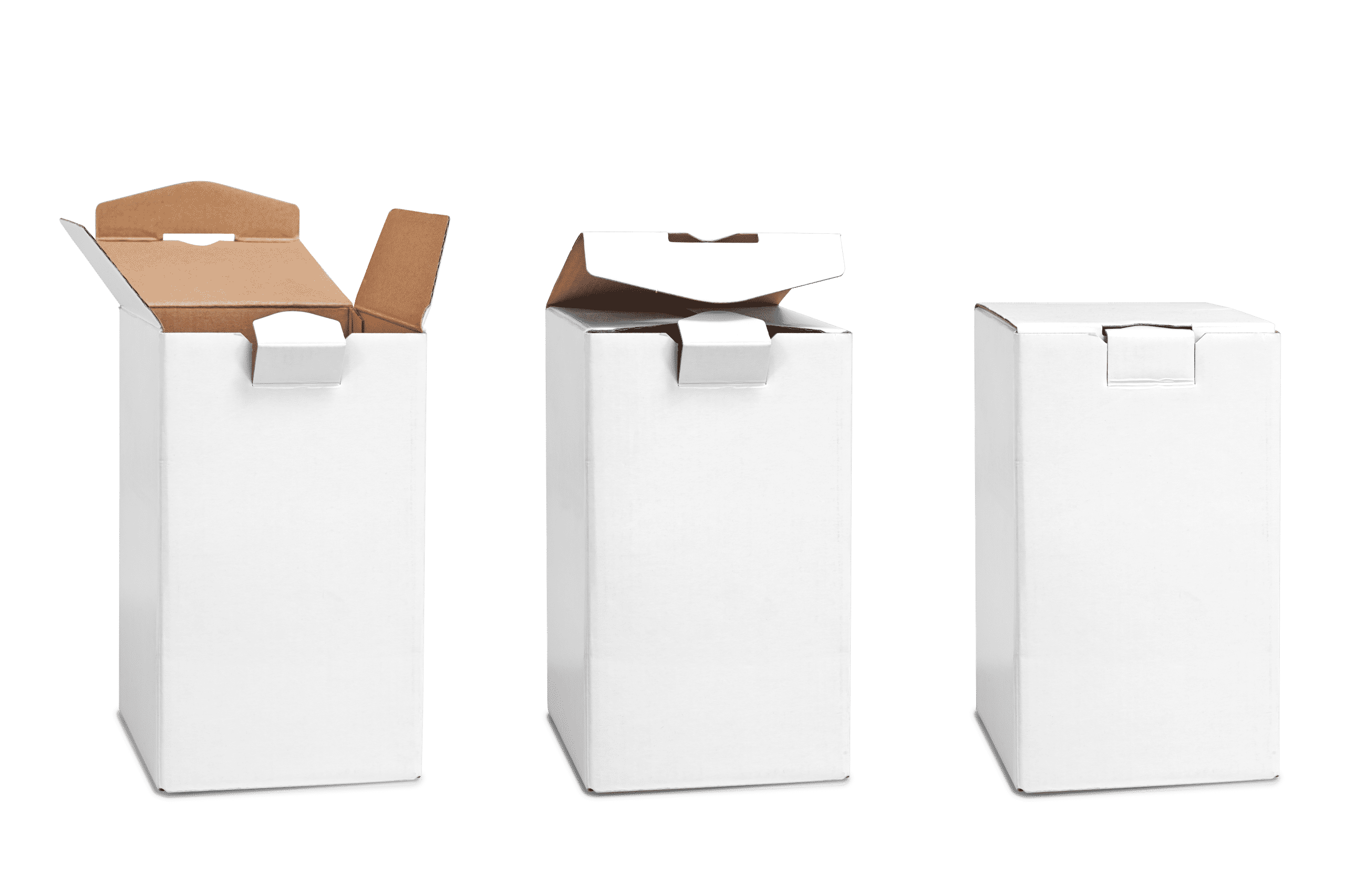
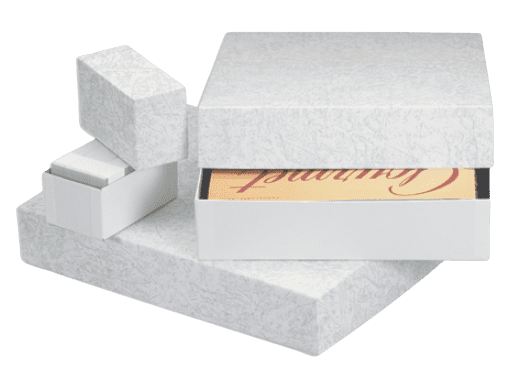
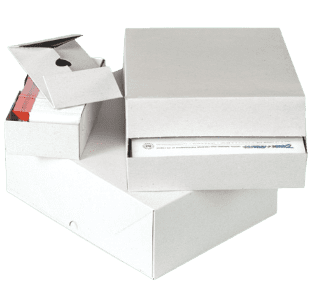
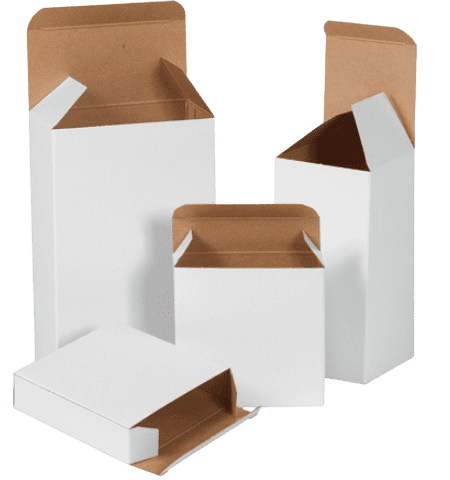
Stock packaging refers to pre-made, ready-to-ship packaging solutions like corrugated boxes, mailers, and protective materials that are designed to meet a wide range of standard needs across shipping, retail, and storage. Unlike custom packaging, stock options offer quick availability and reliable protection without the need for extensive design or production time, making them ideal for businesses needing efficient, high-quality solutions with fast lead times.
At Brown Packaging, we focus on providing durable, performance-driven stock packaging that supports our clients’ operational needs. Our stock products are sourced to ensure consistent quality and cost-effectiveness, offering a practical solution to keep operations running smoothly and on schedule. With an emphasis on reliability, we help our clients quickly access packaging solutions that meet their specific needs while maintaining quality across every order.
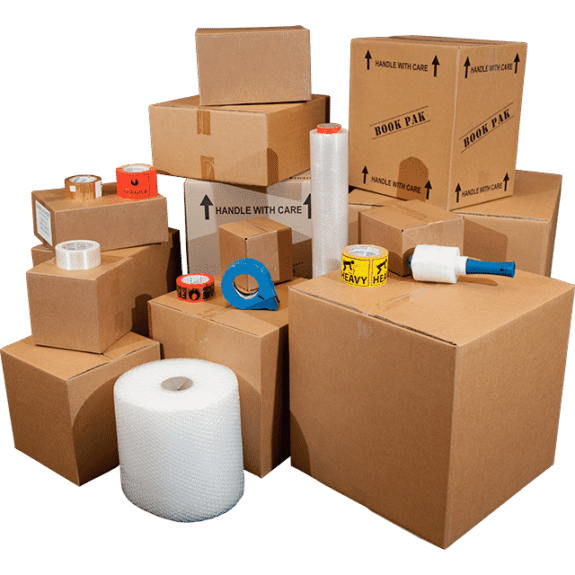
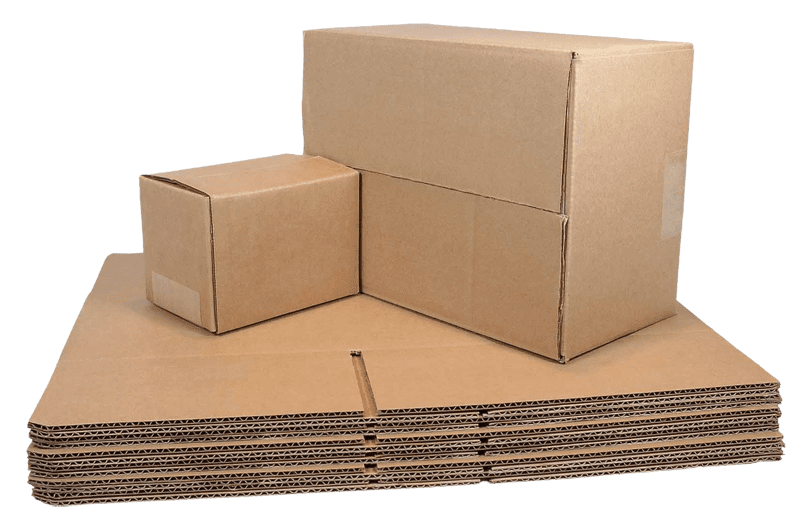
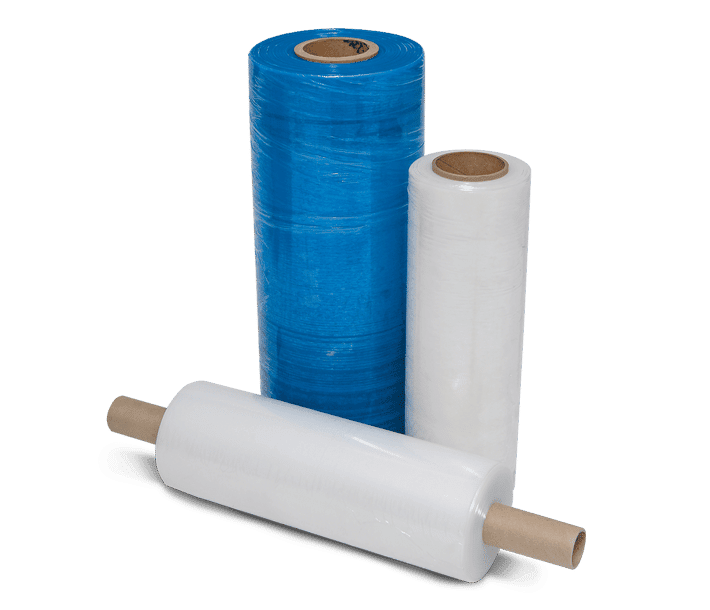
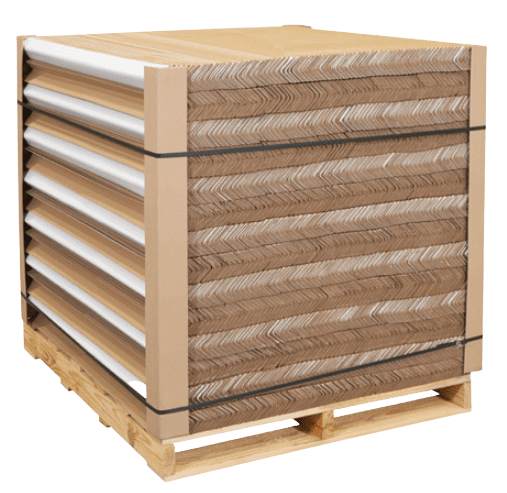
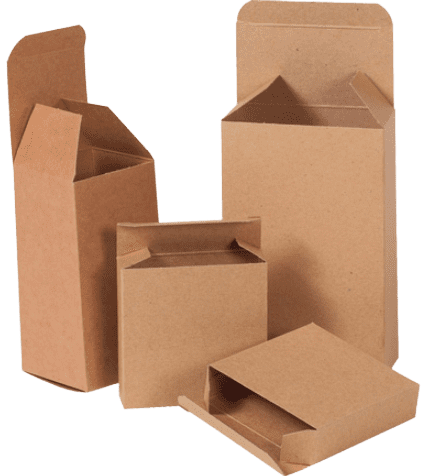
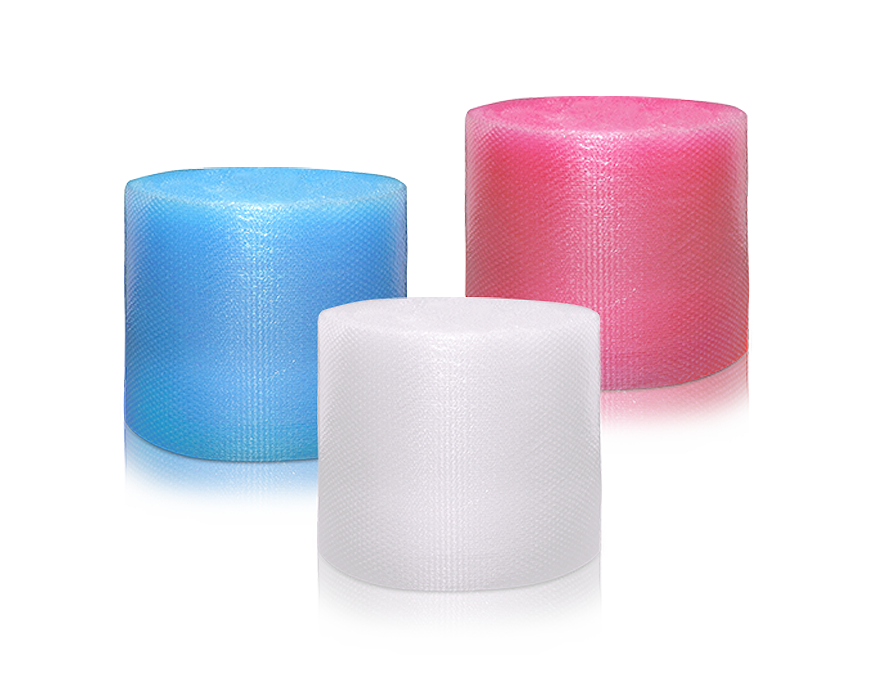
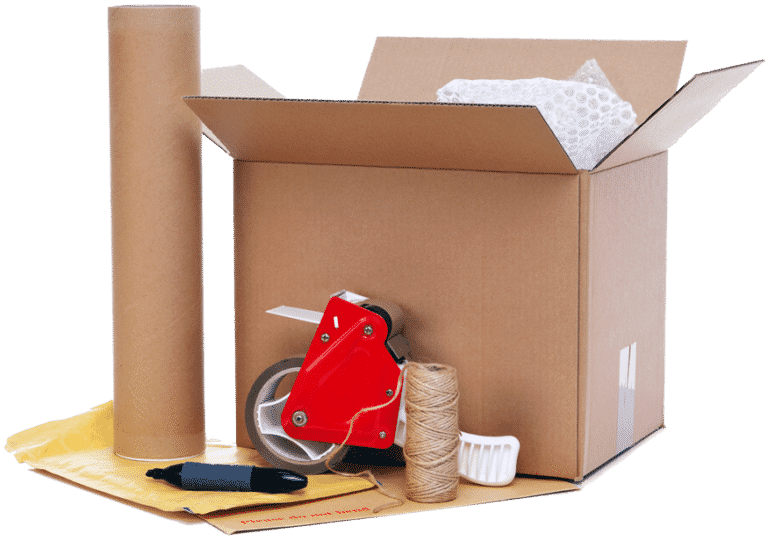
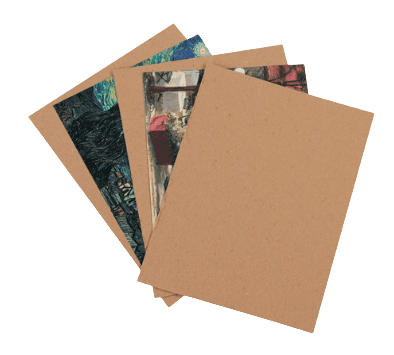
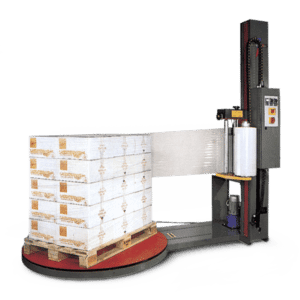
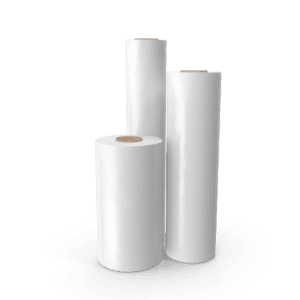
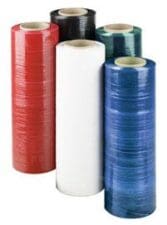
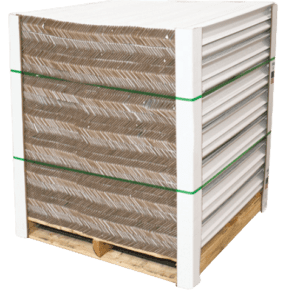
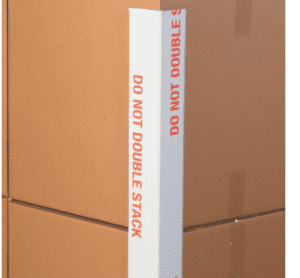
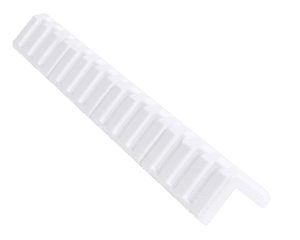
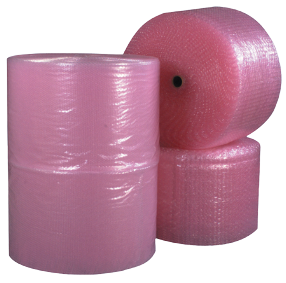
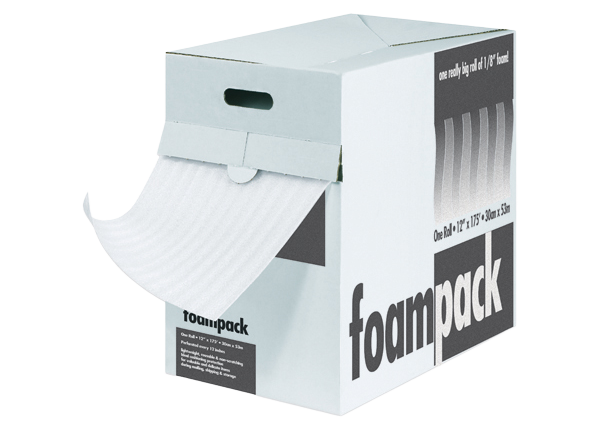
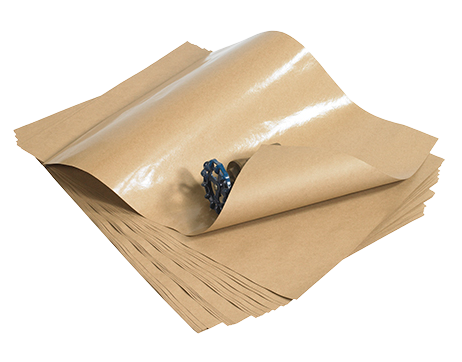
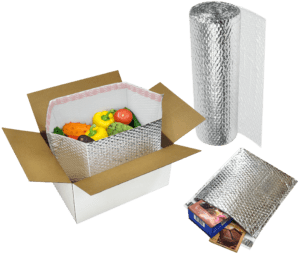
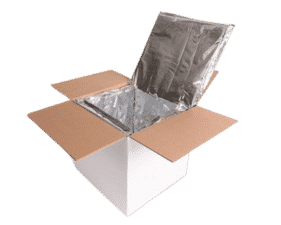
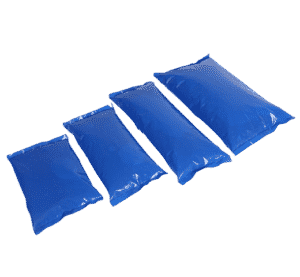
Our stock packaging products, from corrugated boxes to stretch film, offer a wide selection, including essentials like tape, edge protectors, labels, and more, with quick turnaround times to meet your packaging needs efficiently.


If you need any assistance with your packaging or have a question, then contact us directly at request@brownpackaging.com or (714)300-0650. Learn more about custom packaging by reading our blog posts on new and trending topics.

Packaging plays a crucial role in product presentation, preservation, and sustainability. While packaging regulations across the United States generally adhere to federal guidelines, California stands out for its unique and stringent packaging laws. In this blog, we will explore the differences between packaging in California and the rest of the United States, examining regulations, sustainability initiatives, and their impact on businesses and consumers. California’s Packaging Regulations: A Unique Landscape California is known for its proactive approach to environmental protection, and its packaging regulations reflect this commitment. The primary difference between California and the rest of the U.S. lies in the state’s comprehensive and strict regulations aimed at reducing packaging waste and promoting recycling. California’s Rigid Container Law One of California’s standout packaging laws is the Rigid Plastic Packaging Container (RPPC) Act, which requires manufacturers to minimize packaging waste. This law mandates that RPPCs meet specific recycling criteria, such as using a minimum percentage of recycled content and being labeled with recycling symbols. Non-compliant products may face penalties. Extended Producer Responsibility (EPR) Programs California has been at the forefront of Extended Producer Responsibility (EPR) programs. Under EPR, manufacturers bear responsibility for the entire lifecycle of their packaging, from production to disposal. They must participate in recycling programs, fund collection systems, and meet specific recycling and recovery targets. Plastic Waste Reduction Laws California has implemented multiple laws aimed at reducing single-use plastics. Bans on single-use plastic bags, straws, and expanded polystyrene (Styrofoam) food containers are examples of such regulations. These measures have significant implications for packaging choices, particularly in the food and beverage industry. Packaging Regulations in the Rest of the U.S. While California leads in packaging regulations, the rest of the United States primarily follows federal guidelines established by agencies like the Environmental Protection Agency (EPA) and the Food and Drug Administration (FDA). These guidelines cover issues such as recycling labels, nutrition facts, and product safety. Federal Recycling Labeling Recycling labeling guidelines provided by the Federal Trade Commission (FTC) are used nationwide. These guidelines ensure consistency in recycling symbols and terminology. However, California may have additional requirements for products sold within the state. Variability in State Regulations Beyond federal guidelines, individual states may have their own packaging regulations, but they generally tend to be less stringent than California’s. States may focus on issues like bottle deposits or recycling programs but typically do not have laws as comprehensive as California’s RPPC Act or EPR programs. Implications for Businesses and Consumers Compliance Costs Businesses operating in California face higher compliance costs due to the state’s strict packaging regulations. They must invest in sustainable packaging materials, meet recycling targets, and navigate complex reporting requirements. These costs can affect pricing and profitability. Consumer Awareness Consumers in California tend to be more aware of packaging sustainability due to the state’s active promotion of recycling and reduction of single-use plastics. This can influence their purchasing decisions and product preferences. National Brands vs. Local Brands National brands often create standardized packaging to comply with various state regulations, including California’s. Local or smaller brands may find it challenging to navigate the patchwork of state-specific requirements. Sustainability Initiatives California’s stringent regulations have spurred innovation in sustainable packaging materials and practices. These initiatives have the potential to influence packaging trends and best practices across the nation. (714)300-0650 request@brownpackaging.com Most Recent Posts: Subscribe To Our Newsletter By submitting your information, you agree to our terms and conditions and privacy policy. Custom Packaging Facebook Twitter LinkedIn Pinterest Relevant Posts

In the realm of packaging materials, the choice between polyethylene (PE) and laminated polyethylene foam can significantly impact the effectiveness and functionality of your packaging solutions. To make informed decisions about your packaging needs, it’s crucial to delve into the distinctions between these two foam materials. In this comprehensive comparison, we will explore the properties, applications, benefits, and drawbacks of polyethylene foam and laminated polyethylene foam specifically in the context of packaging. By the end, you’ll gain insights into which foam material best suits your unique packaging requirements. Polyethylene Foam: A Closer Look in Packaging Polyethylene foam, often referred to as PE foam, is a versatile packaging material known for its exceptional cushioning and protective qualities. Here are some key features of polyethylene foam when applied to packaging: Exceptional Cushioning: In packaging, polyethylene foam stands out for providing superior cushioning and shock absorption, making it an ideal choice for safeguarding fragile items during storage, transit, and handling. Insulation: PE foam serves as an excellent thermal insulator, which is advantageous when packaging temperature-sensitive goods, ensuring they maintain their intended conditions. Moisture Resistance: Packaging materials require protection from moisture, and PE foam delivers on this front. It is inherently resistant to moisture, preserving the integrity of packaged items even in damp environments. Customization: The flexibility of polyethylene foam allows for easy customization to accommodate the unique shapes and sizes of various products, ensuring a snug fit within the packaging. Cost-Efficiency: When it comes to packaging costs, polyethylene foam offers an economical solution, which is particularly appealing to businesses looking to balance performance and budget. Drawbacks of Polyethylene Foam in Packaging Limited Barrier Properties: While polyethylene foam excels in cushioning, it does not possess significant barrier properties against gases or liquids, which may be essential for certain packaged products. Compression Set: Over time, polyethylene foam can experience compression set, a phenomenon where it loses some of its cushioning properties if subjected to prolonged pressure. Laminated Polyethylene Foam: A Closer Look in Packaging Laminated polyethylene foam takes the versatility of polyethylene foam to another level by combining multiple layers with various materials, enhancing its performance for packaging applications. Here are some key features of laminated polyethylene foam in the context of packaging: Enhanced Strength and Durability: The lamination process reinforces the foam’s strength and durability, ensuring it can withstand the rigors of the packaging environment, protecting your products effectively. Moisture Barrier: Laminated polyethylene foam can incorporate moisture-resistant layers, an essential feature when packaging goods that must remain dry and free from water damage. Customized Properties: Laminated polyethylene foam offers versatility in packaging design. It can be tailored with added barrier films, adhesives, or additional foam layers to meet specific packaging requirements. Enhanced Insulation: In packaging applications, laminated polyethylene foam can provide superior thermal insulation properties, ensuring that temperature-sensitive items maintain their desired conditions throughout transportation and storage. Drawbacks of Laminated Polyethylene Foam in Packaging Cost Considerations: Laminated polyethylene foam typically incurs higher costs compared to standard polyethylene foam due to the additional materials and processing involved in its production. Environmental Impact: The recyclability of laminated polyethylene foam may be more challenging, depending on the specific composition of the laminate, which can impact sustainability efforts. Common Packaging Applications Polyethylene Foam (PE): PE foam is commonly used in packaging to protect fragile items, provide cushioning, and ensure product integrity during transit. It is also employed in sound insulation within packaging. Laminated Polyethylene Foam: Laminated polyethylene foam is often found in packaging solutions for delicate electronics, glassware, precision instruments, and products requiring superior insulation and moisture resistance. Conclusion In the realm of packaging materials, the choice between polyethylene foam and laminated polyethylene foam hinges on your specific packaging requirements and the nature of the products you’re packaging. While polyethylene foam excels in cushioning and cost-effectiveness, laminated polyethylene foam offers enhanced strength, durability, and customizable properties tailored to meet intricate packaging needs. When determining the ideal foam material for your packaging project, consider factors such as insulation, moisture resistance, budget constraints, and performance prerequisites. Both polyethylene foam and laminated polyethylene foam have their unique strengths, making them valuable solutions in the packaging industry, depending on the context and application. If you are interested in polyethylene or laminated polyethylene foam packaging, then partner with Brown Packaging today to get started. (714)300-0650 request@brownpackaging.com Most Recent Posts: Subscribe To Our Newsletter By submitting your information, you agree to our terms and conditions and privacy policy. Polyethylene Foam Facebook Twitter LinkedIn Pinterest Relevant Posts

In the world of packaging innovation, Modified Atmosphere Packaging (MAP) has emerged as a game-changer. This technology not only extends the shelf life of products but also ensures that they reach consumers in optimal condition. In this blog, we will delve into the intricacies of Modified Atmosphere Packaging, exploring its functions, features, benefits, and diverse applications across various industries. What is Modified Atmosphere Packaging (MAP)? Modified Atmosphere Packaging, often abbreviated as MAP, is a packaging technique designed to alter the atmosphere inside a package to enhance the shelf life and quality of products. Unlike traditional packaging methods, MAP doesn’t just isolate products from the external environment; it actively manages the gases surrounding them. Functions and Features of MAP: Gas Composition Control: MAP involves adjusting the levels of oxygen (O2), carbon dioxide (CO2), and nitrogen (N2) inside the package. These gases are chosen based on the specific requirements of the packaged product. Preservation of Freshness: By controlling the atmosphere, MAP can slow down the natural deterioration of products. This is especially beneficial for perishable goods such as fresh produce, meats, and dairy products. Inhibition of Microbial Growth: Lowering the oxygen content in the package can inhibit the growth of spoilage microorganisms and pathogens, reducing the risk of foodborne illnesses. Retention of Color and Flavor: For food products, MAP helps retain the natural color, flavor, and texture by minimizing oxidation and other chemical reactions that occur in the presence of oxygen. Enhanced Product Presentation: MAP often involves transparent packaging materials, allowing consumers to see the product while ensuring its freshness and quality. Customizable for Different Products: MAP is versatile and can be tailored to suit the specific needs of various products, making it suitable for a wide range of industries. Benefits of MAP: Extended Shelf Life: The primary benefit of MAP is the significant extension of the shelf life of products, reducing food waste and increasing product availability. Improved Product Safety: By controlling the atmosphere, MAP reduces the risk of microbial contamination, enhancing the safety of perishable goods. Enhanced Product Quality: Products packaged using MAP maintain their freshness, taste, and appearance, resulting in higher consumer satisfaction. Reduced Need for Preservatives: MAP can reduce or eliminate the need for artificial preservatives, aligning with consumer demands for cleaner labels. Increased Market Reach: Products with extended shelf lives can be distributed to more distant markets, expanding the reach of businesses. Applications of MAP: Modified Atmosphere Packaging finds applications across a wide spectrum of industries: Food Industry: MAP is extensively used for fresh produce, meats, seafood, bakery products, and dairy items. Pharmaceutical and Healthcare: MAP helps preserve the efficacy and stability of pharmaceuticals, medical devices, and diagnostic kits. Electronics: Delicate electronic components and devices benefit from MAP to protect against corrosion and moisture. Floral Industry: MAP keeps cut flowers fresh for longer periods, extending their vase life. Non-Food Products: MAP is also employed for non-food items such as medical equipment, industrial components, and sensitive instruments. Conclusion: Modified Atmosphere Packaging (MAP) represents a transformative approach to packaging that optimizes the internal environment to extend the shelf life, improve product quality, and enhance safety. Its adaptability and versatility make it a vital tool for industries ranging from food to healthcare and electronics. As consumers increasingly prioritize freshness, quality, and sustainability, MAP is poised to continue revolutionizing the way products are packaged and preserved, ensuring that they reach consumers in the best possible condition. If you are interested in modified atmosphere packaging, then partner with Brown Packaging today to get started. (714)300-0650 request@brownpackaging.com Most Recent Posts: Categories: Corrugated Ecommerce ESD Design Display Flexible Packaging Foam Folding Carton Packaging Plastic Packaging Pouch Printing Protection Retail Rigid Box Thermoform Sustainability Subscribe To Our Newsletter By submitting your information, you agree to our terms and conditions and privacy policy. Custom Packaging Facebook Twitter LinkedIn Pinterest Relevant Posts