








Stock Packaging
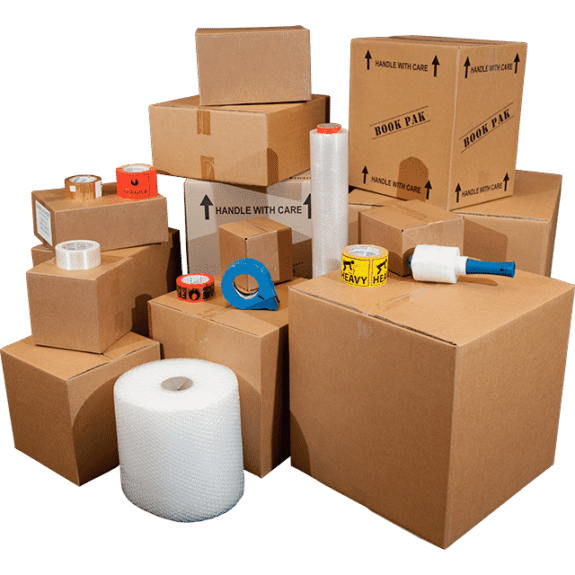
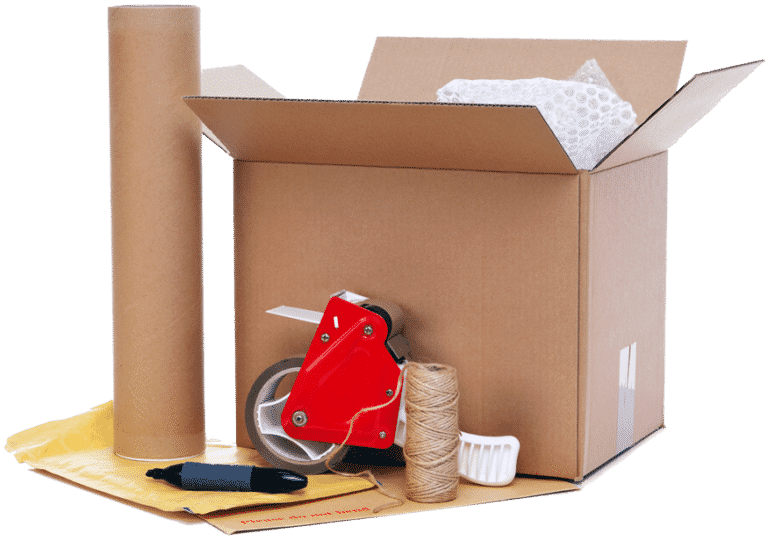
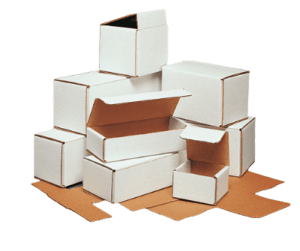
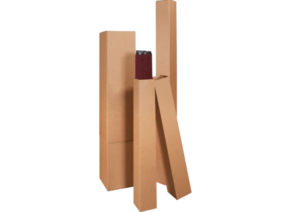
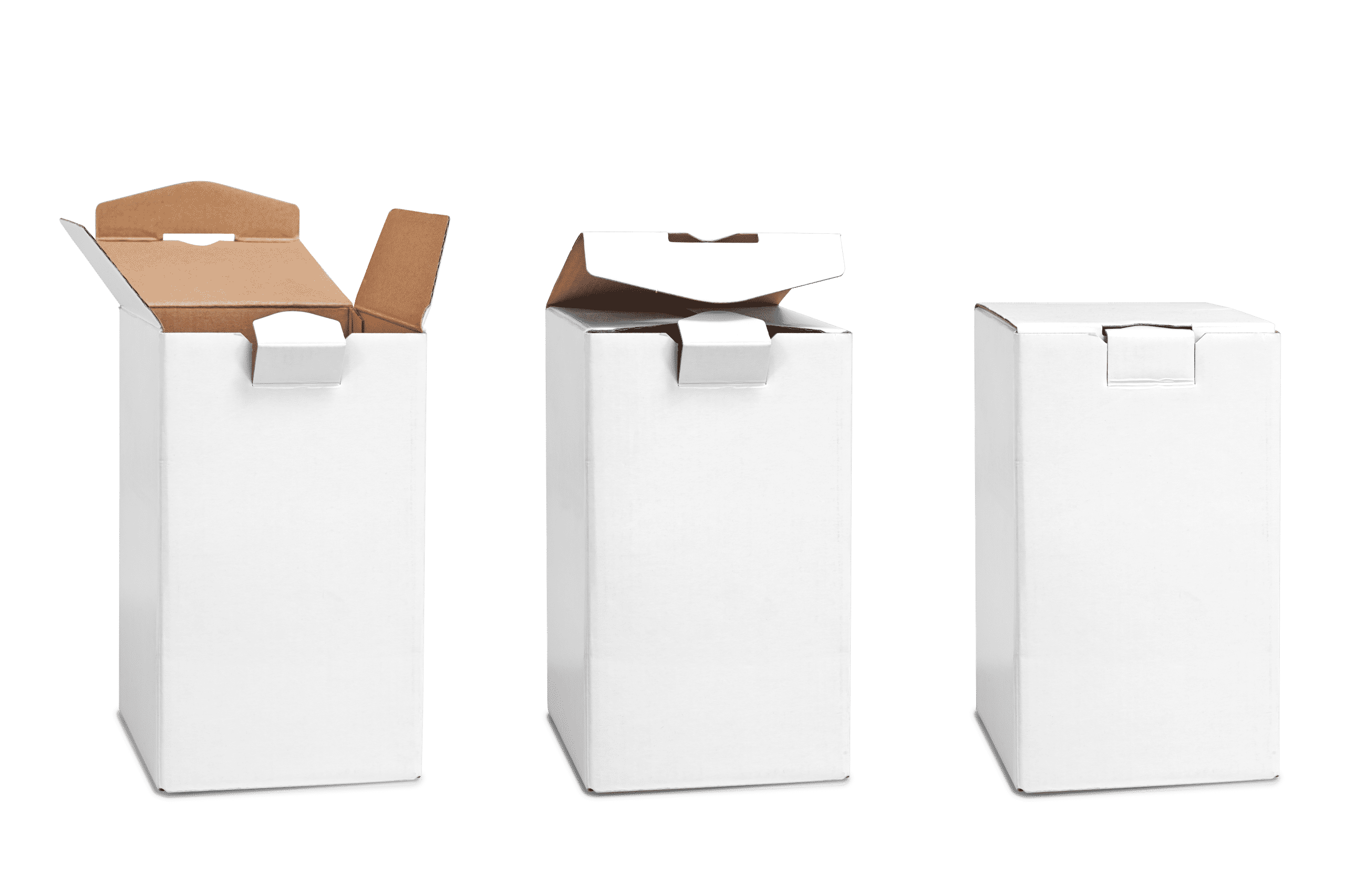
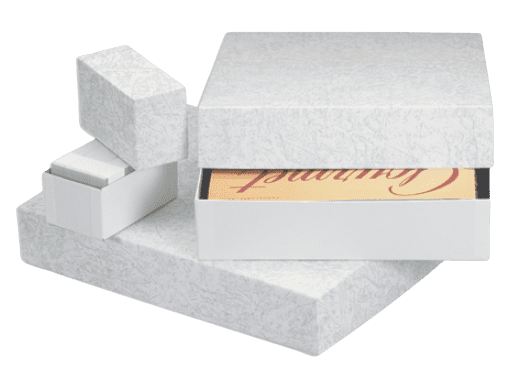
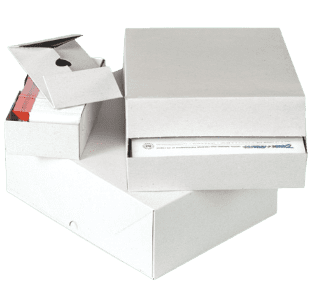
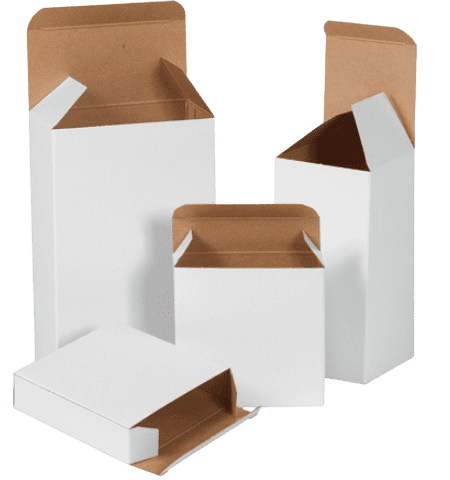
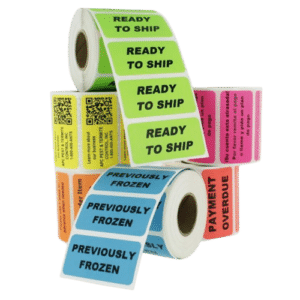
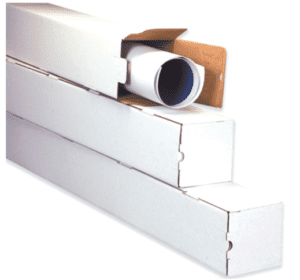
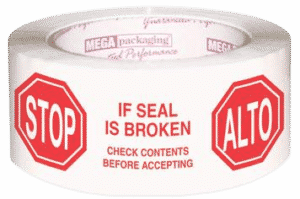
We supply businesses with a wide selection of essential packaging, shipping, and warehouse supplies. Get any standard packaging product by dimension or style from boxes, tubes, tapes, labels, and more. If you are unsure on what type of packaging you will need, then contact us for an expert consultation.


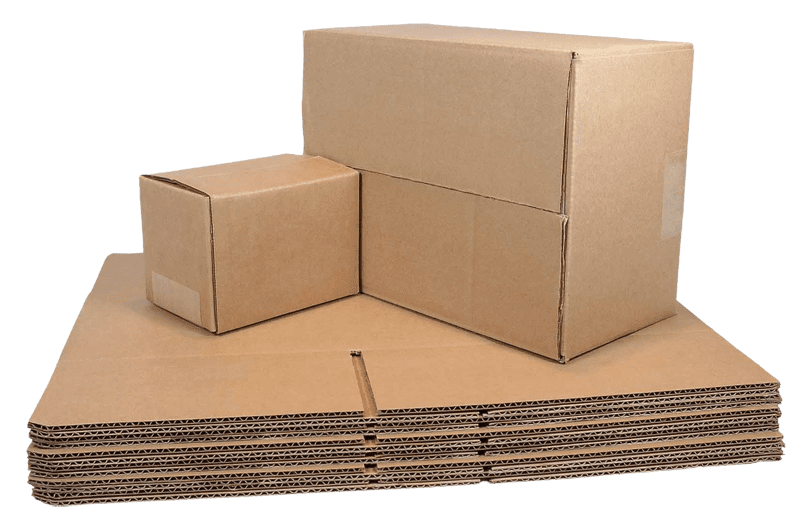
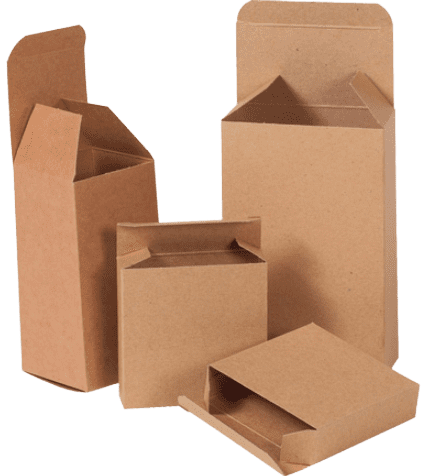
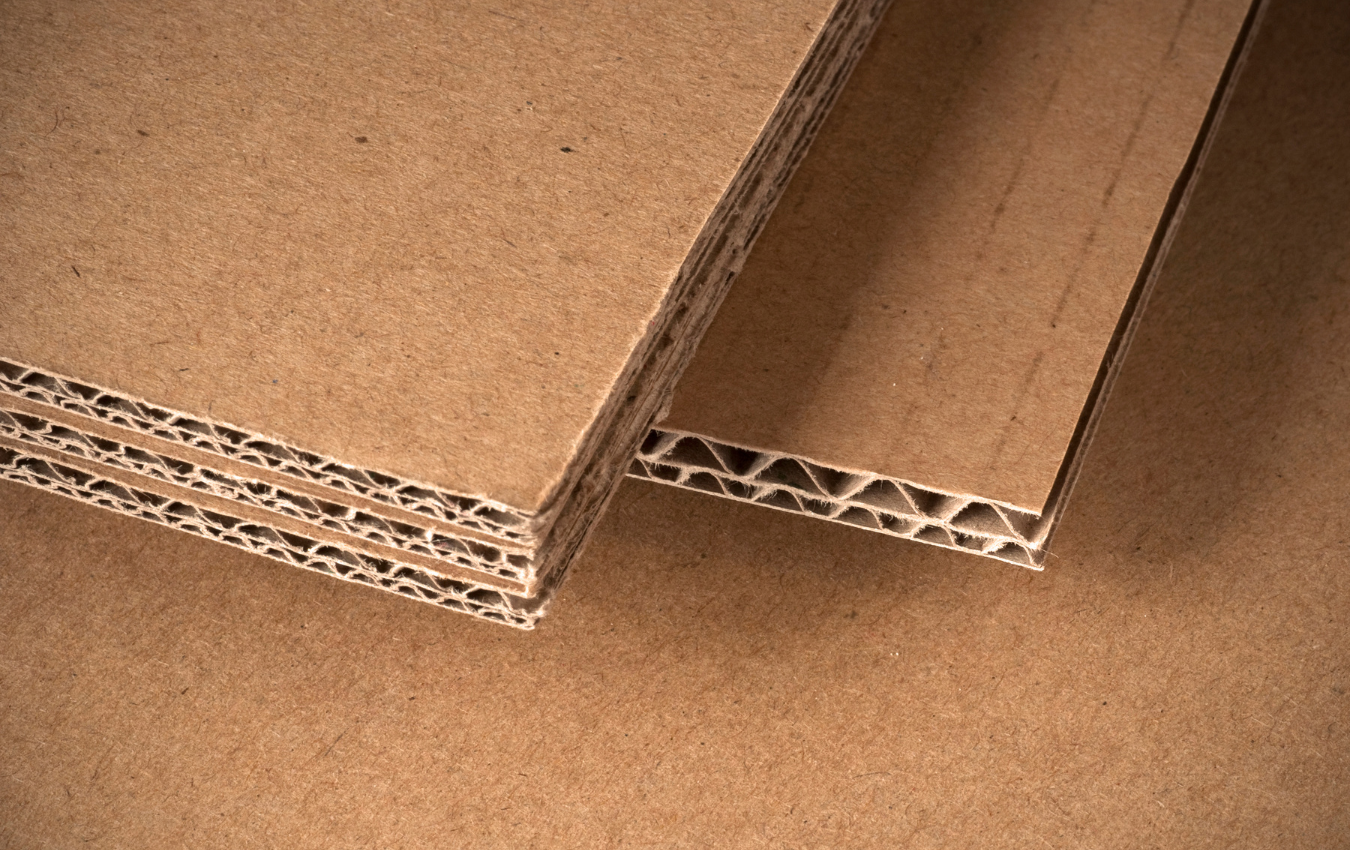
Stock packaging refers to pre-made, ready-to-ship packaging solutions like corrugated boxes, mailers, and protective materials that are designed to meet a wide range of standard needs across shipping, retail, and storage. Unlike custom packaging, stock options offer quick availability and reliable protection without the need for extensive design or production time, making them ideal for businesses needing efficient, high-quality solutions with fast lead times.
At Brown Packaging, we focus on providing durable, performance-driven stock packaging that supports our clients’ operational needs. Our stock products are sourced to ensure consistent quality and cost-effectiveness, offering a practical solution to keep operations running smoothly and on schedule. With an emphasis on reliability, we help our clients quickly access packaging solutions that meet their specific needs while maintaining quality across every order.
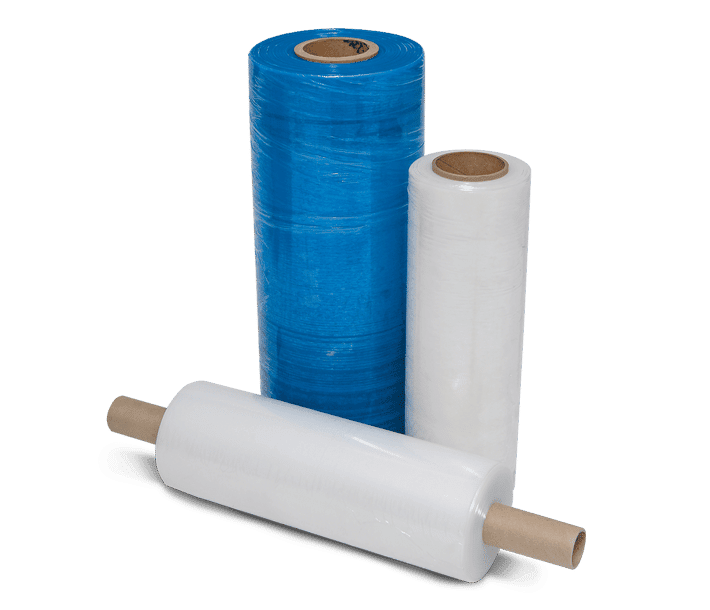
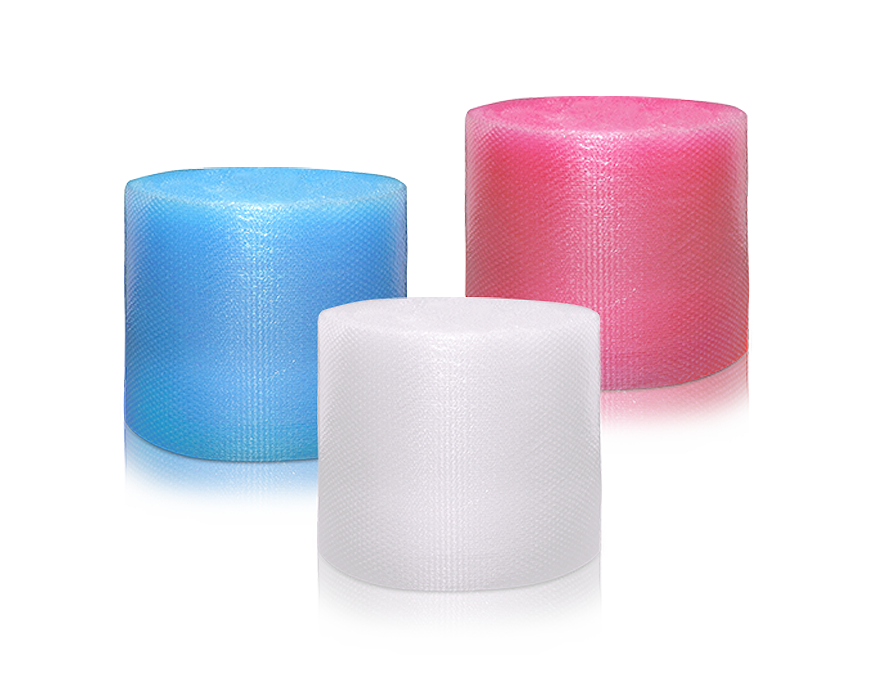
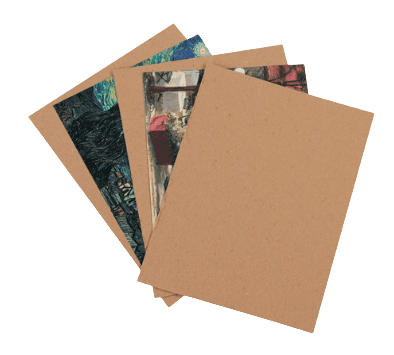
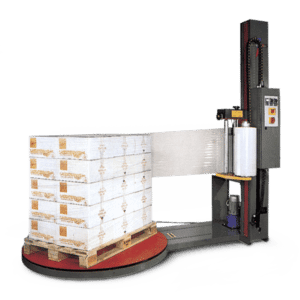
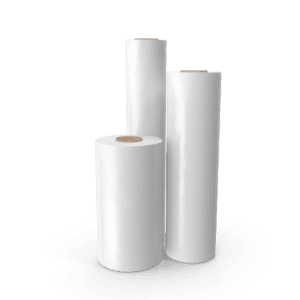
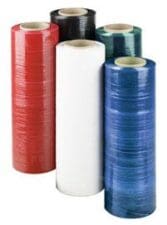
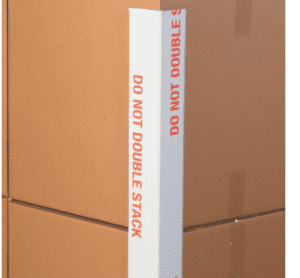
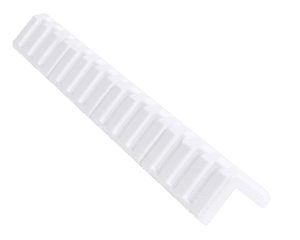
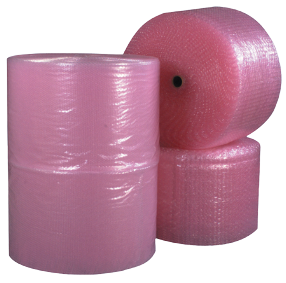
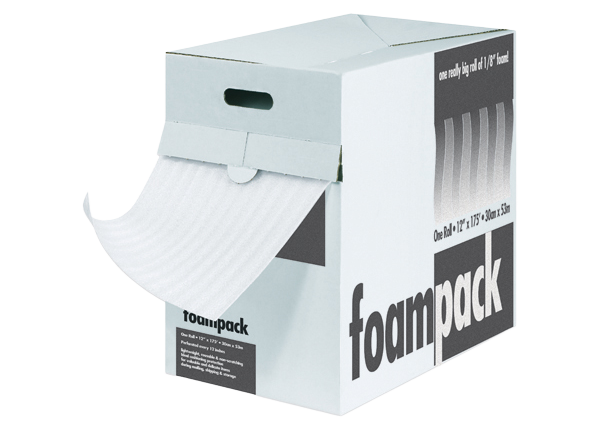
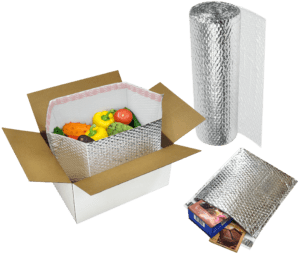
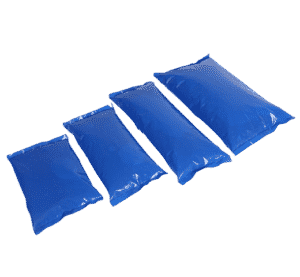
Our stock packaging products, from corrugated boxes to stretch film, offer a wide selection, including essentials like tape, edge protectors, labels, and more, with quick turnaround times to meet your packaging needs efficiently.


If you need any assistance with your packaging or have a question, then contact us directly at request@brownpackaging.com or (714)300-0650. Learn more about custom packaging by reading our blog posts on new and trending topics.

As environmental concerns continue to dominate consumer and regulatory conversations, the packaging industry is responding with innovative, eco-friendly solutions. In 2025, sustainable packaging will not only be a trend but a necessity for businesses looking to reduce their environmental footprint and appeal to increasingly eco-conscious consumers. Here are the top sustainability packaging trends expected to shape the industry in the coming years: Biodegradable and Compostable Materials Recyclable Packaging Solutions Lightweight Packaging Reusable Packaging Systems Plant-Based Packaging Monomaterial Packaging Zero-Waste Packaging Minimalistic Packaging Designs Renewable Energy in Packaging Production Smart Packaging for Sustainability Biodegradable and Compostable Materials The use of biodegradable and compostable materials is on the rise, as more companies turn to alternatives that naturally break down in the environment. Materials such as plant-based plastics, seaweed, and other organic fibers are becoming popular in food and single-use packaging, helping to eliminate waste and reduce landfill use. Recyclable Packaging Solutions Recycling remains one of the most effective ways to reduce waste, and packaging designed for easy recycling is more important than ever. Companies are investing in materials like paper, cardboard, and recyclable plastics, ensuring they are part of a closed-loop system where packaging can be reprocessed and reused multiple times. Lightweight Packaging Lightweight packaging not only reduces material use but also cuts transportation costs and lowers emissions. By using thinner, stronger materials, companies can achieve the same protective qualities while reducing the carbon footprint of shipping. Reusable Packaging Systems Reusable packaging is gaining momentum, with more brands adopting refillable or returnable containers. This trend reduces the need for single-use materials and allows customers to participate in circular economies where packaging is sent back, cleaned, and reused multiple times. Plant-Based Packaging Packaging derived from renewable plant sources like cornstarch, bamboo, and seaweed is an increasingly popular alternative to traditional petroleum-based plastics. These materials are not only renewable but also often biodegradable, making them ideal for a sustainable future. Monomaterial Packaging Monomaterial packaging uses a single type of material, making recycling easier and more efficient. By eliminating the need to separate different components, monomaterial solutions improve recyclability rates and simplify waste management processes. Zero-Waste Packaging The zero-waste movement is pushing companies to rethink packaging entirely. This trend involves designing products with no waste in mind, where all packaging components are either reusable, recyclable, or compostable. Zero-waste solutions aim to minimize the overall environmental impact throughout the packaging lifecycle. Minimalistic Packaging Designs Minimalistic designs reduce the amount of material used in packaging, aligning with sustainability goals. Brands are opting for simple, streamlined packaging that uses fewer resources and emphasizes eco-friendliness, appealing to consumers who prioritize environmental responsibility. Renewable Energy in Packaging Production More companies are shifting toward using renewable energy sources in the production of their packaging materials. By adopting solar, wind, and other clean energy solutions, businesses can reduce their reliance on fossil fuels and cut down on carbon emissions, contributing to a greener supply chain. Smart Packaging for Sustainability Smart packaging solutions are emerging as a way to improve supply chain efficiency and reduce waste. By using RFID tags, QR codes, and other technologies, companies can track packaging materials, monitor product conditions, and optimize inventory management, ultimately minimizing the environmental footprint of packaging. These sustainable packaging trends are set to lead the industry into a greener, more eco-friendly future in 2025. By staying ahead of these developments, businesses can not only meet regulatory requirements but also exceed consumer expectations for environmentally responsible packaging solutions. If you are interested in sustainable packaging solutions, then partner with Brown Packaging today. (714)300-0650 request@brownpackaging.com Most Recent Posts: Categories: Corrugated Ecommerce ESD Design Display Flexible Packaging Foam Folding Carton Packaging Plastic Packaging Pouch Printing Protection Retail Rigid Box Thermoform Sustainability Subscribe To Our Newsletter By submitting your information, you agree to our terms and conditions and privacy policy. Stock Packaging Facebook Twitter LinkedIn Pinterest Relevant Posts

As we approach 2025, the packaging industry continues to evolve in response to environmental pressures, consumer demands, and technological advancements. Businesses are increasingly focusing on sustainability, branding, and efficiency in their packaging strategies. Below are some of the key packaging trends expected to shape the industry in 2025: Sustainability Takes Center Stage Smart Packaging and Technology Integration Customization and Personalization Minimalist and Transparent Packaging Flexible Packaging for Convenience Edible Packaging E-Commerce-Ready Packaging Reusable Packaging Systems Health-Conscious Packaging Lightweight Packaging for Carbon Footprint Reduction Sustainability Takes Center Stage Sustainable packaging will remain at the forefront of industry trends in 2025. With increasing regulations and consumer awareness, companies will continue to adopt eco-friendly materials and reduce their carbon footprints. Packaging made from biodegradable, compostable, and recyclable materials will dominate the market. In addition, many businesses will focus on closed-loop recycling processes, where packaging materials are reused in a circular economy. Brands are expected to embrace minimalistic designs to cut down on material usage and waste, while innovative plant-based materials (like mushroom and cornstarch packaging) are gaining traction. Smart Packaging and Technology Integration 2025 will witness an expansion in smart packaging, where technology meets packaging. This includes packaging embedded with QR codes, RFID tags, or NFC chips that provide consumers with additional information, from tracking product freshness to enabling interactive experiences via smartphones. Smart packaging will be used to enhance supply chain transparency, provide real-time data for inventory management, and ensure product safety with anti-counterfeiting measures. Brands will leverage these technologies to improve consumer engagement while promoting transparency about their sustainability efforts. Customization and Personalization As e-commerce continues to thrive, custom and personalized packaging will gain momentum in 2025. Consumers now expect tailored packaging experiences, especially for direct-to-consumer brands. Companies are increasingly using personalized designs, messages, and custom inserts to create emotional connections with customers. The shift to digital printing will allow businesses to create unique, on-demand packaging without the need for large print runs, reducing waste while offering flexibility. Minimalist and Transparent Packaging Consumers are drawn to clean, minimalist designs that communicate sustainability and simplicity. Minimalist packaging uses fewer materials, which appeals to eco-conscious buyers. In addition, transparent packaging, especially in the food industry, gives consumers a view of the product and builds trust. Transparent designs also align with the growing demand for clean labels, where brands disclose more information about the contents and sourcing of the product. Flexible Packaging for Convenience Flexible packaging will continue to grow in popularity due to its lightweight, efficient nature. In 2025, stand-up pouches, resealable bags, and squeeze tubes will dominate the market. Flexible packaging uses fewer materials than traditional rigid packaging, making it a more sustainable choice. It also offers greater convenience, as it is easier to transport and store. Expect more innovations in monomaterial flexible packaging, which enhances recyclability without compromising on performance. Edible Packaging The idea of packaging that can be eaten or easily dissolved after use is becoming more than just a novelty. Edible packaging solutions, made from natural ingredients like seaweed or starch, are expected to rise in popularity by 2025, especially in the food and beverage industry. These solutions not only reduce waste but also offer an exciting, eco-friendly alternative to traditional packaging materials. Edible packaging is particularly appealing for single-use products like straws, wrappers, and containers for on-the-go consumption. E-Commerce-Ready Packaging With the exponential growth of e-commerce, packaging designed specifically for shipping will be crucial in 2025. E-commerce packaging needs to balance protection, sustainability, and branding. Expect a surge in frustration-free packaging, which is easy to open and made with minimal materials. The shift towards lightweight and durable designs will help brands reduce shipping costs while maintaining eco-friendly practices. Protective inserts, padding, and collapsible designs will also play a critical role in optimizing shipping processes. Reusable Packaging Systems The reusable packaging model will continue to gain momentum as brands seek ways to reduce single-use packaging waste. Several companies are already implementing returnable or refillable packaging solutions, especially for personal care and food products. By 2025, reusable packaging systems are expected to expand across more sectors, supported by subscription services where packaging is collected, cleaned, and reused. This shift reflects a larger trend toward extended product life cycles and a circular economy, where materials are kept in use for as long as possible. Health-Conscious Packaging With growing consumer interest in health and wellness, packaging designed for food safety and freshness will remain a priority. Packaging materials that maintain product quality and extend shelf life—while using minimal preservatives—will become essential in 2025. Expect advancements in antimicrobial packaging and active packaging, which can actively preserve or improve the freshness of the product. This is particularly relevant in the food and pharmaceutical industries, where safety and hygiene are paramount. Lightweight Packaging for Carbon Footprint Reduction Lightweight packaging not only reduces material usage but also lowers transportation costs by decreasing the overall weight of shipments. In 2025, businesses will continue to adopt lightweight packaging as a way to lower their carbon emissions. Innovations in recyclable plastics, biodegradable materials, and thin but durable materials will enable companies to reduce their packaging’s environmental footprint without sacrificing protection. Conclusion The future of packaging is rooted in sustainability, convenience, and technology. As businesses look to meet evolving consumer expectations and comply with new regulations, the packaging industry will continue to innovate with eco-friendly materials, smart designs, and flexible solutions. Companies that adopt these trends will not only improve their environmental impact but also stay ahead in a competitive marketplace. (714)300-0650 request@brownpackaging.com Most Recent Posts: Categories: Corrugated Ecommerce ESD Design Display Flexible Packaging Foam Folding Carton Packaging Plastic Packaging Pouch Printing Protection Retail Rigid Box Thermoform Sustainability Subscribe To Our Newsletter By submitting your information, you agree to our terms and conditions and privacy policy. Custom Packaging Facebook Twitter LinkedIn Pinterest Relevant Posts

In retail, the ease with which customers can interact with products directly influences their purchasing decisions. Point of Purchase (POP) displays designed with accessibility in mind are pivotal for enhancing customer experience and boosting sales. This blog dives into the concept of product accessibility within POP displays, highlighting strategies to maximize ease of access and encourage active engagement. The Importance of Product Accessibility Product accessibility in a retail setting means more than just physical reach; it involves making products approachable, understandable, and engaging through well-thought-out display designs. Effective POP displays remove barriers that could deter a customer from interacting with the product, thereby increasing the likelihood of a purchase. Key Strategies for Accessible POP Displays Minimize Physical Barriers Ensure that products within POP displays are easy to reach and interact with. Avoid high shelves or deep bins where products might be out of reach for some customers. Consider the layout and height of your displays to accommodate all customers, including those who might be wheelchair users or of short stature. Interactive Elements Incorporate elements that invite interaction, such as touchscreens with product information, samples for testing, or QR codes that link to detailed product demonstrations. Interactive displays not only improve accessibility but also enhance the shopping experience, making it more informative and engaging. Clear and Concise Signage Use clear, easily readable signage that guides and educates the customer. Signage should be visible from a distance and at eye level, using simple language to explain the product benefits and how to use them. This reduces confusion and empowers customers to make informed decisions quickly. Optimal Placement Position POP displays in locations where customers naturally pause, such as at eye level on end caps, near product categories that complement the display items, or along paths that most customers travel. Strategic placement ensures products are not only accessible but also unavoidable as customers navigate through the store. Use of Lighting Enhance product visibility and appeal through effective lighting. Well-lit displays draw attention to the products and can influence mood and perception. Consider using spotlights or LED lighting to highlight specific products or features, making them more inviting to customers. Regular Updates Keep your POP displays fresh and relevant by regularly updating them to reflect new products, seasonal items, or current promotions. This keeps returning customers engaged and ensures that the display maintains its appeal over time. Conclusion Understanding and improving product accessibility in POP displays is essential for creating effective retail environments. By implementing strategies that enhance physical access, interaction, and comprehension, retailers can significantly boost customer engagement and sales. Accessible POP displays not only cater to a wider audience but also foster a more inclusive shopping experience. If you are interested in POP displays, then partner with Brown Packaging today to get started. (714)300-0650 request@brownpackaging.com Most Recent Posts: Categories: Corrugated Ecommerce ESD Design Display Flexible Packaging Foam Folding Carton Packaging Plastic Packaging Pouch Printing Protection Retail Rigid Box Thermoform Sustainability Subscribe To Our Newsletter By submitting your information, you agree to our terms and conditions and privacy policy. POP Display Facebook Twitter LinkedIn Pinterest Relevant Posts