



window.uetq = window.uetq || []; window.uetq.push(‘event’, ‘submit_lead_form’,{ event_label:‘SUBMIT MESSAGE’ }); window.lintrk('track', { conversion_id: 10271009 }); window.lintrk('track', { conversion_id: 10271017 });

Stock Packaging

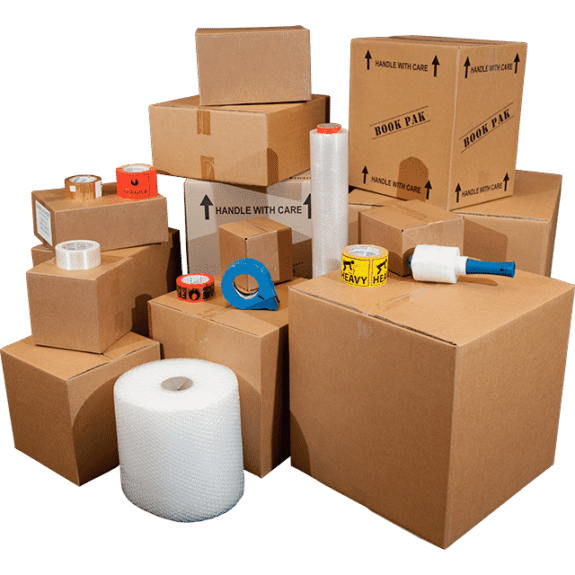
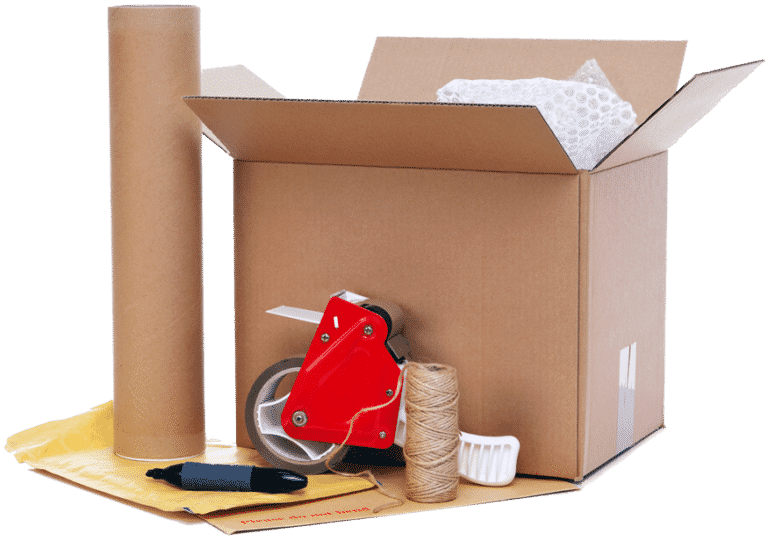
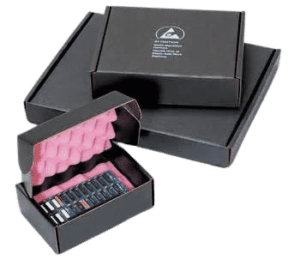
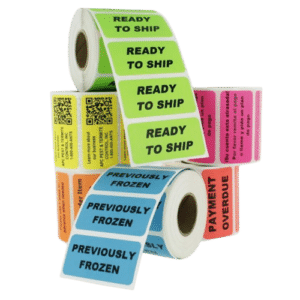
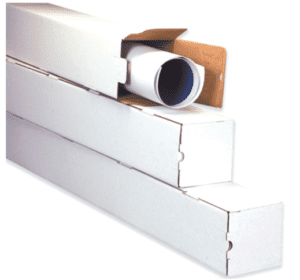
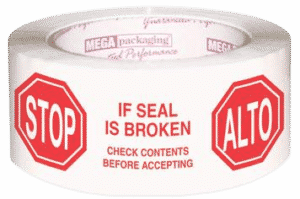
We supply businesses with a wide selection of essential packaging, shipping, and warehouse supplies. Get any standard packaging product by dimension or style from boxes, tubes, tapes, labels, and more. If you are unsure on what type of packaging you will need, then contact us for an expert consultation.


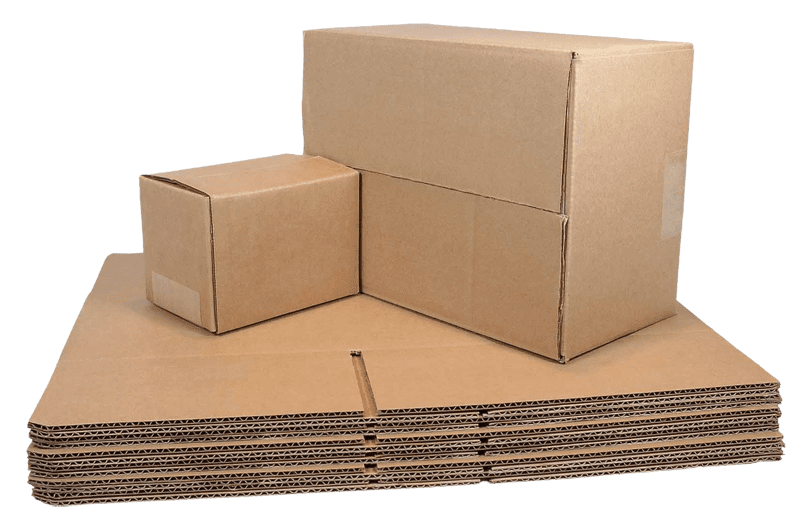
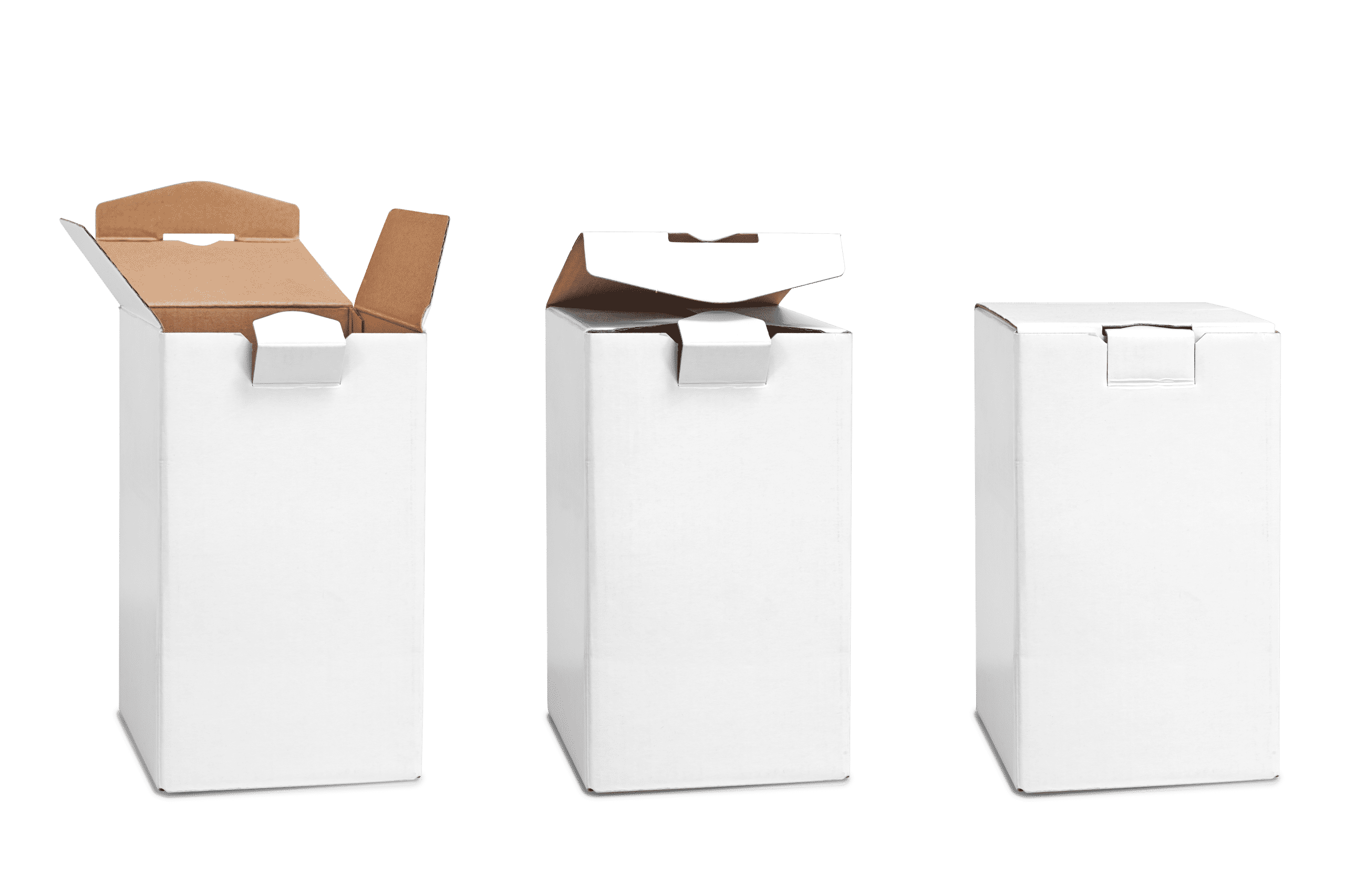
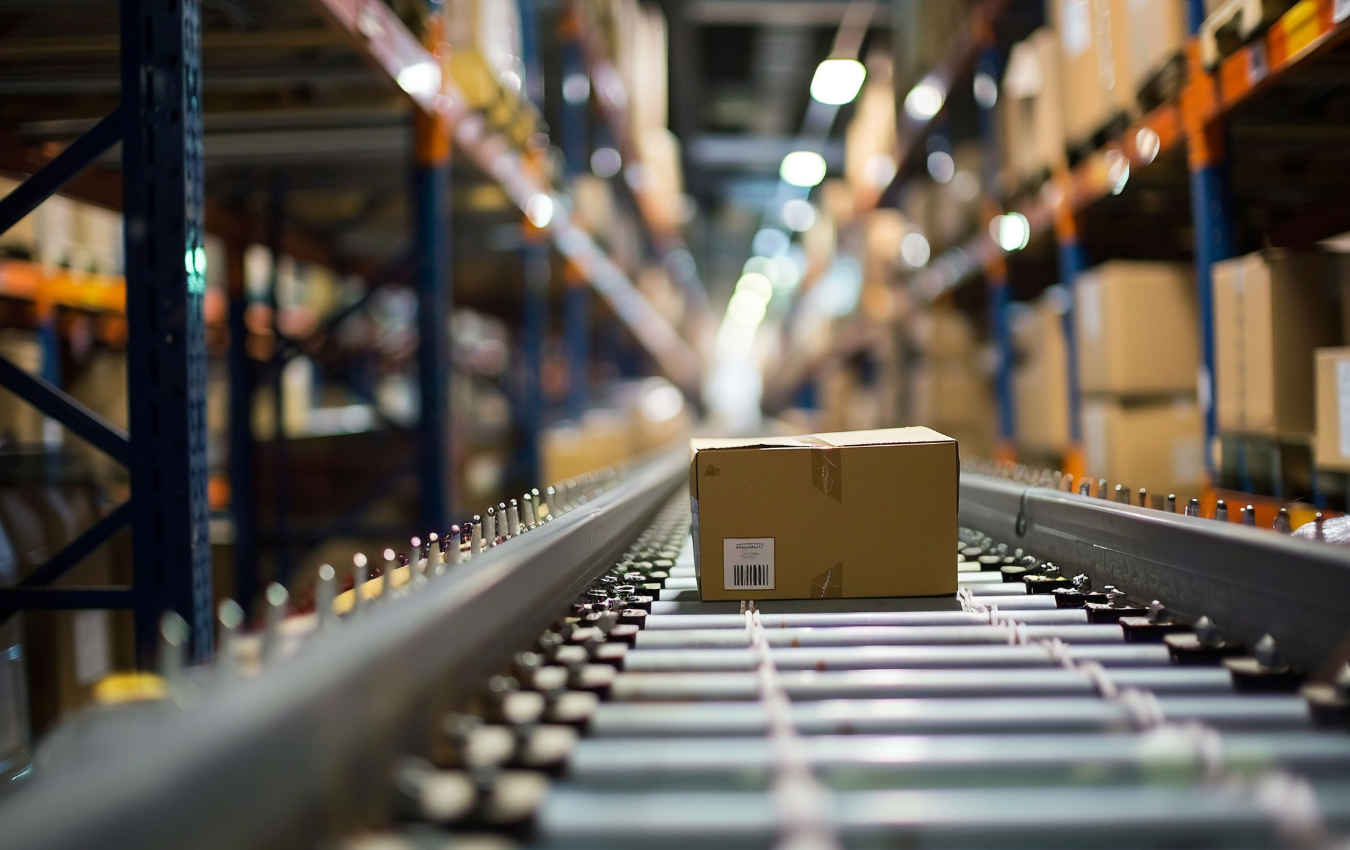
Stock packaging refers to pre-made, ready-to-ship packaging solutions like corrugated boxes, mailers, and protective materials that are designed to meet a wide range of standard needs across shipping, retail, and storage. Unlike custom packaging, stock options offer quick availability and reliable protection without the need for extensive design or production time, making them ideal for businesses needing efficient, high-quality solutions with fast lead times.

At Brown Packaging, we focus on providing durable, performance-driven stock packaging that supports our clients’ operational needs. Our stock products are sourced to ensure consistent quality and cost-effectiveness, offering a practical solution to keep operations running smoothly and on schedule. With an emphasis on reliability, we help our clients quickly access packaging solutions that meet their specific needs while maintaining quality across every order.

stock packaging products

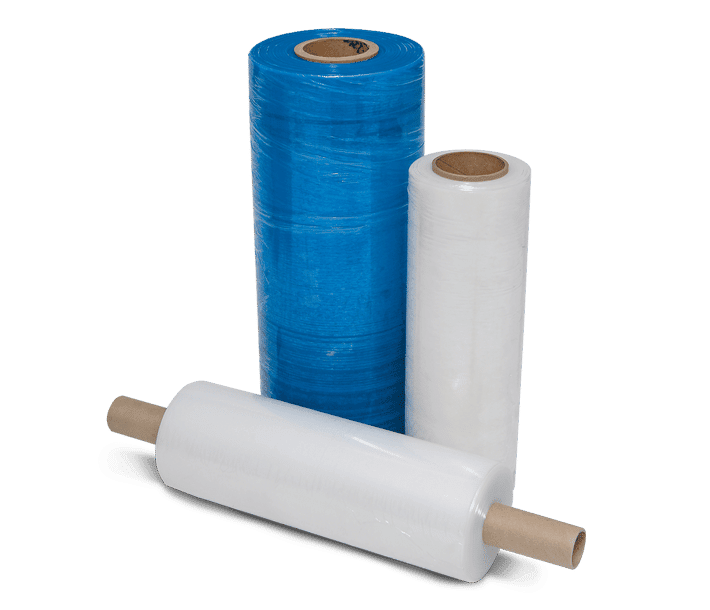
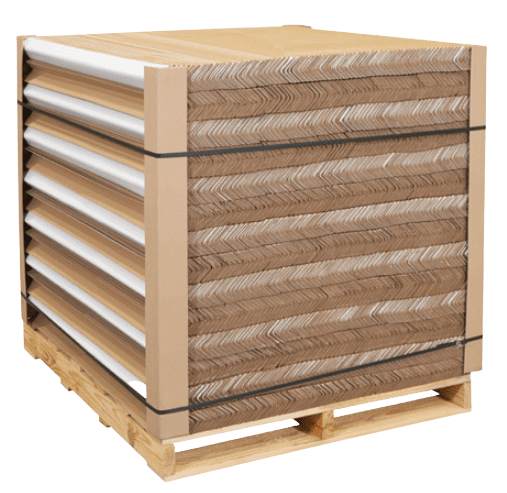
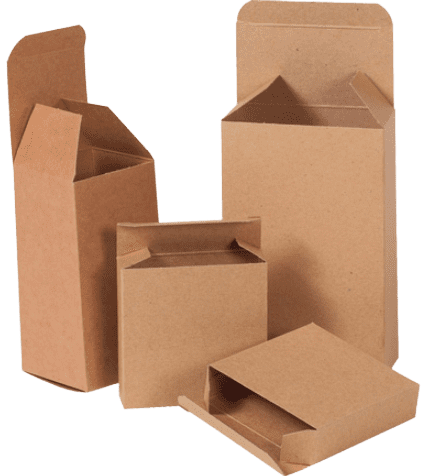
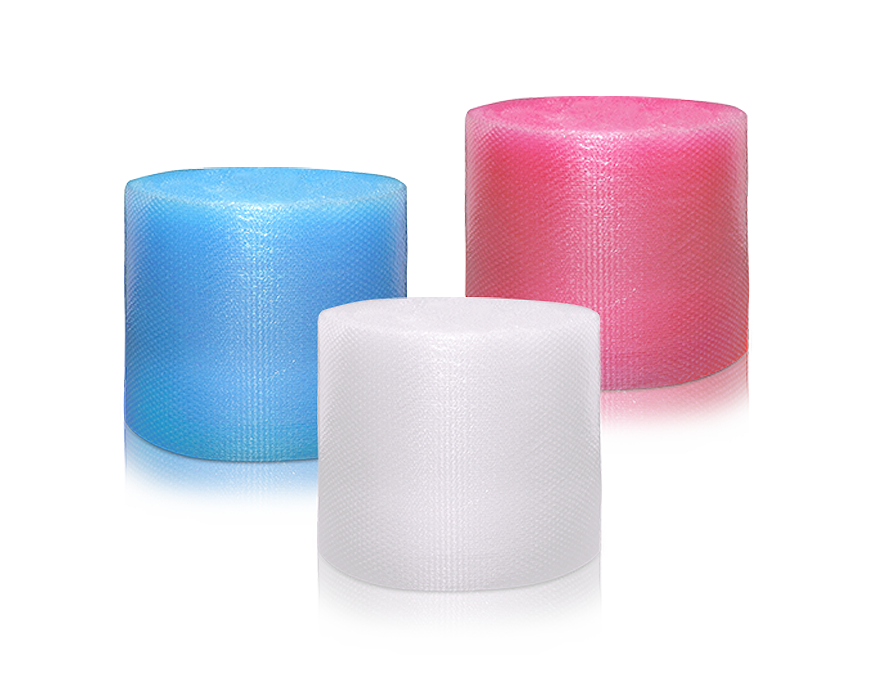
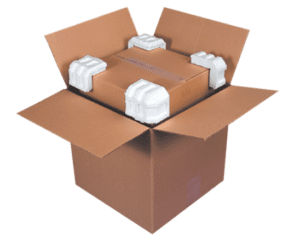
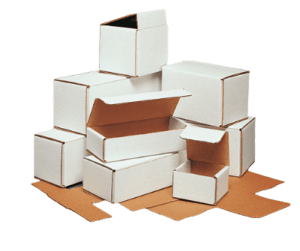
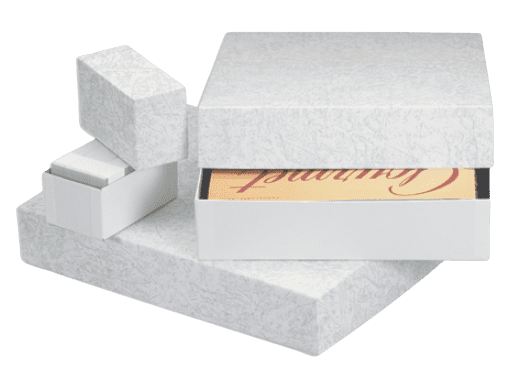
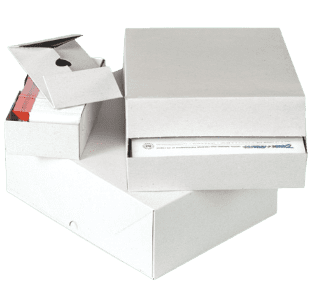
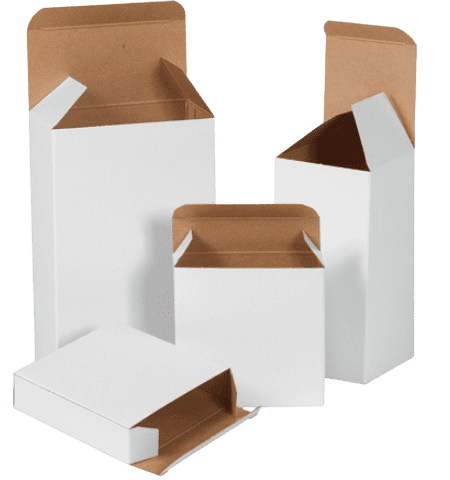
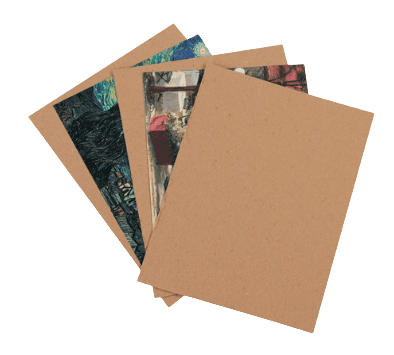
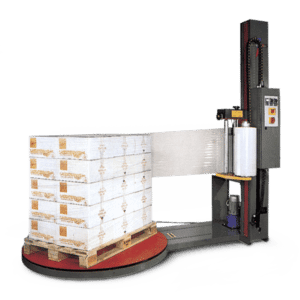
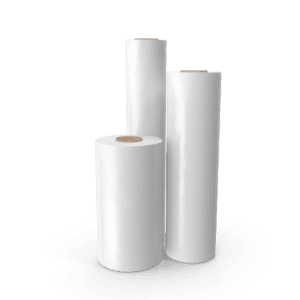
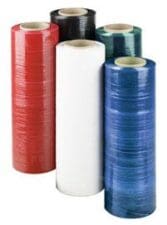
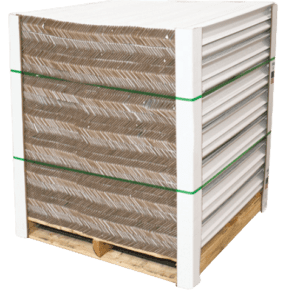
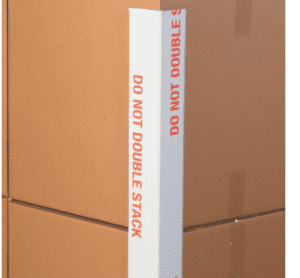
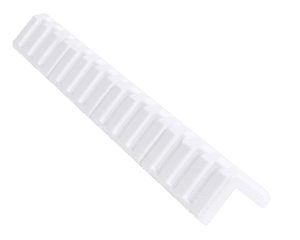
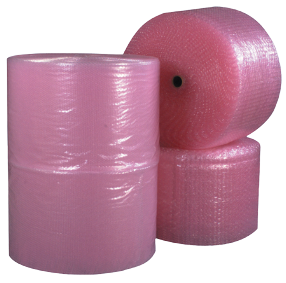
Our stock packaging products, from corrugated boxes to stretch film, offer a wide selection, including essentials like tape, edge protectors, labels, and more, with quick turnaround times to meet your packaging needs efficiently.

Edit Content
Edit Content
Folding Cartons
Pads
Apparel Boxes
Jewelry Boxes
Setup Cartons
Stationary Cartons
Edit Content
Cast Film
Blown Film
Conventional Film
Engineered Film
Pre-Stretched Film
Hand Film
Machine Film
Edit Content
Light Duty
Medium Duty
Heavy Duty
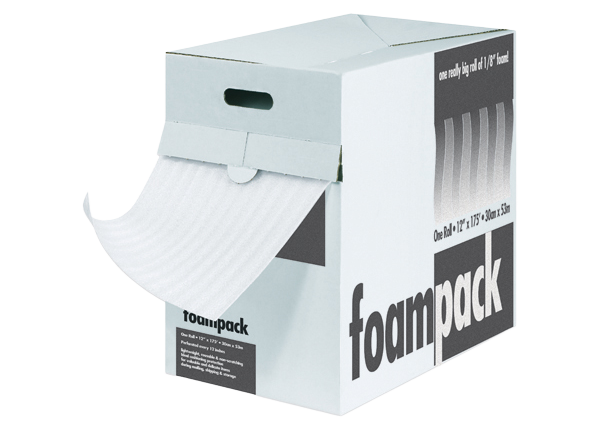
Foam
Strapping
Frame Protectors
Edit Content
Edit Content
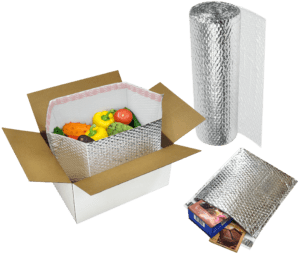
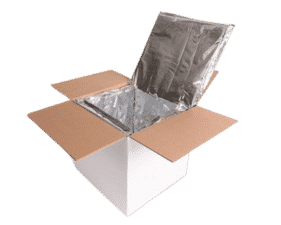
Box Liner
Metalized Pouch
Foam Cooler
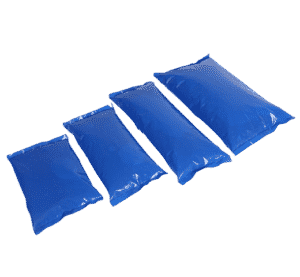
Ice Pack
Gel Pack
Edit Content
Edit Content
Edit Content
Folding Cartons
Pads
Apparel Boxes
Jewelry Boxes
Setup Cartons
Stationary Cartons
Edit Content
Cast Film
Blown Film
Conventional Film
Engineered Film
Pre-Stretched Film
Hand Film
Machine Film
Edit Content
Click on the Edit Content button to edit/add the content.
Edit Content
Edit Content
Box Liner
Metalized Pouch
Foam Cooler
Ice Pack
Gel Pack
Edit Content

If you need any assistance with your packaging or have a question, then contact us directly at request@brownpackaging.com  or  (714)300-0650. Learn more about custom packaging by reading our blog posts on new and trending topics.

Custom Point of Purchase Displays
Display
brownpackaging
Capturing Impulse Buyers: The Strategic Role of POP Displays

In the fast-paced retail environment, capturing the attention of impulse buyers is crucial for boosting sales. Point of Purchase (POP) displays are designed to grab shopper attention at the moment when buying decisions are made, making them a powerful tool for influencing impulse purchases. This blog explores how POP displays can be strategically used to target impulse buyers effectively. Understanding Impulse Buyers Impulse buyers are customers who make spontaneous purchase decisions triggered by seeing the product at that moment. These decisions are often driven by emotional appeal, convenience, or the allure of a good deal. Understanding the psychology of impulse buying is key to designing POP displays that convert passersby into buyers. Designing POP Displays for Maximum Impact Visual Appeal The first step in capturing the attention of an impulse buyer is through striking visual design. Bright colors, bold fonts, and attractive graphics can make POP displays stand out. Incorporating eye-catching elements like flashing lights or digital screens can also draw more attention compared to static displays. Strategic Placement Placement of POP displays can significantly affect their success in capturing impulse buyers. High-traffic areas such as near the checkout lines, at the end of aisles, and close to the store entrance are prime locations. These spots are where customers are most likely to make last-minute purchase decisions. Promotional Messaging Effective POP displays use clear, compelling messages that create a sense of urgency or highlight exclusivity. Phrases like “Limited Time Offer,” “While Supplies Last,” or “Exclusive Deal” can prompt impulse buyers to act immediately to take advantage of the offer before it’s gone. Product Accessibility For an impulse buy to occur, the product must be easily accessible. POP displays should allow customers to easily pick up the product, examine it, and make a quick purchase. Interactive displays that encourage touching and engaging with the product can also increase the likelihood of impulse buys. Leveraging Consumer Behavior Insights Understanding Consumer Habits Analyzing data on consumer behavior and shopping patterns can help tailor POP displays to the habits and preferences of target demographics. For instance, placing snack items in POP displays near the beverage section can capitalize on common buying patterns where shoppers who pick up drinks might also grab a quick snack. Seasonal and Event-Based Targeting Aligning POP displays with seasonal events or holidays can effectively target impulse buyers looking for gifts or celebratory items. For example, chocolate and candy displays are more effective near Valentine’s Day or Easter. Measuring and Adapting Testing Different Approaches Retailers should test various designs and placements of POP displays to see what works best. A/B testing can provide valuable insights into which strategies are most effective at driving impulse purchases. Adapting to Feedback Regularly updating POP displays based on customer feedback and sales data can help maintain their effectiveness. Changing the display’s design, message, or placement in response to observed customer behaviors can optimize their impact. If you are interested in POP displays, then partner with Brown Packaging today to get started. (714)300-0650 request@brownpackaging.com Most Recent Posts: Categories: Corrugated Ecommerce ESD Design Display Flexible Packaging Foam Folding Carton Packaging Plastic Packaging Pouch Printing Protection Retail Rigid Box Thermoform Sustainability Subscribe To Our Newsletter By submitting your information, you agree to our terms and conditions and privacy policy. Custom Packaging Facebook Twitter LinkedIn Pinterest Relevant Posts

Read More »
custom printed lay flat pouch multiple skus
Pouch
brownpackaging
Understanding the Cost of Pouch Packaging

Pouch packaging has gained immense popularity across various industries due to its convenience, versatility, and eye-catching design possibilities. However, when considering pouch packaging for your products, it’s essential to understand the cost factors associated with it. In this detailed blog, we will break down the cost of pouch packaging and explain how unit costs per 1,000, 10,000, 100,000, and 1,000,000 units work. By the end, you’ll have a clear understanding of what to expect when budgeting for your pouch packaging needs. Determining Pouch Packaging Costs Pouch packaging costs can vary significantly based on several factors. To calculate unit costs for different quantities, consider the following key variables: Pouch Type: The type of pouch you choose, such as stand-up pouches, flat pouches, or custom-shaped pouches, will impact the cost. Specialty or custom-shaped pouches tend to be more expensive. Material Selection: Pouches can be made from various materials, including plastic, foil, or paper. The material choice affects both the cost and the appearance of the pouch. Size and Dimensions: The physical dimensions of the pouch play a significant role in pricing. Larger or irregularly shaped pouches typically cost more. Printing and Design: The complexity of the design and the number of colors used for printing influence costs. Intricate artwork or high-resolution graphics may increase expenses. Quantity Ordered: Economies of scale come into play when ordering larger quantities. Typically, the more pouches you order, the lower the unit cost. Add-On Features: Special features like zippers, spouts, or tear notches can impact the overall cost. These add-ons add both complexity and value to the pouch. Lead Time: Rush orders or tight production schedules may incur additional fees, so planning ahead can help you save on costs. Unit Costs for Different Quantities To better understand how pouch packaging costs scale with quantity, let’s break down the unit cost per 1,000, 10,000, 100,000, and 1,000,000 units. Per 1,000 Units: When ordering a small quantity of pouches (e.g., 1,000 units), the unit cost tends to be higher due to setup and production costs. This is the most expensive option on a per-unit basis. Per 10,000 Units: Ordering 10,000 units typically reduces the unit cost significantly. The setup costs are spread across a larger quantity, making each pouch more cost-effective. Per 100,000 Units: Ordering 100,000 units further decreases the unit cost. The economies of scale become more pronounced, resulting in a considerable reduction in cost per pouch. Per 1,000,000 Units: For larger orders of 1,000,000 units, the unit cost is often the lowest. The efficiencies gained in production, materials, and setup costs result in a highly cost-effective solution. Additional Cost Considerations It’s essential to remember that the unit cost of pouch packaging is not the only expense to consider: Shipping and Handling: Factor in shipping and handling costs, which can vary depending on the weight and volume of the pouches. Design and Artwork: Design and artwork creation may incur separate costs, especially if you require custom graphics or intricate designs. Storage: If you are ordering a large quantity, consider storage costs if you do not have adequate space. Quality Control: Budget for quality control measures to ensure that the final product meets your specifications and standards. Conclusion Understanding the cost of pouch packaging is essential for effective budgeting. It’s crucial to consider factors such as pouch type, material selection, size, design complexity, quantity ordered, and additional features when calculating unit costs. As quantities increase, the unit cost tends to decrease due to economies of scale. By carefully evaluating your packaging needs and planning accordingly, you can make informed decisions that optimize both cost-efficiency and the visual appeal of your pouch packaging. If you are interested in pouch packaging, then partner with Brown Packaging today to get started. (714)300-0650 request@brownpackaging.com Most Recent Posts: Categories: Corrugated Ecommerce ESD Design Display Flexible Packaging Foam Folding Carton Packaging Plastic Packaging Pouch Printing Protection Retail Rigid Box Thermoform Sustainability Subscribe To Our Newsletter By submitting your information, you agree to our terms and conditions and privacy policy. Custom Pouches Facebook Twitter LinkedIn Pinterest Relevant Posts

Read More »
Health-Beauty-POP-floor Display
Display
brownpackaging
Assessing and Improving POP Display Performance

After deploying Point of Purchase (POP) displays, the next critical step is to monitor and evaluate their effectiveness. This phase is essential to understanding the impact of the displays on customer engagement and sales, and it provides valuable insights that can guide future marketing strategies and display designs. This blog details the processes of performance tracking, gathering feedback, and making necessary adjustments to ensure the continual improvement of POP displays. Performance Tracking: Measuring Success Utilizing Sales Data The most direct measure of a POP display’s effectiveness is its impact on sales. Track the sales data of products featured in the display and compare it to sales figures before the display’s installation or with similar products not included in the display. This data provides a clear indication of the display’s ability to convert interest into purchases. Collecting Customer Feedback Gathering feedback directly from customers can provide insights into how the displays are perceived and their influence on buying decisions. Feedback can be collected through surveys, interviews, or even informal conversations at the point of sale. Conducting Observational Studies Observational studies involve watching how customers interact with the display. Note factors such as the time spent at the display, the interaction with products, and the overall traffic. Observational data can help understand customer behavior patterns and engagement levels. Feedback and Adjustments: Continuous Improvement Analyzing Feedback Once data is collected, analyze it to identify trends and patterns. Look for feedback that indicates what customers like about the display and what elements might be causing confusion or disinterest. This analysis can pinpoint what aspects of the display are most effective and which ones need improvement. Implementing Adjustments Based on the analysis, implement adjustments to improve the display. This might involve changing the layout, updating the messaging, or even altering the design elements like colors or lighting. Small, iterative changes can often lead to significant improvements in engagement and effectiveness. A/B Testing To determine which adjustments are most effective, conduct A/B testing by creating different versions of your display. This method allows you to compare results directly and make data-driven decisions about which elements to implement across all displays. Establishing a Routine for Review Regular Reviews Set up a schedule for regular review and maintenance of POP displays. This ensures that displays continue to function as intended and remain visually appealing to customers. Updating Displays Keep displays fresh and relevant by updating them regularly to align with new marketing campaigns, seasonal changes, or new product launches. This not only maintains customer interest but also ensures that the POP displays continue to meet business goals. Conclusion Monitoring and evaluation are critical to maximizing the effectiveness of POP displays. By tracking performance, gathering feedback, and continuously making informed adjustments, businesses can enhance the impact of their displays. This ongoing process not only improves the current displays but also provides invaluable insights that can be applied to future display projects, ultimately leading to better customer engagement and increased sales. If you are interested in POP displays, then partner with Brown Packaging today to get started. (714)300-0650 request@brownpackaging.com Most Recent Posts: Categories: Corrugated Ecommerce ESD Design Display Flexible Packaging Foam Folding Carton Packaging Plastic Packaging Pouch Printing Protection Retail Rigid Box Thermoform Sustainability Subscribe To Our Newsletter By submitting your information, you agree to our terms and conditions and privacy policy. POP Displays Facebook Twitter LinkedIn Pinterest Relevant Posts

Read More »