



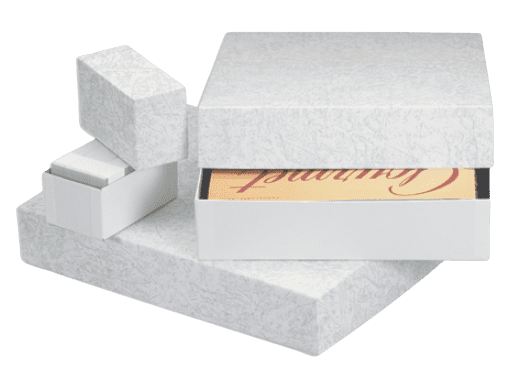
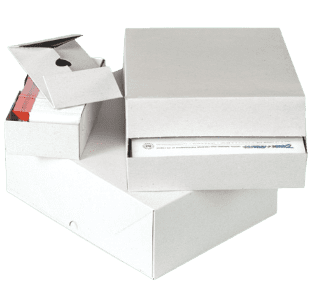
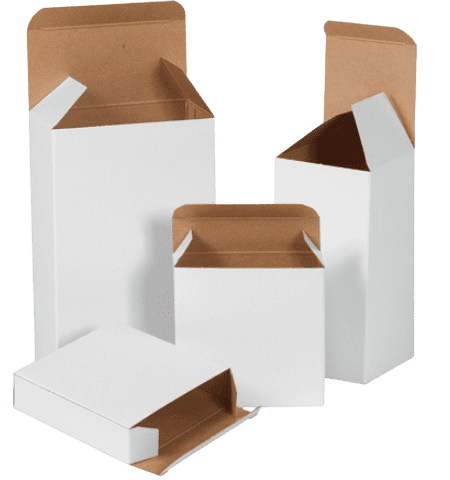
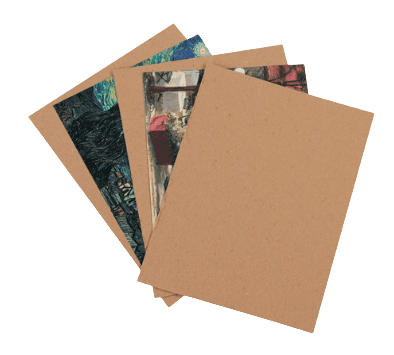



Stock Packaging
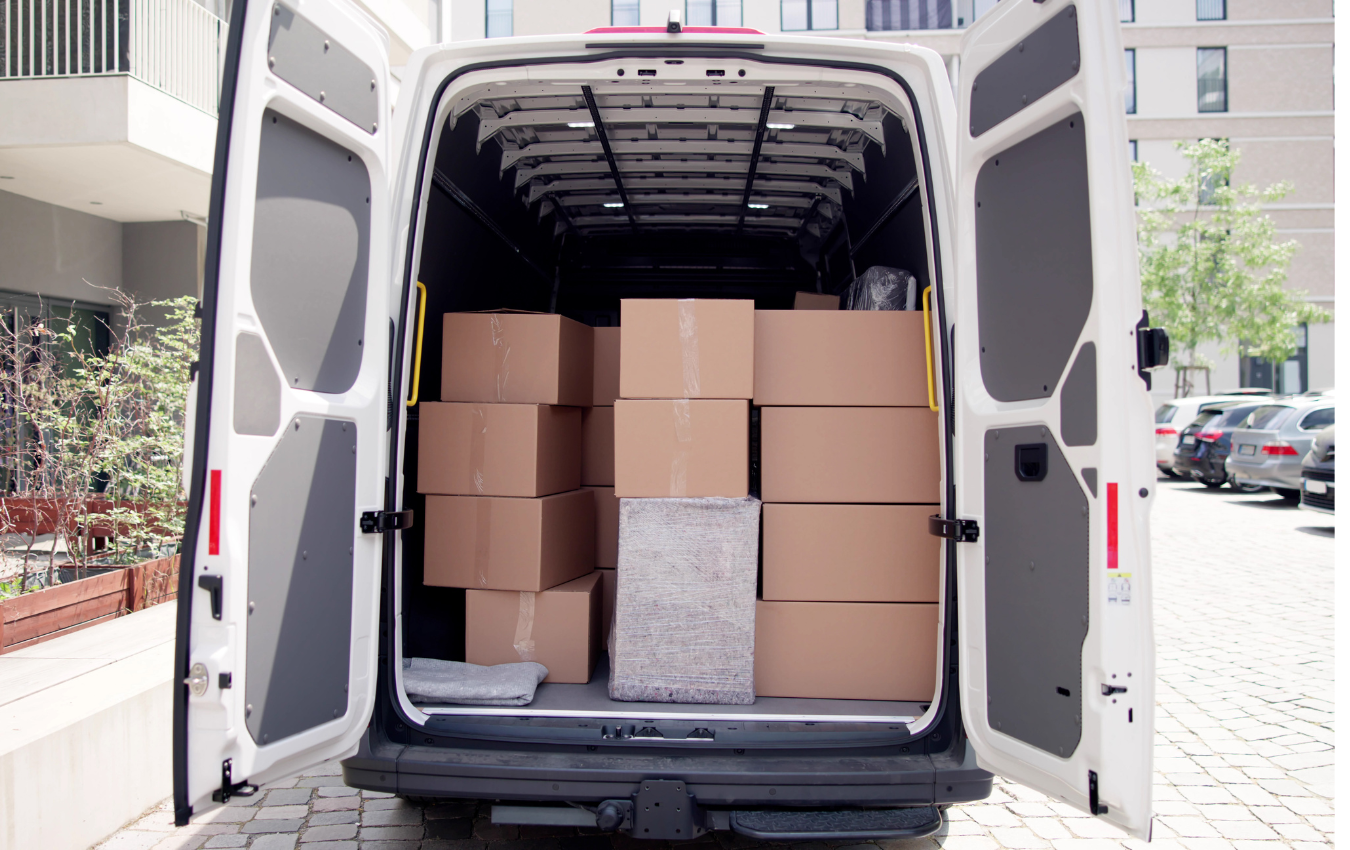
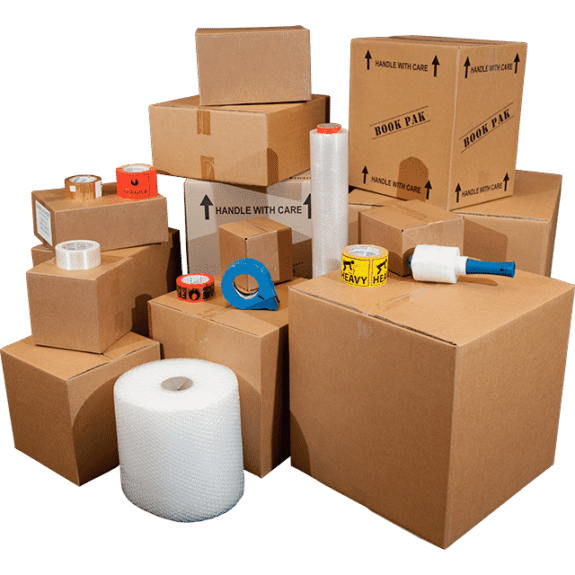
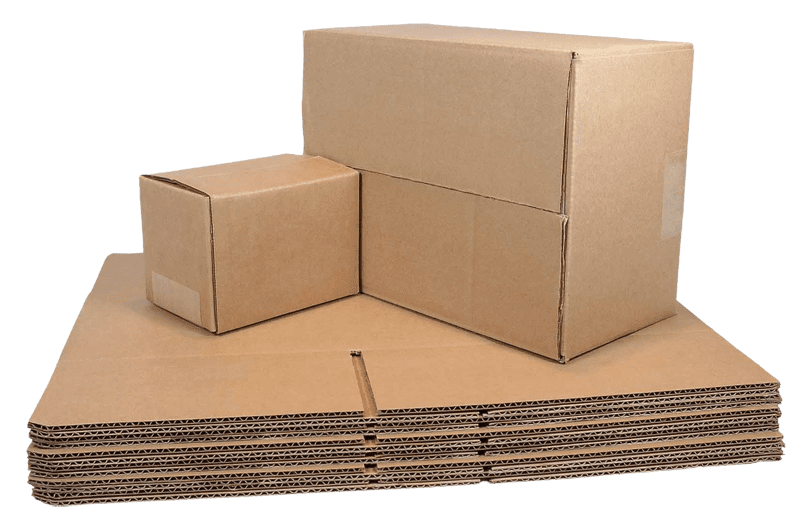
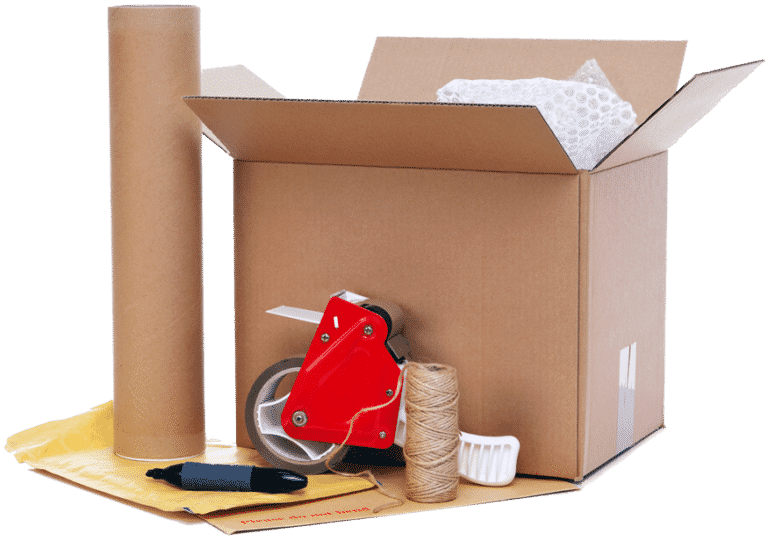
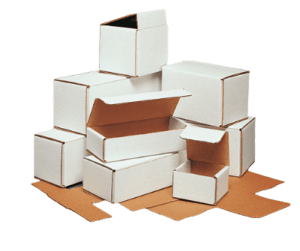
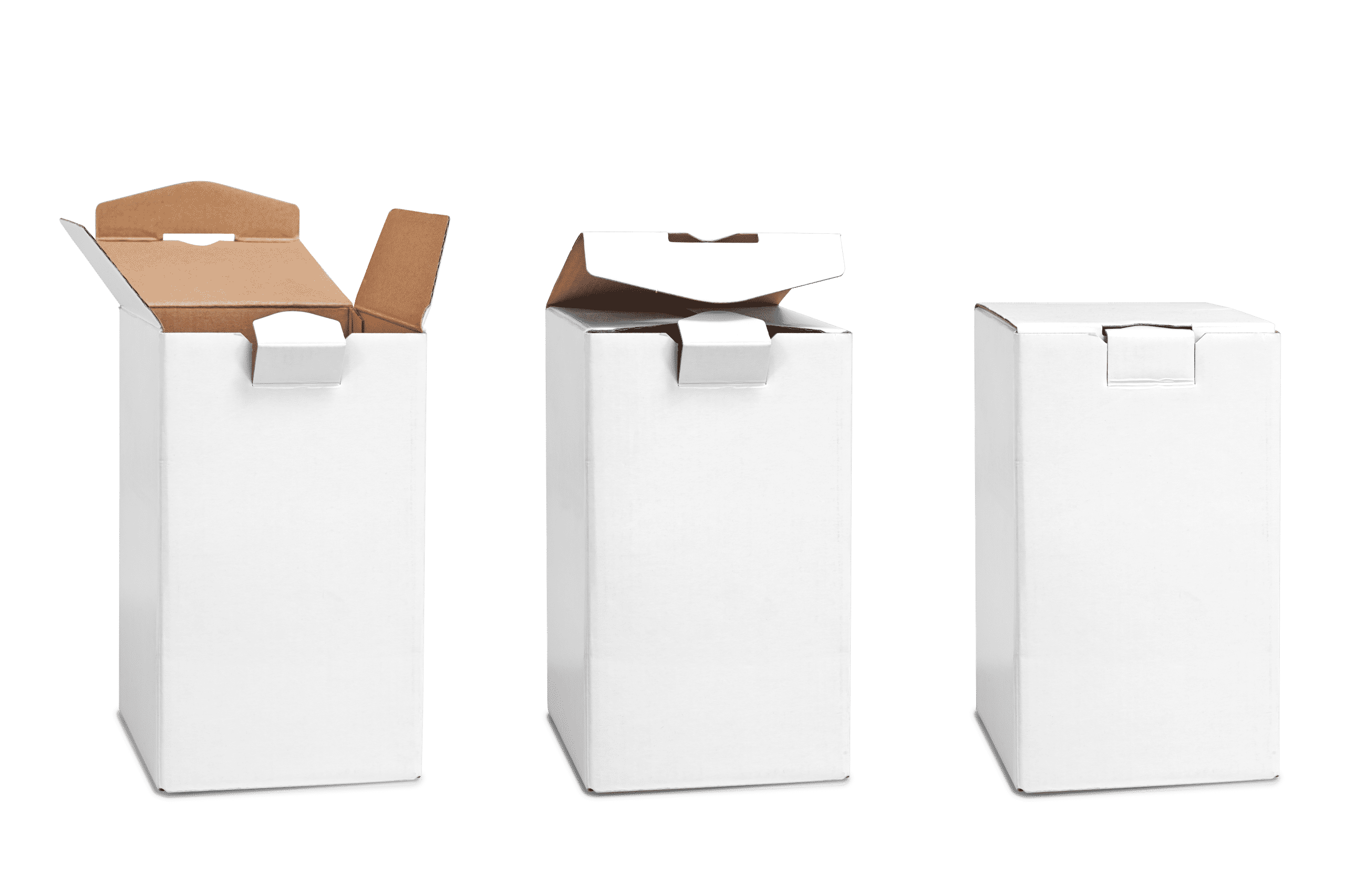
We supply businesses with a wide selection of essential packaging, shipping, and warehouse supplies. Get any standard packaging product by dimension or style from boxes, tubes, tapes, labels, and more. If you are unsure on what type of packaging you will need, then contact us for an expert consultation.


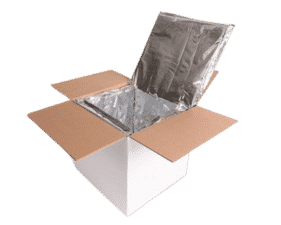
Stock packaging refers to pre-made, ready-to-ship packaging solutions like corrugated boxes, mailers, and protective materials that are designed to meet a wide range of standard needs across shipping, retail, and storage. Unlike custom packaging, stock options offer quick availability and reliable protection without the need for extensive design or production time, making them ideal for businesses needing efficient, high-quality solutions with fast lead times.
At Brown Packaging, we focus on providing durable, performance-driven stock packaging that supports our clients’ operational needs. Our stock products are sourced to ensure consistent quality and cost-effectiveness, offering a practical solution to keep operations running smoothly and on schedule. With an emphasis on reliability, we help our clients quickly access packaging solutions that meet their specific needs while maintaining quality across every order.
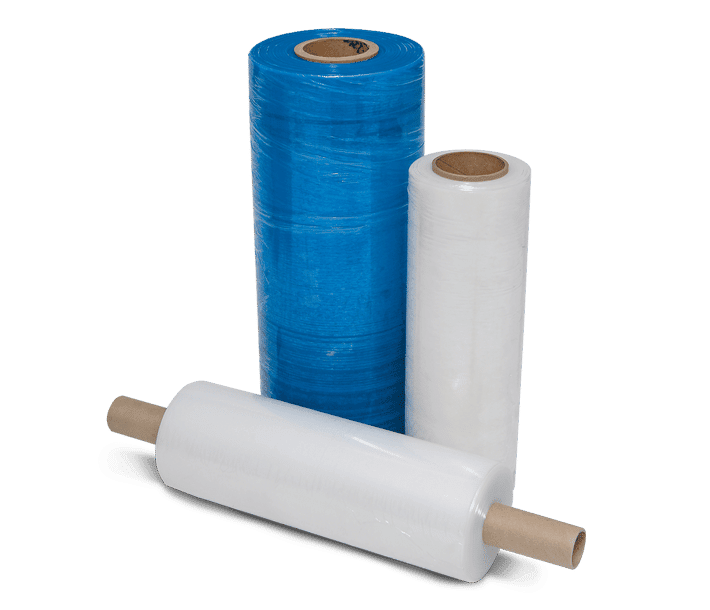
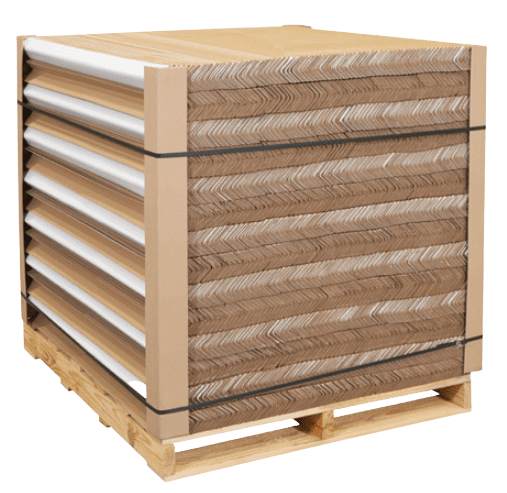
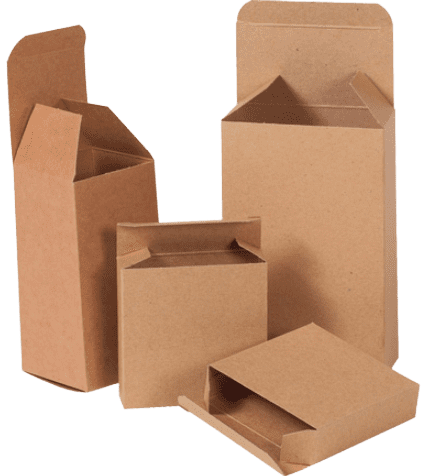
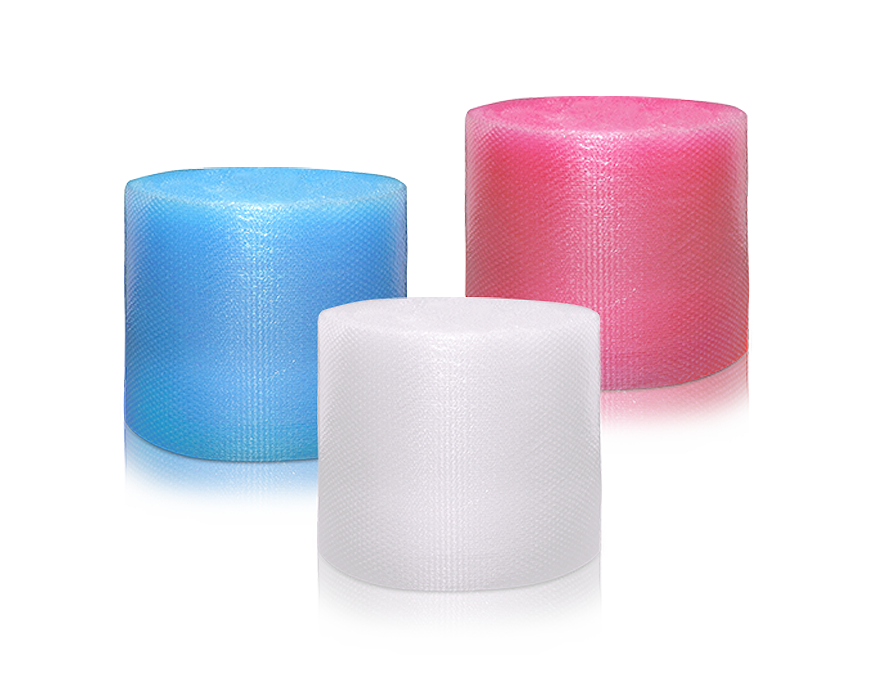
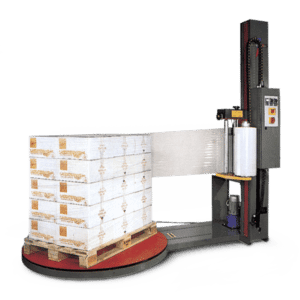
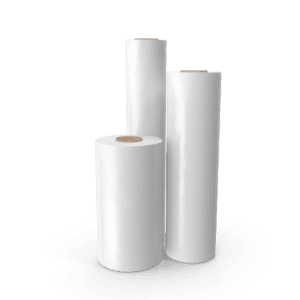
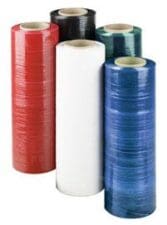
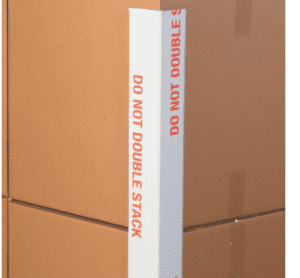
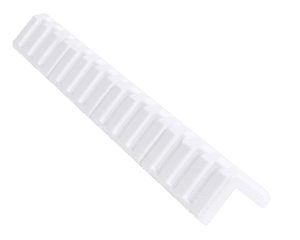
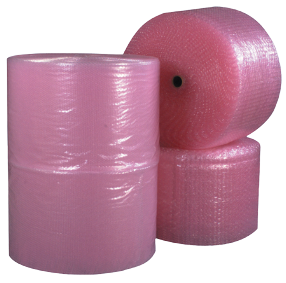
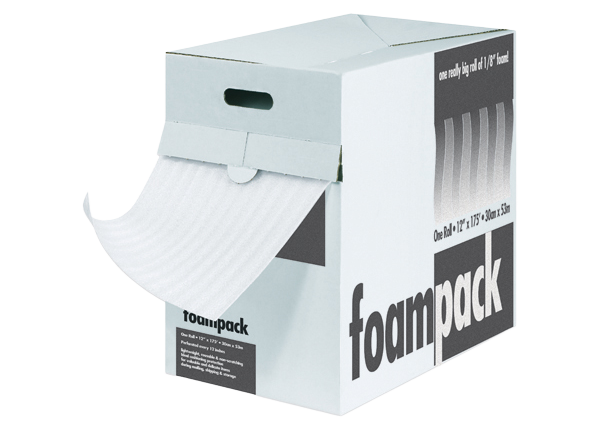
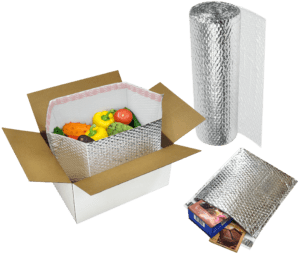
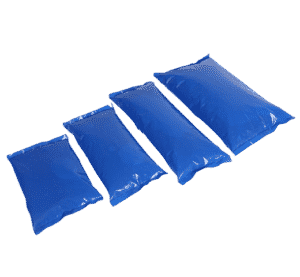
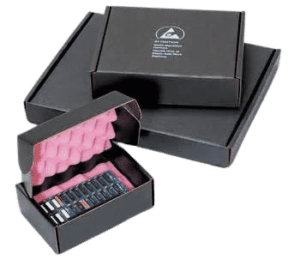
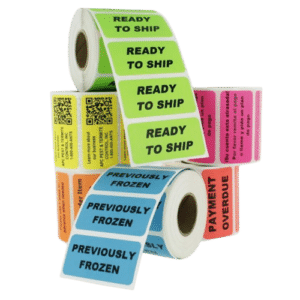
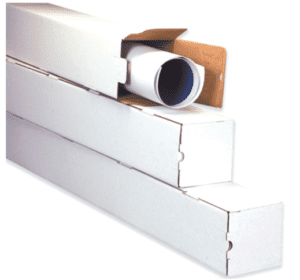
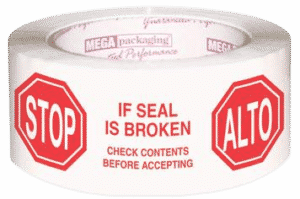
Our stock packaging products, from corrugated boxes to stretch film, offer a wide selection, including essentials like tape, edge protectors, labels, and more, with quick turnaround times to meet your packaging needs efficiently.


If you need any assistance with your packaging or have a question, then contact us directly at request@brownpackaging.com or (714)300-0650. Learn more about custom packaging by reading our blog posts on new and trending topics.

Tampering and theft are significant concerns for manufacturers and consumers alike. Tampered products can pose health and safety risks, while theft results in financial losses. To ensure the integrity of your products and packaging, as well as protect against theft, it’s essential to implement effective tamper-resistant and theft-deterrent measures. In this blog, we’ll explore various strategies and best practices to help you protect your packaging against tampering and theft effectively. Understanding the Threat Before we delve into protective measures, it’s crucial to understand the potential risks associated with tampering and theft: Safety Hazard: Tampered products can become contaminated or altered, posing health and safety risks to consumers. Loss of Consumer Trust: Incidents of tampering can lead to a loss of consumer trust in your brand and result in reputational damage. Regulatory Violations: Tampering incidents may lead to legal and regulatory issues, including recalls and fines. Financial Loss: Theft of products during transit or from store shelves can result in significant financial losses for manufacturers and retailers. Protective Measures To safeguard your packaging against tampering and theft, consider implementing the following protective measures: Tamper-Evident Packaging: Incorporate tamper-evident features into your packaging design. These features provide visible evidence of tampering, making it evident if a package has been compromised. Common tamper-evident features include: Shrink Bands: Applied around the cap or lid, shrink bands break or distort when tampered with. Tear Strips: These strips are designed to be broken for package access and leave visible evidence when torn. Breakable Seals: Seals that must be broken to open the package. Frangible Components: Components that break or shatter when manipulated. Security Labels and Stickers: Apply security labels or stickers to packaging surfaces. These labels are designed to leave a visible mark or message when removed, indicating tampering. Some labels even feature holograms or unique identifiers for added security. Serialization and Track-and-Trace Systems: Implement serialization and track-and-trace systems to monitor and authenticate product movement through the supply chain. These systems help identify anomalies and potential tampering incidents and can aid in tracking stolen products. Employee Training: Train your staff to recognize signs of tampering and follow proper security procedures. Encourage them to report any suspicious activities or findings promptly. Regulatory Compliance: Adhere to industry and regulatory standards for tamper-evident packaging. Compliance ensures that your products meet safety and security requirements. Theft-Deterrent Packaging: Design packaging to deter theft. Utilize features like clear plastic clamshells, locking mechanisms, or security tags that activate alarms when removed. Security Cameras and Alarms: Implement security measures in storage facilities and retail spaces, including security cameras and alarm systems. These systems can deter theft and provide evidence in case of incidents. Package Design Considerations: Design packaging with tamper resistance and theft deterrence in mind. Use materials that are difficult to tamper with or require specialized tools for opening. Consider tamper-resistant closures and packaging that can’t be easily concealed or stolen. Collaboration with Retailers: Work closely with retailers to implement anti-theft measures. Retailers can use anti-shoplifting devices, secure shelving, and trained staff to deter theft. Regular Inspections and Testing: Maintain a proactive approach to protection by regularly inspecting products for tampering and theft. Conduct theft tests to identify vulnerabilities and make necessary adjustments. Vigilance and Continuous Improvement Protecting your packaging against tampering and theft is an ongoing effort. Continuously assess your packaging solutions and gather feedback from consumers, retailers, and regulatory agencies. Stay vigilant and proactive in addressing any potential vulnerabilities or emerging threats. By implementing these strategies and maintaining a proactive approach to packaging protection, you can significantly reduce the risk of tampering and theft incidents, enhance the safety and trustworthiness of your products, and safeguard your financial interests. If you are interested in protection against tampering and theft for your packaging, then partner with Brown Packaging today to get started. (714)300-0650 request@brownpackaging.com Most Recent Posts: Categories: Corrugated Ecommerce ESD Design Display Flexible Packaging Foam Folding Carton Packaging Plastic Packaging Pouch Printing Protection Retail Rigid Box Thermoform Sustainability Subscribe To Our Newsletter By submitting your information, you agree to our terms and conditions and privacy policy. Custom Packaging Facebook Twitter LinkedIn Pinterest Relevant Posts

The food industry has undergone a variety of changes over the years, with one of the most prominent shifts being in the area of packaging. In this pursuit of improvement and innovation, flexible packaging has come to the forefront. From the grocery store aisle to the restaurant kitchen, flexible packaging is becoming increasingly prevalent. But why is this the case? Below, we explore the key advantages of flexible packaging in the food industry. Enhanced Shelf Life and Food Safety One of the primary benefits of flexible packaging is the increased shelf life it offers for food products. The materials used in flexible packaging are designed to protect food from environmental factors such as moisture, light, and oxygen, all of which can speed up the spoilage process. By keeping these elements at bay, flexible packaging helps to preserve the freshness, taste, and nutritional value of food for longer periods, ultimately reducing food waste. Moreover, flexible packaging provides improved food safety. It creates a barrier against contaminants and bacteria, reducing the risk of foodborne diseases. Sustainability and Lower Environmental Impact Sustainability is a crucial consideration in the modern world, and flexible packaging shines in this aspect. This packaging method requires less energy to manufacture and transport due to its lightweight nature. Consequently, it contributes to a lower carbon footprint compared to more traditional forms of packaging. Additionally, flexible packaging utilizes less material overall, which means less waste is generated at the end of its life cycle. And while recycling capabilities for flexible packaging still have room for growth, strides are being made in this area, and many types of flexible packaging are already recyclable. Cost-Effectiveness From a financial perspective, flexible packaging can offer significant savings for food businesses. As previously mentioned, it’s lightweight, which reduces transportation costs. Additionally, because it’s efficient and compact, more units can be shipped or stored in a single space compared to rigid packaging, maximizing logistical efficiency. Flexible packaging also offers cost savings in terms of reduced food spoilage. By extending the shelf life of products, businesses can reduce the frequency of unsold products being thrown away, enhancing their bottom line. Consumer Convenience The ease and convenience of flexible packaging are hard to overstate. Features like resealability, microwavable pouches, and easy-open tear notches cater to the modern, on-the-go consumer who values time-saving options. These user-friendly features also add to the overall consumer experience, improving the perception of the brand and increasing the chances of repeat purchases. Innovative Branding and Marketing Opportunities Flexible packaging acts as a canvas for creative and eye-catching designs, offering ample branding and marketing opportunities. Unlike rigid packaging, flexible packaging allows for 360-degree product visibility and design, giving brands the ability to stand out on crowded supermarket shelves. The flexibility also allows for customization in packaging shape and size, providing further ways for a brand to differentiate its products. Conclusion: A Future-focused Packaging Solution In conclusion, the food industry’s adoption of flexible packaging is far from arbitrary. It provides a multitude of advantages, including enhanced food safety and shelf life, sustainability, cost-effectiveness, consumer convenience, and innovative branding opportunities. As the food industry continues to evolve and consumer demands shift, flexible packaging will likely become an even more prominent feature of our grocery aisles and kitchen cupboards. It’s not just a trend—it’s a future-focused solution for a more sustainable and efficient food industry. (714)300-0650 request@brownpackaging.com Most Recent Posts: Categories: Corrugated Ecommerce ESD Design Display Flexible Packaging Foam Folding Carton Packaging Plastic Packaging Pouch Printing Protection Retail Rigid Box Thermoform Sustainability Subscribe To Our Newsletter By submitting your information, you agree to our terms and conditions and privacy policy. Custom Packaging Facebook Twitter LinkedIn Pinterest Relevant Posts

As businesses continue to seek eco-friendly and efficient packaging solutions, foam packaging is evolving to meet the demands of both consumers and industries. In 2025, foam packaging will see advancements in sustainable materials, design flexibility, and cost-efficiency, making it a more viable option for environmentally conscious businesses. Here are the top foam packaging trends to watch in 2025: Lightweight and Protective Designs Biodegradable and Recyclable Foams Custom Foam Solutions for Fragile Products Flexible and Multi-Purpose Foam Packaging Improved Cushioning and Shock Absorption Reusable Foam Packaging Smart Foam Packaging Anti-Static and Conductive Foams Cost-Effective Foam Solutions Lightweight and Protective Designs Foam packaging is favored for its ability to provide lightweight yet effective protection. In 2025, expect advanced lightweight foam materials that deliver superior cushioning while reducing overall packaging weight. This helps lower shipping costs and reduces fuel consumption during transportation. Biodegradable and Recyclable Foams Foam packaging is often criticized for being difficult to recycle, but 2025 will bring more biodegradable and recyclable foam materials into the market. Manufacturers are innovating new foam types that can break down more easily or be recycled into new packaging, reducing landfill waste and environmental harm. Custom Foam Solutions for Fragile Products In 2025, brands will continue to seek custom foam packaging designed specifically to protect fragile or sensitive products. From electronics to delicate medical devices, custom foam inserts and shapes will help ensure that products arrive undamaged while optimizing the packaging space. Flexible and Multi-Purpose Foam Packaging Flexible foam solutions that can adapt to various product shapes and sizes will become more popular. Multi-use foam packaging will provide versatility for businesses looking to streamline their packaging processes while reducing the need for multiple packaging components. Improved Cushioning and Shock Absorption As e-commerce and global shipping continue to grow, the demand for foam packaging that offers superior cushioning and shock absorption will rise. Expect advances in foam technology that enhance impact resistance and protection, ensuring that products are safely delivered even over long distances. Reusable Foam Packaging Reusable foam packaging solutions will gain traction as businesses seek ways to reduce waste and adopt circular economy practices. Foam that can be cleaned, repurposed, or reused for multiple shipments will become a cost-effective and eco-friendly choice for many industries. Smart Foam Packaging Smart foam packaging is emerging as a solution for high-value products that require real-time monitoring. Foams embedded with sensors or RFID tags will allow companies to track and monitor product conditions, such as temperature or humidity, ensuring quality control throughout the supply chain. Anti-Static and Conductive Foams Industries such as electronics and technology will continue to rely on anti-static and conductive foam packaging. These foams prevent electrostatic discharge (ESD) and protect sensitive electronics from damage during transport. In 2025, more innovative foams designed to meet these specialized needs will be developed. Cost-Effective Foam Solutions As businesses seek to balance sustainability with cost-efficiency, cost-effective foam packaging solutions will remain a priority. Advances in foam manufacturing processes will reduce production costs, making sustainable foam options more affordable without sacrificing performance or protection. In 2025, foam packaging will focus on combining protection, and cost-effectiveness to meet the evolving needs of businesses and consumers. Companies that adopt these trends will be able to offer superior product protection while reducing their environmental impact and operational costs. If you’re interested in foam packaging for 2025, then partner with Brown Packaging today to get started. (714)300-0650 request@brownpackaging.com Most Recent Posts: Categories: Corrugated Ecommerce ESD Design Display Flexible Packaging Foam Folding Carton Packaging Plastic Packaging Pouch Printing Protection Retail Rigid Box Thermoform Sustainability Subscribe To Our Newsletter By submitting your information, you agree to our terms and conditions and privacy policy. Custom Foam Packaging Facebook Twitter LinkedIn Pinterest Relevant Posts