


Stock Packaging
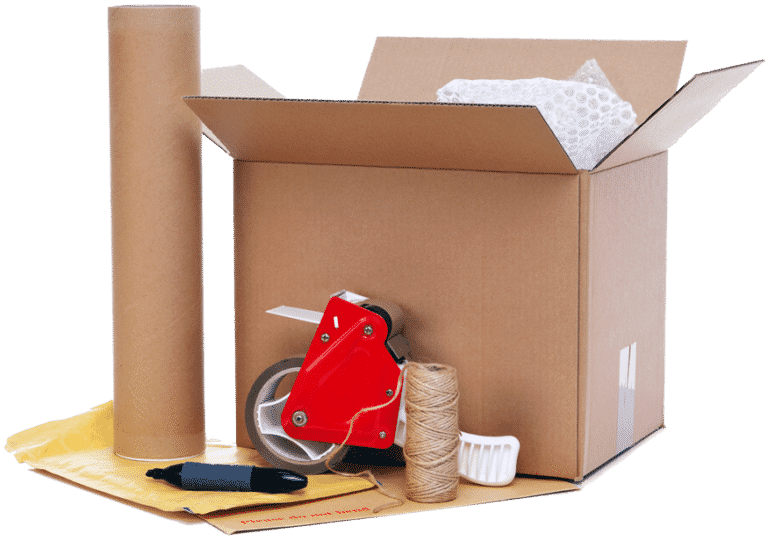
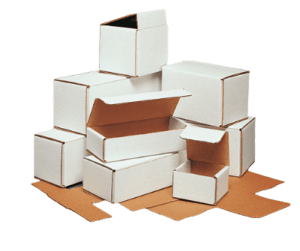
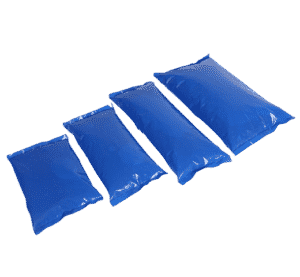
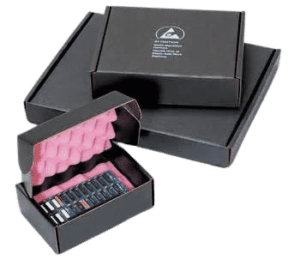
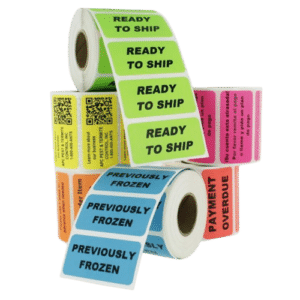
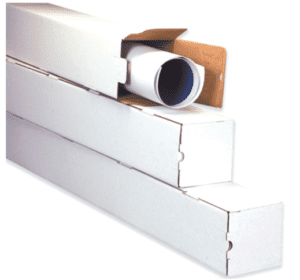
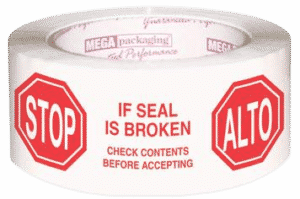
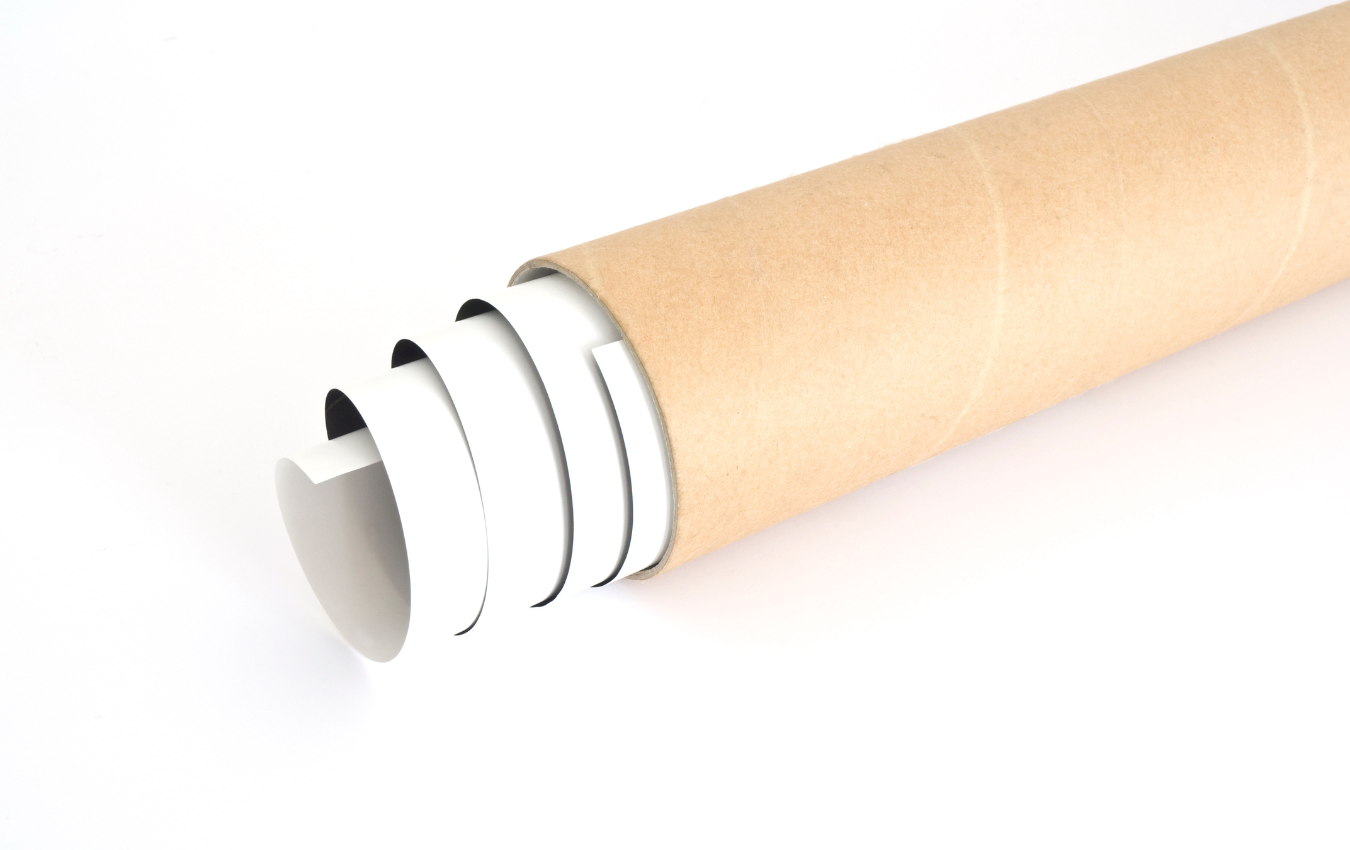
We supply businesses with a wide selection of essential packaging, shipping, and warehouse supplies. Get any standard packaging product by dimension or style from boxes, tubes, tapes, labels, and more. If you are unsure on what type of packaging you will need, then contact us for an expert consultation.


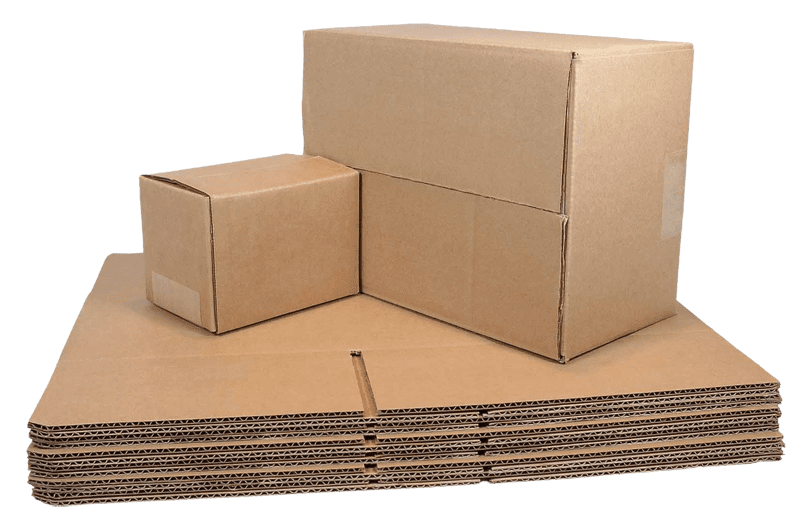
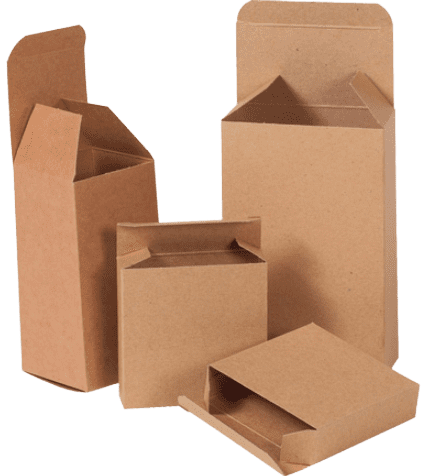
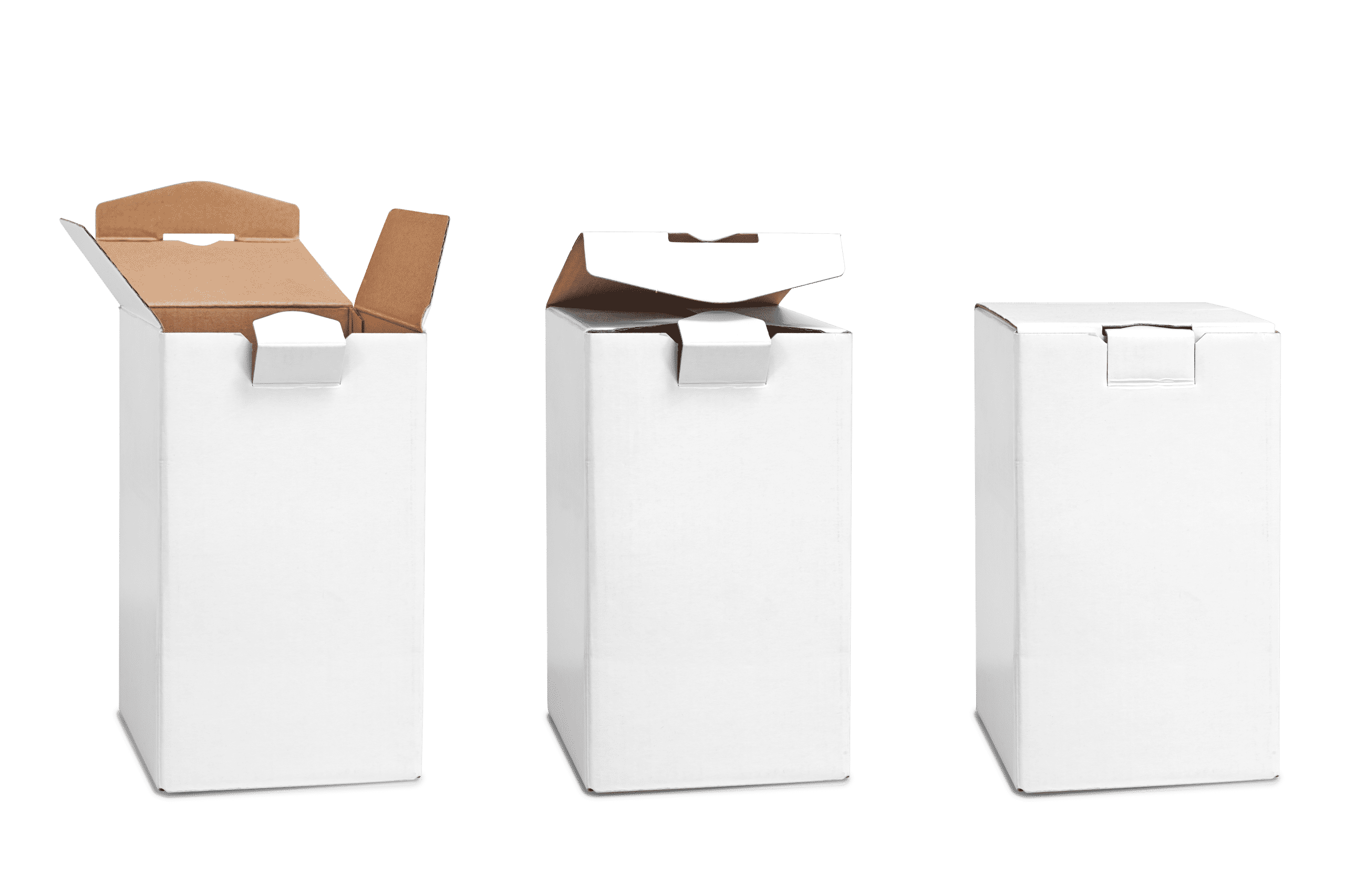
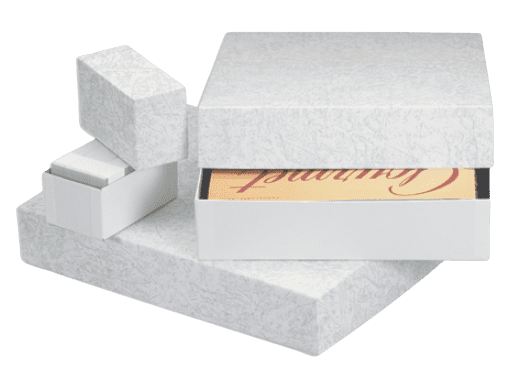
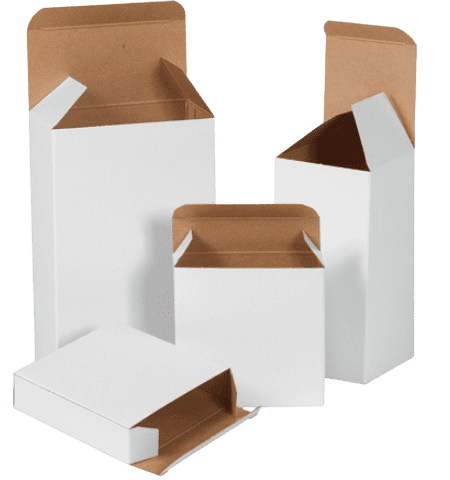
Stock packaging refers to pre-made, ready-to-ship packaging solutions like corrugated boxes, mailers, and protective materials that are designed to meet a wide range of standard needs across shipping, retail, and storage. Unlike custom packaging, stock options offer quick availability and reliable protection without the need for extensive design or production time, making them ideal for businesses needing efficient, high-quality solutions with fast lead times.
At Brown Packaging, we focus on providing durable, performance-driven stock packaging that supports our clients’ operational needs. Our stock products are sourced to ensure consistent quality and cost-effectiveness, offering a practical solution to keep operations running smoothly and on schedule. With an emphasis on reliability, we help our clients quickly access packaging solutions that meet their specific needs while maintaining quality across every order.
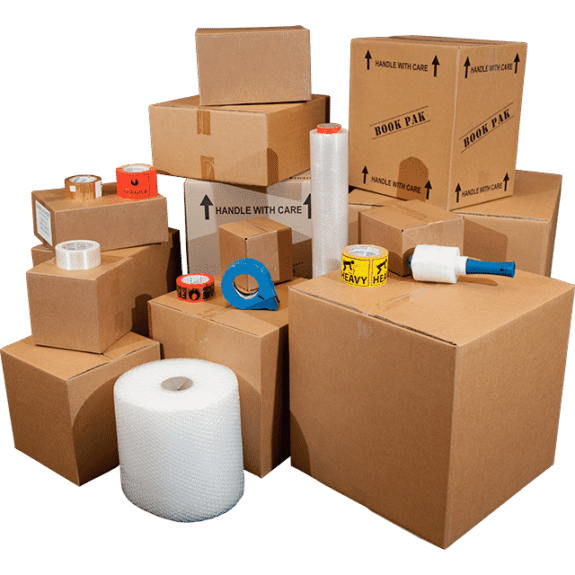
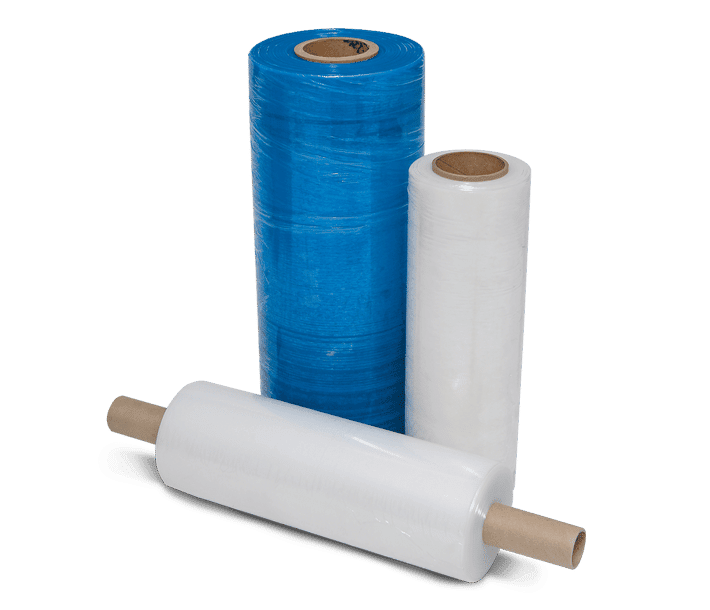
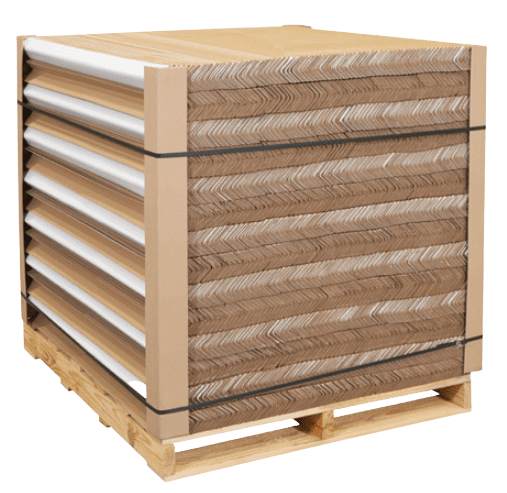
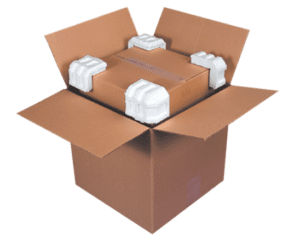
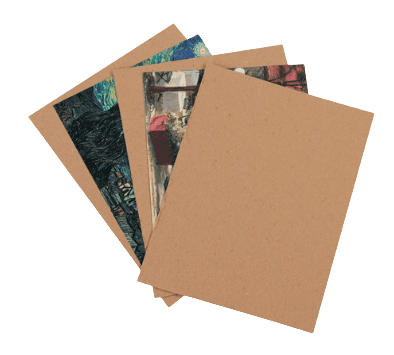
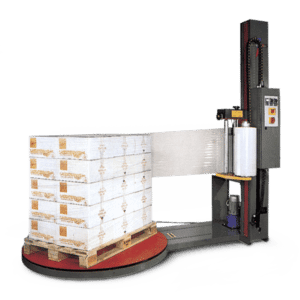
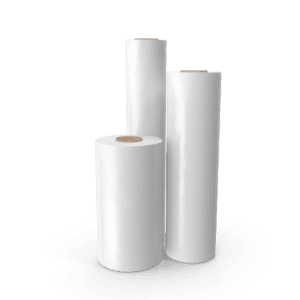
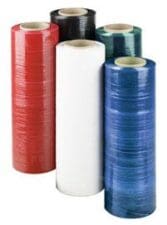
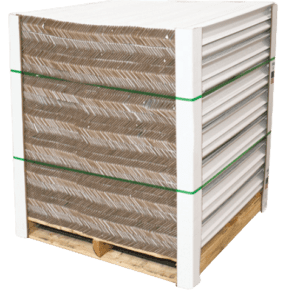
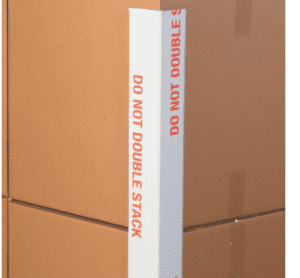
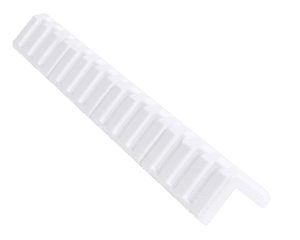
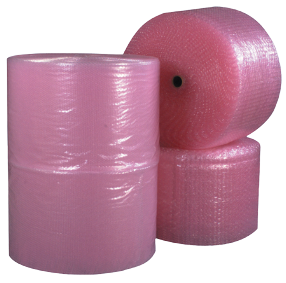
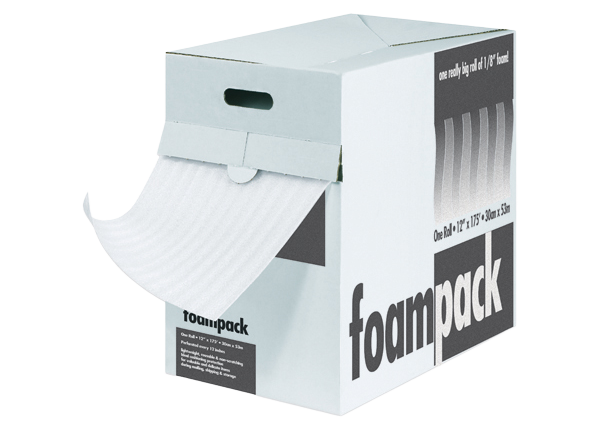
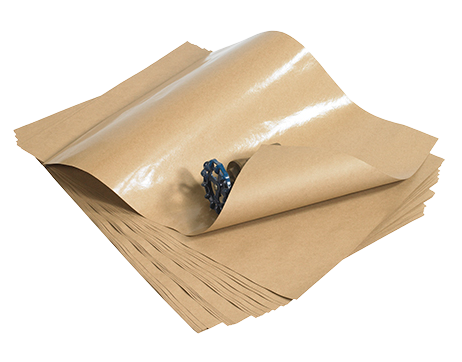
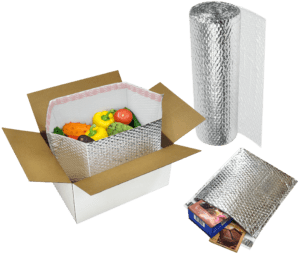
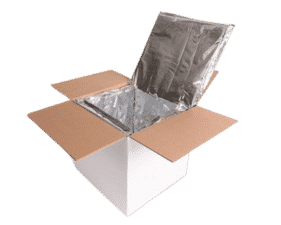
Our stock packaging products, from corrugated boxes to stretch film, offer a wide selection, including essentials like tape, edge protectors, labels, and more, with quick turnaround times to meet your packaging needs efficiently.


If you need any assistance with your packaging or have a question, then contact us directly at request@brownpackaging.com or (714)300-0650. Learn more about custom packaging by reading our blog posts on new and trending topics.

As tariffs take effect in 2025 to promote domestic sourcing, the packaging industry in the United States is set to experience notable cost changes. While the intent is to strengthen domestic production, these tariffs will impact the cost of materials, manufacturing, and logistics for packaging buyers. This blog explores how tariffs could influence packaging costs and offers neutral, practical insights for buyers to prepare. The Connection Between Tariffs and Packaging Costs Tariffs on imported goods are designed to encourage businesses to source materials and products domestically. While this shift can support U.S.-based manufacturing, it also leads to increased costs for certain types of packaging. Key Cost Drivers: Tariff-Driven Material Costs: Materials like corrugated fiberboard, plastics, and metals often rely on global supply chains. With added tariffs, the cost of importing these materials increases significantly. Labor and Production Costs: Domestic manufacturing typically involves higher labor and operational costs compared to international suppliers, contributing to overall price hikes. Supply Chain Adjustments: Transitioning from international to domestic sources may create temporary inefficiencies as suppliers and manufacturers adjust to new demand patterns. Impacts on Packaging Buyers Increased Procurement Costs Buyers will see higher costs for imported packaging materials and products. These increased expenses could stretch budgets, particularly for industries with high packaging needs, such as e-commerce, food and beverage, and retail. Examples of Affected Packaging: Corrugated boxes made from imported linerboard or medium. Flexible plastic packaging reliant on imported polymers. Aluminum packaging for food and beverage containers. Budget Reallocations Higher packaging costs may force buyers to reconsider how they allocate their budgets. For some, this could mean reducing spending in other areas, while others may need to evaluate their product pricing to offset rising expenses. Complex Pricing Dynamics Suppliers may pass the increased costs of tariffs onto buyers, creating ripple effects across the supply chain. Buyers should be prepared to navigate fluctuating prices and plan for potential cost variability. Opportunities for Cost Management Though tariffs pose challenges, packaging buyers can adopt strategies to minimize their impact: Collaborate with Domestic Suppliers Establishing strong relationships with U.S.-based manufacturers can help mitigate tariff-related costs. Domestic suppliers may offer competitive pricing and eliminate the need for international shipping and customs fees. Explore Alternative Materials Buyers can investigate cost-effective material options, such as: Recycled Content: Utilizing recycled kraft paper or corrugated material. Mono-Material Solutions: Simplifying material types in packaging to reduce complexity and cost. Optimize Packaging Design Design changes can reduce material usage and lower costs. For example: Lightweighting to use less material without compromising functionality. Streamlining packaging dimensions to minimize waste and transportation expenses. Leverage Technology and Data Investing in tools for demand forecasting and inventory management can help buyers optimize purchasing decisions, avoiding overstock or emergency orders that may carry premium costs. Consider Volume Discounts For companies with high packaging needs, negotiating bulk purchase agreements can help offset higher per-unit costs. Long-Term Outlook on Packaging Costs While tariffs may initially drive up packaging costs, they also encourage domestic manufacturing and innovation. Over time, this could stabilize supply chains and foster advancements in cost-efficient packaging solutions. Potential Positive Outcomes: Strengthened Domestic Infrastructure: Investment in U.S.-based production facilities may reduce reliance on international suppliers, leading to more stable pricing over the long term. Focus on Sustainable Practices: Domestic manufacturers often emphasize sustainability, potentially aligning with buyers’ eco-friendly goals. How Packaging Buyers Can Prepare Packaging buyers can take several steps to adapt to cost changes driven by tariffs: Conduct thorough cost analyses to understand the impact on your operations. Diversify your supplier base to include both domestic and international options. Plan procurement schedules strategically to avoid delays or additional costs. By staying informed and proactive, buyers can navigate the evolving market while minimizing disruptions. In Summary Tariffs in 2025 are set to influence packaging costs through increased material expenses, labor costs, and supply chain adjustments. While these changes present challenges, buyers can manage the impact by adopting strategic sourcing practices, optimizing packaging designs, and collaborating with domestic suppliers. By preparing for these shifts, businesses can remain competitive in a dynamic market. If you are interested in controlling your packaging cost or making proper preparations to your packaging for tariffs in 2025, then partner with Brown Packaging today for assistance. (714)300-0650 request@brownpackaging.com Most Recent Posts: Categories: Corrugated Ecommerce ESD Design Display Flexible Packaging Foam Folding Carton Packaging Plastic Packaging Pouch Printing Protection Retail Rigid Box Thermoform Sustainability Subscribe To Our Newsletter By submitting your information, you agree to our terms and conditions and privacy policy. Custom Packaging Facebook Twitter LinkedIn Pinterest Relevant Posts

Custom corrugated boxes, owing to their versatility, durability, and eco-friendliness, have become a crucial tool for businesses seeking to maximize their packaging appeal. In today’s competitive market, where every detail counts, a bespoke print on your corrugated box can be the differentiating factor that elevates your brand above the rest. Understanding Corrugated Boxes Before diving into the printing methods, let’s understand the foundation – the corrugated box itself. Crafted from corrugated cardboard which consists of a fluted layer nestled between two flat liners, these boxes are renowned for their strength. This unique structure not only ensures product safety but also provides an optimal surface for various print methods. The Case for Custom Printing So, why should one invest in custom printing? Beyond the obvious aesthetic appeal, custom printed boxes offer functional advantages. They facilitate smoother inventory management, as labels and prints assist in quick content identification. Additionally, a custom design brings a touch of professionalism, subtly signaling to clients and partners that you care about every aspect of your business, down to the boxes you use. And let’s not forget promotion; the surface of your box can be a canvas for marketing messages or spotlight promotions. Flexographic Printing Flexographic printing, often compared to traditional letterpress printing, stands out for its adaptability to print on a wide range of substrates. This method uses flexible relief plates that transfer ink onto the box’s surface. When you have large-volume orders but wish to keep costs in check, flexographic printing offers a reliable solution. Its strength lies in producing large batches efficiently, and the prints dry relatively quickly. Digital Printing Evocative of the common home inkjet printers but on a much grander scale, digital printing promises precision. Perfect for businesses looking to place smaller orders or those desiring intricately detailed graphics, this method doesn’t necessitate printing plates, enabling quicker turnaround times. The real allure of digital printing, however, is its impeccable accuracy, ensuring each design is replicated to perfection. Litho Laminating and Single Face Printing Litho laminating is akin to artistry in the world of box printing. Here, a high-resolution printed paper sheet (the litho label) gets glued meticulously onto the corrugated material. It’s the go-to for businesses keen on delivering a retail experience that speaks of luxury and attention to detail. The resultant boxes often have a glossy, upscale appearance. Spot UV Printing A technique that’s both subtle and impactful, Spot UV printing introduces a tactile dimension to box printing. Specific areas are cured using UV light, giving them a glossy, raised appearance. This is not just about aesthetics; it’s a sensory experience, making logos or particular design features truly pop. Green Printing The print industry has been conscious of its environmental footprint, leading to the emergence of eco-friendly inks and coatings. Water-based inks, for instance, have become popular as they are significantly less harmful than their solvent-based counterparts. UV-curable inks are also gaining traction for being free from volatile organic compounds (VOCs). Biodegradable coatings, on the other hand, ensure that the environment doesn’t pay the price for our aesthetic pursuits. Designing for Print In the realm of print, understanding your audience remains paramount. Tailor your designs with your target demographic at the forefront of your mind. Consistency is key, so incorporate brand colors and motifs, ensuring that the box is an extension of your brand identity. Lastly, while it’s tempting to fill every inch with design elements, sometimes less truly is more. Effective use of white space can deliver a design that’s both impactful and elegant. In Conclusion Custom printing on corrugated boxes is that detail that can set you apart. Armed with knowledge about the diverse printing techniques available, you’re well-placed to make a decision that aligns with your brand’s ethos, aesthetic preferences, and budget. If you are interested in printed corrugated boxes, then partner with Brown Packaging today to get started. (714)300-0650 request@brownpackaging.com Most Recent Posts: Categories: Corrugated Ecommerce ESD Design Display Flexible Packaging Foam Folding Carton Packaging Plastic Packaging Pouch Printing Protection Retail Rigid Box Thermoform Sustainability Subscribe To Our Newsletter By submitting your information, you agree to our terms and conditions and privacy policy. Custom Corrugated Boxes Facebook Twitter LinkedIn Pinterest Relevant Posts

Packaging is the first line of defense for your products, shielding them from the hazards they may encounter during storage, handling, and transportation. One of the most critical aspects of packaging is safeguarding it against physical damage. In this blog, we’ll delve into various strategies and best practices to help you protect your packaging from physical harm, ensuring that your products remain safe and intact. Understanding the Risks Before delving into protective measures, it’s crucial to understand the potential sources of physical damage that your packaging might face: Impact during Handling: Packages can be dropped, bumped, or mishandled during various stages of transportation and storage. Compression: Stacking heavy items or applying excessive pressure can lead to package deformation or crushing. Vibration: Prolonged exposure to vibrations, especially in long-distance shipping, can weaken packaging materials and affect their integrity. Sharp Objects: Sharp objects in the vicinity of packages can puncture or tear the packaging material. Protective Measures To safeguard your packaging from physical damage, consider the following protective measures: Material Selection: Choosing the right packaging material is paramount. Select materials known for their durability, strength, and resistance to physical damage. Reinforced Corners and Edges: Weak points in packaging are often the corners and edges. Reinforce these vulnerable areas with additional layers of material or protective corner guards to absorb impact and prevent crushing. Cushioning and Padding: Using cushioning materials like bubble wrap, foam inserts, or air pillows can provide a protective buffer against shocks and vibrations. Ensure that products are snugly cushioned inside the packaging. Stacking Strength: If stacking is a concern, design packaging with enhanced stacking strength. Reinforce the packaging structure to distribute weight evenly and minimize the risk of crushing. Inner Packaging Layers: For particularly fragile or sensitive items, consider adding inner packaging layers. These can include protective pouches, sleeves, or dividers to prevent product-to-product contact and potential damage. Impact Indicators: Use impact indicators or shock labels on packages. These devices can detect and record impacts during transportation, allowing you to identify and address any potential issues promptly. Testing and Quality Control: Implement rigorous testing procedures to ensure the packaging can withstand expected impacts and stresses. Conduct drop tests, compression tests, and vibration tests to assess package durability. Customized Packaging Design: Tailor packaging designs to fit the specific requirements of your products. Avoid using oversized boxes, as this can lead to excessive movement and damage. Handling and Storage Guidelines: Provide clear instructions for handling and stacking packages. Train employees and partners involved in the packaging and transportation process to follow these guidelines diligently. Regular Evaluation and Improvement The protection of your packaging from physical damage is an ongoing process. Continuously assess your packaging solutions and gather feedback from transportation partners to identify any weaknesses or areas for improvement. Make necessary adjustments to enhance packaging resilience and ensure that your products arrive at their destination in optimal condition. By implementing these strategies and maintaining a proactive approach to packaging protection, you can significantly reduce the risk of physical damage to your products and enhance their overall quality and safety. If you are interested in safe and proper packaging, then partner with Brown Packaging today to get started. (714)300-0650 request@brownpackaging.com Most Recent Posts: Categories: Corrugated Ecommerce ESD Design Display Flexible Packaging Foam Folding Carton Packaging Plastic Packaging Pouch Printing Protection Retail Rigid Box Thermoform Sustainability Subscribe To Our Newsletter By submitting your information, you agree to our terms and conditions and privacy policy. Custom Packaging Facebook Twitter LinkedIn Pinterest Relevant Posts