












Stock Packaging
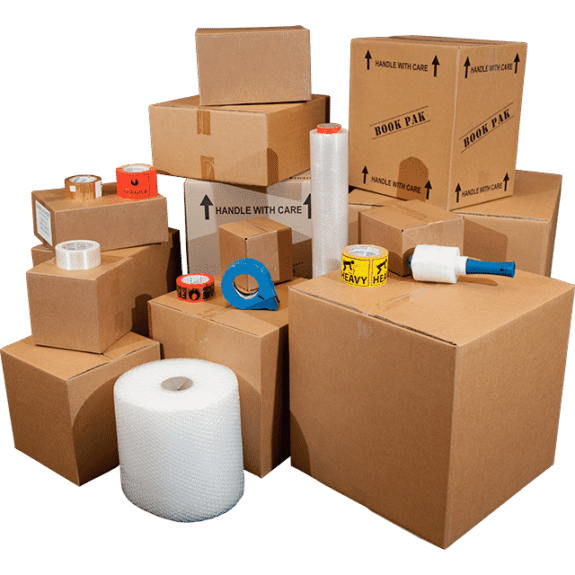
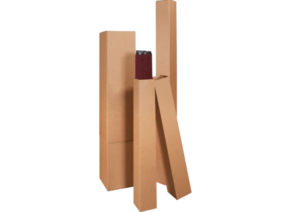
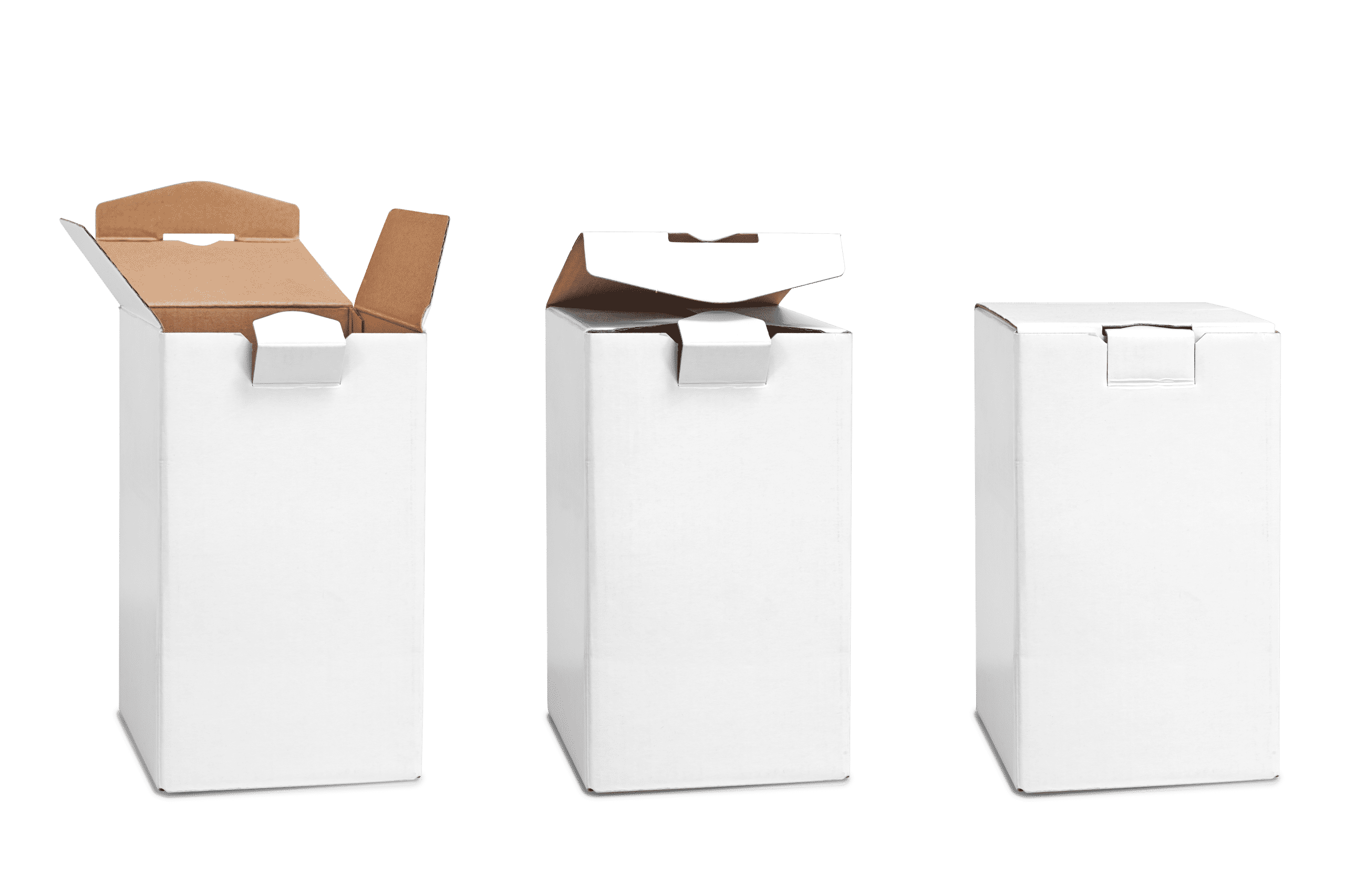
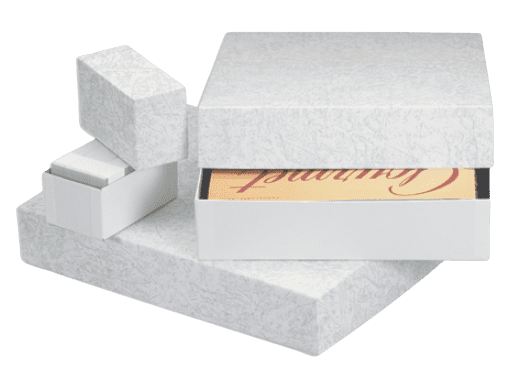
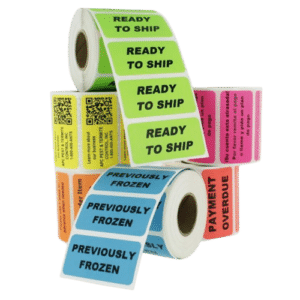
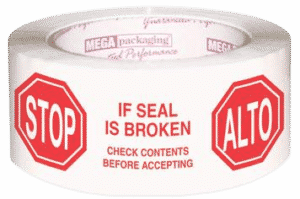
We supply businesses with a wide selection of essential packaging, shipping, and warehouse supplies. Get any standard packaging product by dimension or style from boxes, tubes, tapes, labels, and more. If you are unsure on what type of packaging you will need, then contact us for an expert consultation.


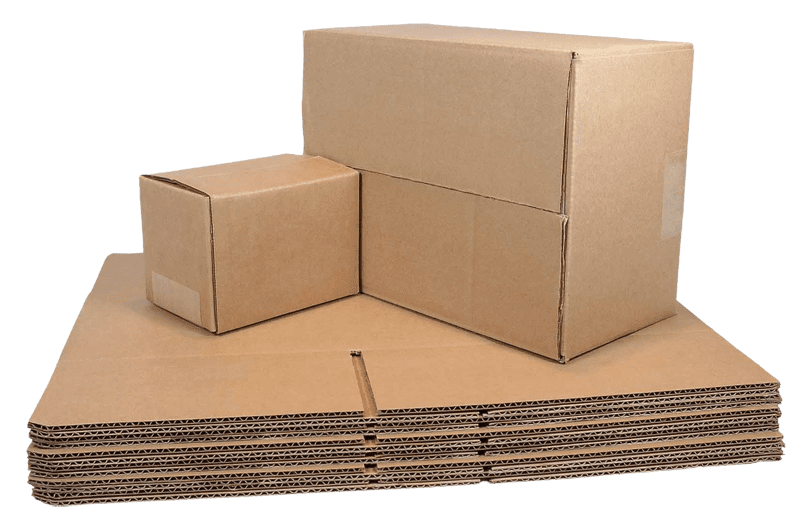
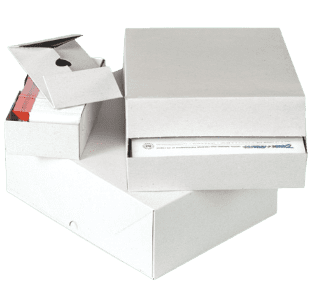
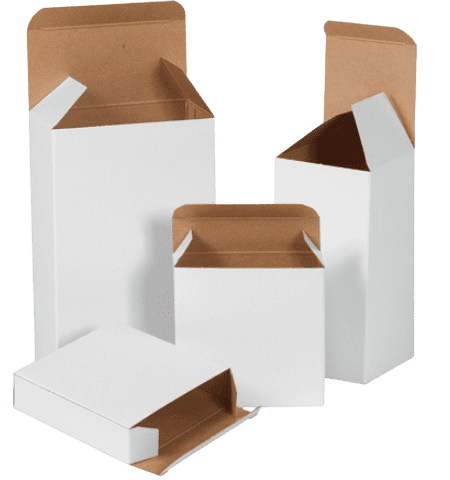
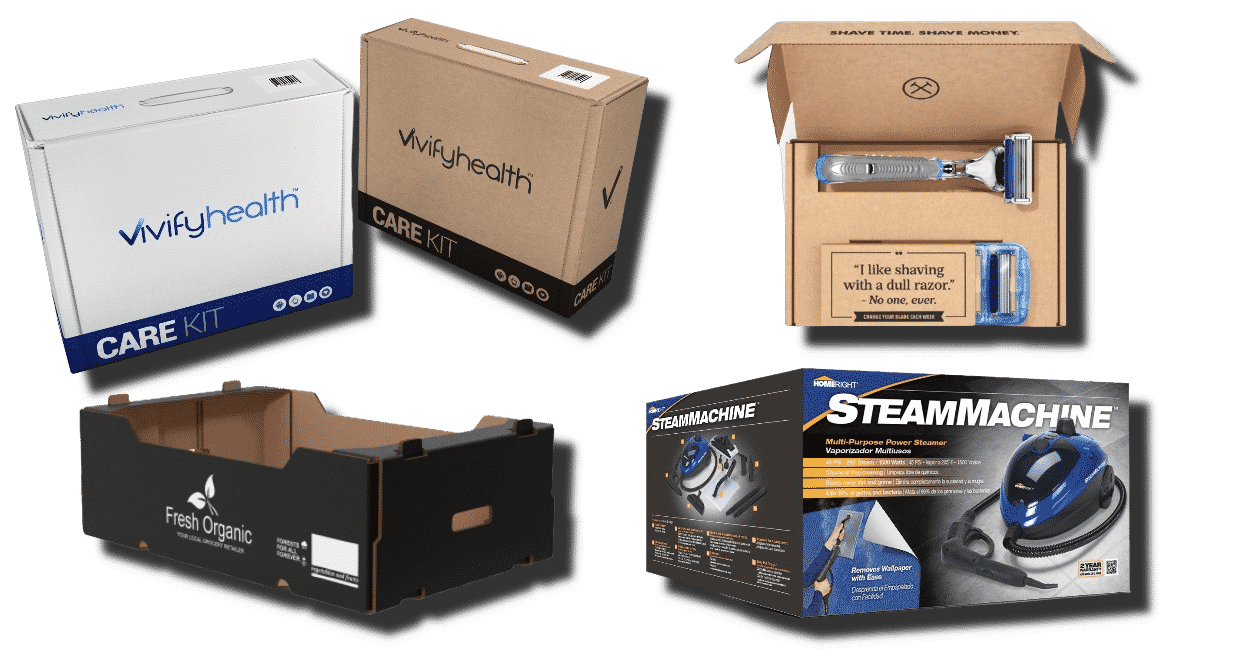
Stock packaging refers to pre-made, ready-to-ship packaging solutions like corrugated boxes, mailers, and protective materials that are designed to meet a wide range of standard needs across shipping, retail, and storage. Unlike custom packaging, stock options offer quick availability and reliable protection without the need for extensive design or production time, making them ideal for businesses needing efficient, high-quality solutions with fast lead times.
At Brown Packaging, we focus on providing durable, performance-driven stock packaging that supports our clients’ operational needs. Our stock products are sourced to ensure consistent quality and cost-effectiveness, offering a practical solution to keep operations running smoothly and on schedule. With an emphasis on reliability, we help our clients quickly access packaging solutions that meet their specific needs while maintaining quality across every order.
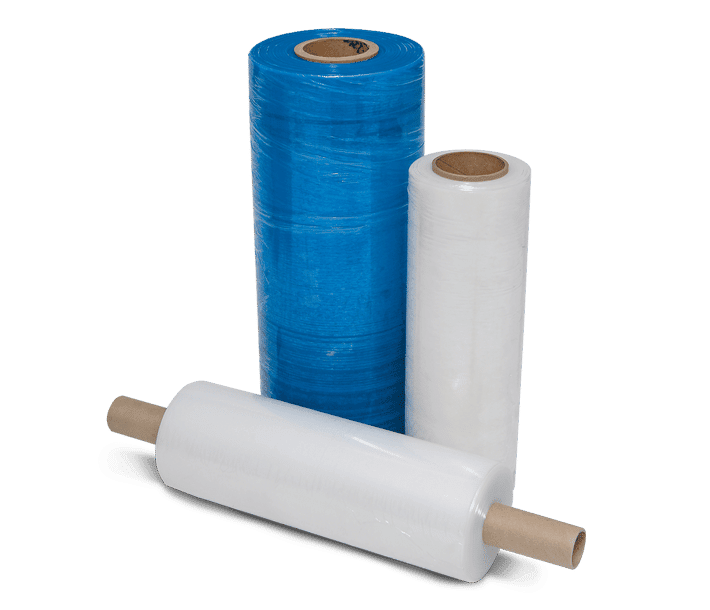
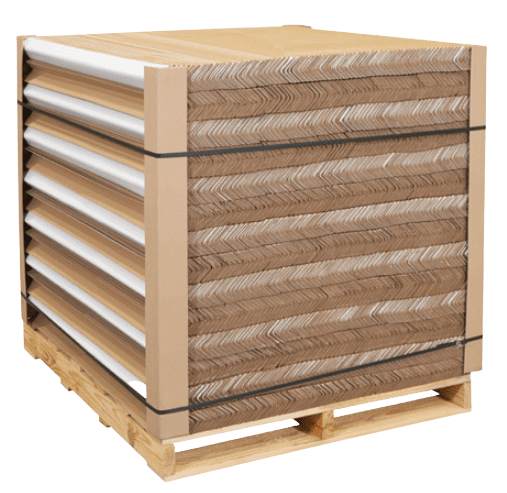
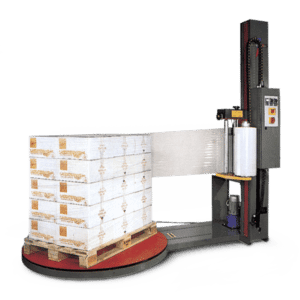
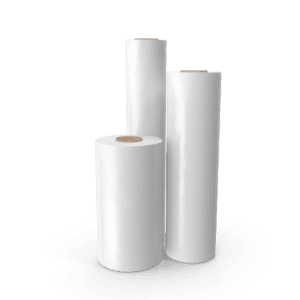
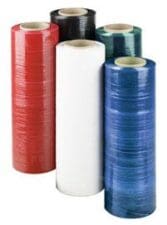
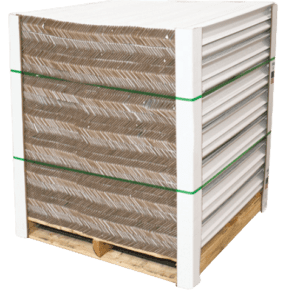
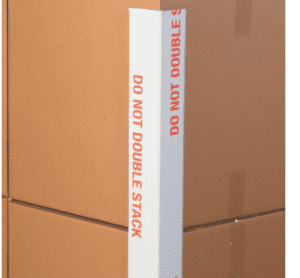
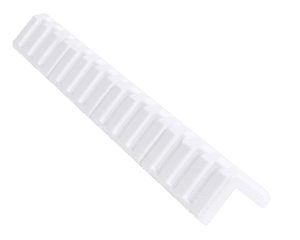
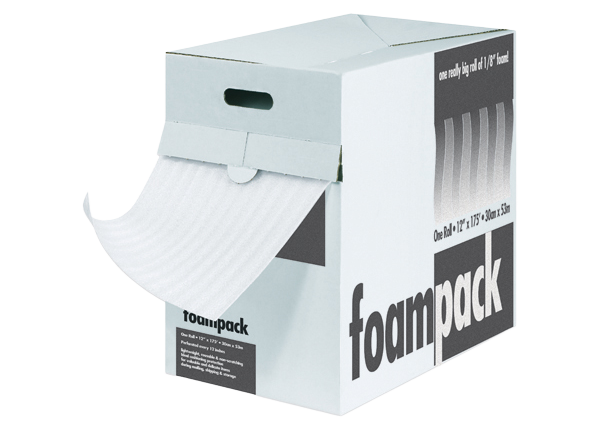
Our stock packaging products, from corrugated boxes to stretch film, offer a wide selection, including essentials like tape, edge protectors, labels, and more, with quick turnaround times to meet your packaging needs efficiently.


If you need any assistance with your packaging or have a question, then contact us directly at request@brownpackaging.com or (714)300-0650. Learn more about custom packaging by reading our blog posts on new and trending topics.

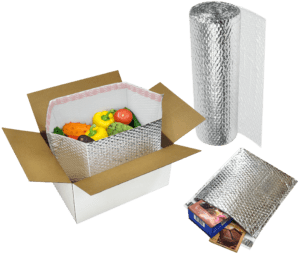
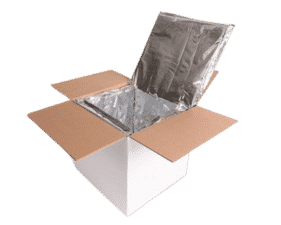
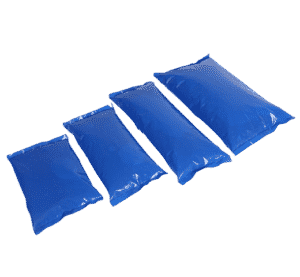
Temperature fluctuations can have a detrimental effect on your products and packaging. Whether your goods are sensitive to extreme heat or cold, maintaining the right temperature during storage and transportation is essential. In this blog, we’ll explore various strategies and best practices to help you protect your packaging against temperature fluctuations effectively. Understanding the Risks Before we delve into protective measures, it’s crucial to understand the potential risks associated with temperature fluctuations: Product Quality: Fluctuating temperatures can alter the quality, texture, and taste of products, rendering them unsellable or unsafe for consumption. Chemical Reactions: Some products, particularly chemicals and pharmaceuticals, can undergo chemical reactions when exposed to temperature extremes, resulting in changes in composition or efficacy. Packaging Integrity: Extreme temperatures can weaken packaging materials, making them more susceptible to tears, punctures, or structural damage. Protective Measures To safeguard your packaging against temperature fluctuations, consider implementing the following protective measures: Temperature-Controlled Packaging: Use temperature-controlled packaging solutions, such as insulated boxes, coolers, or heated containers, depending on the specific temperature requirements of your products. Insulated Packaging Materials: Choose packaging materials with insulating properties. Foam, bubble wrap, or insulated liners can help maintain stable temperatures within the package. Phase-Change Materials: Incorporate phase-change materials or gel packs into your packaging. These materials can absorb or release heat to help regulate the temperature inside the package. Seal Integrity: Ensure that packaging seals are strong and airtight. Regular quality control checks should verify that no gaps or defects exist in the sealing process to prevent temperature infiltration. Packaging Design Considerations: Design packaging with temperature resistance in mind. Use materials that can withstand temperature extremes, and consider multi-layer structures for added insulation. Quality Testing: Conduct rigorous testing to verify the effectiveness of your packaging in maintaining temperature stability. Use temperature testing chambers to simulate real-world conditions. Temperature Monitoring Devices: Incorporate temperature monitoring devices, such as data loggers or indicators, into your packaging. These devices record temperature data during transit, providing insight into temperature fluctuations. Controlled Storage Facilities: Store products in temperature-controlled environments before and after packaging. Warehouses and storage areas should be equipped with adequate ventilation, heating, and cooling systems. Shipping Route Planning: Select shipping routes and carriers that prioritize temperature control and offer refrigerated or climate-controlled transportation options. Regulatory Compliance: Adhere to industry-specific and regulatory standards for temperature-sensitive products. Compliance ensures that your products meet safety and quality requirements. Vigilance and Continuous Improvement Protecting your packaging against temperature fluctuations is an ongoing effort. Continuously assess your packaging solutions and gather feedback from transportation partners to identify any weaknesses or areas for improvement. Make necessary adjustments to enhance temperature resilience and ensure that your products arrive at their destination in optimal condition. By implementing these strategies and maintaining a proactive approach to packaging protection, you can significantly reduce the risk of temperature-related damage to your products, enhance their overall quality and safety, and meet the specific temperature requirements of your industry. If you are interested in protection against temperature fluctuations for your packaging, then partner with Brown Packaging today to get started. (714)300-0650 request@brownpackaging.com Most Recent Posts: Categories: Corrugated Ecommerce ESD Design Display Flexible Packaging Foam Folding Carton Packaging Plastic Packaging Pouch Printing Protection Retail Rigid Box Thermoform Sustainability Subscribe To Our Newsletter By submitting your information, you agree to our terms and conditions and privacy policy. Cold Chain Packaging Facebook Twitter LinkedIn Pinterest Relevant Posts

Tariffs can create significant challenges for packaging buyers, affecting costs, supply chains, and sourcing strategies. While tariffs are designed to promote domestic production, they often introduce complexities that impact businesses relying on imported materials. With thoughtful planning and strategic actions, packaging buyers can minimize these impacts and maintain operational efficiency. Understanding the Impact of Tariffs on Packaging Tariffs impose additional taxes on imported goods, driving up the costs of raw materials and finished packaging products. For the packaging industry, this includes commonly used materials such as corrugated cardboard, plastics, and metals. These added expenses often lead to higher procurement costs, supply chain adjustments, and increased administrative burdens. Strategies to Limit the Impact of Tariffs Reevaluate Your Supply Chain The first step to reducing the impact of tariffs is gaining a clear understanding of your current supply chain. Knowing where your materials and packaging products originate helps identify risks and areas for improvement. Key Steps: Map out your supply chain to identify dependencies on imported goods. Identify tariff-affected materials and evaluate their contribution to your costs. Explore local or alternative suppliers to reduce reliance on imports. Strengthen Relationships with Domestic Suppliers With tariffs increasing the cost of imports, domestic sourcing becomes a more attractive option. Building strong partnerships with local suppliers can help secure reliable and affordable packaging. Actionable Tips: Establish long-term contracts to lock in pricing and secure priority access. Collaborate with domestic manufacturers to explore custom solutions tailored to your needs. Consider working with regional distributors for quicker lead times and reduced shipping costs. Diversify Your Supplier Base Relying heavily on one supplier or region can expose your business to greater risks when tariffs are introduced. Diversifying your supplier network provides flexibility and reduces vulnerability. Implementation Steps: Source from multiple domestic suppliers to mitigate potential shortages. Evaluate international suppliers in tariff-free regions for cost-effective alternatives. Work with packaging distributors who offer access to a variety of options. Optimize Packaging Design Innovative packaging design can help reduce material usage and overall costs, minimizing the financial impact of tariffs. Design Adjustments: Lightweighting: Use thinner or lighter materials to lower costs. Right-Sizing: Tailor box sizes to reduce material waste and shipping costs. Mono-Material Solutions: Simplify designs to use fewer or single types of materials. Explore Alternative Materials Switching to tariff-free or domestically sourced materials can provide significant savings. Examples: Transition from virgin paperboard to recycled corrugated materials. Use kraft paper or mailers as cost-effective alternatives to plastic-based packaging. Evaluate the feasibility of biodegradable or compostable materials that align with sustainability goals. Plan Ahead and Stockpile Strategically Tariffs often lead to increased lead times, especially as demand for domestic suppliers grows. Proactive planning ensures you’re prepared for potential disruptions. Practical Steps: Forecast demand to order packaging materials in advance of tariff changes. Stockpile critical materials with long shelf lives to avoid shortages. Develop an inventory management system to balance stock levels and avoid overstocking. Negotiate Pricing and Payment Terms Work with your suppliers to manage tariff-related cost increases effectively. Negotiation Tips: Request volume discounts for bulk orders. Negotiate extended payment terms to ease cash flow pressures. Explore opportunities for bundled services to reduce overall costs. Leverage Technology for Supply Chain Efficiency Investing in technology can improve decision-making and streamline procurement processes, helping mitigate the administrative burden of tariffs. Recommended Tools: Supply Chain Management Software: Monitor supplier performance and optimize sourcing strategies. Tariff Calculators: Assess the impact of tariffs on your materials and products. Inventory Management Systems: Improve forecasting accuracy and avoid last-minute purchases. Long-Term Benefits of Adapting to Tariffs While tariffs can create short-term challenges, they also encourage businesses to adopt resilient and innovative strategies. By optimizing supply chains, exploring sustainable options, and strengthening relationships with domestic suppliers, packaging buyers can position themselves for long-term success. Conclusion Tariffs on packaging can introduce complexities, but with proactive planning and strategic adjustments, their impact can be minimized. By reevaluating supply chains, optimizing packaging designs, diversifying suppliers, and leveraging technology, packaging buyers can navigate these changes effectively while maintaining operational efficiency. Taking these steps now can help businesses adapt to a changing landscape and thrive in a competitive market. (714)300-0650 request@brownpackaging.com Most Recent Posts: Categories: Corrugated Ecommerce ESD Design Display Flexible Packaging Foam Folding Carton Packaging Plastic Packaging Pouch Printing Protection Retail Rigid Box Thermoform Sustainability Subscribe To Our Newsletter By submitting your information, you agree to our terms and conditions and privacy policy. Custom Packaging Facebook Twitter LinkedIn Pinterest Relevant Posts

The implementation of tariffs in 2025 will have profound effects on packaging buyers, influencing costs, sourcing strategies, and supply chain dynamics. While the immediate impacts may present challenges, the long-term outcomes could offer opportunities for improved resilience and innovation. This blog examines how tariffs will affect packaging buyers in both the short and long term, providing actionable insights to navigate the changes effectively. Short-Term Outcomes for Packaging Buyers In the short term, tariffs are expected to create disruptions and increased costs for packaging buyers as they adjust to new sourcing realities. Rising Costs One of the most immediate effects of tariffs is the increase in costs for packaging materials and products imported from international suppliers. Impact on Budgets: Buyers may face higher procurement costs as tariffs are added to the price of materials like corrugated cardboard, plastics, and aluminum. Pass-Through Pricing: Suppliers may pass these cost increases to buyers, further straining budgets. Supply Chain Disruptions Shifting to domestic sourcing in response to tariffs can lead to temporary supply chain issues. Material Shortages: Domestic suppliers may struggle to meet increased demand in the short term. Longer Lead Times: Adjustments in sourcing strategies can extend timelines, particularly for custom or high-volume orders. Limited Supplier Options Buyers accustomed to a global network of suppliers may find fewer domestic options with the capacity or variety they require, leading to challenges in securing the desired materials or products. Procurement Complexity Tariffs add a layer of administrative burden as buyers must navigate new costs, compliance requirements, and potential renegotiations with suppliers. Long-Term Outcomes for Packaging Buyers While the short-term impacts of tariffs are challenging, the long-term effects may present opportunities for improved operations and supply chain resilience. Stronger Domestic Supply Chains As tariffs encourage local sourcing, the packaging industry may see growth in domestic manufacturing capacity and capability. Improved Reliability: Domestic suppliers are less vulnerable to global disruptions, such as shipping delays or geopolitical issues. Reduced Lead Times: Over time, investment in domestic production could streamline delivery schedules and enhance consistency. Cost Stabilization Initially, tariffs will drive up costs, but long-term adjustments may bring stabilization: Economies of Scale: Increased demand for domestic materials could lead to cost reductions as suppliers scale up production. Technological Advancements: Domestic manufacturers may invest in automation and innovation to improve efficiency and reduce expenses. Sustainability Benefits Local sourcing aligns with environmental goals by reducing the carbon footprint associated with long-distance transportation. Eco-Friendly Packaging Options: Many domestic manufacturers emphasize sustainable practices, offering buyers more options to meet their green initiatives. Consumer Appeal: Using locally sourced and sustainable packaging can resonate with environmentally conscious customers. Encouragement of Innovation Tariffs may push buyers and suppliers to explore innovative packaging solutions to offset increased costs. Optimized Designs: Lightweighting and right-sizing strategies can reduce material usage. Alternative Materials: Recycled or mono-material options could become more popular as buyers seek cost-effective, domestic alternatives. Adapting to Short- and Long-Term Changes Packaging buyers can take proactive steps to navigate both the short-term disruptions and long-term opportunities presented by tariffs: Short-Term Strategies: Diversify Supplier Base: Build relationships with multiple domestic and international suppliers to reduce reliance on a single source. Plan for Lead Times: Adjust procurement schedules to account for potential delays during the transition period. Negotiate Contracts: Work with suppliers to establish pricing agreements that minimize the immediate impact of tariffs. Long-Term Strategies: Invest in Sustainability: Leverage tariffs as an opportunity to adopt sustainable materials and practices, meeting both regulatory and consumer demands. Optimize Inventory Management: Use advanced forecasting tools to maintain optimal stock levels and avoid last-minute orders. Collaborate on Innovation: Partner with suppliers to develop innovative packaging solutions that balance cost and functionality. Conclusion The short-term effects of tariffs on packaging buyers will likely involve increased costs and supply chain adjustments, but the long-term outlook offers potential for stronger supply chains, cost stabilization, and innovation. By preparing for both immediate disruptions and future opportunities, buyers can position themselves for success in the evolving packaging landscape. Strategic planning, flexibility, and a focus on collaboration will be key to thriving under the new tariff environment. if you are interested in packaging solutions to optimize your packaging, then partner with Brown Packaging today to get started. (714)300-0650 request@brownpackaging.com Most Recent Posts: Categories: Corrugated Ecommerce ESD Design Display Flexible Packaging Foam Folding Carton Packaging Plastic Packaging Pouch Printing Protection Retail Rigid Box Thermoform Sustainability Subscribe To Our Newsletter By submitting your information, you agree to our terms and conditions and privacy policy. Custom Packaging Facebook Twitter LinkedIn Pinterest Relevant Posts