






Stock Packaging
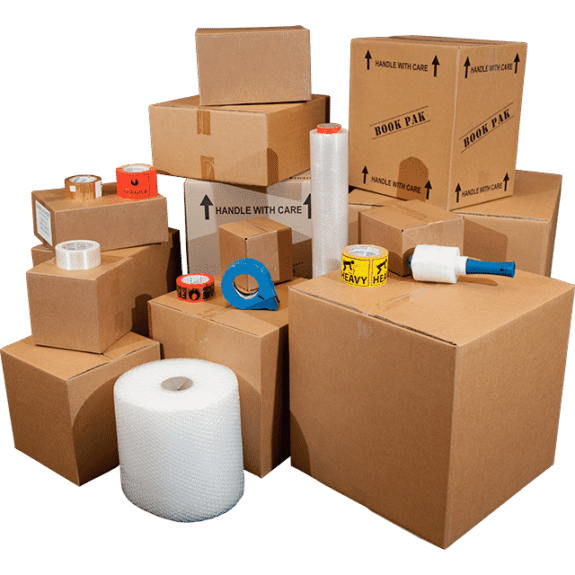
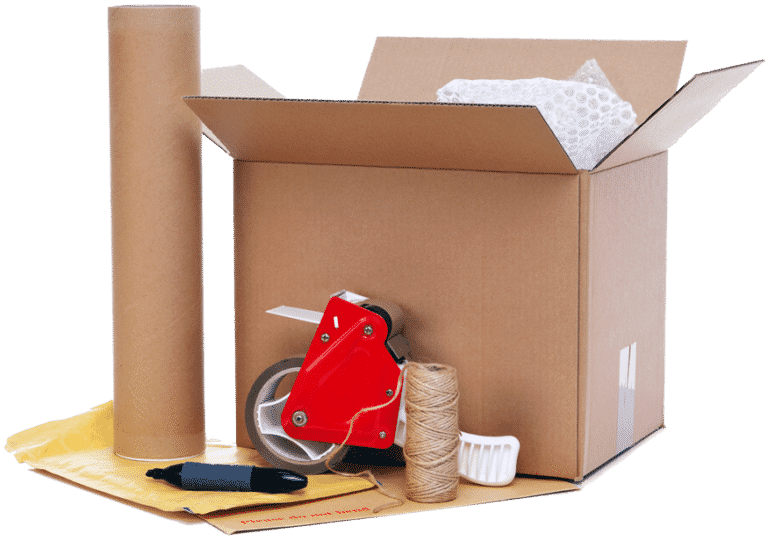
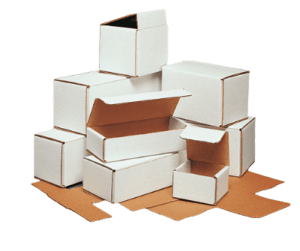
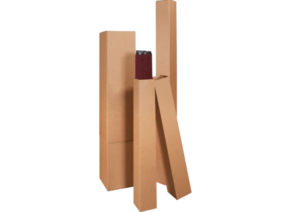
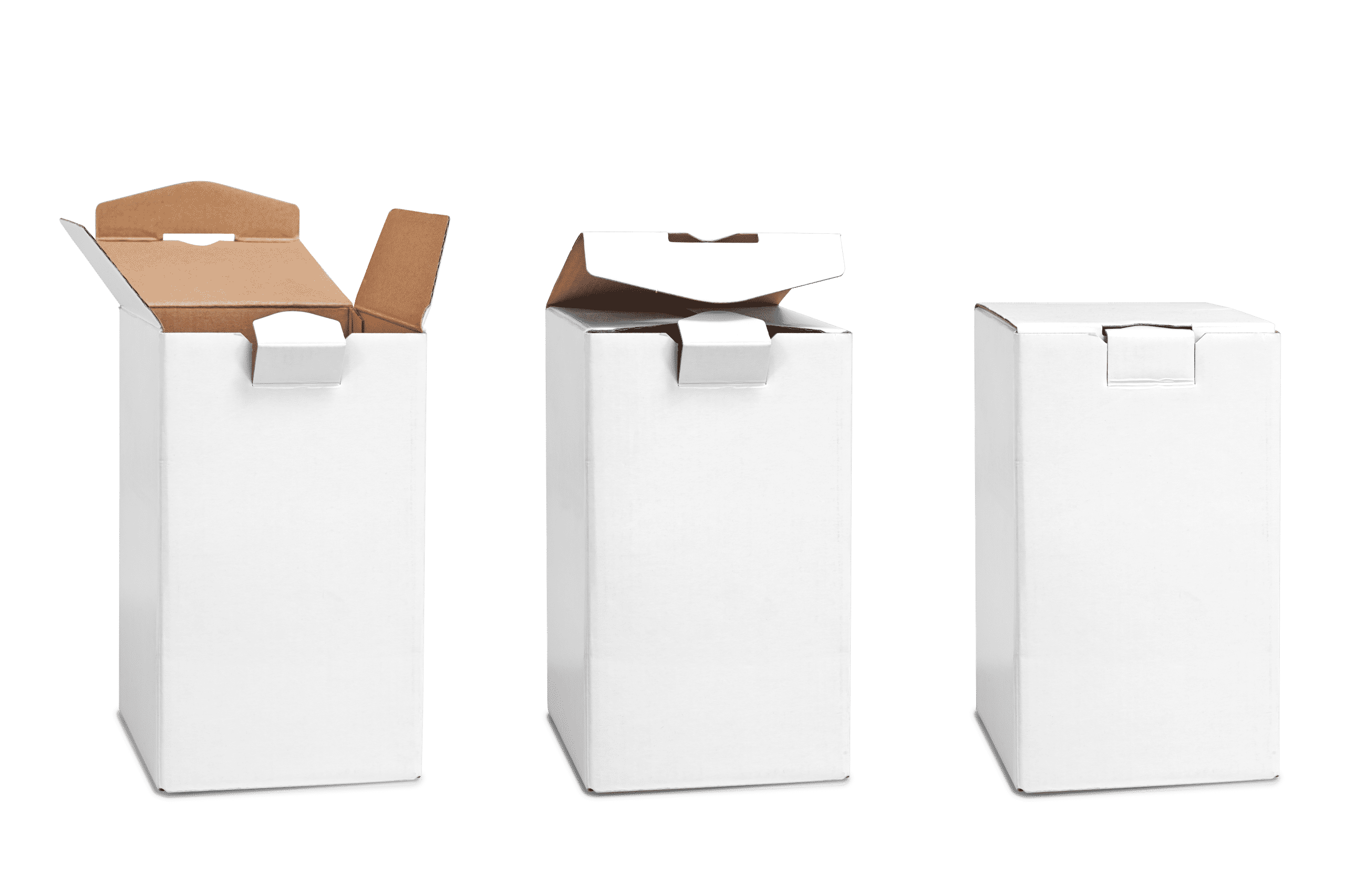
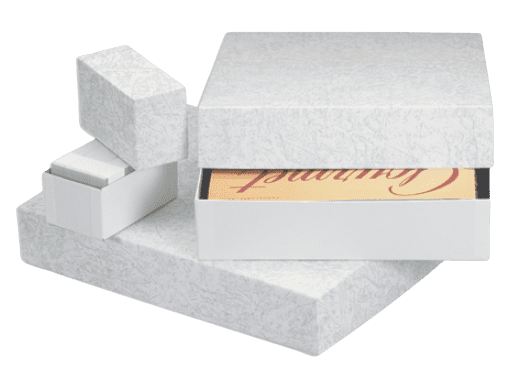
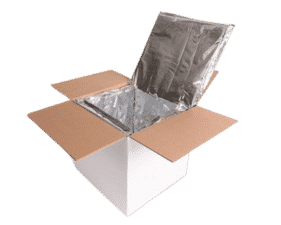
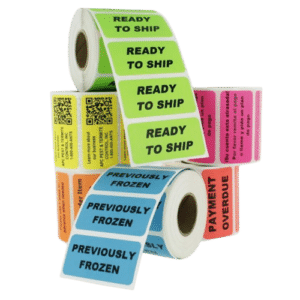
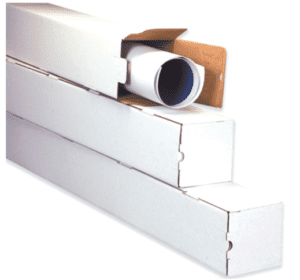
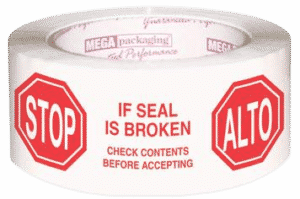
We supply businesses with a wide selection of essential packaging, shipping, and warehouse supplies. Get any standard packaging product by dimension or style from boxes, tubes, tapes, labels, and more. If you are unsure on what type of packaging you will need, then contact us for an expert consultation.


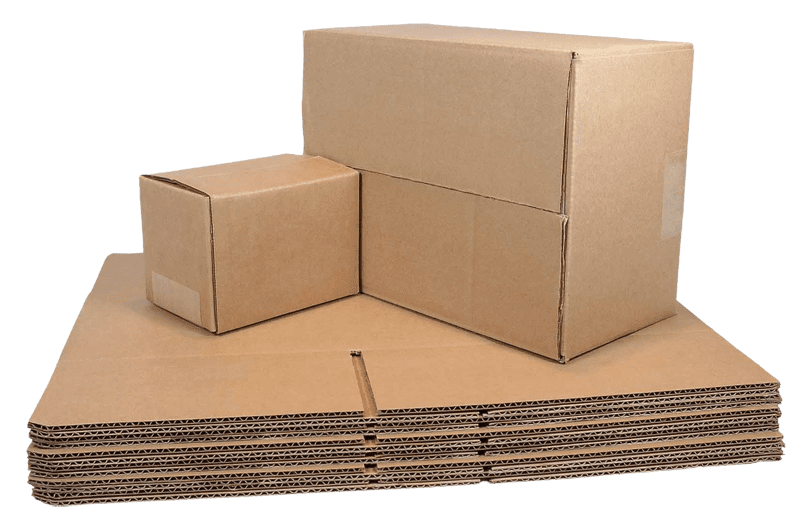
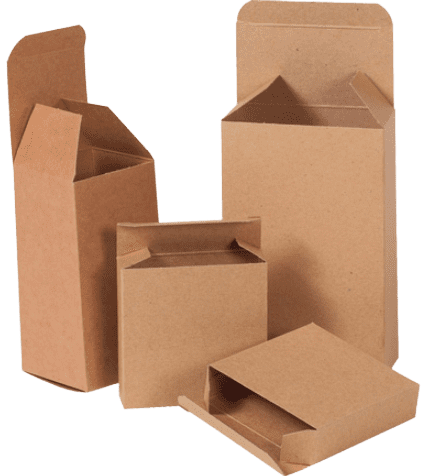
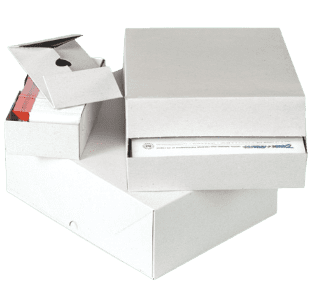
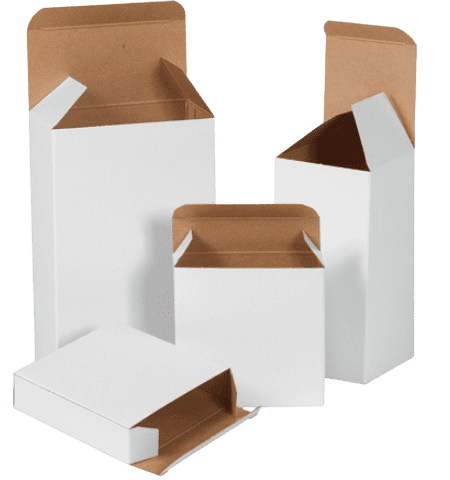
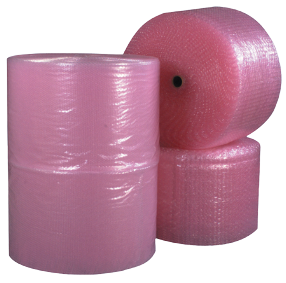
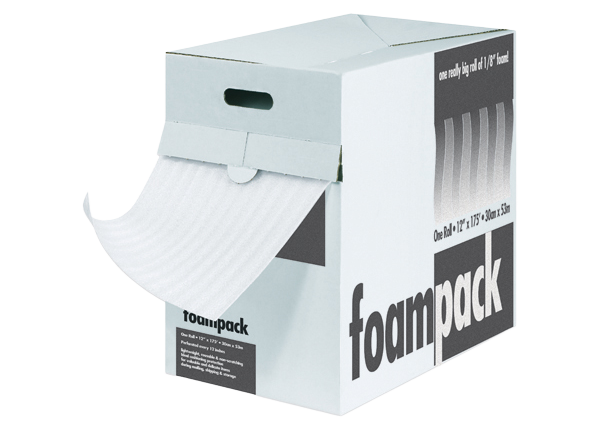
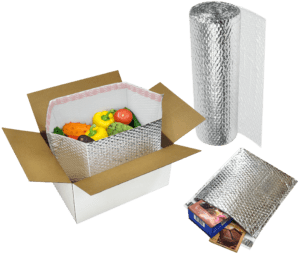
Stock packaging refers to pre-made, ready-to-ship packaging solutions like corrugated boxes, mailers, and protective materials that are designed to meet a wide range of standard needs across shipping, retail, and storage. Unlike custom packaging, stock options offer quick availability and reliable protection without the need for extensive design or production time, making them ideal for businesses needing efficient, high-quality solutions with fast lead times.
At Brown Packaging, we focus on providing durable, performance-driven stock packaging that supports our clients’ operational needs. Our stock products are sourced to ensure consistent quality and cost-effectiveness, offering a practical solution to keep operations running smoothly and on schedule. With an emphasis on reliability, we help our clients quickly access packaging solutions that meet their specific needs while maintaining quality across every order.
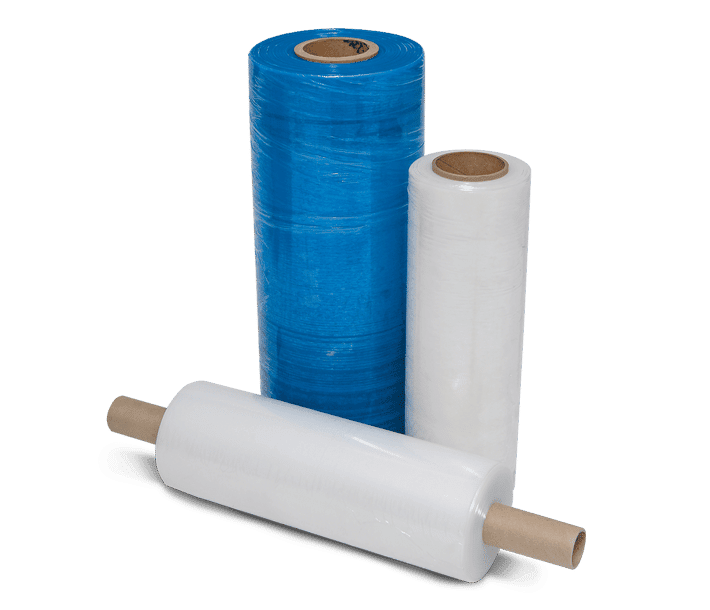
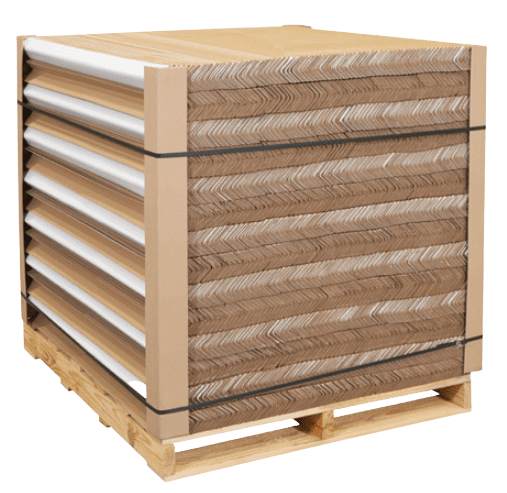
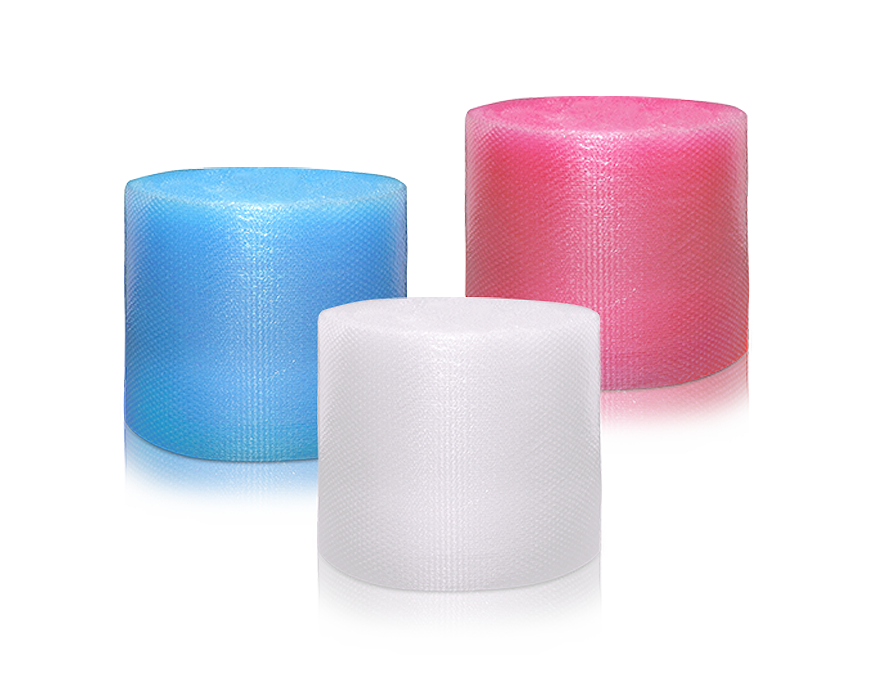
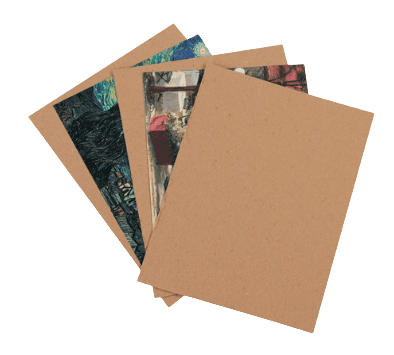
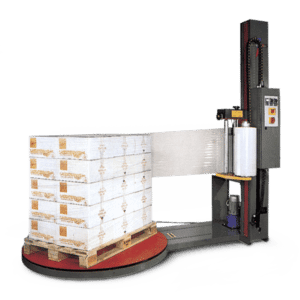
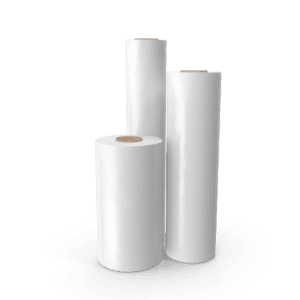
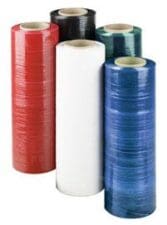
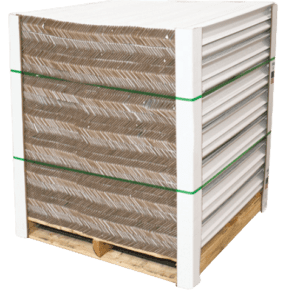
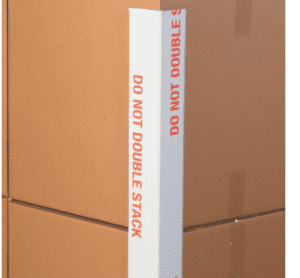
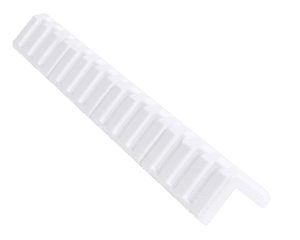
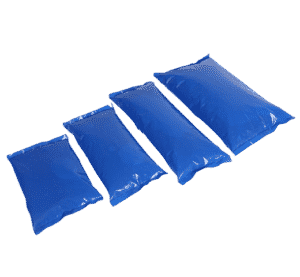
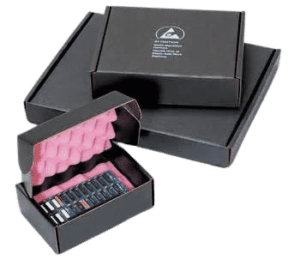
Our stock packaging products, from corrugated boxes to stretch film, offer a wide selection, including essentials like tape, edge protectors, labels, and more, with quick turnaround times to meet your packaging needs efficiently.


If you need any assistance with your packaging or have a question, then contact us directly at request@brownpackaging.com or (714)300-0650. Learn more about custom packaging by reading our blog posts on new and trending topics.

Structurally designing your corrugated box involves understanding the specific requirements of your product and applying principles of material science and engineering to ensure optimal protection, efficiency, and cost-effectiveness. This process requires careful consideration of the box’s dimensions, material grade, flute type, and the intended use to create a packaging solution that meets both logistical and aesthetic needs. Understanding the Basics of Corrugated Boxes Before diving into the design process, it’s important to grasp the fundamental components of a corrugated box: Fluting: The wavy layer of corrugated paper that provides cushioning and strength. The size, type and the material of the flute affect the box’s compression strength, stacking strength, and crush resistance. Linerboards: Flat sheets of paper that sandwich the fluting, contributing to the box’s durability and structural integrity. Box Types: Common configurations include the Regular Slotted Container (RSC), Full Overlap (FOL), and Die-Cut designs, each offering different benefits in terms of protection and assembly efficiency. Step 1: Assess Product Requirements Start by evaluating the weight, dimensions, and fragility of the product. Consider any additional space needed for internal packaging materials like bubble wrap or foam inserts, which provide extra protection for delicate items. This assessment will guide the choice of box size and strength needed to ensure safe transport and storage. Step 2: Select Material and Flute Type Choose the appropriate material grade and flute type based on the product’s weight and the level of protection required. For lightweight items, a single-wall box with smaller flutes like B or C may suffice. Heavier or more fragile items may require double-wall or triple-wall boxes with larger flutes like A or BC for increased cushioning and strength. The Edge Crush Test (ECT) rating of the cardboard is a critical factor here, indicating the box’s ability to withstand external pressures. Step 3: Design for Efficiency and Sustainability Efficiency in packaging not only reduces material costs but also minimizes waste, contributing to sustainability. Design your box to fit your product snugly while allowing for minimal extra packaging material. Consider using recyclable materials and designing for ease of recycling after use, such as avoiding mixed materials that are difficult to separate. Step 4: Prototype and Test Once the initial design is established, create a prototype of your box. This allows for hands-on testing to ensure the box meets your requirements in terms of size, strength, and functionality. Conduct tests that mimic real-world handling, shipping, and stacking scenarios to identify any structural weaknesses or design flaws. Step 5: Customization and Branding Customization isn’t just about aesthetics; it can also enhance the box’s structural integrity. For example, die-cut inserts not only secure products within the box but also add rigidity to the structure. Use the exterior for branding, but ensure that any printing or customization does not compromise the box’s strength. Step 6: Iterate Based on Feedback Use feedback from the testing phase to refine your design. This may involve adjusting dimensions, changing the flute type, or reevaluating the material grade. Iteration is a crucial step in optimizing the design for both protection and cost. Conclusion Structurally designing a corrugated box is a detailed process that blends science, engineering, and aesthetics. It requires a deep understanding of the product needs, material properties, and the logistical demands of shipping and handling. By following these steps and focusing on both function and form, you can develop a corrugated box that not only protects your product but also enhances your brand’s presentation and sustainability efforts. If you are interested in custom structurally designed corrugated boxes, then partner with Brown Packaging today to get started. (714)300-0650 request@brownpackaging.com Most Recent Posts: Categories: Corrugated Ecommerce ESD Design Display Flexible Packaging Foam Folding Carton Packaging Plastic Packaging Pouch Printing Protection Retail Rigid Box Thermoform Sustainability Subscribe To Our Newsletter By submitting your information, you agree to our terms and conditions and privacy policy. Custom Corrugated Boxes Facebook Twitter LinkedIn Pinterest Relevant Posts

Roll stock flow wrap packaging is a versatile and efficient method used in the food and packaging industry to package a wide variety of products. It’s commonly used for packaging items like candy bars, cookies, granola bars, crackers, and even non-food items like soap bars and disposable razors. In this blog, we will delve into what roll stock flow wrap packaging is, how it works, its advantages, and some key considerations for businesses looking to implement this packaging solution. What is Roll Stock Flow Wrap Packaging? Roll stock flow wrap packaging, also known as horizontal form-fill-seal (HFFS) packaging, is a process that involves wrapping a continuous roll of flexible packaging material around a product or a group of products and then sealing it to create a sealed pouch or package. This packaging method is highly efficient and can accommodate a wide range of product sizes and shapes. The process of roll stock flow wrap packaging typically involves the following steps: Material Unwinding: A roll of flexible packaging material (often made of materials like plastic films or laminates) is mounted on a machine. This roll contains pre-printed or clear film, depending on branding and product visibility requirements. Product Feeding: The products to be packaged are fed into the machine’s conveyor system. These products can be singular items, such as candy bars, or multiple items bundled together, such as a pack of cookies. Film Forming: The packaging machine forms the flexible film into a tubular shape around the product or product group. The film is wrapped tightly around the product(s), ensuring a snug fit. Sealing and Cutting: The film is sealed along its length and width, creating individual pouches for each product or product group. Simultaneously, a cutting mechanism severs the pouches from the continuous roll. Product Discharge: The finished packages are discharged from the machine’s conveyor belt, ready for further handling, labeling, and distribution. Advantages of Roll Stock Flow Wrap Packaging: Roll stock flow wrap packaging offers several advantages that make it a popular choice for many businesses: Efficiency: This packaging method is highly automated, allowing for rapid production rates and reduced labor costs. Versatility: Roll stock flow wrap machines can handle a wide range of product sizes, shapes, and types. Whether you’re packaging individual items or multi-packs, this method can adapt. Product Protection: The tightly wrapped film provides a barrier against moisture, dust, and contaminants, ensuring the product’s freshness and integrity. Customization: Packaging materials can be customized with branding, labels, and graphics to enhance product visibility and appeal. Cost-Effective: Roll stock packaging materials are generally cost-effective, and the efficiency of the process helps reduce overall packaging costs. Reduced Material Waste: The form-fill-seal process minimizes excess packaging material, reducing waste and environmental impact. Considerations for Implementing Roll Stock Flow Wrap Packaging: Before implementing roll stock flow wrap packaging in your business, consider the following key factors: Product Type: Ensure that your products are suitable for this packaging method. Products with irregular shapes, sharp edges, or those that are extremely delicate may require special considerations. Machine Size and Speed: Choose a machine that matches your production requirements in terms of speed and capacity. Material Selection: Select appropriate packaging materials that align with your product’s shelf life, protection needs, and branding goals. Maintenance and Training: Regular maintenance and operator training are essential for optimal machine performance and product quality. Regulatory Compliance: Ensure that your packaging meets all relevant regulatory requirements for food safety, labeling, and environmental considerations. Cost Analysis: Evaluate the overall cost-effectiveness of roll stock flow wrap packaging for your specific products, considering the initial investment in machinery and ongoing operational costs. Roll stock flow wrap packaging is a versatile and efficient packaging solution that can enhance your product’s presentation, shelf life, and cost-effectiveness. By understanding the process and considering the relevant factors, businesses can make informed decisions about adopting this packaging method to meet their specific needs. If you are interested in roll stock flow wrap packaging, then partner with Brown Packaging today to get started. (714)300-0650 request@brownpackaging.com Most Recent Posts: Categories: Corrugated Ecommerce ESD Design Display Flexible Packaging Foam Folding Carton Packaging Plastic Packaging Pouch Printing Protection Retail Rigid Box Thermoform Sustainability Subscribe To Our Newsletter By submitting your information, you agree to our terms and conditions and privacy policy. Roll Stock Facebook Twitter LinkedIn Pinterest Relevant Posts

As businesses prepare for a new fiscal year, evaluating packaging needs becomes a crucial part of the planning process. Effective packaging not only protects your product but also plays a significant role in branding and customer experience. This blog post will guide you through a comprehensive approach to assess your packaging needs for the upcoming fiscal year. Understanding Current Packaging Performance Start by reviewing the performance of your current packaging. Consider factors like: Customer Feedback: Gather insights from customer reviews and surveys regarding the packaging. Are there any common complaints or suggestions? Damage Rates: Analyze the rate of product damage during shipping. High damage rates might indicate the need for more robust packaging. Cost Effectiveness: Evaluate the cost of your current packaging materials and processes. Are there areas where you can cut costs without compromising quality? Forecasting Product Trends and Changes Anticipate any changes in your product line that might affect packaging needs: New Products: Consider the packaging requirements for any new products you plan to launch. Product Modifications: Changes in size, shape, or fragility of your products will affect packaging choices. Market Trends: Stay abreast of market trends, like sustainable packaging, that could influence consumer preferences. Assessing Sustainability and Environmental Impact Sustainability in packaging is no longer a trend but a necessity. Assess your current packaging’s environmental impact: Material Usage: Are the materials used in your packaging recyclable or biodegradable? Could you switch to more sustainable options? Supply Chain Footprint: Consider the carbon footprint of your packaging supply chain and look for ways to reduce it. Evaluating Supplier Relationships The reliability of your packaging suppliers is crucial. Reflect on these relationships: Supplier Performance: Assess the performance of your current suppliers in terms of quality, delivery time, and communication. Cost Negotiations: Explore opportunities to renegotiate costs or find more cost-effective suppliers without compromising on quality. Technology and Innovation in Packaging Stay updated on the latest in packaging technology and innovations: Automation in Packaging: Can automation improve efficiency in your packaging process? Innovative Materials: Are there new materials that offer better protection, sustainability, or cost-effectiveness? Smart Packaging: Consider the adoption of smart packaging technologies that add value, such as QR codes or augmented reality features. Budget Allocation for Packaging Determine how much of your budget should be allocated to packaging, considering: Cost vs. Benefit Analysis: Balance the cost of improved packaging against the potential benefits, like reduced damage rates or increased customer satisfaction. Long-term Investments: Consider investing in higher-quality packaging that might be more expensive upfront but offers long-term savings. Compliance and Regulatory Considerations Ensure your packaging complies with industry regulations and standards: Local and International Laws: Be aware of packaging laws and regulations, especially if you’re shipping products internationally. Industry-Specific Standards: Certain products may have specific packaging standards, like food safety or hazardous materials. Developing a Packaging Strategy Based on your evaluation, develop a comprehensive packaging strategy for the fiscal year: Setting Goals: Define clear objectives for your packaging, such as reducing costs, minimizing environmental impact, or enhancing customer unboxing experiences. Action Plan: Create a step-by-step action plan to achieve these goals, including timelines and responsibilities. Conclusion Evaluating your packaging needs for the upcoming fiscal year is a multi-faceted process that requires a strategic approach. By assessing current performance, anticipating product changes, focusing on sustainability, and staying attuned to technological advancements, businesses can develop a packaging strategy that not only meets their operational needs but also aligns with customer expectations and environmental responsibilities. Remember, effective packaging is an investment in your product’s success and your brand’s reputation. (714)300-0650 request@brownpackaging.com Most Recent Posts: Categories: Corrugated Ecommerce ESD Design Display Flexible Packaging Foam Folding Carton Packaging Plastic Packaging Pouch Printing Protection Retail Rigid Box Thermoform Sustainability Subscribe To Our Newsletter By submitting your information, you agree to our terms and conditions and privacy policy. Custom Packaging Facebook Twitter LinkedIn Pinterest Relevant Posts