



window.uetq = window.uetq || []; window.uetq.push(‘event’, ‘submit_lead_form’,{ event_label:‘SUBMIT MESSAGE’ }); window.lintrk('track', { conversion_id: 10271009 }); window.lintrk('track', { conversion_id: 10271017 });

Stock Packaging

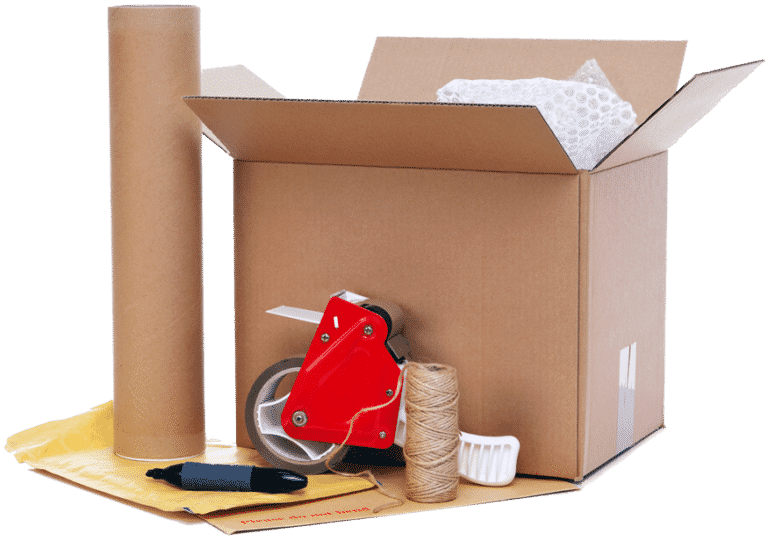
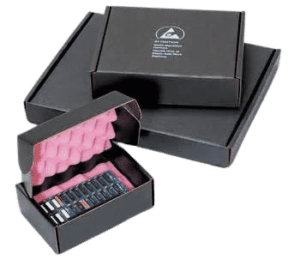
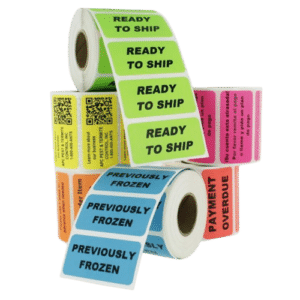
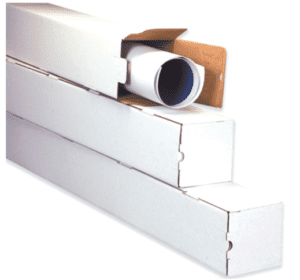
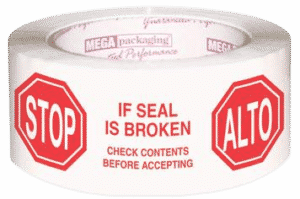
We supply businesses with a wide selection of essential packaging, shipping, and warehouse supplies. Get any standard packaging product by dimension or style from boxes, tubes, tapes, labels, and more. If you are unsure on what type of packaging you will need, then contact us for an expert consultation.


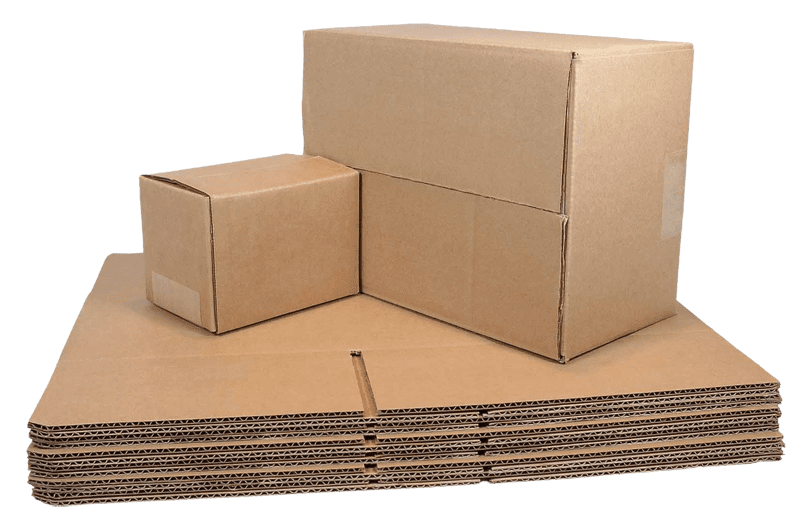
Stock packaging refers to pre-made, ready-to-ship packaging solutions like corrugated boxes, mailers, and protective materials that are designed to meet a wide range of standard needs across shipping, retail, and storage. Unlike custom packaging, stock options offer quick availability and reliable protection without the need for extensive design or production time, making them ideal for businesses needing efficient, high-quality solutions with fast lead times.

At Brown Packaging, we focus on providing durable, performance-driven stock packaging that supports our clients’ operational needs. Our stock products are sourced to ensure consistent quality and cost-effectiveness, offering a practical solution to keep operations running smoothly and on schedule. With an emphasis on reliability, we help our clients quickly access packaging solutions that meet their specific needs while maintaining quality across every order.

stock packaging products

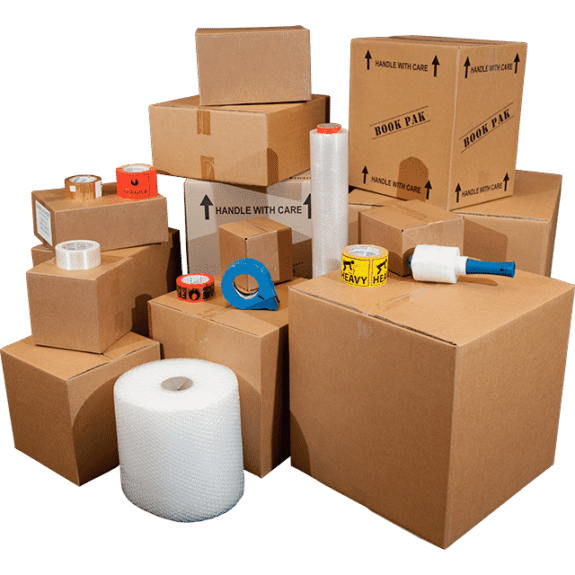
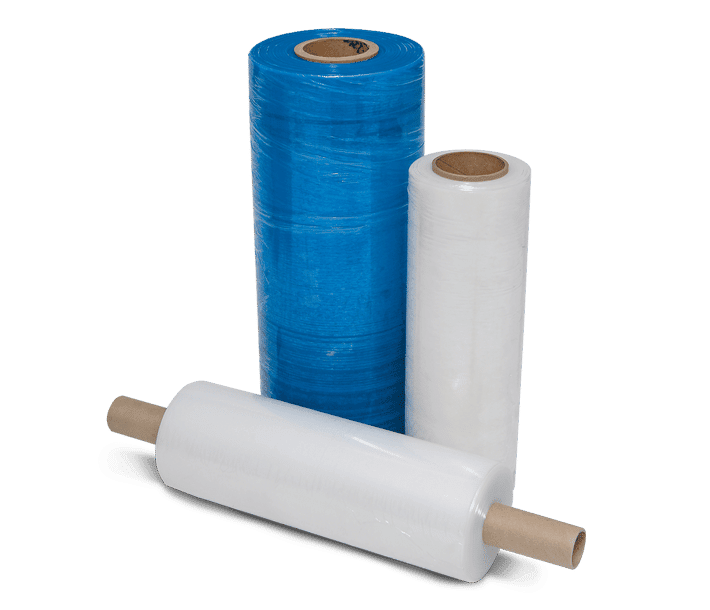
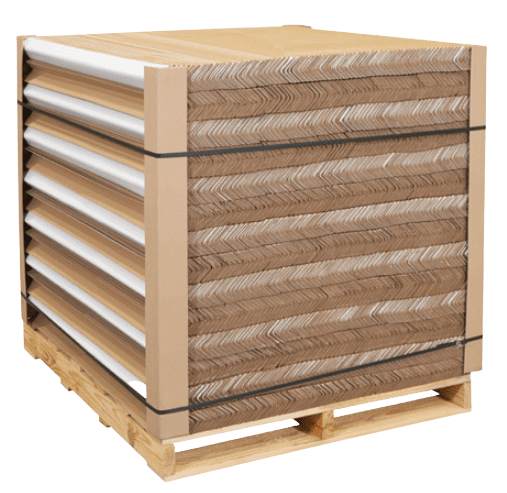
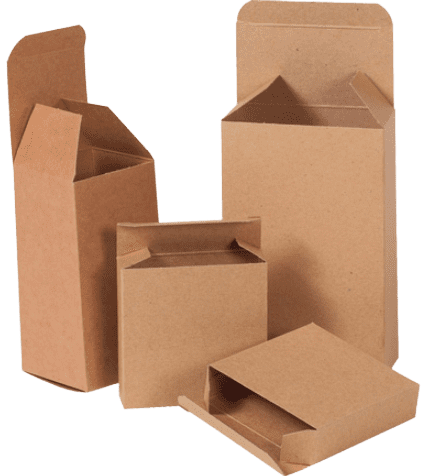
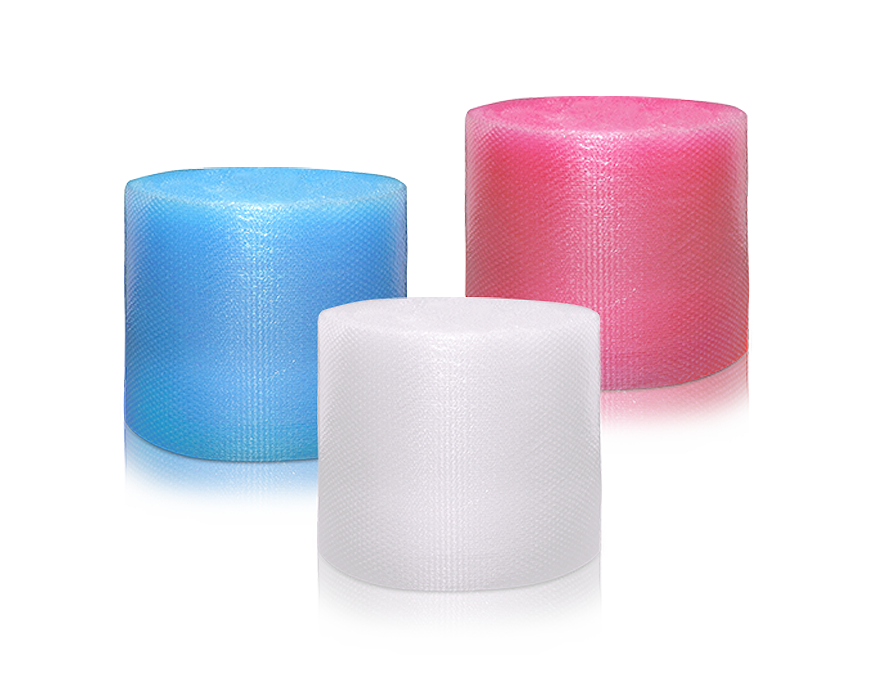
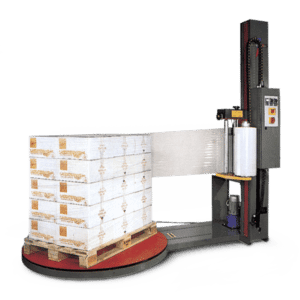
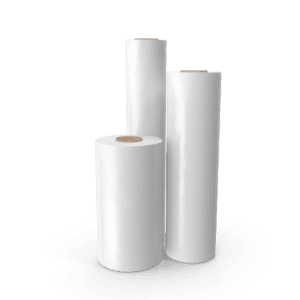
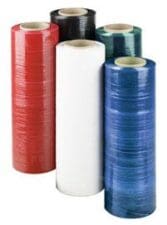
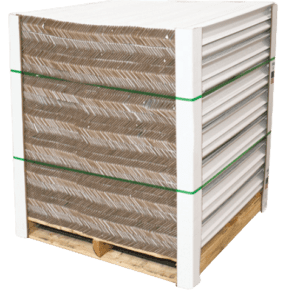
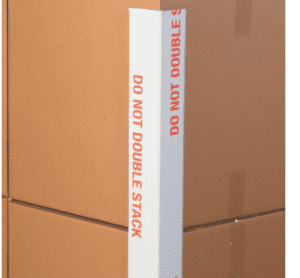
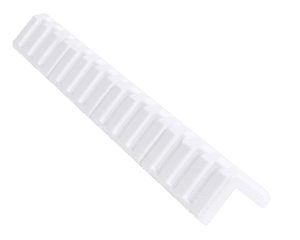
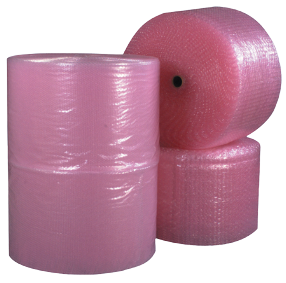
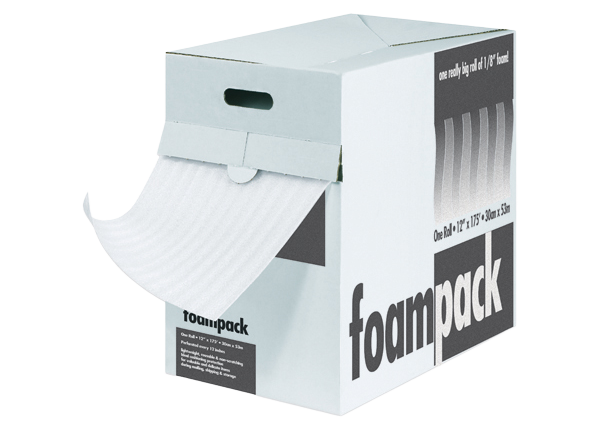
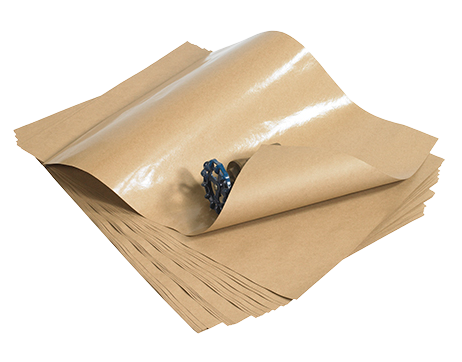
Our stock packaging products, from corrugated boxes to stretch film, offer a wide selection, including essentials like tape, edge protectors, labels, and more, with quick turnaround times to meet your packaging needs efficiently.

Edit Content
Edit Content
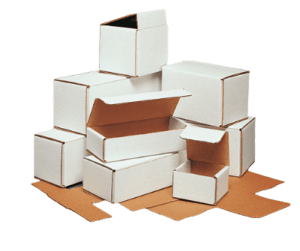
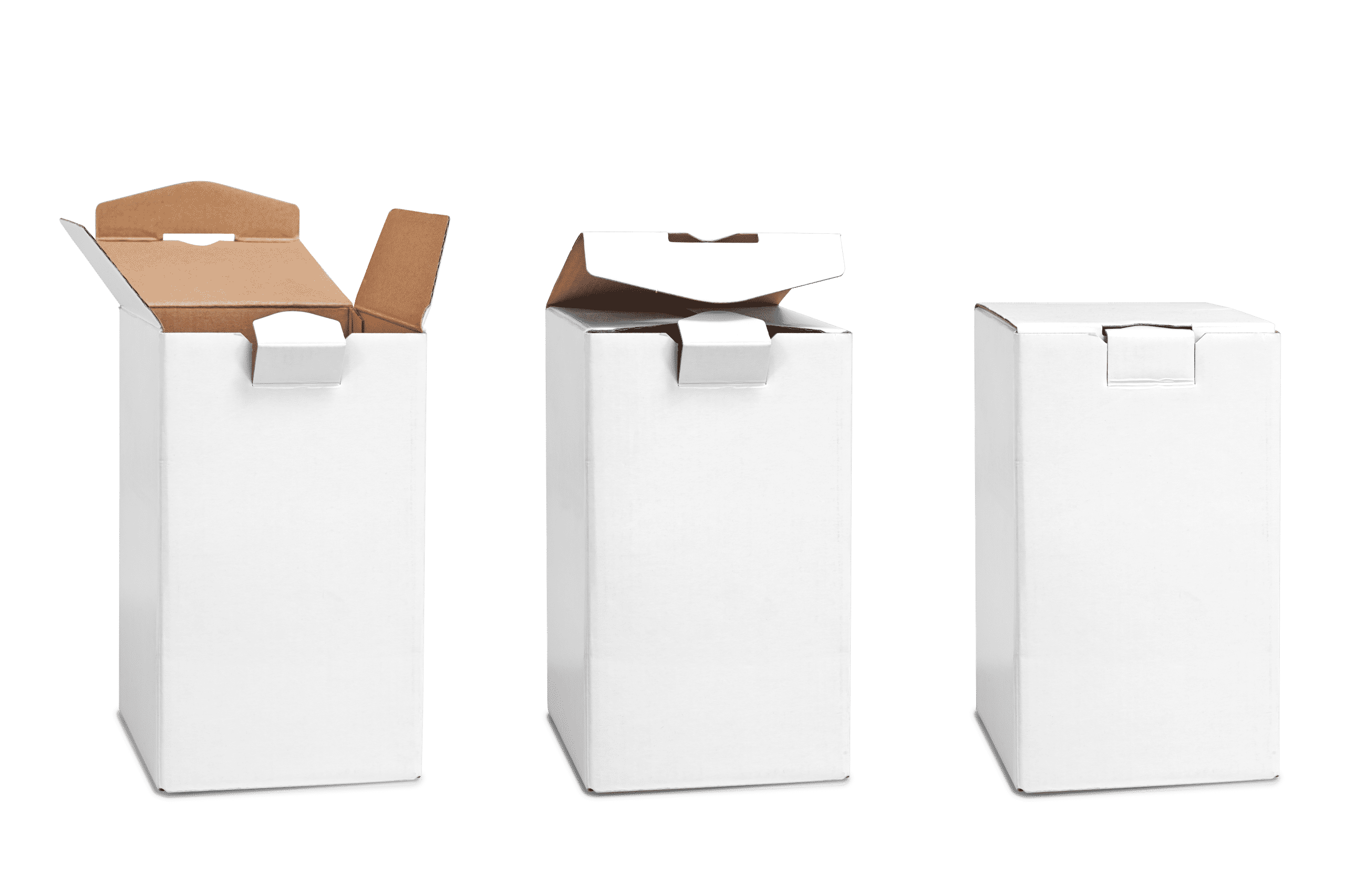
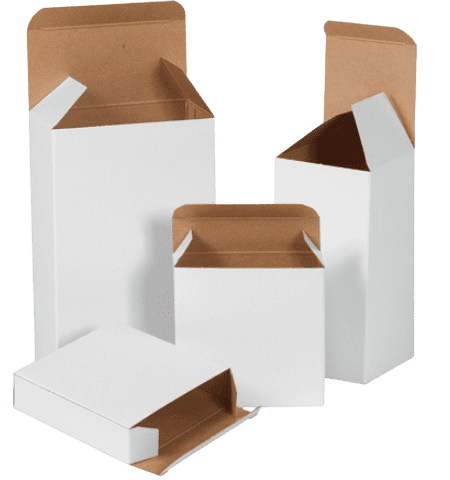
Folding Cartons
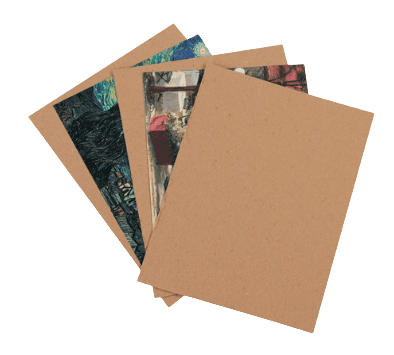
Pads
Apparel Boxes
Jewelry Boxes
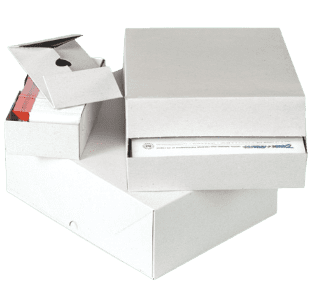
Setup Cartons
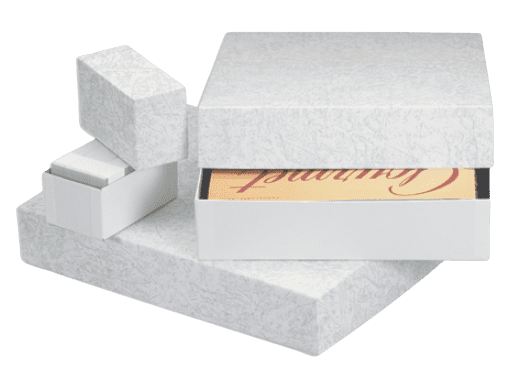
Stationary Cartons
Edit Content
Cast Film
Blown Film
Conventional Film
Engineered Film
Pre-Stretched Film
Hand Film
Machine Film
Edit Content
Light Duty
Medium Duty
Heavy Duty
Foam
Strapping
Frame Protectors
Edit Content
Edit Content
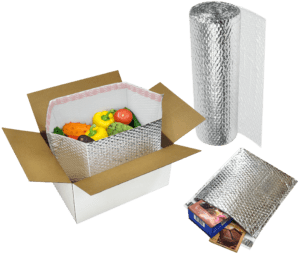
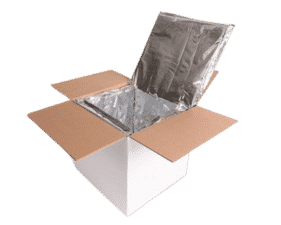
Box Liner
Metalized Pouch
Foam Cooler
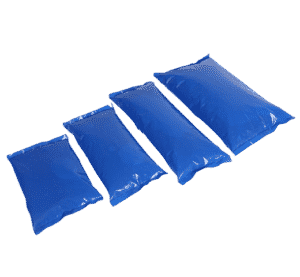
Ice Pack
Gel Pack
Edit Content
Edit Content
Edit Content
Folding Cartons
Pads
Apparel Boxes
Jewelry Boxes
Setup Cartons
Stationary Cartons
Edit Content
Cast Film
Blown Film
Conventional Film
Engineered Film
Pre-Stretched Film
Hand Film
Machine Film
Edit Content
Click on the Edit Content button to edit/add the content.
Edit Content
Edit Content
Box Liner
Metalized Pouch
Foam Cooler
Ice Pack
Gel Pack
Edit Content

If you need any assistance with your packaging or have a question, then contact us directly at request@brownpackaging.com  or  (714)300-0650. Learn more about custom packaging by reading our blog posts on new and trending topics.

Packaging
brownpackaging
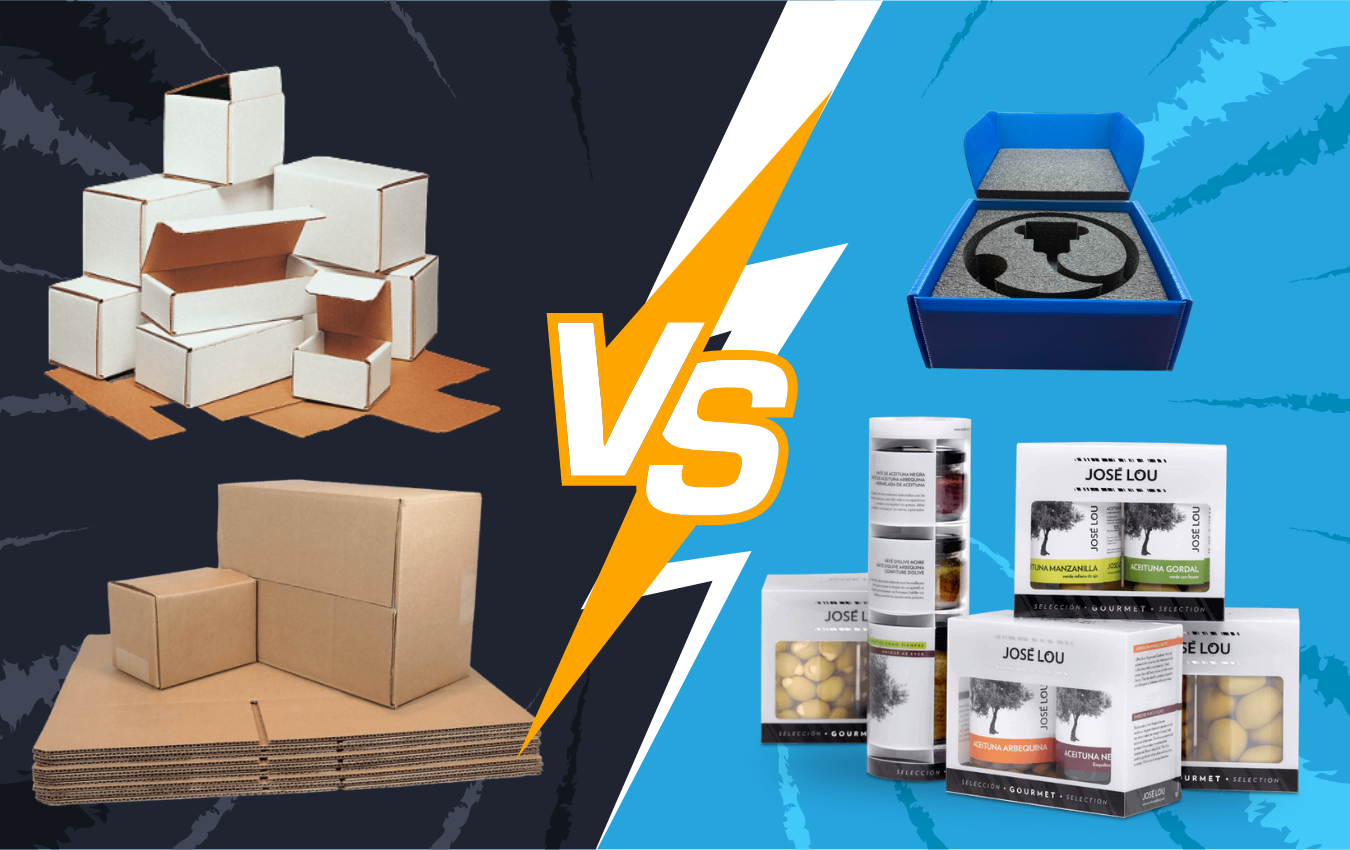
Generic Vs. Tailored Packaging When To Choose Each

Why Packaging Strategy Matters Packaging is more than just a protective layer—it plays a vital role in branding, marketing, and customer experience. One of the most important decisions businesses face is whether to use generic packaging, designed for a broad audience, or tailored packaging, customized for a specific market. Each option has its advantages, and the choice depends on factors like cost, brand positioning, and target audience expectations. What is Generic Packaging? Generic packaging is designed to appeal to a wide range of consumers rather than targeting a specific niche. It typically features minimal branding, standardized sizes, and cost-effective materials, making it an ideal choice for businesses focused on mass production and affordability. When to Use Generic Packaging Mass-market products: Items with broad appeal, such as household goods or budget-friendly consumer products. Private label and contract manufacturing: Packaging that needs to work across multiple retailers or brands. Cost-sensitive products: Reduces expenses by minimizing custom design, printing, and material costs. eCommerce fulfillment: Standardized boxes or mailers that streamline warehouse efficiency and reduce shipping costs. ✅ Best for: Generic household goods, subscription boxes, warehouse distribution, and bulk packaging. 🚨 Limitations: Lacks unique branding, may not create a memorable customer experience. What is Tailored Packaging? Tailored packaging is designed to suit a specific audience, product, or industry, often featuring custom shapes, premium materials, or specialized printing to enhance brand recognition and consumer engagement. When to Use Tailored Packaging Luxury or premium products: High-end brands require custom finishes, embossing, and unique structural designs to reflect exclusivity. Niche markets: Products targeted at specific demographics, such as eco-conscious consumers or high-tech gadget buyers. Brand-building initiatives: Companies looking to create a strong visual identity and differentiate themselves from competitors. Unboxing experiences: Direct-to-consumer brands that rely on unique packaging to impress customers and encourage social sharing. Industry compliance needs: Certain industries, such as pharmaceuticals, food, and electronics, require detailed labeling, child-resistant features, or protective inserts. ✅ Best for: Luxury retail, cosmetics, premium electronics, craft food, and specialized medical packaging. 🚨 Limitations: Higher costs, longer production times, and potential inventory management challenges. How to Decide Between Generic and Tailored Packaging When choosing between generic and tailored packaging, consider the following: Factor Generic Packaging Tailored Packaging Cost Lower, mass-produced Higher due to customization Branding Minimal, neutral Strong, highly customized Customer Experience Standard Engaging, premium feel Production Time Faster Longer due to customization Target Audience Broad market Specific niche or luxury segment Logistics & Storage Easier to manage More complex inventory Final Thoughts: Choosing the Right Packaging Strategy The decision between generic and tailored packaging depends on your business goals, budget, and target market. Generic packaging is cost-effective and practical for mass-market products, while tailored packaging creates brand differentiation and enhances customer experience. Need help deciding on the right packaging approach? Contact Brown Packaging today to explore customized solutions that align with your business strategy. (714)300-0650 request@brownpackaging.com Most Recent Posts: Categories: Corrugated Ecommerce ESD Design Display Flexible Packaging Foam Folding Carton Packaging Plastic Packaging Pouch Printing Protection Retail Rigid Box Thermoform Sustainability Subscribe To Our Newsletter By submitting your information, you agree to our terms and conditions and privacy policy. Custom Packaging Facebook Twitter LinkedIn Pinterest Relevant Posts

Read More »
Polyethylene vs. Polyurethane Foam for Packaging
Foam
brownpackaging
Polyethylene vs. Polyurethane Foam for Packaging

When selecting foam materials for packaging, polyethylene foam (PE) and polyurethane foam (PU) are two popular choices. While both offer protection and cushioning, their properties, applications, and advantages differ significantly. Understanding these differences will help you make an informed decision for your specific packaging needs. What is Polyethylene Foam? Polyethylene foam, or PE foam, is a lightweight and cost-effective material known for its flexibility and good insulation properties. Commonly used in packaging, PE foam provides cushioning, void fill, and surface protection for delicate items. Common Applications: Cushioning fragile items: Electronics, glassware, and delicate goods during shipping. Surface protection: Preventing scratches on furniture or appliances during storage or transport. Void fill: Filling empty spaces in packages to secure products. Customizations: Flame retardants for fire resistance. UV stabilizers to prevent degradation from sunlight exposure. Anti-static agents to protect sensitive electronic components. What is Polyurethane Foam? Polyurethane foam, or PU foam, is a more durable and versatile material compared to polyethylene foam. It offers excellent insulation, water resistance, and chemical resistance, making it suitable for more demanding applications. Common Applications: Industrial packaging: Protecting heavy equipment, automotive parts, and machinery. Impact protection: Absorbing vibration and shock during transportation. Insulation: Used in construction for thermal and sound insulation. Customizations: Colorants for aesthetic purposes. Flame retardants for enhanced safety. UV stabilizers for durability under sun exposure. Key Advantages and Disadvantages Advantages of Polyethylene Foam: Cost-Effective: Lower cost compared to PU foam. Lightweight: Ideal for reducing shipping weight. Flexible: Easily cut or shaped for various packaging needs. Good Insulation: Protects against temperature changes. Disadvantages of Polyethylene Foam: Lower Durability: Less resistant to water, chemicals, and impact. UV Degradation: Can deteriorate over time with sunlight exposure. Advantages of Polyurethane Foam: Durability: Withstands repeated use and tough conditions. Resistance: Protects against water, chemicals, and impact. Versatility: Suitable for a wide range of applications. Shock Absorption: Superior protection for heavier items. Disadvantages of Polyurethane Foam: Higher Cost: More expensive than PE foam. Density: Heavier and less flexible, limiting its use in certain applications. Sustainability Considerations Neither polyethylene nor polyurethane foam is biodegradable. Both materials take hundreds of years to decompose and can contribute to environmental pollution if not properly disposed of. However, polyethylene foam is more commonly recycled due to its lower density and easier handling during the recycling process. How to Choose Between PE and PU Foam Selecting the right foam depends on your specific needs: Cost Sensitivity:Choose polyethylene foam if budget constraints are a primary concern. Durability Needs:Use polyurethane foam for applications requiring resistance to water, chemicals, or rough handling. Product Weight:For lightweight items, PE foam is ideal. For heavy or fragile items, PU foam provides superior protection. Environmental Exposure:Consider PE foam for indoor storage or applications with minimal exposure to moisture or chemicals. Opt for PU foam for outdoor or industrial use. Conclusion Both polyethylene and polyurethane foams have unique strengths, making them suitable for different packaging needs. By understanding the properties and applications of each material, you can choose the one that best meets your requirements. If you’re looking for customized foam solutions, contact Brown Packaging today to explore our range of PE and PU foam options tailored to your needs. (714)300-0650 request@brownpackaging.com Most Recent Posts: Categories: Corrugated Ecommerce ESD Design Display Flexible Packaging Foam Folding Carton Packaging Plastic Packaging Pouch Printing Protection Retail Rigid Box Thermoform Sustainability Subscribe To Our Newsletter By submitting your information, you agree to our terms and conditions and privacy policy. Custom Foam Packaging Facebook Twitter LinkedIn Pinterest Relevant Posts

Read More »
Case Study
brownpackaging
Case Study: NOCCO – Premium Rigid Box

When NOCCO needed a high-end packaging solution for their influencer and investor campaign, they faced a major challenge—tight deadlines, no initial design, and the need to eliminate foam while still protecting their product. Brown Packaging stepped in, designing and delivering a custom premium rigid  box with a sleek finish, innovative structural design, and secure product placement—all within just three weeks. Here’s how we made it happen. The Challenge/Problem NOCCO needed a premium packaging solution for a marketing campaign targeting social media influencers, investors, and high-value clients. However, several challenges had to be addressed: Tight Lead Time – The packaging had to be designed, tested, and produced within just three weeks. Redesign Request – The client previously had these boxes made in Europe but now needed a modified version that could hold 6 cans instead of 2—without the original basketball-themed design. Foam-Free Protection – The previous packaging relied on foam to secure the cans, but the client wanted a design that eliminated foam while still preventing damage. Impact on Their Operations Without an elevated packaging solution, the client risked missing a valuable marketing opportunity. Their standard packaging lacked the sophistication needed for this campaign, and achieving a high-end look within a short timeline was a challenge. *Images above show our clients original packaging from Europe with the foam* Solution: Brown Packaging’s Approach To meet NOCCO’s needs, Brown Packaging developed a premium custom box that improved presentation and product protection while eliminating foam inserts. The solution included:✅ Custom Structural Design – Created a two-layer shelf system that secured the cans in place while providing a tiered display.✅ Foam-Free Protection – Engineered an insert that held the cans securely, preventing movement and damage without using foam.✅ 3D Renderings & Prototypes – Provided visual concepts, plain structural samples for testing, and preliminary printed samples for approval.✅ Premium Materials & Finishes – Designed a high-end soft-touch box with Spot UV on a premium material beyond standard corrugated.✅ Custom Printed Inserts – Developed a printed insert card to enhance branding and the unboxing experience. Collaborative Process The customer sent reference samples and requested a design that held 6 cans instead of 2. Brown Packaging designed a first concept with 3D renderings, which the client approved. A structural prototype was produced and refined to eliminate foam while ensuring product protection. Artwork die lines were provided, and the client applied their graphics. Printed samples were created to verify accuracy before final production. All approvals were secured, and the final production run was completed within the three-week deadline. *Images above show a physical sample of NOCCO’s premium rigid box with a hinge and inserts* *Images above show a digital sample of NOCCO’s premium rigid box with a hinge and inserts* *Image above show NOCCO’s sent out card, which is attached to the top of the box* Implementation: Timeline & Execution Step 1: Backward planning ensured artwork deadlines aligned with production. Step 2: The Brown Packaging design team worked quickly to finalize the structure and provide die lines. Step 3: The client was highly responsive in providing artwork and approving designs, keeping the project on schedule. Challenges & Adjustments 🚧 Foam-Free Protection – The initial prototype allowed too much movement, so an additional shelf was incorporated to stabilize the cans.🚧 Box Closure Issues – Adjustments were made to ensure a clean and secure closure.🚧 Tight Timeline – Rapid approvals were required to meet the three-week deadline, but collaboration between Brown Packaging and NOCCO ensured success. Outcome: Results Premium Branding: A sleek, high-end design that enhanced NOCCO’s marketing campaign. Eliminated Foam: A sustainable and efficient structural solution without compromising product protection. On-Time Delivery: The custom packaging was designed, tested, and produced within the tight deadline. *Images above show a physical sample with print of NOCCO’s premium rigid box with a hinge and inserts* Sales Representative Contact Information Alex Vom SteegAccount Manager📧 Email: alex@brownpackaging.com📞 Phone: (714) 300-0650 Case Studies: Content Categories: Corrugated Ecommerce ESD Design Display Flexible Packaging Foam Folding Carton Packaging Plastic Packaging Pouch Printing Protection Retail Rigid Box Thermoform Sustainability Subscribe To Our Newsletter By submitting your information, you agree to our terms and conditions and privacy policy. Custom Packaging Facebook Twitter LinkedIn Pinterest Other Case Studies

Read More »