



Stock Packaging
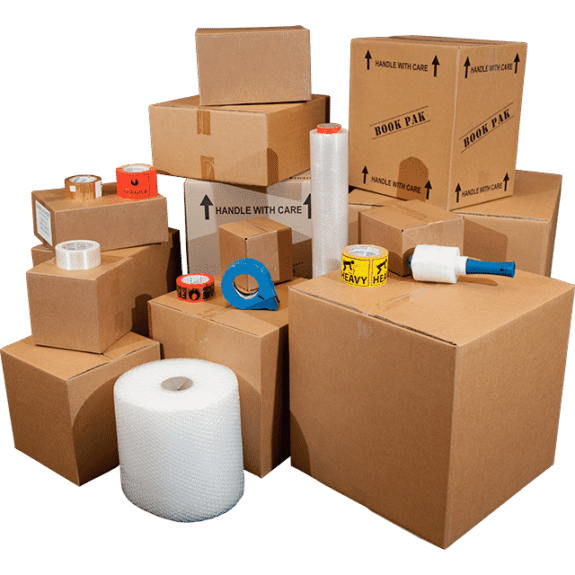
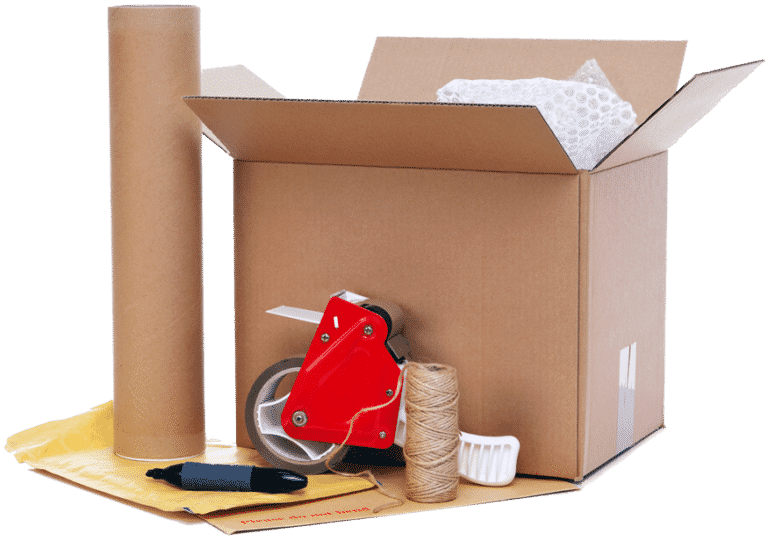
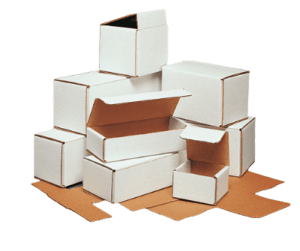
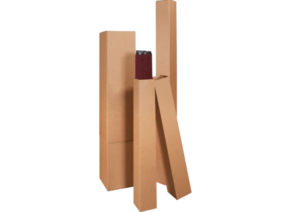
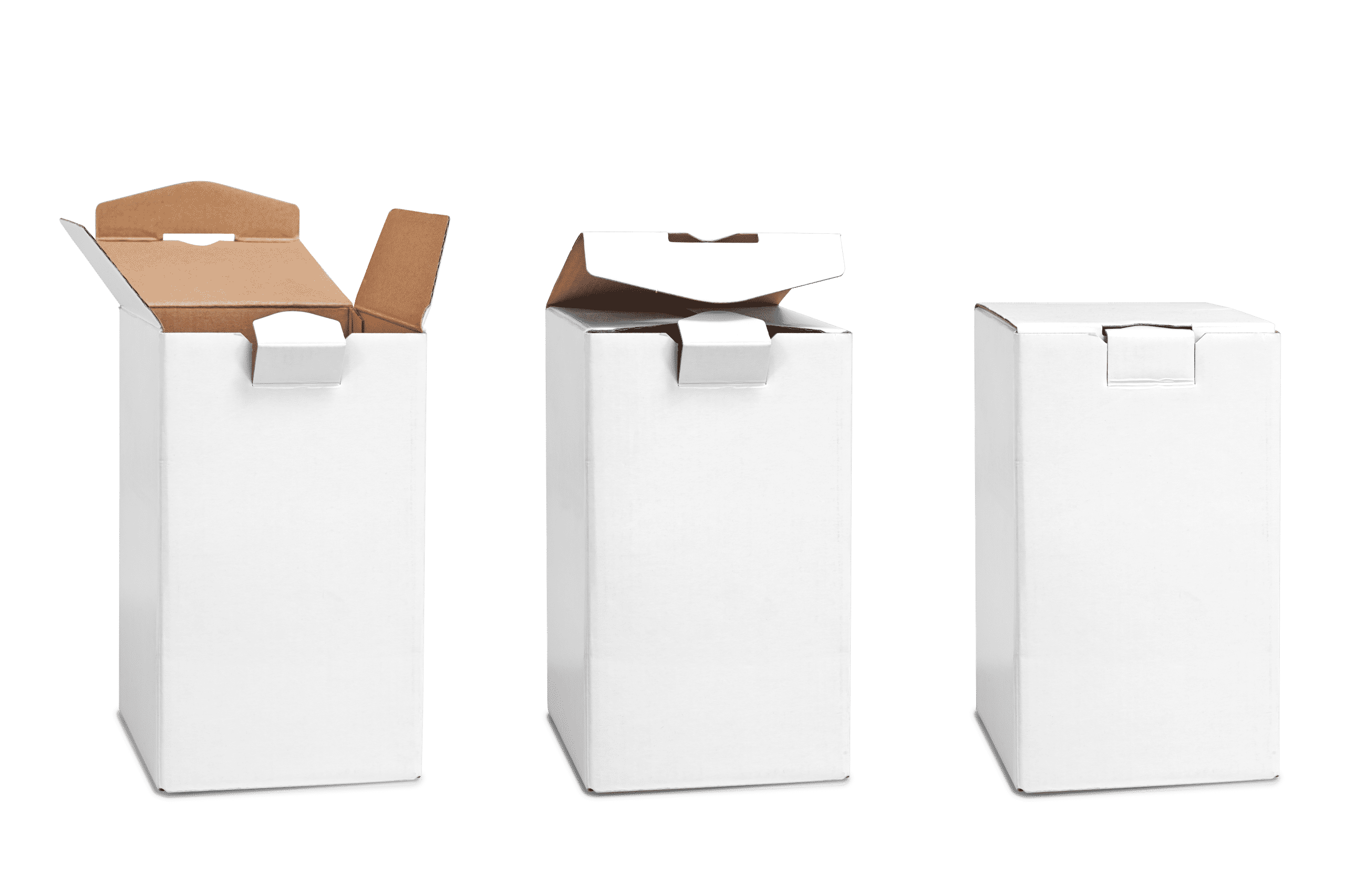
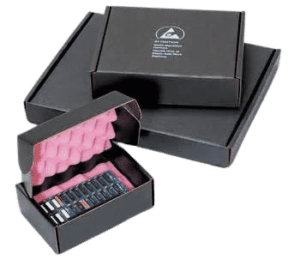
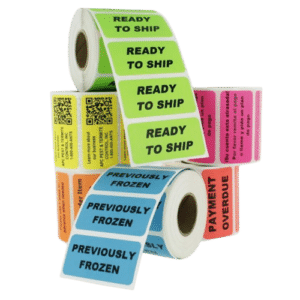
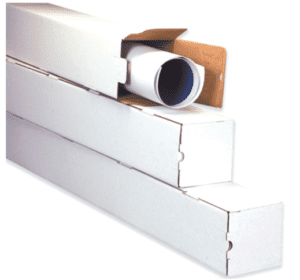
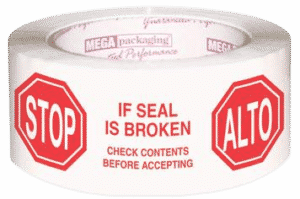
We supply businesses with a wide selection of essential packaging, shipping, and warehouse supplies. Get any standard packaging product by dimension or style from boxes, tubes, tapes, labels, and more. If you are unsure on what type of packaging you will need, then contact us for an expert consultation.


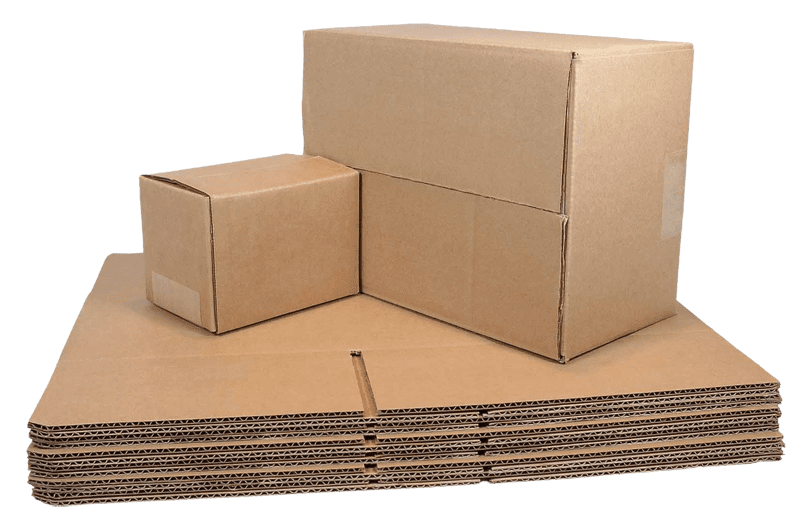
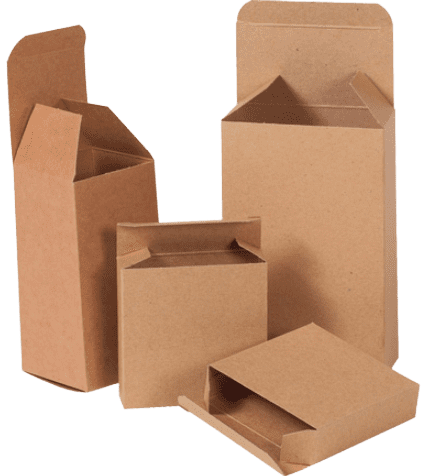
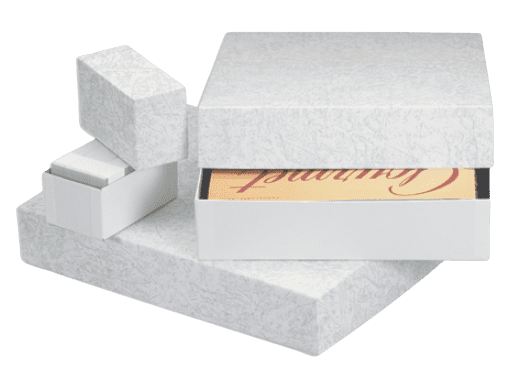
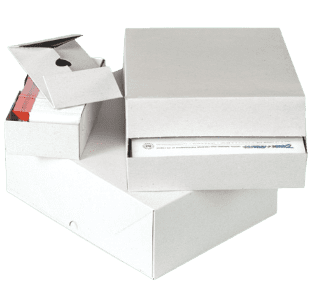
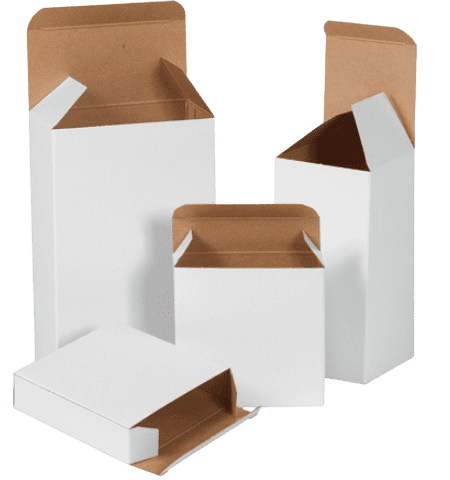
Stock packaging refers to pre-made, ready-to-ship packaging solutions like corrugated boxes, mailers, and protective materials that are designed to meet a wide range of standard needs across shipping, retail, and storage. Unlike custom packaging, stock options offer quick availability and reliable protection without the need for extensive design or production time, making them ideal for businesses needing efficient, high-quality solutions with fast lead times.
At Brown Packaging, we focus on providing durable, performance-driven stock packaging that supports our clients’ operational needs. Our stock products are sourced to ensure consistent quality and cost-effectiveness, offering a practical solution to keep operations running smoothly and on schedule. With an emphasis on reliability, we help our clients quickly access packaging solutions that meet their specific needs while maintaining quality across every order.
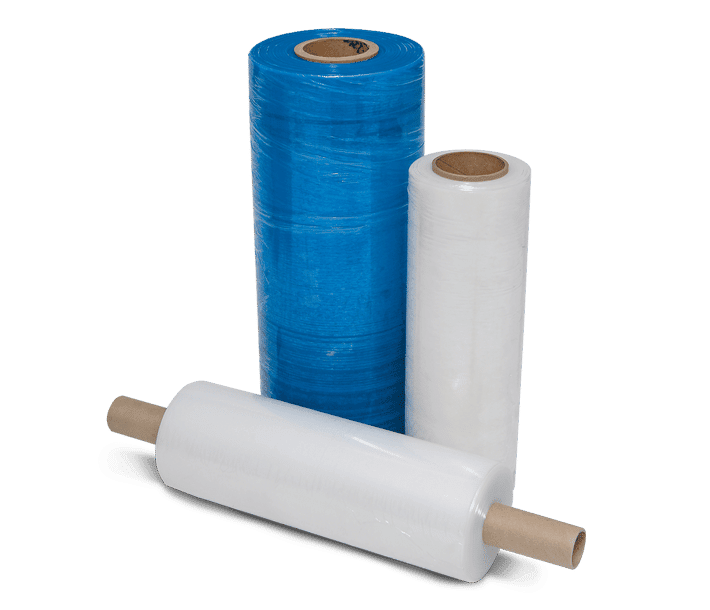
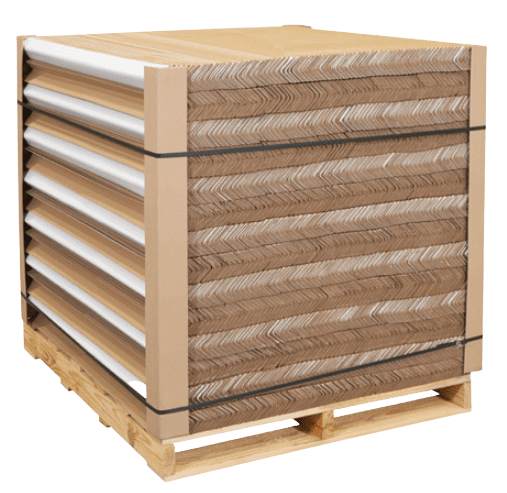
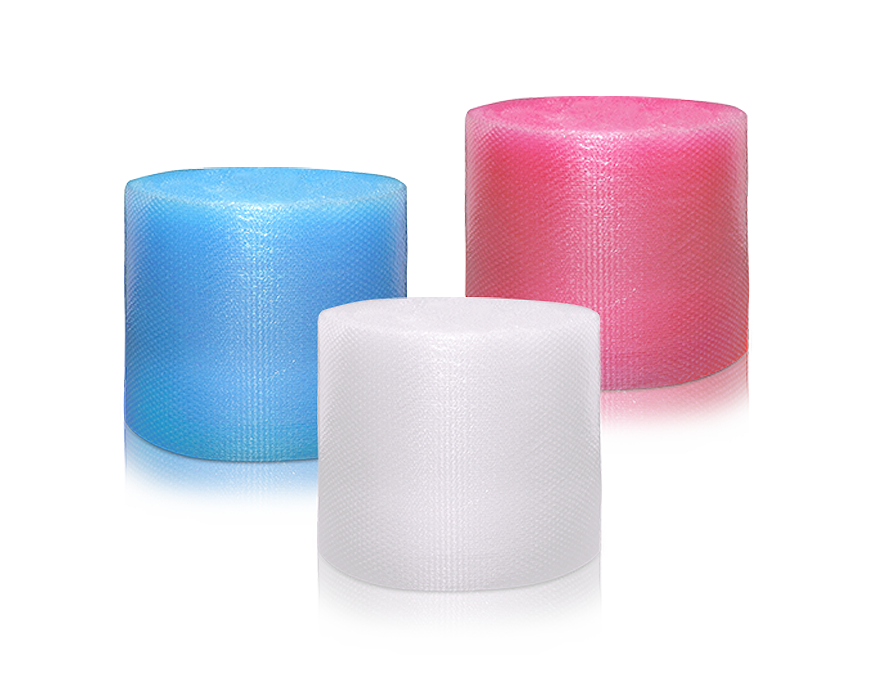
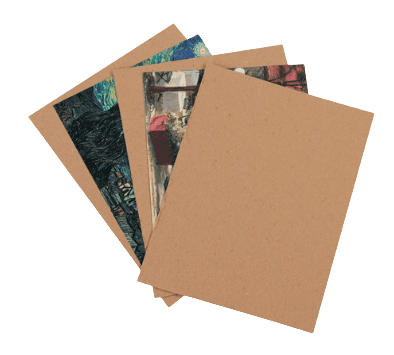
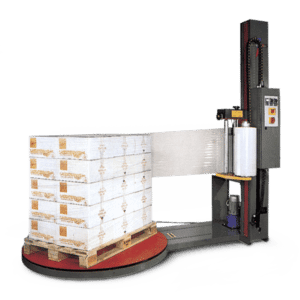
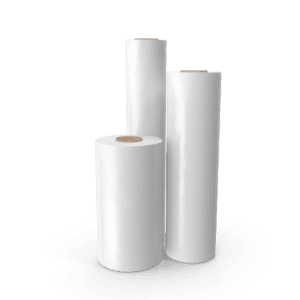
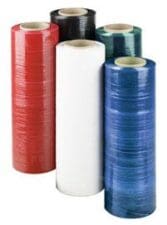
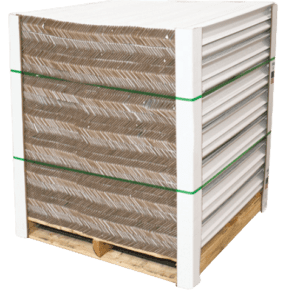
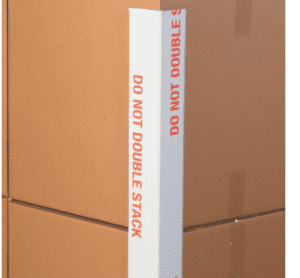
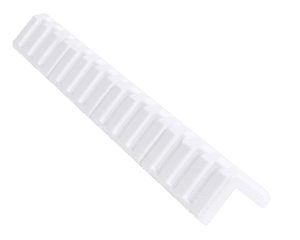
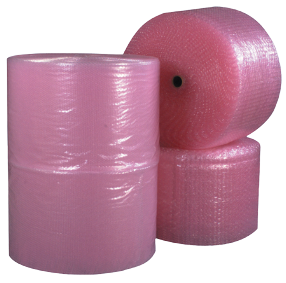
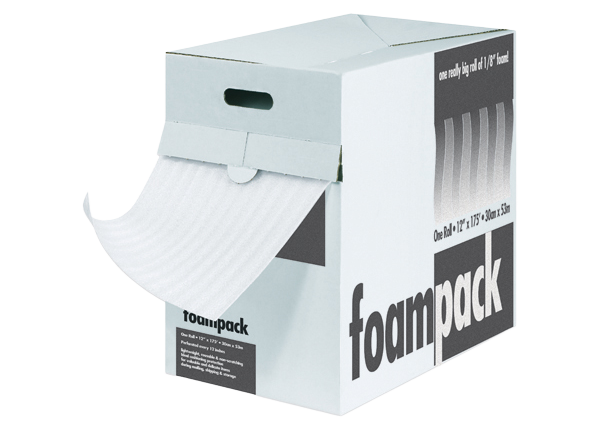
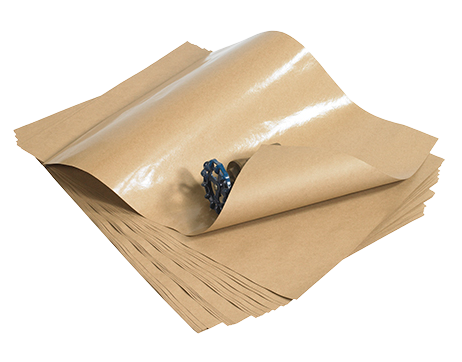
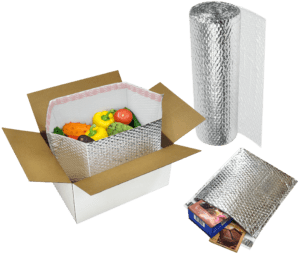
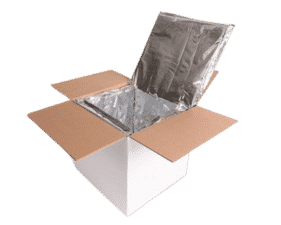
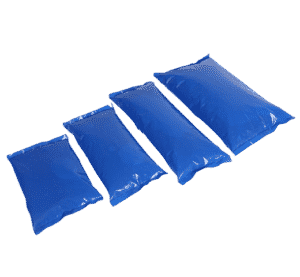
Our stock packaging products, from corrugated boxes to stretch film, offer a wide selection, including essentials like tape, edge protectors, labels, and more, with quick turnaround times to meet your packaging needs efficiently.


If you need any assistance with your packaging or have a question, then contact us directly at request@brownpackaging.com or (714)300-0650. Learn more about custom packaging by reading our blog posts on new and trending topics.

Creating custom packaging is a detailed process that requires careful planning and collaboration to ensure the final product meets your needs and expectations. Understanding the timeline for each phase—from design and sampling to delivery—helps manage expectations, streamline communication, and avoid delays. This guide outlines the key stages in the custom packaging process, providing an estimated timeline for each step to help you plan effectively. Phase 1: Design & Sampling Estimated Time: 1–3 Weeks This initial phase is where ideas are transformed into tangible concepts. It involves collaborating with a packaging design team to create a packaging solution that fits your product’s specifications, branding, and functional requirements. Key Steps: Concept Development Discuss your product, budget, branding, and functional needs with the design team. Develop initial concepts and sketches. Prototyping & Sampling Create physical or digital prototypes based on approved designs. Test samples to ensure they meet quality, durability, and aesthetic standards. Potential Delays: Changes in design direction. Delays in providing product dimensions or artwork files. Phase 2: Art Approvals Estimated Time: 1–2 Weeks Once the design is finalized, it moves to the artwork stage. This is where all visual elements, including logos, colors, and text, are finalized and approved for production. Key Steps: Artwork Preparation Designers prepare print-ready files based on your approved design. Mockups are reviewed to ensure all elements align with brand guidelines. Approval Process Review proofs and request any necessary changes. Provide final approval to move forward with production. Tips for Efficiency: Provide high-resolution logos and branding assets upfront. Assign a dedicated point of contact for approvals to avoid delays Phase 3: Tool Manufacturing Estimated Time: 2–4 Weeks For custom packaging, tooling may be required to create the unique shapes, cuts, and designs specified in your order. This involves producing molds, dies, or plates to prepare for production. Key Steps: Tool Design Engineers design custom tools based on approved specifications. Tool Production Manufacturing the tools required for cutting, printing, or shaping packaging materials. Potential Delays: Revisions to specifications after tooling has started. Complexity of tooling for intricate designs. Phase 4: Production Estimated Time: 3–6 Weeks With designs approved and tools ready, production begins. The timeline for this phase depends on the complexity of your packaging, the materials used, and the order quantity. Key Steps: Material Procurement Sourcing of materials like cardboard, plastics, or printing inks. Printing & Assembly Printing artwork onto materials. Assembling packaging components, such as folding cartons or rigid boxes. Quality Control Inspecting samples from the production line to ensure consistency and quality. Tips for Managing Production Time: Confirm order quantities and specifications before production begins. Choose materials that are readily available to avoid sourcing delays. Phase 5: Delivery Estimated Time: 1–3 Weeks Once production is complete, your packaging is packed and shipped to your designated location. Delivery times depend on shipping methods and distances. Key Steps: Packaging & Logistics Packaging your order for safe transit. Coordinating with logistics partners for shipping. Final Delivery Track shipments to ensure timely delivery. Receive and inspect the order for any damage or discrepancies. Potential Challenges: Shipping delays due to weather or logistical issues. Customs clearance for international deliveries. Estimated Total Timeline Phase Estimated Time Design & Sampling 1–3 weeks Art Approvals 1–2 weeks Tool Manufacturing 2–4 weeks Production 3–6 weeks Delivery 1–3 weeks Total Time 8–18 weeks Tips to Keep Your Project on Schedule Communicate Clearly Provide detailed specifications and feedback promptly at every stage. Plan Ahead Start the custom packaging process early to account for unexpected delays. Work with Trusted Partners Choose a reliable packaging supplier with a proven track record for meeting deadlines. Avoid Last-Minute Changes Finalize designs, quantities, and materials before production begins. Conclusion Creating custom packaging is a multi-step process that requires time and collaboration. By understanding the timeline and potential challenges at each phase, you can plan your project effectively and ensure a smooth transition from design to delivery. Ready to start your custom packaging project? Contact us today to discuss your needs and get started on a timeline tailored to your business! (714)300-0650 request@brownpackaging.com Most Recent Posts: Categories: Corrugated Ecommerce ESD Design Display Flexible Packaging Foam Folding Carton Packaging Plastic Packaging Pouch Printing Protection Retail Rigid Box Thermoform Sustainability Subscribe To Our Newsletter By submitting your information, you agree to our terms and conditions and privacy policy. Custom Packaging Facebook Twitter LinkedIn Pinterest Relevant Posts

In today’s competitive market, luxury packaging isn’t just about presenting a product; it’s about crafting an experience. The most successful luxury brands understand that their packaging is an extension of their identity—an immersive, sensory journey that reflects exclusivity, sophistication, and quality. If you want your packaging to resonate with high-end appeal, these seven strategies will help you achieve that goal. Turn Packaging into a Journey Incorporate Sensory Elements Opt for Minimalist Elegance Prioritize Durability and Practicality Choose Premium Materials Add Interactive Features Be Selective with Color Turn Packaging into a Journey Luxury packaging is synonymous with exclusivity and anticipation. Instead of displaying the product outright, create layers of intrigue. Use elements like: Ribbon closures and magnetic flaps to heighten the unboxing experience. Custom inserts and tissue paper for an elegant reveal. Hidden compartments that encourage discovery. Pro Tip: Balance intrigue with ease of access. The process should feel rewarding, not frustrating. Incorporate Sensory Elements Luxury packaging is a multisensory experience. Beyond its appearance, consider how it feels, sounds, and even smells: Texture: Use premium materials like velvet-touch coatings, embossed patterns, or soft-touch finishes to evoke luxury. Sound: Choose materials that produce satisfying, low-pitched sounds—like the subtle creak of a rigid box or the soft rustle of tissue paper. Scent: Infuse your packaging with subtle, complementary fragrances to enhance the overall experience. For example, a hint of leather for luxury goods or floral notes for skincare products. Pro Tip: Align the sensory elements with your brand identity for a cohesive impression. Opt for Minimalist Elegance When it comes to luxury, less is often more. Avoid overwhelming designs and focus on clean, understated aesthetics: Use a single block color with subtle embellishments. Feature a small, elegant logo rather than a bold, oversized one. Experiment with metallic accents (gold, silver, or rose gold) for added sophistication. Pro Tip: Simplicity speaks volumes. Let the quality of your packaging materials do the talking. Prioritize Durability and Practicality Luxury packaging must balance beauty with function. It should: Protect the product during storage and transit. Resist environmental stressors like humidity or temperature changes. Be designed with precision, ensuring components like lids, flaps, and inserts work seamlessly. Pro Tip: Test your packaging under real-world conditions to ensure it maintains its integrity throughout the supply chain. Choose Premium Materials Material selection is critical for creating a high-end look and feel. Consider: Rigid boxes: Known for their durability and premium finish. Recycled kraft paper: A sustainable yet elegant choice. Specialty coatings: Add luxury finishes like gloss, matte, or velvet touch. Pro Tip: Don’t overlook sustainability. Eco-conscious luxury packaging is increasingly appealing to high-end consumers. Add Interactive Features Enhance customer engagement with interactive elements that elevate the unboxing experience: QR codes: Link to exclusive content or personalized thank-you messages. Augmented Reality (AR): Integrate AR features to tell your brand story or showcase product details. Personalized notes: Include hand-signed or printed messages to add a human touch. Pro Tip: Interactive features make customers feel valued, increasing loyalty and word-of-mouth referrals. Be Selective with Color Color conveys a strong emotional message. In luxury packaging, the right palette is crucial: Stick to neutral tones like black, white, or beige for timeless sophistication. Incorporate metallic accents sparingly to enhance the design. Avoid using too many bright colors, which can appear less refined. Pro Tip: Choose colors that align with your brand’s story and the emotions you want to evoke. Why Luxury Packaging Matters Luxury packaging isn’t just an expense—it’s a marketing tool that: Reinforces your brand’s premium positioning. Enhances the perceived value of your product. Creates memorable experiences that drive customer loyalty and advocacy. When done right, your packaging becomes a silent ambassador for your brand, leaving a lasting impression even before the product is used. Ready to elevate your packaging? Contact us today to design packaging that exudes luxury and aligns with your brand’s vision. (714)300-0650 request@brownpackaging.com Most Recent Posts: Categories: Corrugated Ecommerce ESD Design Display Flexible Packaging Foam Folding Carton Packaging Plastic Packaging Pouch Printing Protection Retail Rigid Box Thermoform Sustainability Subscribe To Our Newsletter By submitting your information, you agree to our terms and conditions and privacy policy. Custom Packaging Facebook Twitter LinkedIn Pinterest Relevant Posts

Selecting the right board option for your packaging needs is critical to ensuring product protection, cost efficiency, and customer satisfaction. However, with various materials and specifications available, it can be challenging to decide which is best suited for your products. This guide breaks down the key differences between board options, including thickness, weight, color (kraft vs. white vs. Kemi), and strength (stacking vs. bursting), to help you make informed choices. Key Factors to Consider When Choosing Board Options Thickness and Weight The thickness and weight of your board directly impact the durability and cost of your packaging. Single-Wall Corrugated: Ideal for lightweight products; cost-effective and space-saving. Double-Wall Corrugated: Provides additional durability for heavier or more fragile items. Triple-Wall Corrugated: Offers maximum strength for industrial or bulk shipments. Weight Classifications (measured in pounds per thousand square feet): 26 ECT (Edge Crush Test): Common for lightweight items. 32 ECT: Standard for shipping boxes. 44 ECT: Provides added strength for heavier goods. Pro Tip: Higher ECT ratings or thicker boards are better for products requiring long shipping routes or frequent handling. Kraft vs. White vs. Kemi The color and surface type of your board affect its appearance, branding potential, and environmental impact. Kraft Board: Natural, unbleached brown board. Eco-friendly and cost-effective. Popular for brands emphasizing sustainability. White Board: Provides a clean, polished look. Ideal for high-quality printing and branding. Slightly higher cost due to added processing. Kemi Board: A premium option with a clay-coated surface. Superior for high-quality graphics and moisture resistance. Often used in food packaging or high-end retail boxes. Pro Tip: Kraft is a great choice for eco-conscious brands, while white or Kemi boards work best for visually appealing, printed designs. Stacking Strength vs. Bursting Strength Board strength is measured in two key ways, and understanding the difference is crucial for selecting the right material for your needs. Stacking Strength (Edge Crush Test – ECT): Measures a box’s ability to withstand compression when stacked. Ideal for vertical storage or heavy stacking in transit. Bursting Strength (Mullen Test): Measures resistance to punctures or tears. Better for products that might face rough handling or impact during shipping. Pro Tip: If you’re shipping lightweight items in large quantities, prioritize stacking strength. For fragile or high-value items, bursting strength is more critical. Comparing Board Options Feature Single-Wall Corrugated Double-Wall Corrugated Triple-Wall Corrugated Thickness Light Medium Heavy Weight Capacity Up to 65 lbs 65–95 lbs 95–300 lbs Common Use Cases Apparel, lightweight items Electronics, fragile goods Industrial equipment, bulk items Cost Low Medium High Selecting the Right Board for Your Needs Product Protection Needs For lightweight products: Single-wall corrugated with 32 ECT. For heavy or fragile items: Double-wall corrugated or higher ECT. For high-value items: Triple-wall corrugated or Kemi board with enhanced burst strength. Branding and Visual Appeal For a natural look: Kraft board. For premium branding: White or Kemi boards with gloss or matte finishes. Environmental Considerations For eco-conscious brands: Kraft board with recycled content. For durability with sustainability: Boards with high post-consumer recycled content. FAQs About Board Options Stacking strength measures a box’s ability to withstand vertical pressure, while bursting strength evaluates its resistance to punctures or tears. When should I choose Kemi over white or kraft? Kemi board is ideal for applications requiring superior graphics and moisture resistance, such as food or luxury packaging. How do I balance cost and durability? Consider your product’s weight and shipping needs. Single-wall corrugated is cost-effective for lightweight items, while double-wall is better for heavier goods. Conclusion Choosing the right board option involves balancing your product’s protection needs, branding goals, and budget. Whether you’re deciding between kraft and white or evaluating strength requirements, understanding these factors will help you select the perfect packaging solution. Need expert advice on board materials? Contact us today for tailored recommendations that meet your durability, branding, and budget goals! (714)300-0650 request@brownpackaging.com Most Recent Posts: Categories: Corrugated Ecommerce ESD Design Display Flexible Packaging Foam Folding Carton Packaging Plastic Packaging Pouch Printing Protection Retail Rigid Box Thermoform Sustainability Subscribe To Our Newsletter By submitting your information, you agree to our terms and conditions and privacy policy. Custom Corrugated Boxes Facebook Twitter LinkedIn Pinterest Relevant Posts