














Stock Packaging
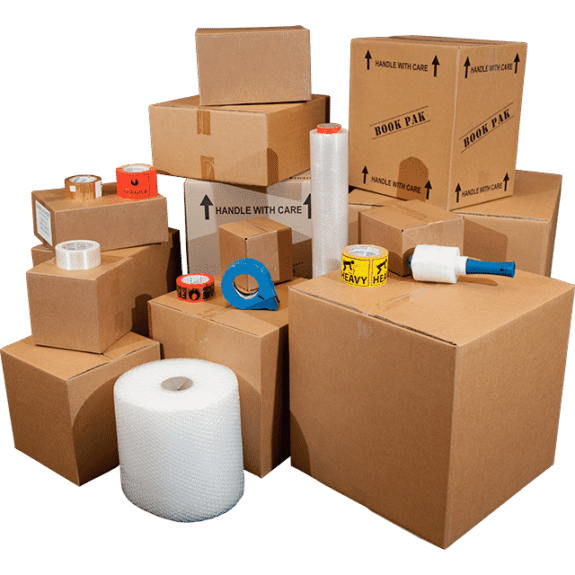
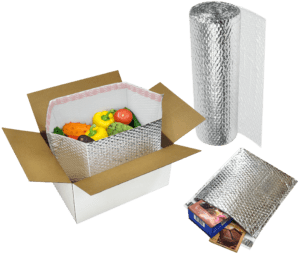
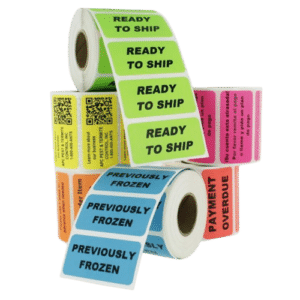
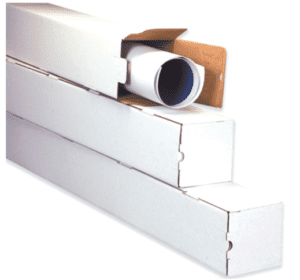
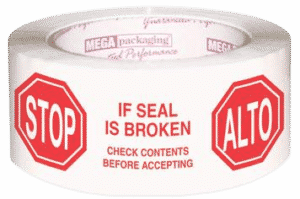
We supply businesses with a wide selection of essential packaging, shipping, and warehouse supplies. Get any standard packaging product by dimension or style from boxes, tubes, tapes, labels, and more. If you are unsure on what type of packaging you will need, then contact us for an expert consultation.


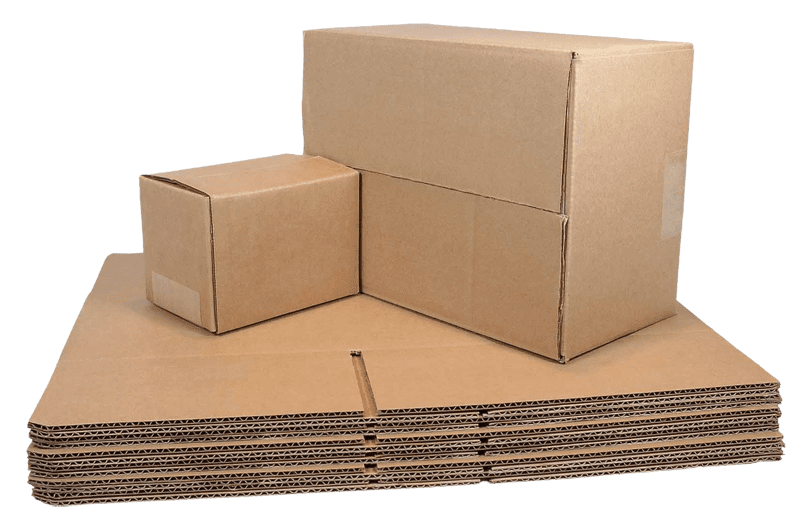
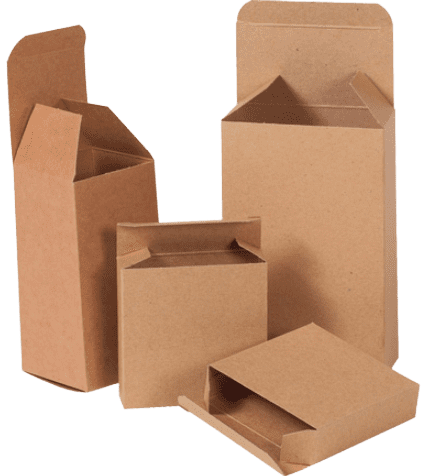
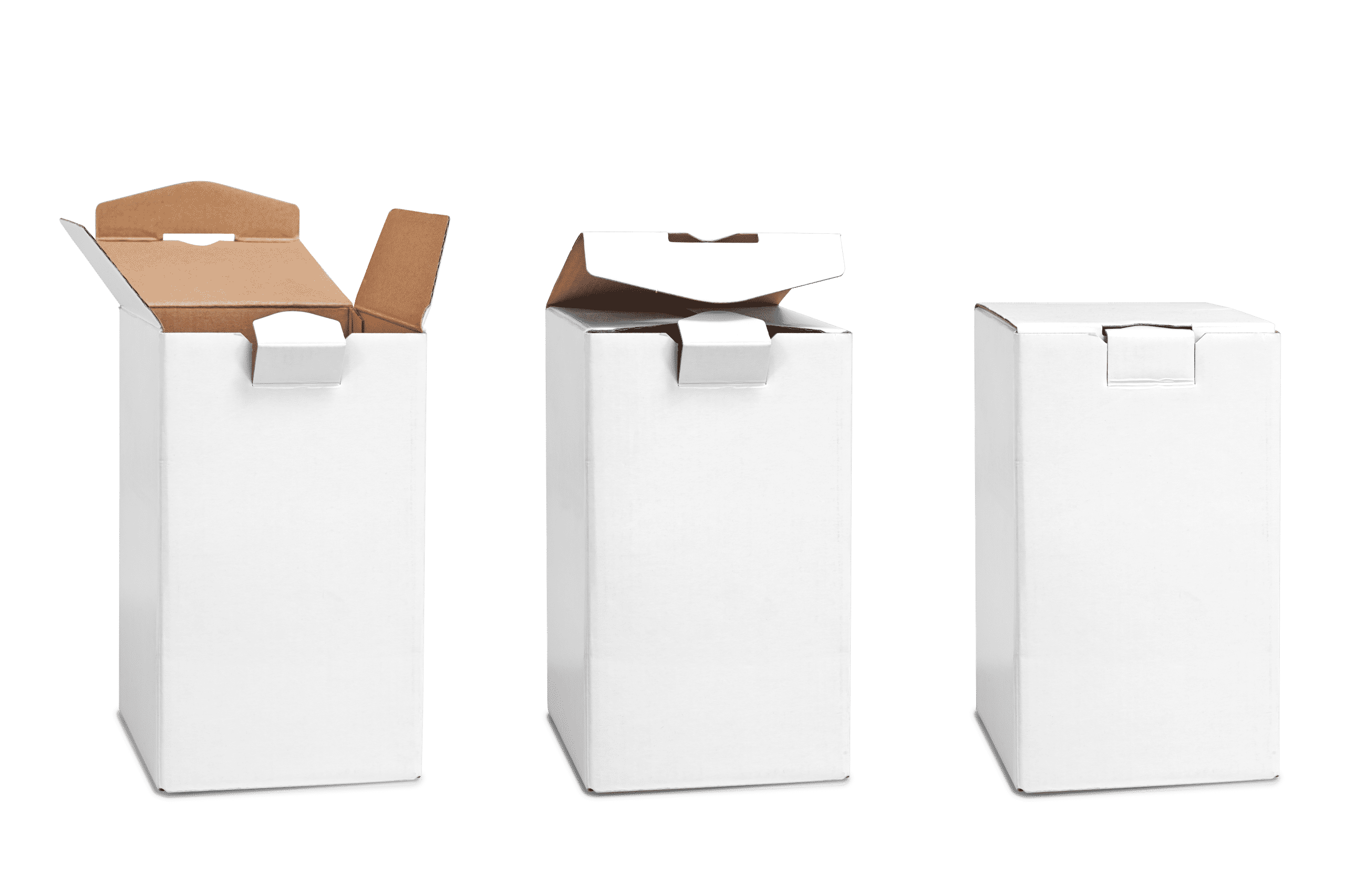
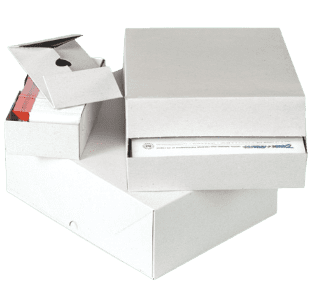
Stock packaging refers to pre-made, ready-to-ship packaging solutions like corrugated boxes, mailers, and protective materials that are designed to meet a wide range of standard needs across shipping, retail, and storage. Unlike custom packaging, stock options offer quick availability and reliable protection without the need for extensive design or production time, making them ideal for businesses needing efficient, high-quality solutions with fast lead times.
At Brown Packaging, we focus on providing durable, performance-driven stock packaging that supports our clients’ operational needs. Our stock products are sourced to ensure consistent quality and cost-effectiveness, offering a practical solution to keep operations running smoothly and on schedule. With an emphasis on reliability, we help our clients quickly access packaging solutions that meet their specific needs while maintaining quality across every order.
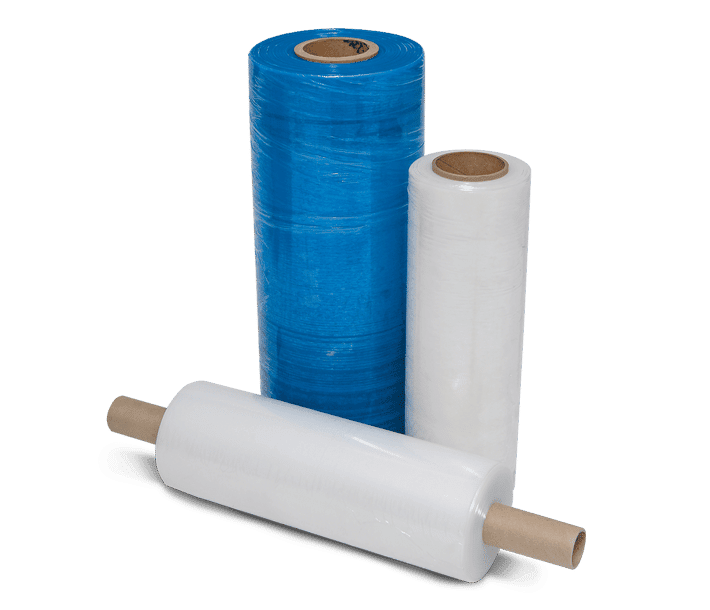
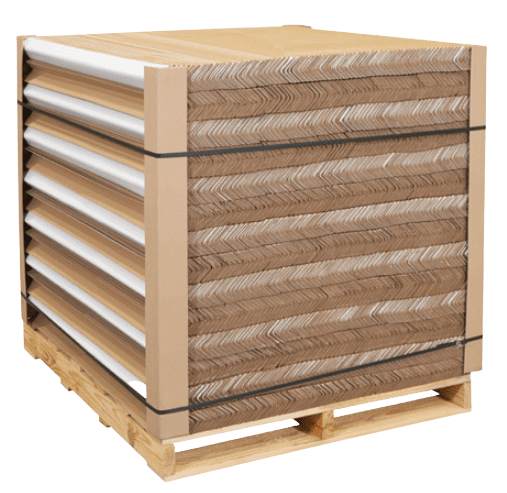
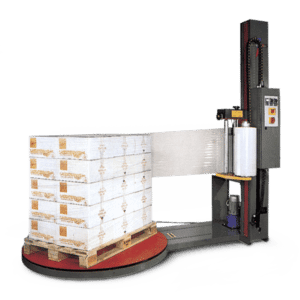
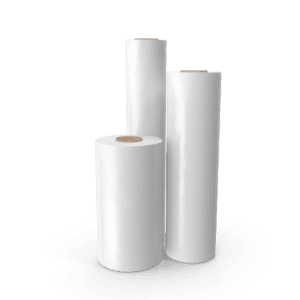
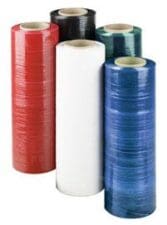
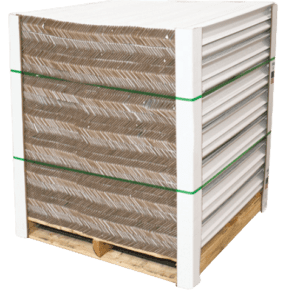
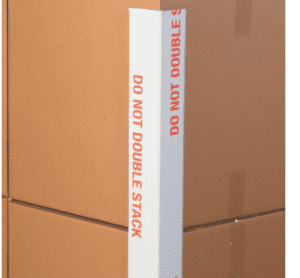
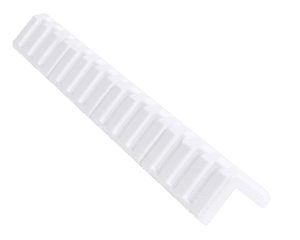
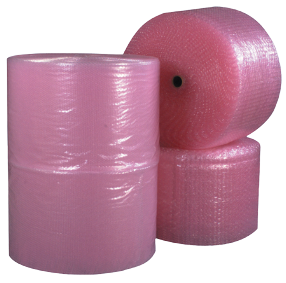
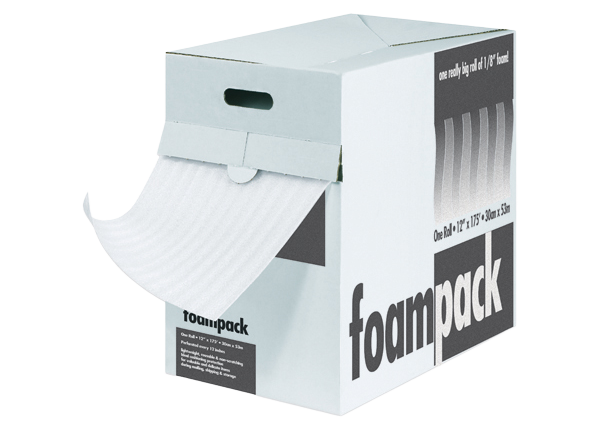
Our stock packaging products, from corrugated boxes to stretch film, offer a wide selection, including essentials like tape, edge protectors, labels, and more, with quick turnaround times to meet your packaging needs efficiently.


If you need any assistance with your packaging or have a question, then contact us directly at request@brownpackaging.com or (714)300-0650. Learn more about custom packaging by reading our blog posts on new and trending topics.

When deciding between domestic and overseas packaging production, businesses must weigh key factors like cost, quality, lead times, and logistical complexity. Both options offer distinct advantages and challenges, and your decision will depend on your priorities, such as budget constraints, turnaround needs, and quality expectations. This guide dives into the pros and cons of each option, helping you make an informed choice for your packaging needs. Domestic Packaging Production Advantages Faster Turnaround TimesDomestic manufacturers can deliver products quicker due to shorter shipping distances and streamlined logistics. Superior Quality ControlBeing closer to production facilities allows for easier monitoring and resolving of quality issues. Flexibility and CustomizationProximity enables quicker changes to designs or order specifications, offering greater flexibility for dynamic businesses. Improved CommunicationSharing time zones and language makes collaborating with domestic manufacturers more seamless. Supports Local EconomyChoosing domestic production contributes to job creation and economic growth within the country. Challenges Higher CostsLabor and materials are often more expensive domestically, impacting overall pricing. Limited Sourcing OptionsDepending on the region, local manufacturers may have fewer capabilities or specialized materials. Capacity ConstraintsSmaller manufacturers may struggle to handle large orders or high-volume production needs. Overseas Packaging Production Advantages Lower CostsAccess to cheaper labor and materials overseas often results in significant cost savings, especially for bulk production. Specialized ExpertiseCertain regions excel in specific packaging technologies or materials, offering unique capabilities. High Production CapacityOverseas facilities often have the ability to scale up production to meet large-volume demands. Access to New MarketsProducing overseas can simplify distribution in foreign markets, reducing shipping costs for international customers. Challenges Longer Lead TimesInternational shipping and customs procedures can significantly delay delivery. Quality Control IssuesManaging quality standards remotely is more challenging and requires third-party inspections or trusted partners. Communication BarriersLanguage differences and time zone disparities can complicate coordination. Logistical ComplexitiesCustoms processes, tariffs, and potential shipping delays add layers of complexity. Key Considerations When Choosing Factor Domestic Production Overseas Production Budget Higher costs, better quality. Lower costs, cost-efficient for bulk. Lead Times Shorter, ideal for tight deadlines. Longer, plan for extended shipping. Quality Control Easier to monitor directly. Requires additional oversight. Order Volume Best for small to medium runs. Suitable for large-scale production. Market Goals Supports local markets. May help penetrate foreign markets. *However, please note these oversea production advantages will possibly change with the affects of recent tariffs this year in 2025. When to Choose Domestic Production You need quick turnaround times for seasonal or time-sensitive projects. Quality control and the ability to oversee production are critical. You prioritize supporting the local economy or have a Made in USA branding strategy. When to Choose Overseas Production Cost savings are a top priority, especially for bulk orders. Your project requires specialized materials or technologies not available domestically. You’re looking to expand into new markets and reduce international shipping costs. Conclusion Choosing between domestic and overseas packaging production is about finding the right balance between cost, quality, and logistical considerations. Domestic production offers flexibility and reliability, while overseas production excels in cost efficiency and scalability. Assess your business needs, timeline, and budget to make the best choice for your packaging operations. Need help deciding? Contact us today for expert guidance on sourcing the perfect packaging solution for your business! (714)300-0650 request@brownpackaging.com Most Recent Posts: Categories: Corrugated Ecommerce ESD Design Display Flexible Packaging Foam Folding Carton Packaging Plastic Packaging Pouch Printing Protection Retail Rigid Box Thermoform Sustainability Subscribe To Our Newsletter By submitting your information, you agree to our terms and conditions and privacy policy. Custom Packaging Facebook Twitter LinkedIn Pinterest Relevant Posts

In 2025, more U.S. companies are ditching overseas packaging suppliers in favor of domestic manufacturers due to a mix of economic, logistical, and quality-driven factors. Rising global uncertainties, supply chain disruptions, tariffs, and lead time concerns have made sourcing packaging locally a smarter and more reliable option. Businesses across industries are recognizing the benefits of domestic packaging, including improved responsiveness, better quality control, and overall cost-effectiveness. Key Reasons U.S. Companies Are Going Domestic Supply Chain Stability and Shorter Lead Times Global shipping delays, port congestion, and raw material shortages have caused longer lead times and unpredictable delivery schedules for overseas packaging. Domestic suppliers eliminate international shipping risks, offering faster turnaround times, just-in-time inventory solutions, and better supply chain reliability. Rising Costs of Overseas Sourcing The once cost-effective model of sourcing packaging from China, India, and Southeast Asia is no longer as appealing. Higher tariffs, shipping fees, labor costs, and currency fluctuations have reduced the cost advantage, making domestic packaging more competitive in price while offering greater consistency and reliability. Improved Quality Control and Compliance Companies need packaging that meets strict regulatory standards, especially in industries like food, pharmaceuticals, and medical devices. With domestic suppliers, businesses have better oversight, easier factory audits, and higher quality assurance. This reduces risks associated with defective or non-compliant packaging that can lead to product recalls or regulatory issues. Customization and Faster Innovation Domestic packaging suppliers offer greater flexibility in customization, helping businesses respond to market trends and branding needs more efficiently. Whether it’s custom-sized boxes, unique print designs, or specialty coatings, local suppliers can adapt quickly to changing consumer demands and production adjustments. Strengthening U.S. Manufacturing and Sustainability Goals Many U.S. businesses are prioritizing local manufacturing to support the economy and improve their sustainability efforts. Domestic suppliers reduce carbon emissions from overseas shipping, align with Buy American initiatives, and help brands meet eco-conscious consumer expectations. Final Thoughts: The Future of Packaging Sourcing in the U.S. The shift toward domestic packaging suppliers in 2025 is driven by the need for more reliable supply chains, cost control, better quality, and customization. As businesses continue to optimize operations and reduce risks, domestic packaging is proving to be the smarter choice for U.S. companies. Looking to transition your packaging sourcing from overseas to domestic? Contact Brown Packaging today for high-quality, reliable, and customized packaging solutions that align with your business needs. (714)300-0650 request@brownpackaging.com Most Recent Posts: Categories: Corrugated Ecommerce ESD Design Display Flexible Packaging Foam Folding Carton Packaging Plastic Packaging Pouch Printing Protection Retail Rigid Box Thermoform Sustainability Subscribe To Our Newsletter By submitting your information, you agree to our terms and conditions and privacy policy. Custom Packaging Facebook Twitter LinkedIn Pinterest Relevant Posts

With ongoing tariffs, supply chain disruptions, and rising overseas costs, many businesses are shifting from international packaging suppliers to domestic U.S. manufacturers. However, transitioning suppliers is not just about finding an alternative—it requires careful logistics planning, quality verification, and cost assessment to avoid operational disruptions. Key Steps to Transitioning to a U.S. Packaging Supplier Identify Pain Points in Your Current Supplier Relationship Before making a switch, pinpoint the challenges you’re facing with your international supplier. Some common pain points include: Inconsistent lead times and shipping delays Fluctuating costs due to tariffs and import fees Quality control concerns or defects Limited ability to scale or customize packaging Understanding these issues will help you prioritize what matters most when choosing a U.S. supplier. Define Your Packaging Requirements and Budget Transitioning requires a clear understanding of your needs to find a supplier that aligns with your business model. Consider: Packaging type & material: Corrugated boxes, folding cartons, flexible packaging, etc. Customization needs: Branding, printing, coatings, die cuts, and specialty features. Volume requirements: Minimum order quantities (MOQs) and scalability. Regulatory compliance: FDA, ISO, FSC, or industry-specific requirements. Budget & cost expectations: Factor in domestic pricing, but also compare the savings from reduced tariffs, import fees, and faster shipping. Research and Shortlist U.S. Packaging Suppliers Use trusted industry resources to find reliable U.S. suppliers that match your needs: Thomasnet.com – A directory of U.S. manufacturers. Packaging trade shows – Events like Pack Expo allow you to meet suppliers in person. Industry associations – Groups such as the Paperboard Packaging Council (PPC) provide vetted supplier contacts. Customer reviews & referrals – Ask other businesses in your industry for supplier recommendations. Verify Quality and Production Capabilities Once you’ve shortlisted potential suppliers, request samples and assess: Material strength and durability Print quality and branding capabilities Compliance with industry standards Lead times for production and delivery Consider visiting the supplier’s facility or conducting a virtual audit to ensure their production meets your expectations. Plan for a Gradual Transition Switching suppliers overnight can cause disruptions. Instead, transition gradually: Start with a trial order to test production quality and logistics. Phase in packaging production while maintaining a safety stock from your existing supplier. Work closely with your new supplier to adjust specifications and streamline the transition. Update Logistics and Inventory Management Domestic sourcing means adjusting your supply chain to reflect shorter lead times and different production schedules. Work with your logistics team to: Revise warehouse stocking strategies to accommodate new delivery schedules. Update procurement and inventory systems to reflect new supplier terms. Coordinate with fulfillment teams to ensure packaging integration with existing operations. Establish a Long-Term Supplier Relationship A successful transition is not just about switching suppliers—it’s about forming a reliable long-term partnership. Communicate regularly on: Production forecasts and demand planning Opportunities for cost savings and efficiency improvements New packaging innovations and custom solutions Final Thoughts: Making the Switch Smoothly Transitioning to a domestic U.S. packaging supplier requires strategic planning, but the benefits—including faster lead times, cost predictability, and improved quality control—make it a worthwhile move. By following these steps, businesses can ensure a seamless transition while securing a stronger, more cost-effective packaging supply chain. Looking to transition to a trusted U.S. packaging supplier? Contact Brown Packaging today to explore custom solutions tailored to your business needs. (714)300-0650 request@brownpackaging.com Most Recent Posts: Categories: Corrugated Ecommerce ESD Design Display Flexible Packaging Foam Folding Carton Packaging Plastic Packaging Pouch Printing Protection Retail Rigid Box Thermoform Sustainability Subscribe To Our Newsletter By submitting your information, you agree to our terms and conditions and privacy policy. Custom Packaging Facebook Twitter LinkedIn Pinterest Relevant Posts