

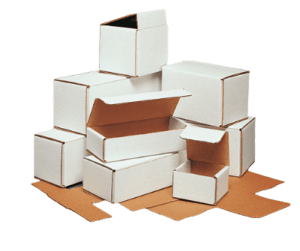


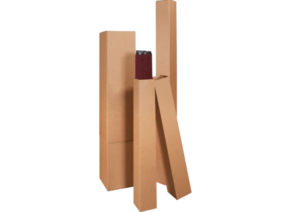

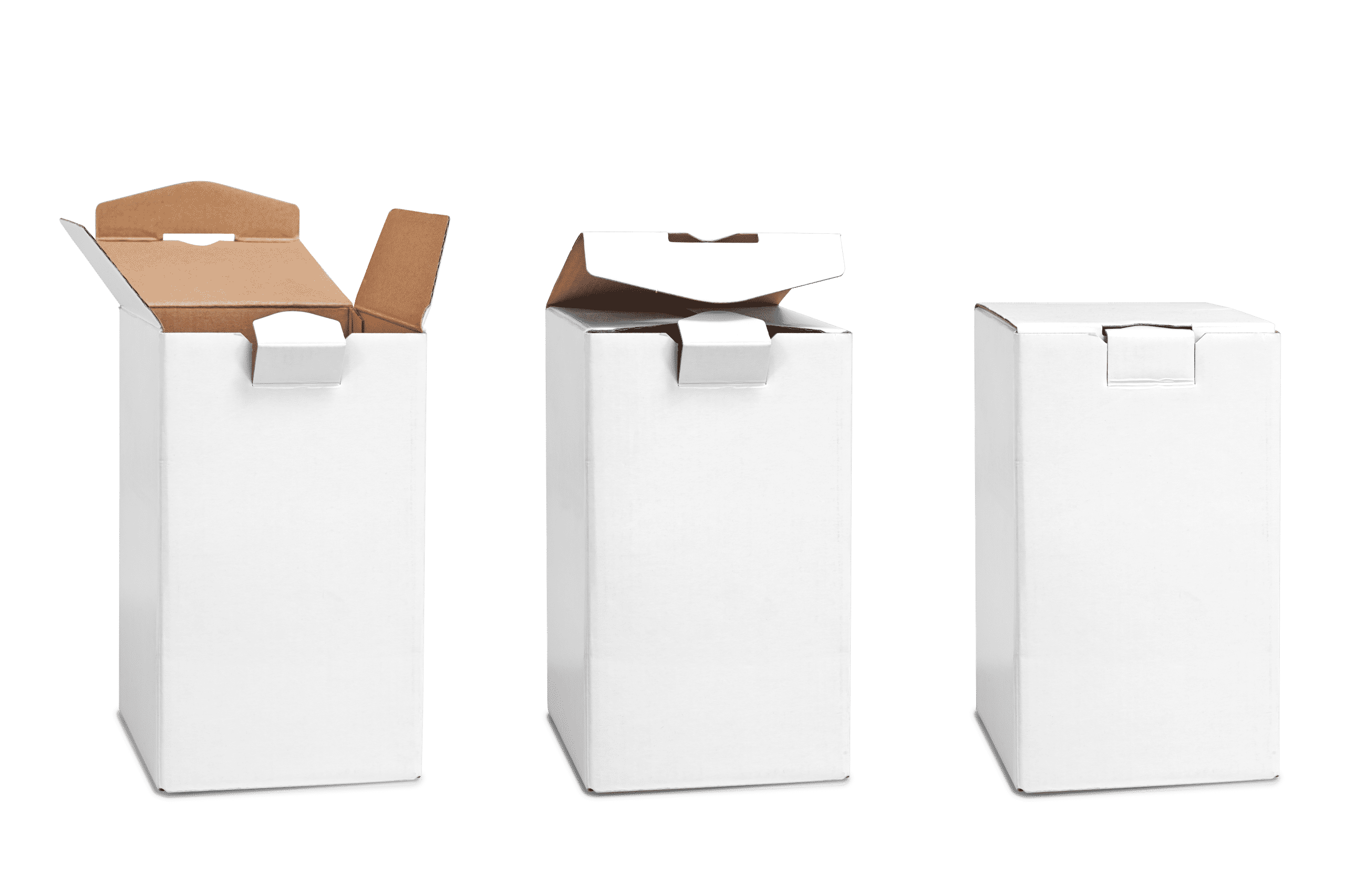
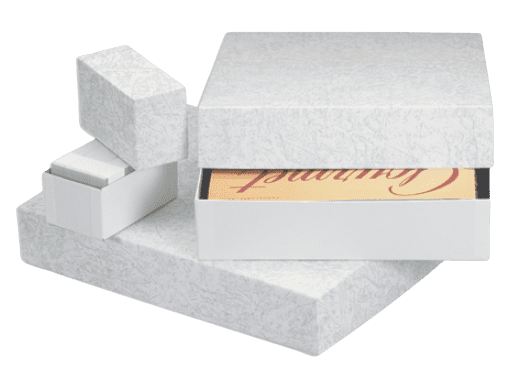

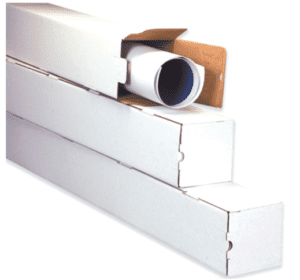
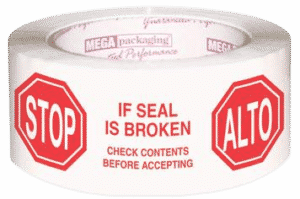

Stock Packaging
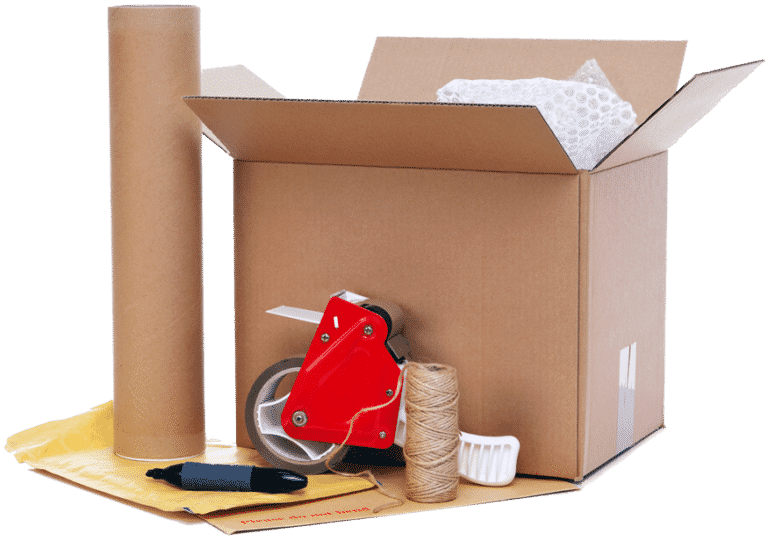
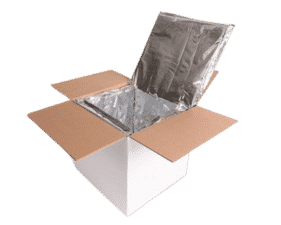
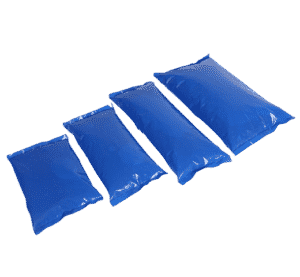
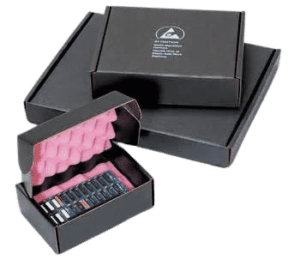
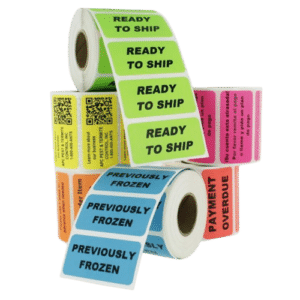
We supply businesses with a wide selection of essential packaging, shipping, and warehouse supplies. Get any standard packaging product by dimension or style from boxes, tubes, tapes, labels, and more. If you are unsure on what type of packaging you will need, then contact us for an expert consultation.


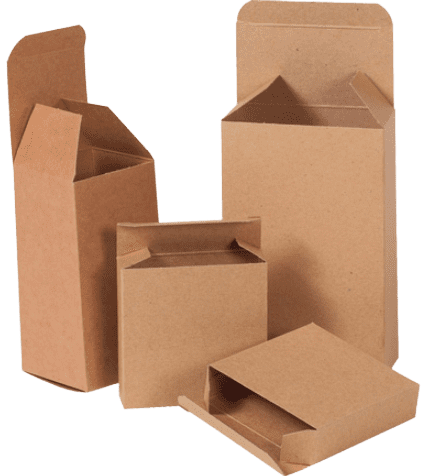
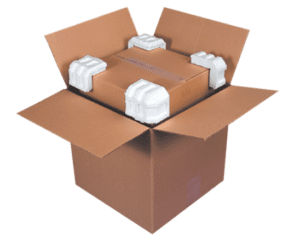
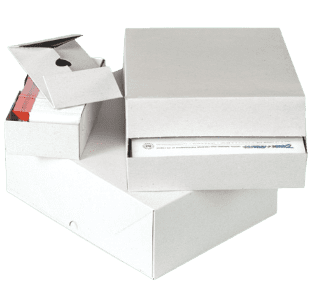
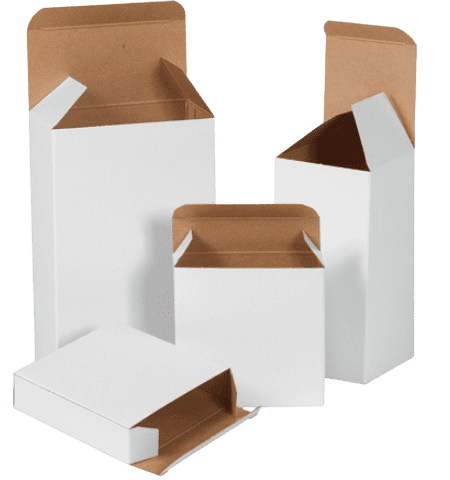
Stock packaging refers to pre-made, ready-to-ship packaging solutions like corrugated boxes, mailers, and protective materials that are designed to meet a wide range of standard needs across shipping, retail, and storage. Unlike custom packaging, stock options offer quick availability and reliable protection without the need for extensive design or production time, making them ideal for businesses needing efficient, high-quality solutions with fast lead times.
At Brown Packaging, we focus on providing durable, performance-driven stock packaging that supports our clients’ operational needs. Our stock products are sourced to ensure consistent quality and cost-effectiveness, offering a practical solution to keep operations running smoothly and on schedule. With an emphasis on reliability, we help our clients quickly access packaging solutions that meet their specific needs while maintaining quality across every order.
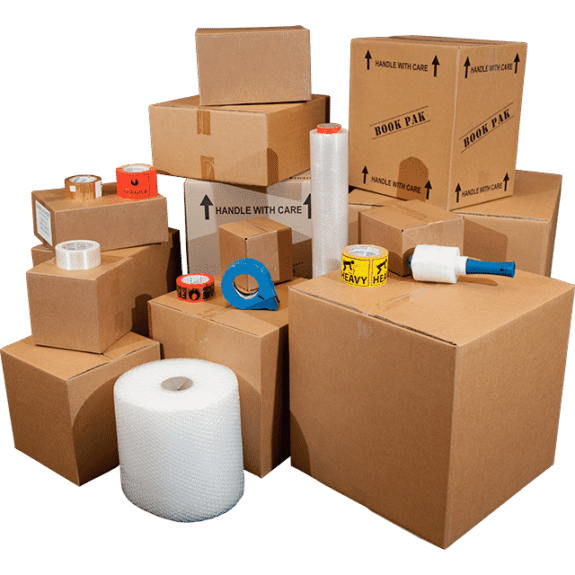
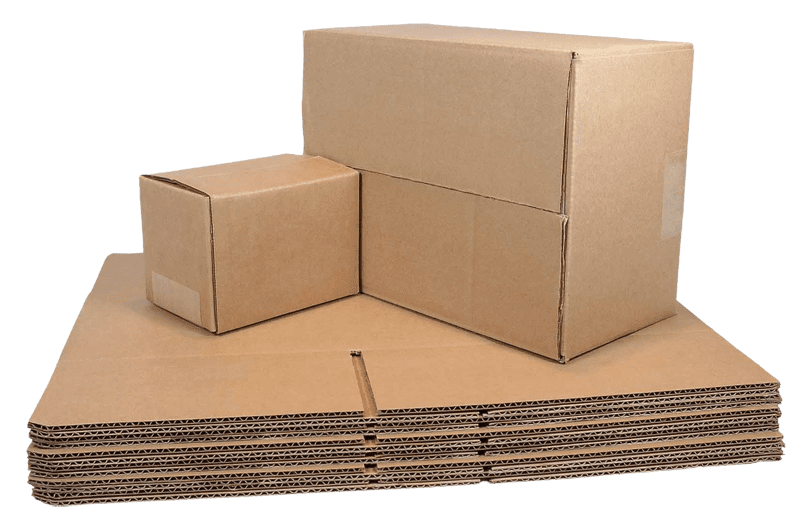
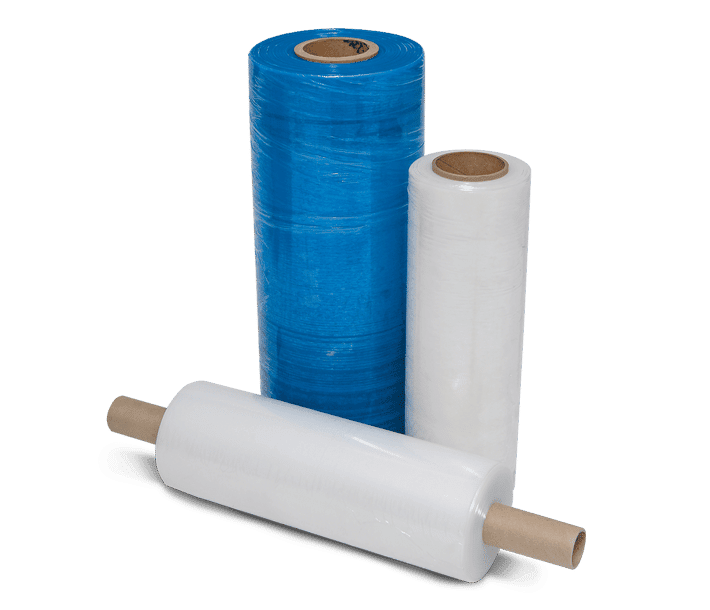
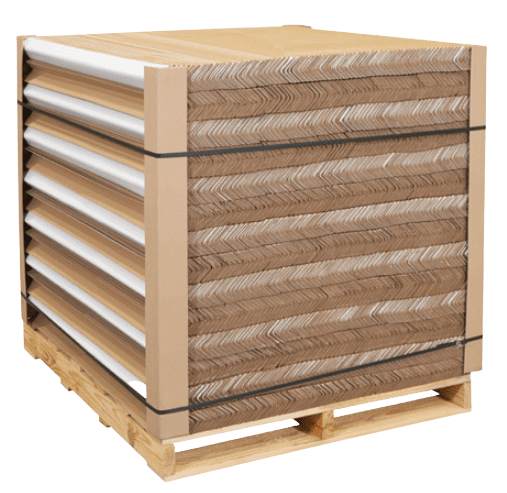
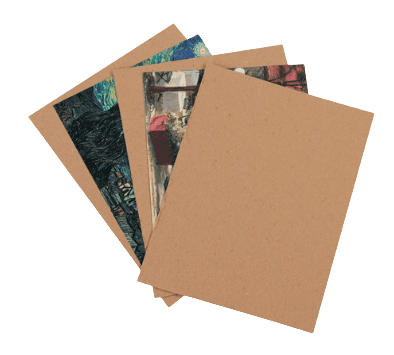
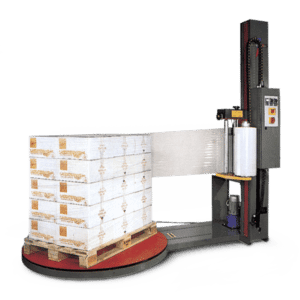
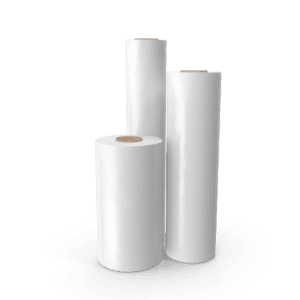
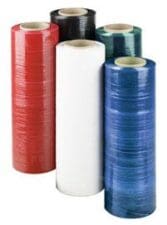
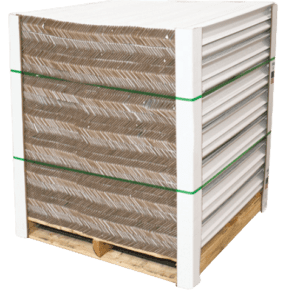
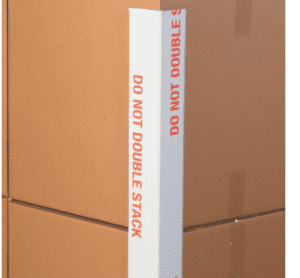
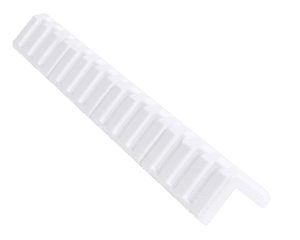
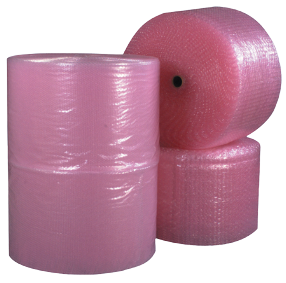
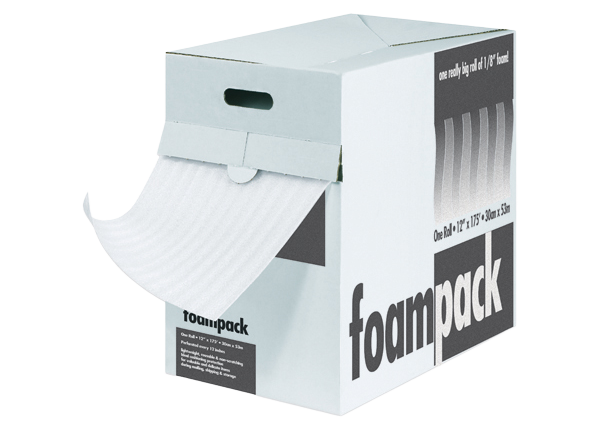
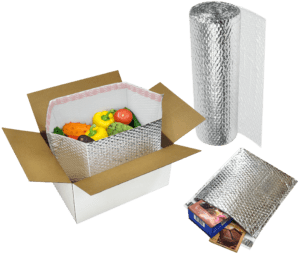
Our stock packaging products, from corrugated boxes to stretch film, offer a wide selection, including essentials like tape, edge protectors, labels, and more, with quick turnaround times to meet your packaging needs efficiently.


If you need any assistance with your packaging or have a question, then contact us directly at request@brownpackaging.com or (714)300-0650. Learn more about custom packaging by reading our blog posts on new and trending topics.

If you’re in the auto parts industry, you already know how critical packaging is—not just for protection during transit, but for branding, compliance, and supply chain efficiency. However, the growing complexity of tariffs on imported packaging materials and components is making sourcing decisions more difficult, especially for brands relying on overseas manufacturing. From corrugated shipping boxes and inserts to folding cartons and protective packaging, tariffs are directly impacting the cost, availability, and lead times of the packaging used to transport and present auto parts. Here’s how to stay ahead and make smarter packaging decisions in today’s evolving trade environment. Know What Packaging Is Affected by Tariffs Auto parts packaging often includes a mix of: Corrugated shippers and printed cartons Folding cartons or sleeves for retail-ready parts Foam inserts, chipboard dividers, or trays Protective wraps, bags, and films Labels, tags, and branded decals Many of these components—especially when sourced from China, India, or Southeast Asia—are now subject to high tariffs, depending on their classification and country of origin. These added fees can significantly increase your cost per unit, particularly for bulk orders or large-scale production runs. Fluctuating Freight Costs Compound the Issue On top of tariffs, the auto industry continues to deal with: Continuously changing ocean freight and container pricing Port congestion and customs delays Limited visibility into landed costs This makes it harder to plan packaging lead times or accurately forecast costs—especially when launching new SKUs or scaling a program. When Overseas Sourcing No Longer Saves Money In the past, sourcing packaging overseas often meant lower unit pricing—but with current tariffs, lead times, and logistics risks, the total landed cost is often higher than working with a domestic supplier. Once you add: Duty fees Shipping and handling costs Lost time due to delays or damage Communication and compliance issues …it becomes clear that a local packaging partner may offer a more cost-effective and stable long-term solution. Domestic Sourcing Offers Key Advantages Many auto parts brands are now working with U.S.-based packaging suppliers to gain: Faster turnaround times Tighter quality control Improved material sourcing transparency Support with packaging engineering and testing Especially for heavy or irregular-shaped components like rotors, pumps, or suspension parts, working with a packaging expert who understands structural performance can reduce breakage, returns, and excess material use—further offsetting cost. Reevaluate Your Packaging Design for Cost Efficiency One of the best ways to absorb tariff impacts is by optimizing your packaging design. A packaging engineer can help: Consolidate SKUs or standardize sizes Swap materials to avoid tariffed substrates Reduce waste with better fitting inserts or right-sized boxes Design for automated fulfillment or improved warehouse efficiency In many cases, these changes improve durability and lower overall packaging spend—without compromising performance or protection. Final Thoughts Tariffs may be out of your control—but how you respond to them isn’t. By understanding your true packaging supply chain, evaluating local alternatives, and working with a proactive partner, you can keep your auto parts protected and your packaging program profitable. Need help navigating tariffs or optimizing your auto parts packaging?We’ll help you design smarter, source more efficiently, and protect your products with confidence—wherever they’re going. (714)300-0650 request@brownpackaging.com Most Recent Posts: Categories: Corrugated Ecommerce ESD Design Display Flexible Packaging Foam Folding Carton Packaging Plastic Packaging Pouch Printing Protection Retail Rigid Box Thermoform Sustainability Subscribe To Our Newsletter By submitting your information, you agree to our terms and conditions and privacy policy. Auto Part & Accessory Packaging Facebook Twitter LinkedIn Pinterest Relevant Posts

The industrial sector depends heavily on efficient, scalable, and cost-effective packaging—whether it’s for machinery parts, building materials, electronics, or bulk components. But with ongoing tariff policies and global trade tensions, sourcing packaging materials or printed boxes from overseas is no longer as simple or cost-effective as it once was. From corrugated boxes and wood crates to edge protectors and pallets, tariffs are reshaping how industrial companies manage packaging procurement. Here’s what you need to know to stay ahead. Tariffs Are Driving Up the Cost of Key Materials Many industrial packaging products—particularly those sourced from China—are subject to very high tariffs. This includes: Corrugated sheets and printed corrugated boxes Paperboard and chipboard components Wood crates and pallet materials Specialty films, liners, or protective wraps Metal-based packaging parts like clips or hardware When you’re shipping large or heavy items, even a modest tariff adds up quickly—especially if you’re buying in high volumes or rely on custom packaging. International Sourcing Now Comes With Higher Risk It’s not just about cost. Tariffs are one of several issues disrupting international supply chains. Companies are now facing: Delays at ports Very fluctuating freight costs Communication breakdowns with overseas vendors Longer lead times impacting project delivery In an industry where timing, protection, and performance are critical, these delays can derail production timelines or damage your customer reputation. Reevaluate Domestic vs. International Costs In the past, sourcing packaging overseas often meant lower per-unit pricing. But today, once you factor in: Tariffs Freight volatility Port and customs delays Quality control issues Currency fluctuations …the total landed cost often matches or exceeds domestic pricing—especially when you add the risk of downtime, damaged goods, or missed delivery windows. Work With a Supplier That Understands Tariff Exposure Navigating tariffs isn’t just about sourcing differently—it’s about working with a supplier who actively helps you identify risks, reduce complexity, and design smarter packaging. Ask your supplier: Are there U.S.-based or nearshore manufacturing alternatives? Can the design be optimized to reduce material use or lower duty classifications? Are there non-tariffed substrates or board grades that meet your performance needs? Can we consolidate orders or inventory to offset new costs? A knowledgeable supplier should bring proactive solutions—not just pass along price increases. Consider Long-Term Strategy, Not Just Short-Term Cost Tariffs may rise, fall, or shift depending on trade policy, but global uncertainty isn’t going away. That’s why more industrial brands are building flexibility and local sourcing options into their long-term packaging strategy. Benefits include: Faster lead times Greater supply chain control Easier customization and on-demand runs Improved compliance and communication Especially for custom or high-value products, investing in local or tariff-proof sourcing may improve your bottom line and reduce risk. Final Thoughts For industrial companies, packaging isn’t optional—it’s critical to protection, transportation, and performance. And in today’s global environment, managing tariffs effectively is just as important as selecting the right materials. Need help adjusting your industrial packaging strategy around tariffs?We’ll work with you to explore domestic solutions, evaluate materials, and design packaging that meets both your protection and procurement goals. (714)300-0650 request@brownpackaging.com Most Recent Posts: Categories: Corrugated Ecommerce ESD Design Display Flexible Packaging Foam Folding Carton Packaging Plastic Packaging Pouch Printing Protection Retail Rigid Box Thermoform Sustainability Subscribe To Our Newsletter By submitting your information, you agree to our terms and conditions and privacy policy. Industrial Packaging Facebook Twitter LinkedIn Pinterest Relevant Posts

In today’s fast-paced market, packaging needs to be more than just protective—it needs to be agile, customizable, and visually compelling. That’s where digital printing steps in. Whether you’re working with corrugated boxes, POP displays, folding cartons, pouches, or roll stock, digital printing offers unmatched flexibility to bring your packaging to life—fast. This blog breaks down why digital printing is becoming the preferred solution for brands that want speed, precision, and the freedom to scale or switch designs with ease. What Is Digital Printing? Digital printing is a method that transfers artwork directly onto the packaging surface using inkjet or laser-based technology—no printing plates required. Unlike flexographic or lithographic printing, which need costly tooling and setup, digital allows brands to go from concept to press quickly with full-color, high-resolution results. Why Digital Printing Matters in Custom Packaging For businesses handling multiple SKUs, frequent promotions, or small-batch runs, digital printing solves many traditional production challenges: Fast turnarounds No plate or setup fees Easy design updates and personalization Lower minimums Reduced waste Whether you’re testing a new SKU or running a seasonal promotion, digital keeps you nimble without sacrificing quality. Packaging Types That Benefit from Digital Printing Corrugated Boxes Digital printing allows brands to produce full-color graphics on corrugated boxes without the high volume requirements of flexo or litho. Great for e-commerce packaging, subscription boxes, and branded shippers that require quick runs or custom versions per region, SKU, or campaign. POP Displays For retail displays, digital printing enables fast production of high-impact visuals, especially for short-term promotions or limited launches. Designs can be versioned per product, retailer, or store location without creating delays or extra costs. Folding Cartons Brands in food, beauty, and wellness use folding cartons with digital printing to achieve photo-quality results on small or medium runs. It’s ideal for startups or established brands that need design flexibility and fast turnaround. Pouches Digital printing is widely used on flexible packaging for products like snacks, supplements, and pet treats. You can quickly create multiple pouch designs in a single run, making it perfect for multi-SKU product lines, samples, or limited editions. Roll Stock For brands that form-fill-seal pouches in-house, digitally printed roll stock delivers speed and precision without large MOQs. This reduces inventory pressure and simplifies changeovers between product runs. Other Products Digital printing is also ideal for belly bands, labels, sleeves, and custom inserts—anywhere variable data, fast updates, or small runs are required. When Digital Printing Makes the Most Sense Digital printing is best when you need: Fast speed to market Multiple design versions Frequent content updates (ingredients, regulations, offers) Personalized or regionalized packaging Low-to-mid volume production with high visual quality Minimal risk when testing new designs or SKUs For growing brands, digital printing enables test-and-learn agility. For larger brands, it offers flexibility for campaigns, events, or seasonal promotions without tying up your main production line. Final Thoughts If your brand thrives on innovation, variety, or speed, digital printing is the tool that keeps your packaging agile and aligned with market demands. From boxes and pouches to displays and roll stock, this technology opens the door to more creativity and less complexity. Need help choosing the right digital print solution for your packaging?We’ll help you determine where digital makes sense, what volume fits, and how to build a packaging system that moves as fast as your business does. (714)300-0650 request@brownpackaging.com Most Recent Posts: Categories: Corrugated Ecommerce ESD Design Display Flexible Packaging Foam Folding Carton Packaging Plastic Packaging Pouch Printing Protection Retail Rigid Box Thermoform Sustainability Subscribe To Our Newsletter By submitting your information, you agree to our terms and conditions and privacy policy. Custom Packaging Facebook Twitter LinkedIn Pinterest Relevant Posts