










Stock Packaging
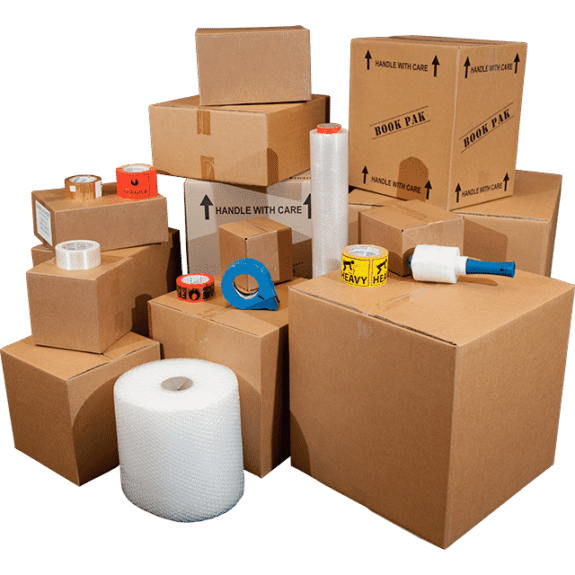
We supply businesses with a wide selection of essential packaging, shipping, and warehouse supplies. Get any standard packaging product by dimension or style from boxes, tubes, tapes, labels, and more. If you are unsure on what type of packaging you will need, then contact us for an expert consultation.


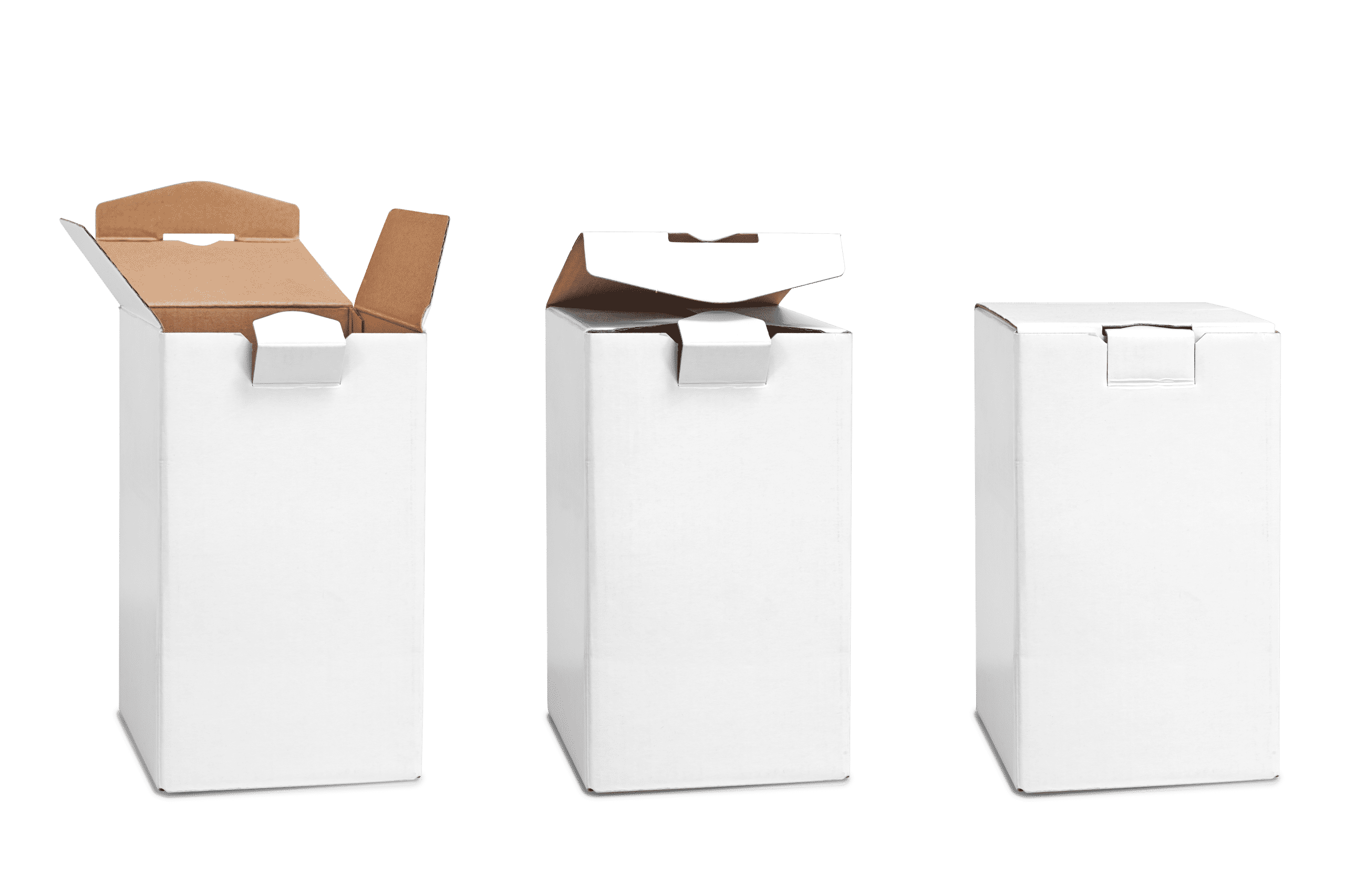
Stock packaging refers to pre-made, ready-to-ship packaging solutions like corrugated boxes, mailers, and protective materials that are designed to meet a wide range of standard needs across shipping, retail, and storage. Unlike custom packaging, stock options offer quick availability and reliable protection without the need for extensive design or production time, making them ideal for businesses needing efficient, high-quality solutions with fast lead times.
At Brown Packaging, we focus on providing durable, performance-driven stock packaging that supports our clients’ operational needs. Our stock products are sourced to ensure consistent quality and cost-effectiveness, offering a practical solution to keep operations running smoothly and on schedule. With an emphasis on reliability, we help our clients quickly access packaging solutions that meet their specific needs while maintaining quality across every order.
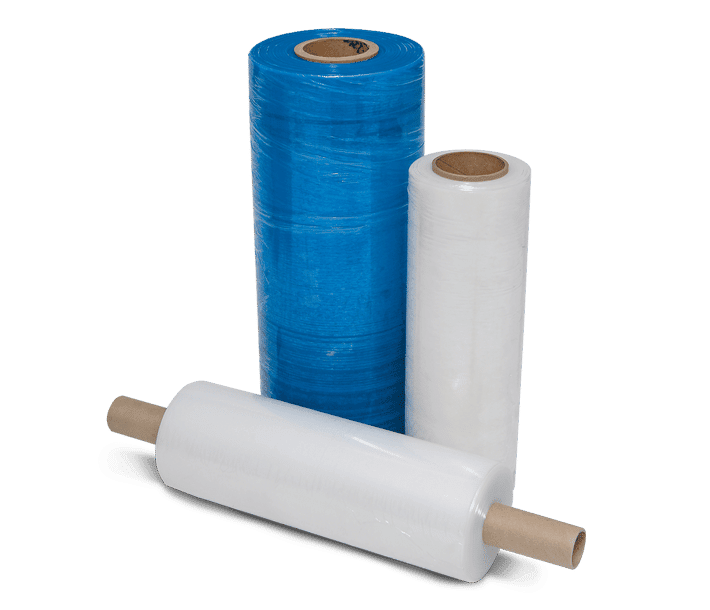
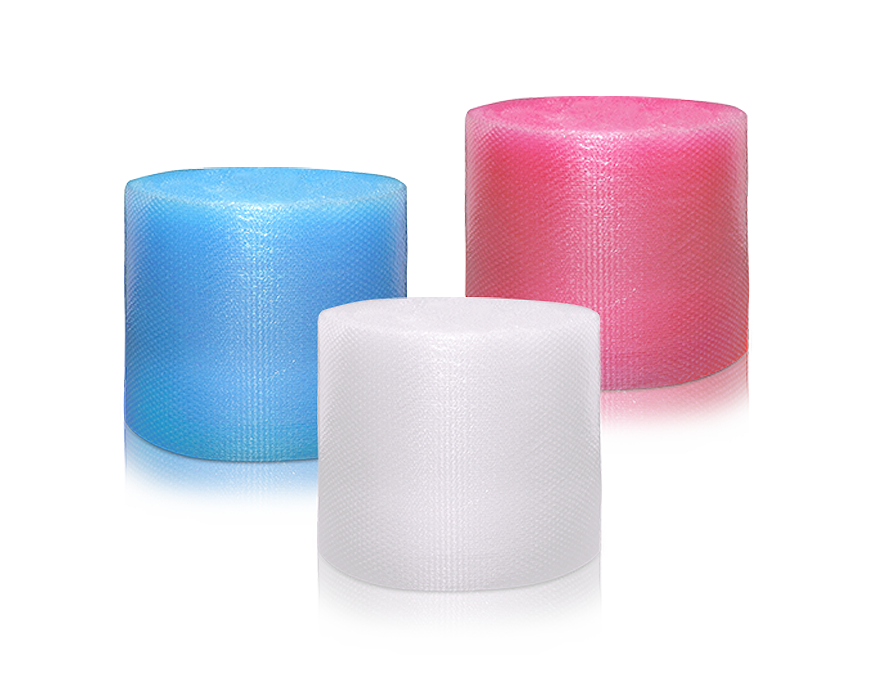
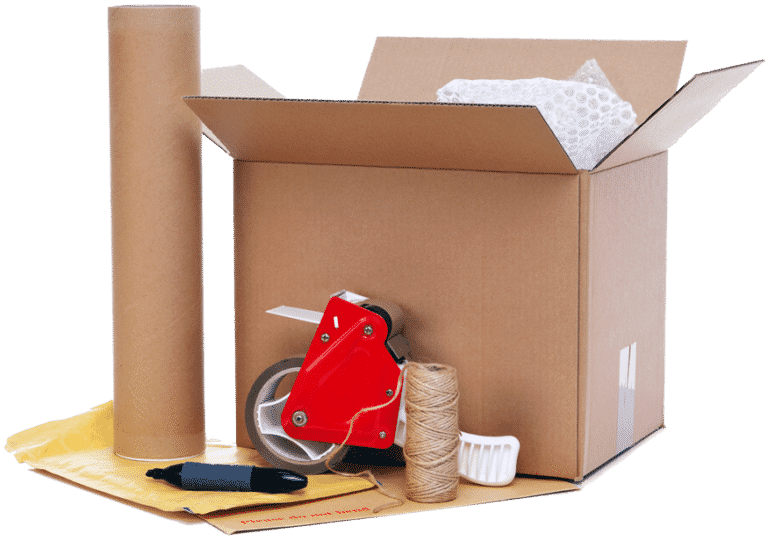
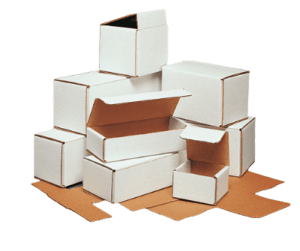
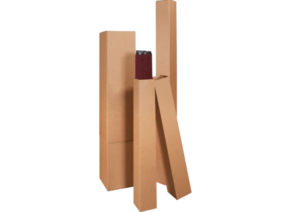
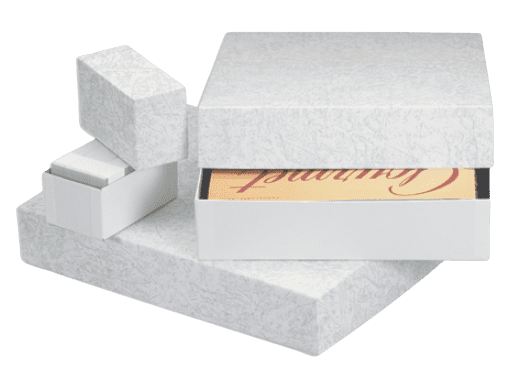
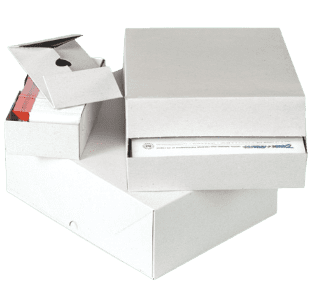
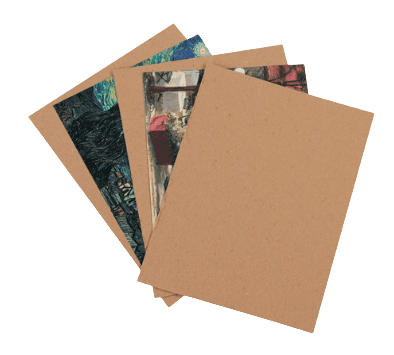
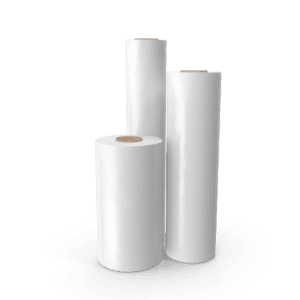
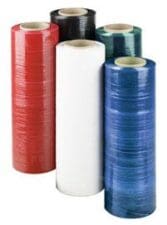
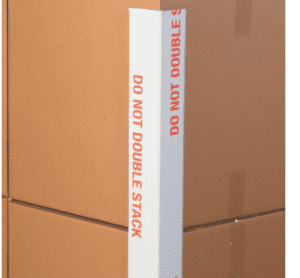
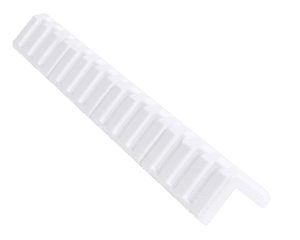
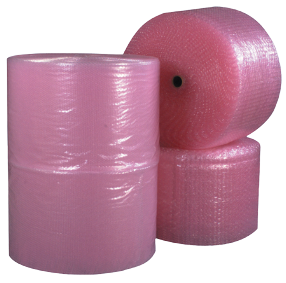
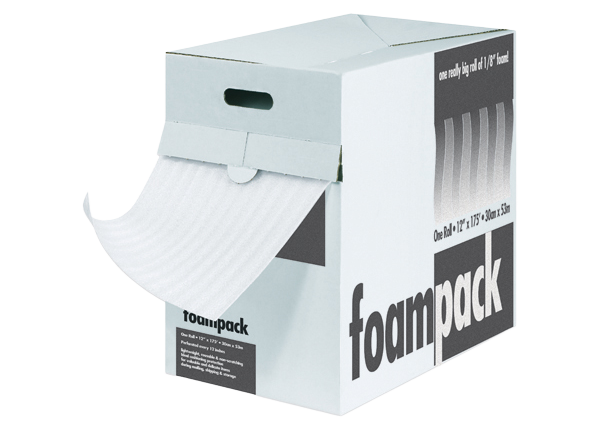
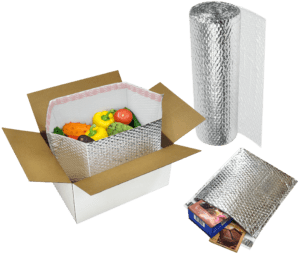
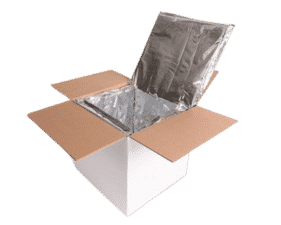
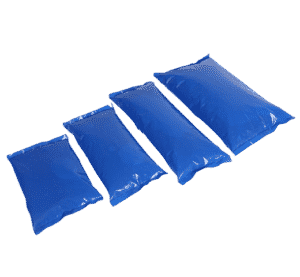
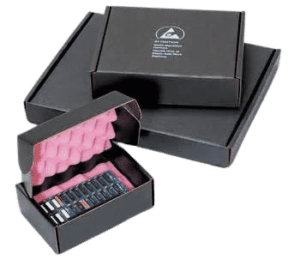
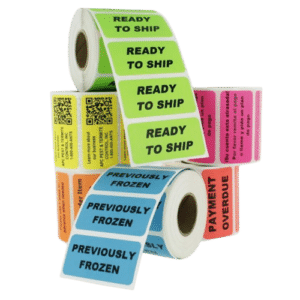
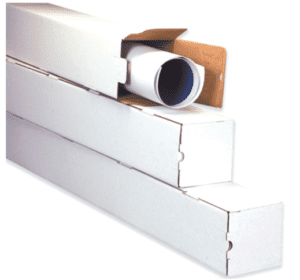
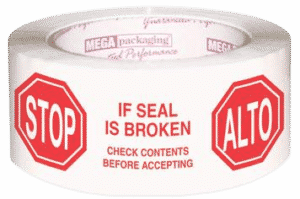
Our stock packaging products, from corrugated boxes to stretch film, offer a wide selection, including essentials like tape, edge protectors, labels, and more, with quick turnaround times to meet your packaging needs efficiently.


If you need any assistance with your packaging or have a question, then contact us directly at request@brownpackaging.com or (714)300-0650. Learn more about custom packaging by reading our blog posts on new and trending topics.

Before committing to a full production run, businesses often receive packaging samples to evaluate fit, functionality, print quality, and overall design. Whether it’s a digital sample (3D render) or a physical prototype, thoroughly assessing the sample ensures that the final packaging meets aesthetic, protective, and branding requirements. Evaluating a Digital Packaging Sample A digital sample, such as a 3D rendering or a dieline proof, is typically the first step in the approval process. It provides a visual representation of the packaging without producing a physical sample. What to Check in a Digital Sample: Structural Accuracy: Ensure the dieline dimensions match your specifications. Print & Branding Alignment: Confirm that logos, graphics, and text are correctly placed. Color Representation: Compare digital colors with your brand standards (note that digital colors may vary slightly from printed results). Typography & Readability: Check for font clarity, spacing, and legal text placement. Product Fit Estimation: Use the digital mockup to visualize how the product will fit inside the packaging. Next Steps for Digital Samples: Approve the design for a physical prototype if all elements look correct. Request modifications if there are misalignments, incorrect fonts, or sizing issues. Verify with a packaging expert to ensure compliance with industry regulations (especially for food, pharmaceuticals, or fragile products). Evaluating a Physical Packaging Sample Once the digital sample is approved, a physical prototype is produced. This allows for a hands-on review to confirm material quality, fit, and structural integrity. What to Check in a Physical Sample: Size & Fit: Ensure your product fits securely inside without excess movement. Material Durability: Assess the thickness, rigidity, and protective properties of the packaging. Printing & Finishing: Check for sharpness of logos, consistency of colors, and quality of coatings (matte, gloss, spot UV, etc.). Ease of Assembly: Verify that the packaging can be easily folded, sealed, or assembled as required. Structural Performance: Conduct drop tests, stacking tests, or compression tests if needed. Shipping & Storage Suitability: If your product requires long-distance shipping, assess whether additional protective inserts or reinforcements are needed. Next Steps for Physical Samples: Approve the sample for final production if all elements meet expectations. Request modifications if there are fit issues, material concerns, or branding inconsistencies. Test the sample in real-world conditions, such as placing it in a warehouse or shipping it to a test location. Making the Final Decision After evaluating the digital and physical samples, finalize your packaging decision by: Confirming with your team that the design meets branding, protection, and compliance requirements. Approving mass production once all issues are resolved. Coordinating with your supplier on lead times, material availability, and any final adjustments. Final Thoughts: Ensuring the Best Packaging for Your Product Receiving a packaging sample is a crucial step in avoiding costly mistakes and ensuring a seamless production process. By carefully evaluating both digital and physical samples, businesses can optimize product protection, branding impact, and customer experience. Need expert guidance in reviewing your packaging samples? Contact Brown Packaging today to ensure your final packaging is perfect before production! (714)300-0650 request@brownpackaging.com Most Recent Posts: Categories: Corrugated Ecommerce ESD Design Display Flexible Packaging Foam Folding Carton Packaging Plastic Packaging Pouch Printing Protection Retail Rigid Box Thermoform Sustainability Subscribe To Our Newsletter By submitting your information, you agree to our terms and conditions and privacy policy. Custom Packaging Facebook Twitter LinkedIn Pinterest Relevant Posts

Choosing the right corrugated box size is crucial for product protection, shipping efficiency, and cost savings. Whether you’re packing a single item or multiple products, knowing how much space you need inside the box ensures that products remain secure, undamaged, and optimized for storage and transportation. Step 1: Measure the Dimensions of Your Product(s) To determine how much space is required inside a corrugated box, start by measuring your product’s length, width, and height: Length: The longest side of the product. Width: The shorter side when placed flat. Height (Depth): The vertical measurement. For multiple products, consider how they will be arranged inside the box—whether stacked, side-by-side, or separated with inserts. Step 2: Add Space for Protection and Cushioning Corrugated boxes often require extra space to accommodate protective packaging materials like bubble wrap, foam inserts, or dividers. To ensure adequate protection: Add at least 1-2 inches around the product for cushioning. If using dividers for multiple items, consider the thickness of the divider material. For fragile items, factor in reinforced corners or inserts that prevent movement. Step 3: Determine the Optimal Box Style Different box styles offer varying levels of internal space efficiency. Common options include: Regular Slotted Container (RSC): Standard box with flaps for easy packing. Full Overlap Box: Adds extra strength for heavier products. Die-Cut Box: Custom-fitted designs for exact product sizing. Mailer Boxes: Compact and stylish for eCommerce shipments. Selecting the right style ensures that space is maximized while minimizing excess voids. Step 4: Consider Stacking and Shipping Constraints If your product needs to be stacked or palletized, box dimensions should align with standard pallet sizes to maximize storage efficiency. Additionally, consider: Weight distribution to prevent box crushing. Dimensional weight pricing from carriers like UPS and FedEx, where oversized boxes cost more to ship. Warehouse storage limitations for bulk packaging. Step 5: Test with a Sample Box Before committing to a final box size, order a prototype or sample box and perform a test fit. This helps verify: The fit and protection level of your product. Whether additional cushioning materials are needed. How easy the packaging is to assemble and seal. Final Thoughts: Optimizing Space in Your Corrugated Box Finding the right amount of space inside a corrugated box is a balance between product fit, protection, and shipping efficiency. By measuring accurately, accounting for protective materials, and testing with samples, businesses can reduce shipping costs, minimize damage, and improve packaging efficiency. Need help designing the perfect corrugated box for your products? Contact Brown Packaging today to find the best packaging solution for your needs! (714)300-0650 request@brownpackaging.com Most Recent Posts: Categories: Corrugated Ecommerce ESD Design Display Flexible Packaging Foam Folding Carton Packaging Plastic Packaging Pouch Printing Protection Retail Rigid Box Thermoform Sustainability Subscribe To Our Newsletter By submitting your information, you agree to our terms and conditions and privacy policy. Custom Corrugated Boxes Facebook Twitter LinkedIn Pinterest Relevant Posts

Medical device packaging plays a crucial role in protecting products, ensuring sterility, and enhancing user confidence. Beyond just functionality, packaging influences customer perception, which can directly impact a company’s reputation, product adoption, and market success. When customers—including hospitals, healthcare providers, and patients—receive a medical device, the first interaction is with the packaging, making it a critical factor in trust and credibility. How Packaging Affects Customer Perception Trust and Brand Credibility In the medical field, trust is paramount. Packaging that looks clean, professional, and tamper-proof reassures customers that the device inside is safe and high quality. Poorly designed or damaged packaging, on the other hand, can raise concerns about contamination or product reliability, negatively affecting customer confidence. Compliance and Safety Assurance Customers expect medical devices to meet strict regulatory standards for safety and sterility. Packaging that clearly displays compliance certifications (FDA, ISO, CE), expiration dates, and handling instructions reassures end-users that the product is reliable and meets industry standards. Conversely, unclear or missing information can create hesitation or even rejection of the product. Ease of Use and Accessibility Medical professionals and patients often interact with packaging in high-pressure environments, where ease of access is essential. Packaging should be intuitive, easy to open, and designed for quick, safe product retrieval. If packaging is difficult to open or use, it can lead to frustration, delays in treatment, or even damage to the device before use. Tamper Evidence and Product Integrity Medical device packaging must incorporate tamper-evident features to ensure product integrity. Seals, RFID tracking, and authentication labels help customers feel secure that the product hasn’t been compromised. If packaging appears tampered with or unsecure, it can result in returns, complaints, or loss of trust in the brand. Optimizing Medical Device Packaging for Positive Customer Perception To ensure packaging creates a strong, positive impression, companies should consider: High-quality materials that ensure product protection and sterility. Clear and concise labeling to provide essential information without clutter. User-friendly design for accessibility in both clinical and home settings. Tamper-proof features to prevent unauthorized access and enhance security. Final Thoughts: Why Packaging Perception Matters Customer perception of medical device packaging is as important as the device itself. Trust, safety, ease of use, and branding all play a role in how a product is received. Investing in high-quality, well-designed packaging not only ensures compliance but also enhances user confidence and strengthens brand reputation. Looking to improve your medical device packaging solutions? Contact Brown Packaging today for expert insights and customized packaging solutions that align with industry standards and customer expectations. (714)300-0650 request@brownpackaging.com Most Recent Posts: Categories: Corrugated Ecommerce ESD Design Display Flexible Packaging Foam Folding Carton Packaging Plastic Packaging Pouch Printing Protection Retail Rigid Box Thermoform Sustainability Subscribe To Our Newsletter By submitting your information, you agree to our terms and conditions and privacy policy. Medical Packaging Facebook Twitter LinkedIn Pinterest Relevant Posts