












window.uetq = window.uetq || []; window.uetq.push(‘event’, ‘submit_lead_form’,{ event_label:‘SUBMIT MESSAGE’ }); window.lintrk('track', { conversion_id: 10271009 }); window.lintrk('track', { conversion_id: 10271017 });

Stock Packaging

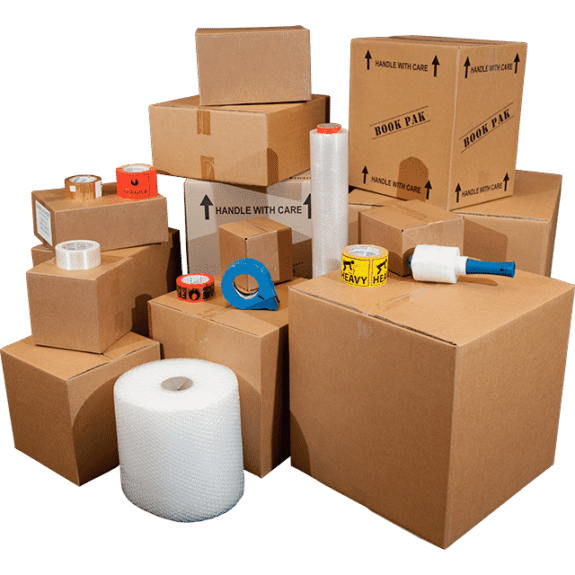
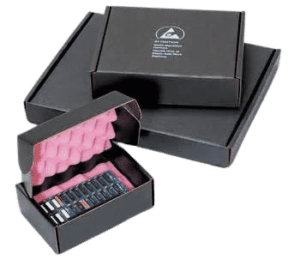
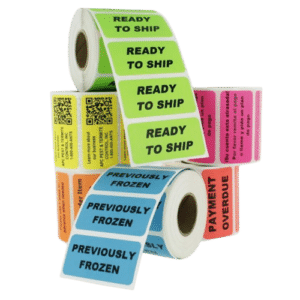
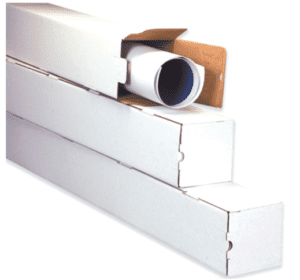
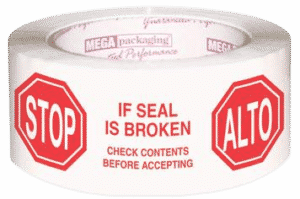
We supply businesses with a wide selection of essential packaging, shipping, and warehouse supplies. Get any standard packaging product by dimension or style from boxes, tubes, tapes, labels, and more. If you are unsure on what type of packaging you will need, then contact us for an expert consultation.


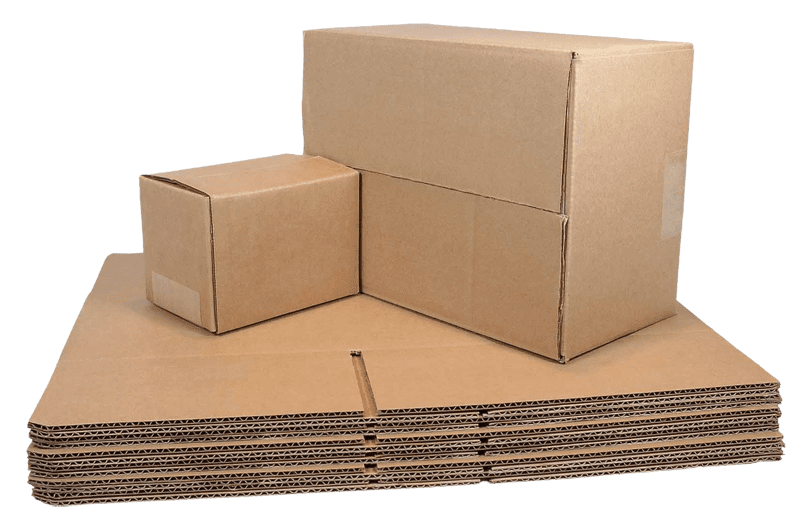
Stock packaging refers to pre-made, ready-to-ship packaging solutions like corrugated boxes, mailers, and protective materials that are designed to meet a wide range of standard needs across shipping, retail, and storage. Unlike custom packaging, stock options offer quick availability and reliable protection without the need for extensive design or production time, making them ideal for businesses needing efficient, high-quality solutions with fast lead times.

At Brown Packaging, we focus on providing durable, performance-driven stock packaging that supports our clients’ operational needs. Our stock products are sourced to ensure consistent quality and cost-effectiveness, offering a practical solution to keep operations running smoothly and on schedule. With an emphasis on reliability, we help our clients quickly access packaging solutions that meet their specific needs while maintaining quality across every order.

stock packaging products

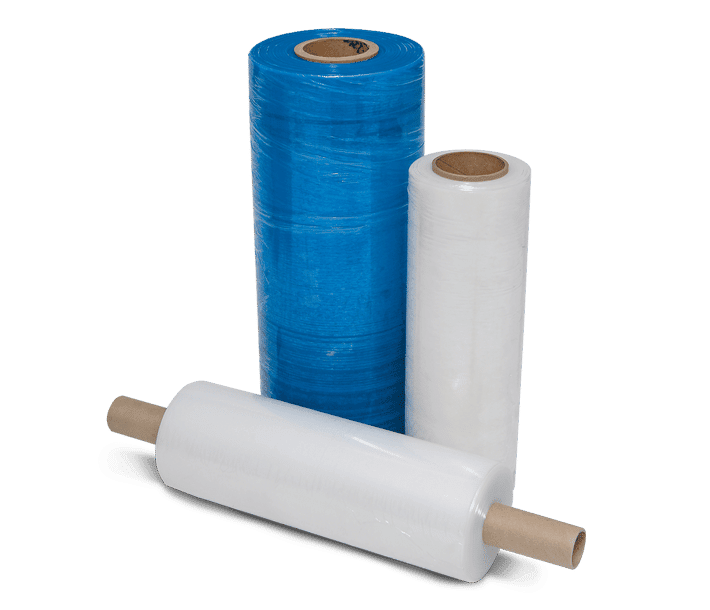
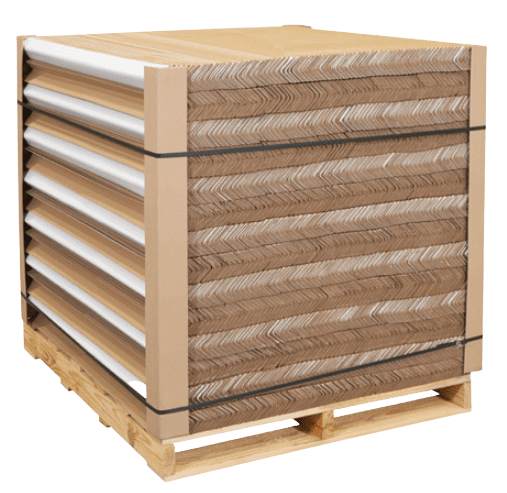
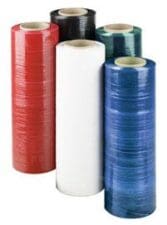
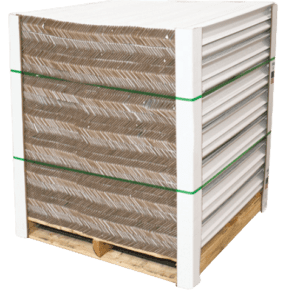
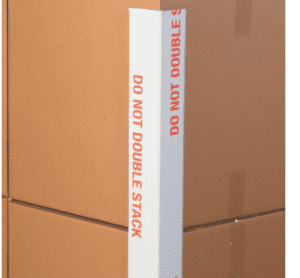
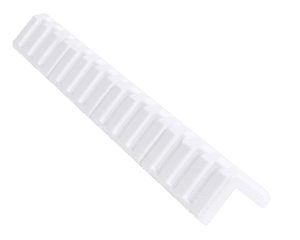
Our stock packaging products, from corrugated boxes to stretch film, offer a wide selection, including essentials like tape, edge protectors, labels, and more, with quick turnaround times to meet your packaging needs efficiently.

Edit Content
Edit Content
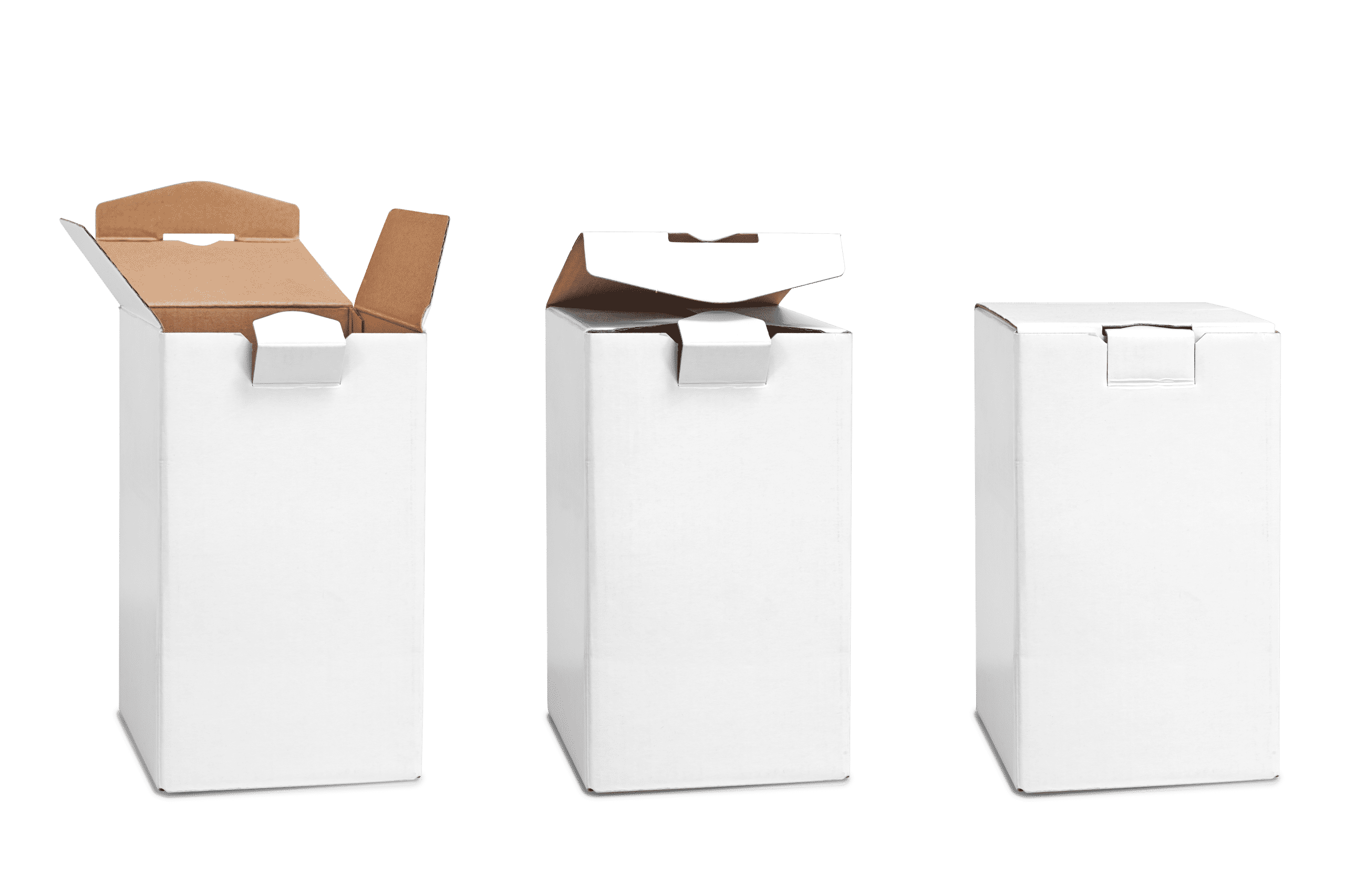
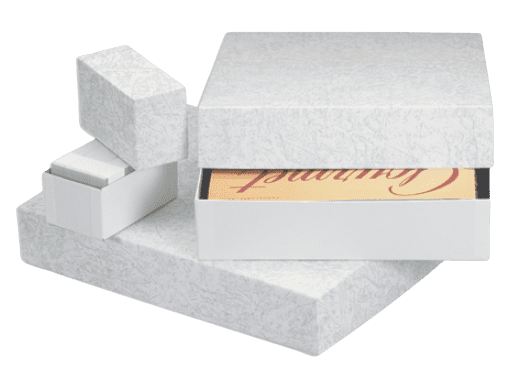
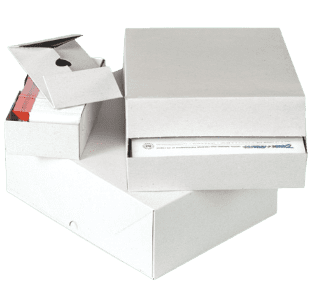
Folding Cartons
Pads
Apparel Boxes
Jewelry Boxes
Setup Cartons
Stationary Cartons
Edit Content
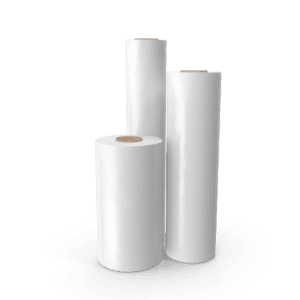
Cast Film
Blown Film
Conventional Film
Engineered Film
Pre-Stretched Film
Hand Film
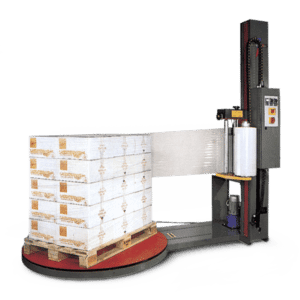
Machine Film
Edit Content
Light Duty
Medium Duty
Heavy Duty
Foam
Strapping
Frame Protectors
Edit Content
Edit Content
Box Liner
Metalized Pouch
Foam Cooler
Ice Pack
Gel Pack
Edit Content
Edit Content
Edit Content
Folding Cartons
Pads
Apparel Boxes
Jewelry Boxes
Setup Cartons
Stationary Cartons
Edit Content
Cast Film
Blown Film
Conventional Film
Engineered Film
Pre-Stretched Film
Hand Film
Machine Film
Edit Content
Click on the Edit Content button to edit/add the content.
Edit Content
Edit Content
Box Liner
Metalized Pouch
Foam Cooler
Ice Pack
Gel Pack
Edit Content

If you need any assistance with your packaging or have a question, then contact us directly at request@brownpackaging.com  or  (714)300-0650. Learn more about custom packaging by reading our blog posts on new and trending topics.

How to Engineer Corrugated Packaging for Automation Compatibility
Corrugated
brownpackaging
How to Engineer Corrugated Packaging for Automation

Why Packaging Automation Compatibility Matters As more fulfillment centers, contract packagers, and manufacturers turn to automation, packaging that isn’t compatible with machinery becomes a costly bottleneck. From misfeeds on case erectors to jams in packing stations, poorly designed corrugated boxes slow down operations, increase error rates, and limit throughput. For high-volume brands and logistics operations, automation-compatible packaging isn’t optional—it’s a core part of the system. Common Points of Failure with Corrugated in Automation Systems Automation often fails not because the equipment is faulty, but because the packaging isn’t designed for machine handling. Common issues include: Poor dimensional tolerance: If the box flaps don’t align cleanly, case erectors and tapers will jam. Low board rigidity: Boxes made from lightweight corrugated collapse during suction or robotic pick-and-place. Inconsistent slotting and scoring: Uneven folds confuse sensors or result in skewed box geometry. Incompatible closure style: Designs like auto-lock bottoms or complex folds may not be machine-erectable. Structural Design Principles for Automation Compatibility ✔ Stick to Clean, Repeatable FormatsRSC and FOL boxes with precision scoring are ideal for case erectors and tapers. Avoid overly intricate die cuts or asymmetrical flaps unless they’re downstream of automation. ✔ Use Consistent Die-Lines and Slot DepthsMaintain tight tolerances on slot depth, flap width, and glue tabs. Variability in cutting leads to misfeeds on erectors or case packers. ✔ Right-Size the Box for ConsistencyBoxes should hold contents securely with minimal void fill. Automated packout systems are most efficient when the box requires no manual fitting or adjustment. ✔ Add Automation-Friendly FeaturesIf machine-packing is in use, design inserts or partitions that can be preloaded or nested without human intervention. Consistent entry points and fitment are key. Material Considerations ✔ Choose Higher Rigidity Board GradesBoards with better stiffness (e.g., 44 ECT or 275#) maintain shape during pick-and-place and resist deformation in automated erecting. ✔ Use Coatings Where NeededFor packaging that passes through friction belts or vacuum suction, a clay-coated or high-slip surface may improve feed reliability. ✔ Avoid WarpPoor storage conditions or low-quality material lead to box warp, which ruins automation compatibility. Store flat and dry, and use high-quality stock. Don’t Forget Print RegistrationAutomation often uses machine vision to scan barcodes or orientation markers. Digital or flexo-printed registration cues must be in consistent locations, with sharp contrast and no ink bleed. Variable data printing can also assist with lot tracking in automated pick-pack systems. Benefits of Automation-Compatible Corrugated Faster throughput with fewer jams or stoppages Lower labor costs due to minimal hand correction Better reliability in high-speed fulfillment environments Scalability when expanding SKUs or entering new distribution channels Final ThoughtsCorrugated packaging isn’t just a vessel—it’s a mechanical component in an automated system. Brands that optimize their box design, material spec, and print layout for automation reduce errors, increase efficiency, and lower cost per shipment. If you’re designing packaging for automation or reworking a manual process, Brown Packaging can help engineer corrugated solutions that perform in real-world fulfillment lines. (714)300-0650 request@brownpackaging.com Most Recent Posts: Categories: Corrugated Ecommerce ESD Design Display Flexible Packaging Foam Folding Carton Packaging Plastic Packaging Pouch Printing Protection Retail Rigid Box Thermoform Sustainability Subscribe To Our Newsletter By submitting your information, you agree to our terms and conditions and privacy policy. Custom Corrugated Boxes Facebook Twitter LinkedIn Pinterest Relevant Posts

Read More »
Packaging in 2026: Strategic Shifts Every Buyer Should Plan For
Packaging
brownpackaging
Packaging in 2026: Strategic Shifts Every Buyer Should Plan For

Evolving Demands, Smarter Decisions As 2026 approaches, packaging decision-makers across sectors—from retail and ecommerce to industrial and medical—face a landscape shaped less by buzzwords and more by operational necessity. What’s ahead is not just about “going green” or “embracing automation,” but how these shifts are engineered into supply chains, cost structures, and compliance frameworks. Here’s what to actually expect—and plan for—if packaging is part of your bottom line. Operational Sustainability Becomes Performance-Driven Sustainability in 2026 will be measured less by marketing claims and more by performance thresholds. Expect rising demand for materials that balance recyclability, durability, and cost efficiency. Fiber-based packaging will continue to gain traction, but companies will increasingly analyze corrugated flute profiles, GSM ratings, and pallet optimization metrics to determine environmental impact through a logistics lens. For example: Retailers may transition to thinner B-flute or E-flute boards for secondary packaging to reduce shipping weight. Industrial buyers will seek modular box sizes that minimize void fill while maximizing trailer cube efficiency. Medical and electronics sectors will emphasize FSC-certified materials with traceable sourcing and validated barrier protection. Packaging that meets ISO 14001, APASS, and regional Extended Producer Responsibility (EPR) laws will be baseline expectations—not differentiators. Customization Is No Longer Optional—It’s Configured In 2026, off-the-shelf box sizing will no longer support the demands of fragmented product catalogs or diverse fulfillment strategies. Whether shipping a smart home device or a 60-lb appliance, businesses will rely on advanced structural design to reduce damages, dimensional weight costs, and consumer frustration. Expect growth in: Auto-boxing and just-in-time kitting for multi-SKU orders. ESD-safe modular inserts for high-value electronics. Seasonal display-ready solutions engineered for co-packing and fast retail deployment. Digital configurators will expand, allowing buyers to spec packaging with CAD-driven performance simulations, real-time quote modeling, and integrated sustainability scoring. Technical Considerations for Holiday Fulfillment Packaging To optimize fulfillment packaging during peak season, businesses should evaluate technical performance across multiple areas: Packout efficiency: Design kits and displays with fulfillment-friendly construction (e.g., quick-fold cartons, drop-in inserts, common dimensions) Structural compatibility: Ensure inner packs, cartons, and trays can be packed quickly and securely without secondary rework Barcode and label clarity: Use pre-applied or inline printed labels for traceability, GTIN compliance, and retailer scan accuracy Shipping durability: Account for stacking, vibration, and mixed-freight environments to avoid rework due to damage in transit Vendor-managed inventory (VMI) compatibility: If operating under VMI or JIT models, ensure real-time fulfillment visibility and flexibility The more technical precision built into the packaging, the less risk of costly repackaging, returns, or retail chargebacks during peak execution. Data-Backed Packaging Becomes the Standard Buyers will increasingly demand quantitative justification for packaging decisions. Compression strength, burst resistance, drop-test validation, and real-time shipping analytics will factor into every spec sheet. Companies will adopt packaging testing as a service, verifying that every structural design supports: Carrier-specific handling environments (e.g., FedEx vs. LTL freight). Product-level fragility indexes. Repetitive fulfillment automation requirements. In short, packaging in 2026 must prove itself in real-world supply chains—not just lab conditions. Labeling, Serialization, and Compliance Tighten Whether it’s Amazon SIOC requirements, GS1 labeling standards, or sector-specific tracking protocols (like in pharma or aerospace), compliance will grow more complex. Expect increased interest in: Pre-printed compliance panels. Machine-readable codes for fulfillment automation. Tamper-evident and traceability elements integrated into box design. In industries like medical and food, validation processes will link packaging directly with inventory traceability systems and chain-of-custody requirements Cold Chain, Humidity Resistance, and Long-Term Transit Long-haul, climate-sensitive shipping is no longer niche. Expect new packaging RFPs in 2026 to prioritize: Moisture-resistant corrugated grades. Thermal liners and phase change materials in ecommerce-ready kits. Double-walled or triple-walled protection for oversized or high-value industrial goods. For global fulfillment, buyers will need packaging that holds integrity over weeks in warehouse or transit environments that fluctuate in humidity, temperature, and stacking pressure. Looking Ahead Packaging in 2026 is less about trend-watching and more about aligning technical performance with real-world usage. Whether your business operates in ecommerce, electronics, furniture, or life sciences, the coming year will reward those who prioritize fit-for-purpose packaging that is backed by testing, scalable across channels, and cost-optimized without sacrificing protection or compliance. Need packaging that’s built for how your business actually operates? Brown Packaging delivers engineered solutions that balance protection, cost efficiency, branding, and sustainability—backed by real testing and practical expertise. (714)300-0650 request@brownpackaging.com Most Recent Posts: Categories: Corrugated Ecommerce ESD Design Display Flexible Packaging Foam Folding Carton Packaging Plastic Packaging Pouch Printing Protection Retail Rigid Box Thermoform Sustainability Subscribe To Our Newsletter By submitting your information, you agree to our terms and conditions and privacy policy. Custom Packaging Facebook Twitter LinkedIn Pinterest Relevant Posts

Read More »
The Role of Board Grade in Supply Chain Resilience
Corrugated
brownpackaging
The Role of Board Grade in Supply Chain Resilience

Why Board Grade Selection Matters In today’s volatile supply chain environment, packaging failures aren’t just a nuisance—they’re a liability. Damage in transit, product returns, and load instability all lead back to one foundational element: board grade. Whether you’re shipping across the country or staging products for long-term storage, the right corrugated board strength directly impacts product integrity, compliance, and bottom-line efficiency. Understanding Board Grade Classifications Corrugated board grade is defined by its burst strength (measured in pounds), edge crush test (ECT) rating, or basis weight in pounds per 1,000 square feet. The two most common standards: Mullen Test (Burst Strength): Measures resistance to puncture or rupture under pressure (e.g., 200#). Edge Crush Test (ECT): Measures stacking strength and compression resistance along the edge (e.g., 32 ECT). Higher board grades offer greater durability but come at a cost—so matching board performance to supply chain risk is key. How Board Grade Supports Supply Chain Resilience ✔ Reduces Transit DamageHeavier board grades (like 44 ECT or 275#) are essential for heavier items or mixed-pallet shipping. They prevent crushing under load and protect high-value products from collapse or impact. ✔ Improves Stacking StabilityIf your supply chain includes warehousing, transloading, or racking, poor stacking strength leads to bottom-box failures. ECT-rated boxes offer predictable stacking loads, enabling more reliable palletization strategies. ✔ Adapts to Environmental StressorsIn humid or high-temperature zones, lower-quality board can warp or delaminate. Upgrading to moisture-resistant coatings or wax-treated grades extends package integrity in unpredictable conditions. ✔ Meets Carrier and Retailer ComplianceMajor carriers and retailers (e.g., Amazon, Walmart) often require packaging that meets minimum board grade thresholds for specific product categories. Failing to comply can result in chargebacks or denied loads. Matching Board Grade to Application Lightweight Goods (<30 lbs): 32 ECT or 200# is often sufficient for controlled distribution. Midweight/Stacked Goods (30–65 lbs): 44 ECT or 275# single-wall offers better stability. Heavy or Fragile Items: 48 ECT+, 350# double-wall, or even triple-wall is standard for machinery, appliances, or multi-SKU master packs. Export Shipments: Double-wall with moisture resistance is critical for sea containers and extended transit. Why Resilience Now Means Cost Efficiency Later Skimping on board grade may reduce material costs short-term, but it increases risks throughout the supply chain: Higher damage rates Increased return logistics More manual rework at DCs Lower pallet efficiency By engineering packaging with the right board spec, brands can build flexibility into distribution—whether absorbing shock during LTL shipping or maintaining load stability during storage. Final Thoughts Your corrugated board grade isn’t just a spec—it’s a strategic decision that drives supply chain resilience. From minimizing product loss to meeting compliance and stacking standards, choosing the right board means fewer disruptions and greater operational continuity. At Brown Packaging, we help businesses select, test, and implement the right corrugated materials based on real-world demands. (714)300-0650 request@brownpackaging.com Most Recent Posts: Categories: Corrugated Ecommerce ESD Design Display Flexible Packaging Foam Folding Carton Packaging Plastic Packaging Pouch Printing Protection Retail Rigid Box Thermoform Sustainability Subscribe To Our Newsletter By submitting your information, you agree to our terms and conditions and privacy policy. Custom Corrugated Boxes Facebook Twitter LinkedIn Pinterest Relevant Posts

Read More »