














Stock Packaging
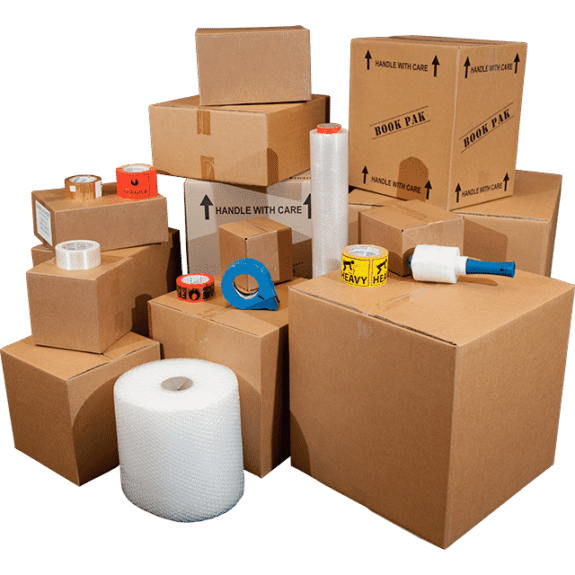
We supply businesses with a wide selection of essential packaging, shipping, and warehouse supplies. Get any standard packaging product by dimension or style from boxes, tubes, tapes, labels, and more. If you are unsure on what type of packaging you will need, then contact us for an expert consultation.


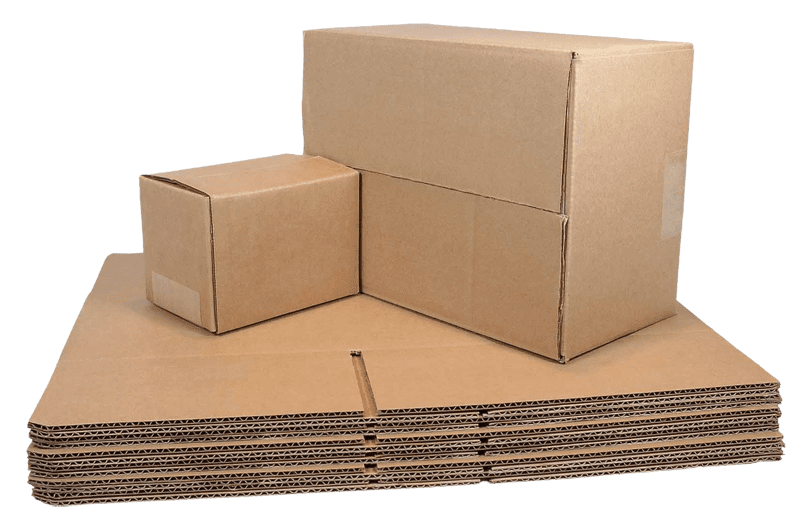
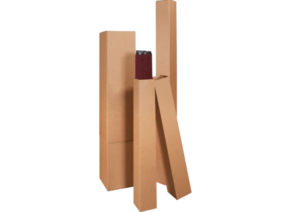
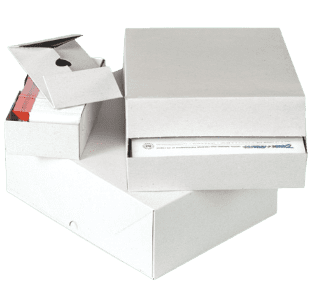
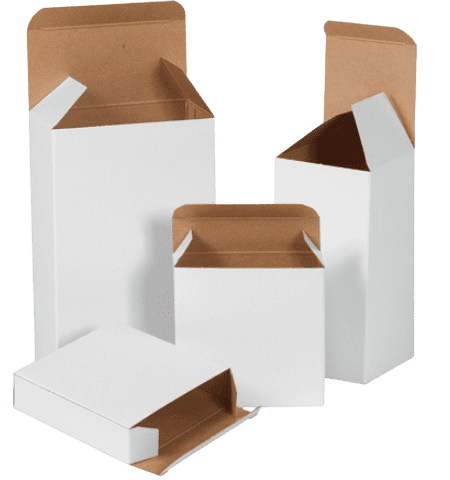
Stock packaging refers to pre-made, ready-to-ship packaging solutions like corrugated boxes, mailers, and protective materials that are designed to meet a wide range of standard needs across shipping, retail, and storage. Unlike custom packaging, stock options offer quick availability and reliable protection without the need for extensive design or production time, making them ideal for businesses needing efficient, high-quality solutions with fast lead times.
At Brown Packaging, we focus on providing durable, performance-driven stock packaging that supports our clients’ operational needs. Our stock products are sourced to ensure consistent quality and cost-effectiveness, offering a practical solution to keep operations running smoothly and on schedule. With an emphasis on reliability, we help our clients quickly access packaging solutions that meet their specific needs while maintaining quality across every order.
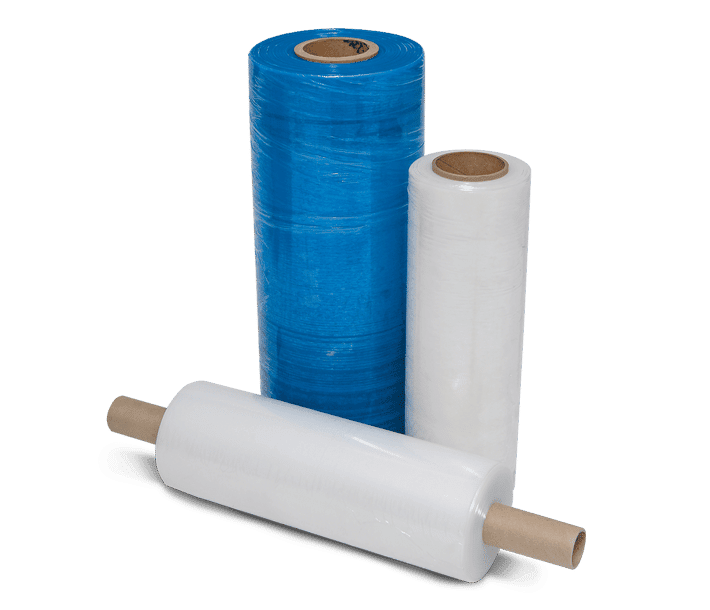
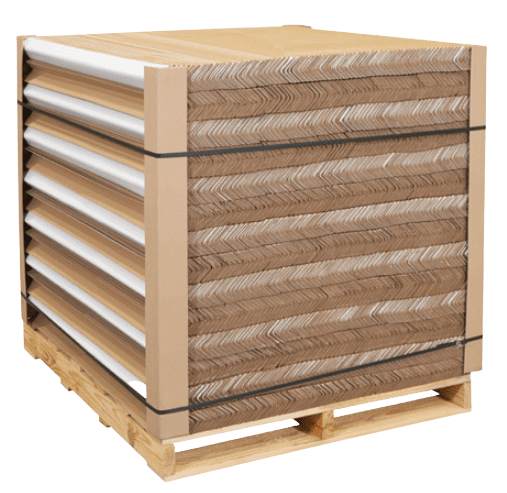
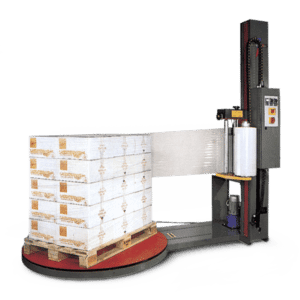
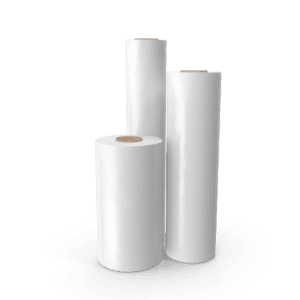
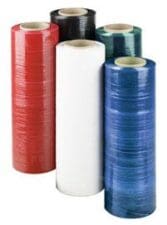
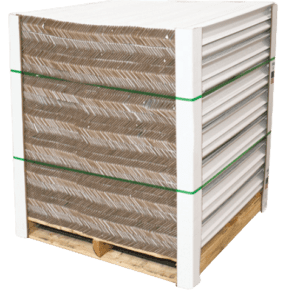
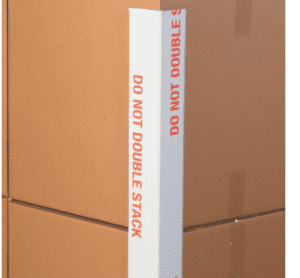
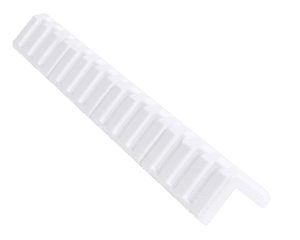
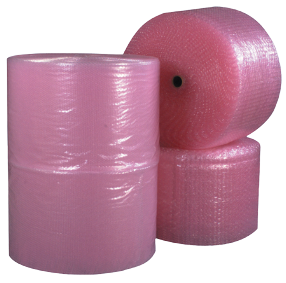
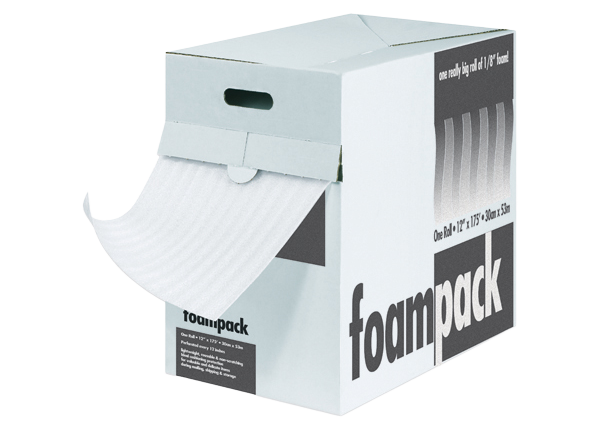
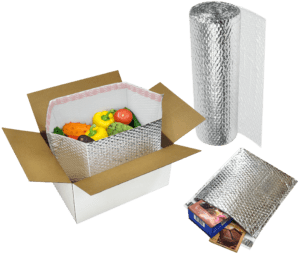
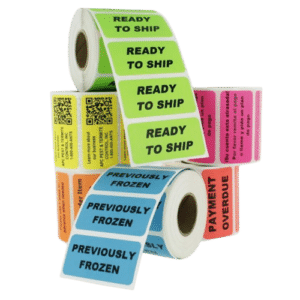
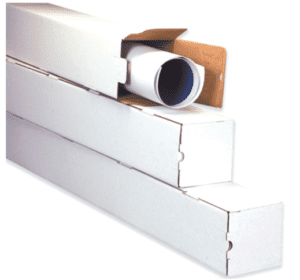
Our stock packaging products, from corrugated boxes to stretch film, offer a wide selection, including essentials like tape, edge protectors, labels, and more, with quick turnaround times to meet your packaging needs efficiently.


If you need any assistance with your packaging or have a question, then contact us directly at request@brownpackaging.com or (714)300-0650. Learn more about custom packaging by reading our blog posts on new and trending topics.

Corrugated board comes in multiple flute sizes and wall grades, each designed to balance strength, weight, and cost. Selecting the wrong grade can lead to product damage, excessive freight costs, or unnecessary material expense. In 2026, buyers must match corrugated performance to their supply chain conditions, sustainability goals, and budget requirements. Common Corrugated Grades Single-wall: Lightweight, cost-effective, suitable for many retail and e-commerce uses. Double-wall: Greater strength and stacking ability for heavy or fragile items. Triple-wall: Maximum compression resistance for industrial, bulk, and export packaging. Key Factors When Choosing a Grade Product weight: Heavier items require stronger board. Supply chain conditions: Long transit times, stacking, and climate variations increase stress. Cost balance: Higher grades protect better but add material expense. Sustainability goals: Use recycled content or right-size to minimize waste. Compliance: Certain industries require ISTA or ASTM-tested packaging. How to Match Grade to Application E-commerce: Single-wall RSCs with performance coatings for moisture resistance. Industrial parts: Double-wall or triple-wall for high stacking and pallet loads. Export packaging: Triple-wall FOL boxes for international freight durability. Retail displays: Lighter grades with strong print surfaces for shelf appeal. Testing for Performance Confidence Compression testing: Ensures cartons withstand stacking loads. Vibration and drop testing: Validates protection during transport. Material analysis: Confirms recycled fiber content aligns with performance goals. Packaging Solutions with Brown Packaging Brown Packaging works with buyers to identify the right corrugated grade for each application. From single-wall e-commerce boxes to triple-wall export packaging, we balance protection, cost, and sustainability. Contact us to select the right grade for 2026. References ASTM International. (2023). ASTM D642: Standard Test Method for Compression Resistance of Shipping Containers.Soroka, W. (2009). Fundamentals of Packaging Technology (4th ed.). Institute of Packaging Professionals.Fiber Box Association. (2024). Corrugated Packaging Performance Handbook. Retrieved from https://www.fibrebox.org (714)300-0650 request@brownpackaging.com Most Recent Posts: Categories: Corrugated Ecommerce ESD Design Display Flexible Packaging Foam Folding Carton Packaging Plastic Packaging Pouch Printing Protection Retail Rigid Box Thermoform Sustainability Subscribe To Our Newsletter By submitting your information, you agree to our terms and conditions and privacy policy. Custom Corrugated Boxes Facebook Twitter LinkedIn Pinterest Relevant Posts

As tariff changes reshape global trade, packaging buyers moving production from China to the U.S. or nearshore regions face a new challenge: supplier qualification. Transitioning supply doesn’t end once a domestic or regional converter is found — it depends on confirming quality, compliance, capacity, and reliability. A single weak supplier can eliminate the cost advantage gained from reduced tariffs or freight savings. Why Supplier Auditing Matters in 2026 The surge in reshoring and nearshoring caused by tariff uncertainty has increased demand for North American converters. Many new facilities are expanding quickly to capture this business, but not all meet the compliance, traceability, or process control standards expected by industrial and eCommerce packaging buyers. A structured audit process ensures: Consistent quality across corrugated, folding carton, or display production. Regulatory compliance with ASTM, ISO, and FSC® standards. Supply continuity through verified capacity and certified material sources. Accurate cost forecasting to reflect total landed cost and risk reduction. Pre-Audit Research and Documentation Before engaging new suppliers, buyers should compile baseline criteria and supporting documentation to maintain sourcing consistency: FSC®, SFI®, and ISO certification requirements Corrugated and paperboard testing standards (ECT, BCT, TAPPI) Reference samples, structural specs, and assembly instructions Forecasted volumes, replenishment schedule, and SKU priorities This preparation allows accurate comparison between U.S., nearshore, and legacy overseas programs. Key Stages of a Packaging Supplier Audit Facility Review and Process Mapping Perform a virtual or on-site walkthrough to evaluate: Equipment (corrugator, folder-gluer, digital press, die cutter) Preventive maintenance and production uptime Quality checkpoints during converting and finishing Level of in-house vs. subcontracted work Detailed process mapping reveals throughput potential and operational control. Quality and Compliance Verification Request verifiable documentation that supports performance and sustainability claims: FSC® or SFI® Chain of Custody certificates ISO 9001:2015 or 14001 systems ECT, BCT, and Mullen test reports for corrugated ISTA or ASTM validation for shipping durability A supplier’s ability to present accurate, dated certifications is often a clear indicator of overall discipline. Material Sourcing Transparency Tariff classification depends on component origin, so material traceability is essential. Audit material flow from paper mills to finished packaging: Country of origin for linerboard and medium Source of inks, coatings, and adhesives Validation of recycled or sustainable content claims Suppliers unable to verify their raw material chain risk future tariff reclassification or customs delays. Capacity and Lead Time Validation Tariff-related reshoring has increased demand across North America, making production capacity a top qualification factor. Validate claims by testing: True throughput on pilot orders Changeover and setup times On-time performance during seasonal peaks Verified capacity ensures consistent delivery and pricing stability throughout tariff cycles. Communication and Issue Resolution Responsiveness directly impacts speed to market. During onboarding, evaluate: Response time for quotes and samples Accuracy of proofing and revision cycles Corrective action tracking for defects or misprints Suppliers with strong internal communication typically maintain better production accuracy and customer satisfaction. Financial and Operational Stability Rapid industry expansion brings new entrants, not all of whom are financially stable. Review: Operating history and client references Insurance, certifications, and credit terms Equipment investment and future growth plan Financially grounded suppliers reduce the risk of production interruptions during tariff-driven market shifts. Integrating Audited Suppliers into Procurement Systems Once qualified, add new suppliers into procurement systems with metrics for: On-time delivery and defect rate Price stability and freight consistency Certification renewal schedules Environmental and compliance documentation Quarterly supplier scorecards help maintain consistency and verify ongoing readiness as tariff conditions evolve. Final Considerations for Buyers As tariffs continue to influence global sourcing, the strongest packaging programs will combine regional diversification with rigorous supplier auditing. Buyers who integrate traceability, compliance, and performance verification into procurement can maintain cost stability and tariff protection without compromising quality. References U.S. International Trade Commission (USITC). Trade Policy Developments 2026. Institute of Packaging Professionals (IoPP). Supplier Qualification Guidelines. International Safe Transit Association (ISTA). Testing Standards for Transport Packaging. Forest Stewardship Council (FSC®). Chain of Custody Certification Requirements. (714)300-0650 request@brownpackaging.com Most Recent Posts: Categories: Corrugated Ecommerce ESD Design Display Flexible Packaging Foam Folding Carton Packaging Plastic Packaging Pouch Printing Protection Retail Rigid Box Thermoform Sustainability Subscribe To Our Newsletter By submitting your information, you agree to our terms and conditions and privacy policy. Custom Packaging Facebook Twitter LinkedIn Pinterest Relevant Posts

With new tariff proposals and continued trade uncertainty, 2026 is shaping up to be another pivotal year for packaging sourcing strategy. Many companies that shifted production away from China in 2024–2025 are now reassessing cost structures between nearshore and fully domestic manufacturing. While both options reduce tariff exposure, each carries different implications for labor, logistics, compliance, and scalability. Why Cost Comparison Matters in 2026 As global trade policy remains unpredictable, packaging buyers must balance cost efficiency with reliability. Nearshore manufacturing — primarily in Mexico and Canada — offers competitive labor rates and regional proximity, while U.S. converters provide faster lead times, stricter compliance, and integrated fulfillment capabilities. The goal for 2026 is not just lower cost per unit, but optimized total landed cost with minimal risk. Key Cost Factors to Evaluate Labor and Production Efficiency Labor costs continue to be a primary advantage for nearshore production. However, increased automation across U.S. facilities is narrowing the gap. Nearshore (Mexico/Canada): Lower base wages, but variable automation and longer setup times for smaller runs. U.S.: Higher labor rates, but shorter turnaround, reduced downtime, and higher throughput through robotics and digital converting lines. By 2026, modern U.S. converters using digital die cutting, inline gluing, and automated case packing can rival nearshore cost per finished unit once efficiency is factored. Freight and Transit Time Freight volatility remains a major cost driver. With fewer ocean shipments, both nearshore and domestic programs gain predictability, but domestic manufacturing provides the most control. Source Region Average Transit Time Typical Freight (West Coast) Mexico → U.S. 2-5 days Moderate (border clearance dependent) Canada → U.S. 2-5 days Moderate U.S. Domestic 1–3 days Low (regional or inter-state) Faster delivery reduces demurrage, storage, and replenishment delays — a growing cost consideration for multi-SKU packaging programs. Material and Substrate Availability Material flow remains a major differentiator: Mexico: Expanding board and film production but still imports some adhesives and coatings from the U.S. Canada: Strong pulp and FSC® paperboard infrastructure with sustainability advantages. U.S.: Full domestic substrate ecosystem including corrugated, folding carton, and flexible film production. Domestic converters maintain the most resilient material supply, reducing risk from international component dependencies. Quality Control and Waste Reduction For 2026 buyers, consistent print accuracy and die precision matter as much as cost. Nearshore suppliers often deliver competitive quality but may lack full ISO or GMI auditing. U.S. manufacturers increasingly operate under ISO 9001:2015 or G7 Master Printer certification, reducing rejects and non-conformance. Even small rework or print errors can offset initial savings, making quality stability a financial factor rather than a cosmetic one. Compliance, ESG, and Reporting With increased scrutiny on sustainability claims, domestic production simplifies documentation and compliance. U.S.: Transparent traceability for recycled content, FSC® verification, and carbon accounting. Nearshore: Improving ESG frameworks, though validation processes can be slower or fragmented. For brands selling through major retailers, U.S.-based sourcing often shortens ESG audit cycles and meets evolving corporate responsibility standards. Currency, Trade, and Policy Stability Even under the USMCA framework, exchange rates and local policy shifts affect nearshore pricing. Domestic production avoids foreign exchange risk and ensures stable compliance documentation as tariff adjustments continue. Total Landed Cost Comparison (2026 Estimate) Cost Component China Import (Baseline) Nearshore U.S. Domestic Unit Price Low Moderate Slightly Higher Freight & Tariffs High Low None Lead Time 6–8 weeks 1–2 weeks 2–5 days Quality Control Variable Moderate High Compliance Risk High Moderate Low Total Landed Cost (Est.) 100% baseline 85–90% 90–95% This demonstrates that by 2026, both nearshore and U.S. production can outperform Chinese imports once freight, tariffs, and quality consistency are included. When to Choose Nearshore vs. U.S. Manufacturing Nearshore (Mexico/Canada): Ideal for medium to high volume packaging with extended lead time flexibility and lower labor sensitivity. U.S. Manufacturing: Best for just-in-time fulfillment, high-mix SKU programs, and packaging tied to strict compliance or retail testing. Many brands now combine both — running bulk corrugated or folding carton production nearshore while keeping display assembly, printing, and co-packing domestic for faster deployment. Final Outlook for 2026 As tariffs, freight rates, and ESG requirements evolve, hybrid sourcing models will dominate packaging procurement. The most resilient programs will integrate nearshore cost advantages with domestic quality control and logistics precision. In 2026, total cost efficiency comes not from chasing the lowest price — but from designing a supply chain that balances tariff protection, reliability, and sustainability. References U.S. International Trade Administration (ITA). USMCA and North American Supply Chain Outlook 2026. International Corrugated Case Association (ICCA). Global Corrugated Industry Report 2026. Forest Stewardship Council (FSC®). Supply Chain and Certification Data. Soroka, W. Fundamentals of Packaging Technology. 6th ed. Institute of Packaging Professionals. (714)300-0650 request@brownpackaging.com Most Recent Posts: Categories: Corrugated Ecommerce ESD Design Display Flexible Packaging Foam Folding Carton Packaging Plastic Packaging Pouch Printing Protection Retail Rigid Box Thermoform Sustainability Subscribe To Our Newsletter By submitting your information, you agree to our terms and conditions and privacy policy. Custom Packaging Facebook Twitter LinkedIn Pinterest Relevant Posts