













Stock Packaging
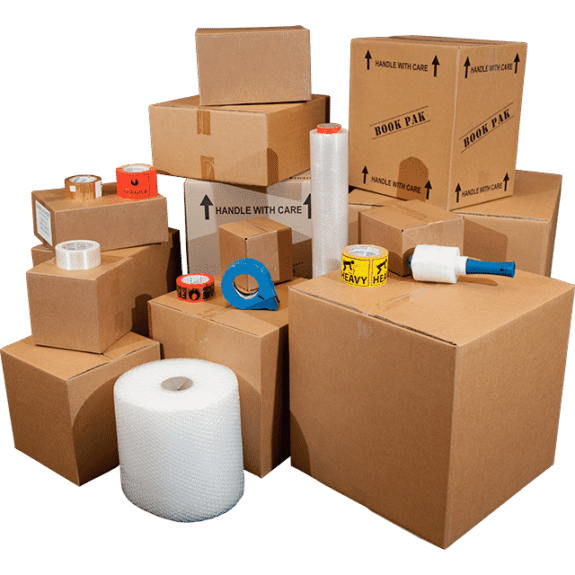
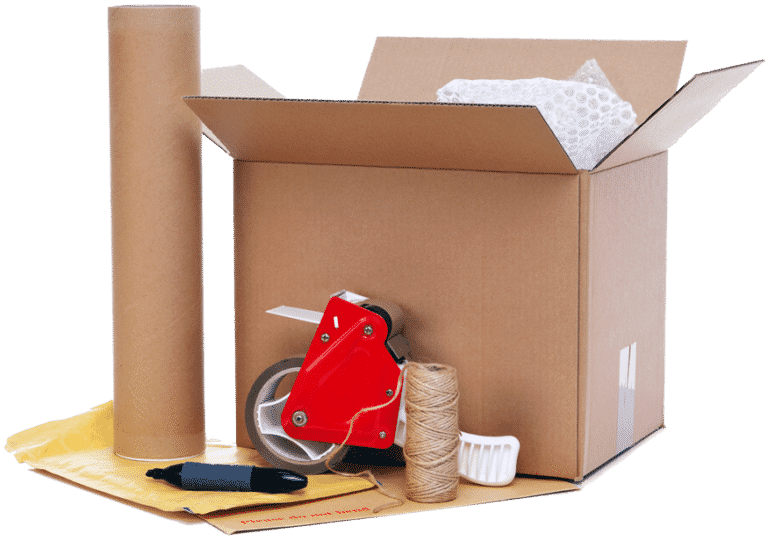
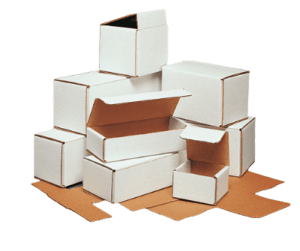
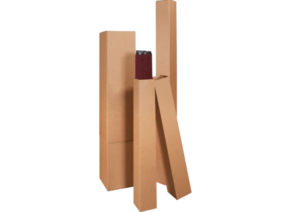
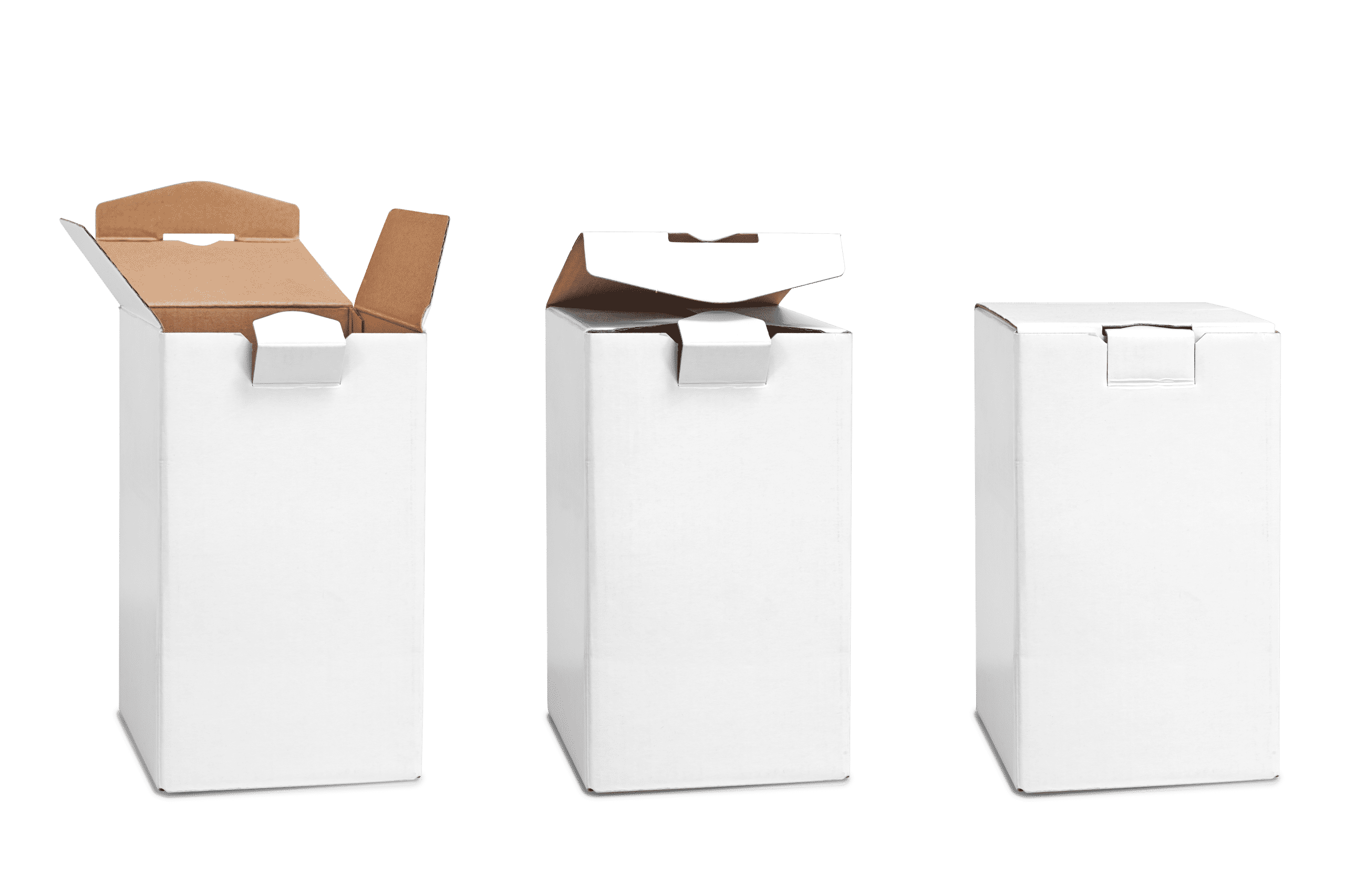
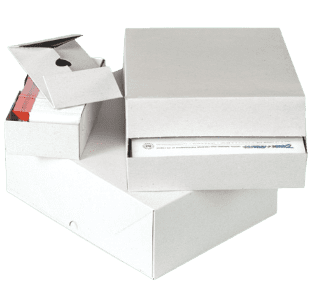
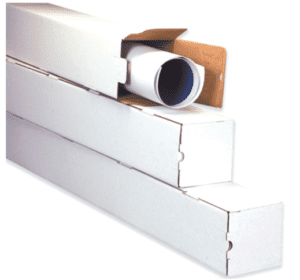
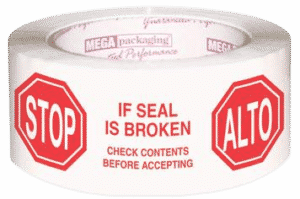
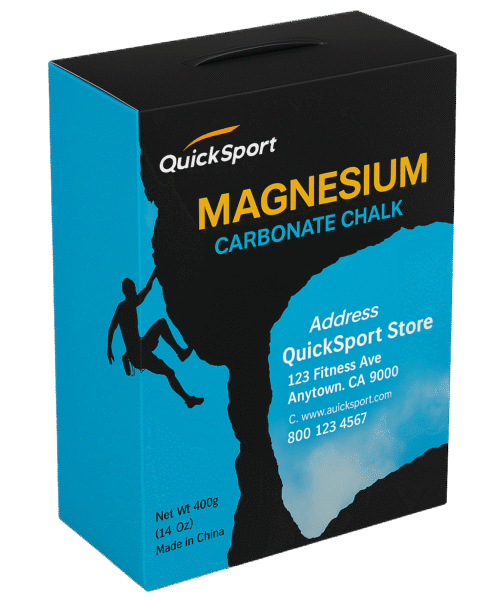
We supply businesses with a wide selection of essential packaging, shipping, and warehouse supplies. Get any standard packaging product by dimension or style from boxes, tubes, tapes, labels, and more. If you are unsure on what type of packaging you will need, then contact us for an expert consultation.


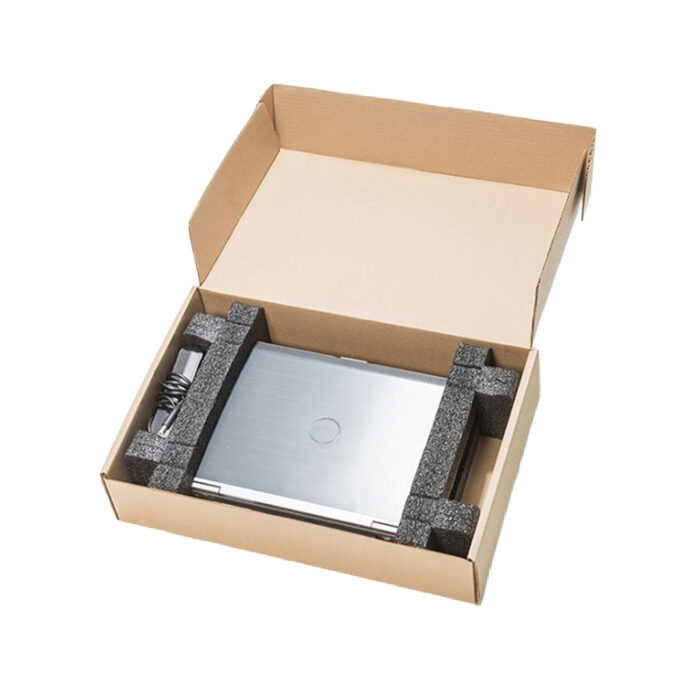
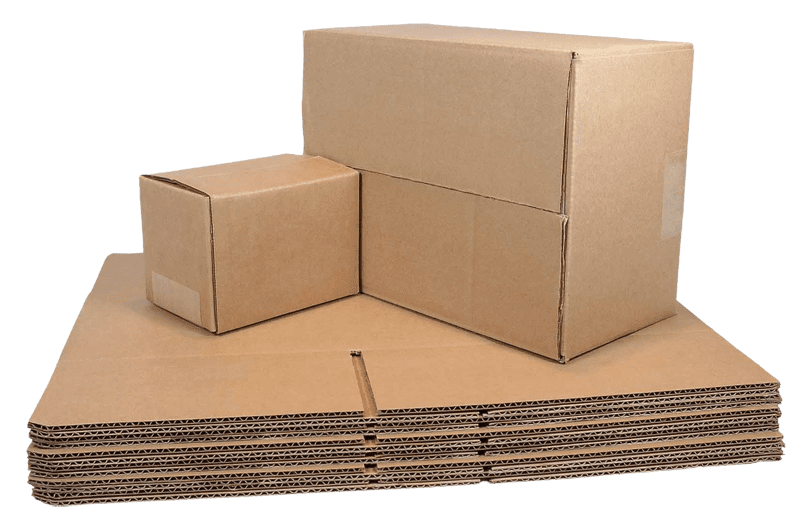
Stock packaging refers to pre-made, ready-to-ship packaging solutions like corrugated boxes, mailers, and protective materials that are designed to meet a wide range of standard needs across shipping, retail, and storage. Unlike custom packaging, stock options offer quick availability and reliable protection without the need for extensive design or production time, making them ideal for businesses needing efficient, high-quality solutions with fast lead times.
At Brown Packaging, we focus on providing durable, performance-driven stock packaging that supports our clients’ operational needs. Our stock products are sourced to ensure consistent quality and cost-effectiveness, offering a practical solution to keep operations running smoothly and on schedule. With an emphasis on reliability, we help our clients quickly access packaging solutions that meet their specific needs while maintaining quality across every order.
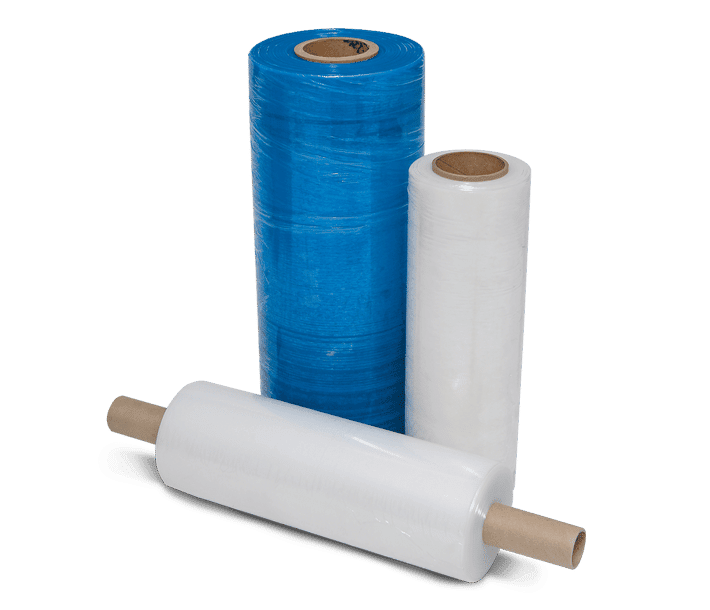
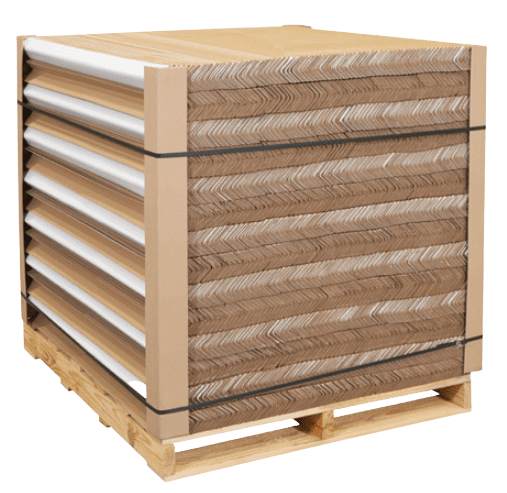
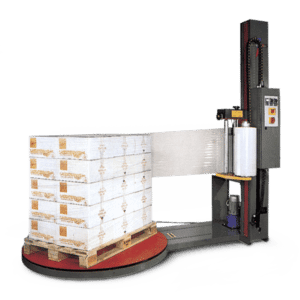
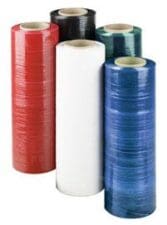
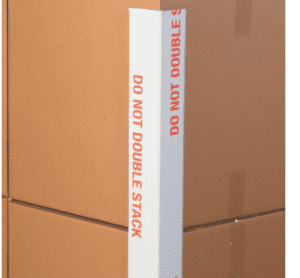
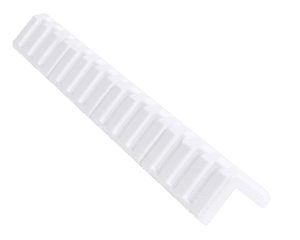
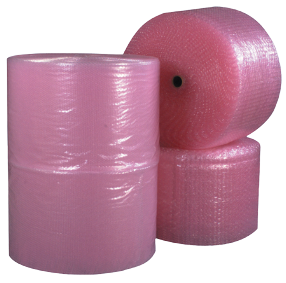
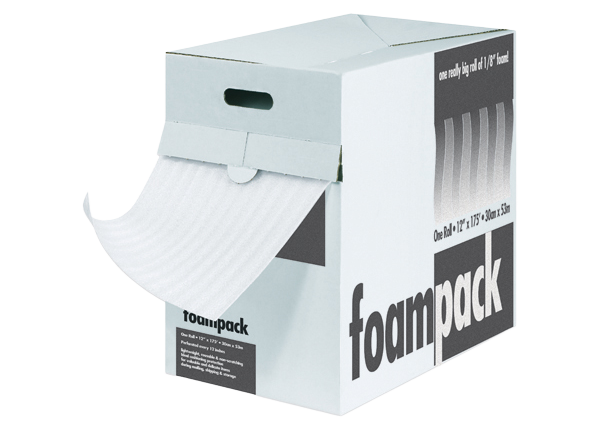
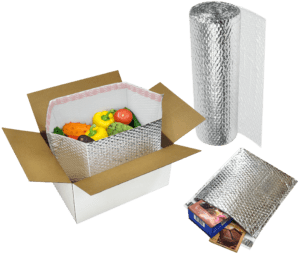
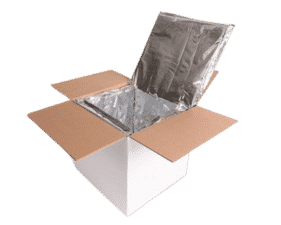
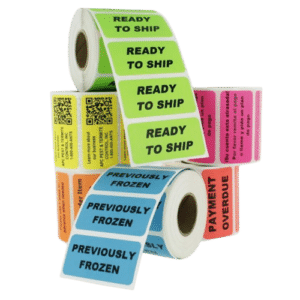
Our stock packaging products, from corrugated boxes to stretch film, offer a wide selection, including essentials like tape, edge protectors, labels, and more, with quick turnaround times to meet your packaging needs efficiently.


If you need any assistance with your packaging or have a question, then contact us directly at request@brownpackaging.com or (714)300-0650. Learn more about custom packaging by reading our blog posts on new and trending topics.

As the 2025 holiday season approaches, retailers are gearing up for what promises to be another bustling period of consumer activity. For brands looking to capitalize on this seasonal surge, Point of Purchase (POP) displays remain a crucial element in attracting customers and boosting sales. In this blog, we’ll explore effective strategies for retailers to prepare and utilize POP displays to maximize their impact during the holiday season. Understanding the Power of POP Displays POP displays are designed to catch the shopper’s eye and can be strategically placed to influence purchase decisions at critical points within the store. They are especially effective during the holiday season when competition for consumer attention is fierce. These displays can range from simple shelf talkers and countertop displays to elaborate floor stands and interactive kiosks. Benefits of POP Displays: Increased Visibility: Products featured in POP displays are more noticeable and more likely to be picked up. Enhanced Product Promotion: These displays can be used to promote special offers, new items, or holiday-specific products. Encourages Impulse Buys: Strategically placed displays can drive impulse purchases, significantly boosting sales. Brand Reinforcement: Well-designed displays reinforce brand messaging and create a memorable image in the consumer’s mind. Strategies for Effective POP Displays Start Planning Early Begin planning your POP display strategy well before the holiday season starts. Consider your sales data from previous years to identify which products sold well and how their placement influenced purchasing behavior. This data can guide your decisions on which products to promote and where to locate your displays. Design with the Holiday Spirit in Mind Design your displays to reflect the festive spirit of the holiday season. Use thematic elements like winter scenes, festive colors, and holiday motifs. Ensure that the design aligns with your brand’s image while also standing out in a crowded retail environment. Focus on High-Traffic Areas Place your POP displays in high-traffic areas of your store. Entrances, ends of aisles, and check-out counters are prime locations where displays can attract maximum shopper attention. Leverage Technology Integrate technology into your displays to create more engaging and interactive experiences. Digital screens can show product information, promotional videos, or interactive content that allows customers to engage directly with the display. Train Your Staff Ensure your staff is well-informed about the products featured in the POP displays and can effectively communicate their benefits to customers. Staff enthusiasm can complement the physical display, enhancing its overall impact. Monitor and Adapt Once your displays are in place, monitor their performance. Keep an eye on the products that are moving quickly and those that aren’t. Be prepared to make adjustments to your displays or the featured products based on real-time sales data and customer feedback. Conclusion POP displays are a powerful tool for retailers, especially during the holiday season. By planning effectively, designing with intent, placing displays strategically, incorporating technology, educating staff, and being adaptable, brands can maximize their impact and ensure a successful holiday sales period. As you prepare for the 2025 holidays, consider these strategies to make the most of your retail space and drive sales through effective use of POP displays. Happy holidays and happy selling! If you are interested in POP displays for the holiday season, then partner with Brown Packaging today to get started. (714)300-0650 request@brownpackaging.com Most Recent Posts: Categories: Corrugated Ecommerce ESD Design Display Flexible Packaging Foam Folding Carton Packaging Plastic Packaging Pouch Printing Protection Retail Rigid Box Thermoform Sustainability Subscribe To Our Newsletter By submitting your information, you agree to our terms and conditions and privacy policy. POP Display Facebook Twitter LinkedIn Pinterest Relevant Posts

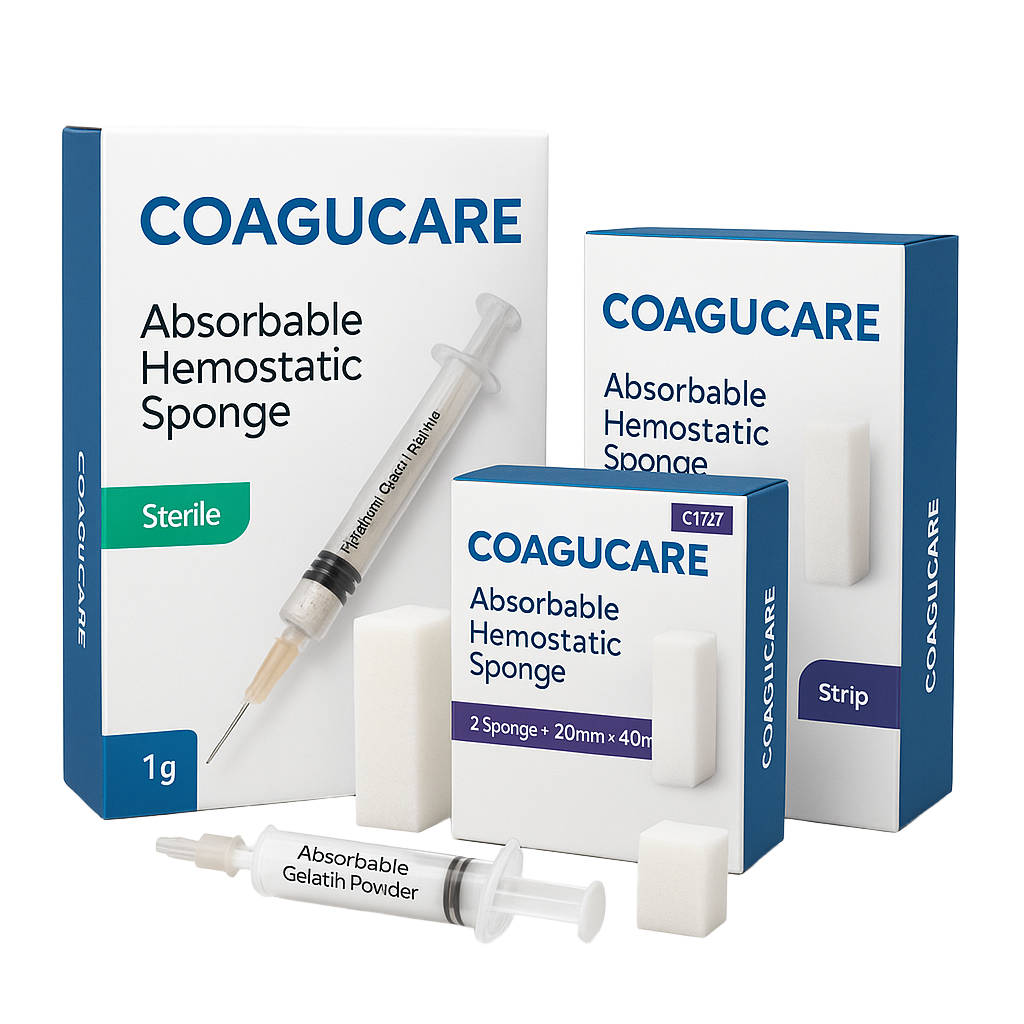
For pharmaceutical companies, sourcing packaging has become more complex in recent years. Tariffs on imported materials and printed components are creating pricing pressure, disrupting long-term contracts, and forcing many buyers to rethink where and how they source their packaging. Whether you rely on overseas suppliers or work with a domestic partner who sources internationally, tariffs can affect the cost and availability of critical packaging components like folding cartons, blister packs, inserts, and corrugated shippers. Here’s how to understand the impact—and what you can do to stay ahead. Know What’s Being Taxed Not all pharmaceutical packaging is affected by tariffs in the same way. Many of the items commonly used in pharma packaging fall under categories that have been hit with tariffs in recent U.S.–China trade actions. These may include: Printed folding cartons and inserts Blister pack materials (including PVC and foil) Corrugated shipper boxes Labels and leaflets Some specialty coatings and substrates Tariff rates can vary, depending on the material, country of origin, and current trade policy. What seems like a small increase per unit can lead to massive cost increases at scale. Review Your Supplier’s Origin and Production Model Even if your supplier is based in the U.S., they may still source raw materials, substrates, or finished packaging components from tariff-impacted countries. It’s important to ask: Where is each component of my packaging produced? Does the supplier import printed materials or raw board? Are any secondary processes (like lamination or foil stamping) outsourced overseas? Understanding your true supply chain origin helps you identify where the tariff risks are—so you can plan ahead. Reevaluate Total Cost of Ownership Increased tariffs often eliminate the price advantage that used to come with overseas packaging. When you factor in: Tariffs Rising freight costs Port delays and longer lead times Quality control or communication issues You may find that domestic packaging suppliers are now more competitive on both cost and reliability. Talk to Your Packaging Supplier About Domestic Alternatives If you’re concerned about exposure to tariffs, a proactive supplier should be able to: Offer U.S.-made or NAFTA-friendly alternatives Suggest design or material changes to reduce cost impact Help consolidate SKUs or adjust specs to simplify sourcing Provide packaging that meets FDA labeling and compliance requirements domestically Shifting to U.S.-based production doesn’t always mean higher cost—it often brings improved supply chain visibility, faster lead times, and fewer surprises. Factor Tariffs Into Long-Term Strategy If you’re renegotiating contracts, launching new SKUs, or scaling production, factor tariff risk into your 12–24 month outlook. Ask your supplier: Can they lock in pricing or hold stock domestically? Do they have backup sourcing options if trade rules change again? Are they monitoring tariff changes and proactively communicating impacts? Being reactive to tariffs leads to missed margins and production delays. Building flexibility into your packaging strategy now can protect your product pipeline later. Final Thoughts Tariffs are no longer a temporary nuisance—they’re a permanent part of global sourcing. For pharmaceutical brands, that means understanding where your packaging is coming from, how trade policy affects it, and what options exist to reduce risk and cost. Looking for help minimizing tariff exposure on your pharmaceutical packaging?We can walk you through domestic solutions, supply chain planning, and structural design adjustments to keep your product protected and your packaging program compliant. (714)300-0650 request@brownpackaging.com Most Recent Posts: Categories: Corrugated Ecommerce ESD Design Display Flexible Packaging Foam Folding Carton Packaging Plastic Packaging Pouch Printing Protection Retail Rigid Box Thermoform Sustainability Subscribe To Our Newsletter By submitting your information, you agree to our terms and conditions and privacy policy. Medical Packaging Facebook Twitter LinkedIn Pinterest Relevant Posts

Your packaging budget isn’t just about cost—it’s about timing, opportunity, and alignment with your business goals. Sticking with the same spend year after year might feel safe, but it could be holding back your growth, hurting efficiency, or wasting resources. Whether you’re overspending or under-investing, here are the moments that should prompt you to revisit your packaging strategy and budget. You’re Launching a New Product or SKU A new product deserves more than a recycled box layout. New sizes, audiences, or channels often call for a different structure, material, or finish. Why it matters:New SKUs are an opportunity to streamline, improve presentation, and rethink how much you’re really spending—and what that packaging is saying about your brand. You’re Expanding Into Retail Retail-ready packaging often has very different requirements than e-commerce or wholesale. Club stores, chains, and boutique retailers all expect shelf presence, compliance, and clean branding. Why it matters:Retail packaging might require a higher initial investment, but it must deliver on visibility, protection, and speed of setup—making your budget worth every cent. You’re Experiencing Increased Damage or Returns If your return rate is creeping up due to shipping damage, broken seals, or crushed boxes, it’s not just a fulfillment problem—it’s a packaging problem. Why it matters:Investing in stronger board grades, better inserts, or improved closures can reduce product loss, customer complaints, and return shipping costs—saving more in the long run. Your Shipping and Fulfillment Costs Are Rising Higher freight bills or warehouse inefficiencies are often tied to inefficient packaging: oversized boxes, time-consuming assembly, or mismatched pallets. Why it matters:This is the moment to reallocate budget toward structural redesign or automation-friendly packaging that reduces labor, materials, and dimensional weight. You’re Rebranding or Updating Product Presentation Visual upgrades require packaging that reflects your new identity. Fonts, color palettes, finishes, and unboxing elements all play a role in reinforcing your new look. Why it matters:A rebrand without packaging alignment creates disconnect. It’s worth reevaluating spend to ensure your packaging amplifies—not undercuts—your brand’s direction. You’re Scaling Fast Rapid growth often exposes flaws in outdated packaging systems. What worked at 1,000 units a month might break down—or blow out your budget—at 50,000. Why it matters:Scale brings leverage. You may need to spend more upfront for better design and automation, but the unit cost savings and operational gains are well worth it. Your Customer Expectations Have Changed Today’s buyers care about sustainability, ease of use, and presentation. If you’re receiving feedback about excess packaging, hard-to-open boxes, or lackluster branding—listen. Why it matters:Updating your packaging to meet expectations may cost more or less—but it’s worth reevaluating where your current spend is going and if it’s achieving the right impact. Final Thoughts A packaging budget isn’t just about reducing costs—it’s about investing wisely based on where your business is going. When the moment is right, a budget shift can unlock better efficiency, stronger branding, and fewer downstream issues. Not sure if it’s time to revisit your budget?We’ll help you identify key triggers, analyze your packaging ROI, and guide you toward smarter, more strategic spend that supports your goals. Need help sourcing or designing your custom pouches?We’re here to walk you through every step—from material selection and printing to structural design and compliance. (714)300-0650 request@brownpackaging.com Most Recent Posts: Categories: Corrugated Ecommerce ESD Design Display Flexible Packaging Foam Folding Carton Packaging Plastic Packaging Pouch Printing Protection Retail Rigid Box Thermoform Sustainability Subscribe To Our Newsletter By submitting your information, you agree to our terms and conditions and privacy policy. Custom Packaging Facebook Twitter LinkedIn Pinterest Relevant Posts