




window.uetq = window.uetq || []; window.uetq.push(‘event’, ‘submit_lead_form’,{ event_label:‘SUBMIT MESSAGE’ }); window.lintrk('track', { conversion_id: 10271009 }); window.lintrk('track', { conversion_id: 10271017 });

Stock Packaging

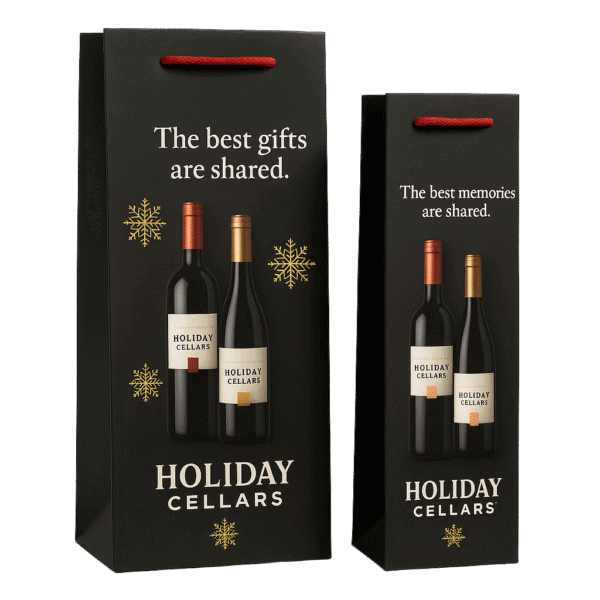
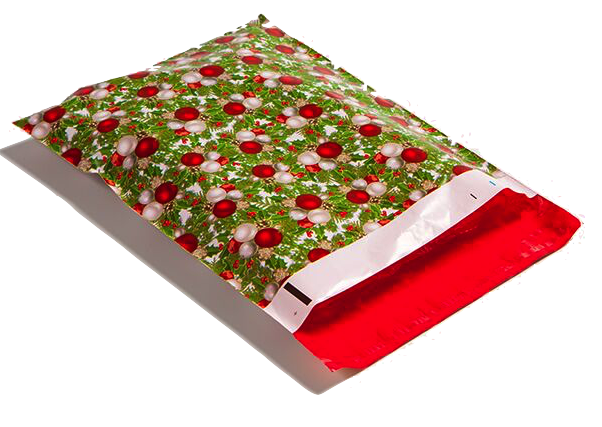
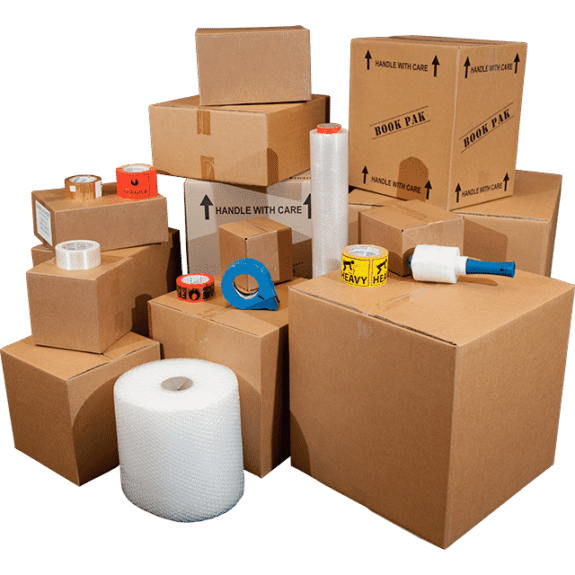
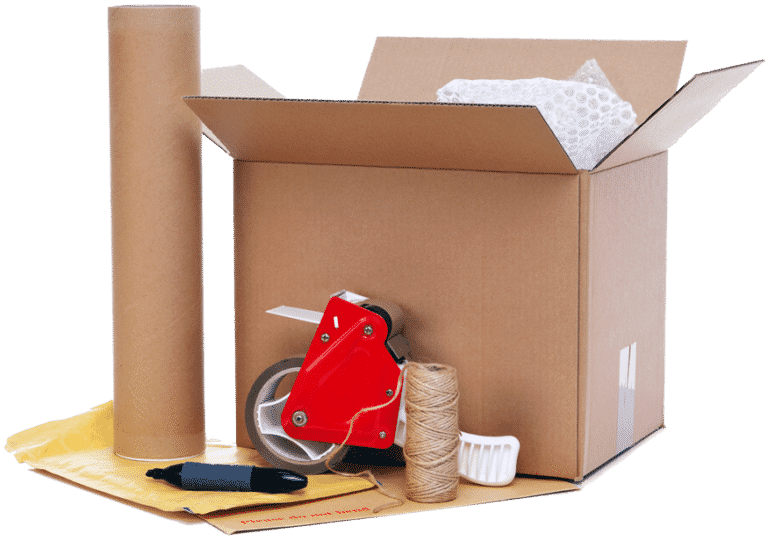
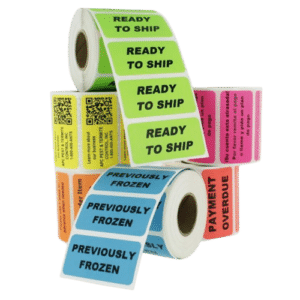
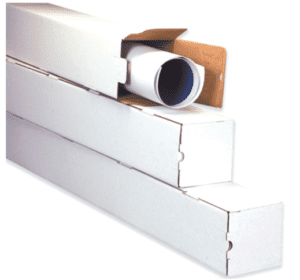
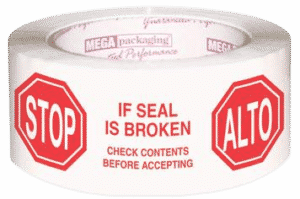
We supply businesses with a wide selection of essential packaging, shipping, and warehouse supplies. Get any standard packaging product by dimension or style from boxes, tubes, tapes, labels, and more. If you are unsure on what type of packaging you will need, then contact us for an expert consultation.


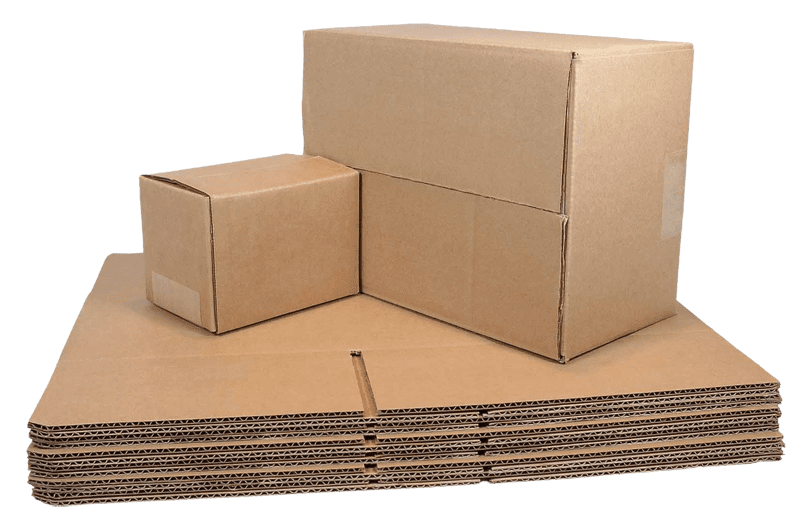
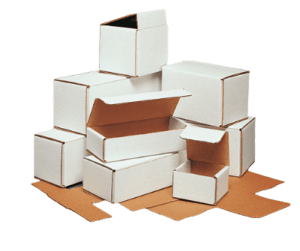
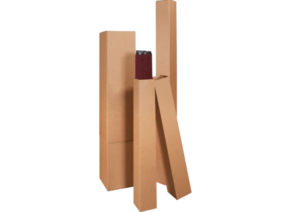
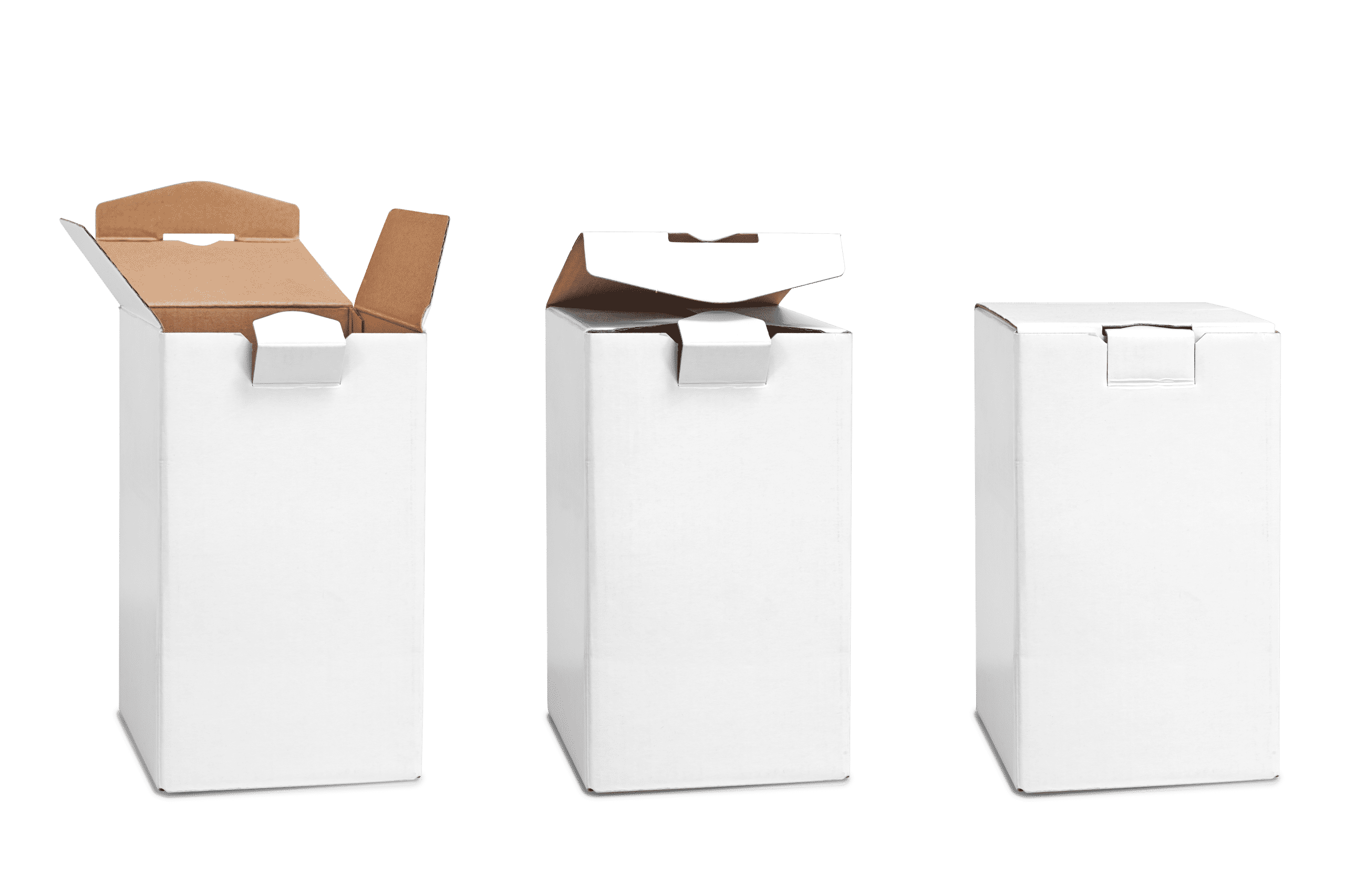
Stock packaging refers to pre-made, ready-to-ship packaging solutions like corrugated boxes, mailers, and protective materials that are designed to meet a wide range of standard needs across shipping, retail, and storage. Unlike custom packaging, stock options offer quick availability and reliable protection without the need for extensive design or production time, making them ideal for businesses needing efficient, high-quality solutions with fast lead times.

At Brown Packaging, we focus on providing durable, performance-driven stock packaging that supports our clients’ operational needs. Our stock products are sourced to ensure consistent quality and cost-effectiveness, offering a practical solution to keep operations running smoothly and on schedule. With an emphasis on reliability, we help our clients quickly access packaging solutions that meet their specific needs while maintaining quality across every order.

stock packaging products

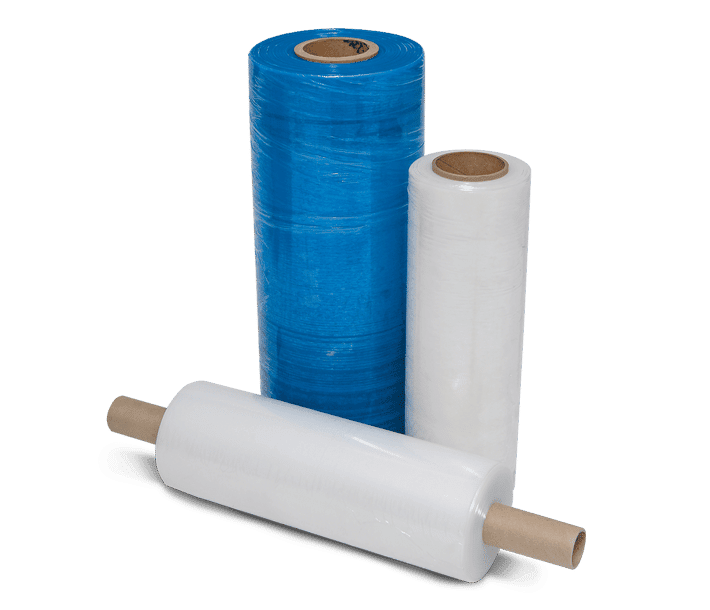
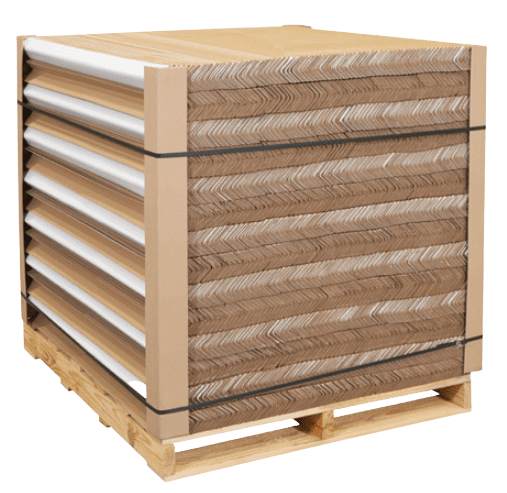
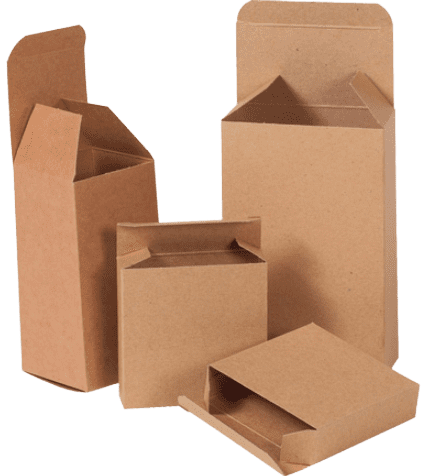
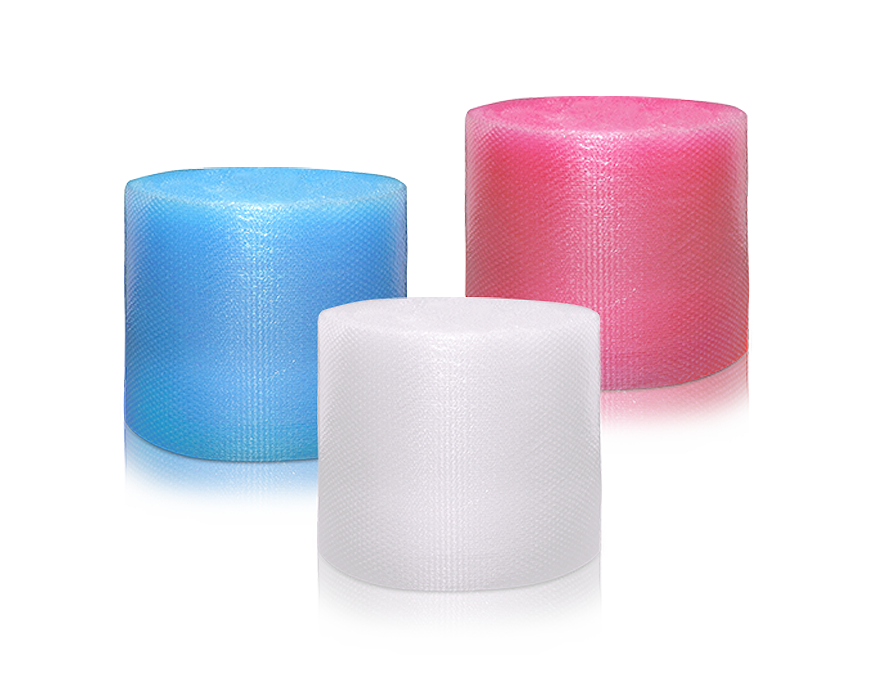
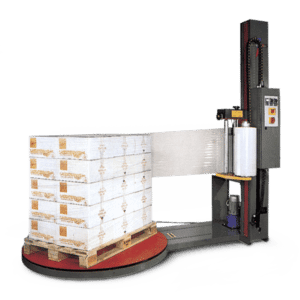
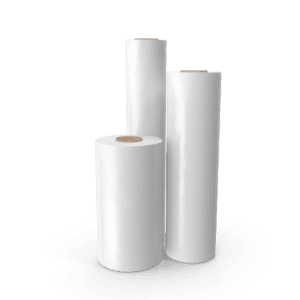
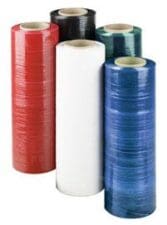
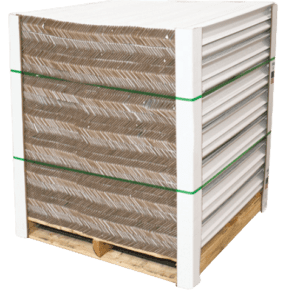
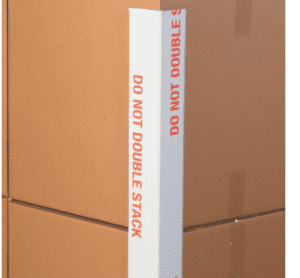
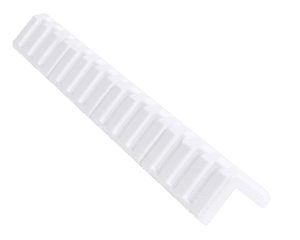
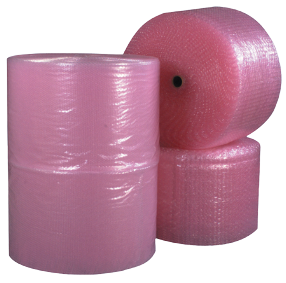
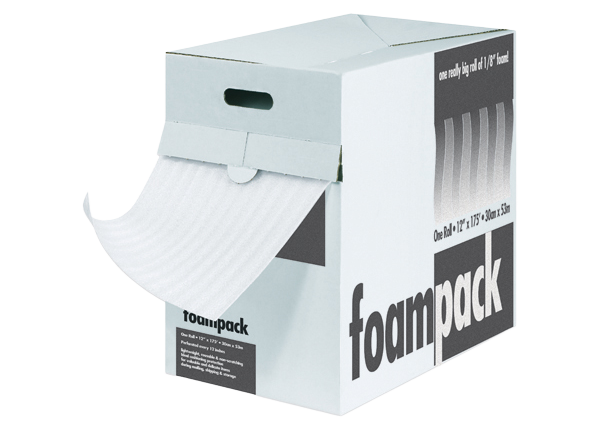
Our stock packaging products, from corrugated boxes to stretch film, offer a wide selection, including essentials like tape, edge protectors, labels, and more, with quick turnaround times to meet your packaging needs efficiently.

Edit Content
Edit Content
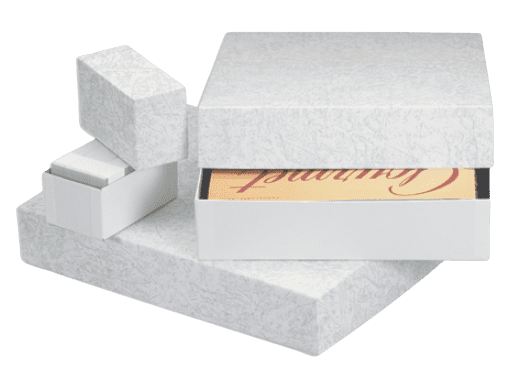
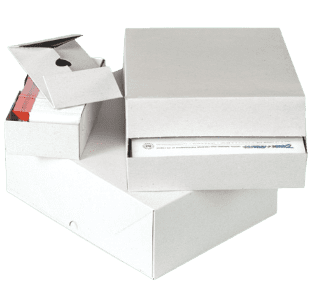
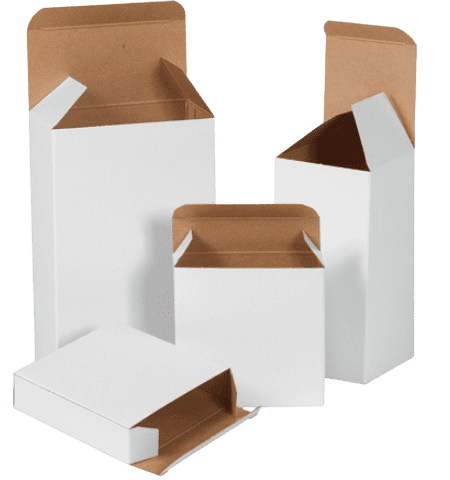
Folding Cartons
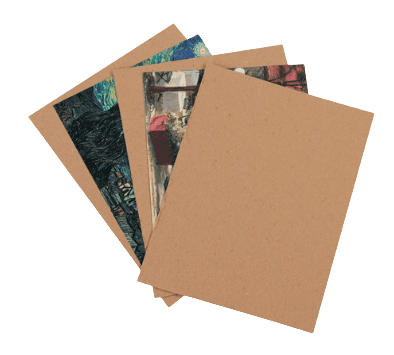
Pads
Apparel Boxes
Jewelry Boxes
Setup Cartons
Stationary Cartons
Edit Content
Cast Film
Blown Film
Conventional Film
Engineered Film
Pre-Stretched Film
Hand Film
Machine Film
Edit Content
Light Duty
Medium Duty
Heavy Duty
Foam
Strapping
Frame Protectors
Edit Content
Edit Content
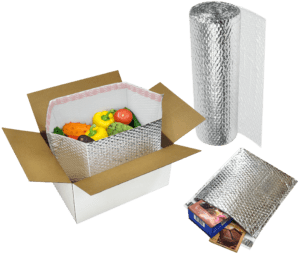
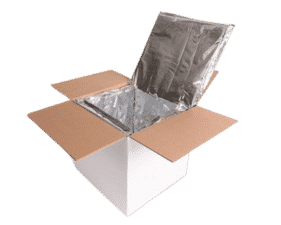
Box Liner
Metalized Pouch
Foam Cooler
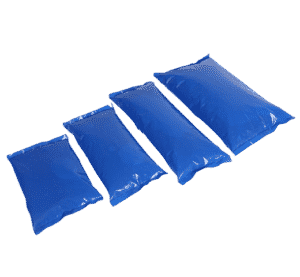
Ice Pack
Gel Pack
Edit Content
Edit Content
Edit Content
Folding Cartons
Pads
Apparel Boxes
Jewelry Boxes
Setup Cartons
Stationary Cartons
Edit Content
Cast Film
Blown Film
Conventional Film
Engineered Film
Pre-Stretched Film
Hand Film
Machine Film
Edit Content
Click on the Edit Content button to edit/add the content.
Edit Content
Edit Content
Box Liner
Metalized Pouch
Foam Cooler
Ice Pack
Gel Pack
Edit Content

If you need any assistance with your packaging or have a question, then contact us directly at request@brownpackaging.com  or  (714)300-0650. Learn more about custom packaging by reading our blog posts on new and trending topics.

custom printed lay flat pouch multiple skus
Pouch
brownpackaging
Best Packaging Strategy for Multi-SKU Pouches

Multi-SKU product lines offer variety, but when it comes to packaging, they also create complexity. Whether you’re offering different flavors, sizes, formulas, or bundle combinations, choosing the right approach for packaging pouches across multiple SKUs is key to keeping things organized, cost-effective, and retail-ready. In this blog, we break down the smartest ways to handle multi-SKU pouch packaging and what strategies can simplify your process while maximizing shelf appeal. Why Multi-SKU Pouch Packaging Needs a Strategy If your product line includes multiple variations—like a protein powder in four flavors, or snacks in ten varieties—you’ll likely be working with multiple pouch designs and potentially different sizes. Without a plan, this can lead to over-ordering, poor inventory control, mismatched branding, and increased lead times. A strategic approach to multi-SKU pouch packaging helps you: Streamline production and inventory Maintain consistent branding across all variations Improve packaging efficiency for both retail and e-commerce Reduce waste and minimize packaging costs Choose the Right Pouch Format for All SKUs The first step is selecting a pouch format that can work across your entire SKU range. This simplifies your sourcing, design process, and shipping logistics. Common formats that work well across SKUs: Stand-up pouches for shelf presence Flat pouches for sample sizes or low-profile products Zipper pouches for resealability and convenience Printed roll stock if you need to automate pouch forming in-house Sticking to a single pouch style for all SKUs—just with design changes—makes production and fulfillment smoother. Leverage Digital Printing for Design Flexibility For brands managing 3, 5, or even 20+ SKUs, digital printing is a game-changer. It allows you to print multiple unique designs within the same run—no plate changes, no additional setup costs. Digital printing benefits for multi-SKU pouch packaging: Easy design versioning across SKUs Lower MOQs for each version Fast turnarounds to respond to changing demand Great for product launches, seasonal releases, or subscription boxes If you’re scaling or testing new SKUs, digital lets you stay nimble without sacrificing quality. Bundle Multi-SKUs with Custom Kits or Displays For brands selling multiple pouch SKUs in one package (like variety packs), consider custom kitting, inserts, or countertop displays that hold your pouches together in one unit. This is especially useful for: Subscription snack kits Sample sets or gift boxes Seasonal bundles Cross-promotional packs You can use corrugated boxes, rigid kits, or even printed sleeves and belly bands to package multiple SKUs in a clean, retail-ready format. Labeling and Inventory Tips Managing multiple SKUs means more SKUs to track. Here’s how to keep things efficient: Use consistent dielines across all pouch sizes if possible Make sure each pouch design includes a unique barcode or QR Include clear product names and variation callouts (like flavor or strength) Store digital print files in a system that makes future updates easy A well-labeled pouch not only helps in inventory—it also helps customers know exactly what they’re getting. Final Thoughts Packaging multiple SKUs with pouches doesn’t have to be overwhelming. With the right combination of standardized formats, flexible printing, and smart kitting or bundling, you can keep your operations lean while still offering the variety your customers love. Need help building a multi-SKU pouch strategy?We’ll help you find the right pouch, printing method, and packaging system that fits your brand and simplifies your workflow. (714)300-0650 request@brownpackaging.com Most Recent Posts: Categories: Corrugated Ecommerce ESD Design Display Flexible Packaging Foam Folding Carton Packaging Plastic Packaging Pouch Printing Protection Retail Rigid Box Thermoform Sustainability Subscribe To Our Newsletter By submitting your information, you agree to our terms and conditions and privacy policy. Custom Packaging Facebook Twitter LinkedIn Pinterest Relevant Posts

Read More »
gusseted pouch
Pouch
brownpackaging
15 Custom Pouch Packaging Tips for Buyers

Custom pouch packaging is one of the most flexible, lightweight, and brand-forward packaging formats on the market today. From snacks and supplements to beauty and pet products, pouches allow for high-impact design, excellent functionality, and efficient storage and shipping. But if you’re new to buying custom pouches—or just looking to improve your results—knowing what to look for can make a major difference in cost, lead times, and overall success. Here are 15 essential tips to guide you through the process and help you make the most informed decisions when it comes to sourcing and customizing your pouch packaging. Define Product Requirements Pick the Right Pouch Style Consider Barrier Protection Choose Closure Features Focus on Shelf Appeal Decide Print Method Early Get a Proper Dieline Choose Custom vs. Standard Sizes Request Samples First Follow Labeling Requirements Plan for MOQ and Lead Time Optimize Storage & Shipping Use Digital for Versioning Ask About Sustainability Options Work With a Knowledgeable Partner Define Your Product Requirements First Start by identifying key product needs: weight, volume, shelf life, and how it will be stored or displayed. This helps determine the right size, material, and features from the beginning. Choose the Right Pouch Style Common pouch types include stand-up, flat, spouted, and quad-seal. Each format offers unique benefits depending on your product’s structure and usage. Consider Barrier Needs What are you protecting against—moisture, oxygen, UV light? Select materials with the right barrier layers to maintain freshness and prevent spoilage. Think About Closure Options Zippers, tear notches, hang holes, and spouts all impact convenience, reusability, and display. Choose closures based on consumer experience and product use. Prioritize Shelf Impact Your pouch should stand out on the shelf or in e-commerce photos. Bold graphics, clean branding, and well-placed messaging make all the difference. Plan for Print Method Early Flexo, digital, and rotogravure printing each have pros and cons based on run size, lead time, and graphic complexity. Match your volume and timeline to the right print process. Get the Right Dieline for Your Design Team Request a dieline template from your packaging supplier to ensure artwork is correctly laid out, with allowances for trim, folds, zippers, and seals. Choose Custom or Standard Sizes Wisely Custom sizes maximize fit and branding, but standard sizes may reduce cost and lead time. Discuss both with your supplier to find the best balance. Request Samples First Always request physical samples or mockups before committing to production—this helps you verify fit, material quality, and function. Labeling Requirements Matter Make sure your design meets FDA, USDA, or industry-specific labeling guidelines. Ingredient lists, net weight, and barcodes should be legible and compliant. Plan for MOQ and Lead Time Minimum order quantities vary by print method and supplier. Plan your order based on your volume needs and when you need product in hand. Don’t Overlook Storage & Shipping Efficiency Flexible pouches are great for space-saving, but size, palletization, and box count still matter. Work with your vendor to optimize how they’ll ship and store. Versioning? Go Digital. If you’re launching multiple SKUs, seasonal versions, or limited runs, digital printing offers the best flexibility without extra plate costs. Ask About Sustainability Options Looking to reduce waste or go green? Many suppliers now offer recyclable, compostable, or post-consumer recycled (PCR) pouch options. Work With a Knowledgeable Partner Your packaging vendor should do more than print—they should help guide you with material selection, regulatory insight, and design alignment. Final Thoughts Custom pouch packaging gives you flexibility, speed, and premium branding in a lightweight format—but only if you approach it with the right strategy. These 15 tips can help you avoid common mistakes, control costs, and get packaging that works as hard as your product does. (714)300-0650 request@brownpackaging.com Most Recent Posts: Categories: Corrugated Ecommerce ESD Design Display Flexible Packaging Foam Folding Carton Packaging Plastic Packaging Pouch Printing Protection Retail Rigid Box Thermoform Sustainability Subscribe To Our Newsletter By submitting your information, you agree to our terms and conditions and privacy policy. Custom Pouches Facebook Twitter LinkedIn Pinterest Relevant Posts

Read More »
Custom Subscription Box
Packaging
brownpackaging
Is Your Packaging Costing You More Than It Should?

Packaging isn’t just a box or a bag—it’s a line item on your budget, a touchpoint with your customer, and a critical part of your supply chain. But what many companies don’t realize is that their packaging may be costing them more than it should—not just in materials, but in storage, shipping, damage, and customer experience. If you haven’t taken a close look at your packaging setup lately, now’s the time to assess whether it’s helping or hurting your bottom line. Oversized Packaging = Wasted Money It’s a common mistake: using a box that’s much larger than the product. Not only does this require more void fill, it also increases your dimensional shipping weight, which drives up freight costs—especially for e-commerce and parcel shipping. Solution:Switch to right-sized packaging or explore mailer alternatives like poly mailers or custom die-cut corrugated options that hug the product more closely. Over-Engineering Without Added Benefit It’s easy to assume stronger means better—but not every product needs double-wall corrugated, high-end inserts, or expensive finishes. If your packaging is doing more than it needs to, you’re likely paying for protection or features your customer doesn’t notice or value. Solution:Review your structural design and board grade. A packaging engineer can help you optimize for the product’s weight and fragility without overspending on material. Inefficient Packaging Leads to Higher Labor Costs Packaging that’s hard to assemble, overcomplicated, or inconsistent can slow down fulfillment and increase errors. Solution:Use auto-lock bottom boxes, pre-folded cartons, or streamlined assembly instructions to reduce pack time, labor cost, and error rates. Your Shipping and Fulfillment Costs Are Rising Higher freight bills or warehouse inefficiencies are often tied to inefficient packaging: oversized boxes, time-consuming assembly, or mismatched pallets. Why it matters:This is the moment to reallocate budget toward structural redesign or automation-friendly packaging that reduces labor, materials, and dimensional weight. Storage and Shipping Inefficiencies If your packaging takes up too much warehouse space or doesn’t palletize efficiently, you’re losing money in storage and shipping before a product even leaves your facility. Solution:Work with your supplier to optimize dimensions for palletization and warehouse stacking. You may be able to reduce total storage volume or fit more units per shipment. Damage and Returns Are Killing Margins If your packaging fails in transit—even occasionally—the cost of returns, replacements, and negative reviews can quickly outweigh the cost of upgrading your packaging. Solution:If you’re seeing damage or breakage rates over 1–2%, it’s time to audit your box strength, inserts, and material choices. Improving packaging here is a direct path to better margins. Missed Opportunities with Branding Generic packaging may be cheaper—but it can cost you in brand recognition, customer loyalty, and perceived value. If your packaging doesn’t reflect your product quality, customers may assume it’s lower value. Solution:Consider affordable branding upgrades like one-color flexo print, interior printing, or custom labels to make a stronger impression without blowing the budget. Final Thoughts If you’re only looking at unit cost when reviewing packaging, you’re missing the bigger picture. True packaging costs include materials, shipping, labor, storage, damage, and brand perception. Ready to find out if your packaging is costing more than it should?We’ll help you audit your current setup and identify opportunities to save money—without compromising quality, protection, or your customer experience. (714)300-0650 request@brownpackaging.com Most Recent Posts: Categories: Corrugated Ecommerce ESD Design Display Flexible Packaging Foam Folding Carton Packaging Plastic Packaging Pouch Printing Protection Retail Rigid Box Thermoform Sustainability Subscribe To Our Newsletter By submitting your information, you agree to our terms and conditions and privacy policy. Custom Packaging Facebook Twitter LinkedIn Pinterest Relevant Posts

Read More »