



Stock Packaging
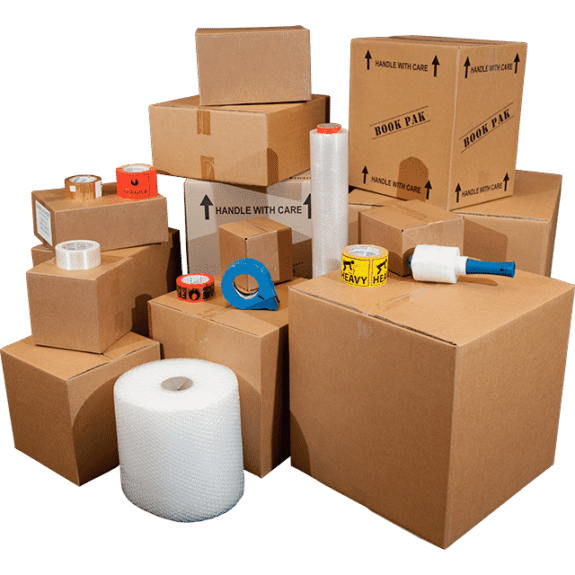
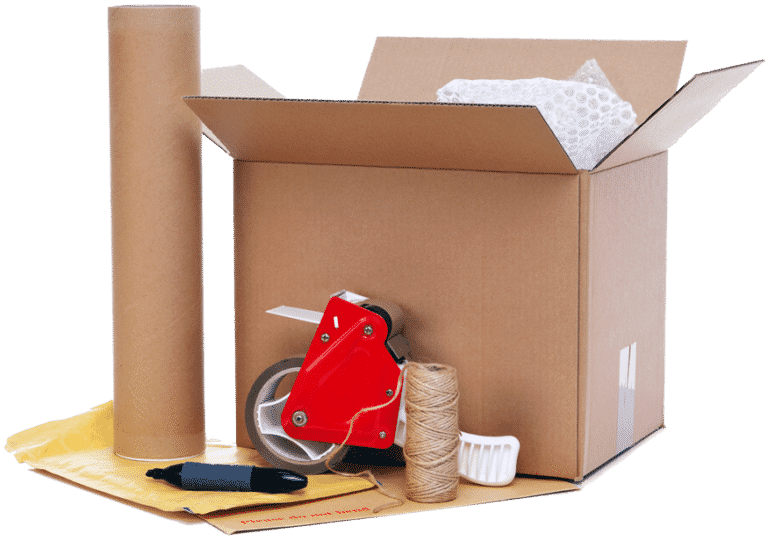
We supply businesses with a wide selection of essential packaging, shipping, and warehouse supplies. Get any standard packaging product by dimension or style from boxes, tubes, tapes, labels, and more. If you are unsure on what type of packaging you will need, then contact us for an expert consultation.


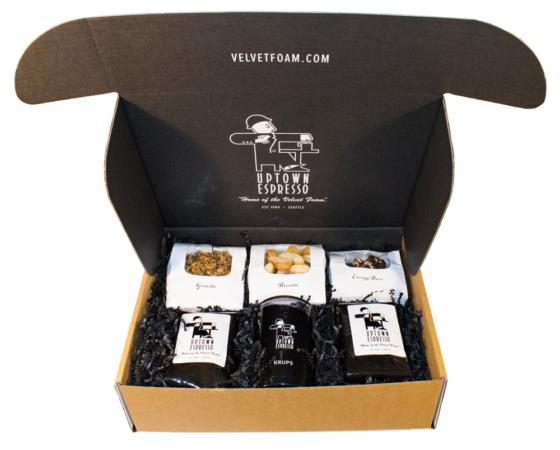
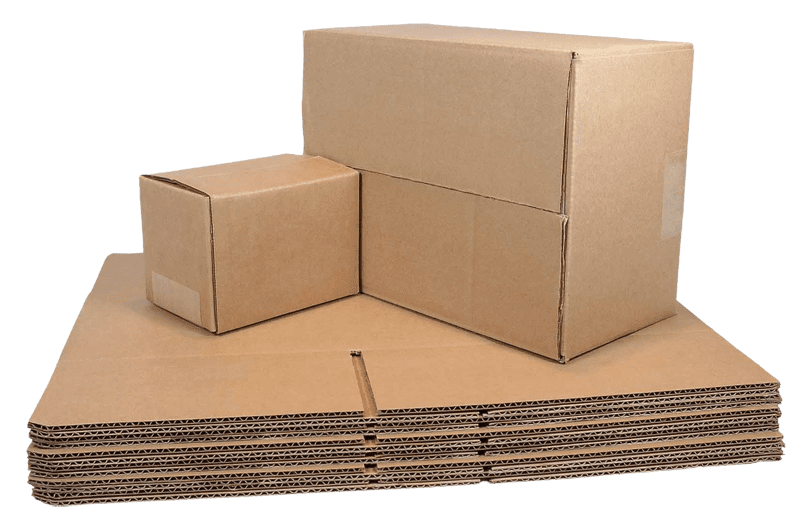
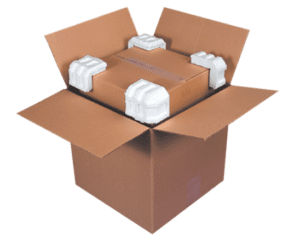
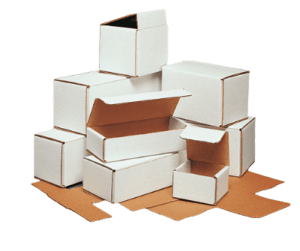
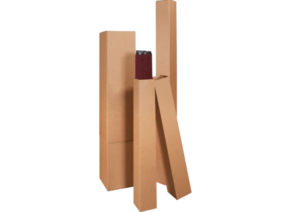
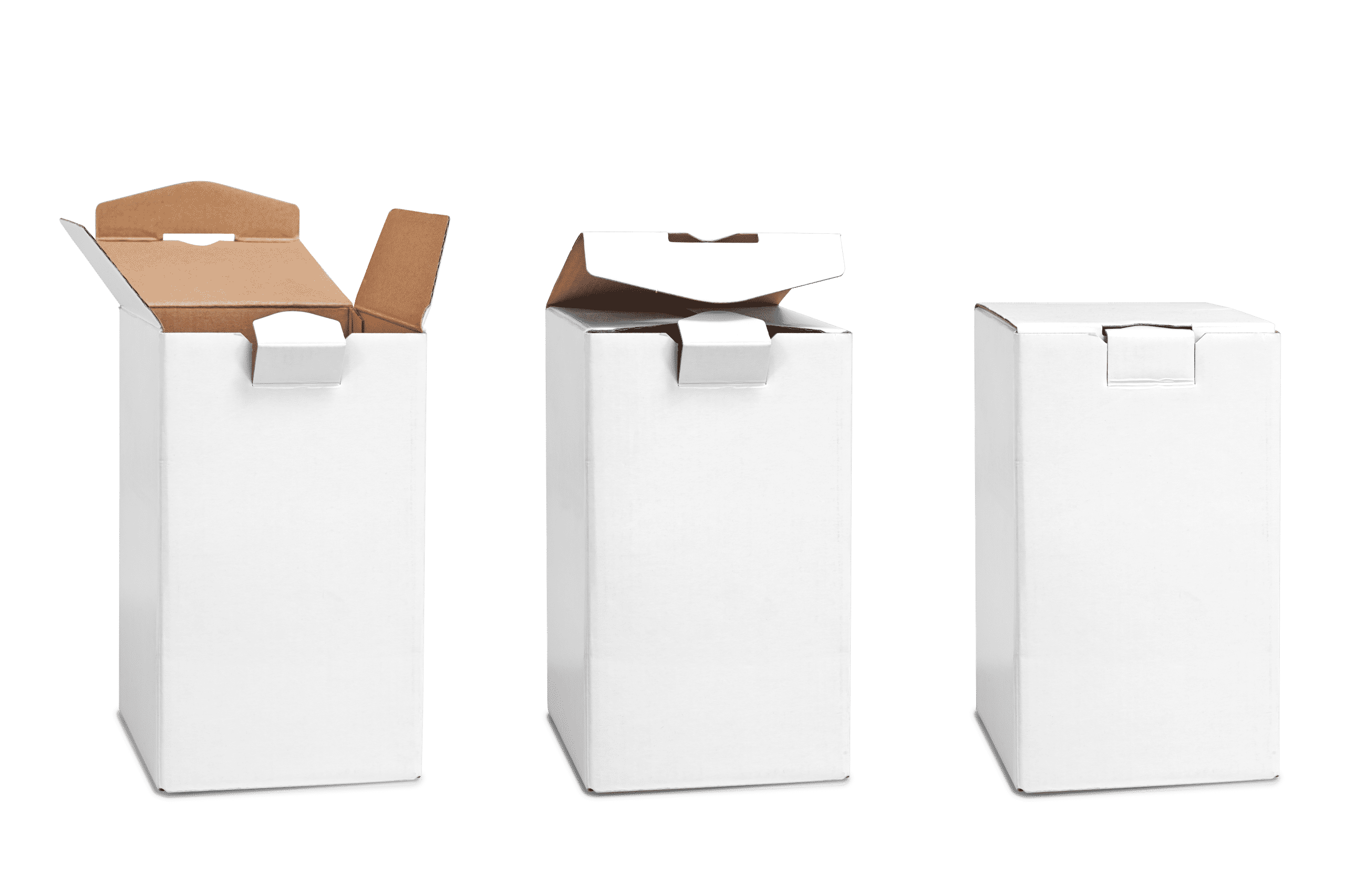
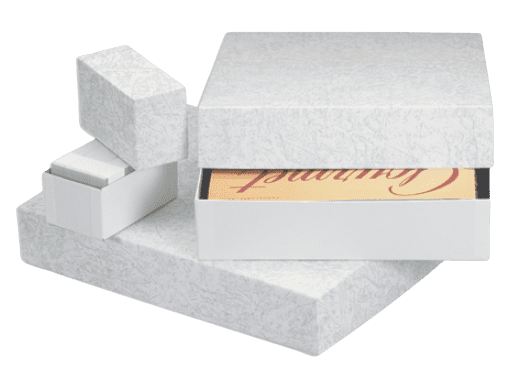
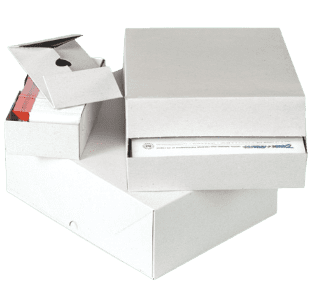
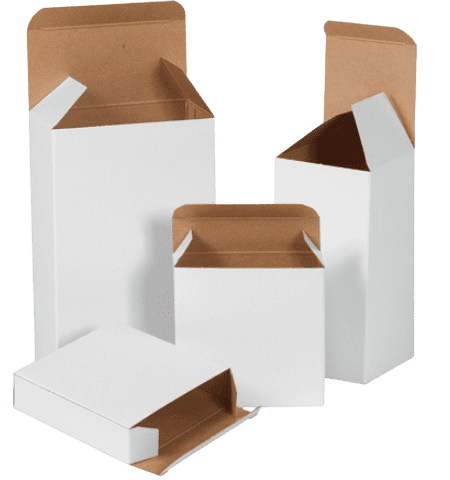
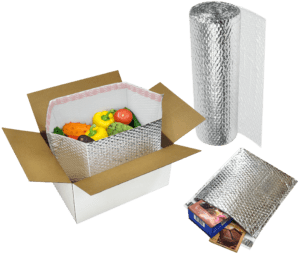
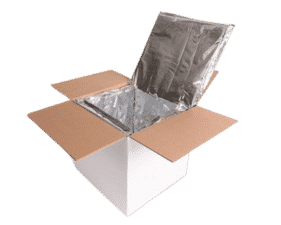
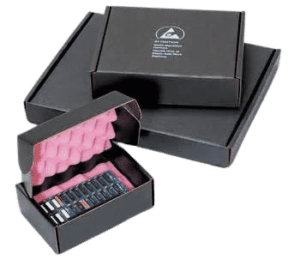
Stock packaging refers to pre-made, ready-to-ship packaging solutions like corrugated boxes, mailers, and protective materials that are designed to meet a wide range of standard needs across shipping, retail, and storage. Unlike custom packaging, stock options offer quick availability and reliable protection without the need for extensive design or production time, making them ideal for businesses needing efficient, high-quality solutions with fast lead times.
At Brown Packaging, we focus on providing durable, performance-driven stock packaging that supports our clients’ operational needs. Our stock products are sourced to ensure consistent quality and cost-effectiveness, offering a practical solution to keep operations running smoothly and on schedule. With an emphasis on reliability, we help our clients quickly access packaging solutions that meet their specific needs while maintaining quality across every order.
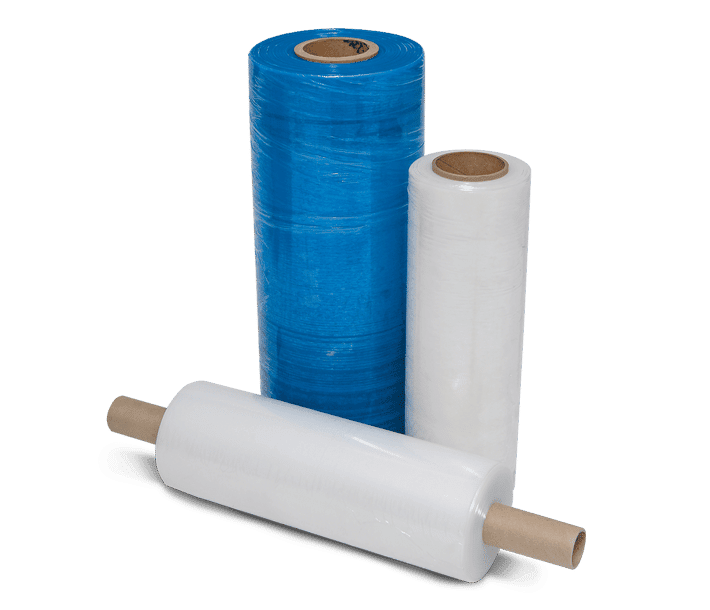
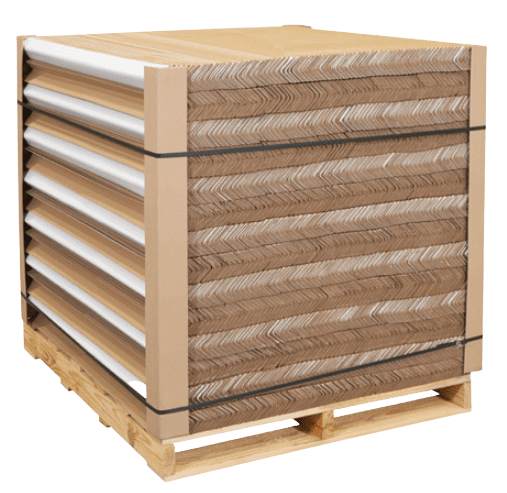
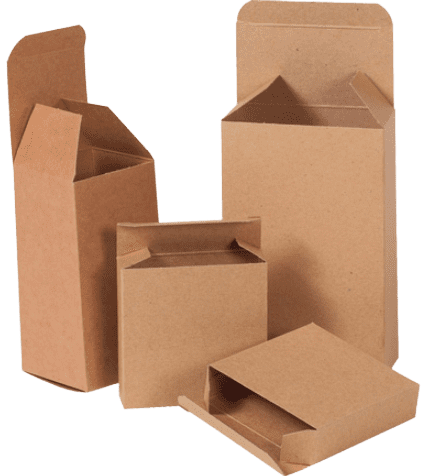
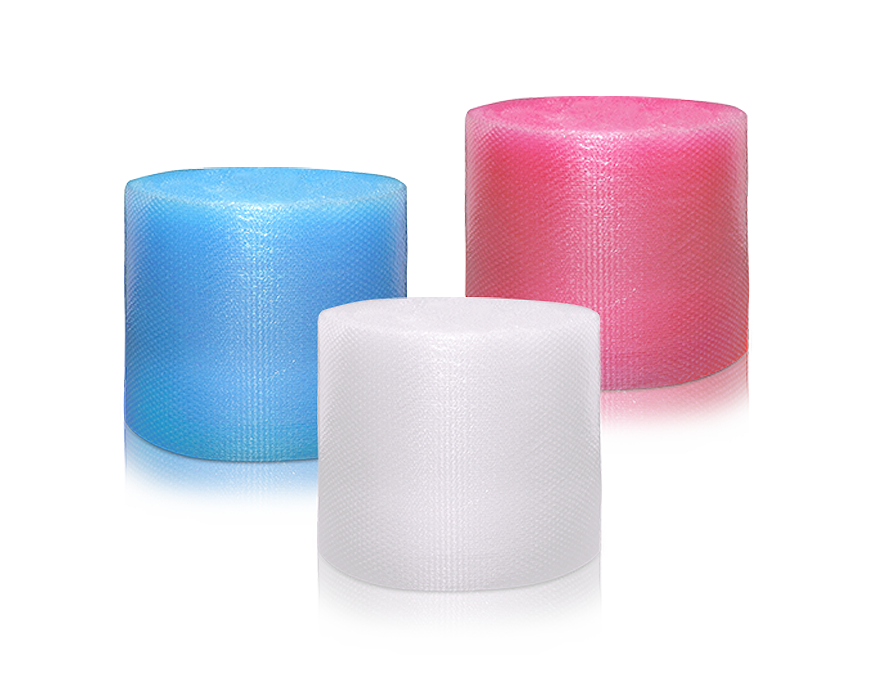
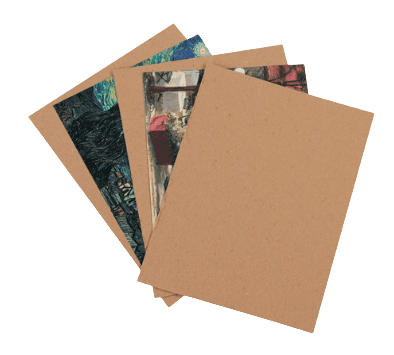
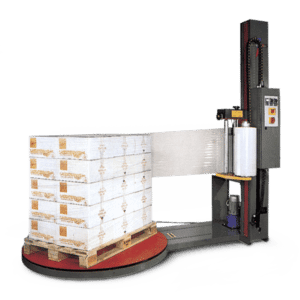
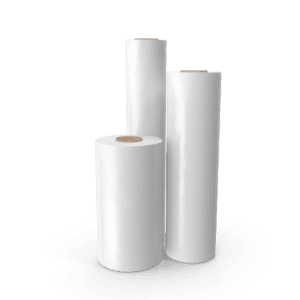
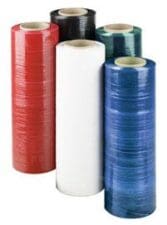
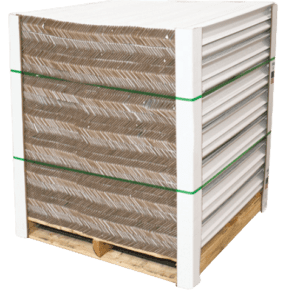
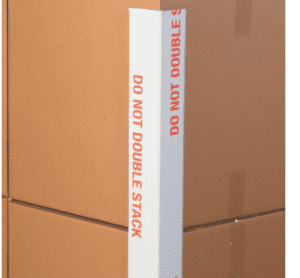
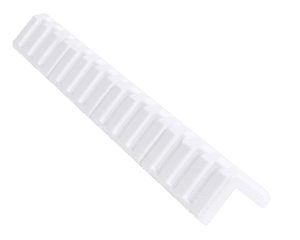
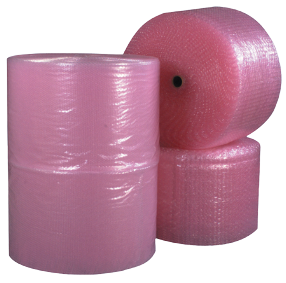
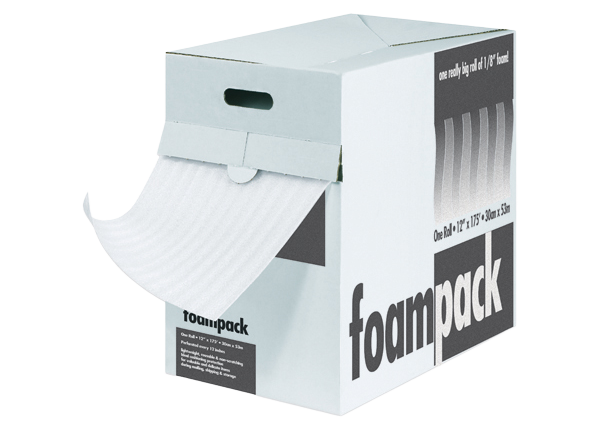
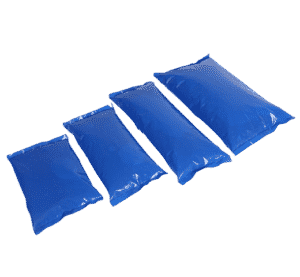
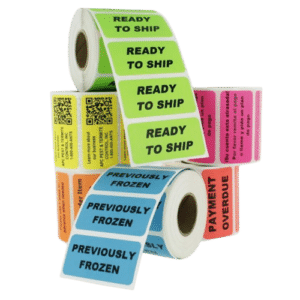
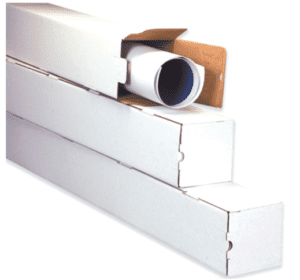
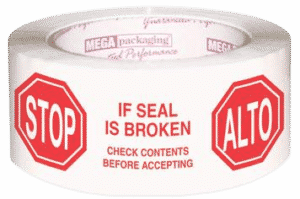
Our stock packaging products, from corrugated boxes to stretch film, offer a wide selection, including essentials like tape, edge protectors, labels, and more, with quick turnaround times to meet your packaging needs efficiently.


If you need any assistance with your packaging or have a question, then contact us directly at request@brownpackaging.com or (714)300-0650. Learn more about custom packaging by reading our blog posts on new and trending topics.

A great packaging supplier can do more than just deliver boxes or pouches—they can become a valuable partner in your product’s success. When you build a strong relationship with your packaging supplier, you gain access to faster turnarounds, better pricing, proactive support, and long-term consistency. In today’s competitive and fast-moving market, that kind of partnership gives your business a real edge. Here’s how to establish that relationship—and the key benefits that come with it. Communicate Clearly and Early Start by giving your supplier a complete picture of your packaging needs: product type, order volumes, launch schedules, compliance requirements, and goals. The more context they have, the better they can help you make smart decisions on materials, lead times, and design. ✅ Avoid last-minute changes✅ Get recommendations tailored to your product✅ Build trust from day one Be Transparent About Forecasts and Timelines Suppliers value visibility. If you can share estimated launch dates, repeat order timelines, or growth projections, it helps your supplier plan production capacity and manage materials more efficiently—often leading to smoother fulfillment and fewer delays. ✅ Easier to secure stock or rush jobs✅ Priority treatment on reorders✅ Better planning on both sides Ask for Input and Be Open to Advice A knowledgeable supplier sees a wide range of packaging projects across industries. Ask for their input on things like design layouts, material upgrades, cost-saving tweaks, or retail display improvements. The more you lean on their expertise, the more value they can bring beyond just delivering product. ✅ Get smarter solutions you may not have considered✅ Avoid design or material issues early✅ Improve packaging performance over time Give Feedback—Positive or Negative A good supplier wants to hear if something’s not right—whether it’s a missed delivery window or an issue with print quality. Clear, respectful feedback helps your supplier fix issues quickly and improve future orders. Likewise, let them know what they’re doing right so that performance continues. ✅ Helps refine quality and service✅ Prevents repeat issues✅ Builds a culture of accountability Consolidate More Products with One Trusted Partner The more your supplier handles—whether it’s boxes, pouches, inserts, or displays—the more efficient your packaging operation becomes. You reduce touchpoints, simplify coordination, and may even qualify for better pricing through bundled or volume-based deals. ✅ Fewer vendors to manage✅ More consistent branding and quality✅ Potential cost savings through volume Think Long-Term Don’t treat packaging as a short-term transaction. When you invest in a long-term relationship, your supplier gets to know your brand, your expectations, and your product cycles. That deeper understanding leads to better service, better packaging, and more proactive support. ✅ Better alignment over time✅ Faster execution on reorders or new projects✅ A true partner as your business grows Final Thoughts A strong packaging supplier relationship can lead to better pricing, smarter packaging, faster service, and less stress overall. By communicating clearly, staying consistent, and treating your supplier like a true partner, you unlock more than just materials—you unlock long-term value for your business. Need a packaging partner who brings more to the table?We work closely with every client to deliver packaging solutions built around your product, timeline, and goals. (714)300-0650 request@brownpackaging.com Most Recent Posts: Categories: Corrugated Ecommerce ESD Design Display Flexible Packaging Foam Folding Carton Packaging Plastic Packaging Pouch Printing Protection Retail Rigid Box Thermoform Sustainability Subscribe To Our Newsletter By submitting your information, you agree to our terms and conditions and privacy policy. Custom Packaging Facebook Twitter LinkedIn Pinterest Relevant Posts

Packaging prices don’t always stay still. Whether due to raw material costs, tariffs, labor increases, or supply chain shifts, price hikes can hit unexpectedly—and impact your entire product margin. If you’re a buyer or procurement lead, knowing how to respond is critical. Should you pass the cost to your customers? Change your packaging? Negotiate with suppliers? Here’s how to make the smartest move for your business. Understand Why the Price Increased Before reacting, ask your supplier for transparency. Common reasons include: Material costs (paperboard, plastic, corrugate) Freight and fuel surcharges Labor increases Tariffs or import duties Order volume changes Knowing the root cause helps you decide whether it’s a temporary spike or a long-term shift—and whether it’s worth absorbing or working around. Review Your Packaging Spend in Detail Instead of focusing only on the total cost increase, break it down by: Cost per unit Cost per SKU Cost relative to your product margin This gives you a better sense of how much it actually affects your bottom line—and which products are most impacted. Talk to Your Supplier About Options Don’t assume the quoted increase is final. You may be able to: Adjust your order quantity for better volume pricing Modify materials to reduce cost without changing function Consolidate SKUs to simplify production Bundle packaging items for savings on combined runs A good supplier will work with you to find cost-saving adjustments that don’t sacrifice quality. Reevaluate Your Product Pricing If the increase is significant and widespread, it may be time to adjust your product pricing—but do it strategically. Small increases (under 5%) can often be absorbed with better packaging design or minor cost shifts elsewhere. Larger increases may require pricing strategy updates, especially if your competitors are facing the same issues. Pairing a price increase with added value (e.g., sustainability, upgraded packaging, bonus content) helps ease customer pushback. If your product is priced too tightly, this could be a good time to revisit margins and ensure you’re leaving room for volatility. Consider a Packaging Redesign Sometimes the best solution is a smarter box. Packaging engineers can help you: Reduce excess material or void fill Switch to more efficient structures Use lighter board grades without losing protection Combine inner and outer packaging functions These changes can offset increased costs and even improve the customer experience in the process. Final Thoughts Packaging price increases are part of doing business—but how you respond determines whether you lose margin or find opportunity. By understanding the cause, reviewing your options, and thinking long-term, you can protect your brand, your product, and your profit. Need help adjusting your packaging strategy without sacrificing performance?We’ll help you find smarter solutions that keep costs down and customer experience strong. (714)300-0650 request@brownpackaging.com Most Recent Posts: Categories: Corrugated Ecommerce ESD Design Display Flexible Packaging Foam Folding Carton Packaging Plastic Packaging Pouch Printing Protection Retail Rigid Box Thermoform Sustainability Subscribe To Our Newsletter By submitting your information, you agree to our terms and conditions and privacy policy. Custom Packaging Facebook Twitter LinkedIn Pinterest Relevant Posts

When most buyers think of packaging design, they picture logos, colors, and graphics—but what’s often overlooked is structural design: the way your box is shaped, assembled, and built to protect your product. While it might seem like a creative or aesthetic step, structural packaging design is one of the smartest ways to reduce overall costs—without cutting corners. Here’s how working with a packaging expert on structure can help you improve efficiency, lower waste, and uncover savings you didn’t even know you were missing. Right-Sizing Reduces Material Waste One of the most common sources of excess cost is using packaging that’s too big for the product. Oversized boxes mean: Wasted material Higher shipping dimensional weight (DIM weight) More void fill or inner packaging required A structural designer will analyze your product’s exact dimensions and create a custom-fit structure that reduces material use and minimizes empty space. ✅ Lower cost per unit✅ Fewer packing materials needed✅ Eco-friendlier and More efficient Smarter Structures Can Ship and Stack Better Good packaging design doesn’t just fit the product—it also fits the pallet, the shipping box, and the retail shelf. A structural designer will optimize for: Pallet and shipping carton dimensions Nesting and stacking efficiency Improved cube utilization in transit This can result in fewer pallets shipped, better trailer utilization, and ultimately lower freight costs—especially on large or frequent shipments. ✅ Reduces freight and warehousing expenses✅ Maximizes every inch of space✅ Less breakage or shifting during transit Eliminating Unnecessary Inserts or Features You might be using inserts, partitions, or complex folds to keep your product safe when a simpler structural design could do the same job—better. Structural packaging design looks at how to: Build protection into the box Combine functions (e.g., branding + product separation) Remove excess without compromising product safety Sometimes switching from foam inserts to chipboard, or replacing a magnetic rigid box with a strong tuck-end carton, delivers the same customer experience with half the cost. ✅ Less packaging complexity✅ Fewer assembly steps✅ Reduced material and production costs Reducing Labor with Easier Assembly Every second spent assembling or filling your box adds to your cost. Structural designers can engineer packaging that: Pops into shape with minimal folding Arrives pre-glued or pre-assembled Speeds up fulfillment and packing lines The savings on labor—especially at scale—can be significant, particularly for brands doing their own fulfillment or paying by the hour for co-packing services. ✅ Faster assembly times✅ Lower labor costs✅ Fewer bottlenecks in production Improving Packaging Durability (Which Prevents Losses) A well-designed structure doesn’t just look good—it protects better. If you’ve had issues with: Boxes collapsing in transit Product shifting inside Customer complaints due to damage Then investing in a structurally sound design pays off fast. Preventing even a small percentage of returns or damaged shipments can result in thousands of dollars saved over time. ✅ Reduces product damage and returns✅ Protects your reputation✅ Cuts down on replacement and reshipping costs Structural Design Helps Avoid Retail Rejections If your packaging doesn’t meet retail requirements—whether it’s shelf dimensions, stacking strength, or display visibility—it can lead to chargebacks, delays, or rejections. Structural packaging design ensures compliance with: Club store or retail chain display specs Structural strength tests (crush, drop, vibration) Shelf or tray requirements for in-store merchandising ✅ Avoids costly reprints or redesigns✅ Streamlines vendor approval processes✅ Ensures retail-readiness the first time around Final Thoughts Structural packaging design isn’t just about aesthetics—it’s one of the most practical, cost-saving investments you can make in your packaging strategy. From reducing material and shipping costs to improving assembly and protection, the right design pays for itself. Not sure if your current packaging is working efficiently?Let us review your structure, explore design improvements, and help you uncover real savings—without sacrificing quality or presentation. (714)300-0650 request@brownpackaging.com Most Recent Posts: Categories: Corrugated Ecommerce ESD Design Display Flexible Packaging Foam Folding Carton Packaging Plastic Packaging Pouch Printing Protection Retail Rigid Box Thermoform Sustainability Subscribe To Our Newsletter By submitting your information, you agree to our terms and conditions and privacy policy. Custom Packaging Facebook Twitter LinkedIn Pinterest Relevant Posts