












window.uetq = window.uetq || []; window.uetq.push(‘event’, ‘submit_lead_form’,{ event_label:‘SUBMIT MESSAGE’ }); window.lintrk('track', { conversion_id: 10271009 }); window.lintrk('track', { conversion_id: 10271017 });

Stock Packaging

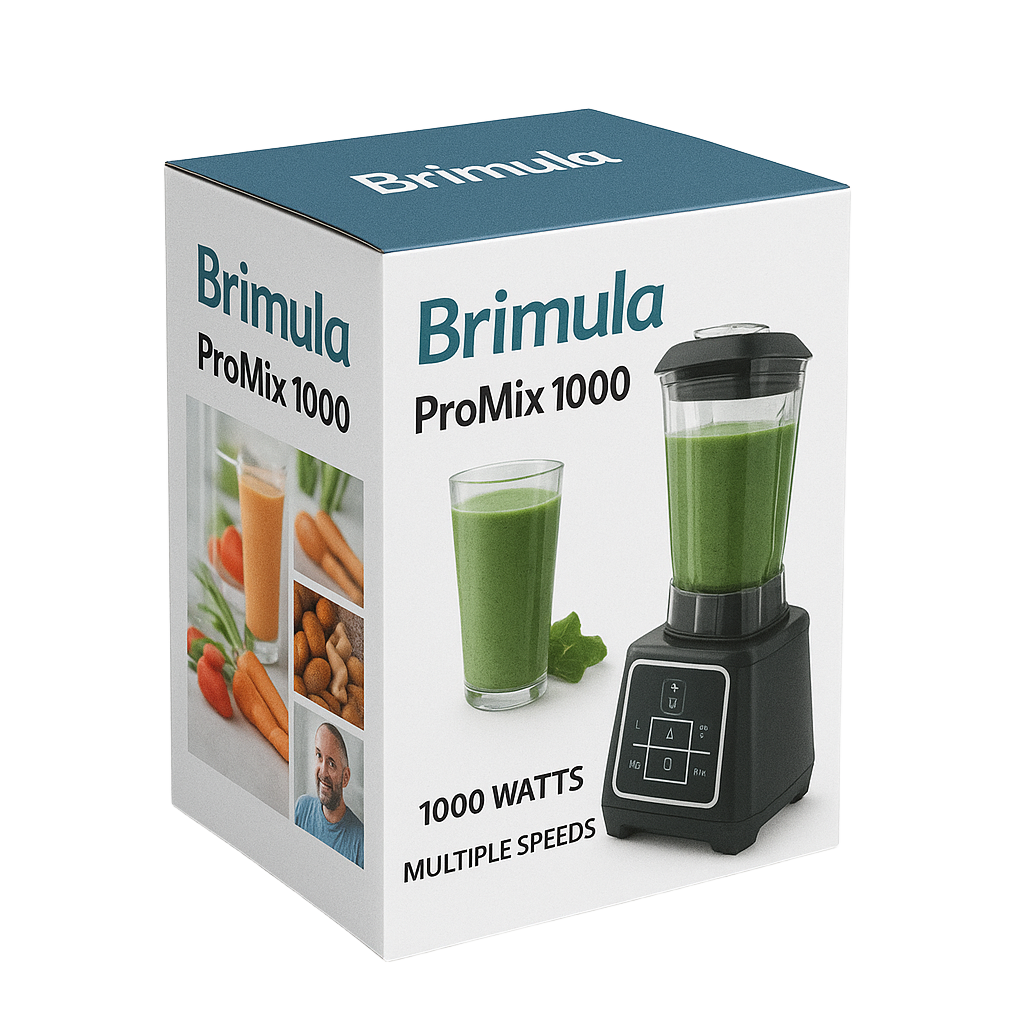
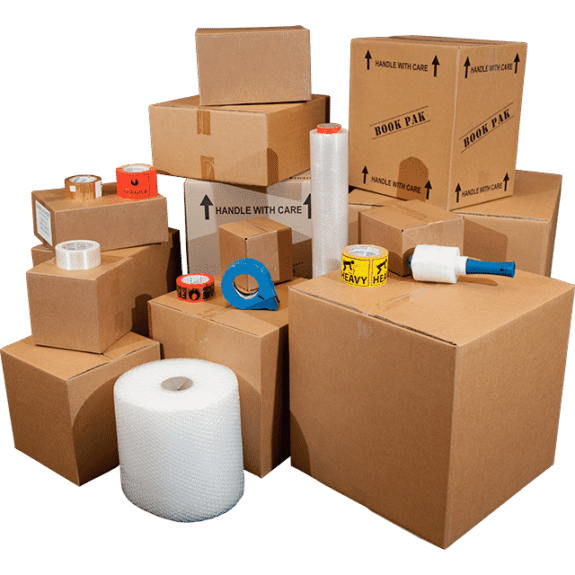
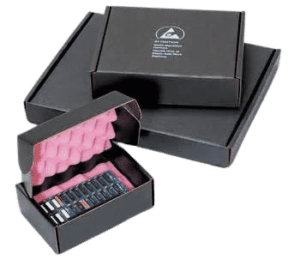
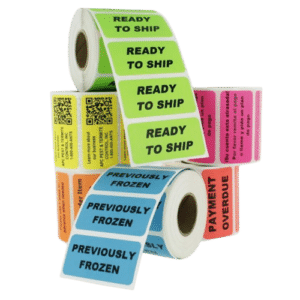
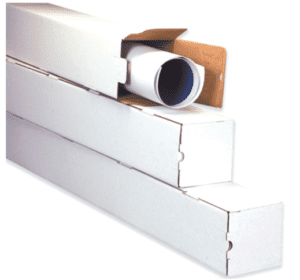
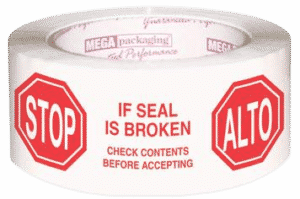
We supply businesses with a wide selection of essential packaging, shipping, and warehouse supplies. Get any standard packaging product by dimension or style from boxes, tubes, tapes, labels, and more. If you are unsure on what type of packaging you will need, then contact us for an expert consultation.


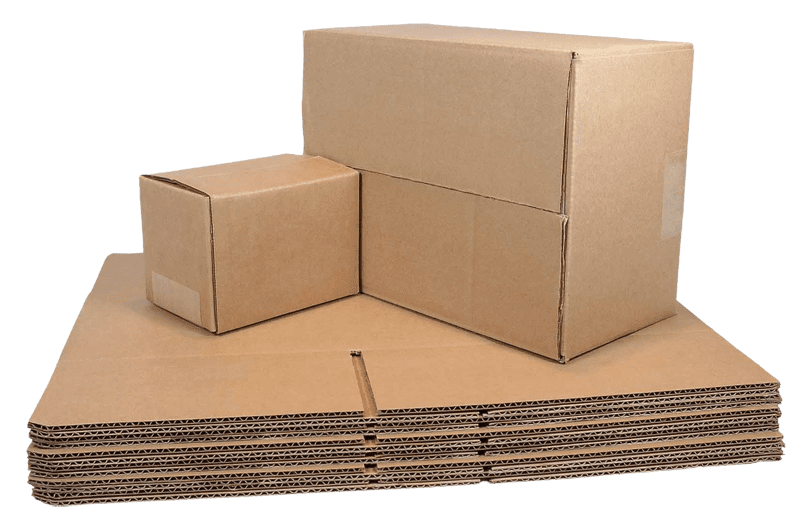
Stock packaging refers to pre-made, ready-to-ship packaging solutions like corrugated boxes, mailers, and protective materials that are designed to meet a wide range of standard needs across shipping, retail, and storage. Unlike custom packaging, stock options offer quick availability and reliable protection without the need for extensive design or production time, making them ideal for businesses needing efficient, high-quality solutions with fast lead times.

At Brown Packaging, we focus on providing durable, performance-driven stock packaging that supports our clients’ operational needs. Our stock products are sourced to ensure consistent quality and cost-effectiveness, offering a practical solution to keep operations running smoothly and on schedule. With an emphasis on reliability, we help our clients quickly access packaging solutions that meet their specific needs while maintaining quality across every order.

stock packaging products

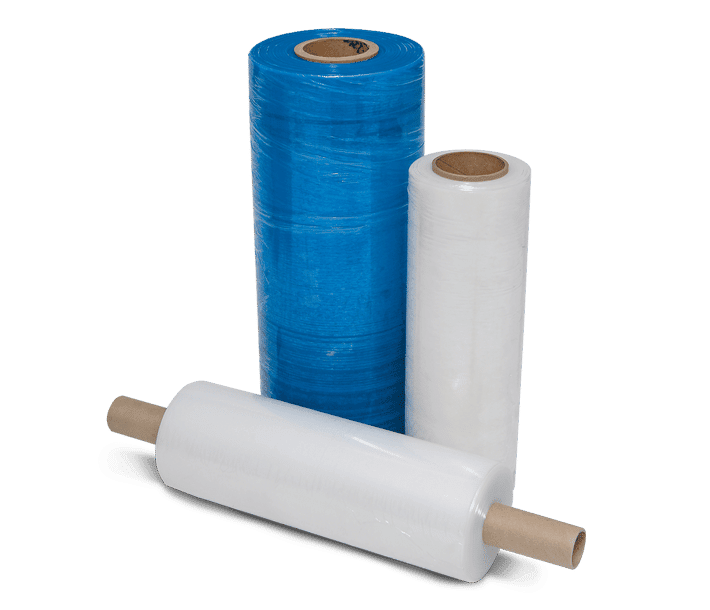
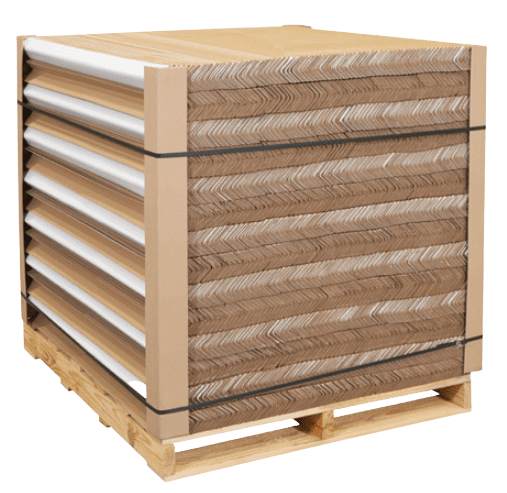
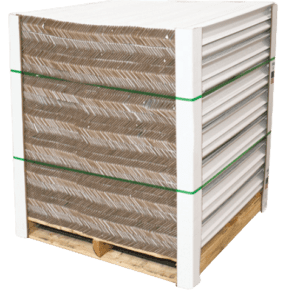
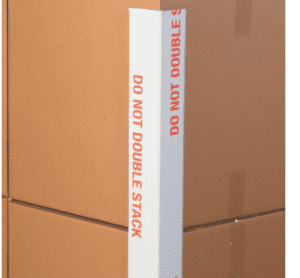
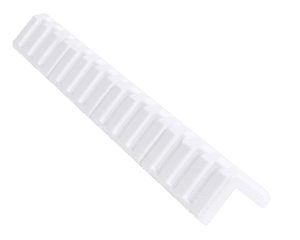
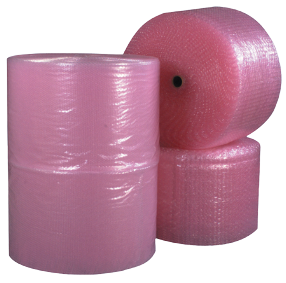
Our stock packaging products, from corrugated boxes to stretch film, offer a wide selection, including essentials like tape, edge protectors, labels, and more, with quick turnaround times to meet your packaging needs efficiently.

Edit Content
Edit Content
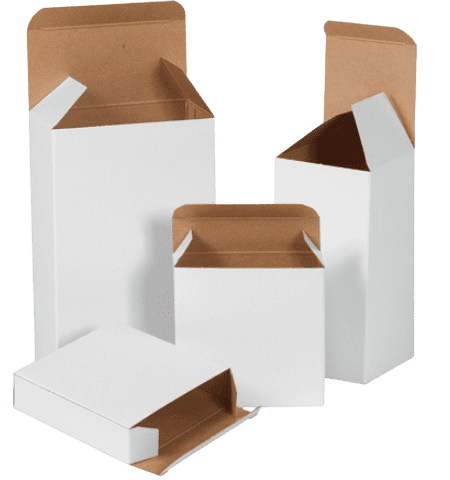
Folding Cartons
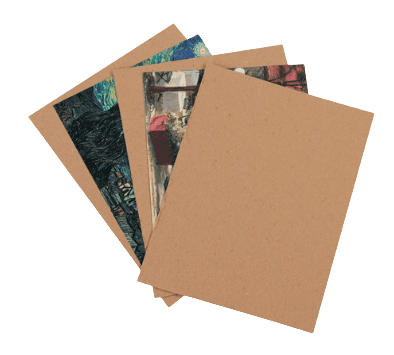
Pads
Apparel Boxes
Jewelry Boxes
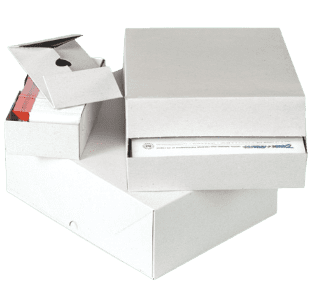
Setup Cartons
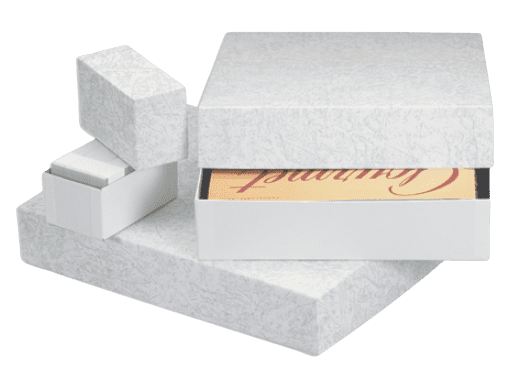
Stationary Cartons
Edit Content
Cast Film
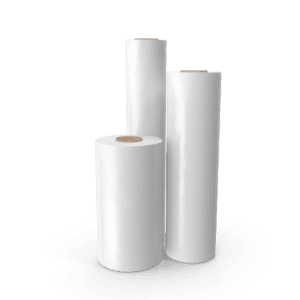
Blown Film
Conventional Film
Engineered Film
Pre-Stretched Film
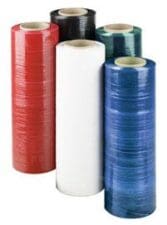
Hand Film
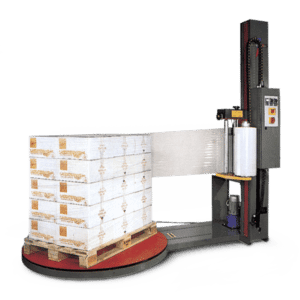
Machine Film
Edit Content
Light Duty
Medium Duty
Heavy Duty
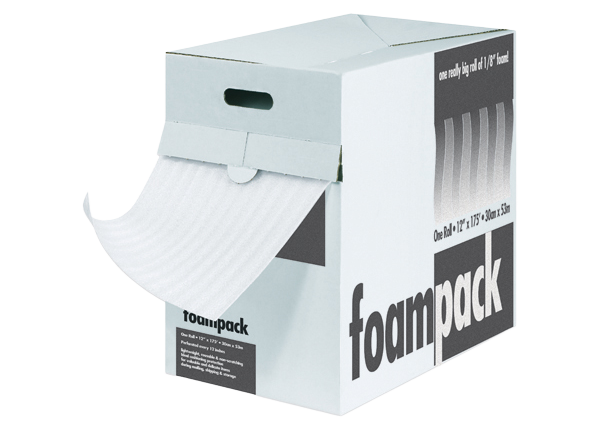
Foam
Strapping
Frame Protectors
Edit Content
Edit Content
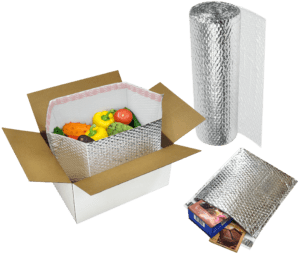
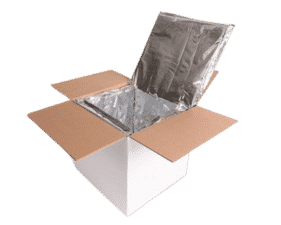
Box Liner
Metalized Pouch
Foam Cooler
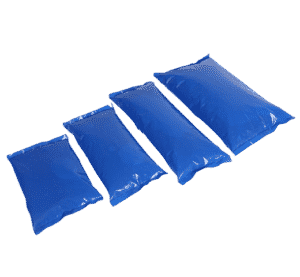
Ice Pack
Gel Pack
Edit Content
Edit Content
Edit Content
Folding Cartons
Pads
Apparel Boxes
Jewelry Boxes
Setup Cartons
Stationary Cartons
Edit Content
Cast Film
Blown Film
Conventional Film
Engineered Film
Pre-Stretched Film
Hand Film
Machine Film
Edit Content
Click on the Edit Content button to edit/add the content.
Edit Content
Edit Content
Box Liner
Metalized Pouch
Foam Cooler
Ice Pack
Gel Pack
Edit Content

If you need any assistance with your packaging or have a question, then contact us directly at request@brownpackaging.com  or  (714)300-0650. Learn more about custom packaging by reading our blog posts on new and trending topics.

custom folding carton box with hang hole
Folding Carton
brownpackaging
How Carton Style and Material Selection Work Together

Choosing a folding carton isn’t just about the graphics or the style—it’s about how the structural design and substrate work in tandem. The right combination can optimize line efficiency, protect products during transit, and reinforce brand perception, while the wrong pairing can lead to excess costs, damaged goods, or production slowdowns. This guide explains how style and material decisions influence one another and how to align them for maximum performance. Load-Bearing and Product Weight Heavier products place greater stress on both the style and the board grade. High-Strength Pairing: Auto-bottom or Full Seal End designs with coated unbleached kraft (CUK) for beverage carriers, glass jars, or frozen food. Lightweight Retail: Straight Tuck End (STE) with SBS for cosmetics or nutraceuticals, where presentation outweighs structural load. Key Interaction: Style choice can compensate for lighter materials—an auto-bottom with medium caliper SBS can still handle moderate weight without upgrading to heavier board. Straight Tuck End (STE) Reverse Tuck End (RTE) Environmental Resistance Packaging exposed to moisture, grease, or temperature swings needs both the right style and the right coating. Cold Chain Products: FSE with poly-coated CUK to prevent panel warping in refrigerated or frozen conditions. Dry Shelf Products: STE or RTE with uncoated SBS for vibrant graphics without added cost. Key Interaction: The wrong pairing—like SBS without coating in high-humidity environments—can fail even if the style is structurally sound. Assembly Speed and Automation Line efficiency depends on how easily the style works with the chosen substrate. High-Speed Automation: FSE or STE in SBS or FBB for consistent feeding and folding with minimal score cracking. Manual Operations: RTE or auto-bottom in softer recycled FBB for easy hand folding. Key Interaction: Certain recycled boards may require adjusted creasing profiles to fold cleanly at high speeds—designers must factor this into style selection. Branding and Shelf Presence Material surface quality and structural layout work together to shape consumer perception. Premium Branding: STE in SBS for uninterrupted front panels and high-gloss finishes. Natural/Artisan Look: Sleeve or RTE in natural kraft CUK for an eco-conscious aesthetic. Key Interaction: Choosing a style with large uninterrupted panels means surface smoothness matters more, favoring higher-grade boards. Cost Optimization The most cost-effective designs balance board grade, caliper, and style complexity. Cost-Down Opportunities: Switch from STE to RTE when material yield is higher in layout, or move from SBS to recycled FBB when strength is over-specified. When to Spend More: Upgrade to auto-bottom when labor costs outweigh the savings of a simpler tuck style. Key Interaction: Sometimes a stronger style allows for a lighter material, and sometimes a higher-grade board allows for a simpler style—knowing which trade-off delivers more savings is critical. Decision Framework Define Product Constraints – Weight, fragility, shelf life, and environmental conditions. Set Line Requirements – Manual vs. automated, speed targets, changeover flexibility. Match Style to Strength – Select a structural format that supports handling and branding needs. Match Material to Style – Ensure board grade, caliper, and coatings enhance the style’s performance. Validate with Prototypes – Test under real-world shipping and retail conditions before committing to production. References Soroka, W. (2014). Fundamentals of packaging technology (5th ed.). Institute of Packaging Professionals. ISBN: 978-1-930268-37-2 Twede, D., & Goddard, R. (2021). Cartons, crates and corrugated board: Handbook of paper and wood packaging technology (2nd ed.). DEStech Publications. ISBN: 978-1-60595-120-5 (714)300-0650 request@brownpackaging.com Most Recent Posts: Categories: Corrugated Ecommerce ESD Design Display Flexible Packaging Foam Folding Carton Packaging Plastic Packaging Pouch Printing Protection Retail Rigid Box Thermoform Sustainability Subscribe To Our Newsletter By submitting your information, you agree to our terms and conditions and privacy policy. Custom Folding Cartons Facebook Twitter LinkedIn Pinterest Relevant Posts

Read More »
POP Displays for Seasonal Promotions
Display
brownpackaging
POP Displays for Seasonal Promotions

Seasonal promotions are among the most powerful opportunities for brands to capture attention in retail environments. From holidays to back-to-school campaigns, point-of-purchase (POP) displays serve as the centerpiece of these promotions. To succeed, seasonal displays must deliver bold branding, withstand short-term but intensive use, and remain cost-efficient for rapid deployment. The Role of POP Displays in Seasonal Campaigns Seasonal promotions rely on speed, visibility, and excitement. POP displays amplify these campaigns by: Highlighting limited-time offers. Creating urgency that drives impulse purchases. Reinforcing brand presence during peak shopping periods. Allowing retailers to reconfigure store layouts quickly. Design Considerations for Seasonal POP Displays Unlike long-term club store displays, seasonal displays must balance structural strength with temporary use. Lightweight but durable materials: Enough to last weeks, not months. Fast assembly: Retail staff must set up displays quickly. Compact shipping: Flat-pack designs keep logistics efficient. Creative graphics: Bold, festive, and aligned with seasonal themes. Balancing Cost and Performance Because seasonal promotions are short-lived, packaging buyers must avoid overspending on unnecessary strength. Best practices include: Using single-wall corrugated with protective coatings when appropriate. Right-sizing displays to fit promotion duration and product volume. Selecting cost-efficient printing methods that deliver strong visual impact. Examples of Seasonal POP Applications Holiday promotions: Gift packs, limited-edition items, and themed displays. Back-to-school campaigns: Stationery, snacks, and student-focused promotions. Summer promotions: Beverage displays and outdoor lifestyle products. Valentine’s Day or Easter: Small-scale seasonal displays with high turnover. POP Display Solutions with Brown Packaging Brown Packaging designs POP displays tailored for seasonal promotions. From festive graphics to cost-efficient structural designs, we create displays that attract shoppers and maximize return during short-term campaigns. Contact us to learn more about seasonal POP solutions. References Shop! Association. (2021). Best Practices for In-Store Marketing and POP Displays. Retrieved from https://www.shopassociation.orgSoroka, W. (2009). Fundamentals of Packaging Technology (4th ed.). Institute of Packaging Professionals.ASTM International. (2023). ASTM D5445: Standard Practice for Pictorial Markings for Handling of Goods. (714)300-0650 request@brownpackaging.com Most Recent Posts: Categories: Corrugated Ecommerce ESD Design Display Flexible Packaging Foam Folding Carton Packaging Plastic Packaging Pouch Printing Protection Retail Rigid Box Thermoform Sustainability Subscribe To Our Newsletter By submitting your information, you agree to our terms and conditions and privacy policy. POP Display Facebook Twitter LinkedIn Pinterest Relevant Posts

Read More »
Full POP Display Pallet with a corrugated carrier, blister pack, sample packs, and poly bags
Display
brownpackaging
Reducing Freight Costs with POP Displays

Freight is one of the largest cost drivers in retail packaging programs. Point-of-purchase (POP) displays that look impressive on the floor may be inefficient to ship, leading to wasted space, higher freight charges, and reduced margins. By designing POP displays with logistics in mind, brands can reduce transportation costs without sacrificing retail impact. Why Freight Costs Matter in POP Programs Shipping inefficiency adds up quickly across high-volume campaigns. Displays that do not cube out effectively—or require excessive protective packaging—cost more to move and handle. In some cases, freight expenses outweigh the cost of the displays themselves. Designing POP Displays for Shipping Efficiency Flat-pack design: Displays that ship knocked down reduce cubic volume. Right-size engineering: Minimize excess corrugated or void space. Lightweight materials: Reduce overall shipping weight. Stacking strength: Displays must withstand compression during pallet transport. Balancing Shipping and Retail Needs Designers must ensure that cost savings on freight do not compromise in-store performance. Best practices include: Testing displays for stability after flat-pack assembly. Using reinforced corrugated grades where stacking is required. Designing displays that integrate seamlessly with pallets. Coordinating with logistics teams early in the design process. Examples of Freight-Efficient POP Displays Club store pallet displays: Engineered for direct-to-floor placement. Seasonal promotions: Lightweight designs shipped compactly in bulk. Floor stands: Collapsible displays that expand on-site without excess packaging. POP Display Solutions with Brown Packaging Brown Packaging designs POP displays that balance retail impact with freight efficiency. Our solutions reduce logistics costs while ensuring displays perform as intended in-store. Contact us to explore freight-efficient POP display options. References Shop! Association. (2021). Best Practices for In-Store Marketing and POP Displays. Retrieved from https://www.shopassociation.orgSoroka, W. (2009). Fundamentals of Packaging Technology (4th ed.). Institute of Packaging Professionals.ASTM International. (2023). ASTM D4169: Standard Practice for Performance Testing of Shipping Containers and Systems. (714)300-0650 request@brownpackaging.com Most Recent Posts: Categories: Corrugated Ecommerce ESD Design Display Flexible Packaging Foam Folding Carton Packaging Plastic Packaging Pouch Printing Protection Retail Rigid Box Thermoform Sustainability Subscribe To Our Newsletter By submitting your information, you agree to our terms and conditions and privacy policy. POP Display Facebook Twitter LinkedIn Pinterest Relevant Posts

Read More »