




Stock Packaging
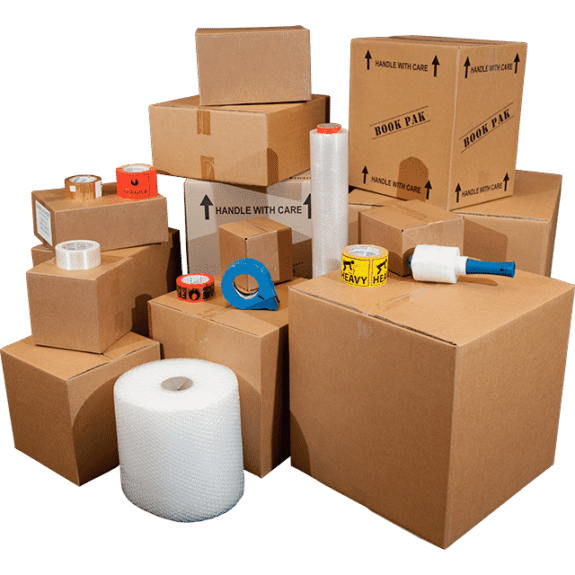
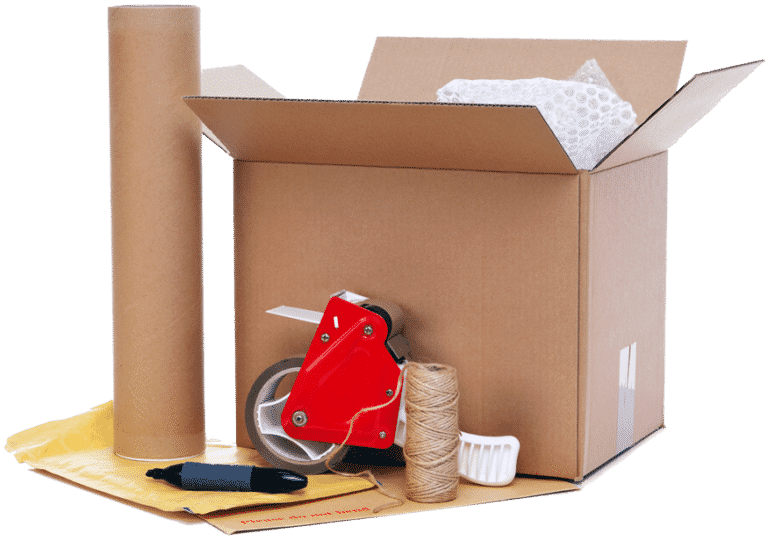
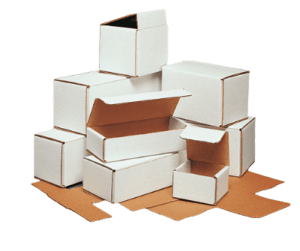
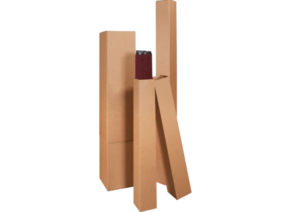
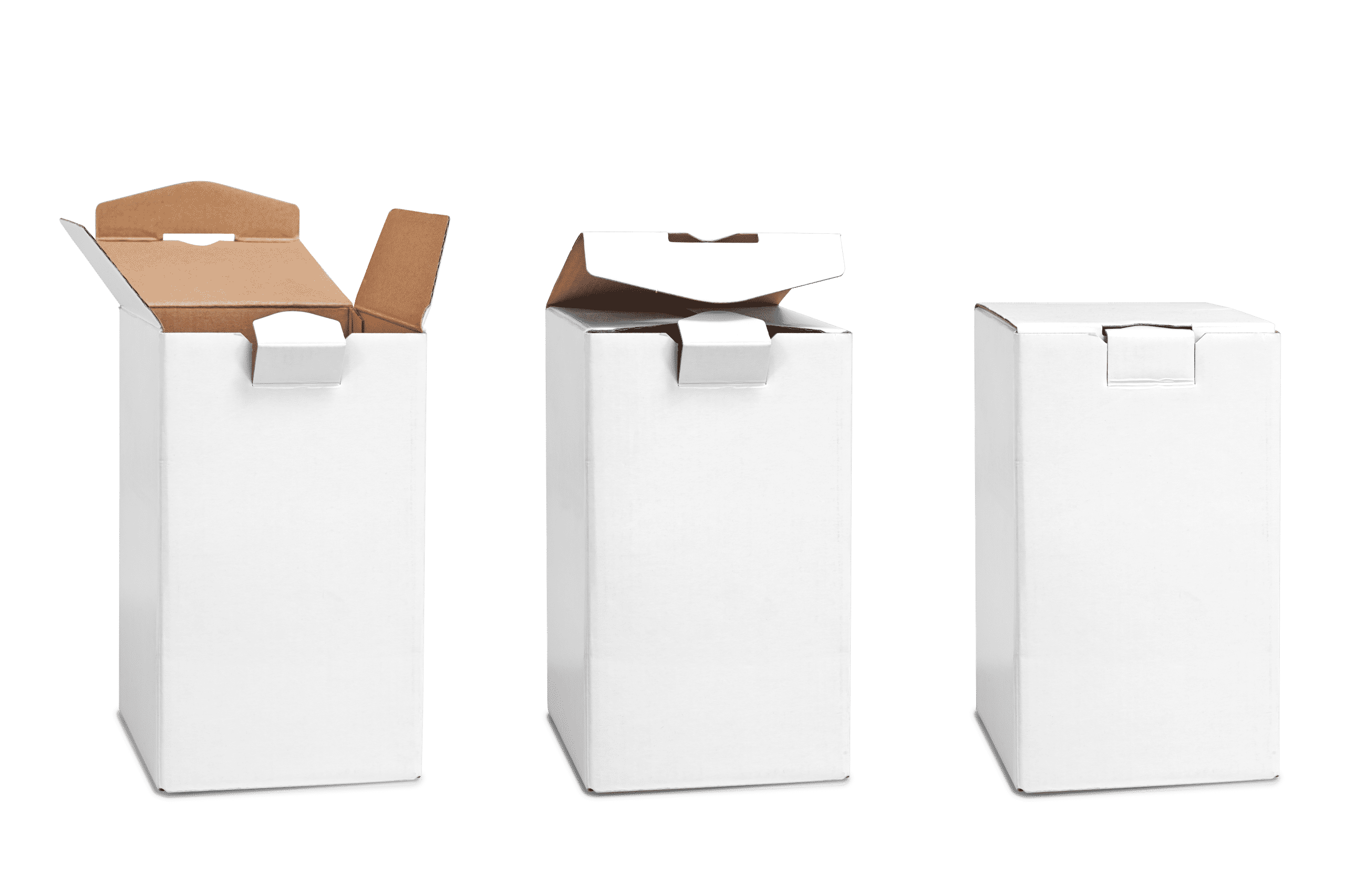
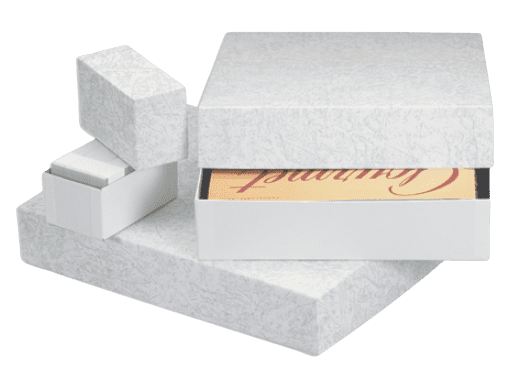
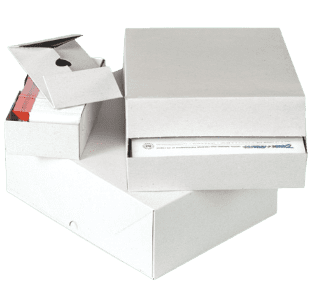
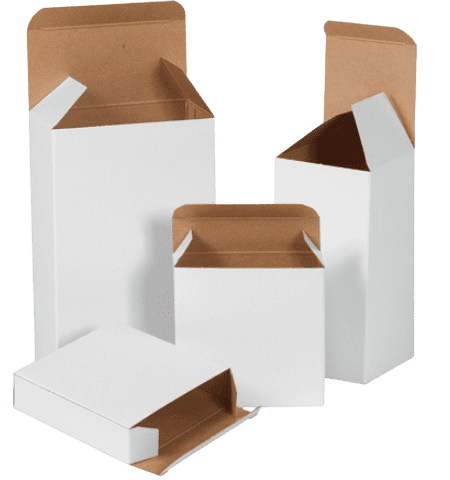
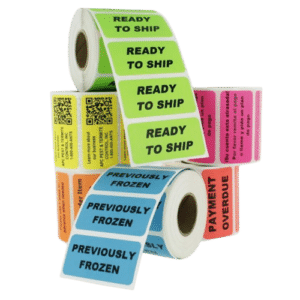
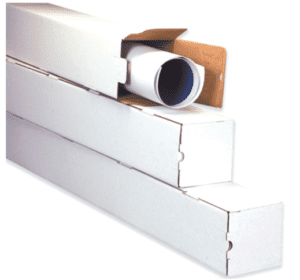
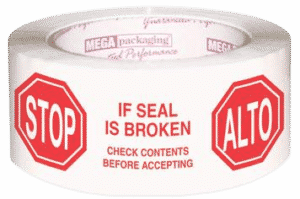
We supply businesses with a wide selection of essential packaging, shipping, and warehouse supplies. Get any standard packaging product by dimension or style from boxes, tubes, tapes, labels, and more. If you are unsure on what type of packaging you will need, then contact us for an expert consultation.


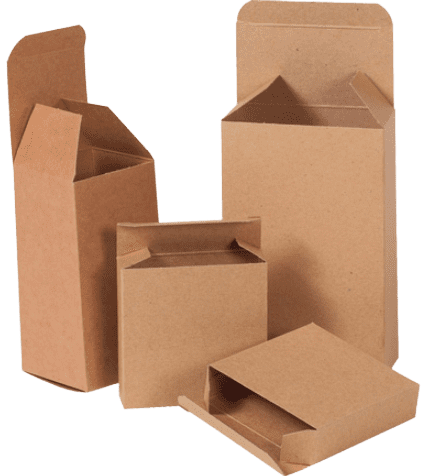
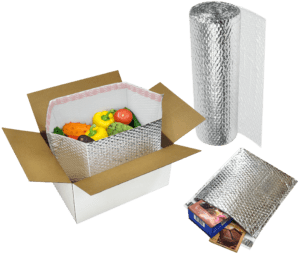
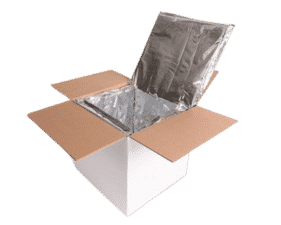
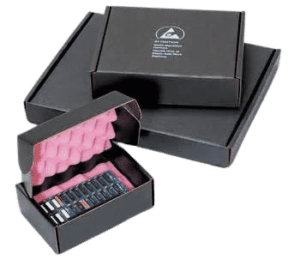
Stock packaging refers to pre-made, ready-to-ship packaging solutions like corrugated boxes, mailers, and protective materials that are designed to meet a wide range of standard needs across shipping, retail, and storage. Unlike custom packaging, stock options offer quick availability and reliable protection without the need for extensive design or production time, making them ideal for businesses needing efficient, high-quality solutions with fast lead times.
At Brown Packaging, we focus on providing durable, performance-driven stock packaging that supports our clients’ operational needs. Our stock products are sourced to ensure consistent quality and cost-effectiveness, offering a practical solution to keep operations running smoothly and on schedule. With an emphasis on reliability, we help our clients quickly access packaging solutions that meet their specific needs while maintaining quality across every order.
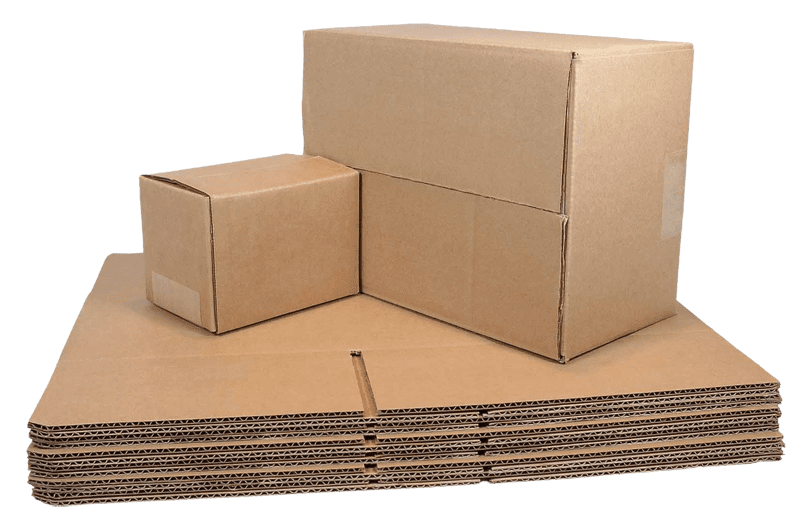
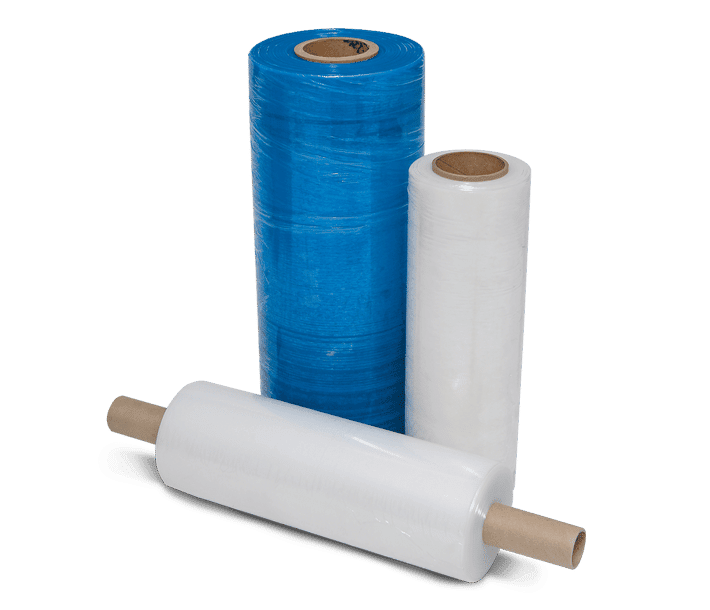
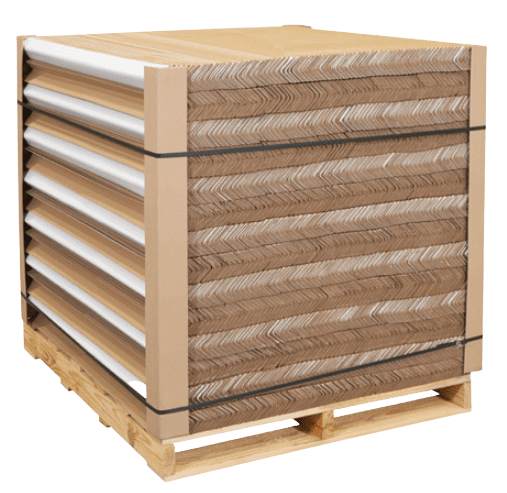
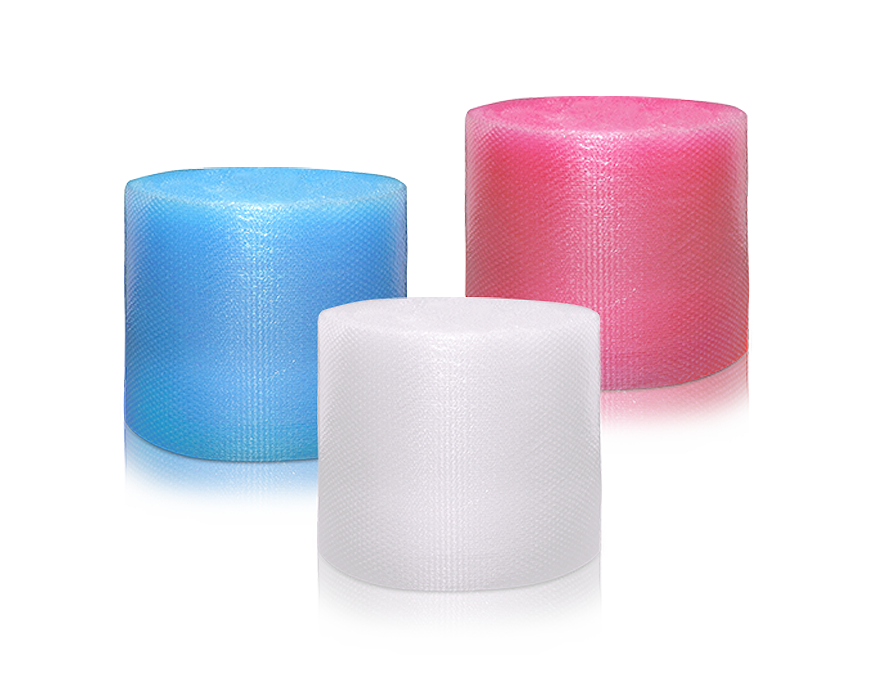
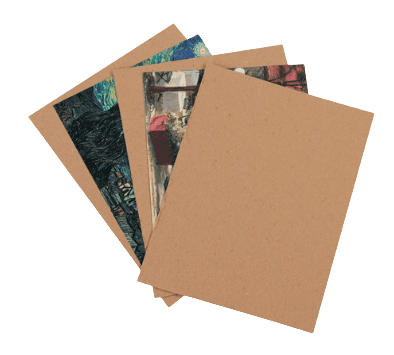
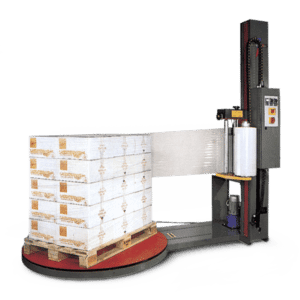
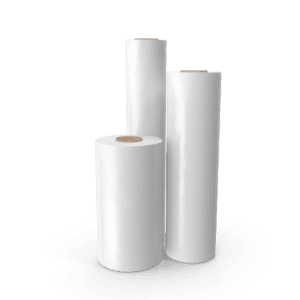
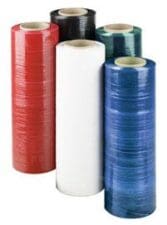
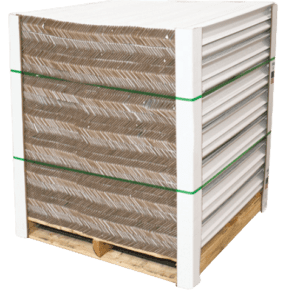
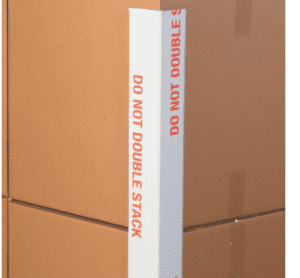
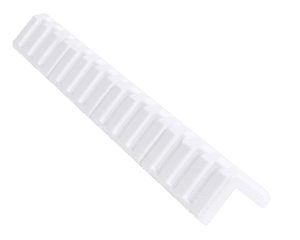
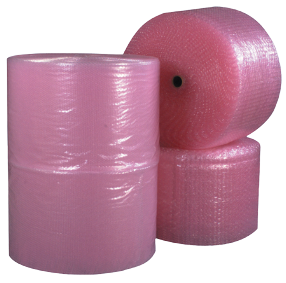
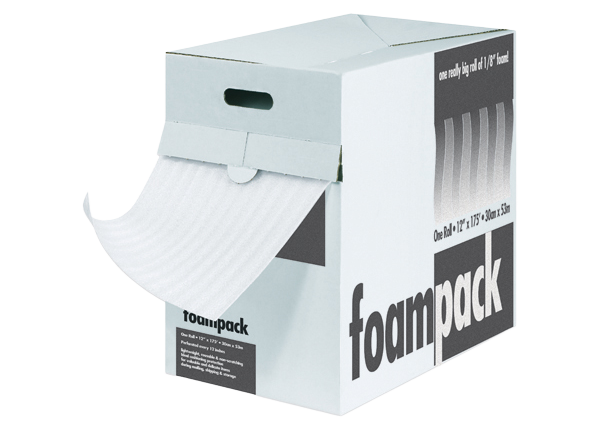
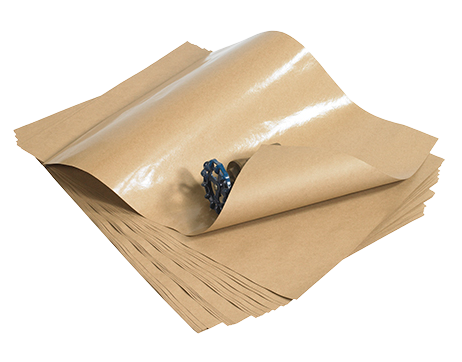
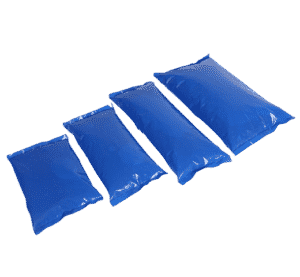
Our stock packaging products, from corrugated boxes to stretch film, offer a wide selection, including essentials like tape, edge protectors, labels, and more, with quick turnaround times to meet your packaging needs efficiently.


If you need any assistance with your packaging or have a question, then contact us directly at request@brownpackaging.com or (714)300-0650. Learn more about custom packaging by reading our blog posts on new and trending topics.

A Half Slotted Container (HSC) is a specific type of corrugated box known for its robustness, versatility, and open-top design. These features make HSCs ideal for applications where quick access to contents is necessary. Widely utilized across various industries, HSC boxes are essential for storage, transportation, and display purposes, providing an efficient and sustainable packaging solution. Understanding Half Slotted Containers Design and Structure The defining characteristic of an HSC is its open top and flaps only at the bottom, which are sealed to provide structural integrity. Unlike Regular Slotted Containers (RSCs), which have flaps on both the top and bottom, HSCs offer easier access to stored items, making them highly convenient for repeated use and content management. Materials Used HSCs are crafted from corrugated fiberboard, a material often mistaken for plain cardboard. Corrugated fiberboard comprises several layers: Top Liner: The outermost layer that can be printed on for branding or labeling. Flute Layer: Provides the corrugated sheet’s rigidity and crush resistance, situated between the liners. Inner Liner: Adds strength and stability to the structure. For added durability, HSCs can be manufactured with double or triple-walled constructions, which include additional layers of corrugated medium and liner. This enhancement is particularly useful for heavier items or when additional protection is necessary during transit. Recyclability An important aspect of HSCs is their environmental friendliness. These containers can be designed to be 100% recyclable, aligning with modern sustainability practices. The materials used in their construction play a crucial role in their ability to be recycled efficiently. Real-Life Applications of Half Slotted Containers To better illustrate the versatility and functionality of HSCs, here are some common applications: Record Storage Boxes: Often used in offices for archiving files, these may feature side handles and optional lids for enhanced usability and security. Gaylord Boxes: Large containers that fit on a pallet, ideal for consolidating multiple packages or bulky items in a single unit for efficient bulk handling. Telescopic Boxes: Comprising two parts, where one box fits into the other, telescopic boxes are adaptable in size and offer variable capacity, making them perfect for products with non-standard dimensions. Shoe Boxes: Typically designed with detachable lids, allowing for easy access and aesthetic display while providing protection and stackability. Record Storage Boxes Gaylord Boxes Telescopic Boxes Summary: The Utility of Half Slotted Containers Understanding the structure, design, and applications of HSCs is crucial for businesses looking to optimize their packaging strategies. HSCs are not just practical but adaptable, capable of accommodating a wide range of products and uses from industrial supplies to consumer goods. Their design allows for easy access and efficient use of space, while the option for enhanced material strength and recyclability supports a broad spectrum of industry needs. Whether for storage, shipping, or display, half slotted containers offer a reliable, cost-effective, and sustainable choice. If you are interested in custom or stock half slotted containers, then partner with Brown Packaging today to get started. (714)300-0650 request@brownpackaging.com Most Recent Posts: Categories: Corrugated Folding Carton Display Packaging Rigid Box Subscribe To Our Newsletter By submitting your information, you agree to our terms and conditions and privacy policy. Facebook Twitter LinkedIn Pinterest Relevant Posts

Flexible packaging stands out in the packaging industry for its adaptability and efficiency. Utilizing materials that can flex and mold, this type of packaging adjusts its shape when filled or sealed, catering to a diverse range of products. The evolution of material technologies has not only made flexible packaging more cost-effective but also reduced material consumption during manufacturing, positioning it as a preferable alternative to traditional rigid and corrugated packaging solutions. Comprehensive Overview of Flexible Packaging Materials Used in Flexible Packaging The foundation of flexible packaging lies in its diverse material selection, each offering unique properties: Low Density Polyethylene (LDPE): Commonly used for its softness and flexibility, ideal for products requiring heat sealing. It’s resistant to various chemicals and is predominantly used in food packaging and consumer goods. High Density Polyethylene (HDPE): Known for its robustness and chemical resistance, making it suitable for household cleaning supplies, poly mailers, and items that encounter stress during shipping. Polypropylene (PP): With its high heat resistance, PP is perfect for packaging products that may be exposed to heat, such as microwaveable foods and certain consumer electronics. Polyethylene Terephthalate (PET): Offers excellent clarity and barrier properties against moisture and gases, widely used in the food and beverage industry. Polyvinyl Chloride (PVC): Chosen for its durability and resistance to environmental factors, PVC is used in non-food packaging such as shrink films and sturdy containers. Flexible Packaging Products and Their Applications Flexible packaging can be customized to suit a broad range of applications, offering unique solutions that are both protective and promotional: Pouches: Available in various styles such as stand-up, flat, and side gusset, pouches are popular for food products, cosmetics, and small consumer goods. Roll Stock: This material is used to create custom bags or pouches, tailored to specific product dimensions, commonly used for snacks, candies, and nutritional bars. Poly Bags: These versatile bags are suitable for a wide array of products, from apparel to food and electronics, featuring options like resealable closures and custom prints. Plastic and Bubble Mailers: Designed for shipping, these mailers are lightweight, durable, and can include bubble cushioning for added protection. Pouch Roll Stock Poly Mailer Benefits of Flexible Packaging The advantages of flexible packaging are numerous, making it a preferred choice for many businesses: Environmental Impact: Many materials used in flexible packaging are recyclable, and ongoing advancements are enhancing biodegradable and compostable options. Customization and Branding: Flexible packaging allows extensive customization in printing and design, enabling effective brand promotion and consumer engagement. Cost Efficiency: The lightweight nature of these materials reduces shipping costs and decreases the overall environmental footprint. Supply Chain Efficiency: Flexible packaging requires less storage space and can be transported more efficiently, allowing for more products per shipment compared to rigid packaging solutions. Pouch Roll Stock Poly Bag Conclusion: Flexible Packaging Explained: Flexible packaging offers a dynamic approach to packaging, combining innovative material use with functional design to meet a variety of industry needs. Whether for food, pharmaceuticals, or consumer goods, flexible packaging provides tailored solutions that enhance product protection, display, and sustainability. For businesses considering this packaging option, understanding the specific material properties and potential applications is crucial for making an informed decision. For further assistance and to explore flexible packaging solutions tailored to your needs, consider reaching out to packaging experts like Brown Packaging. (714)300-0650 request@brownpackaging.com Most Recent Posts: Categories: Corrugated Folding Carton Display Packaging Rigid Box Subscribe To Our Newsletter By submitting your information, you agree to our terms and conditions and privacy policy. Custom Packaging Facebook Twitter LinkedIn Pinterest Relevant Posts

When it comes to packaging your products, the choice between folding cartons and rigid boxes is crucial. Both types serve similar purposes in protecting, displaying, and promoting products but differ significantly in their construction and usage implications. This guide provides an in-depth comparison to help you decide which packaging solution best suits your product plans, budget, and business goals. Understanding Folding Cartons and Rigid Boxes What is a Folding Carton? Folding Carton Benefits Folding Carton Disadvantages Common Folding Carton Applications What is a Rigid Box? Rigid Box Benefits Rigid Box Disadvantages Common Rigid Box Applications What is A Folding Carton? Folding cartons are typically made from thin paperboard, precisely cut, folded, and glued to form a variety of shapes and sizes. These cartons are versatile, customizable, and widely used across various industries for lightweight, durable, and cost-effective packaging solutions. Folding Carton Benefits • Cheaper in costs: folding cartons are less complex and are generally made with cheaper material than rigid boxes.• Storage space efficient: cartons have the flexibility of folding flat, which makes it ideal for storage purposes.• Lower logistics costs: with lightweight material and a flat structure, cartons are cheap in overhead for shipping and handling.• Faster to produce: typically, the simpler the packaging product is the faster it is able to be produced. Folding Carton Disadvantages • Less product protection: the material used to create folding cartons are thinner compared to rigid boxes.• Product set-up required in fulfillment: packagers usually have to fold the carton into its form.• Cannot hold heavy or fragile items: this type of box is not recommended in holding fragile or heavy items. Common Folding Carton Applications • Food snacks• Cereal• Small electronic devices and accessories• Soda packs• Medicine• Consumer goods (small)• Sports accessories• Nutrition and supplements• Ink cartridges What is A Rigid Box? Rigid boxes are made from heavier cardboard than folding cartons and are non-collapsible. Known for their strength and premium quality, these boxes offer enhanced protection and an elevated unboxing experience, often used for luxury or high-value products. Rigid Box Benefits • Higher perceived product value: rigid boxes provide customers with more confidence due to your investment in the products packaging (display and promotion)• Product set-up is easier in fulfillment: these boxes are delivered in their box shape, which will require less labor in fulfillment.• Superior product protection: these boxes provide extra protection compared to other boxes. Rigid Box Disadvantages • More expensive to make: the cost of materials and effort to make rigid boxes is substantially more than a folding carton.• Slower to Produce: these boxes are more complex, which often result in slower production.• Higher logistics costs: these boxes are not as logistic friendly as cartons.• Requires more storage space: boxes have to be stacked and cannot lay perfectly flat like a foldable box. Common Rigid Box Applications • Gift boxes• Cosmetic and beauty set boxes• Medical devices• High-end and luxury products• Jewelry• Smartphones and computers Comparison and Considerations When choosing between folding cartons and rigid boxes, consider the following aspects: Product Type: The nature of the product, its fragility, and value play crucial roles. Rigid boxes are preferable for delicate or premium items, while folding cartons are sufficient for more durable and lower-value products. Budget Constraints: Folding cartons are more budget-friendly, especially for large volumes, making them suitable for businesses looking to minimize costs. Brand Image: The packaging contributes significantly to brand perception. Rigid boxes often convey a higher quality image, appropriate for luxury brands or premium product lines. Environmental Impact: Consider the sustainability of your packaging choice. Both options can be produced with recycled materials, but the overall environmental impact may vary based on the production process and materials used. Final Recommendation Your decision should align with your overall marketing strategy, product requirements, and customer expectations. If presenting a luxury image or ensuring the utmost protection is crucial, rigid boxes are the best choice. However, if cost efficiency and practicality are more significant concerns, folding cartons will serve well. If you are interested in rigid boxes or folding cartons, then partner with Brown Packaging today to get started. (714)300-0650 request@brownpackaging.com Most Recent Posts: Categories: Corrugated Folding Carton Display Packaging Rigid Box Subscribe To Our Newsletter By submitting your information, you agree to our terms and conditions and privacy policy. Custom Packaging Facebook Twitter LinkedIn Pinterest Relevant Posts