




Stock Packaging
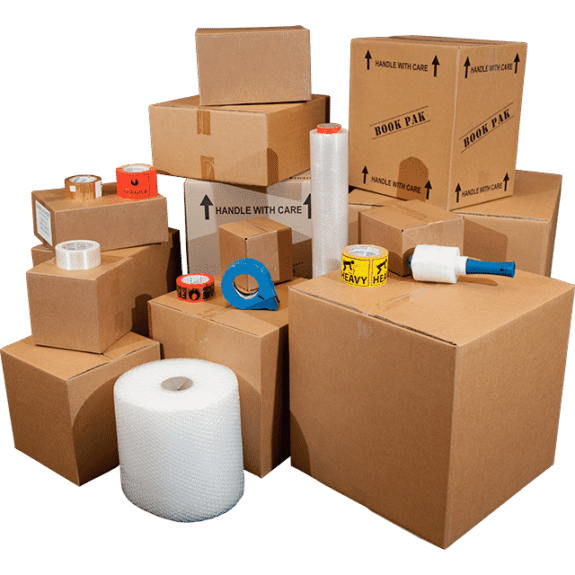
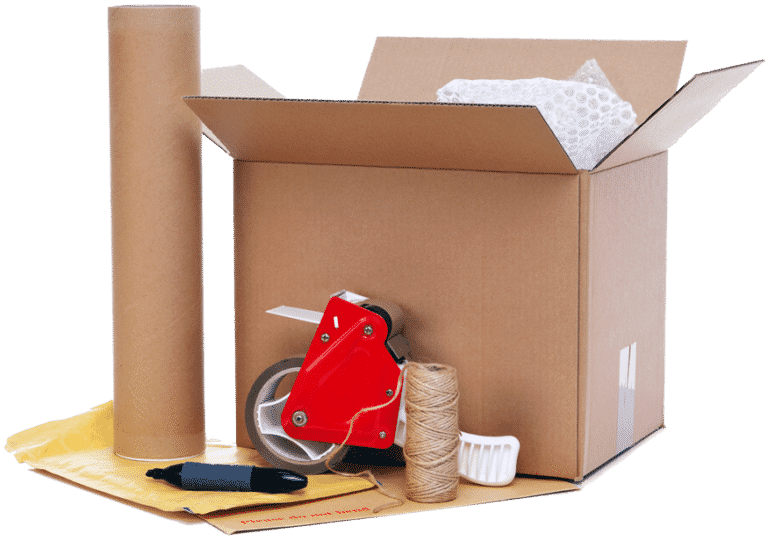
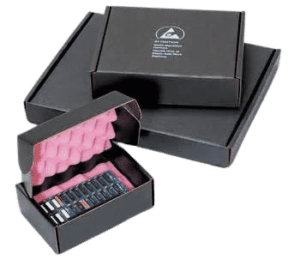
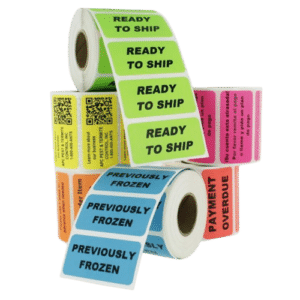
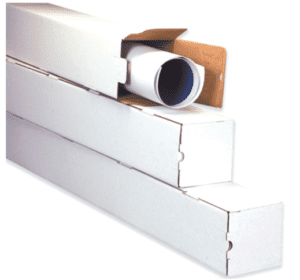
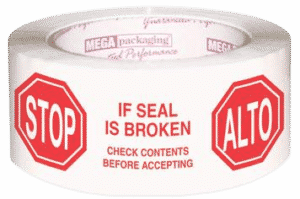
We supply businesses with a wide selection of essential packaging, shipping, and warehouse supplies. Get any standard packaging product by dimension or style from boxes, tubes, tapes, labels, and more. If you are unsure on what type of packaging you will need, then contact us for an expert consultation.


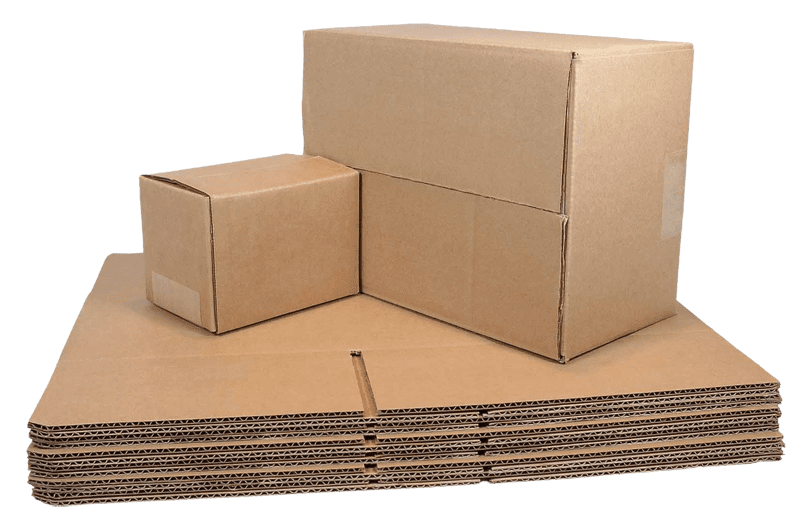
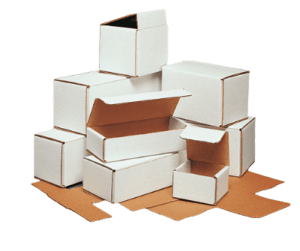
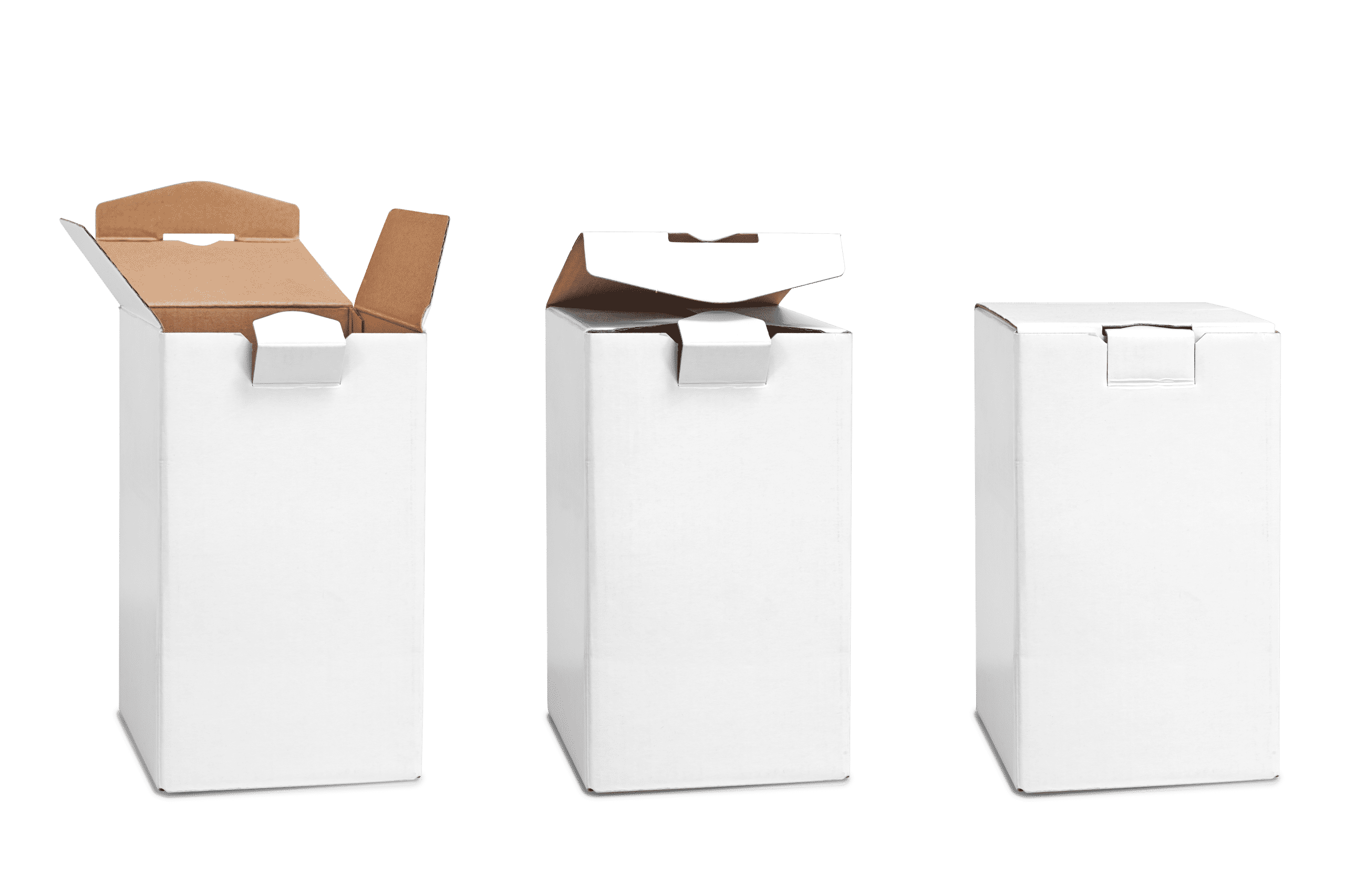
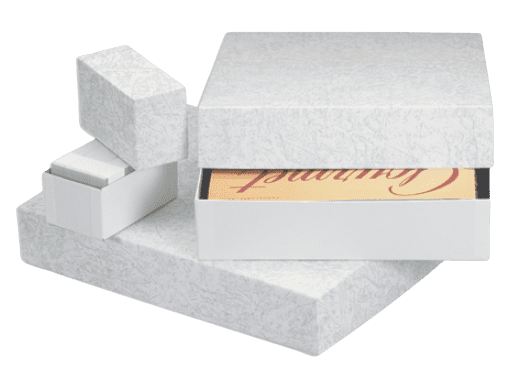
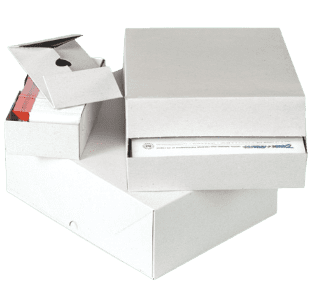
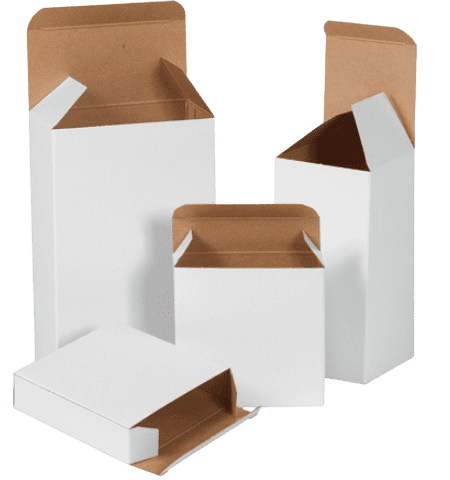
Stock packaging refers to pre-made, ready-to-ship packaging solutions like corrugated boxes, mailers, and protective materials that are designed to meet a wide range of standard needs across shipping, retail, and storage. Unlike custom packaging, stock options offer quick availability and reliable protection without the need for extensive design or production time, making them ideal for businesses needing efficient, high-quality solutions with fast lead times.
At Brown Packaging, we focus on providing durable, performance-driven stock packaging that supports our clients’ operational needs. Our stock products are sourced to ensure consistent quality and cost-effectiveness, offering a practical solution to keep operations running smoothly and on schedule. With an emphasis on reliability, we help our clients quickly access packaging solutions that meet their specific needs while maintaining quality across every order.
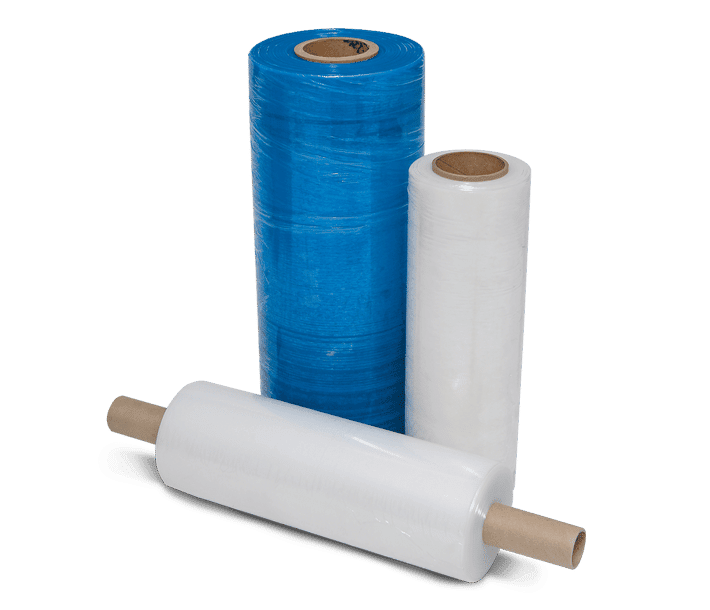
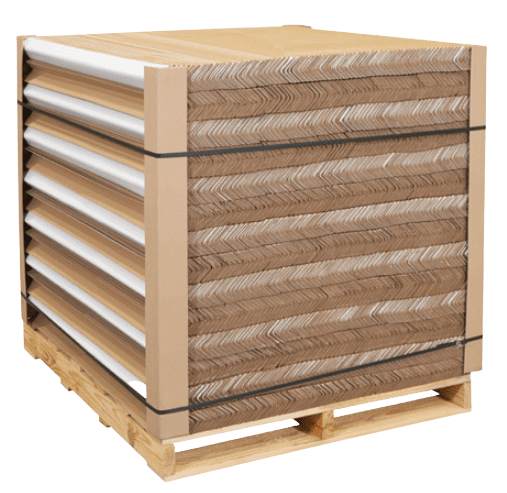
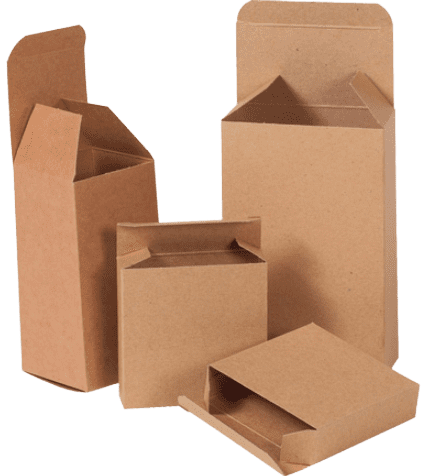
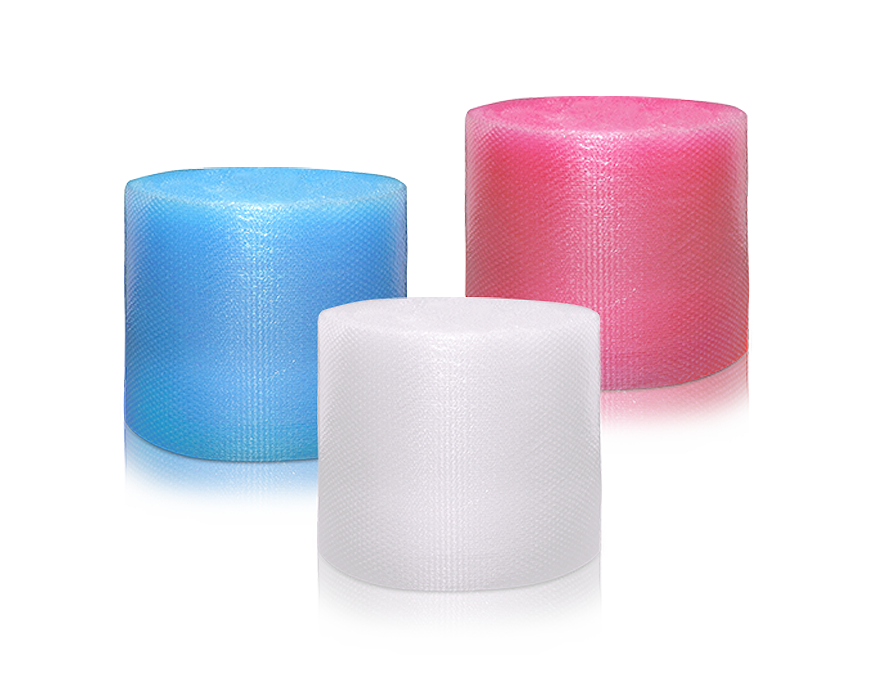
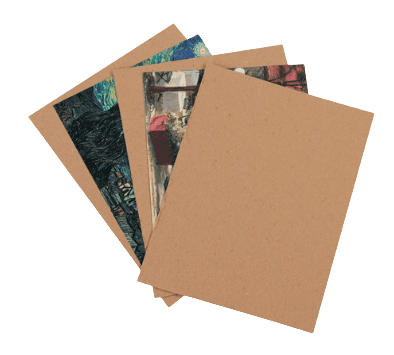
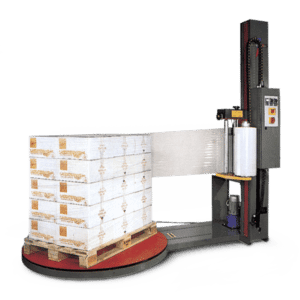
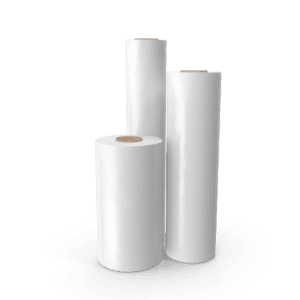
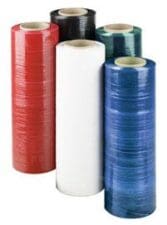
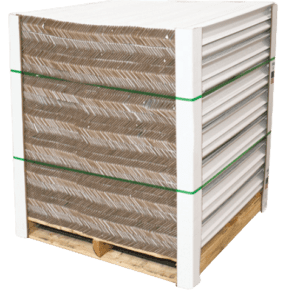
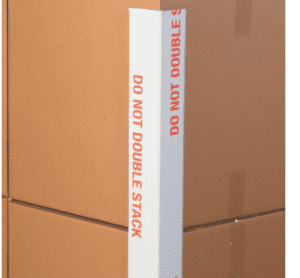
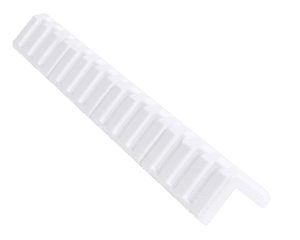
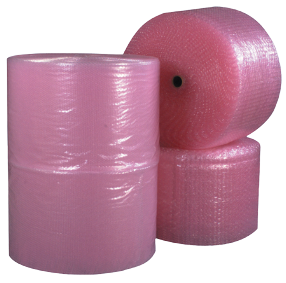
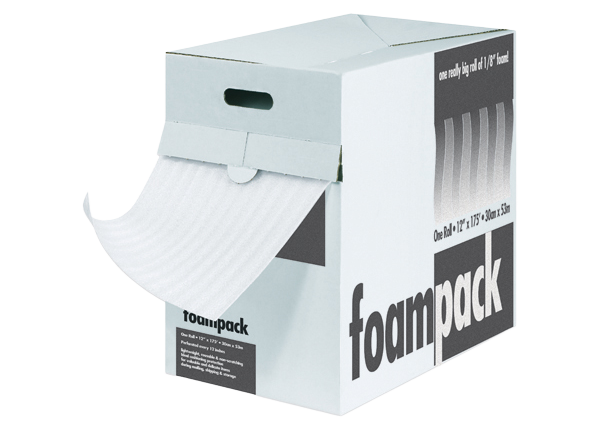
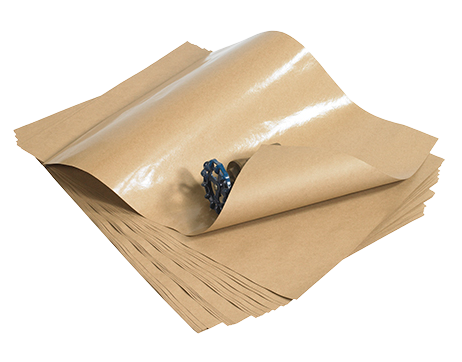
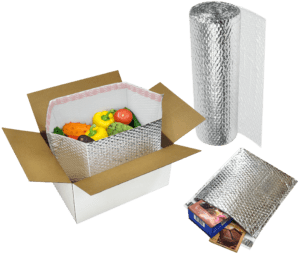
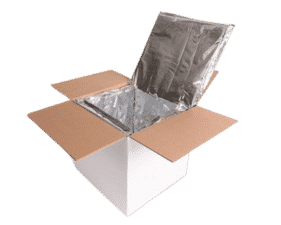
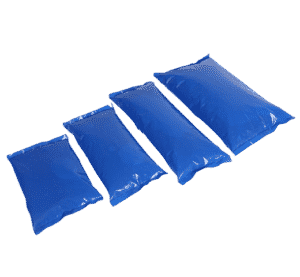
Our stock packaging products, from corrugated boxes to stretch film, offer a wide selection, including essentials like tape, edge protectors, labels, and more, with quick turnaround times to meet your packaging needs efficiently.


If you need any assistance with your packaging or have a question, then contact us directly at request@brownpackaging.com or (714)300-0650. Learn more about custom packaging by reading our blog posts on new and trending topics.

Gusseted bags are designed with extra folds of material at the sides or bottom to increase capacity and structural support. This feature makes them ideal for products requiring more volume, weight capacity, or shelf stability. Available in both poly (plastic) and flexible pouch formats, gusseted bags are widely used across food, retail, and industrial markets. Side Gusset Bags Design Additional material on the sides allows expansion for greater volume. Slimmer profile takes up less shelf space compared to bottom gusset designs. Advantages Efficient storage and shipping due to compact shape. Strong capacity for heavier or bulkier products. Limitations Harder to stack neatly for retail displays. Less stable when standing upright compared to bottom gusset bags. Common Applications Coffee and tea Pet food Dry ingredients (flour, rice, grains) Frozen foods Snacks and confectionery Personal care items or textiles Bottom Gusset Bags Design Extra material at the bottom expands outward, allowing the package to stand upright. Offers greater display appeal with more visible front-facing branding. Advantages Excellent stability on shelves and counters. Versatile for liquid, powder, or irregularly shaped products. Limitations Occupies more shelf space compared to side gusset designs. May require stronger sealing for heavier or sharp-edged products. Common Applications Candy and baked goods Coffee and powdered beverages Sanitary and personal care products Pharmaceuticals Liquid products (soups, sauces, supplements) Choosing Between Side and Bottom Gussets The right gusset design depends on product needs, distribution, and retail goals: Side Gusset: Best for products needing compact storage and high-volume capacity with less emphasis on shelf display. Bottom Gusset: Best for stand-up presentation, premium branding, and consumer visibility. Consider whether you need packaging that will be stackable vs. stand-up, space-saving vs. display-ready, and how your graphics or branding will appear on the chosen format. Buyer Takeaway Choose side gusset bags when storage efficiency and capacity are key priorities. Choose bottom gusset bags when branding, display visibility, and consumer presentation matter most. Both styles can be fully customized with graphics, colors, and finishes to support your product and marketing strategy. References Flexible Packaging Association. (2023). Guide to Pouch Formats and Applications. Retrieved from https://www.flexpack.org Robertson, G. L. (2016). Food Packaging: Principles and Practice (3rd ed.). CRC Press. Plastics Industry Association. (2022). Trends in Flexible Packaging. Retrieved from https://www.plasticsindustry.org (714)300-0650 request@brownpackaging.com Most Recent Posts: Categories: Corrugated Folding Carton Display Packaging Rigid Box Subscribe To Our Newsletter By submitting your information, you agree to our terms and conditions and privacy policy. Custom Gusset Pouch Facebook Twitter LinkedIn Pinterest Relevant Posts

Pallet optimization is the process of maximizing efficiency in space utilization and handling while minimizing freight costs. It requires strategic use of surface area, stacking height, and protective measures such as corner boards, straps, and stretch film. Effective pallet optimization not only reduces costs but also improves safety, prevents product loss, and ensures compliance with retailer requirements. Why Pallet Optimization Matters Logistics Efficiency: Optimized pallets reduce wasted space in trucks, warehouses, and distribution centers. Cost Reduction: Better space utilization lowers freight expenses by reducing pallet count and dimensional charges. Retail Compliance: Many retailers enforce pallet standards to streamline storage and handling. Safety: Stable pallets minimize risk of shifting loads and workplace accidents. 9 Tips for Pallet Optimization Optimize Packaging Design Structure Select the Right Packaging Material Consider Supply Chain Conditions Place Heavier Objects at the Bottom Stack to the Edge, Not Beyond Use Pallet Optimization Software Keep Edges Straight and Uniform Apply the Correct Stretch Film Strap Down the Pallet if Needed Optimize Packaging Design Uniform, properly sized packaging stacks securely. Avoid oversized cartons, sharp edges, or unnecessary void space that weakens stability and wastes pallet capacity. Select the Right Packaging Material Corrugated strength impacts pallet load stability. Damaged cartons compromise entire stacks. Choose materials that withstand compression, vibration, and environmental stress. Consider Supply Chain Conditions Heat, humidity, cold, and shock affect packaging integrity. Use appropriate protective materials (foam, bubble wrap, anti-static additives) and pallet reinforcements. Place Heavier Items at the Bottom A stable foundation prevents crushing of lighter cartons and reduces shifting risk during transit. Stack to the Edge, Not Beyond Overhanging cartons weaken load stability and may incur additional carrier fees. Align cartons flush with pallet edges. Use Pallet Optimization Software Tools like CAPE, StackBuilder, and Best Pallet provide load simulations to maximize cube utilization and safety. Keep Edges Straight and Uniform Square, even loads distribute weight evenly. Avoid pyramid-style stacking, which destabilizes pallets and reduces efficiency. Apply the Correct Stretch Film Film strength and elasticity should match load weight and configuration. Specialty films with additives can improve performance in challenging conditions. Add Straps if Needed Polypropylene, steel, polyester, or cord straps provide additional stability. Combining strapping with corner boards and slip sheets further improves safety. Benefits of Pallet Optimization Improved Safety: Stable pallets reduce workplace injuries and accidents. Reduced Shipping Costs: Maximizing cartons per pallet lowers freight and fuel expenses. Faster Handling: Uniform stacks improve speed and accuracy during loading and unloading. Product Protection: Properly secured pallets prevent carton damage and inventory loss. Better Space Utilization: Optimized loads maximize warehouse and trailer capacity. Buyer Takeaway Pallet optimization is more than stacking boxes neatly—it’s a supply chain strategy. By optimizing packaging design, material strength, and pallet configurations, businesses can reduce costs, improve safety, and meet retailer requirements. The investment in software, stretch film, or strapping often pays for itself in fewer freight charges and reduced product damage. References International Safe Transit Association (ISTA). (2023). Distribution Testing Standards. Retrieved from https://ista.org Fibre Box Association. (2023). Palletization and Corrugated Packaging. Retrieved from https://www.fibrebox.org Soroka, W. (2016). Fundamentals of Packaging Technology (5th ed.). Institute of Packaging Professionals. (714)300-0650 request@brownpackaging.com Most Recent Posts: Categories: Corrugated Folding Carton Display Packaging Rigid Box Subscribe To Our Newsletter By submitting your information, you agree to our terms and conditions and privacy policy. Custom Packaging Facebook Twitter LinkedIn Pinterest Relevant Posts

Point-of-purchase (POP) displays are designed to capture shopper attention and influence buying decisions. Beyond structure and branding, the quality of print determines how well a display communicates from multiple viewing angles in a retail environment. Selecting the right printing method ensures your display performs both visually and functionally. Printing Methods for Corrugated POP Displays Not all printing methods are suited for corrugated displays. Each has its own strengths and trade-offs in cost, speed, quality, and run size. The three most common methods are: Flexographic Printing Digital Printing Lithographic (Offset) Printing Flexographic Printing Flexographic printing uses plates to apply ink as material passes through rollers. Advantages Cost-Efficient at Scale: Once plates are created, cost per unit is low for large or repeat orders. Pantone Accurate: Ensures precise color matching across production runs. Versatile: Works on uneven surfaces and a wide range of substrates. High Speed: Suited for mass production. Limitations High Startup Costs: Plates and tooling are expensive, making short runs less economical. Poor for Sampling: Costly and impractical to produce prototypes. Best Fit: Large-volume retail displays where consistency and color accuracy are priorities. Digital Printing Digital printing applies artwork directly from a file to the substrate, eliminating plates. Advantages Low Startup Cost: Cost-effective for short runs and prototypes. Fast Turnaround: Ideal for tight deadlines or seasonal campaigns. Flexible: Easily handles multiple SKUs or frequent artwork changes. High Quality: Produces sharp graphics suitable for branded displays. Limitations Less Economical at Scale: Higher cost per unit for large volumes. Color Variability: Approx. 95% accurate; not a perfect Pantone match. Slower Mass Output: Not as efficient as flexographic presses for high quantities. Best Fit: Small-batch retail displays, prototypes, or variable-data campaigns. Lithographic (Offset) Printing Lithographic printing transfers ink from a plate to a rubber blanket, then onto the substrate, with options for coatings or varnishes. Advantages Highest Quality: Sharp, detailed graphics with accurate color reproduction. Premium Finishes: Coatings and varnishes enhance durability and appearance. Scalable: Handles small to large format prints. Limitations High Setup Cost: Plates and setup make short runs expensive. Not Sample-Friendly: Prototypes are cost-prohibitive. Longer Lead Time: Setup and adjustments require planning. Best Fit: High-volume displays where premium image quality is essential for brand impact.` Designing Graphics for POP Displays Effective POP displays combine structure with clear, impactful graphics. Common elements include: Logos and Brand Colors Product Imagery Text (ingredients, instructions, contact info) Symbols and Icons Promotions or Pricing Call-to-Action Messaging Mascots or Characters Any artwork provided must be adjusted to fit dielines correctly. Designers ensure bleed, folds, and structural features align with graphics to avoid misprints. Choosing the Right Printing Method When selecting a printing process, consider: Quality: Lithographic offers the highest resolution; flexographic is durable but less detailed. Budget and Quantity: Flexographic suits large runs, digital works best for small runs, lithographic for high-volume premium graphics. Lead Time: Digital is fastest due to no plate requirements. Brand Goals: For premium retail impact, lithographic justifies higher cost; for efficiency, flexographic is the workhorse. Buyer Takeaway Use flexographic printing for large-scale runs that need durability and consistent Pantone colors. Choose digital printing for prototypes, short runs, or campaigns with multiple SKUs. Invest in lithographic printing for premium displays that require sharp, high-quality graphics. Selecting the right method ensures POP displays not only stand out visually but also align with budget and timeline requirements. References Association of Independent Corrugated Converters (AICC). (2024). Printing Methods in Corrugated Packaging. Retrieved from https://www.aiccbox.org Flexible Packaging Association. (2023). Digital vs. Flexographic Printing. Retrieved from https://www.flexpack.org Robertson, G. L. (2016). Food Packaging: Principles and Practice (3rd ed.). CRC Press. (714)300-0650 request@brownpackaging.com Most Recent Posts: Categories: Corrugated Folding Carton Display Packaging Rigid Box Subscribe To Our Newsletter By submitting your information, you agree to our terms and conditions and privacy policy. POP Displays Facebook Twitter LinkedIn Pinterest Relevant Posts