



Stock Packaging
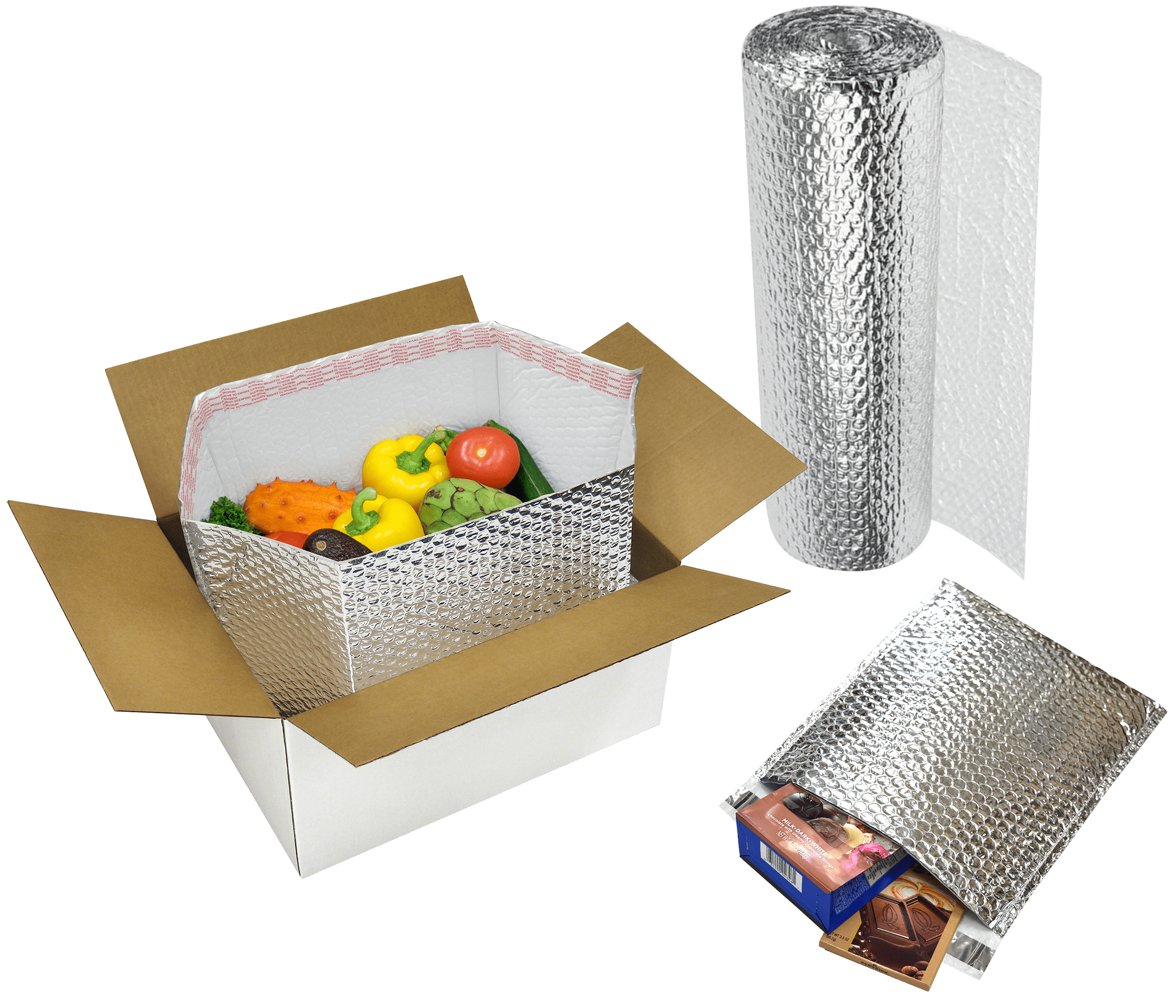
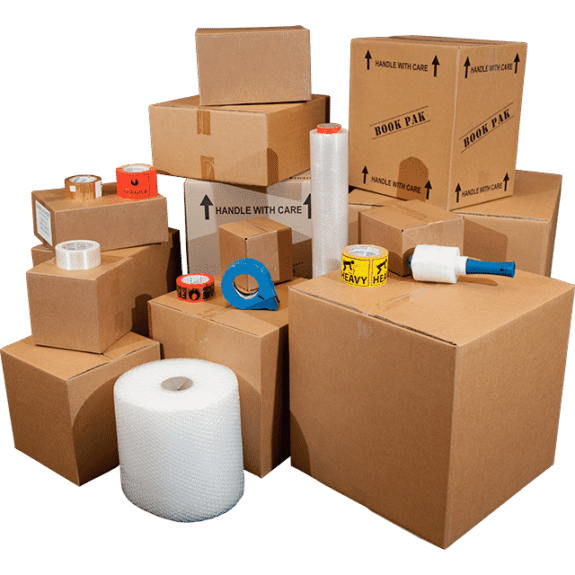
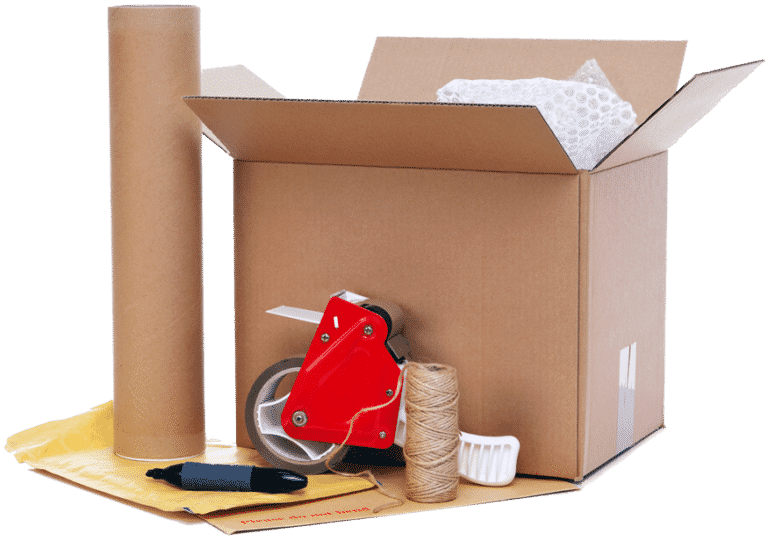
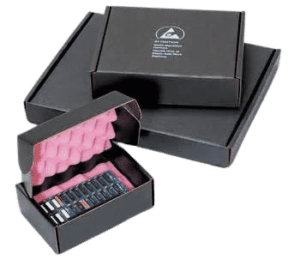
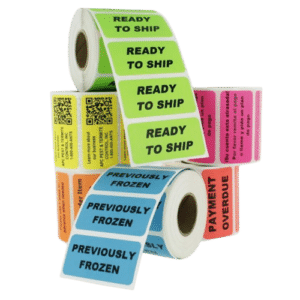
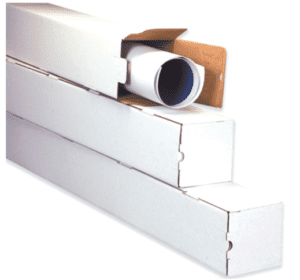
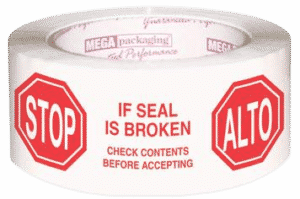
We supply businesses with a wide selection of essential packaging, shipping, and warehouse supplies. Get any standard packaging product by dimension or style from boxes, tubes, tapes, labels, and more. If you are unsure on what type of packaging you will need, then contact us for an expert consultation.


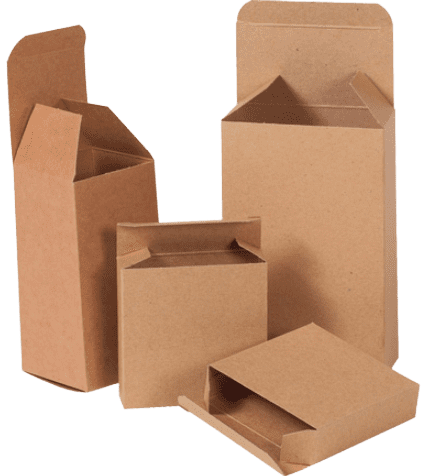
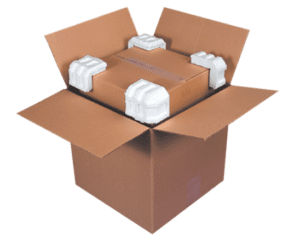
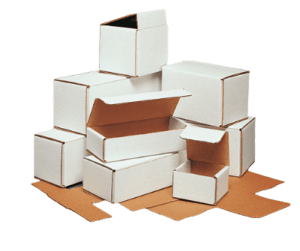
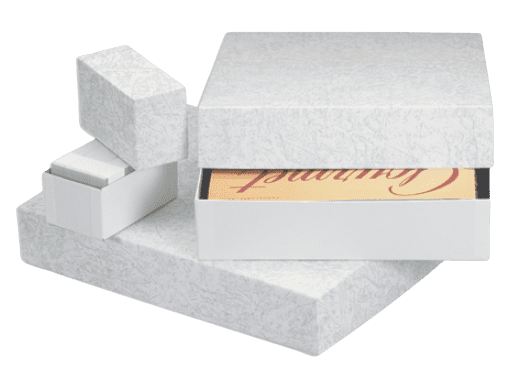
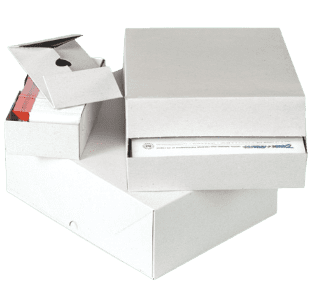
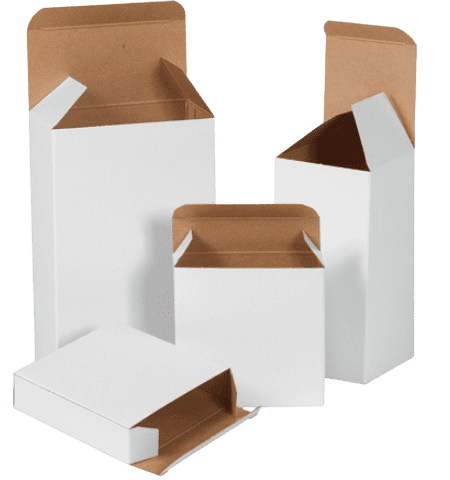
Stock packaging refers to pre-made, ready-to-ship packaging solutions like corrugated boxes, mailers, and protective materials that are designed to meet a wide range of standard needs across shipping, retail, and storage. Unlike custom packaging, stock options offer quick availability and reliable protection without the need for extensive design or production time, making them ideal for businesses needing efficient, high-quality solutions with fast lead times.
At Brown Packaging, we focus on providing durable, performance-driven stock packaging that supports our clients’ operational needs. Our stock products are sourced to ensure consistent quality and cost-effectiveness, offering a practical solution to keep operations running smoothly and on schedule. With an emphasis on reliability, we help our clients quickly access packaging solutions that meet their specific needs while maintaining quality across every order.
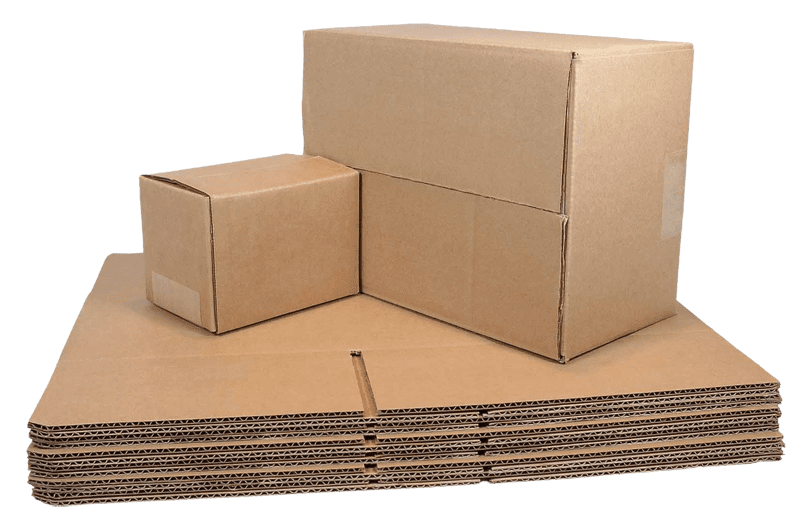
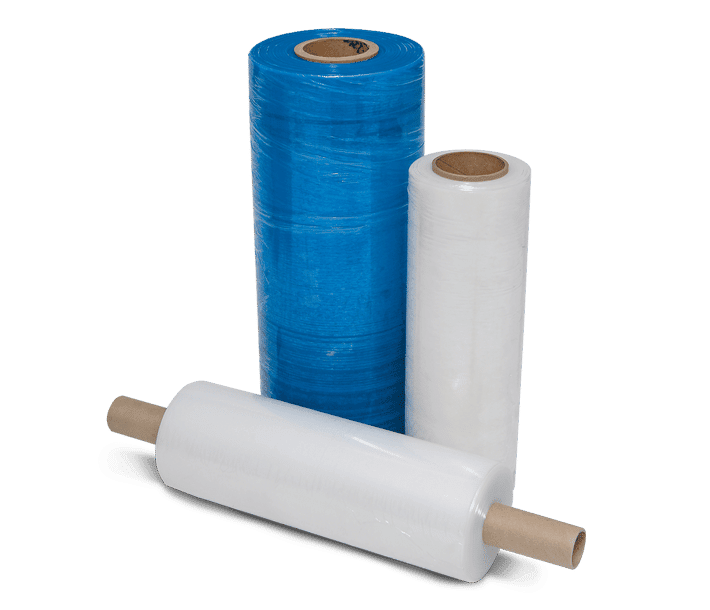
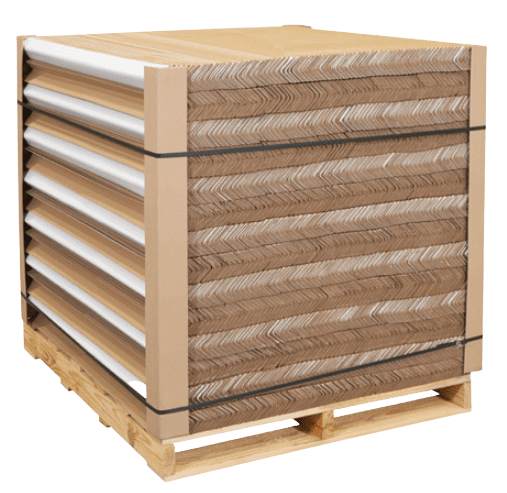
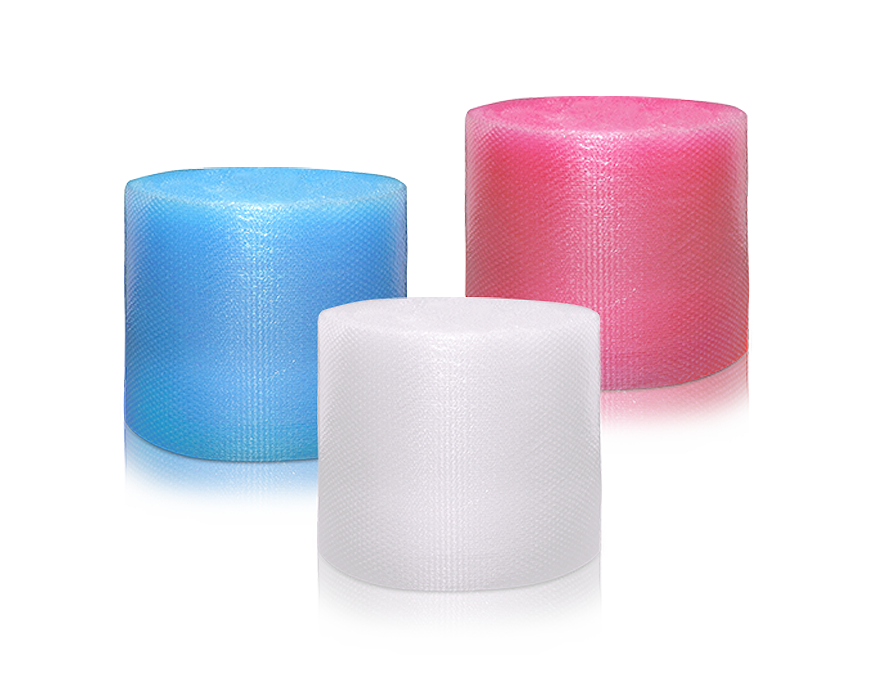
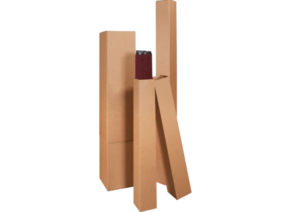
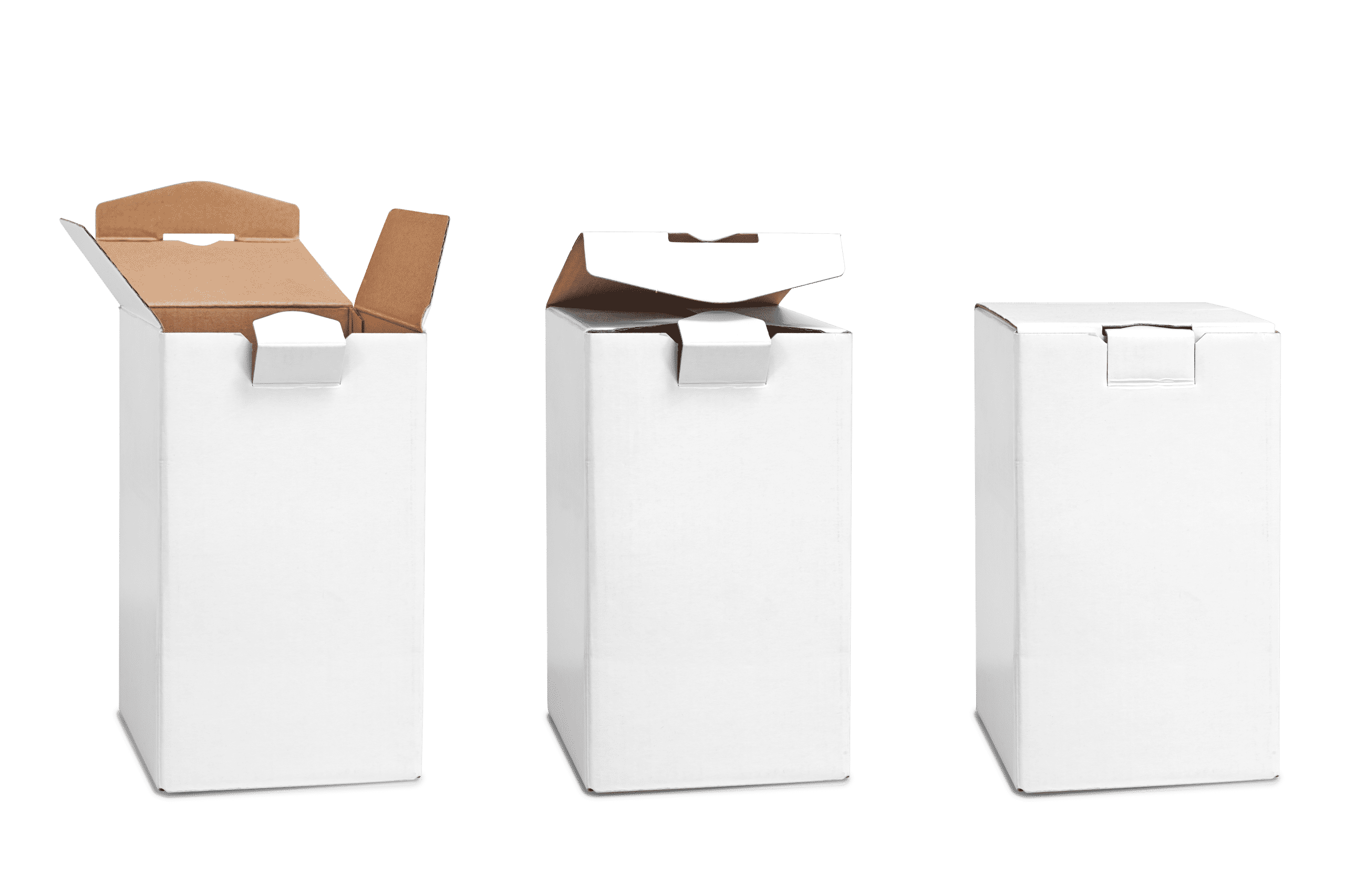
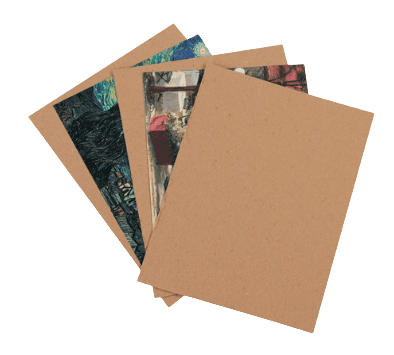
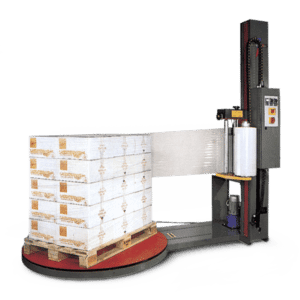
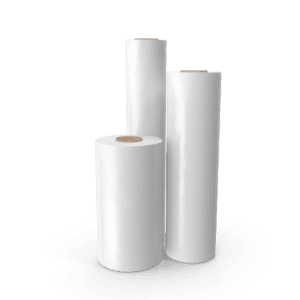
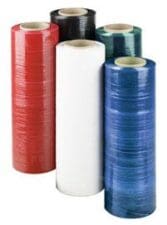
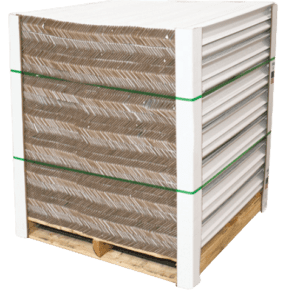
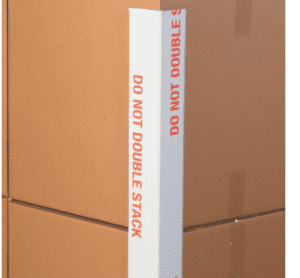
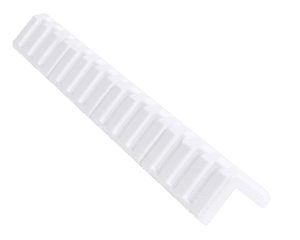
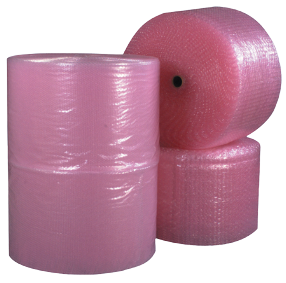
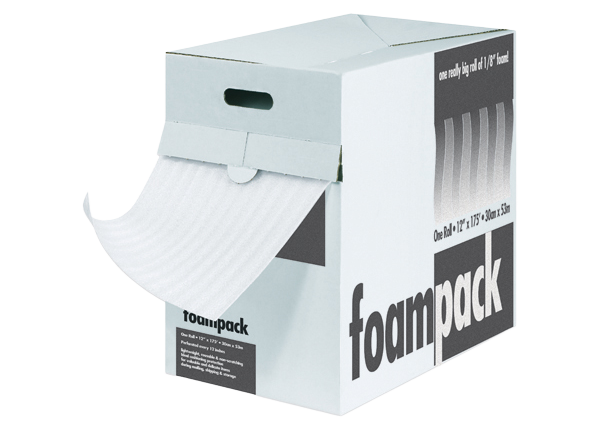
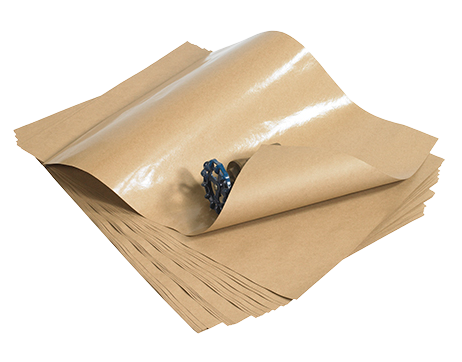
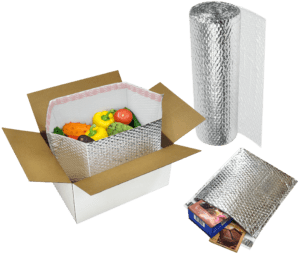
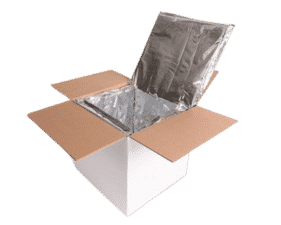
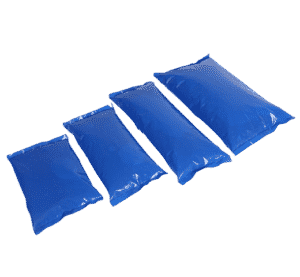
Our stock packaging products, from corrugated boxes to stretch film, offer a wide selection, including essentials like tape, edge protectors, labels, and more, with quick turnaround times to meet your packaging needs efficiently.


If you need any assistance with your packaging or have a question, then contact us directly at request@brownpackaging.com or (714)300-0650. Learn more about custom packaging by reading our blog posts on new and trending topics.

When you see packaging, you don’t see the process it went through, you just see the result. It is important to understand how each package is created, especially if you are looking for packaging for your business. The two most common manufacturing processes include flexo folder gluer and die cutting. Flexo folder gluer is best used for certain style boxes, mainly used for shipping. While die cut is best used for custom boxes, such as mailers and inserts. One of the main differences between these methods is the requirement for tooling. Flexo folder gluer can operate without a tool, whereas die cut products will require specific tooling depending on the style of the box. To make the best choice for your business needs, you must understand the differences between the machines. Machine Run: What is flexo folder gluer? The flexo folder gluer is a machine that produces boxes with a wide range of configurations available to suit any production level. It can produce boxes without requiring a tool. This system prints, scores and slots the boxes before folding and gluing them together. Although this machine is full-service, it can only make certain styles of boxes. Styles that can be made with this machine: RSC- Regular slotted container HSC- Half slotted container FOL- Full overlap POL- Partial overlap The main elements of flexo folder gluer: Feeder: stacks and squares the boards before moving into the machine at the required speed Flexographic print units: one for each color Creasing and slotting units: cut and score the boards, to create flaps and panels Folder gluer: apply adhesive to the glue tab and fold Counter ejector: stacks the boxes in the required quantities according to the thickness of the material. Die Cut: What is die cutting? Die cutting is a process that transforms material by cutting, forming, and shearing it into custom shapes and designs. This machine requires tools and uses rollers and cutting plates to put pressure on a die to push through and create a precise die cut. If you are ordering specific style boxes, then you will need to use a die cut machine. There is two important kinds of die cutting; flatbed and rotary. Flatbed die cutting- Flatbed die cutting cuts the desired shape out of material using a hydraulic flatbed press. This works well for low volume projects of consistent cut or larger sized products. Advantages: Lower tooling cost Max tonnage pressures Process thicker materials in larger and wider sizes Disadvantages: Slower Price per piece is more expensive Rotary die cutting- Rotary die cutting uses a cylindrical die to cut shapes out of material. These cylinders are fully covered in blades to cut out the desired shape as it moves around in a circular motion. This machine cuts a wide range of designs with the highest degree of precision and accuracy. Advantages: Consistent cutting speeds and precision Faster production High volume productions Disadvantages: Tooling is more expensive Stricter size constraints Summary Machine Run vs Die Cut: Selecting between machine run and die cut just comes down to what kind of packaging your business needs. The main determining factor between choosing machine run or die cut depends on the style and if a tool is required to cut the boxes. If it is a specific style or shaped box and a tool is needed to cut the boxes, then die cut would be the best option. If no tools are required, then machine run would be the best option. Machine run only makes certain style of boxes which are mainly used for shipping purposes, if any other style is needed then you must use a die cut machine. Each process has its advantages and disadvantages, it is just important to decide which will work best for your business packaging needs. If unsure of which process is needed for your business, contact Brown Packaging today to speak with one of our packaging specialists. (714)300-0650 request@brownpackaging.com Most Recent Posts: Categories: Corrugated Folding Carton Display Packaging Rigid Box Subscribe To Our Newsletter By submitting your information, you agree to our terms and conditions and privacy policy. Custom Corrugated Boxes Facebook Twitter LinkedIn Pinterest Relevant Posts

In the past several years the world has faced economic challenges with the Covid-19 Pandemic, supply chain shortages, Russia-Ukraine conflict and other events which have impacted the global markets, potentially causing a new a recession to occur in the United States. Today, many brands and consumers are starting to cut back to adjust to slower economic growth, rising costs and inflation. Often, many businesses find themselves re-evaluating their packaging expenses as consumers are spending less, brands are charging less, and new potential projects are put on hold. Many buyers find themselves juggling between quality and cost for their custom packaging. Often, many brands will begin sacrificing quality to compensate for the increased cost, which can be damaging to a brand’s consistency, message, and product quality. Ultimately, packages still need to provide adequate protection for a product and in most cases, they need to make a product appear attractive on the sales floor and retain brand consistency. As a result, brands need to adapt their custom packaging to work best with a recession. 7 Ways to Adapt Your Custom Packaging in A Recession Consider Selling Economy Sized Products Re-evaluate Your Consumers Packaging Preferences Consider Alternative Packaging Products, Materials and Printing Methods Optimize the Size and Shape of Your Packaging Buy In Bulk Get Multiple Quotes Partner With the Right Packaging Supplier Consider Selling Economy Sized Products In a recession, buyers are much more rational with their purchases and are more likely to buy based on what they need. As a result, you should consider selling economy-sized products or more economical versions of your product. More economical products will help you retain loyal brand customers looking to save on cost or buying from a more rational perspective. Ultimately, by implementing an economy sized product it enables you to continue preserve branding on your packaging with consistency, while providing adequate protection to your product. Re-evaluate Your Consumers’ Packaging Preferences Conditions such as the economy affect your buyers’ buying preferences. Research and evaluate your consumers’ expectations and what they find valuable when it comes to your custom packaging. This can be done with surveys and study groups to analyze consumer behavior and feedback when interacting with your brand and product. Make sure that your audience is a random representative of your target audience to record the most accurate data. You may find that some packaging features, product information or design are just unessential or unneeded. They may even provide you with insight into what they are willing to pay more for. This can help you allocate your resources in the right place for your custom packaging. After evaluating your consumer’s preferences, adjust your packaging. Consider Alternative Packaging Products, Materials and Printing Methods It does not hurt to explore alternative packaging products, materials, and printing methods for your custom packaging, especially if you have received positive consumer feedback to do so. There are many different types of packaging products, material, and print options available that will vary based on your product and budget. Due to the complexity and versatility of custom packaging, we recommend you speak to a packaging expert for assistance in finding the right alternative packaging options for you. If you do not have a packaging expert, then partner with Brown Packaging today to explore options. Flexographic Print (Cheaper For Large Quantity Orders) Digital Print (Cheaper For low Quantity Orders) *Read “Digital vs. Flexo Print: Which Should You Choose?” for more information.* Optimize the Size and Shape of Your Packaging Often, many businesses do consider material costs when selecting the size and shape of their packaging. Typically, this is because they order packaging from an online company that does not provide you with the expertise and service of structural design. Structural design refers to how a packaging product or object is shaped and sized. If it is a box or display, then the design will include all the cuts and folds with measurements. Structural design can help you optimize the shape and size of your custom packaging, which will lead to lower material usage and costs. Overtime with a large enough volume, this can make a huge difference. Buy In Bulk We understand that not everyone can buy packaging in such large quantities as it affects cash flow and inventory levels. However, if you can do so, then we recommend it as the cost per unit decreases as quantity increases. Speak to your current or prospective supplier to explore cost and quantity incentives. Get Multiple Quotes Comparing prices from custom packaging companies helps protect you in getting a fair and competitive price. Be sure to request prototypes and samples from each supplier as quality and price will vary from vendor to vendor. Always factor in quality and other factors such as lead time and order minimums capabilities when reviewing a quote. Partner With the Right Packaging Supplier Often, selecting the right packaging supplier goes hand in hand with obtaining multiple quotes. Not every vendor is going to be the best fit for your packaging project. Essentially, you want to get a supplier that has the resources, capabilities, and drive to fulfill your project to your expectations. Typically, custom packaging projects are diverse, complex and require a lot of different resources and capabilities to fulfill. As a result, we recommend you partner with a packaging distributor or hybrid supplier that can accommodate all your packaging needs in one place. These packaging suppliers have an advantage over manufacturers by networking with hundreds of different vendors to get you the best value for your project. Partner With Brown Packaging At Brown Packaging, we assign a design package expert to each project to help our customers come up with solutions tailored to their needs. With over 30+ years of experience working with different industries and projects during a recession, we have developed solutions that can accommodate you. Contact us today to get started. (714)300-0650 request@brownpackaging.com Most Recent Posts: Categories: Corrugated Folding Carton Display Packaging Rigid Box Subscribe To Our Newsletter By submitting your information, you agree to

When it comes to printing on packaging, color is one of the most important components in attracting a consumer. Most people aren’t aware that there is a variety of different color process options to choose from including; CMYK, PMS, and GCMI. Understanding the difference between them all, will help you make the best decision for your business needs. It is important to take into consideration accuracy, pricing, lead time, and cost. What is 4 color process: CMYK Four color printing utilizes Cyan, Magenta, Yellow, and Black (CMYK), to create the visual effect of a full-color image. The process is applied through adding tiny dots, overlapping in different concentrations to create a match as exact as possible to the desired colors. CMYK can be applied digitally or with other printing methods, and is best for full-color images. It is not 100% accurate when it comes to color matching, which means your image could look different run to run. If you need 10 colors for your print, this process will create the image as close as possible using only 4 colors. On traditional printing when a specific color cannot be produced by the 4 color process, you can choose to incorporate a specific PMS color into the CMYK colors. Although this adds on to the overall cost, it will give the ability to create more color variations. If you aren’t sure about your artwork and think there might be some changes, always stick to CMYK digital printing because there is no initial investment and it is easier to change. Ultimately this method is cheaper when deciding which color printing process to choose. Advantages of CMYK: Cheapest Fastest No startup cost Easy to change/edit image Prints images with wide range of color Disadvantages of CMYK: Not 100% accurate Not consistent run to run Shade variation What Are Specific Colors: Pantone Matching System Pantone Matching Systems also known as (PMS) is created using a specific numbering system and is applied using a spot color method. This system is printed using flexographic printing, which has a numbering system that allows for exact color matching and consistency. There is currently over a thousand colors, each given a number and a name, which creates a universally recognized matching system. Although this system is overall more expensive, it is necessary when needing an exact color match. PMS color process is best for those who need their image, logo or design to be an exact color or have perfect attention to detail. Glass Containers Manufacturers Institute Glass Containers Manufacturers Institute also known as (GCMI) is a water-based ink used in flexographic printing. It is similar to PMS, in which they both ensure the perfect match to your prints. This coloring system has less than a hundred colors and is targeted to corrugated and paper board. PMS GCMI Advantages of Specific Colors: Exact coloring Consistent results run to run Has a universally recognized matching system Disadvantages of Specific Colors: More expensive Limited applications GCMI can only be used on corrugated and paper board Summary 4 Color Process VS Specified Colors: Overall each color process has their own benefits. CMYK is best used for images and for an affordable and almost accurate color print. Both PMS and GCMI are best for exact color match printing, but are more expensive and have limited application. GCMI is accurate when it comes to color match but is only used for printing on corrugated boxes. It is best to weigh out your options to determine which color printing method would be best for your business needs. It is important to take into consideration cost, lead time, consistency, and accuracy. If you need help determining which color method to choose, please contact Brown Packaging today so one of our packaging experts can assist you. (714)300-0650 request@brownpackaging.com Most Recent Posts: Categories: Corrugated Folding Carton Display Packaging Rigid Box Subscribe To Our Newsletter By submitting your information, you agree to our terms and conditions and privacy policy. Custom Packaging Facebook Twitter LinkedIn Pinterest Relevant Posts